$5.30 Diesel And $141 Oil Force Amazon’s Hand and Hits Sellers With ‘Temporary’ Surcharge
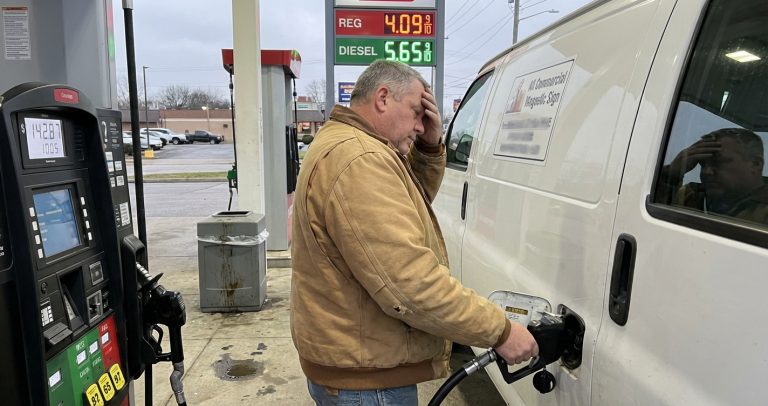
Somewhere between a war in the Persian Gulf and a fulfillment warehouse in Kentucky, the math stopped working. Diesel jumped $1.60 per gallon in less than a month, climbing above $5.30 by March 2026. Brent crude hit $141.36 on April 2, the highest price since the 2008 financial crisis.
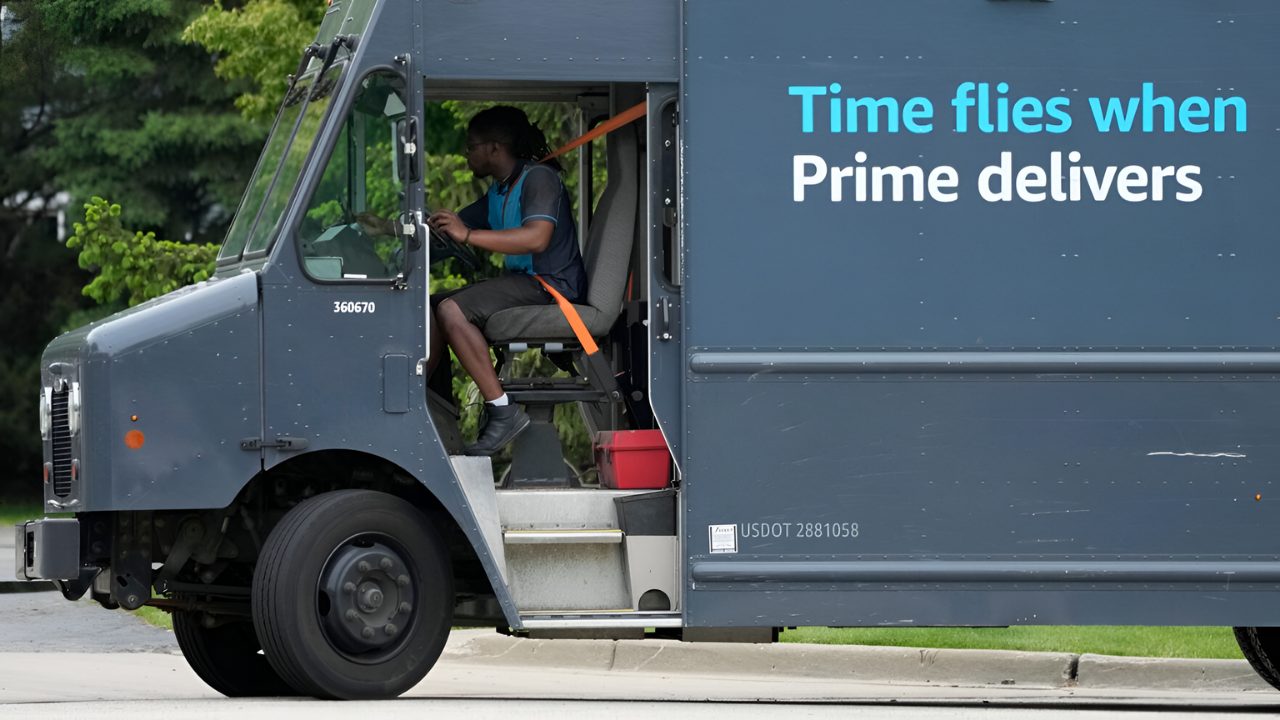
Oil was up 40% since late February. And on April 2, Amazon told its sellers: we absorbed what we could. Now it’s your turn. The surcharge lands April 17, and sellers got just over two weeks to figure out how to survive it.
The Strait That Broke the Supply Chain

The Iran war didn’t just rattle oil markets. It choked them. The Strait of Hormuz blockade cut off roughly 20% of global daily oil trade. The International Energy Agency called it the largest supply disruption in the history of the global oil market.
Oxford Economics described the conflict as larger and more intense than the 2025 twelve-day war, forecasting one to three weeks minimum. Freight burns approximately 25% of global oil output annually. Remove a fifth of the supply, and every truck, ship, and fulfillment center feels it within weeks.
Two Fee Hikes in Four Months
Most sellers hadn’t finished absorbing the first hit. In January 2026, Amazon raised FBA fees by an average of $0.08 per unit. Now a 3.5% fuel and logistics surcharge adds another $0.17 per unit on average. That’s $0.25 cumulative in four months.
For a seller moving 10,000 units a month, the surcharge alone means roughly $1,700 in new monthly costs. Amazon says its 3.5% is meaningfully lower than other major carriers. UPS and FedEx sit at 21% to over 30%. But that comparison hides something sellers already suspected about the word “temporary.”
“These Fees Are Never Temporary”

Amazon describes the surcharge as temporary. An Amazon moderator on Seller Central clarified it will remain “until further notice.” Zero end date. No trigger price. No sunset clause. “These fees are never temporary,” one seller posted. “Please advise how long we should plan them to be part of our cost structure.”
They remember 2022. Amazon imposed a 5% fuel surcharge then, called it temporary too. It became a permanent FBA fee increase. Same language. Same framing. The moderator’s own words confirm indefinite duration dressed in temporary clothing.
The Machine Behind the Surcharge
Here’s how the system actually works. Geopolitical shock spikes oil. Oil spikes diesel. Diesel inflates logistics costs. Amazon absorbs costs until a threshold, then passes a selective share downward. Sellers face a binary choice: eat the margin or raise prices.
Consumers pay more and never trace it back to the Strait of Hormuz. The responsibility diffuses at every step. Amazon chose where the burden lands. USPS needs regulatory approval for its 8% surcharge, the first fuel surcharge in Postal Service history. Amazon just announced and enforced. That’s market power operating in real time.
The Margin Squeeze by the Numbers
A high-volume seller processing 120,000 units annually faces roughly $20,400 in surcharge costs alone. For sellers operating at 3-4% net margins, that kind of hit represents serious compression. According to FTR Transportation Intelligence analysis, a 10% rise in diesel drives up to 1.5% consumer product price increase within one quarter.
Diesel spiked over 30%. If fully passed through, that could mean 4-5% consumer price pressure. Amazon absorbed some costs before acting. But “we have absorbed these increases so far” is a statement of discretion, not generosity.
Who Gets Crushed Next
The surcharge expands May 2 to Buy with Prime and Multi-Channel Fulfillment in the U.S. and Canada. Sellers already recalculated product-level profitability in January. Now they do it again. Discount retailers selling price-sensitive goods face the worst of it: their customers trade down at the first price bump.
Competitor platforms are watching. Walmart and eBay now evaluate their own surcharge strategies. Multiple carriers already introduced additional surcharges for Middle East shipments. The fee structure that starts with one company’s announcement becomes an industry permission slip within weeks.
The New Rule, Not the Exception
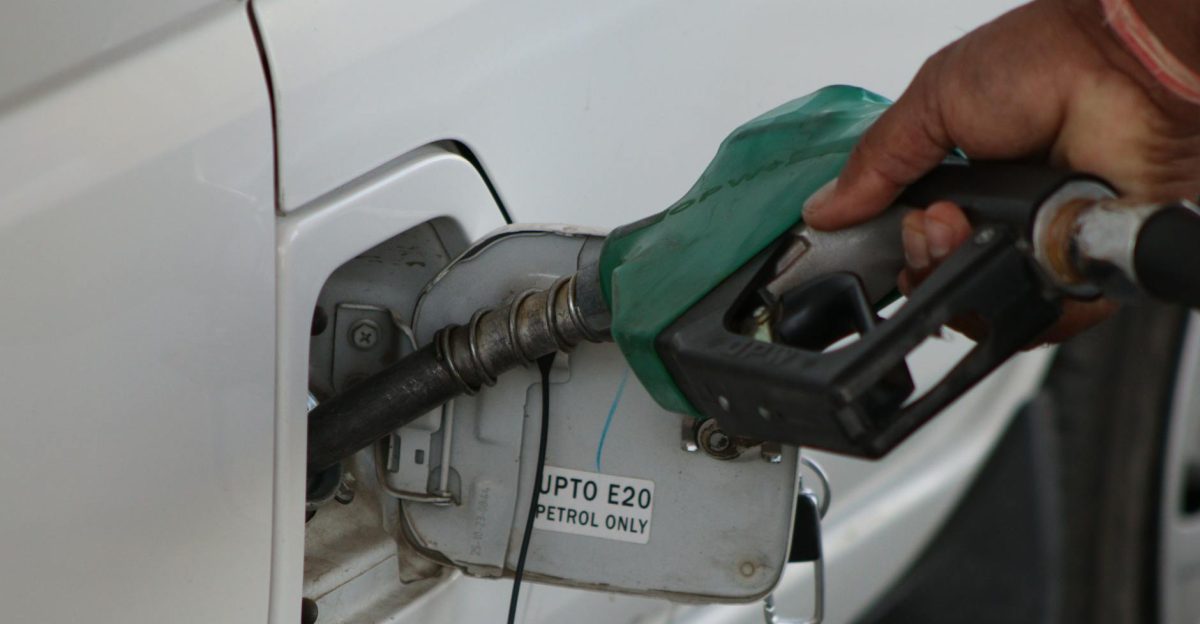
The 2022 surcharge wasn’t an anomaly. It was a proof of concept. Amazon tested the word “temporary,” watched it calcify into permanent pricing, and faced no meaningful pushback. Now the playbook runs again with geopolitical cover. USPS proposing its first-ever fuel surcharge signals an industry-wide shift toward dynamic fuel indexing that used to belong exclusively to private carriers.
Once you see the pattern, every “temporary” surcharge looks like a structural pricing test. The surcharge isn’t the story. The permanence engine behind it is.
The Exits Are Getting Crowded
If oil stays above $100 a barrel, surcharges remain or climb. If oil moderates but the surcharges stick, sellers blame Amazon for opportunistic pricing. Either path erodes seller profitability. Some sellers will exit FBA entirely. Amazon’s inventory concentrates among large brands that can absorb costs, and price competitiveness quietly erodes.
Private label brands are already exploring owned logistics. Walmart Fulfillment Services gains share as an alternative. The lowest-income consumers, spending the highest share of their budgets on Amazon, absorb the invisible inflation with the fewest options to escape it.
The Price Tag You Can’t See

Sellers are already diversifying to ship-from-merchant models and third-party logistics partnerships. Some brands are backward-integrating warehousing to escape the surcharge regime entirely. That’s the counter-move Amazon didn’t price in.
Meanwhile, the surcharge applies to fulfillment fees, not sale prices. A detail most people skip. It means Amazon protected its own marketplace economics while loading the cost onto per-unit logistics, where sellers have the least flexibility. Corporate margins get defended. The burden flows downhill. The word “temporary” buys time. And the receipt always lands on someone who can’t send it back.
Sources:
CNBC, “Brent oil price for actual cargo soars to $141, highest level since 2008,” April 2, 2026
CNBC, “Amazon add 3.5% fuel and logistics surcharge for sellers amid Iran war,” April 2, 2026
Maersk, “United States Inland Fuel Surcharge Update,” March 30, 2026
Oxford Economics, “The 2026 Iran War, An Initial Take and Implications,” March 1, 2026
New York Times, “Iran War Causing Largest Ever Oil Disruption, I.E.A. Says,” March 12, 2026
Quartz, “USPS plans first-ever 8% fuel surcharge on packages,” March 26, 2026