F1 Driver Survives 50G Crash Caused By Rules Flaw Drivers Warned About One Week Earlier
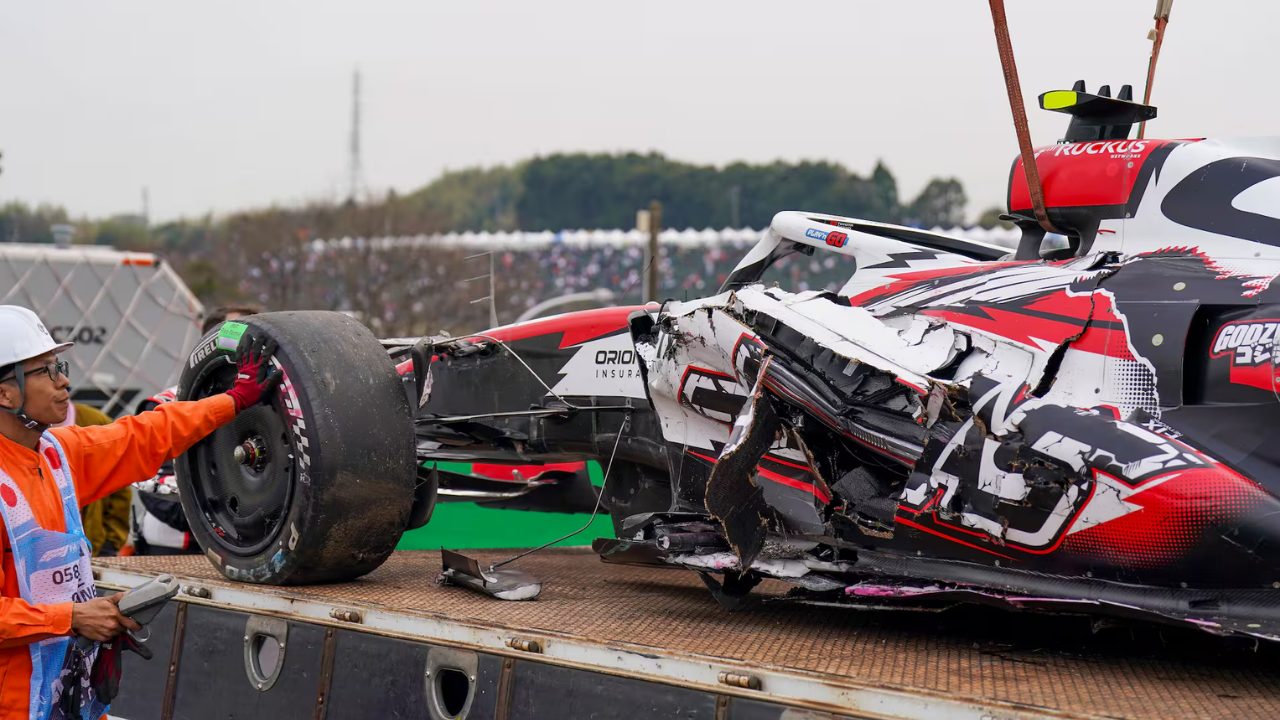
Oliver Bearman’s Haas hit the Spoon Curve barrier at Suzuka with 50G of force. The kind of impact that borders on survivability thresholds, the kind that bends roll hoops strengthened to hold the weight of nine family cars. Confetti from the previous session still littered the track. Bearman walked away. But the wreckage told a story the FIA already had in writing, delivered formally by the drivers’ own association days before anyone hit a wall. The warning named this exact scenario.
A Speed Gap Nobody Modeled
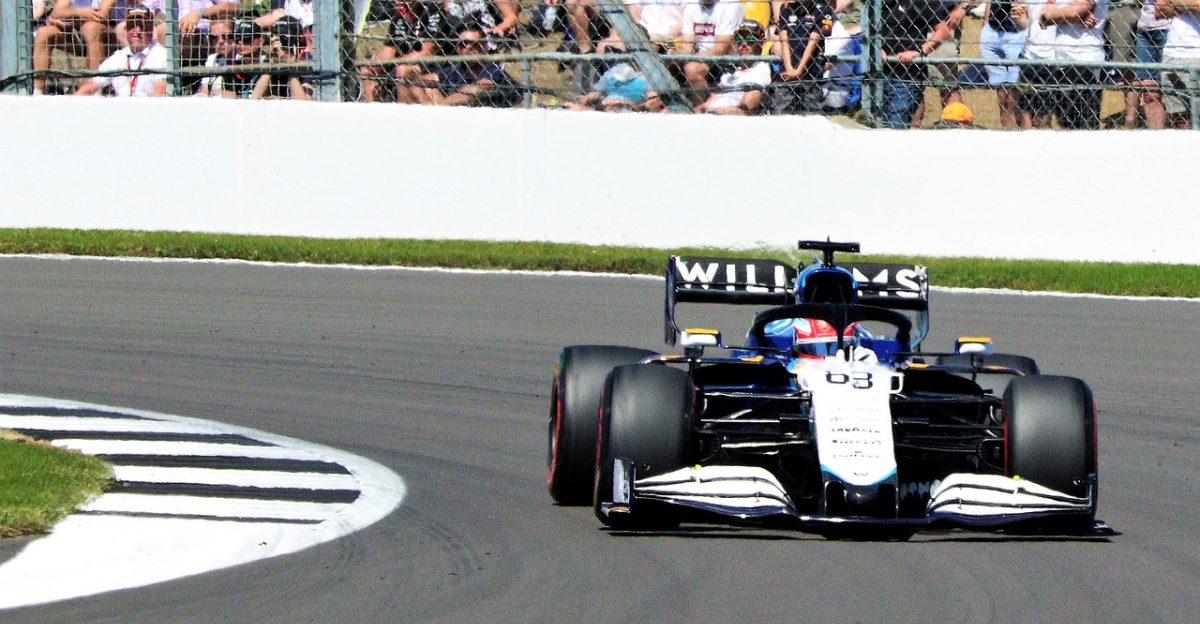
The crash mechanism was brutally simple. Bearman’s Haas ran in boost mode, deploying full electrical power. Franco Colapinto’s Alpine, directly ahead, harvested energy through the same corner. The speed differential: 50km/h. That closing rate exceeds three times the typical qualifying delta, creating a collision window that no human reaction time can accommodate. The 2026 regulations permit both modes simultaneously on the same stretch of track. Nobody at the FIA simulated what happens when one car accelerates while another brakes through Spoon Curve at 300km/h.
The Warning They Filed
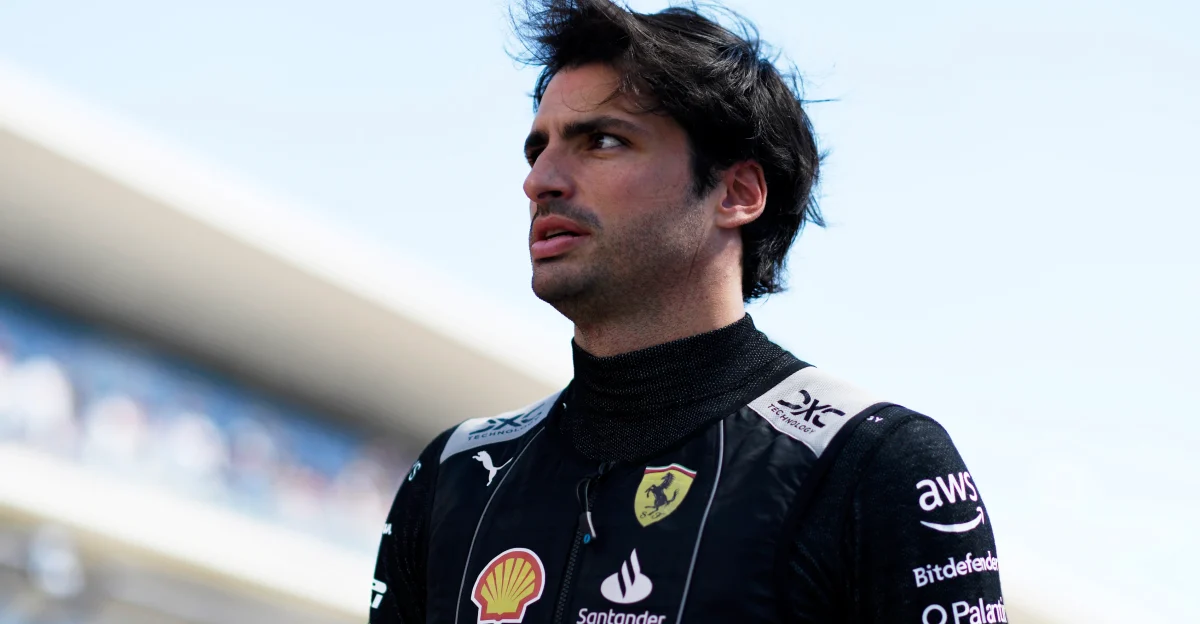
Carlos Sainz, a director of the GPDA, put it on the record: “We, as GPDA, have warned the FIA that these accidents are going to happen a lot with this set of regulations, and we need to change something soon.” That was March 22. Bearman crashed March 28. Six days. The drivers didn’t guess. They predicted the failure mode, named the hazard, and filed a formal warning. The FIA had nearly a week to act on it. They did not. The assumption that F1’s regulators rigorously test for safety before implementation died at Spoon Curve.
Designed for Boardrooms, Not Cockpits
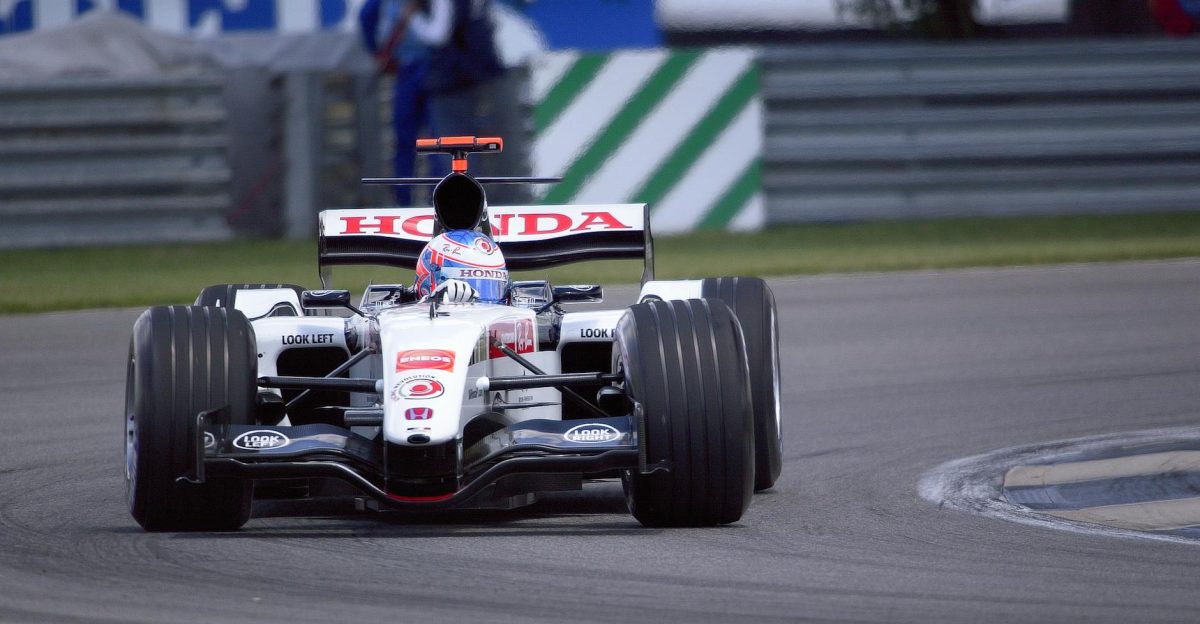
The 2026 regulations rewrote F1 from the ground up: 50/50 combustion-electric power split, MGU-K output tripled from 120kW to 350kW, Active Aero replacing 15 years of DRS. The stated mission was “road relevance” to attract manufacturers. It worked. Five engine suppliers signed on, including Audi and Honda. But the cars those suppliers built made Charles Leclerc compare pinnacle motorsport to a video game in Melbourne. “This is like the mushroom in Mario Kart.” Regulatory success for the boardroom. Competitive failure for the cockpit.
When the Algorithm Drives
Leclerc’s qualifying telemetry exposed something worse than bad handling. A minor 95% throttle input in Turn 10 triggered his car’s power management algorithm, resetting the entire deployment sequence. He lost lap time through zero deliberate action. The software decided. Meanwhile, Mercedes and Red Bull discovered a 60-second MGU-K lockout loophole that extends qualifying power at the end of laps. Exploiting regulatory gray zones now delivers more performance than driver bravery. The hidden system running 2026 F1 is algorithmic complexity overriding human agency at 200mph.
Numbers That Expose the Flaw
Energy recovery limits vary by circuit, ranging from roughly 8MJ to 9MJ depending on the track layout. A variable that creates competitive inequity based on geography rather than skill. Cutting limits to fix the problem carries its own cost. Drop to 7MJ and lap times fall roughly one second. Drop to 6MJ and cars lose more than two seconds. Lando Norris already called them “probably the worst” cars F1 has ever produced. Making them two seconds slower could turn criticism into open revolt.
Billions Already Spent
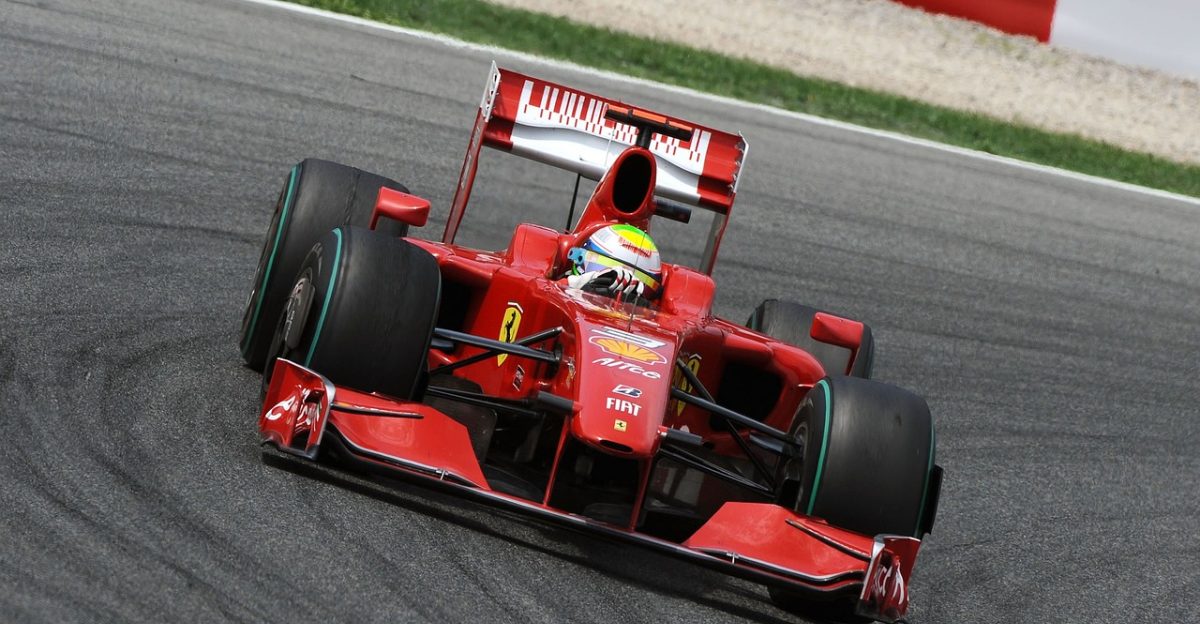
Five engine manufacturers invested billions around the current 9MJ recovery architecture. Slashing that number mid-season doesn’t just change lap times. It invalidates optimization work, dyno testing, and deployment algorithms built over years. Underfunded teams like Haas and Alpine cannot recalibrate as fast as Ferrari or Mercedes, meaning a “fix” could create a new performance hierarchy overnight. The April 9 emergency summit convenes team technical chiefs, manufacturers, and FIA officials to choose among six proposed solutions. All five manufacturers must agree. Bearman’s team already paid the price.
The Precedent Nobody Wants
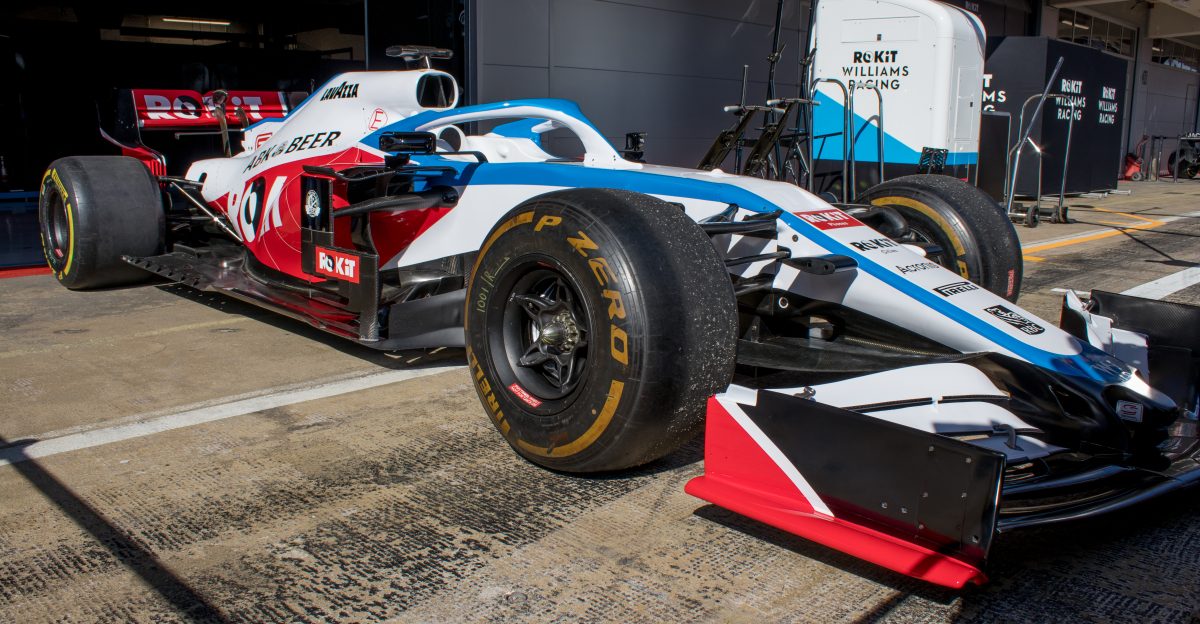
The last emergency rules summit convened during an active F1 season over power delivery architecture dates to the 1980s turbo era. The GPDA’s formal pre-crash warning represents the first collective driver safety action of this magnitude since the 1994 post-Senna reforms. Every 2026 feature made sense in isolation: road relevance, sustainability, racing variety. But stacked together, they produced a car that is slower, less driveable, and more dangerous than its predecessor. F1 optimized each piece independently and never simulated how they interact. That compound failure is the new rule, not the exception.
Verstappen’s Exit Threat
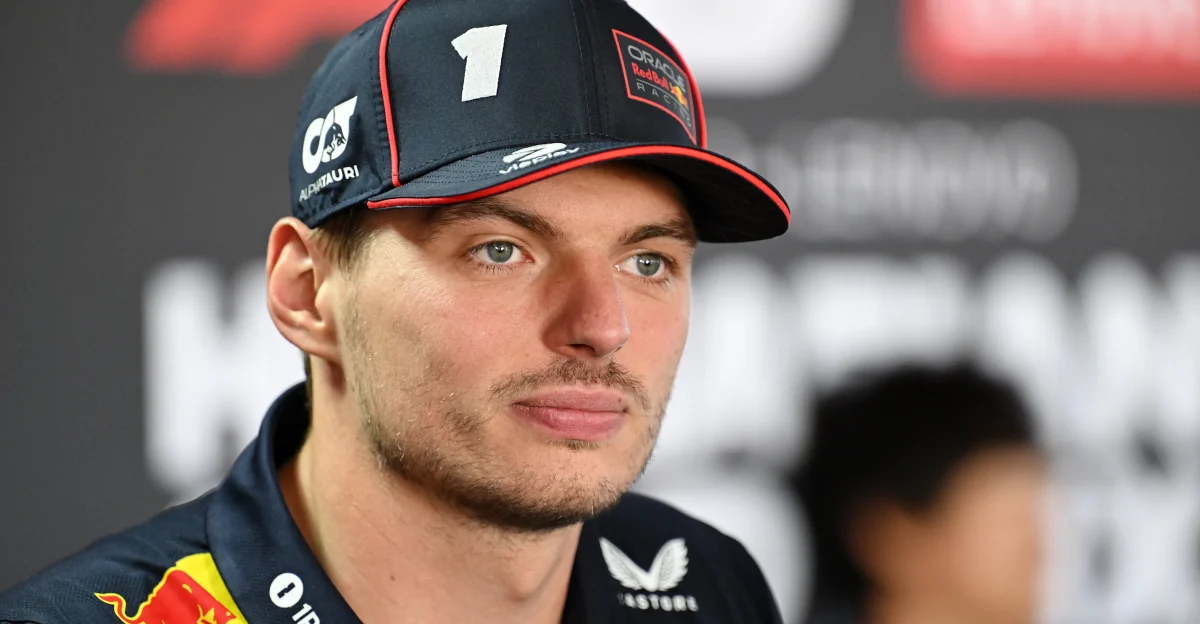
Max Verstappen, four-time world champion, finished eighth in Japan and publicly considered leaving F1. He called the regulations “anti-racing” and “Formula E on steroids.” No champion of Verstappen’s stature has threatened retirement over regulation design philosophy. If the April 9 fixes prove insufficient, Verstappen’s exit threat becomes contagion. Other top drivers reconsider commitments. The grid’s talent quality shrinks. And the May 3 Miami Grand Prix, run on a street circuit with minimal runoff, arrives with unresolved speed-differential hazards still embedded in the rulebook.
The Trap With No Clean Exit
Manufacturers may threaten withdrawal if the 50/50 split changes. Drivers may boycott if it doesn’t. The FIA cannot satisfy one without losing the other. General Motors joins in 2029, but if the next three seasons prove unsalvageable, that entry could evaporate. Here is what most people watching F1 still don’t understand: the regulations work perfectly for everyone except the drivers who have to drive them and the fans who have to watch. The crash at Spoon Curve wasn’t a malfunction. The system performed exactly as designed.
Sources:
“Bearman Explains 50G Suzuka Crash After GPDA’s Pre-Race Warning” — The Race
“F1 Drivers Facing Reduced Japanese GP Threat After Sudden Change” — RacingNews365
“Suzuka Challenge ‘Gone’ as F1 Drivers Are ‘Handcuffed'” — The Race
“Leclerc Compares 2026 F1 Cars to Mario Kart After Melbourne Qualifying” — Formula1.com
“Verstappen Questions Whether F1 ‘Is Worth It’ After Japan Result” — Sky Sports F1