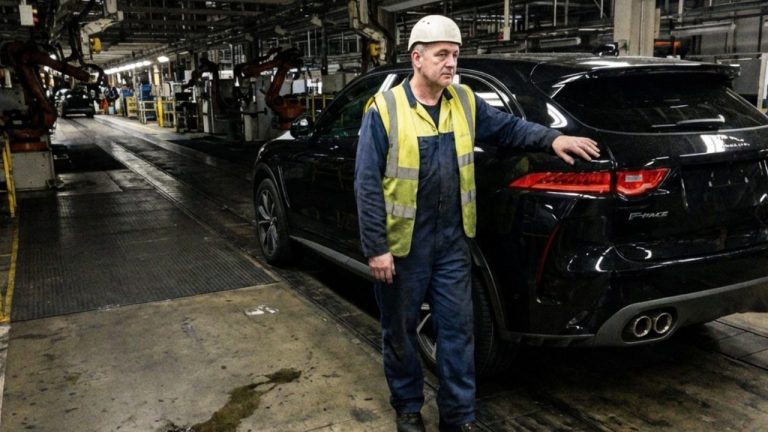
Nissan Calls U.S. Manufacturing Of Cheap Cars ‘Impossible’ After $3B Tariff Hit—20,000 Jobs Gone
The chairman of Nissan Americas stood in front of reporters and said something no automaker is supposed to say out loud. Christian Meunier, the man responsible for every Nissan sold between Canada and Brazil, called building affordable cars in the United States “prohibitively expensive.” Not difficult. Not challenging. Prohibitively expensive.
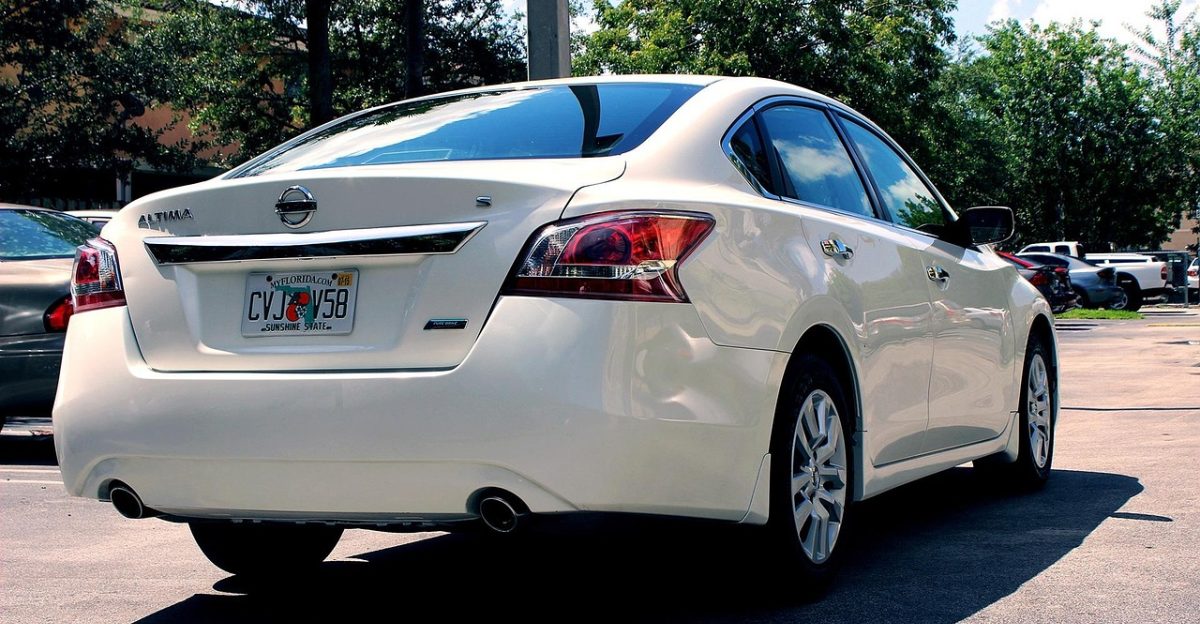
The Sentra sedan and Kicks crossover, two of the cheapest new vehicles left on American lots, start at $22,600 and $22,430. Both are built in Mexico. And Nissan says that’s the only place the math works.
The Tariff Trap
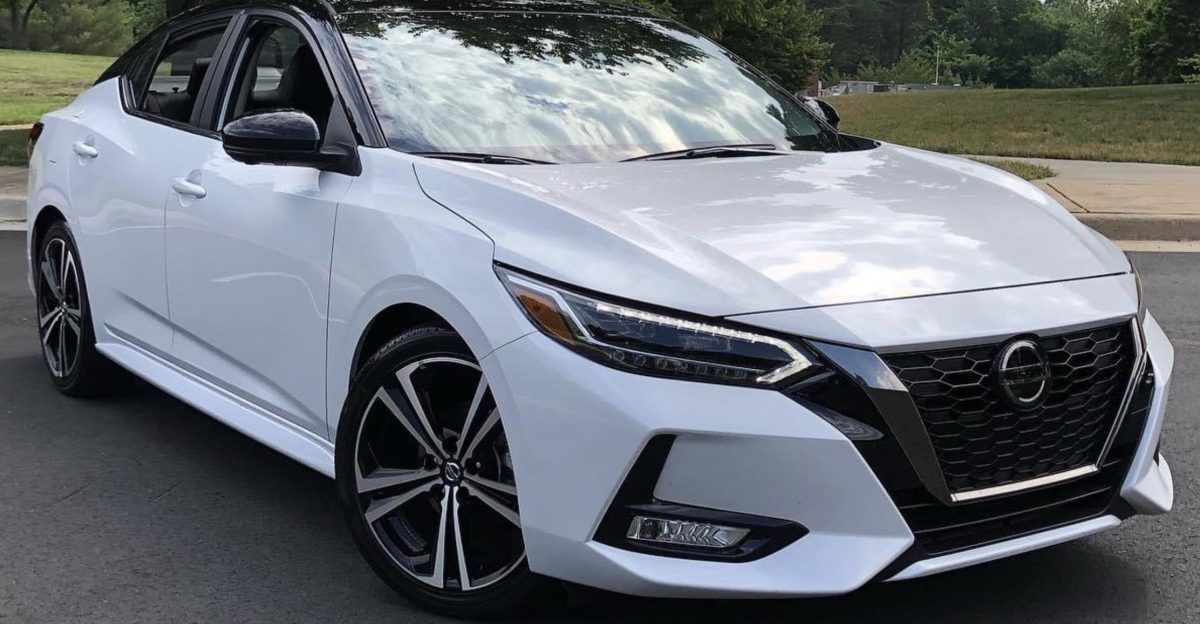
Tariffs on those Mexico-built models add $2,500 to $3,000 per vehicle. That sounds manageable until you realize the Sentra’s entire profit margin lives inside that number. Nissan sold 152,659 Sentras in the U.S. in 2024, roughly 18% of its total American sales. Every single one crossed the border carrying a tariff penalty designed to push production stateside.
Entry-level vehicles under $30,000 made up 38% of dealer inventory in 2019. Today that share has collapsed to 13.6%. The affordable car market didn’t shrink. It got legislated out of existence.
Five Times the Labor, Zero Times the Logic

Tariffs were supposed to bring factory jobs home. The assumption was simple: make importing expensive enough and companies will build here instead. Nissan has a plant in Canton, Mississippi, sitting well below full capacity. The space exists. The workers exist. But Mexican entry-level manufacturing labor costs $5.56 an hour fully burdened.
American labor runs $29.95 an hour with benefits. That’s a 5.4-to-1 gap. No tariff schedule on earth closes a wage differential that wide on a $22,000 car without destroying the price tag that makes it affordable.
The Admission That Broke the Promise

Meunier’s statement is the crack in the wall. Nissan publicly projects $3 billion in annual tariff costs. The company has suspended its financial forecast. It posted a ¥670.9 billion net loss in FY2024, then continued losing money into FY2025. Move the Sentra to Mississippi and the base price climbs to an estimated $24,500 or higher. Keep it in Mexico and eat $2,500 per unit in tariffs. Every path leads to the same dead end.
Separately, Nissan announced a broad restructuring in May 2025 driven by global financial losses: 20,000 job cuts, seven plant closures, consolidation from 17 factories to 10 by 2027.
The Invisible Tax on Every Car
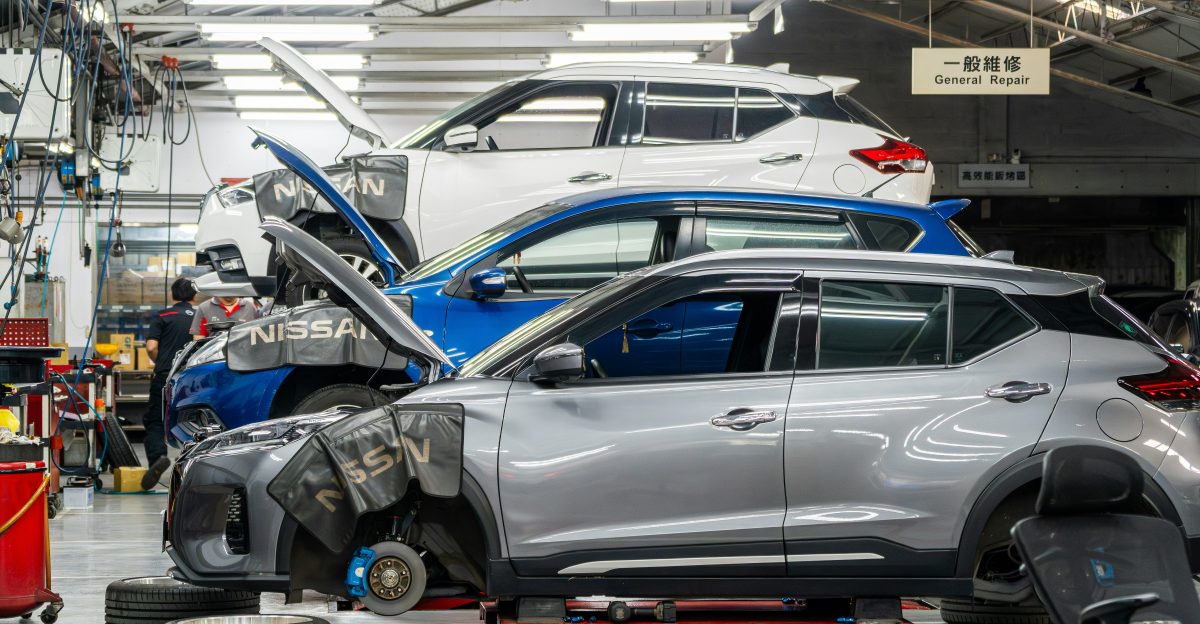
Trade compliance costs from recent tariff actions cost the U.S. manufacturing sector between $39 billion and $71 billion a year, according to the Federal Reserve. Components get tracked multiple times per vehicle as they cross borders. That friction is baked into every sticker price, invisible to the buyer but binding on the builder.
Nissan isn’t alone in absorbing the blow. Toyota faces an estimated $9.1 billion in tariff costs. Honda, $3 billion. Three Japanese automakers hemorrhaging more than $15 billion combined, all while publicly insisting they won’t raise prices.
$774 a Month and Climbing
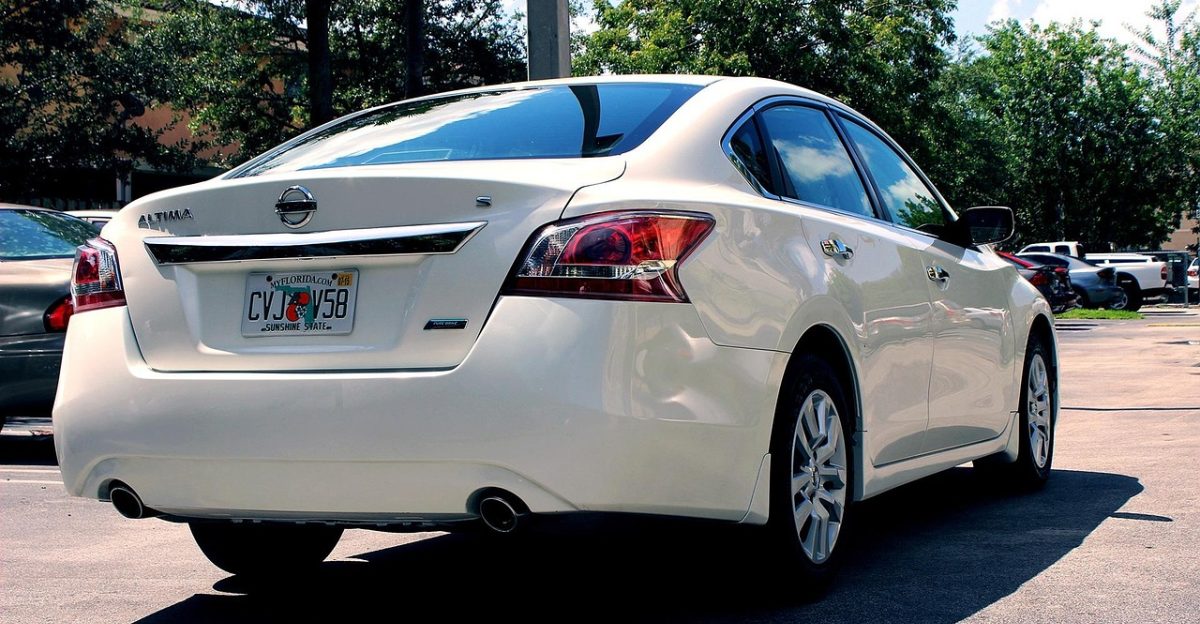
The average new car payment hit $774 a month at the end of 2025. Nearly one in five buyers already pays $1,000 or more. Projections suggest that share will grow by the end of 2026.
Younger Millennials have seen their car payments jump significantly since 2019. New vehicle prices have risen sharply since 2020. The average transaction price sits near $49,500. And the vast majority of entry-level vehicles sold in America are built outside the country. The tariff regime taxed the only cars working-class buyers could still afford.
Where the Buyers Went

The market didn’t vanish. It split. Luxury SUVs in the $70,000 to $90,000 range are selling strong. Used vehicles under $30,000 now account for a large share of retail growth. The middle evaporated. New affordable cars declining sharply. Premium new cars up. Used cars surging.
That’s the tariff legacy: a bifurcated market where wealthy buyers get new trucks and everyone else gets a seven-year-old sedan with six figures on the odometer. Meanwhile, 84-month auto loans now account for more than 20% of the market. People are financing desperation.
The Pattern That Keeps Repeating

The U.S. auto industry has steadily lost ground over decades. The Big Three held dominant market share in the 1960s. By 2024, that number had fallen dramatically. Tariffs promised to reverse decades of decline. Instead, Nissan is closing plants during the very era tariffs were supposed to trigger expansion.
The 1970s oil crisis produced the same pattern: tariffs, consolidation, retreat to higher margins. The industry is replaying the same tape, and the USMCA renegotiation deadline on July 1, 2026, could tighten the rules further.
The Dominoes Still Falling
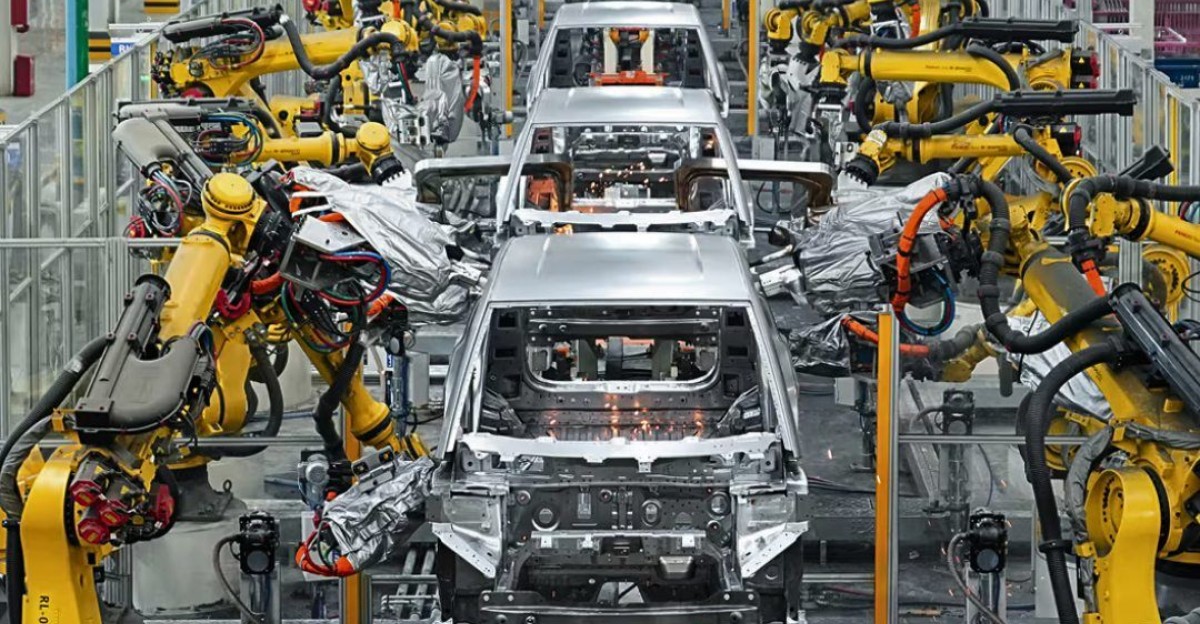
If USMCA compliance costs rise after renegotiation, sub-$25,000 vehicles become nearly impossible to build profitably. Over a million Mexican automotive workers face employment risk if production shifts accelerate. Tier 2 and Tier 3 suppliers reliant on entry-level contracts lose business. Regional manufacturing clusters in the Midwest and South lose tax base.
Chinese manufacturers, meanwhile, build cars at far lower labor costs with cheaper battery packs. They’re waiting for the tariff window to crack open.
The Market Tariffs Were Supposed to Save
Congress could exclude vehicles under $25,000 from tariffs. Washington could negotiate bilateral relief before the July deadline. Nissan could absorb retooling costs and launch a redesigned Sentra from Mississippi in 18 to 24 months. All of those options existed a year ago. None materialized. What materialized instead: entry-level inventory continuing to decline,
Nissan slashing Rogue production, and a generation of first-time buyers discovering that new car ownership now requires a salary their parents never needed. Tariffs didn’t protect the affordable car market. They wrote its obituary.
Sources:
Bloomberg. “Nissan Americas Head Says Cheap Cars Can’t Be Built in the US.” March 31, 2026.
CBT News. “Nissan Urges Washington for Tariff Relief to Keep Entry-Level Cars Affordable.” April 1, 2026.
Supply Chain Dive. “Nissan Maneuvers to Soften $3B Hit From Tariffs.” May 13, 2025.
Nissan Motor Co. “Nissan Reports Financial Results for Fiscal Year 2024.” Press release, May 13, 2025.
Board of Governors of the Federal Reserve System. “Trade Compliance at What Cost? Lessons From USMCA Automotive Trade.” FEDS Notes, July 17, 2025.
New York Times. “How $800 Monthly Car Payments Are Hurting Car Sales.” March 5, 2026.