Subaru’s Most Powerful Vehicle Ever Hits 60 In 4.9 Seconds—Its First American-Built EV For Families
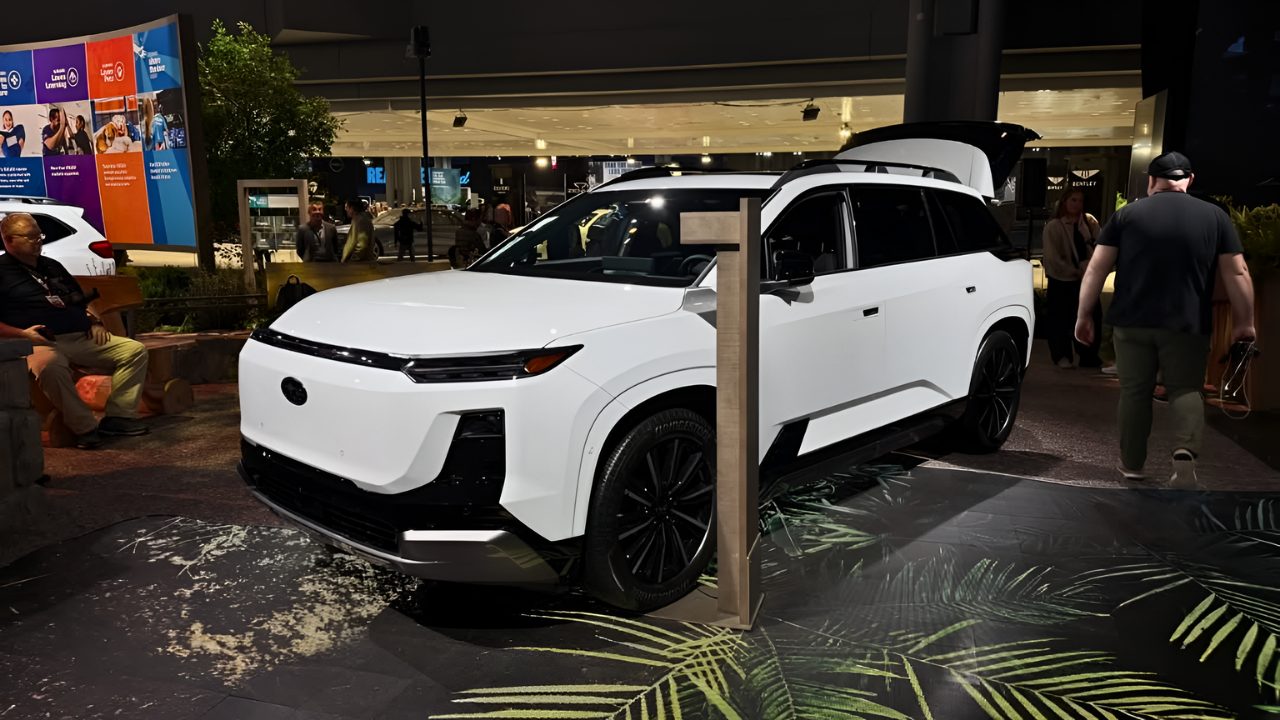
Subaru just dropped the most powerful production vehicle in its entire history, and it seats seven. The 2027 Getaway packs 420 horsepower from dual electric motors, hits 60 mph in under 5 seconds per Subaru’s official claim, and offers over 300 miles of range from a 95.8 kWh battery. That 420 figure eclipses the Trailseeker’s 375 hp by 45 horsepower. All-wheel drive comes standard on every trim. No front-wheel-drive option exists. Estimated pricing lands between $55,000 and $65,000. The performance numbers grab attention. Where the money actually flows tells a bigger story.
Why Kentucky, Not Japan
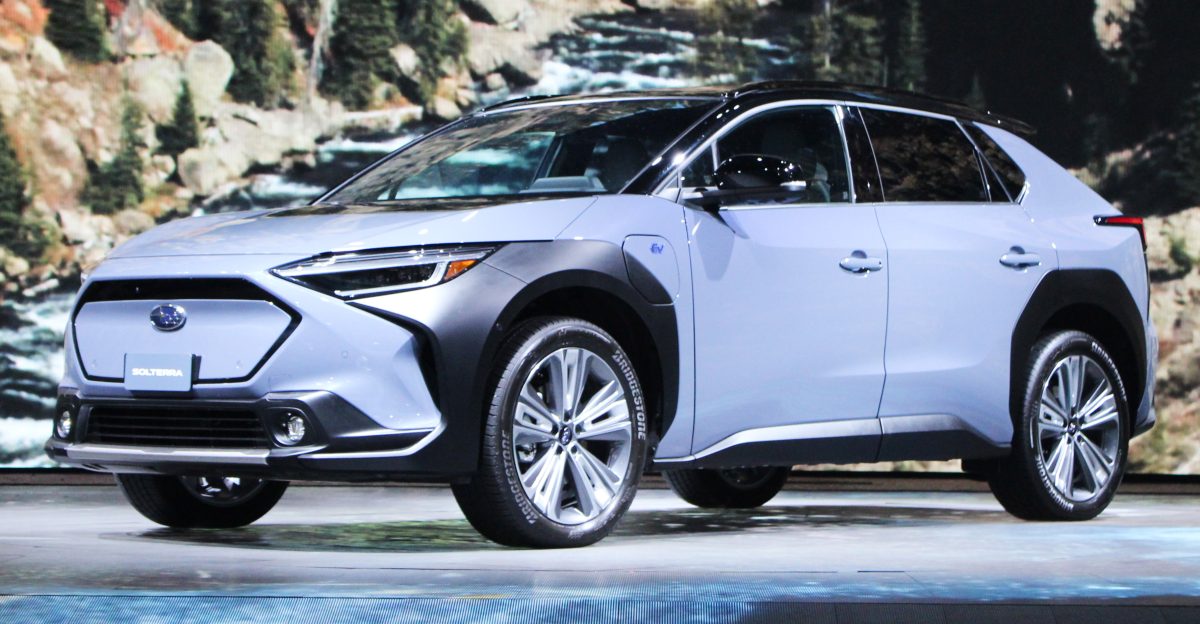
Every other Subaru EV rolls off assembly lines in Japan. The Solterra, Uncharted, Trailseeker: all Japanese-built. The Getaway breaks that pattern entirely, manufactured at Toyota’s Georgetown, Kentucky plant starting late 2026. Battery cells come from LG Energy Solution’s facility in Michigan. That supply chain is fully North American, which means the Getaway sidesteps import tariffs that could hit Japan-built competitors if trade policy tightens in 2027 or 2028. Subaru calls it “Made in America.” The balance sheet calls it insurance. The family buying one late next year may never notice the difference, but their wallet will.
Your Grocery Bill Just Got Involved
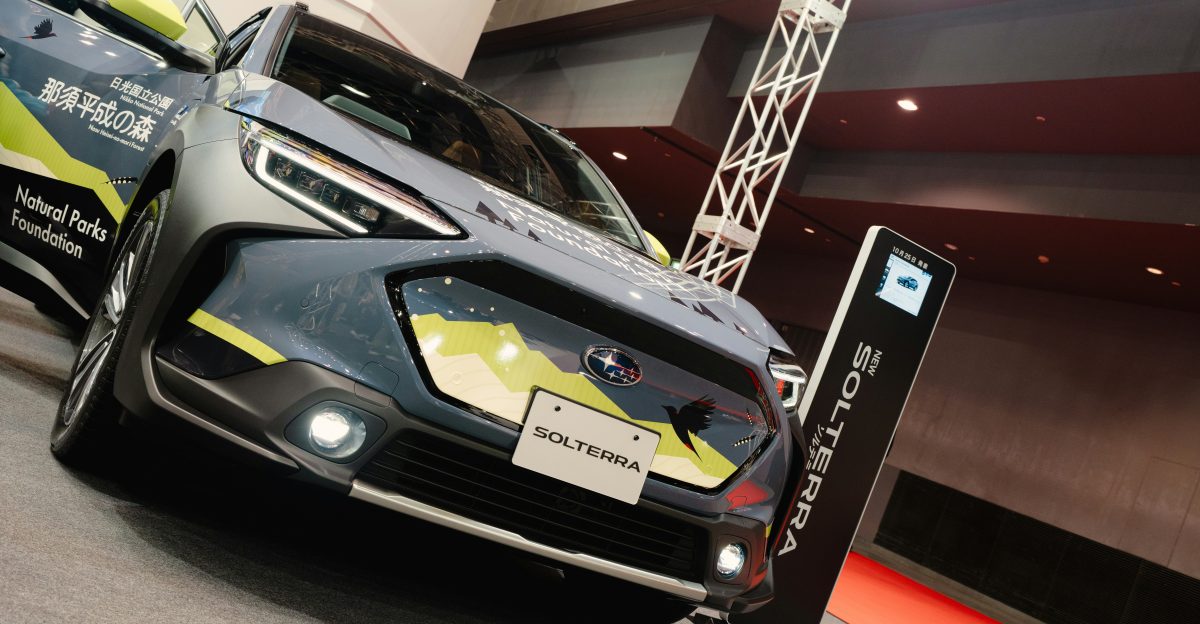
The Getaway starts around $55,000 with mandatory all-wheel drive. No cheaper front-wheel-drive model exists to lower the entry point. The Toyota Highlander EV, built on the same platform in the same factory, offers a FWD base model at a price Toyota has not yet disclosed, though the FWD configuration’s lower power output and trim positioning suggest it will undercut the Getaway’s entry point. That potential gap of several thousand dollars between siblings sharing identical bones means Subaru buyers pay a premium for 82 extra horsepower and standard AWD. For a family of four already stretching a budget, the all-wheel-drive-only strategy turns aspiration into a financing conversation.
Toyota’s Problem Shares a Factory Floor
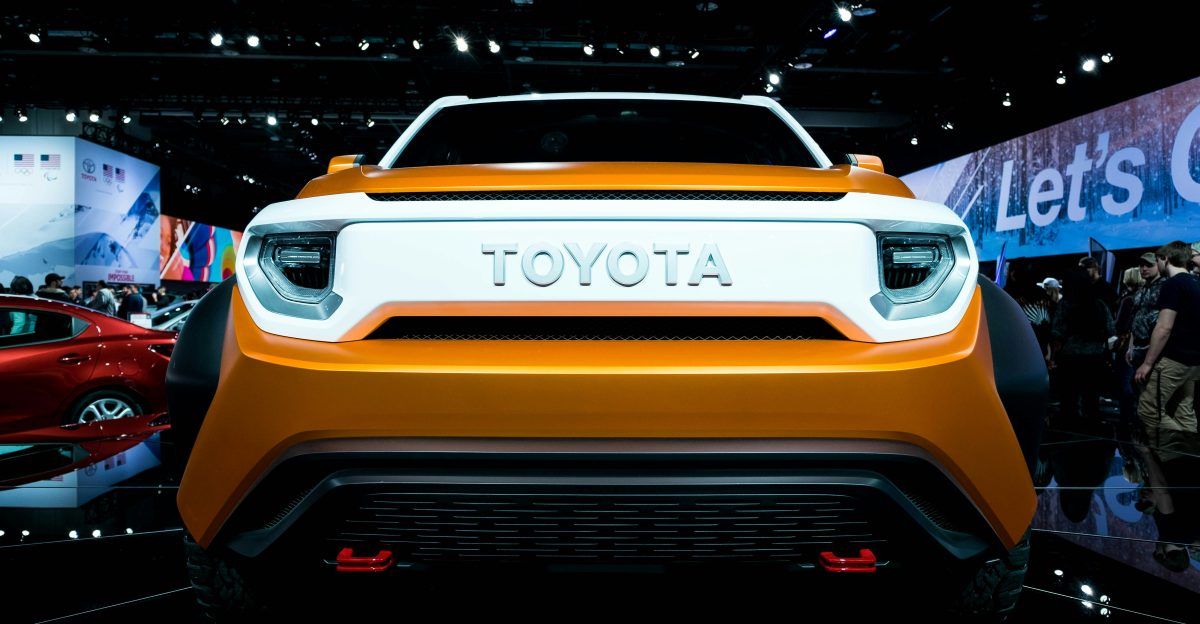
Georgetown, Kentucky now builds two three-row electric SUVs under different badges on the same platform. The Highlander EV’s AWD configuration produces 338 horsepower. The Getaway produces 420. Same factory. Same bones. Eighty-two more horses wearing a Subaru badge. That creates internal brand cannibalization Toyota has to manage carefully. Either the Highlander EV accepts its role as the budget sibling, or Toyota upgrades specs to match, which erodes the margin differentiation keeping both vehicles profitable. One factory producing its own competition is a first for this partnership.
The Invisible Room Nobody Expected
The Getaway measures 198.8 inches long. The gas-powered Ascent stretches to roughly 197 inches. Nearly identical exterior footprints. But the Getaway’s wheelbase runs over 6 inches longer, and cargo capacity hits 45.6 cubic feet with the third row folded, beating the Kia EV9. The secret is the flat-floor battery architecture. No transmission tunnel. No fuel tank. No cross-frame bracing eating interior volume. Subaru’s biggest vehicle ever is actually barely larger on the outside and vastly larger on the inside. Gasoline SUVs physically cannot replicate that trick without a complete platform redesign.
The Architecture Is the Moat
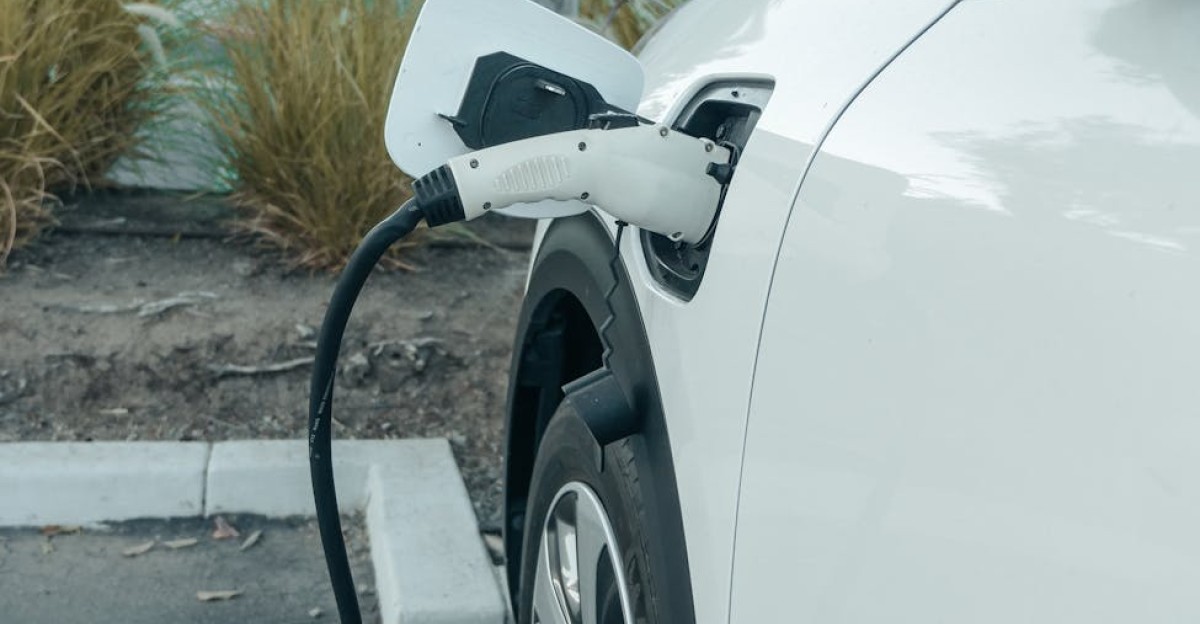
Every feature traces back to one invisible advantage: the flat-floor lithium-ion battery packaged beneath the cabin. That architecture frees interior space. It lowers the center of gravity for better handling. It enables independent front and rear motors delivering torque to all four wheels. Battery underneath. Passengers above. No compromise between them. The 420 horsepower, the 300-plus miles of range, the seven-seat capacity: all consequences of that single architectural decision. Subaru sells horsepower. Toyota sells affordability. The battery floor sells both. Ford Explorer. Honda Pilot. Chevy Traverse. None of them can match this interior efficiency without abandoning gasoline entirely.
A Rapid Getaway With the Whole Family
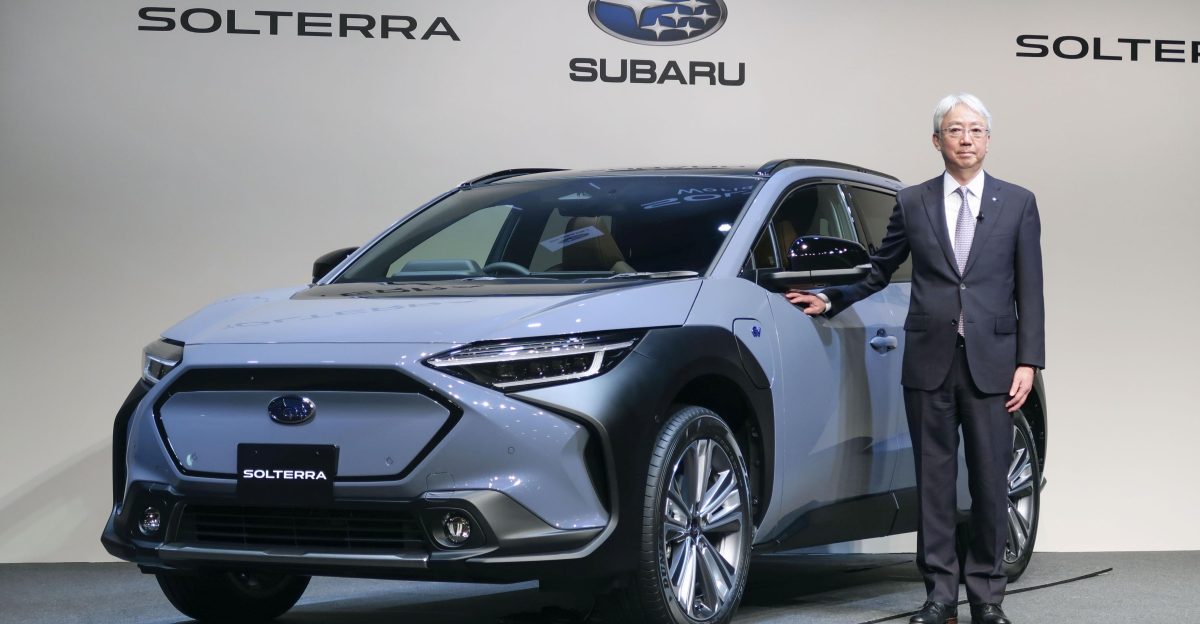
Subaru’s own marketing reads: “The most powerful production Subaru, the all-new Getaway is perfect for a rapid getaway with room for the whole family on a blast through Yellowstone.” Read that again. “Rapid getaway.” “Blast.” Paired with seven passengers, three-zone climate control, and USB-C ports in every row. The hardware delivers sports-car acceleration. The mission demands seatbelt checks and snack distribution. That tension lives in every school drop-off, every highway merge where 420 horsepower begs for throttle and parental duty says no. Subaru solved the engineering. The psychology remains unsolved.
The Tariff Clock Is Already Ticking
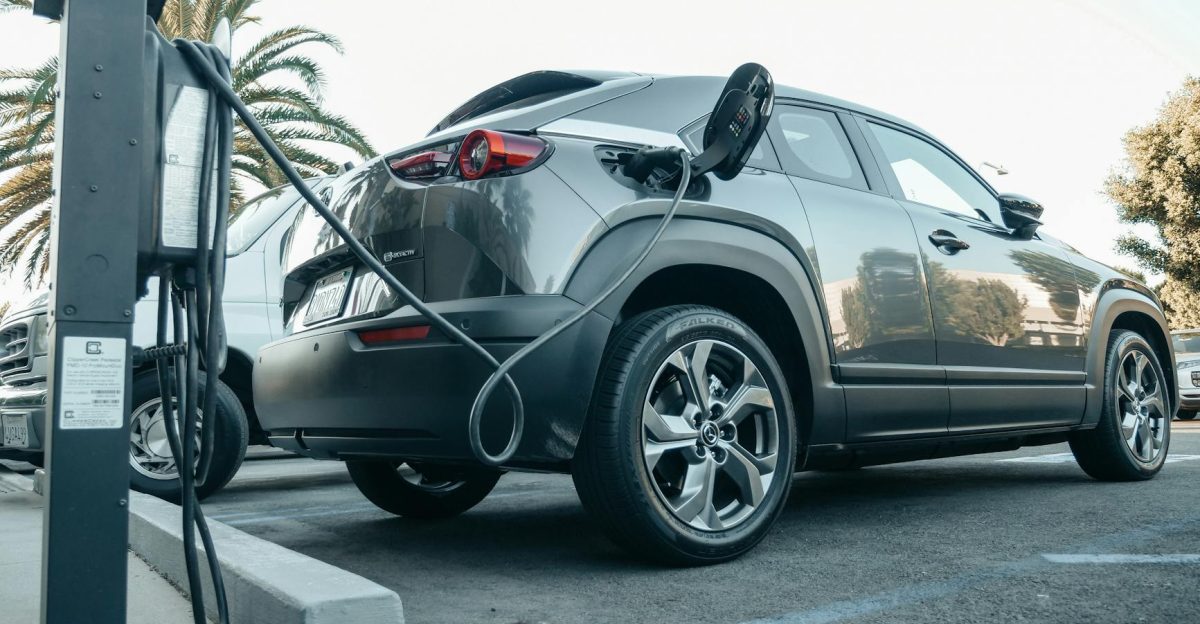
Subaru’s other three EVs ship from Japan. If import tariffs escalate in 2027 or 2028, those vehicles absorb price increases that the Kentucky-built Getaway avoids entirely. Early Getaway buyers lock in U.S.-manufactured pricing before the trade policy math potentially reshuffles EV affordability nationwide. This pattern has historical teeth. Automakers who secured domestic production before past tariff waves watched competitors scramble to reshore manufacturing years later. Honda and Nissan are already accelerating U.S.-based three-row EV announcements. Hyundai and Kia, building EVs in Mexico, face the sharpest tariff exposure. Georgetown just became strategic real estate.
Winners, Losers, and the Fine Print
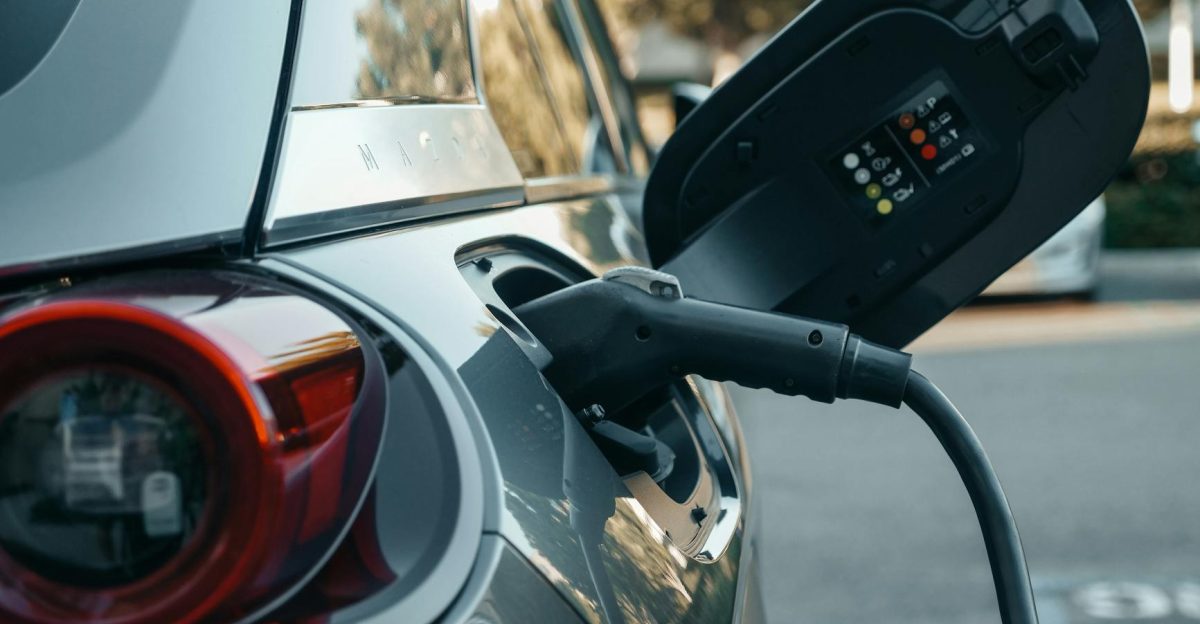
Winners: early adopters who secure tariff-insulated pricing, LG Energy Solution’s Michigan battery plant gaining volume, and Georgetown workers assembling two competing SUVs. Losers: gas-powered Ascent owners watching their vehicle approach obsolescence, budget-conscious families priced out by mandatory AWD, and anyone waiting for the cheaper 77 kWh battery version delayed until early 2027. The 150 kW charging speed, while delivering 10-to-80 percent in 30 minutes, lags class leaders by roughly 40 percent in peak capability. That charging gap matters on long family road trips where every minute counts.
The Cascade Just Started
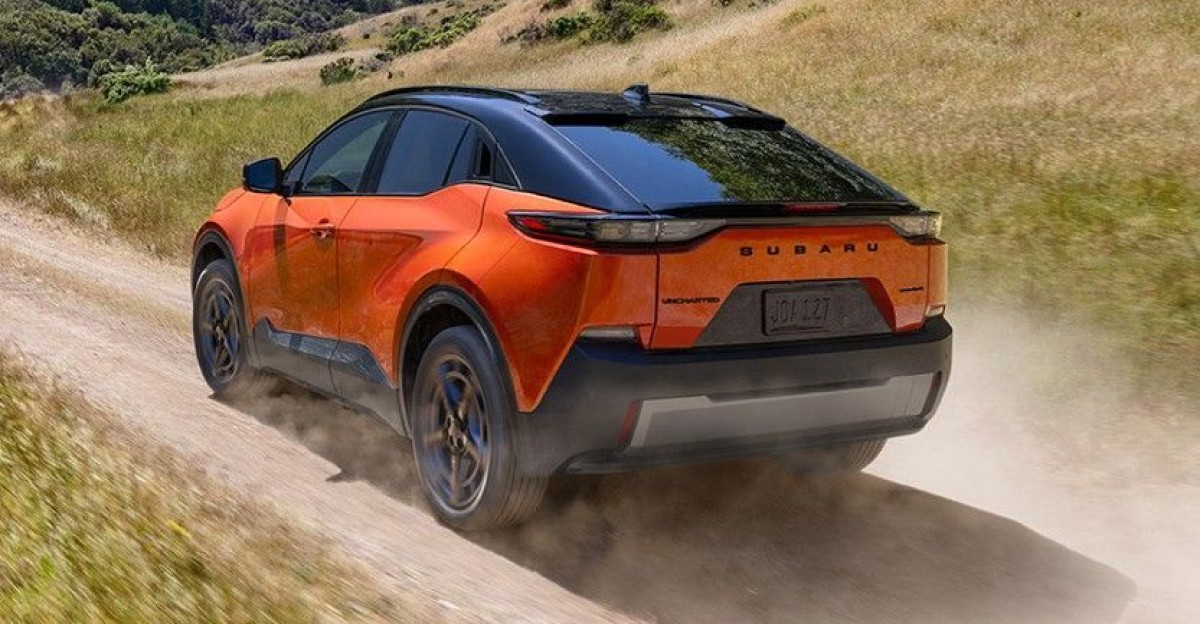
Subaru proved a template works: take a Toyota platform, tune the power up, make AWD mandatory, build it in America, and charge a premium. Expect that template applied to an Outback EV, a Forester EV, a Crosstrek EV. Toyota responds by positioning the Highlander EV as the affordable alternative, ceding performance entirely. Georgetown’s single-factory production capacity becomes the bottleneck everyone watches. The Getaway launched as a family SUV. The ripple it created reaches battery supply chains, trade policy, factory allocation fights, and the future of every gasoline three-row SUV still on a dealer lot.
Sources:
“Subaru Unveils All-New, All-Electric, Three-Row 2027 Getaway.” Subaru of America, 1 Apr. 2026.
“2027 Subaru Getaway EV Primed for Family Fun.” WardsAuto, 1 Apr. 2026.
“2027 Subaru Getaway Is a Three-Row EV SUV for the Brand Faithful.” Car and Driver, 1 Apr. 2026.
“2027 Highlander EV Brings 338 HP and 320 Miles of Range.” Autoweek, 10 Feb. 2026.