World’s ‘Most Reliable’ Car Brand Ships 74,000 Silent Hybrids—Pedestrians Can’t Hear Them Backing Up
Picture a grocery store parking lot. A Corolla Cross Hybrid rolls backward out of a space, electric motor humming at a frequency no human ear can catch. No beep. No chirp. Nothing. A federal safety standard, finalized in 2016 with full compliance mandatory since March 2021, exists for exactly this moment, requiring hybrid vehicles to emit legally mandated minimum sound levels across defined speed intervals, including in reverse, with volume required to increase by at least 3 decibels at each speed step. Toyota’s version? Too quiet. Across 74,000 of these crossovers sold between 2023 and 2025, the reverse alert shipped noncompliant. The brand ranked most reliable by Consumer Reports just produced a silent threat.
The Promise Toyota Sold You
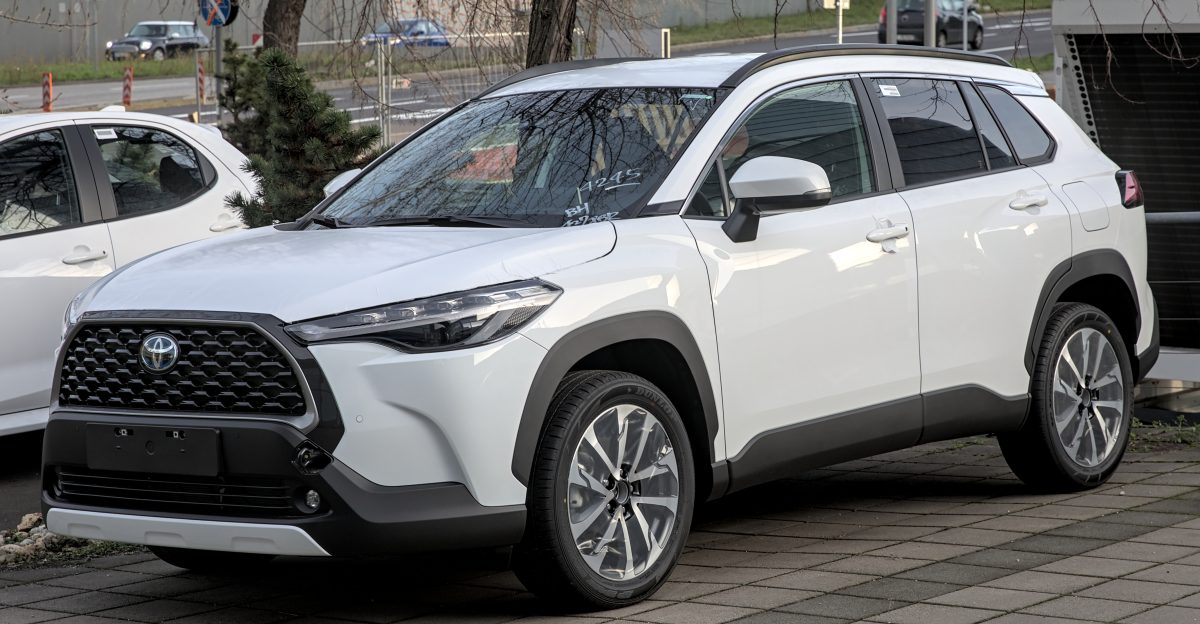
Toyota built the Corolla Cross Hybrid into a volume weapon for its electrification push. The 2026 refresh leaned hard into safety messaging, touting pedestrian alert systems as standard equipment across every trim. Toyota marketed the 2026 refresh on the strength of Toyota Safety Sense 3.0, listed as standard across every trim, leading buyers to reasonably assume all regulatory safety systems, including pedestrian alerts, were fully functional. They chose this crossover specifically because Toyota’s name meant dependable engineering. That trust now sits on 83,000 vehicles across North America carrying a defective reverse alert nobody caught during production.
Three Years, Zero Catches
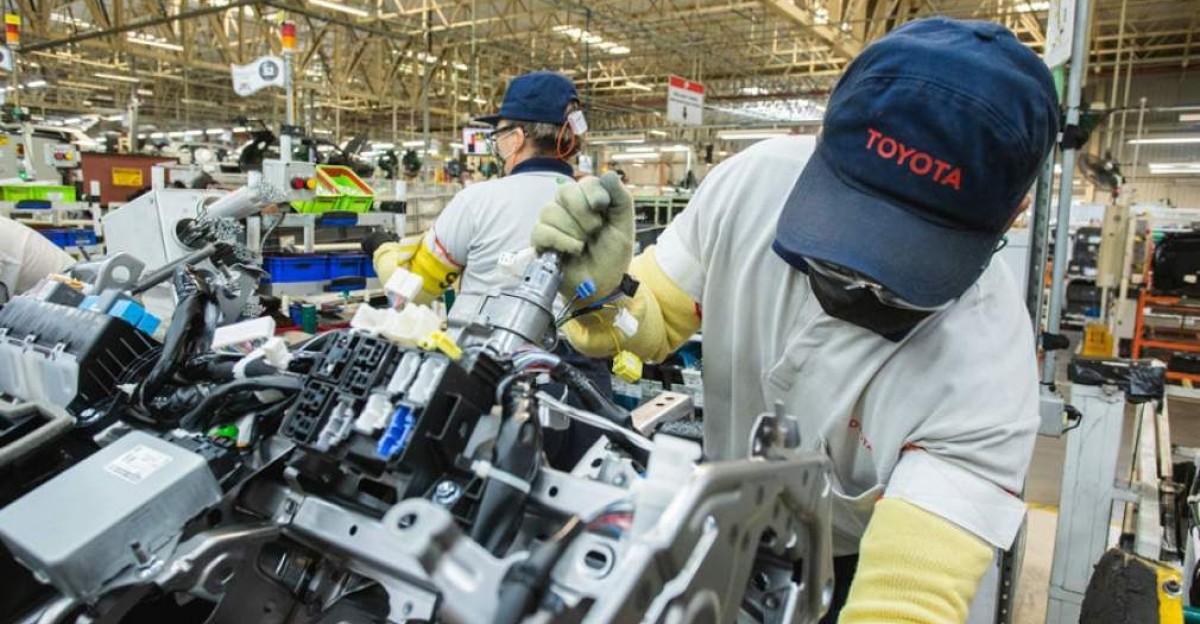
FMVSS 141 became fully mandatory in March 2021. Toyota built these vehicles from 2023 through 2025. That means three full model years rolled off assembly lines, passed through quality gates, and landed in driveways while failing a federal safety standard that had been law for years. The defect is a software calibration error affecting the relative volume change at low speeds. Not a complex mechanical failure. A software setting. The assumption that Toyota validates safety-critical software before production just cracked wide open, and other automakers cracked with it.
The Safety Feature That Became the Hazard
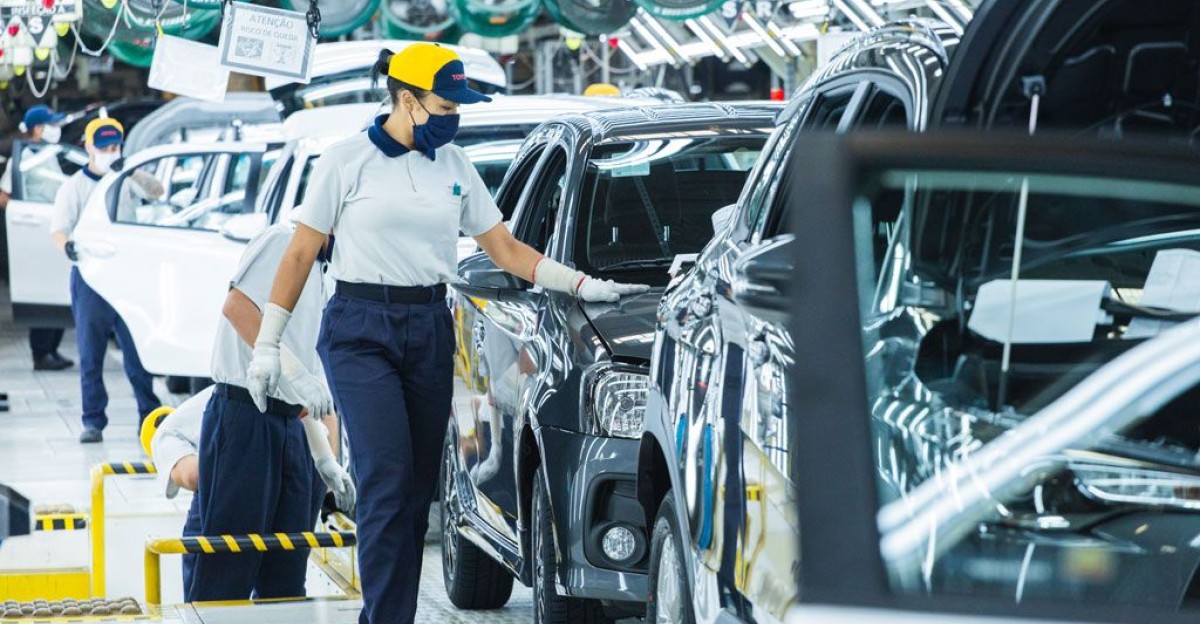
Toyota’s own recall language buries the severity: the sound “may be quieter than intended” in reverse. Translation from NHTSA’s technical analysis: “Pedestrians may not be able to determine by sound whether an approaching vehicle is speeding up or slowing down, increasing the risk of injury.” The system designed to protect pedestrians became the defect endangering them. Marketed as standard safety. Shipped as a silent liability. Seventy-four thousand vehicles. Three model years. One software calibration nobody verified. That gap between brochure and bumper is where people get hurt.
Not Just Toyota’s Problem
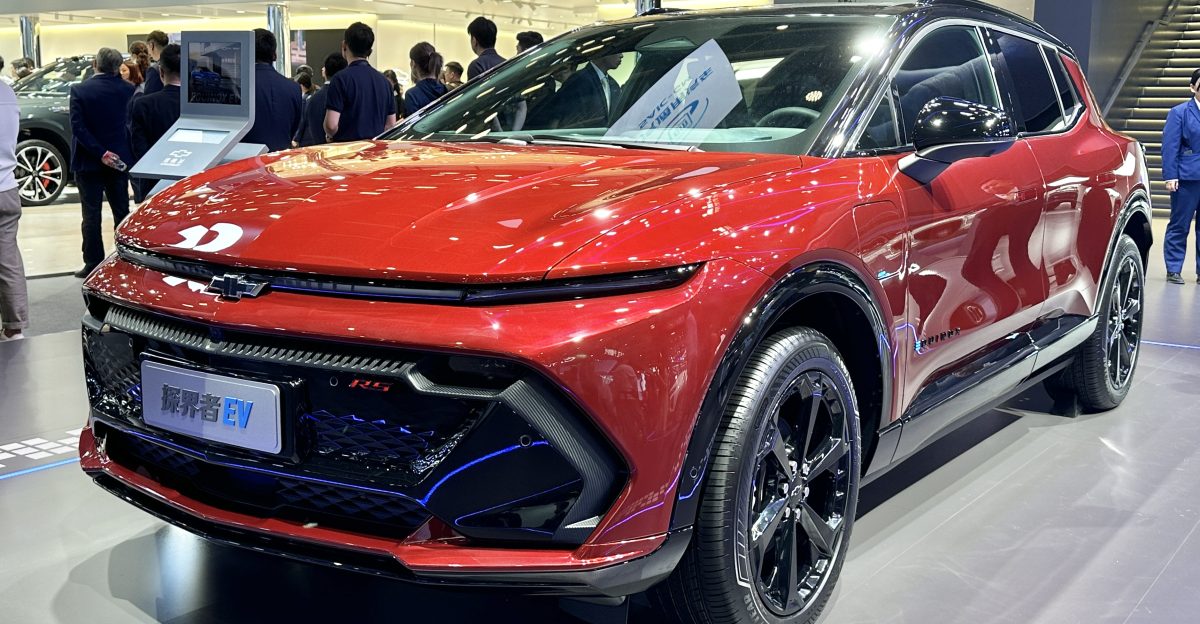
Multiple automakers faced FMVSS 141 recalls in the same period, though at vastly different scales. Chevrolet recalled 81,177 Equinox EVs for the identical FMVSS 141 volume violation. Dodge pulled back 8,390 Charger Daytona EVs for a missing amplifier software component under the same standard. Mercedes-Benz recalled 117 eSprinter vans for an insufficient pedestrian alert in reverse. The scale ranged from 117 Mercedes vans to 81,000 Chevy EVs, and the root causes differed, but the pattern still points to a broader industry compliance gap in software validation. Whether it is a shared supplier, a common calibration framework, or an industry-wide blind spot, the result is the same: the system that catches these defects catches them only after tens of thousands of vehicles reach customers.
The Numbers Behind the Silence

FMVSS 141 requires pedestrian alerts to increase by a minimum of 3 decibels across three speed intervals from a full stop to 30 km/h. Three decibels. That is the margin between a pedestrian hearing a vehicle and not hearing it. Toyota’s Corolla Cross Hybrid failed to hit that floor in reverse. Meanwhile, Toyota also announced a separate recall of 55,000 Camry Hybrid and Corolla Cross Hybrid vehicles, covering model years 2025 to 2026 and distinct from the pedestrian-alert recall’s 2023 to 2025 scope, for a loose inverter bolt posing a fire risk. Same nameplate, two recalls, four months apart. Compounded liability on Toyota’s flagship hybrid crossover.
The Repair Window Nobody Talks About
Toyota announced the recall March 31, 2026. Owners will not receive notification until late May. That is roughly two months of drivers backing silently through parking lots without knowing their alert system is broken. Then comes the dealer bottleneck: 74,000 vehicles funneling through Toyota’s network for software updates, each requiring a service appointment. Repairs could stretch into summer. Every day a vehicle sits unrepaired, pedestrians in driveways and school zones absorb the risk Toyota’s marketing said they would never face.
The Rule Nobody Enforces Before Production
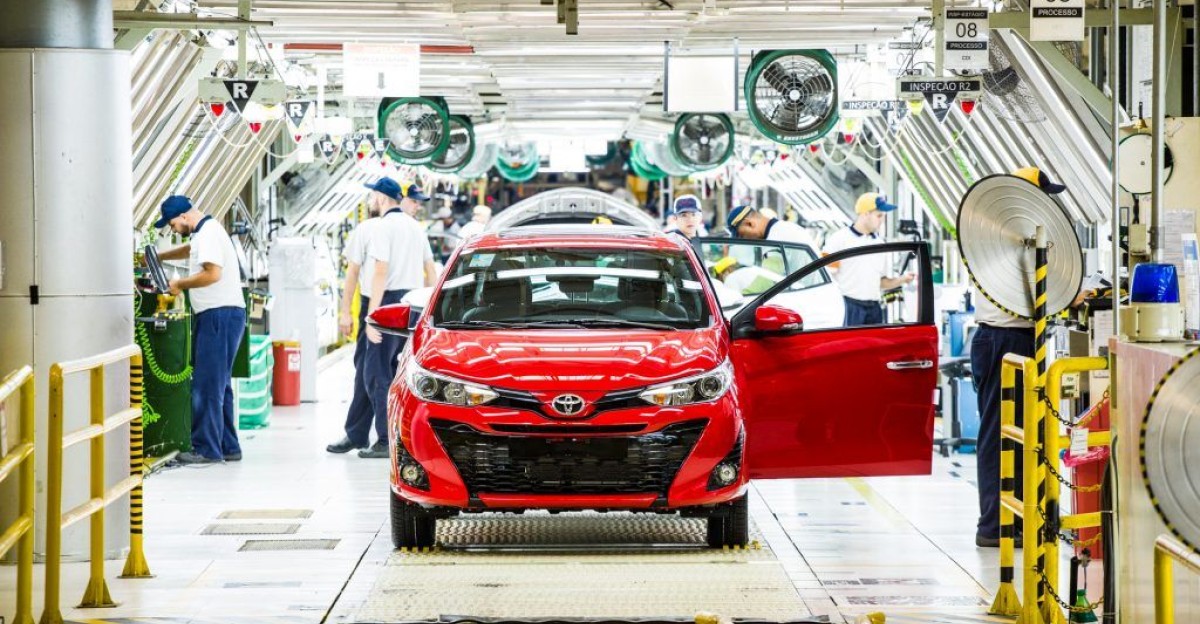
Here is what changes everything about this story. FMVSS 141 operates on a self-certification model. Automakers certify their own compliance before sale, but independent federal verification only occurs after vehicles reach the public. Automakers can advertise safety features, ship vehicles at scale, and only face accountability when real-world complaints or post-production testing reveals a failure. The recall window between production in 2023, discovery in March 2026, notification in late May 2026, and completed repairs stretches years. That is the hidden architecture. Once you see it, every automaker’s safety marketing reads differently. The standard exists. The enforcement mechanism arrives after the damage is already possible.
What Comes Next for Owners
Regulatory scrutiny on FMVSS 141 compliance will intensify across every automaker selling hybrids and EVs. If pedestrian incidents occur during the unrepaired window and Toyota knew the defect existed, class-action exposure follows. Unresolved recalls can affect trade-in negotiations, a risk that compounds when two separate safety campaigns land on the same nameplate within months. Parents who chose this vehicle for its safety reputation now sit in a strange limbo: the fix is free, the software update is simple, but the notification has not arrived yet. Months of silent reversing remain.
What Most People Still Don’t Understand
The recall itself is fixable. A dealer visit, a software flash, done. The deeper problem is structural: federal safety mandates let automakers self-certify compliance, ship vehicles, and only face independent federal verification after the public absorbs the risk. Multiple brands failed the same standard within the same period, at scales from dozens to tens of thousands of vehicles. The quiet of a hybrid, sold as an environmental virtue, turned into a collision hazard because nobody verified the backup beep before it left the factory. Next time an automaker tells you a safety feature comes standard, remember that “standard” and “functional” are two different promises.
Sources
“Toyota Recalls Certain MY2023-2025 Toyota Corolla Cross Hybrid Vehicles.” Toyota Motor North America Pressroom, March 31, 2026.
“Toyota Recalls 74,000 Corolla Cross Hybrids For Being Too Quiet.” Autoblog, April 1, 2026.
“Federal Motor Vehicle Safety Standards; Minimum Sound Requirements for Hybrid and Electric Vehicles.” Federal Register, December 14, 2016.
“49 CFR Section 571.141 — Standard No. 141; Minimum Sound Requirements for Hybrid and Electric Vehicles.” Cornell Law School / Legal Information Institute, 2026.
“Toyota Recalls Over 55,000 Hybrid Vehicles Over Inverter Bolt Concern.” CBT Automotive News, December 23, 2025.