California Quietly Deploys $10M ‘Free’ EV Repairs—Covers Just 1,300 Cars Out Of 2.5 Million
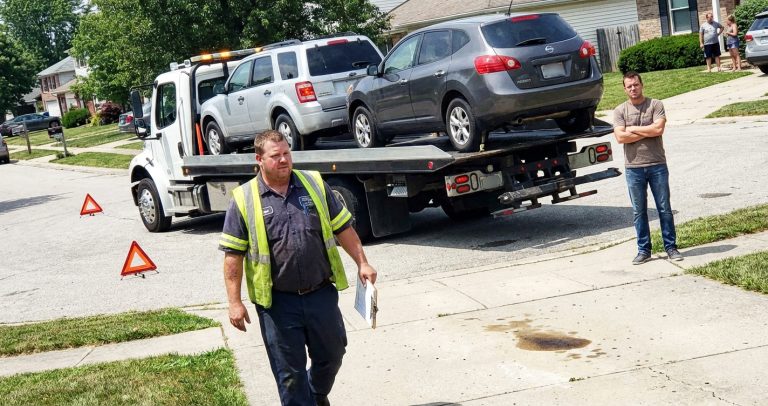
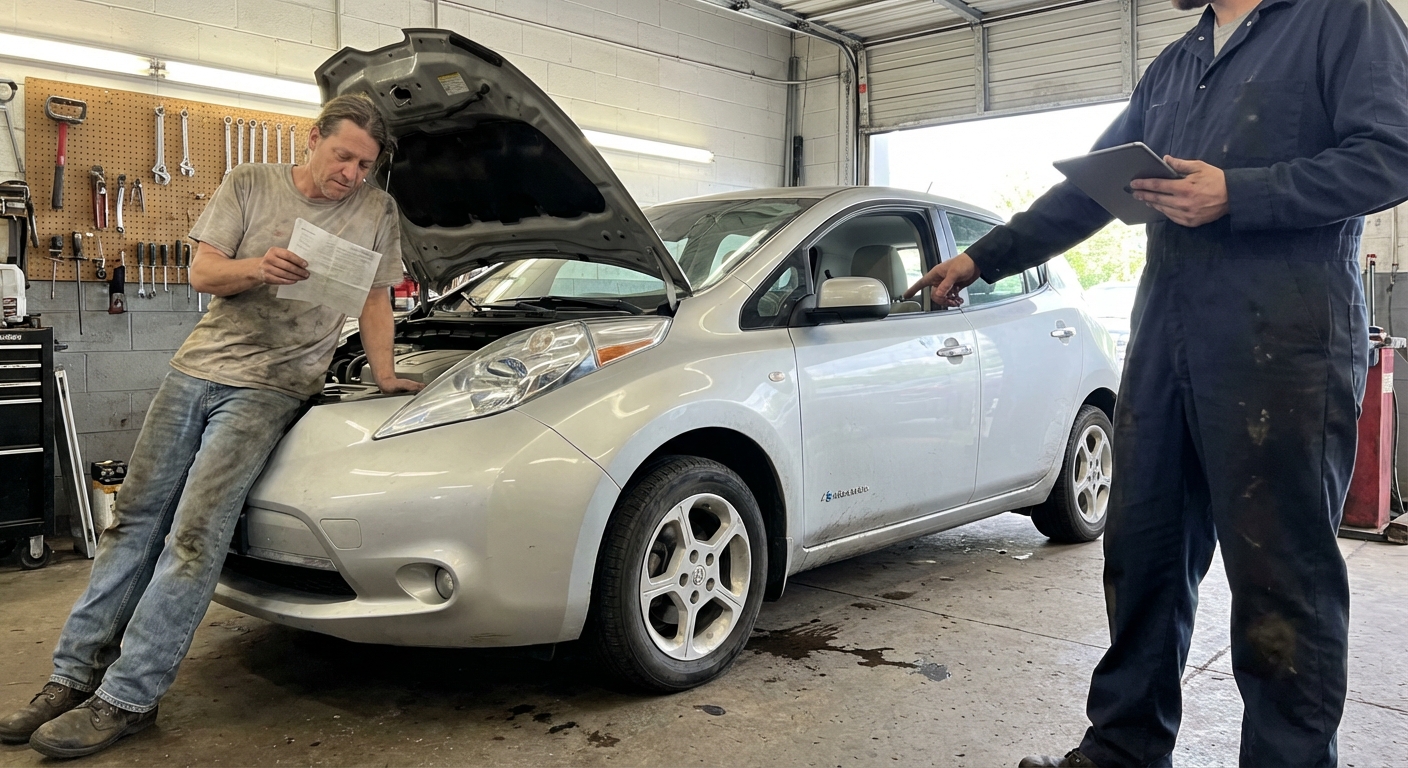
California has launched a $10 million electric vehicle repair program, offering up to $7,500 for battery fixes and $10,000 for replacements. The initiative targets low-income drivers who bought used EVs through state programs, yet it arrived with no public announcement. At the same time, a highly publicized $200 million rebate program dominated headlines despite limited reach. The contrast reveals a growing gap between policy promises and real-world support. As EV adoption climbs past 2.5 million vehicles statewide, the question shifts from buying electric to maintaining it when costs begin to rise unexpectedly.
The $200 Million Program Everyone Saw
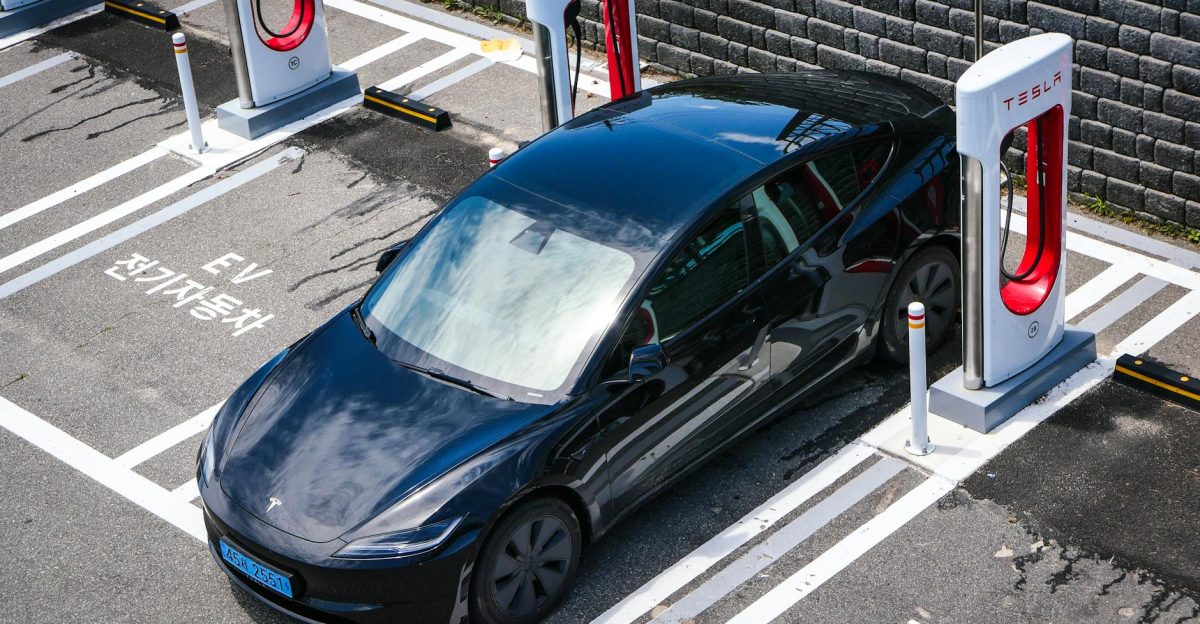
In February 2026, Governor Gavin Newsom publicly unveiled a $200 million EV rebate program backed by a dollar-for-dollar manufacturer match. The announcement emphasized first-time buyers and instant incentives at purchase. California had already surpassed 2.5 million zero-emission vehicle sales, exceeding its original 1.5 million goal by about 67%. Despite the scale, analysts found the funding could only cover about 20% of annual EV sales at previous rebate levels. The headline program drew attention quickly, but its limitations hinted at deeper cracks.
A Policy Shift With Uneven Impact
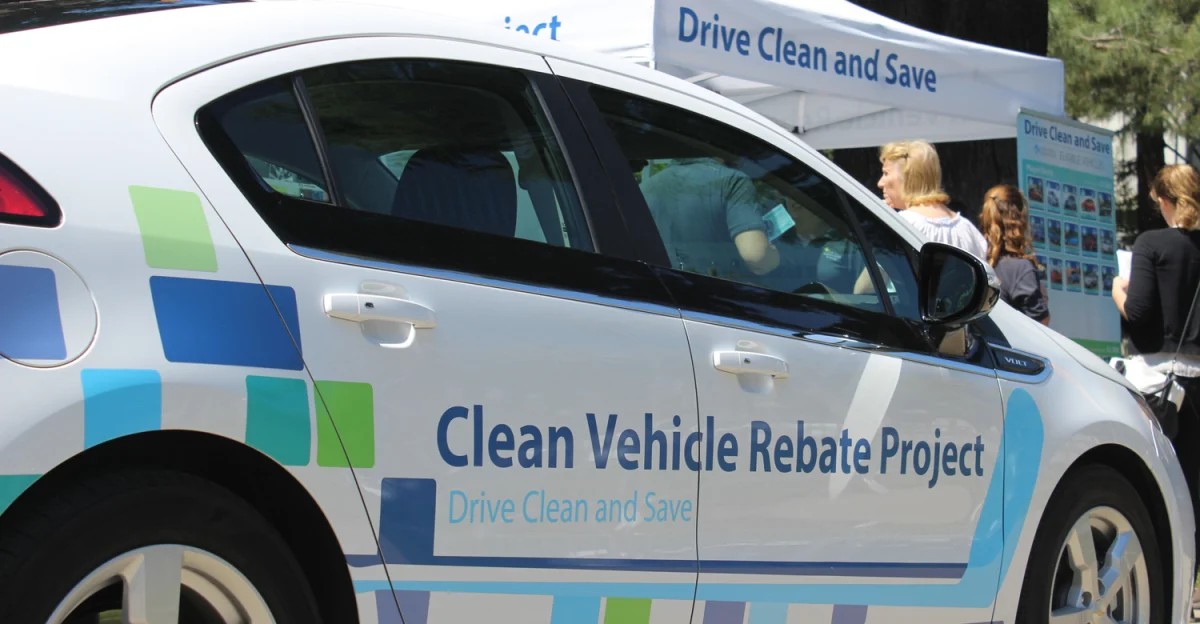
California ended its broad Clean Vehicle Rebate Project in late 2023 after criticism that higher-income buyers benefited most. The replacement strategy aimed to target support more effectively, yet results diverged. The new $200 million rebate introduced price caps but no clear income limits, while the hidden $10 million repair fund served only low-income program participants. As Christopher Chavez of the Coalition for Clean Air warned in January 2026, “Two-hundred million for a mass-market program will go very quickly.” That warning landed before the repair fund surfaced.
Why The Program Stayed Quiet
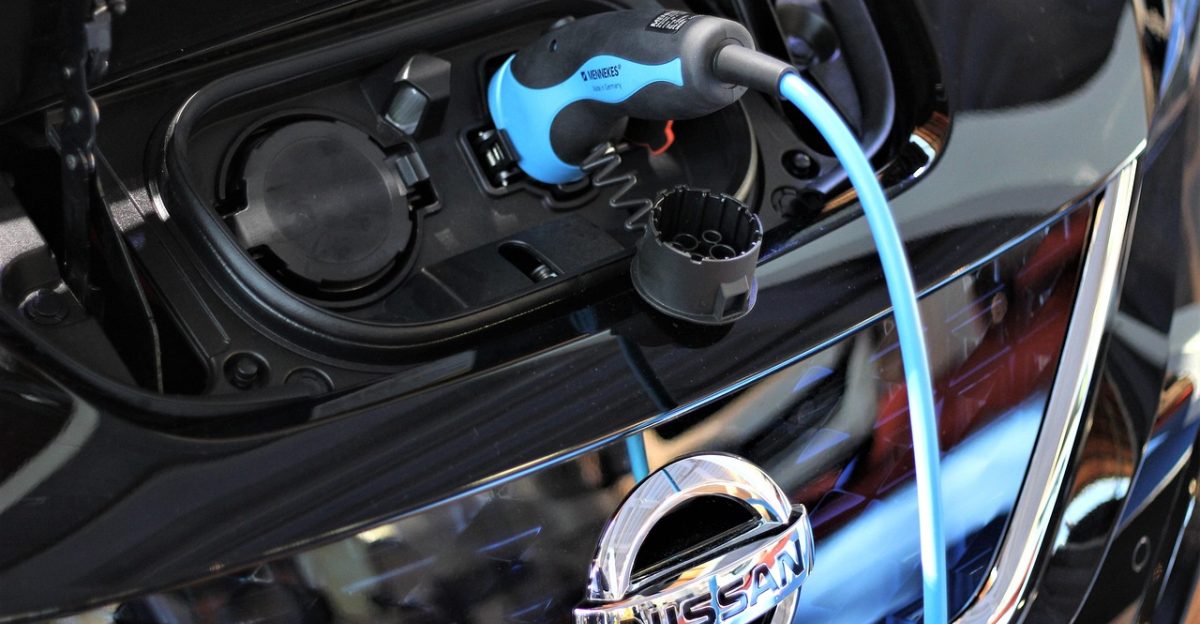
The Zero-Emission Assurance Project, known as ZAP, covers battery and fuel cell failures not included in manufacturer warranties. California’s 2026 rules require minimum battery health guarantees, but automakers define limits beyond that threshold. Once those limits are reached, coverage ends. The state then steps in to fund repairs. With a $10 million budget, the program can support roughly 1,300 vehicles annually at $7,500 each, fewer if replacements reach $10,000. Opening applications broadly would overwhelm capacity, raising a critical question about who actually benefits.
The Warranty Gap Automakers Left Behind
Automakers helped fund the $200 million rebate through matching contributions tied to new sales. That support disappears when it comes to repairs. Warranty terms often exclude gradual battery degradation beyond specific thresholds. Nissan limits coverage to defined capacity levels, while Tesla restricts coverage based on retention percentages and mileage. Once those limits are exceeded, responsibility shifts. The state absorbs the cost through taxpayer funding. Manufacturers participate when new buyers enter the market and step away when existing owners face failures, creating a divide that shapes long-term ownership risk.
The Real Cost Of EV Ownership
Operating an EV costs about $0.09 per mile compared with $0.12 for gas vehicles, delivering savings of $4,000 to $12,000 over five years. Those projections assume stable battery performance. When degradation accelerates, replacement costs can exceed $15,000. Insurance adds pressure, with premiums roughly 49% higher nationwide and about 15% to 31% higher in California. For low-income drivers, those added expenses reduce expected savings. The repair fund’s $7,500 cap does not fully offset battery replacement, leaving a gap that reshapes the financial equation over time.
Pressure Building In The Used Market

Battery degradation is already influencing resale values for older EVs. Vehicles purchased 5 to 7 years ago often fall below 80% capacity, reducing buyer confidence and lowering prices. California’s network of more than 12 separate EV incentive programs adds complexity, with varying income limits and eligibility rules. The repair fund itself could deplete quickly, burning through $833,000 to $1.67 million per month. At that pace, funding may last only 6 to 12 months, raising concerns about what happens once support disappears entirely.
When Policy Shifted To Spending Power
In May 2025, the Senate voted 51–44 to revoke California’s Advanced Clean Cars II waiver, removing the state’s authority to mandate zero-emission vehicle sales. That decision forced a shift from regulation to financial incentives. California now relies on spending to drive adoption. The combined $210 million from rebates and repairs spreads thinly across a market exceeding 300,000 annual ZEV sales. Without the federal $7,500 tax credit that expired in September 2025, the gap between incentives and costs widened, changing how adoption is sustained moving forward.
Other States Watching Closely
California’s approach may influence other EV-heavy states within the next 2 years, potentially creating varied repair support systems without a federal standard. Political pressure is also rising. In August 2025, the Department of Justice opened an investigation into CalEPA’s employment practices, adding scrutiny to agencies managing these programs. Meanwhile, policymakers are exploring feebates, which pair fees on gas vehicles with EV rebates. Some estimates suggest such systems could generate tens of billions over a decade, offering a potential path to stabilize funding.
The People The Program Misses
The repair fund was designed for lower-income drivers who rely heavily on their vehicles. As UC Berkeley’s Ethan Elkind stated, “targeting lower-income drivers delivers the greatest benefits because they tend to drive the most.” California has built more than 178,000 EV chargers and expanded battery storage across the grid. Infrastructure has grown rapidly, yet awareness of the repair program remains limited. The drivers most likely to qualify may never apply, leaving a solution in place that cannot reach the people it was created to support.
Sources:
Zero-Emission Assurance Project (ZAP) Program Documentation. California Air Resources Board (CARB), 2026
California Quietly Launches $10M Car Repair Freebies — Only for EVs. NY Post (Grabien News Wire), April 2, 2026
CA’s New EV Rebate Plan: Automakers Must Match Funds. CalMatters, February 2, 2026
Newsom’s $200M EV Plan May Not Be Enough. CalMatters, January 22, 2026
Senate Effectively Blocks California’s “EV Mandate” and Related Waivers. Hogan Lovells, June 1, 2025
Justice Department Opens Investigation into California Environmental Protection Agency. U.S. Department of Justice, August 26, 2025
California Exceeds 178,000 Electric Vehicle Chargers. California Energy Commission, March 19, 2025