5 Sports Cars Mechanics Refuse To Touch—They Can Drain $25,000 Per Repair
The dream starts the same way every time. You walk into the dealership, smell the leather, hear the engine turn over, and picture yourself on an open highway with nothing but horsepower ahead. Nobody hands you the other folder. The one with the $9,000 clutch job. The one with the NHTSA “park it and don’t turn the key” order. The one showing five specific sports cars that professional mechanics have flagged as rolling money pits.
These aren’t lemons. They’re traps wearing Italian paint and German engineering badges, and the bills start at five figures.
1. The Porsche 911’s Twelve-Dollar Time Bomb
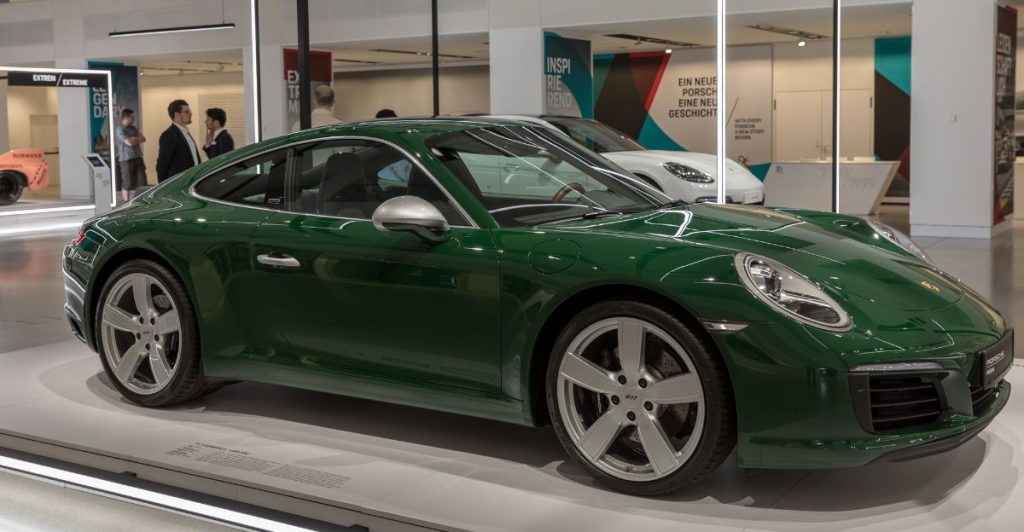
Here’s a story Porsche never wanted you to hear. Deep inside the 996-generation 911 and the 986 Boxster sits a bearing, the intermediate shaft bearing, that costs about twelve bucks as a part. The earlier cars used a robust dual-row design. Then Porsche swapped to a cheaper single-row bearing in the 2000–2005 models to save a few dollars per engine.
When that bearing fails, there’s no warning light, no gradual decline. One day it lets go, metal shrapnel rips through the block, and you’re staring at an engine rebuild that runs anywhere from $12,000 to $25,000-plus — on a car you paid $35,000 for. LN Engineering, the aftermarket company that’s sold over 43,000 replacement kits, reports the single-row bearing’s under-warranty failure rate as high as 10 percent. Out of warranty, the real number is suspected to be worse.
2. The Rotary Engine That Got Sabotaged
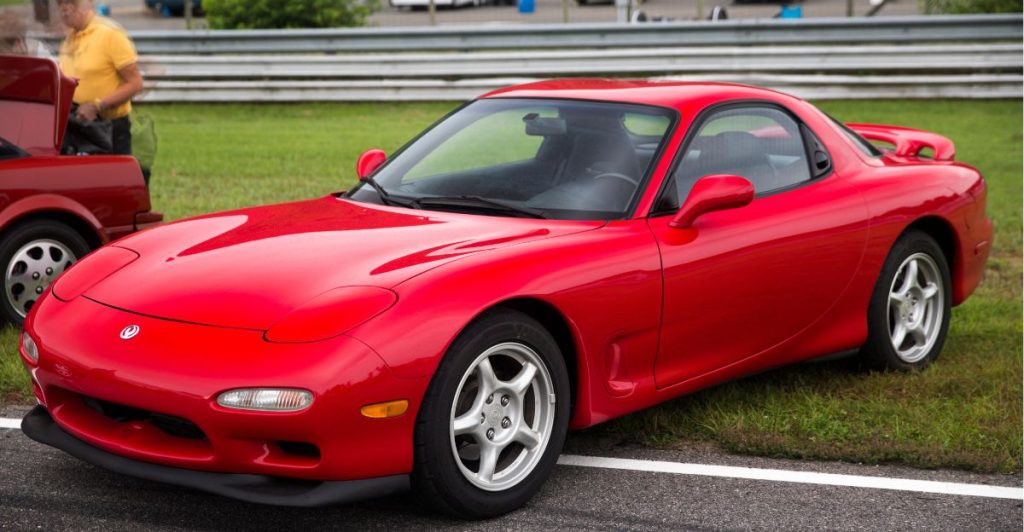
The Mazda RX-7 earned a devoted following and a reputation for performance that few Japanese sports cars have matched. Rotary owners always dealt with apex-seal wear and heat-related concerns when maintenance slipped, but the engine rewarded people who took care of it. Then Mazda built the RX-8 and destroyed everything that made the rotary worth the effort. The culprit was an emissions-driven redesign that gutted the oil delivery system.
Where earlier rotary engines placed exhaust ports at the periphery of the housing, the RX-8’s Renesis engine moved them to the side plates, a fundamental change made to pass increasingly strict smog regulations. Oil injection was tightened to reduce emissions output, and the durability that made the RX-7 worth maintaining vanished overnight. Catalytic converter clogging from unburnt fuel and oil led to overheated exhaust streams, which caused rotor-side seal failure… the primary killer of Renesis engines.
3. Ferrari’s Free Oil Changes Were the Bait
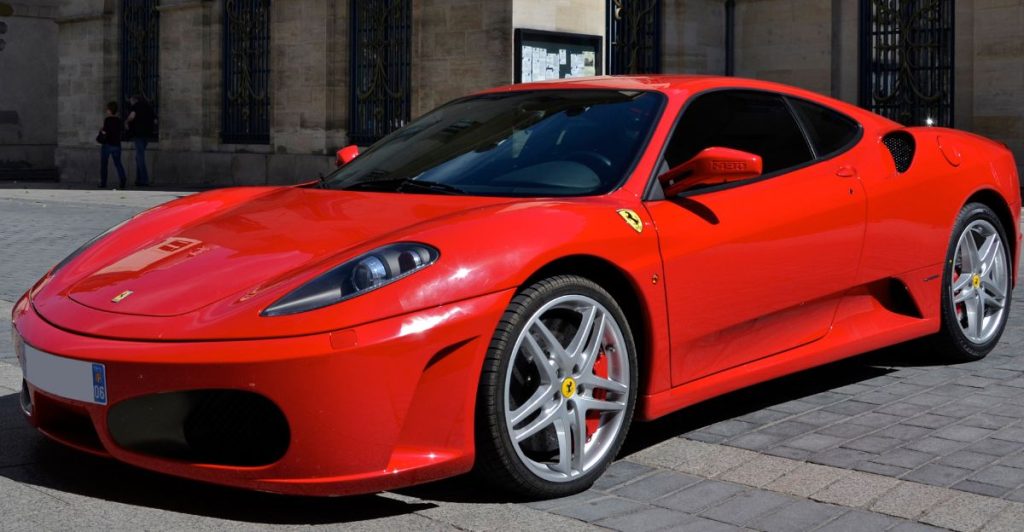
Ferrari offers a 7-year complimentary maintenance program on every new car sold through its dealers, covering labor, genuine parts, engine oil, and brake fluid at scheduled intervals. Sounds like generosity from a company selling $300,000 machines. It’s not. It’s a magic trick. Ferrari gave away oil changes and brake inspections so you wouldn’t notice the real costs hiding behind them.
On the single-clutch F1 transmission models, the 360 and the F430 clutch replacement alone runs between $7,500 and $13,500, depending on the model, the shop, and whether the flywheel and release bearing need attention. One F430 owner documented a dealer clutch job at $13,500, on a car that chews through clutches roughly every 25,000 miles. The newer 488 GTB’s dual-clutch unit is more durable, but clutch replacement still runs $8,000 to $12,000.
4. The Lamborghini Aventador: $20,000 Just to Keep the Lights On

Lamborghini built the Aventador with a V12 that demands valve clearance and belt service at 15,000 miles. The bill runs $15,000 to $20,000 for a single visit, and that’s not a repair. That’s scheduled maintenance. The kind of thing an oil change is supposed to handle. Even at lower mileage, annual upkeep costs $6,000 to $10,000. An oil and filter change alone costs $600 to $900 every 9,000 miles.
A Nissan Z costs approximately $6,794 in total maintenance and repairs over its first ten years of service, according to CarEdge, beating the industry average for coupes by $525. A full decade of Nissan Z ownership costs less than one Aventador service appointment. Lamborghini isn’t selling you a car. They’re selling you a subscription to poverty with a V12 soundtrack.
5. The Dodge Challenger’s Ugly Secret
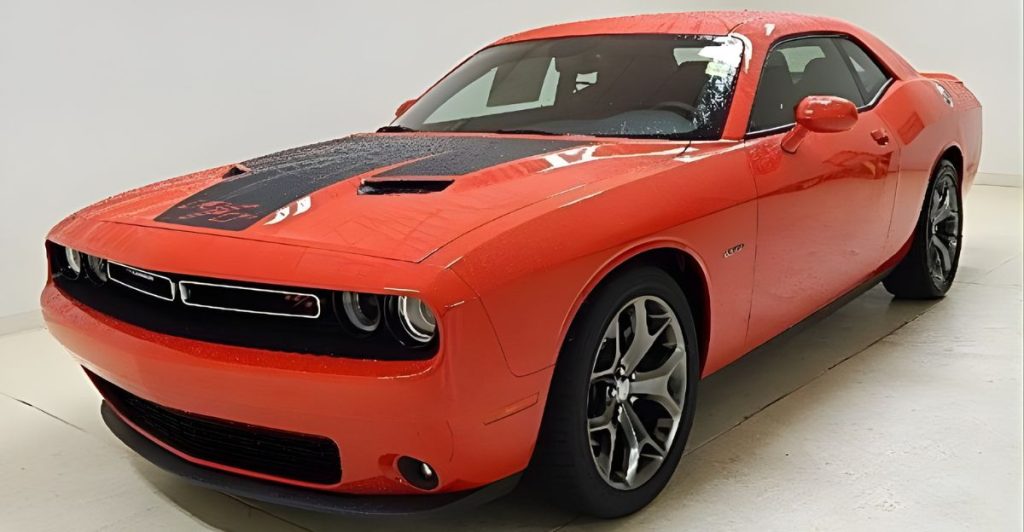
The 2009–2015 Dodge Challenger looks like American muscle perfected. Underneath, it’s a liability wearing a Mopar badge. The NHTSA has logged multiple recall campaigns across this generation, 28 for the 2013 model year alone covering everything from airbag inflator defects to alternator failures to electrical system vulnerabilities. The ugliest one hit in March 2013, when Chrysler recalled 4,051 Challenger V6 models after discovering that the positive battery cable at the starter motor could short-circuit to ground and cause an electrical fire. This wasn’t a “schedule service at your convenience” recall.
Chrysler told owners to immediately stop driving their vehicles and not to park them in or near any structures. The corrective action was a free replacement of the starter cable assembly, but only after the defect had been built into cars for months. Later recalls stacked on top: a 2014 alternator recall affecting 2011–2014 models with sudden alternator failure, and multiple rounds of Takata airbag inflator recalls stretching into 2019. Beautiful car. The kind of beautiful that burns your garage down.
The Numbers That Kill the Fantasy
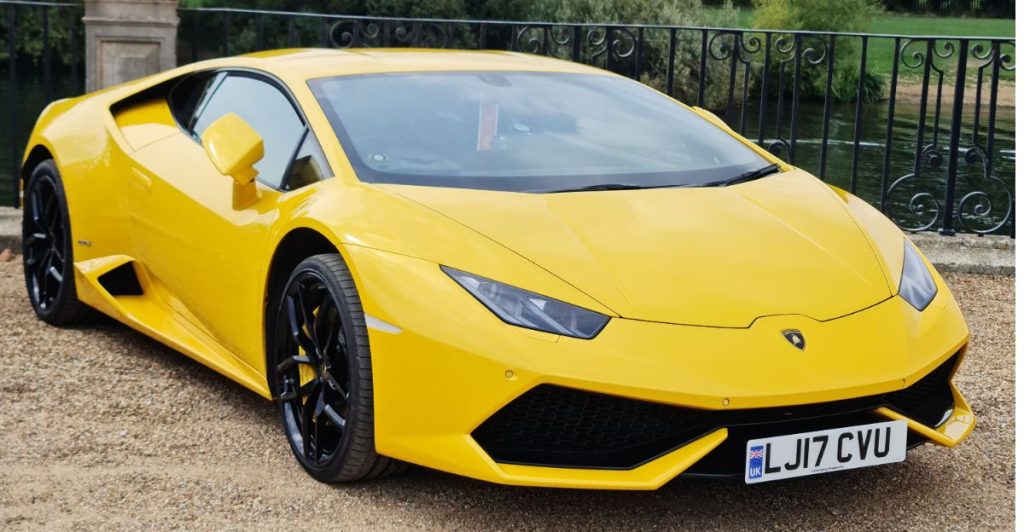
Here’s what the brochures leave out. The Lamborghini Huracán costs $8,000 to $12,000 per year after 20,000 miles. A Porsche 996 engine rebuild costs $12,000 to $ 25,000 or more. A Ferrari F430 clutch job lands between $7,500 and $13,500 at dealer pricing. And the Nissan Z? Approximately $6,794 over ten entire years. A full decade of Nissan Z ownership costs less than one Lamborghini service appointment.
The exotic sports car market sells aspiration. The repair bay sells reality, and reality always sends a bigger bill than the car payment.
The Machine That Prints Money — Just Not for You

Every car on this list shares a trait the manufacturers will never admit: the complexity is the business model. Single-row bearings swapped in to save twelve dollars. Oil injection systems strangled to pass an emissions test. Dual-clutch transmissions that can’t be partially serviced. Turbochargers that require $200-an-hour diagnostic specialists. These aren’t design flaws. They’re profit centers. The car is the razor. The maintenance is the blade.
Every complimentary warranty, every free maintenance package, every glossy brochure with a sunset and an open road, that’s just the packaging designed to keep you from doing the math until it’s too late.
The Reckoning Is Already Here
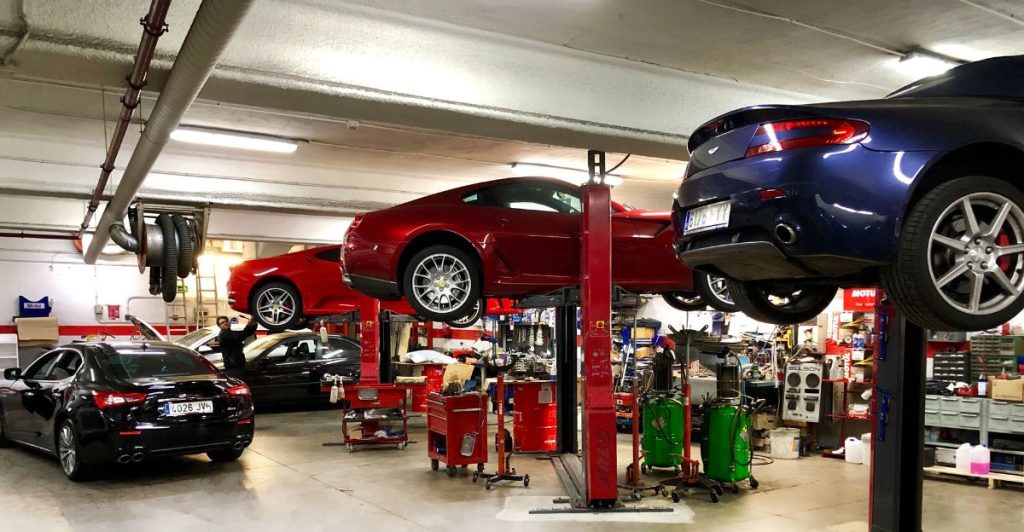
The mechanic consensus that used to stay in the shop, whispered over coffee between service bays, now reaches millions through social media and teardown videos. A Porsche 996 with a meaningful chance of catastrophic engine failure loses another thousand in resale value every time a mechanic posts the aftermath on YouTube. An RX-8 owner shares a post-mortem of a seized Renesis at 50,000 miles, and another buyer walks away from the lot.
Manufacturers spent decades controlling the narrative. That’s over. The people who actually fix these cars are telling the truth now, and the truth is louder than any Super Bowl ad.
Sources:
“Identifying and Fixing the Porsche IMS Bearing Problem” — LN Engineering
“Safety Recall N18: Engine Starter Battery Positive Cable” — NHTSA
“Ferrari Announces Free 7-Year Maintenance Program” — Motor Authority
“What Is the Maintenance Cost of a Lamborghini? (Explained)” — We Buy Exotics
“Nissan Z Maintenance Costs” — CarEdge
“Renesis Engine Rebuilds: How Did the Motor Fail” — Re-Speed Shop