America’s Large SUV Market Gutted—The 5 Of 60 Models That Survive 2026 Back-Seat Safety Purge
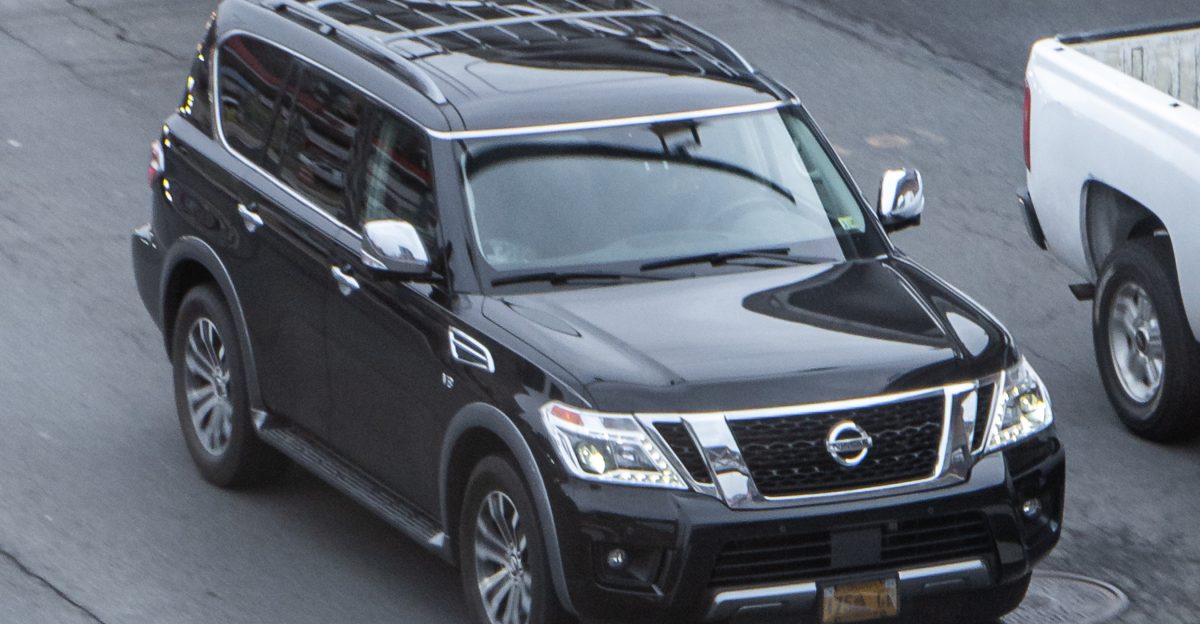
Somewhere between the dealer lot and the car seat installation, every parent makes the same quiet promise: nothing happens to the kids in the back. That promise just got a lot harder to keep. The Insurance Institute for Highway Safety released its 2026 Top Safety Pick awards, and the large SUV category looked like a battlefield. Dozens of familiar nameplates vanished from the certified list. Five survived: the Rivian R1S, Volvo EX90, Nissan Armada, Infiniti QX80, and Audi Q7. Everyone else failed a test most families didn’t know existed.
The Rules Changed Overnight
IIHS tightened its 2026 criteria to require a good rating in the updated moderate overlap front crash test, up from the acceptable rating that previously qualified for the base award. That single word change, good instead of acceptable, redrew the entire map. Qualifying front crash prevention systems now must come standard, and the new vehicle-to-vehicle test includes higher-speed crashes and targets like motorcycles and semi-trailers. Sixty-three vehicles earned awards overall, up from 48 at the same point the prior year. But fewer large SUVs made the cut than before.
Bigger Didn’t Mean Safer
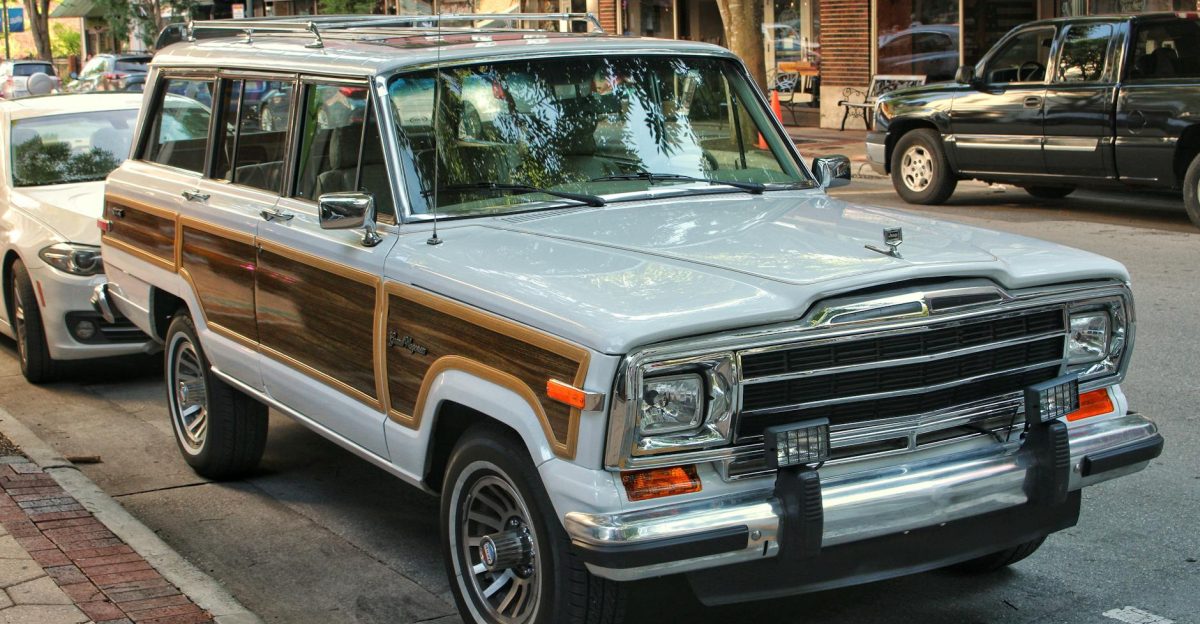
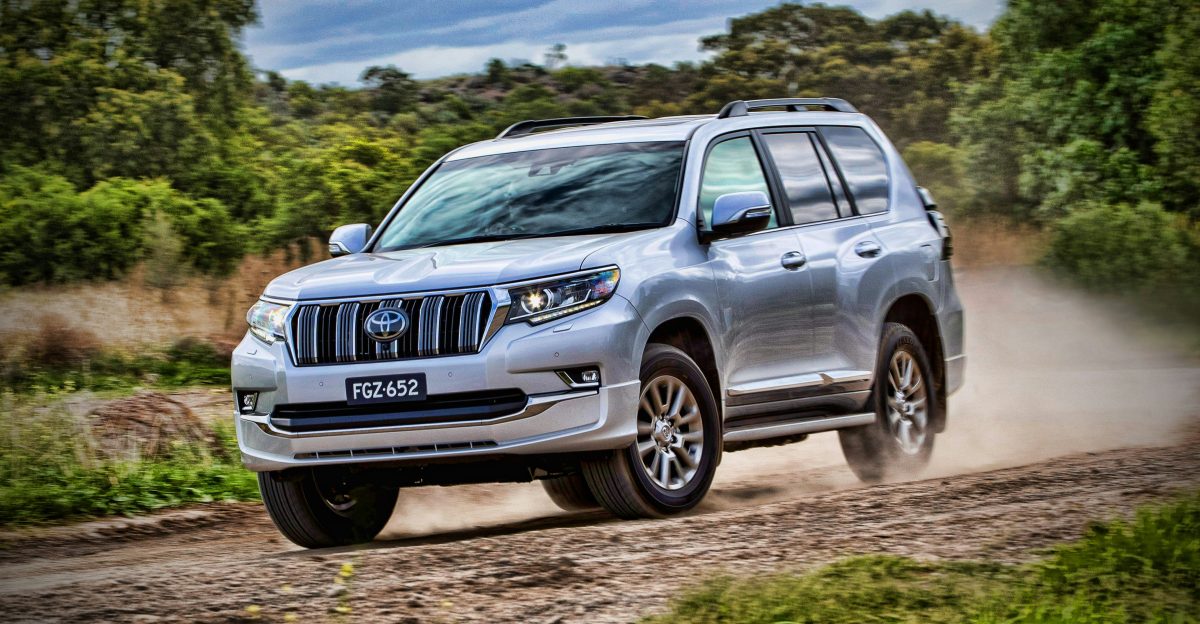
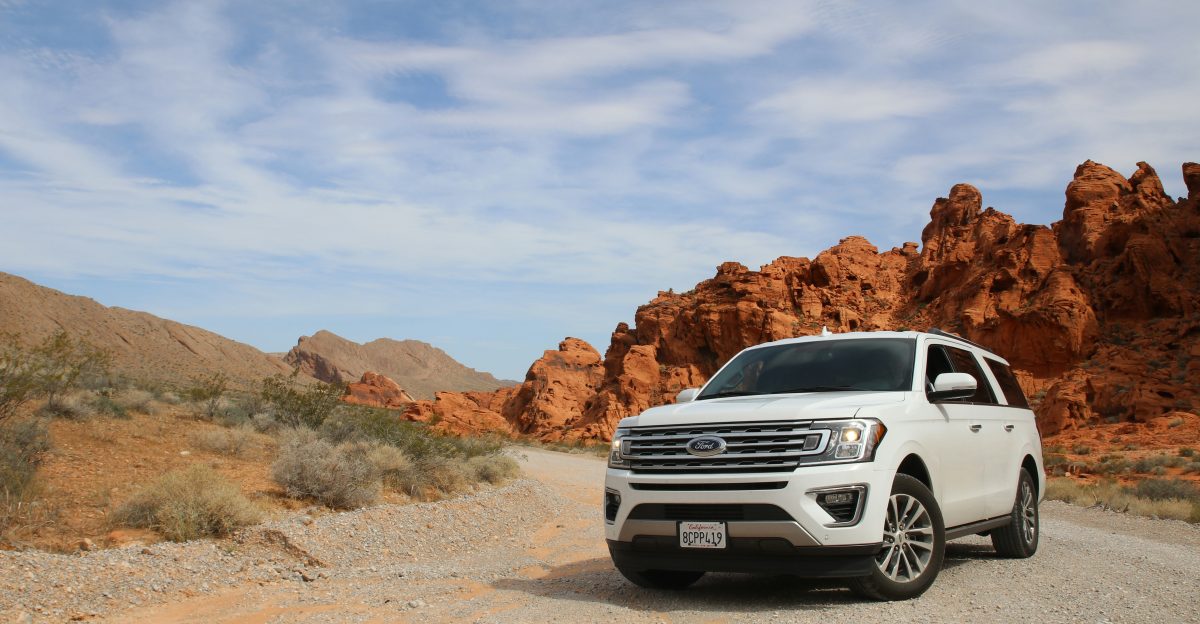
The assumption was always straightforward: buy the biggest SUV, get the most protection. Larger, heavier vehicles generally offer more protection than smaller, lighter ones, but that doesn’t guarantee an IIHS award. The Jeep Wagoneer tows about 10,000 pounds and earned a 2024 Top Safety Pick. It hasn’t re-qualified for 2026 despite no major model changes. The Ford Expedition carries strong government crash scores and serious towing muscle, but it is also absent from the 2026 IIHS list. Size, weight, and raw capability stopped mattering the moment IIHS started measuring what happens to the person sitting behind the driver.
The Back Seat Changed Everything
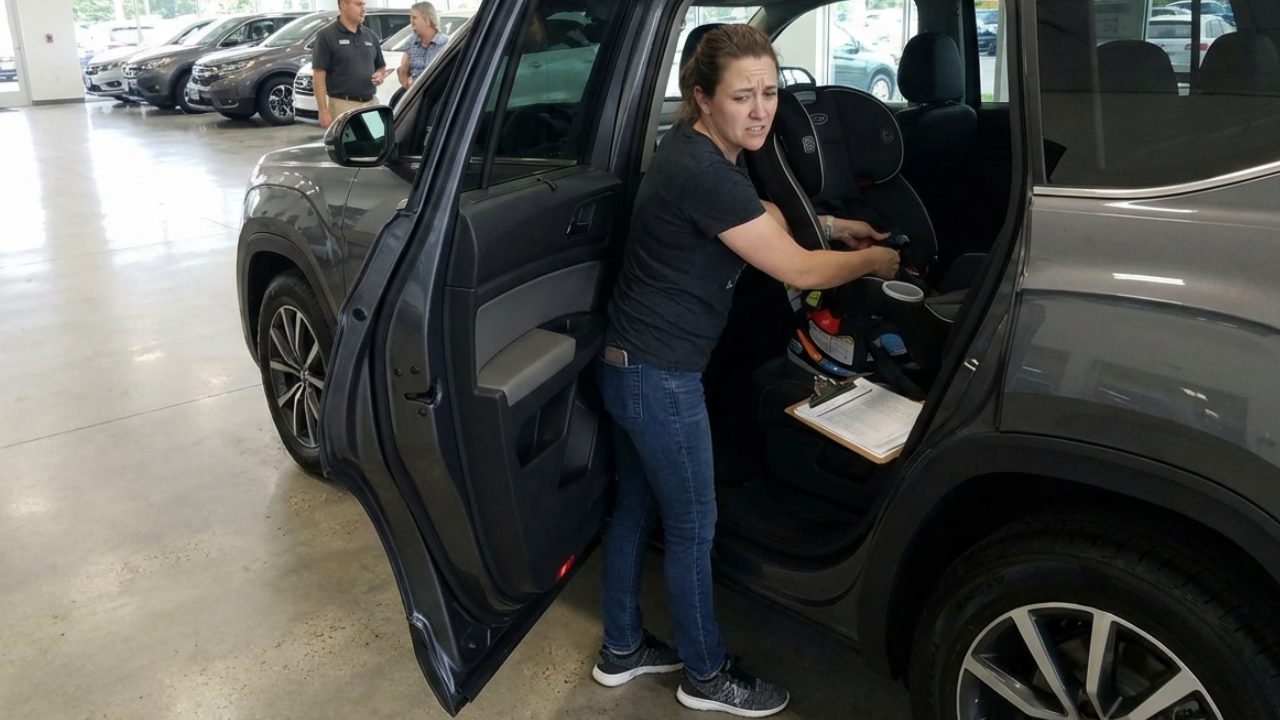
IIHS President David Harkey said it plainly: “This year, we’re asking automakers to make excellent protection for back seat passengers the norm.” Read that again. The norm. Meaning it was the exception. For years, families strapped children into rear seats assuming the engineering matched the front. It didn’t. The updated moderate overlap test, redesigned to place a rear-seat dummy behind the driver, now weighs heavily in award decisions and became a strict requirement for 2026 awards. Automakers had several years to prepare. Most still weren’t fully ready.
How Five SUVs Beat the System
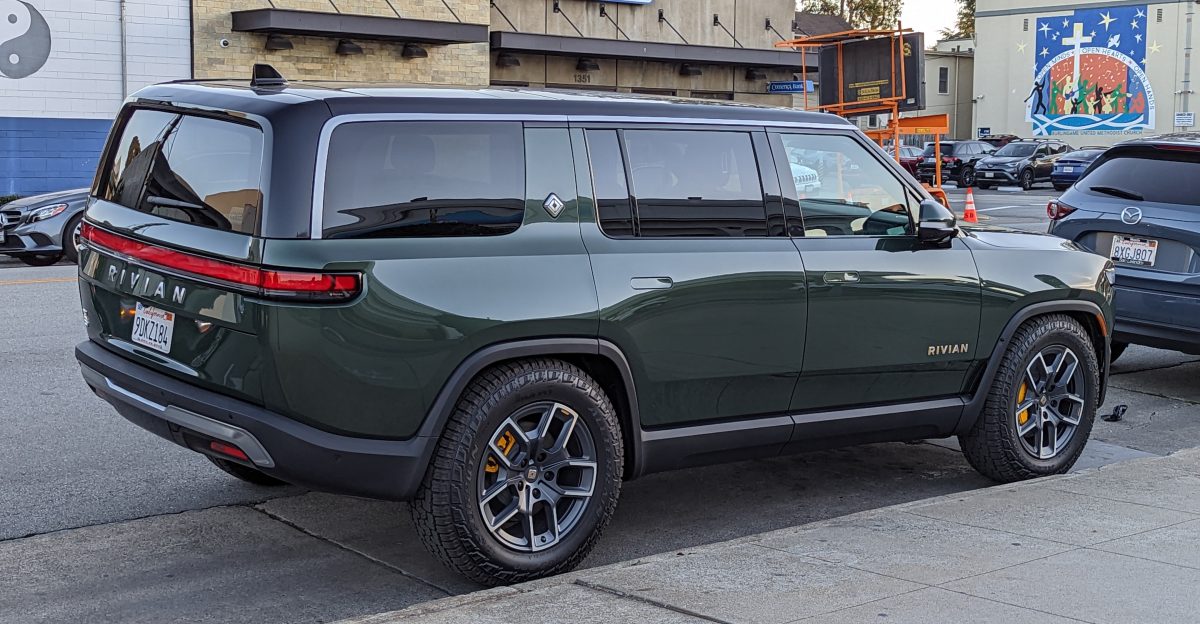
The Rivian R1S earned Top Safety Pick+ with good ratings across required crash tests and strong performance in crash avoidance and pedestrian protection. The Volvo EX90 also earned Top Safety Pick+. Both are electric. Both outperformed every traditional gas-powered competitor in the large SUV segment in IIHS awards for 2026. Their architecture, with a battery in the floor and a low center of gravity, may give EVs a structural advantage in crash engineering, but IIHS awards are still based on measured performance, not powertrain type.
The Numbers Behind the Purge
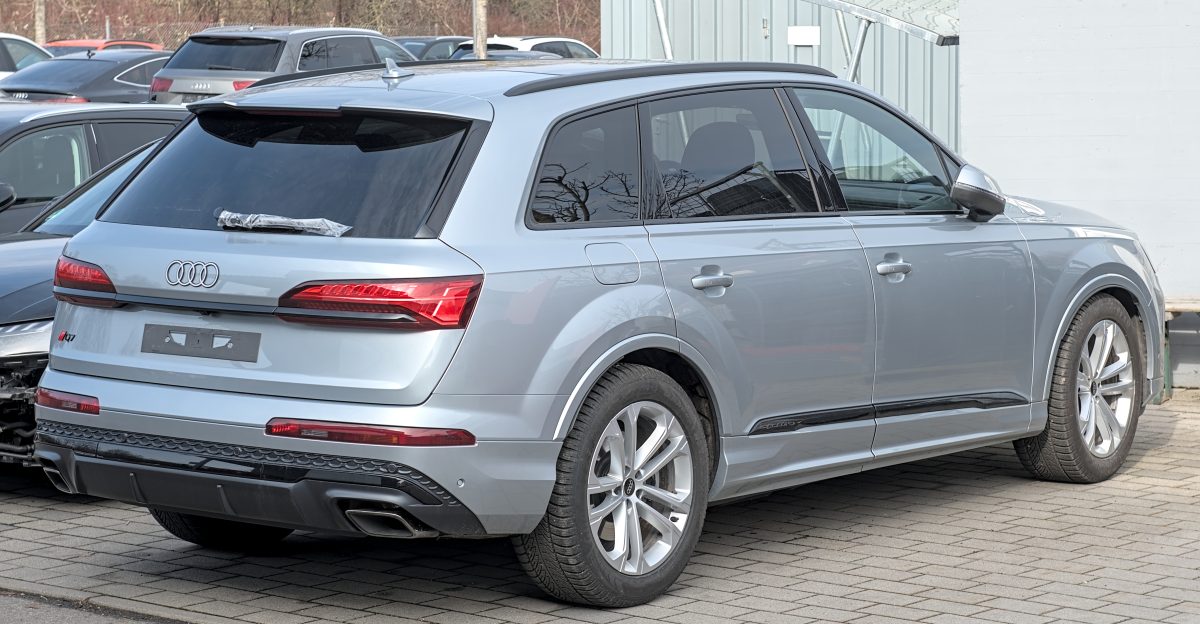
Five large SUVs were certified out of the models IIHS classifies in the large SUV category for 2026: the Audi Q7, Infiniti QX80, Nissan Armada, Rivian R1S, and Volvo EX90. In other words, only a small subset of family-sized SUVs at the top of the market met the latest bar for both crashworthiness and crash avoidance. Meanwhile, SUVs dominated the broader awards: of the 45 Top Safety Pick+ and 18 Top Safety Pick designations, many went to SUVs of other sizes. More than 77% of 2026 model year vehicles tested so far met the new vehicle-to-vehicle crash prevention standard, showing the industry adapted fast in many segments even as large SUVs lagged.
Who Pays the Price
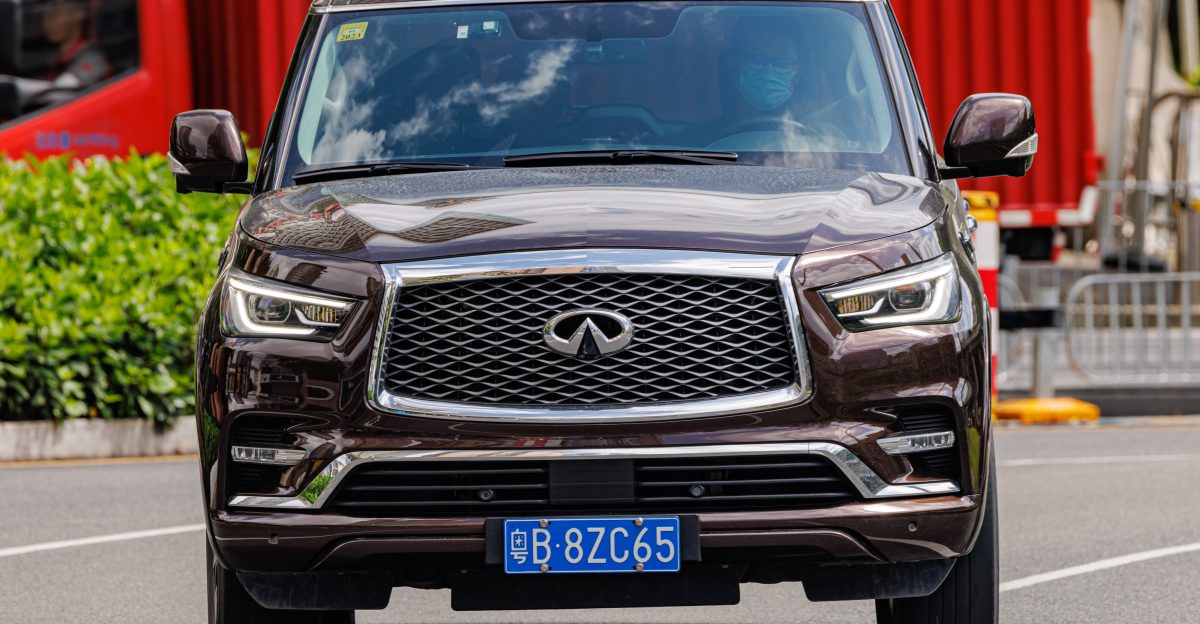
Families shopping large SUVs now face one of the narrowest certified selections IIHS has ever published for this category. The Nissan Armada earned a Top Safety Pick and stands as a rare large SUV with both an IIHS award and solid third-party safety recommendations. The Infiniti QX80, a six-figure luxury truck, earned the same TSP rating as the Armada. Price did not buy a higher designation. A two-tier market is forming: certified models are likely to command premiums while uncertified competitors risk resale erosion as shoppers and fleets increasingly filter by formal safety awards. Dealers sitting on 2025 inventory are holding vehicles that carry safety credentials based on pre-2026 criteria that no longer reflect the latest rear-seat standards.
The Treadmill Never Stops
The 2012 small-overlap test forced massive industry redesigns across the board. The updated moderate overlap test, with its focus on rear-seat protection, is proving equally disruptive. IIHS operates a staged escalation cycle: requirements ratchet up over time, creating a moving target no vehicle permanently wins. Back-seat passenger safety is now permanently embedded as a mandatory criterion for awards, ending the era of driver-first design in IIHS evaluations. This certification is not a stable ranking. Next year’s safest large SUVs will almost certainly differ as 2027 standards evolve again. Families buy into a compliance treadmill, not permanent safety.
The Race Nobody Can Finish
Automakers must now redesign on an accelerated cadence to chase criteria that shift before the paint dries. Hyundai Motor Group earned the most 2026 awards overall with 16 across its brands. Mazda led individual brands with eight Top Safety Pick+ designations. Neither dominates the large SUV segment. Only two large pickup trucks qualified for any award: the Tesla Cybertruck and Toyota Tundra crew cab. Trucks lag even further behind SUVs in the certification race, and the gap widens every cycle as IIHS adds complexity to its testing protocols.
What Your SUV Won’t Tell You
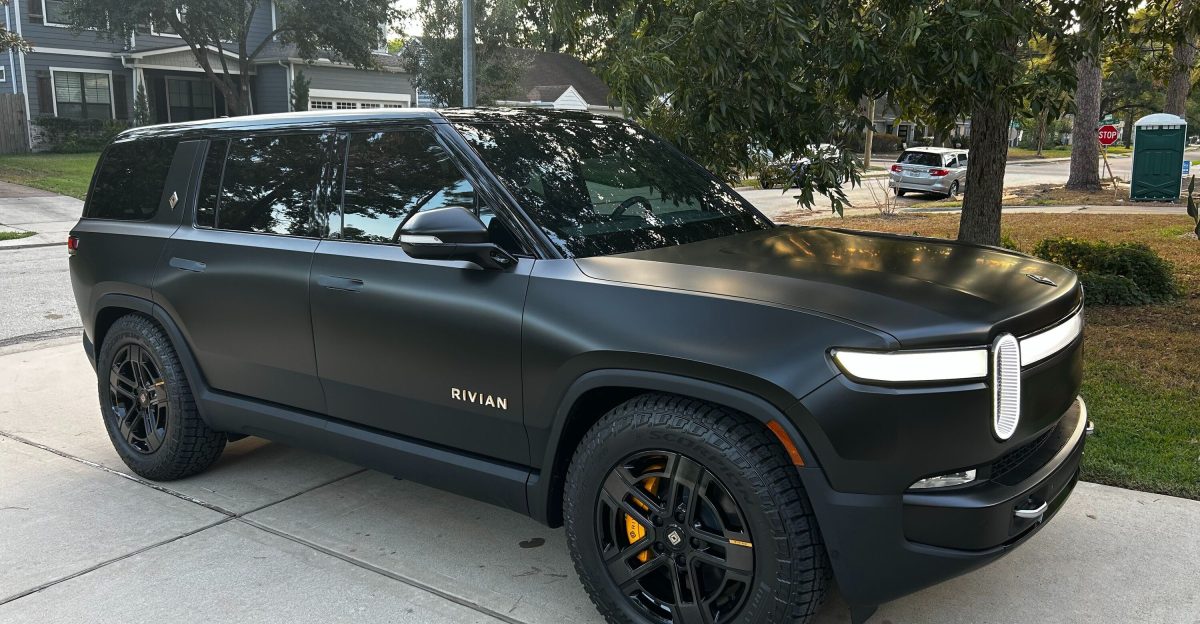
The Rivian R1S offers long electric range and strong towing capability while carrying a Top Safety Pick+ badge. The Audi Q7 rounds out the five with a Top Safety Pick designation. Those are the options: five vehicles for every family in America that wants a large SUV carrying an IIHS safety award for 2026. The real revelation is not which five made the list. Standards are tightening faster than automakers can adapt, and every model year resets the board. The parent who bought “safe” in 2024 may already be driving a vehicle that no longer qualifies under the latest criteria, and nobody sent a letter.
Sources
Insurance Institute for Highway Safety. “2026 TOP SAFETY PICKs.” March 23, 2026.
Insurance Institute for Highway Safety. “IIHS pushes improvements in crash avoidance with 2026 awards.” March 23, 2026.
WardsAuto. “IIHS eyes crash avoidance improvements with its 2026 safety awards.” March 29, 2026.
Hyundai Motor Group. “Hyundai Motor Group Earns 16 IIHS 2026 Top Safety Awards.” March 26, 2026.
Edmunds. “What Are the Safest Large SUVs?” February 2, 2026.
USA Today. “Here are the 5 safest large SUVs for families in 2026.” March 31, 2026.