DoorDash And Amazon Bet On Autonomous-Ready E-Bikes In A $505M Micromobility Push That Sidesteps Many Robotaxi Laws In America
A Rivian spinoff called Also just hit a $1 billion valuation in 12 months flat. Not twelve years. Twelve months. The company raised $200 million in Series C funding led by Greenoaks Capital, with DoorDash jumping in as both investor and commercial partner for autonomous delivery. Amazon already committed to buying thousands of Also’s electric cargo quads across 70-plus micromobility hubs. Total funding since the March 2025 spinoff: $505 million across multiple rounds and investors. The number everyone should focus on, though, is different. Last-mile delivery eats 60% of total logistics costs inside a $207.1 billion market. That’s the real story.
Why A Bike Company Is Worth A Billion
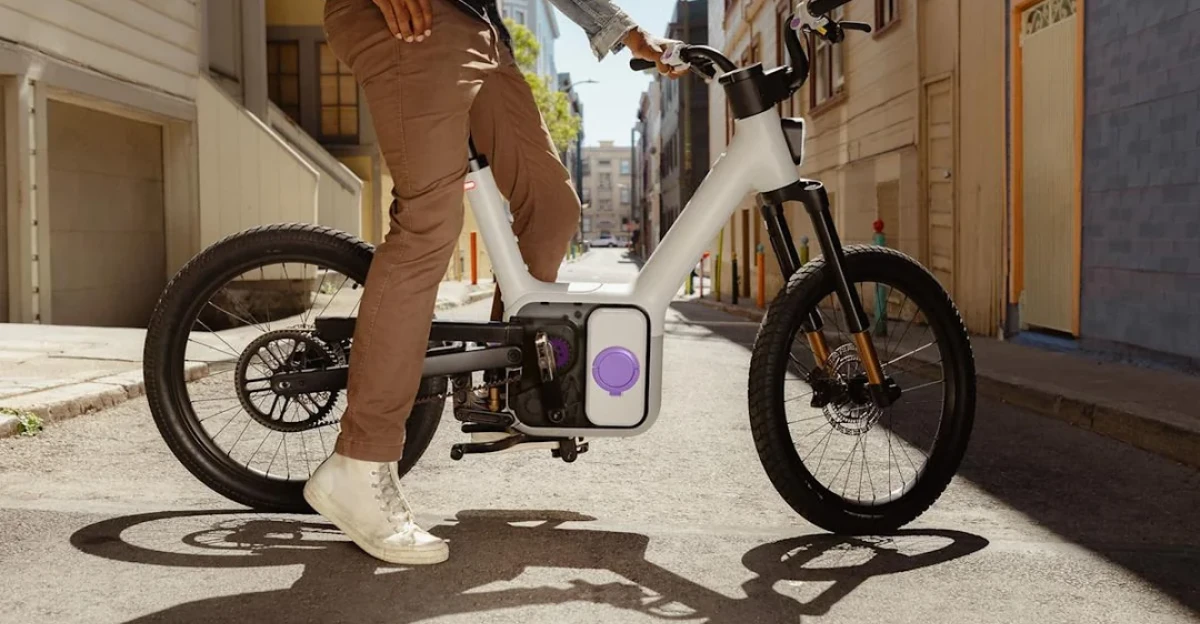
The engine behind Also’s speed is a regulatory gap most people don’t know exists. Its TM-B e-bike and TM-Q cargo quad are classified as Class 3 bikes and light vehicles, not autonomous cars. That classification lets them operate in bike lanes and curb spaces where full-size robotaxis remain legally blocked in state after state. While Waymo and Cruise spend years fighting city-by-city licensing battles, Also deploys within existing e-bike frameworks. The pedal-by-wire drivetrain runs entirely through software, with no mechanical connection between pedals and wheel. That architecture was built for autonomy from day one.
Your Grocery Bill Feels It First
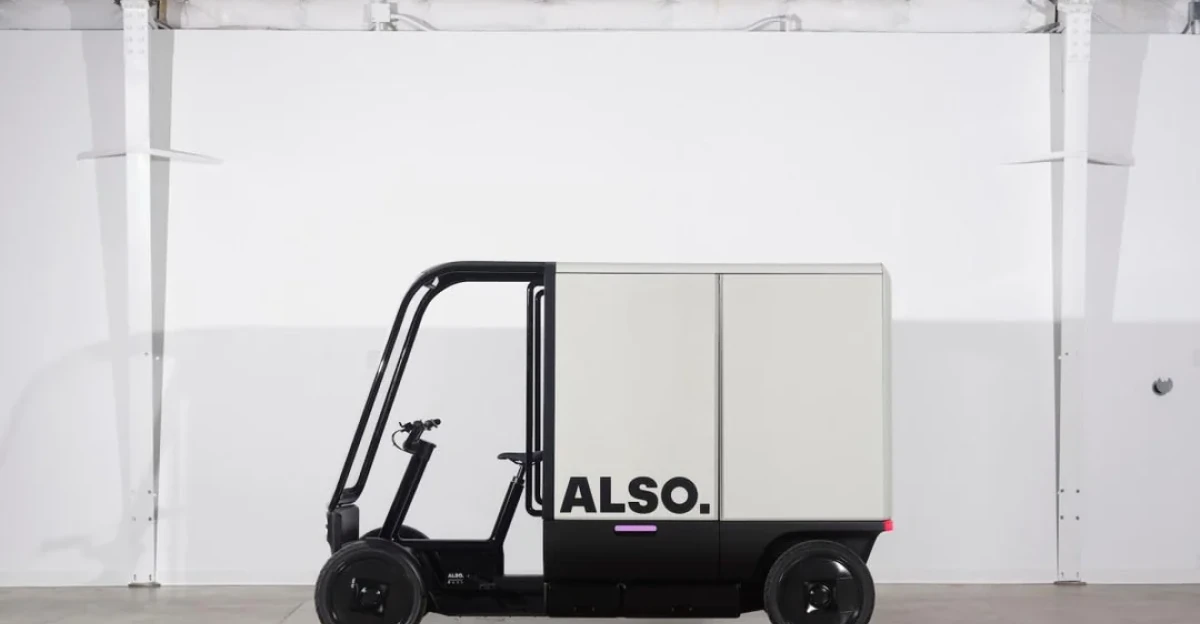
Last-mile delivery accounts for more than 60% of total delivery costs. That $124-plus billion in expenses gets passed straight to consumers through delivery fees, service charges, and inflated menu prices. DoorDash signed a multi-year commercial agreement with Also to deploy autonomous-ready vehicles at scale, targeting cities like Phoenix for initial rollout in 2026. If autonomous small vehicles cut even a fraction of that 60% cost burden, delivery pricing restructures nationwide. The math is straightforward. The timeline is not years away. Spring 2026 deployments are weeks out.
DoorDash Hedges Its Own Robot
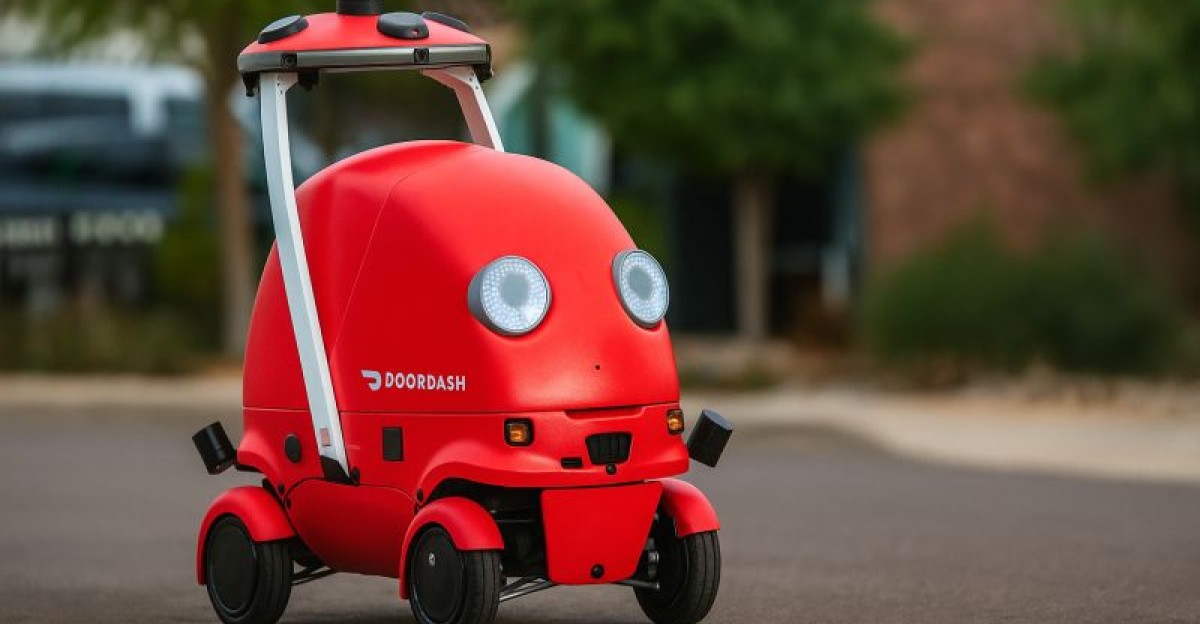
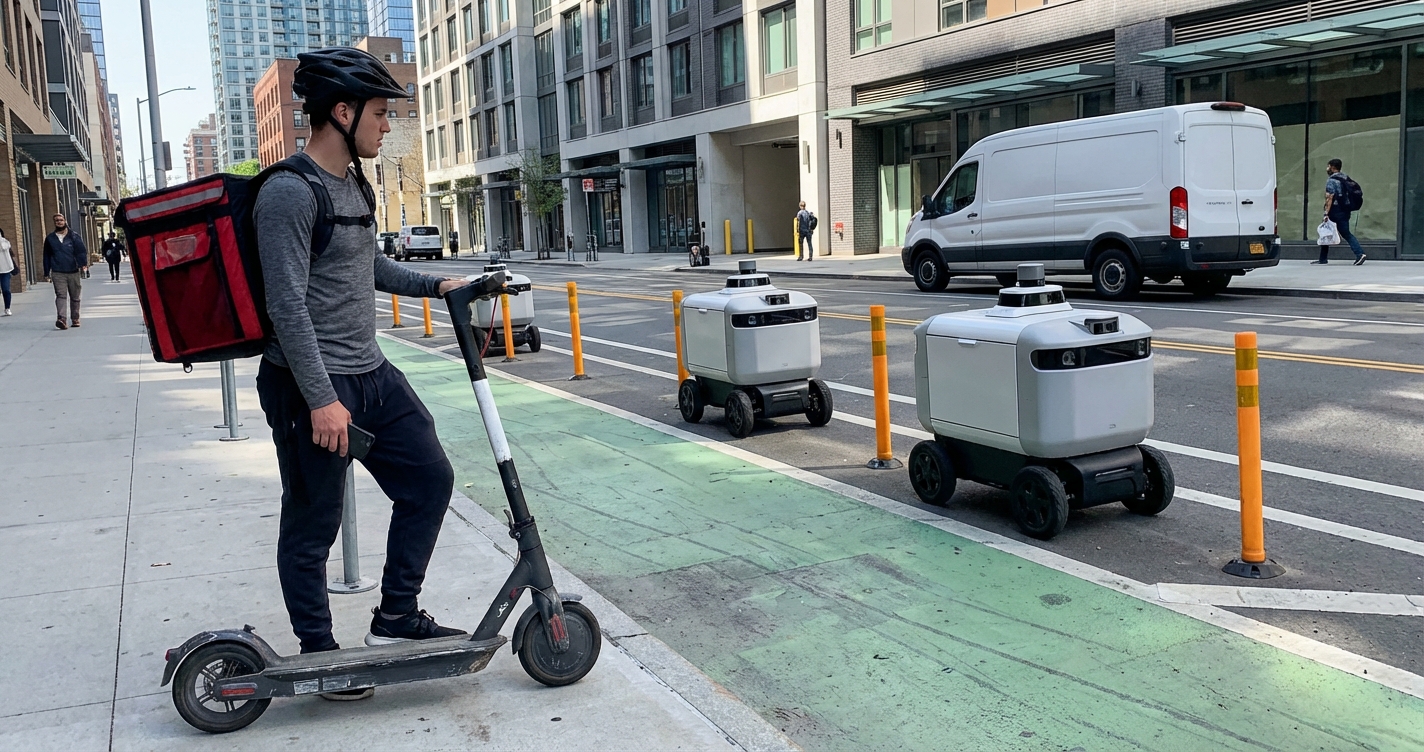
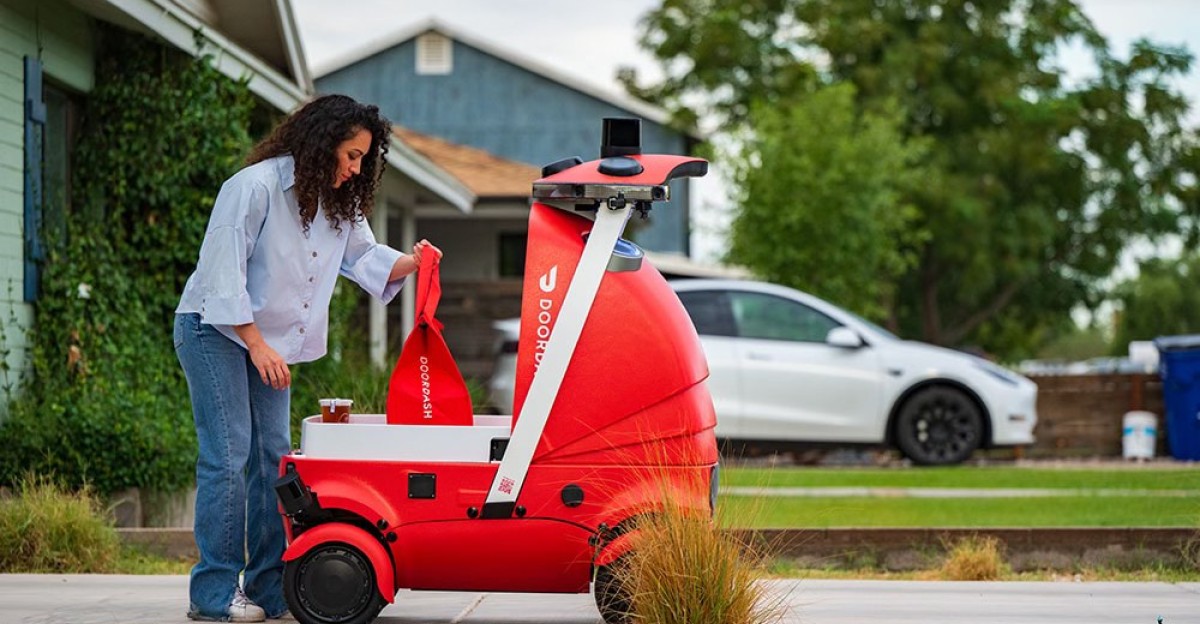
DoorDash is building its own autonomous robot called Dot, a sidewalk-and-bike-lane delivery bot already testing in Phoenix. So why invest $200 million in an outside company doing something similar? Because DoorDash co-founder Stanley Tang took a board observer seat at Also, signaling this goes beyond a financial bet. DoorDash’s Autonomous Delivery Platform orchestrates multiple modalities: human Dashers, Dot robots, Also vehicles, and drones, all dispatched by AI matching each order to the optimal method. The platform wins regardless of which hardware dominates. That’s portfolio strategy, not loyalty.
The E-Bike Industry Didn’t See This Coming
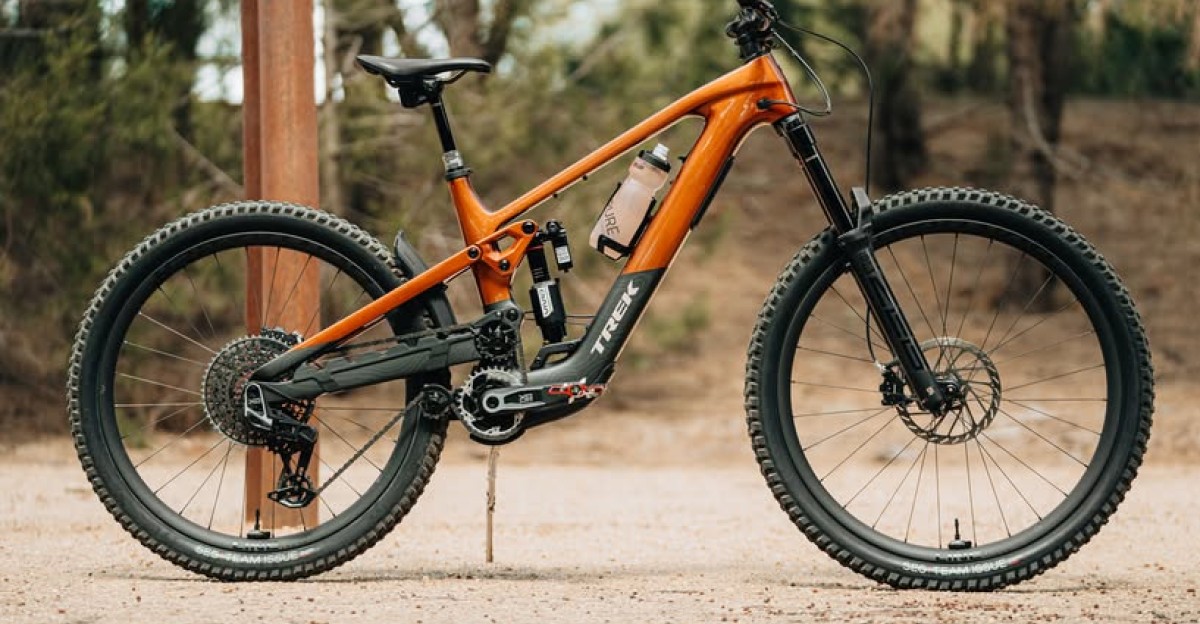
The global e-bike market hit $68.34 billion in 2025 and is growing at 10.18% annually through 2035. Companies like Trek and Specialized sell premium recreational bikes for $4,500 to $6,500. Also’s TM-B starts at $3,500 with a 100-mile range and 28 mph top assist speed, undercutting competitors by 20 to 30 percent. Recreational e-bikes just became a side market. The real volume lives in commercial logistics. One company’s consumer bike is another company’s autonomous delivery platform. Same bike lane, completely different business model.
The Machine Behind Every Ripple
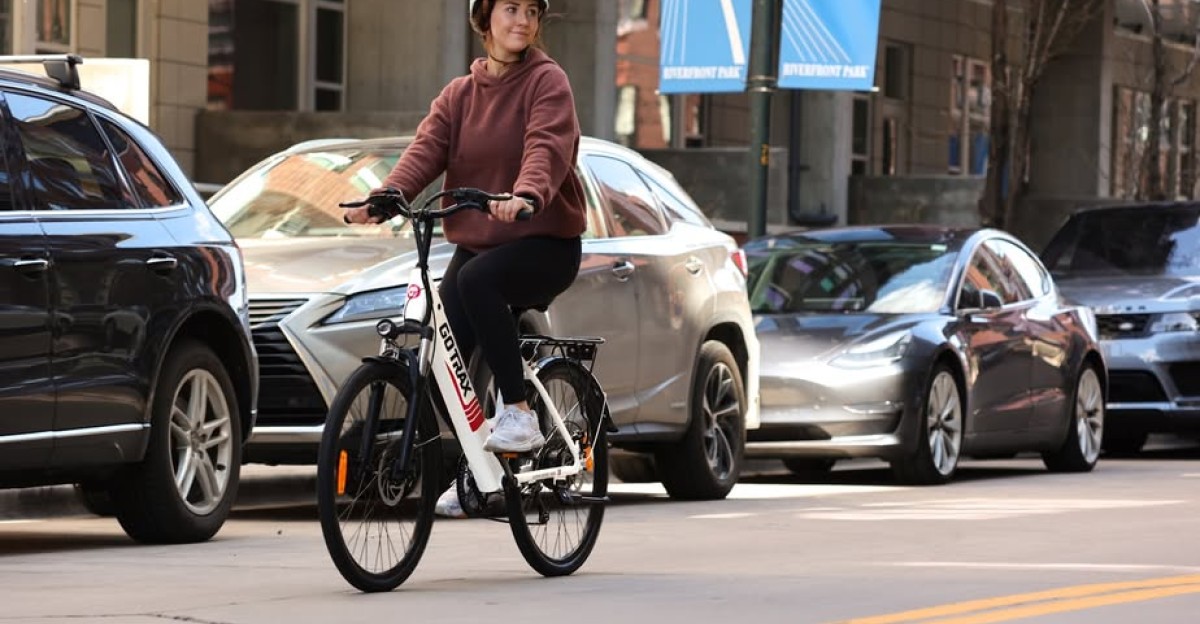
Every one of these consequences traces back to the same structural reality. Purpose-built small EVs plus software-controlled drivetrains plus bike-lane classification equals deployment where full-size autonomous vehicles cannot legally go. That combination compresses timelines from years to months. A $207.1 billion last-mile market projected to reach $378.59 billion by 2033. North America holding 37.7% market share. Autonomous quads rolling through your neighborhood bike lane. The same regulatory gap powering all of it. Once you see the mechanism, every ripple connects.
The Voice From Inside The System
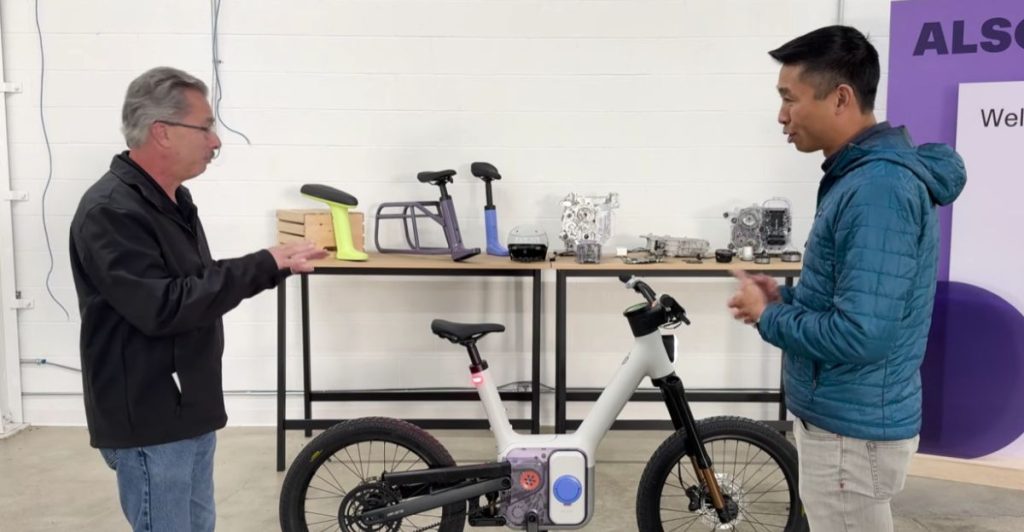
Chris Yu spent over a decade at Specialized Bicycle Components as chief product and technology officer. He started designing the TM-B while biking his son to school. Now he runs a billion-dollar logistics infrastructure company. “I couldn’t be more excited to partner with the team at DoorDash to deploy autonomy in areas not yet fully solved for – at the intersection of roadways, bike lanes and road adjacent spaces.” A competitive cyclist’s commute became the blueprint for autonomous urban delivery. An estimated 10,000 to 20,000 gig delivery jobs per major metro could face displacement within three to five years.
New Rules For A New Category
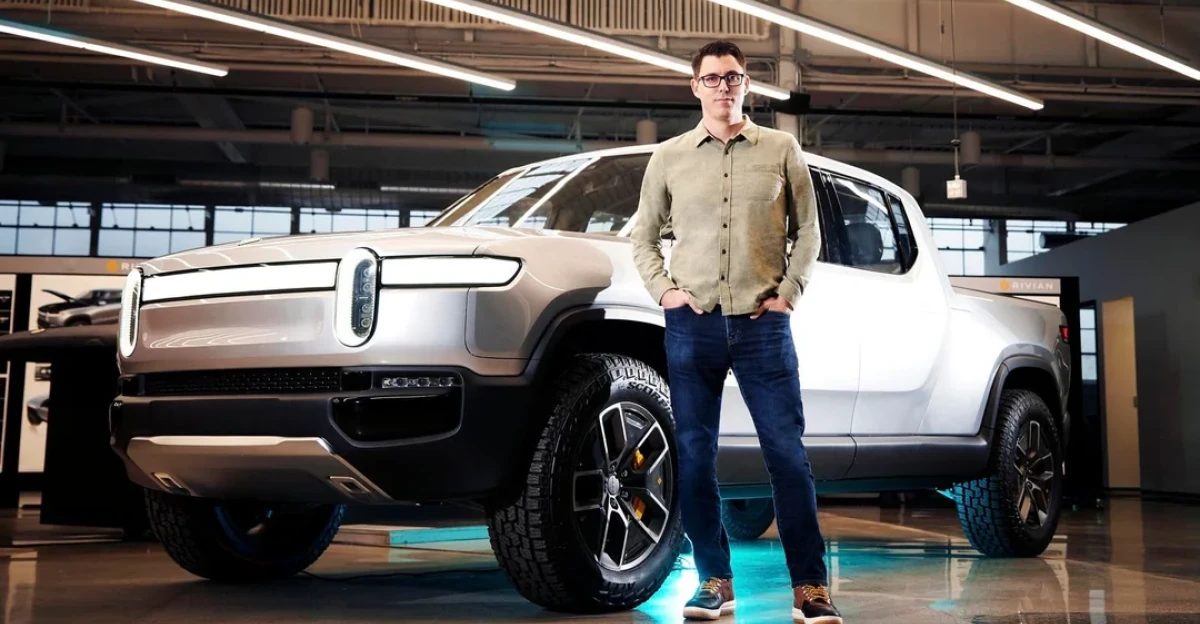
Also achieved unicorn status faster than Rivian itself reached that milestone, and Rivian took over a decade. The $505 million raised in 12 months places Also among the top 5% fastest-funded transportation startups by capital velocity, comparable to Uber’s early trajectory. That speed sets a precedent: vertically integrated EV spinoffs can raise independently and scale faster than their parent companies. Rivian CEO RJ Scaringe chairs Also’s board while retaining a minority stake. The corporate playbook just changed. Spin off, raise separately, move faster. Every automaker watching is taking notes.
Winners, Losers, And What You Should Know
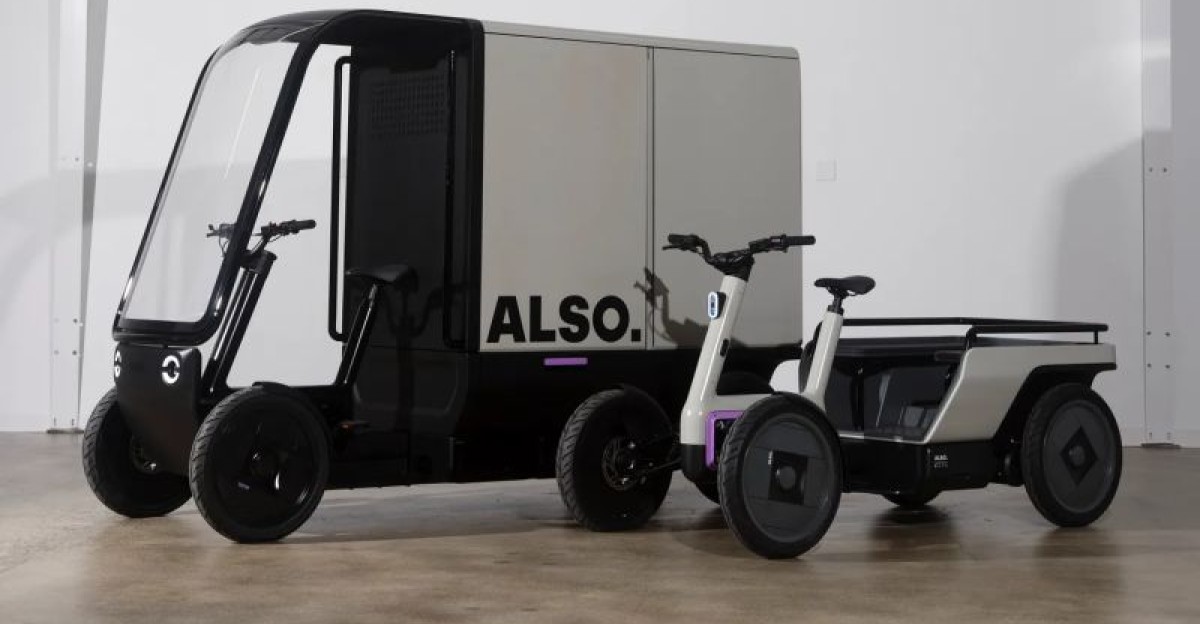
Winners: DoorDash controls the dispatch AI regardless of which vehicle delivers your food. Rivian holds equity in a unicorn without committing full resources. Amazon scales delivery infrastructure across 70-plus hubs it already built. Losers: UPS, FedEx, and traditional fleet operators watching autonomous small vehicles capture dense urban routes. Gig workers on scooters and bikes facing automation pressure. Smaller e-bike manufacturers who cannot match $505 million in capital. Unions representing delivery workers face a fight they haven’t prepared for. The consolidation is already underway around two or three dominant orchestration platforms.
The Cascade Is Just Starting
If DoorDash and Amazon succeed, Uber Eats, Instacart, and Walmart will be forced to invest in autonomous last-mile capabilities or partner with external vendors. That triggers a hardware arms race consolidating around two or three platforms by 2030. Regulatory bodies may restrict autonomous deliveries to specific lanes, and unions will lobby for mandatory human operators. Counter-moves are coming. But the regulatory window where bikes can operate where robotaxis cannot is open right now, and Also is mining it. The cascade continues. The only question is how many industries it reaches before it reaches yours.
Sources:
“Rivian Spinoff Also Will Build Autonomous Delivery Vehicles for DoorDash.” TechCrunch, 31 Mar. 2026.
“Also Announces Strategic Partnership with DoorDash.” PR Newswire, 31 Mar. 2026.
“Amazon Will Buy Thousands of Pedal-Assist Cargo Vehicles from Rivian Spinoff Also.” TechCrunch, 22 Oct. 2025.
“DoorDash Unveils Dot.” DoorDash Newsroom, 29 Sep. 2025.