Insurance Spent $150M Lobbying For Surveillance In New Cars—Then Sold 45 Million Americans’ Driving Data
Congress just mandated that every new car sold in America will carry an always-on surveillance system designed to detect impaired driving and disable the vehicle. The first of its kind in U.S. history. Section 24220, buried in the 1,100-page Infrastructure Investment and Jobs Act, requires advanced impairment-detection technology in all new passenger vehicles by 2027. The insurance industry spent $150 million on federal lobbying in 2021, the year the mandate was enacted. And NHTSA admitted in February 2026 that no technology on earth meets the required accuracy standards. The cascade from that contradiction reaches further than anyone expected.
The Technology That Doesn’t Exist
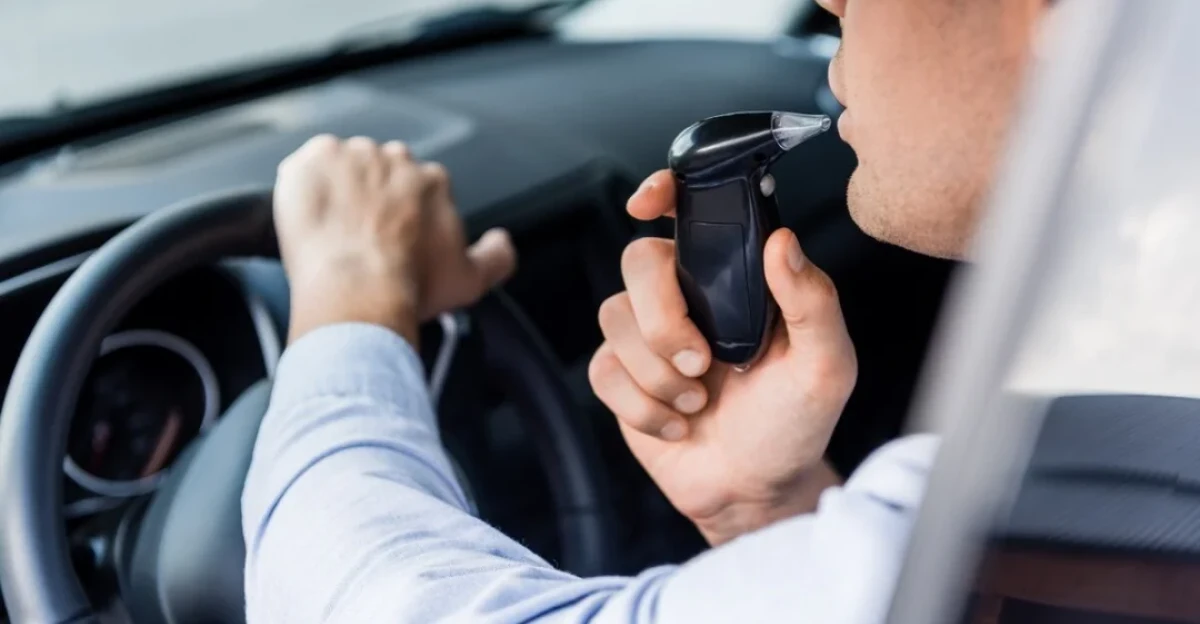
Two approaches are under development: breath-based sensors using infrared analysis and touch-based systems measuring blood alcohol through the skin. Both have been in development for 18 years through the DADSS program. Neither works. Testing in 2023 showed 85% overall accuracy. Eye-tracking systems produced a 10% false positive rate in dim light. NHTSA told Congress plainly: “At this time, NHTSA is not aware of any technology that claims to achieve anywhere close to the needed level of accuracy.” Congress voted 268-164 to keep funding it anyway. The mandate survived because nobody voted against stopping drunk driving.
Millions Stranded by Math
Even perfection fails at this scale. A 99.9% accuracy rate would still incorrectly flag millions of sober drivers annually. The Alliance for Automotive Innovation warned that a 1-in-10,000 false-positive rate would strand tens of thousands of unimpaired drivers every day. Mouthwash containing up to 27% alcohol can trigger failures. So can certain medications, diabetes, and sleep apnea. Consumers also absorb $500 to $2,000 per vehicle in added costs. That’s the part people are tracking. The part about where the data goes is the part they should be tracking.
Automakers Already Cashing In
General Motors collected and sold precise geolocation and driving behavior data from millions of OnStar vehicles without customer consent. The FTC settled the case in 2025 and banned GM from sharing that data with consumer reporting agencies for five years. Toyota faced a class action after sharing connected vehicle data with Progressive Insurance to increase rates based on driving habits. A Mozilla Foundation study tested 25 major car brands on basic privacy standards. Every single one failed. The mandate doesn’t create a new surveillance problem. It makes the existing one mandatory and permanent.
The Insurance Industry’s Quiet Windfall
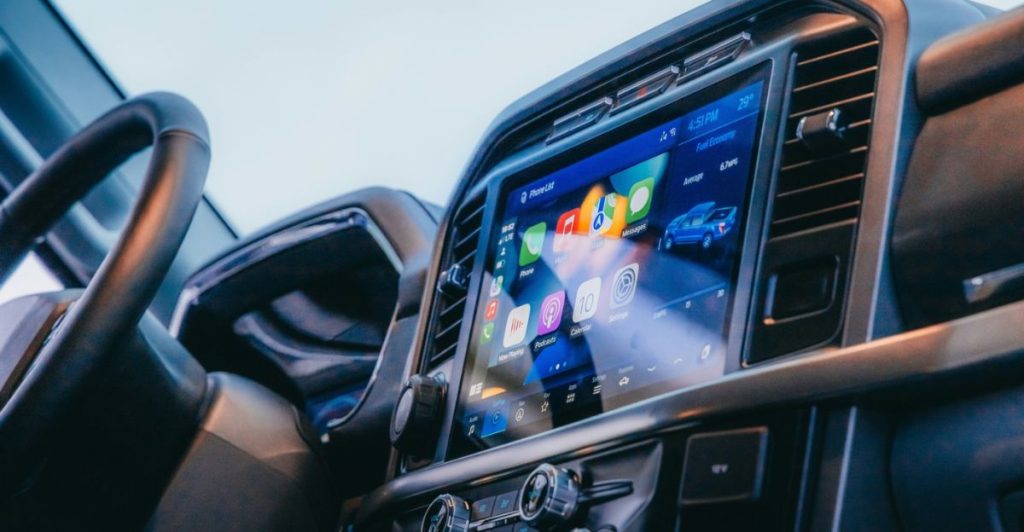
Allstate’s analytics subsidiary Arity collected driving data from 40 million mobile connections every 15 seconds through unrelated apps. The Texas Attorney General sued, alleging unlawful collection and sharing of some 45 million Americans’ driving records. Think about that sequence for a second. Insurance companies spent $150 million on federal lobbying in 2021—the same year the surveillance mandate passed—and their subsidiaries were simultaneously building data pipelines from exactly the type of monitoring those systems generate. Same industry. Same data pipeline. Different press release.
The Machine Behind the Curtain
The mandate requires vehicles to generate continuous biometric and behavioral data. Automakers collect it. Insurers price from it. Data brokers package it. Law enforcement accesses it. Half of the 19 automakers surveyed may share driver data with the government upon request, no court order required. Location, speed, braking, acceleration, phone contacts, and voice data. All flowing through a system with no integrated federal privacy framework. The mandate creates the data stream. The insurance industry monetizes it. Consumers pay for the hardware. That architecture reaches your kitchen table, your insurance premium, your freedom of movement.
A Voice From Inside the System

Wayne Crews of the Competitive Enterprise Institute put it bluntly: “The vehicle kill-switch is precisely the kind of overreach that will empower regulatory agencies to manage behavior without votes by elected representatives in Congress or real accountability.” Lauren Fix, the Car Coach, described what’s coming: “Your new car could have a system of sensors that will analyze your face, behavior, breath, and more.” Diabetics, people on certain medications, and drivers with sleep apnea face the highest false-positive risk. Real people, locked out of their own vehicles by an algorithm nobody can appeal. The structural consequences go further.
The Precedent Nobody Voted For
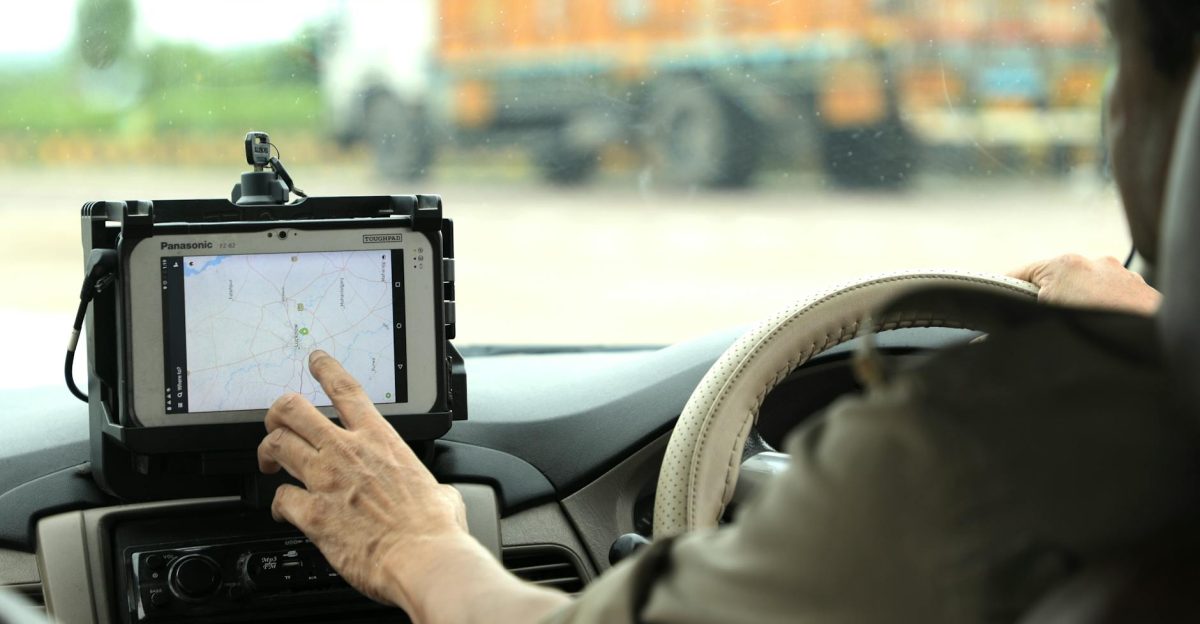
The Supreme Court ruled in United States v. Jones (2012) that government GPS tracking of vehicles requires a warrant. Corporate surveillance has no such restriction. This mandate now operates in that legal vacuum, requiring always-on monitoring while offering no Fourth Amendment protection against the data it generates. Europe mandated similar driver monitoring by July 2026, but GDPR gives European drivers privacy protections that American drivers will not have. The IIHS, funded by insurance companies, announced driver monitoring will be required for top safety awards by 2030. Once the infrastructure exists, the monitoring expands. It always does.
Who Wins, Who Loses, What to Know
Winners: insurance companies gaining continuous biometric pricing data, data brokers accessing a new mandatory data stream, and automakers reducing liability while passing $500 to $2,000 in costs to buyers. Losers: lower-income drivers who can’t absorb the cost, disabled drivers facing algorithmic discrimination, and every American whose driving data enters a monetization pipeline without meaningful consent. The 13,500 drunk-driving deaths in 2022 that justify this mandate are real and devastating. But the surveillance infrastructure being built in their name serves interests far beyond highway safety.
The Cascade Isn’t Over
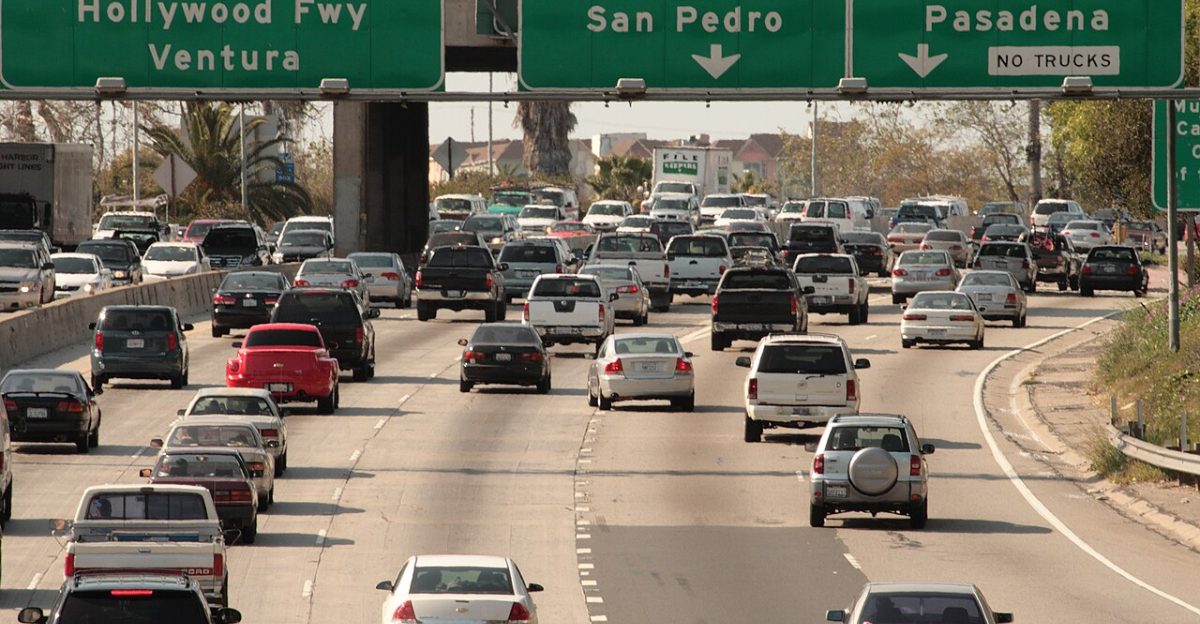
Constitutional challenges are coming. States like California and Oregon are pushing privacy protections that may conflict with federal preemption. An underground market for firmware modifications to disable monitoring systems is already anticipated. And the real escalation: once “safety” framing successfully mandates always-on surveillance in vehicles, the template exists for homes, wearables, and appliances. The drunk-driving framing neutralizes opposition. The data profits sustain the coalition. The technology still doesn’t work. And the cascade from one buried provision in a 1,100-page bill keeps expanding outward, with no endpoint in sight.
Sources:
“NHTSA Tells Congress: Advanced Impaired Driving Detection Technology Not Ready.” Road and Track, 16 Mar. 2026.
“FTC Finalizes Order Settling Allegations that GM and OnStar Collected and Sold Geolocation Data Without Consumers’ Informed Consent.” Federal Trade Commission, 14 Jan. 2026.
“Texas Sues Allstate for Collecting Driver Data Without Consent.” Reuters, 13 Jan. 2025.
“‘Privacy Nightmare on Wheels’: Every Car Brand Reviewed by Mozilla Foundation Failed Our Privacy Tests.” Mozilla Foundation, 6 Sep. 2023.