DHL 6,000-Worker Strike Hands Teamsters First-Ever Autonomous Vehicle Ban In U.S. Logistics
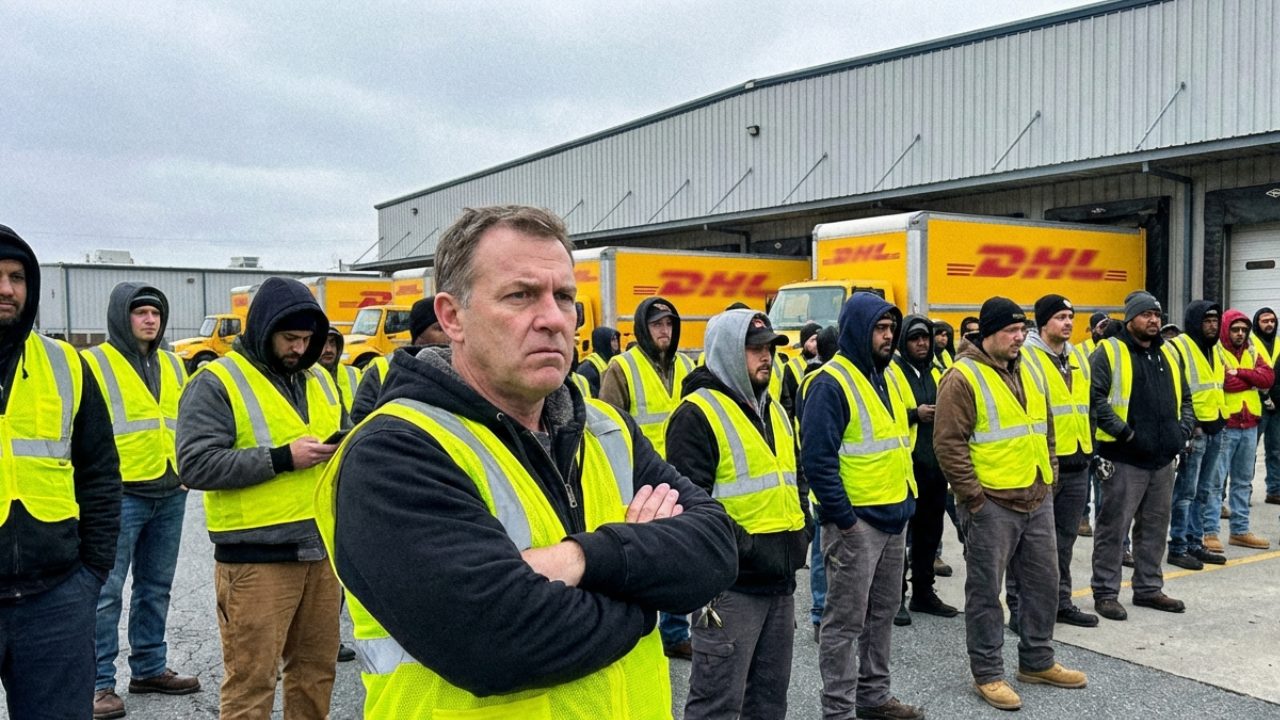
Two days. That’s how much breathing room sat between 6,000 DHL workers and a nationwide walkout across 16 states. The March 31 contract expiration loomed, negotiations had produced little meaningful progress for weeks, and 96 percent of the union membership had already voted to authorize a strike.
Packages stacked in warehouses from Philadelphia to Los Angeles carried an invisible countdown. DHL’s entire U.S. logistics network hung on whatever happened inside a negotiating room before that clock hit zero. The company blinked first.
The Pressure Before the Deadline
This wasn’t a surprise eruption. The Teamsters had built toward this moment methodically. In November 2025, workers at MBM Logistics, a DHL third-party contractor, ratified their first-ever Teamsters contract, securing a $5 hourly wage increase and fully paid health care for over 100 workers.
That smaller win established the template. By March 2026, the national negotiating committee represented approximately 6,000 DHL workers across 26 local unions, and every one of those locals understood the stakes. The momentum was already rolling downhill toward DHL’s boardroom.
The Myth That Cracked
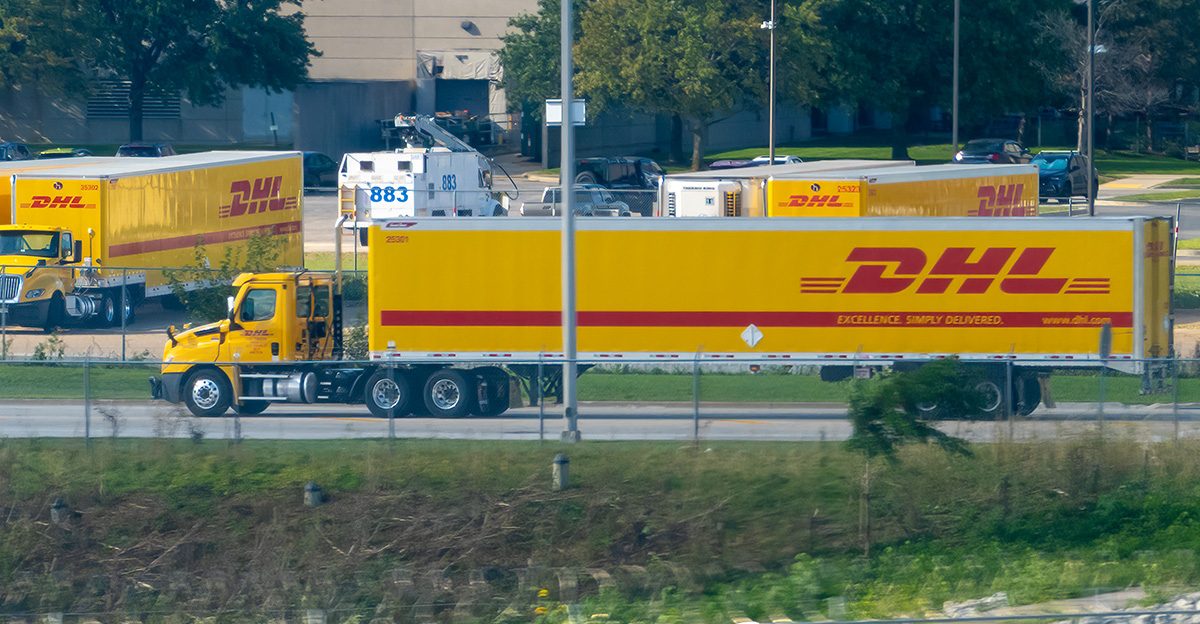
The assumption most people carried into this story: automation is inevitable, and unions can’t stop it. Workers adapt or lose. That’s the line repeated in boardrooms and investor calls. Meanwhile, the federal SELF DRIVE Act was advancing autonomous trucking pilots nationally, clearing the path for cab-less trucks on American highways.
DHL had every reason to bet on robots over raises. Bill Hamilton, the Teamsters Express Division Director, saw it differently. “Our members will not work a day past the expiration of our current agreement. If DHL fails to deliver, Teamsters at the company are prepared to take action,” he warned. That wasn’t posturing.
What DHL Actually Signed Away
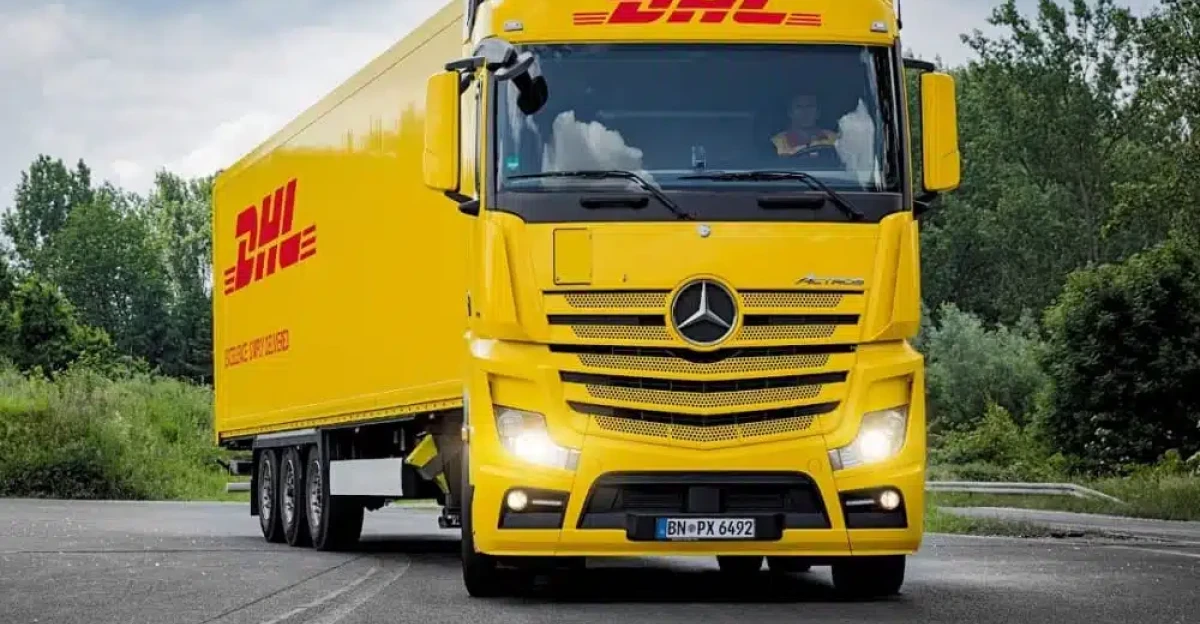
On March 29, DHL agreed to a four-year national contract through 2030 guaranteeing a 20 percent wage increase, higher health and welfare contributions, an explicit ban on autonomous vehicles, and safeguards against AI-driven routing systems that undermine seniority. Twenty percent. Locked through 2030. No autonomous trucks.
No algorithmic end-runs around veteran workers. The 96 percent strike authorization created the pressure. The 48-hour window proved DHL feared the walkout more than the cost. The company chose permanent raises over continental supply-chain chaos.
The Hidden War Behind the Contract
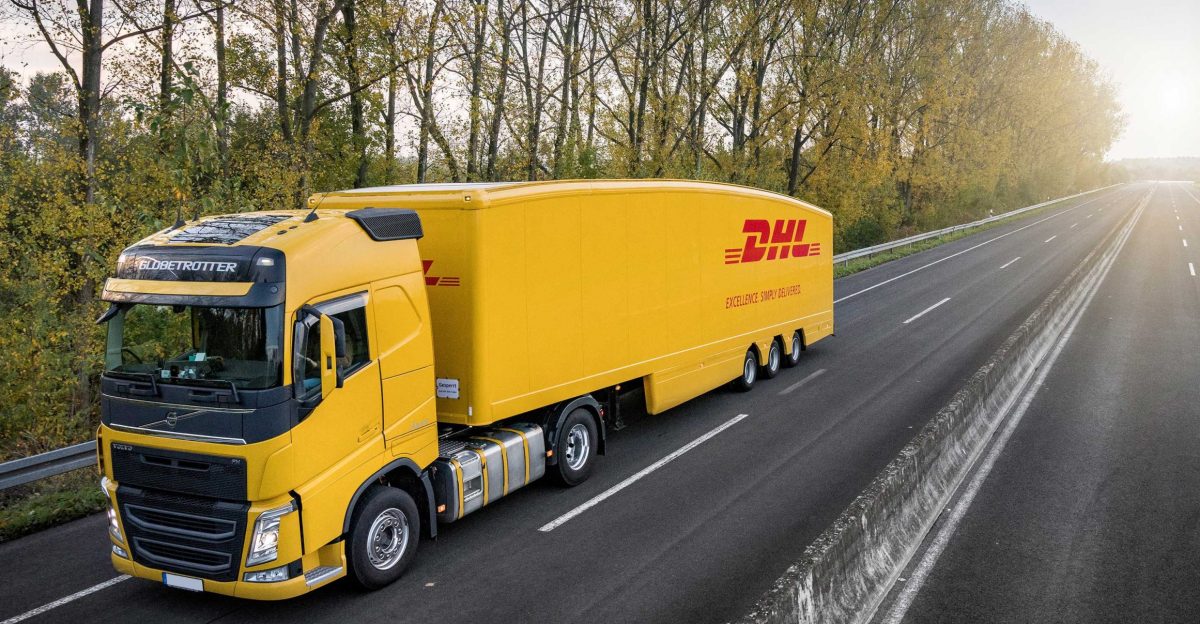
Strip away the wage numbers and something stranger emerges. DHL wanted autonomous vehicles to cut labor costs. The union understood that threat before most analysts did, and contractually killed it.
AI routing systems marketed as “neutral optimization tools” got named in the contract as threats to seniority. The union didn’t treat automation as technology. They treated it as a bargaining subject, then banned it. That reframes the entire deal: this wasn’t a wage negotiation disguised as a tech fight. It was a tech fight disguised as a wage negotiation.
The Numbers That Rewrite the Math
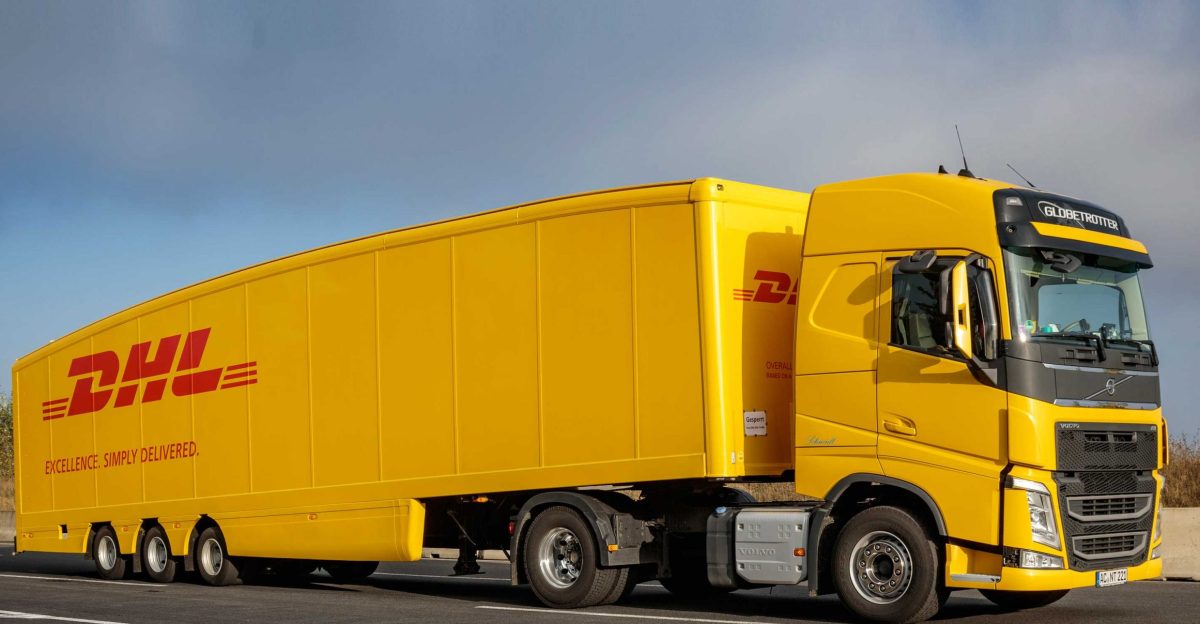
The estimated total wage impact over four years could land between roughly $1.6 billion and $2.0 billion across 6,000 workers, based on industry wage estimates. That alone compresses DHL’s margins. The autonomous vehicle ban may carry its own price tag: an estimated $500 million to $1 billion in deferred automation investment over the contract term.
DHL has invested in autonomous trucking partnerships and pilots in recent years but is now contractually barred from deploying that technology in its unionized operations through 2030. Eric Camarena, a 26-year DHL dockworker, called it “by far the best contract we’ve ever negotiated.”
Who Else Pays for This Deal
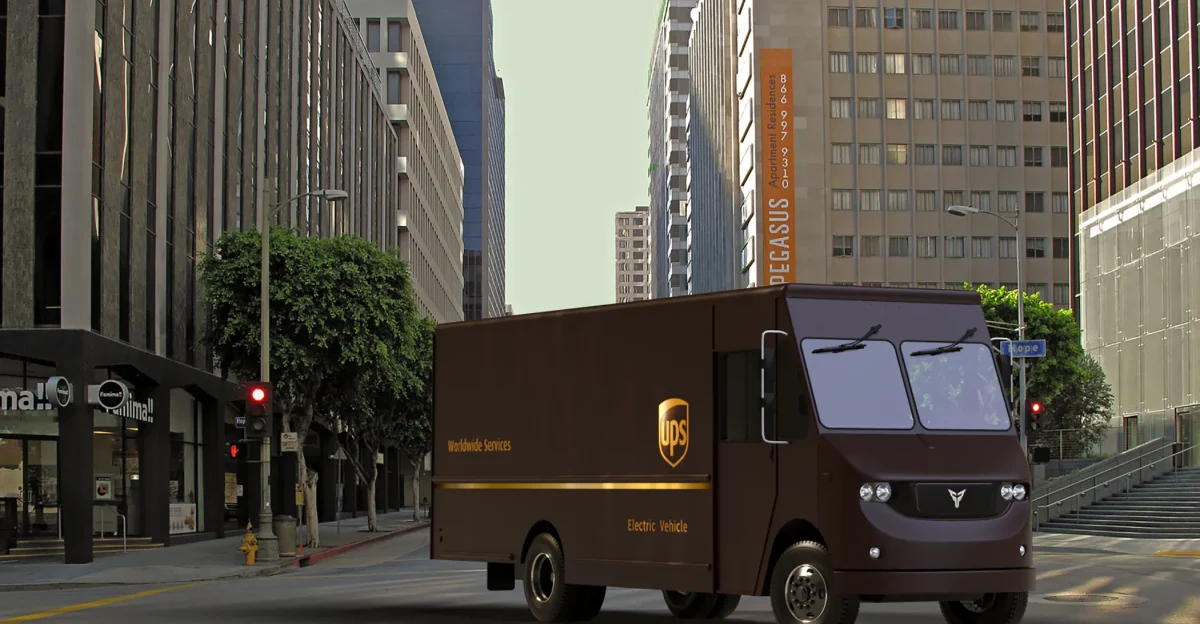
The ripple hits competitors first. UPS, FedEx, Amazon Logistics, and XPO now face a new baseline: 20 percent raises plus automation restrictions. The Teamsters will carry this contract into every future negotiation like a loaded weapon.
Automation investors who expected DHL as an early-adopter customer just lost their biggest logistics proving ground for four years. Shippers and e-commerce firms absorb higher DHL rates, and some of that cost reaches consumer pricing. One contract, signed in 48 hours, rearranged the cost structure of an entire sector.
The Precedent Nobody Can Undo
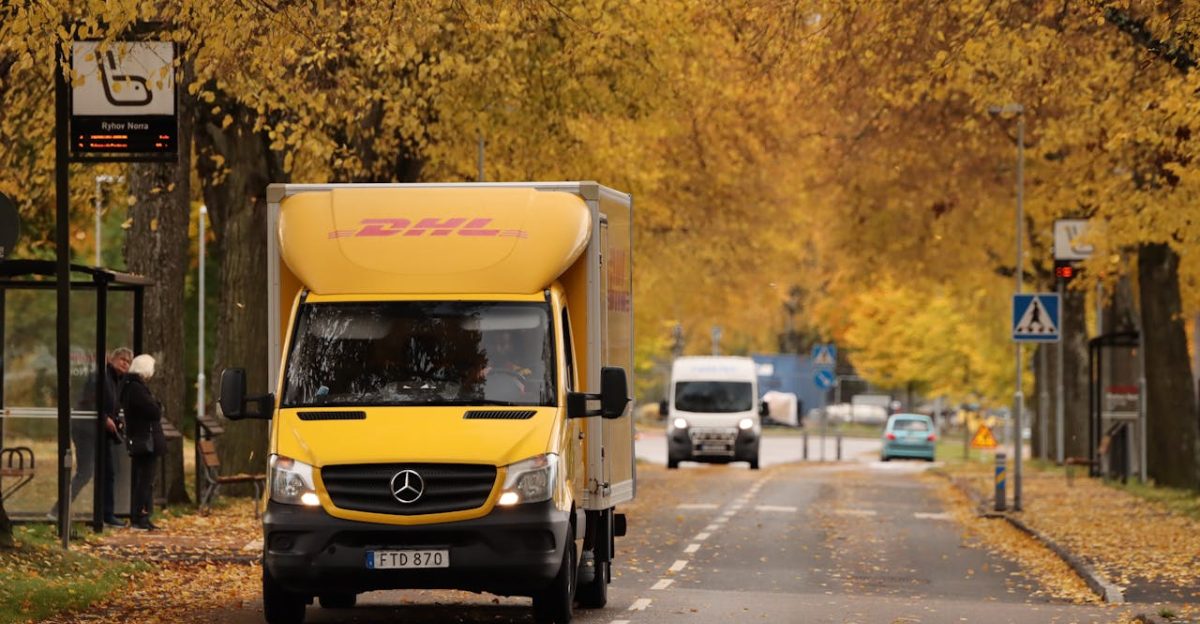
This contract established AI and autonomous vehicles as bargaining subjects in DHL’s logistics operations. The union treated automation not as corporate prerogative but as a negotiable term of employment. The AI routing safeguard language represents one of the earliest large-scale union contractual protections against algorithmic management in U.S. logistics, according to labor analysts.
And the timing is surgical: the Teamsters locked this prohibition into place while the federal SELF DRIVE Act was advancing to preempt state-level restrictions. The union contracted against automation before Washington could legalize it past them.
Twenty-Six Locals, One Unfinished Fight
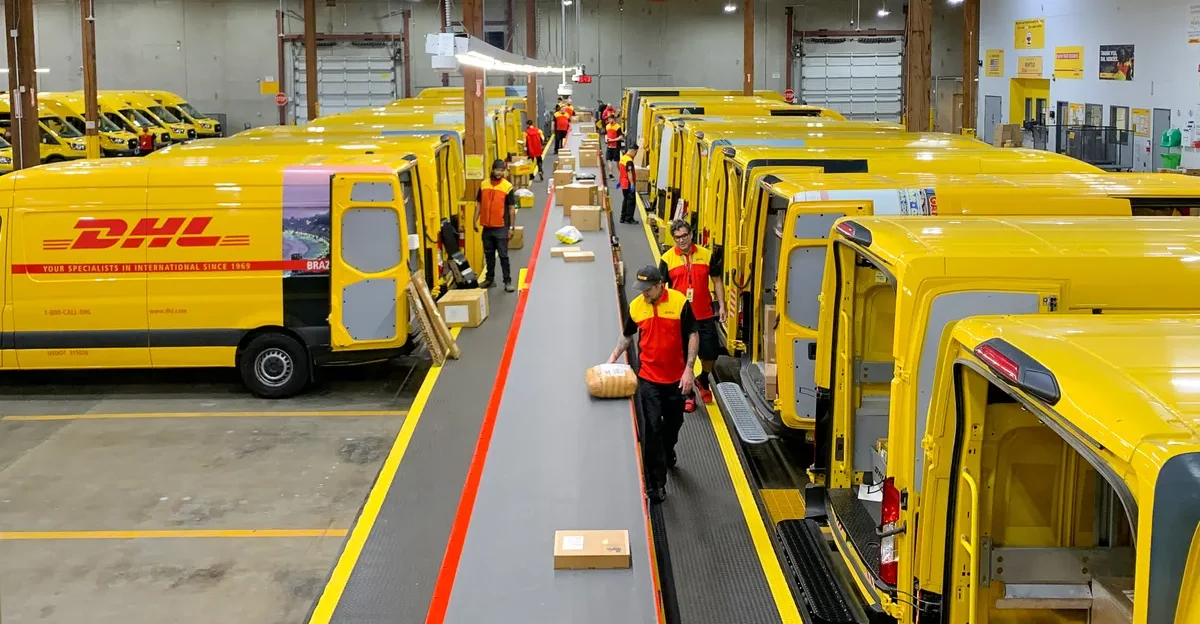
The national deal is tentative. All 26 local unions must finalize their own supplement agreements before national ratification proceeds. Any single local holdout could unravel the entire package and reactivate the strike threat.
The union demanded no contract extensions and completion of all 26 supplements. That’s designed escalation: 26 separate leverage points feeding one national agreement. Membership ratification votes loom in the coming weeks. If members reject the deal, the March 31 deadline pressure returns. DHL avoided one crisis. The next one is already being assembled.
The New Rule of American Logistics
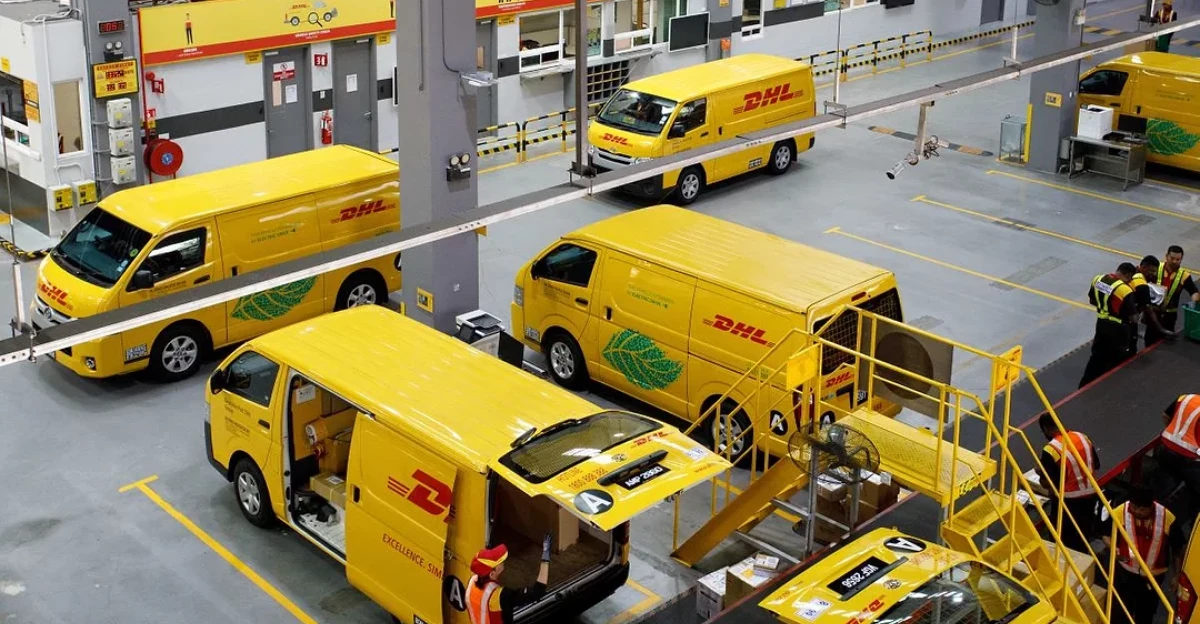
DHL’s counter-move is predictable: consolidate facilities, automate non-union corporate functions, raise shipping rates. But the contract locks 20 percent raises for four years with no givebacks, no freezes, no renegotiation downward. Hamilton said the union “forced DHL to deliver real gains.”
DHL spokesperson Robert Mintz said the company believes in “fostering a collaborative and respectful relationship with our employees and their representatives.” The contrast in language speaks for itself. Technology adoption turned out to depend on who holds bargaining power. At DHL, 6,000 workers across 16 states held it. Automation lost. The next carrier to negotiate already knows the price.
Sources:
International Brotherhood of Teamsters / PR Newswire, DHL TEAMSTERS REACH TENTATIVE AGREEMENT ON STRONG NEW CONTRACT, March 29 2026
PR Newswire, DHL EXPRESS TEAMSTERS AUTHORIZE STRIKE, March 3 2026
The Philadelphia Inquirer, DHL workers get a tentative new contract that bans self-driving cars and reins in AI, March 29 2026
MarketScreener (Reuters syndication), Teamsters Reach Tentative Agreement With DHL, March 29 2026
PR Newswire, TEAMSTERS AT MBM LOGISTICS RATIFY STRONG FIRST CONTRACT, November 18 2025
DHL / Embark / TuSimple releases aggregated via POST Online Media, DHL orders 100 autonomous trucks, December 16 2021