EPA Declares ‘Emergency’ Gas Relief That 97% of American Pumps Can’t Sell—Covers Just 20 Days
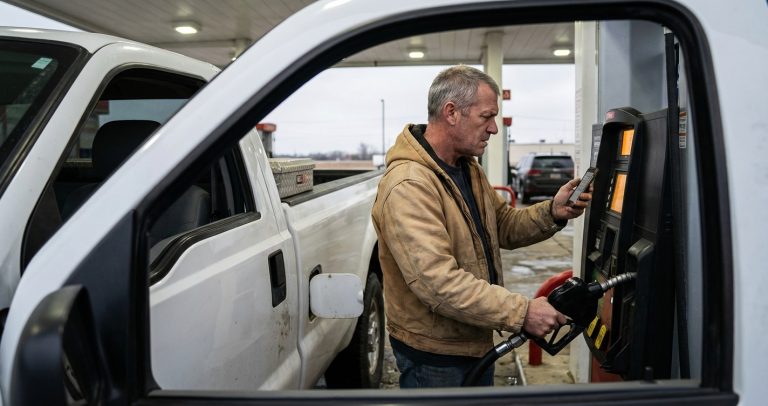
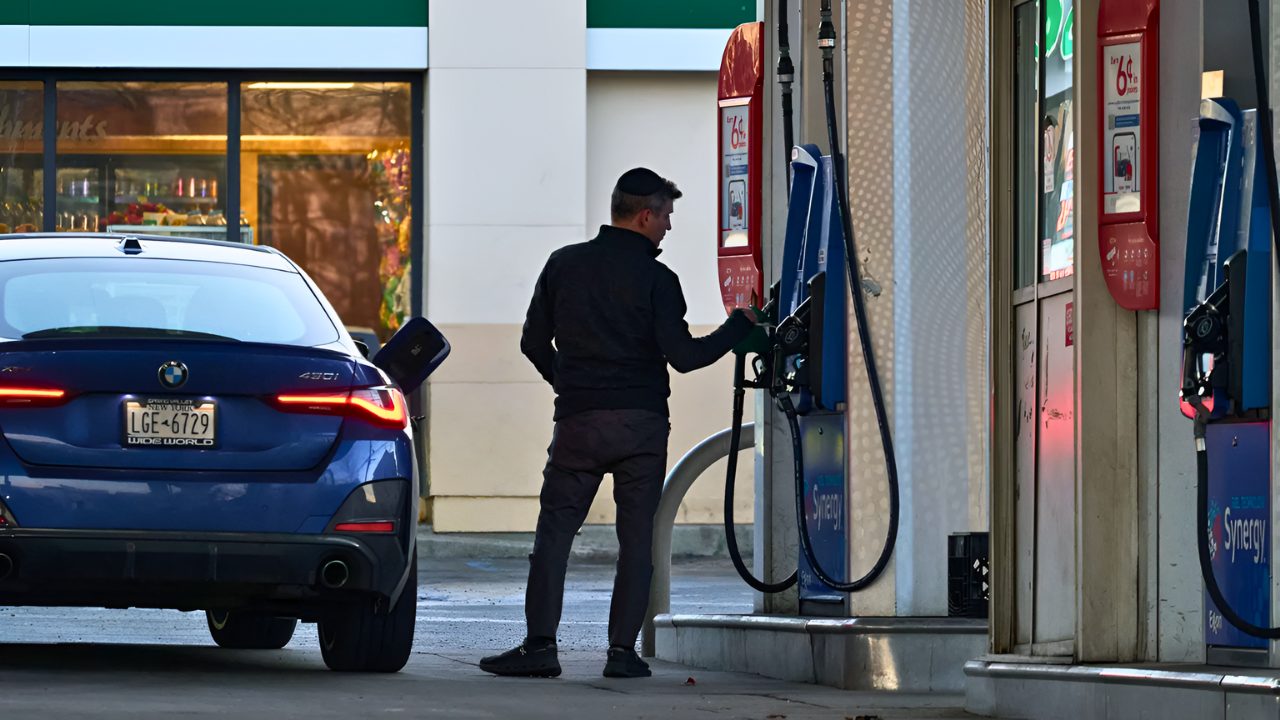
Gas just crossed $4.06 a gallon. The Iran conflict shut down the Strait of Hormuz, ripping 20% of the world’s oil supply off the market, and pump prices jumped a full dollar in a single month. So EPA Administrator Lee Zeldin announced an emergency fuel waiver, effective May 1 through May 20, removing federal barriers to cheaper E15 ethanol-blended gasoline nationwide.
Relief, finally. Except the waiver reaches roughly 3,000 gas stations. The country has over 151,000. That math should bother everyone who fills a tank this summer.
A Dollar a Month
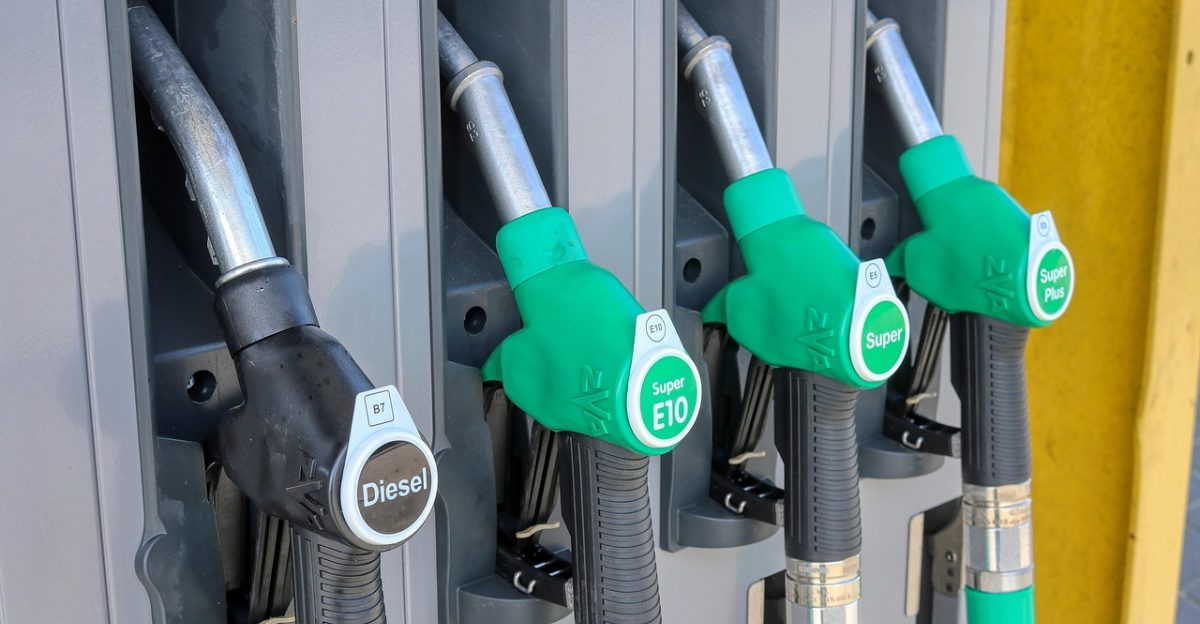
From February 26 to March 26, the national gas average surged from $2.98 to $3.98. A more-than-30% price spike since the Iran conflict began on February 28. Macquarie Group warned that if the war extends through June, oil could hit $200 a barrel, pushing pump prices to roughly $7 a gallon. The Dallas Federal Reserve modeled a Strait of Hormuz closure scenario showing a potential 2.9-percentage-point hit to global GDP growth in the second quarter.
Against that backdrop, EPA’s emergency waiver offers E15 at a 28-cent-per-gallon discount. Twenty-eight cents against a dollar-plus shock.
The Waiver Nobody Can Use
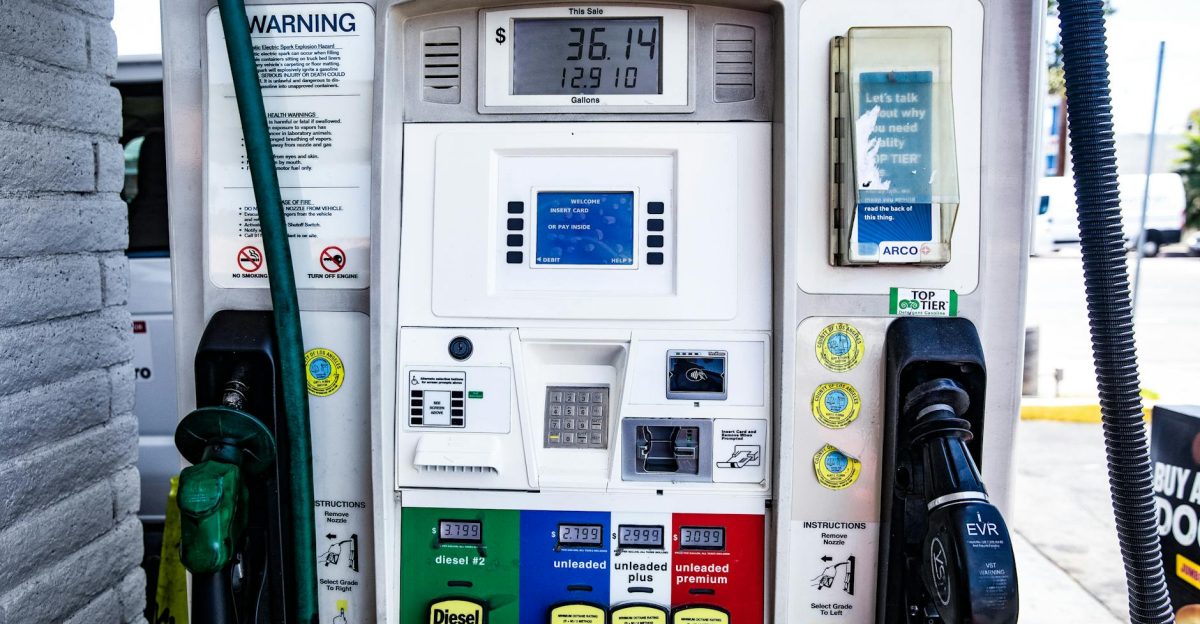
Most people assumed the bottleneck was federal regulation. Remove the rule, flood the market with cheaper fuel. Zeldin’s EPA statement said E15 “serves as a more affordable choice for Americans” and that “without this action, E15 gasoline cannot be used by roughly half of the country this summer.” Sounds like the government unlocked a door. It did.
The problem is the room behind it holds 3,000 stations out of 151,975 convenience stores. The federal lock was never the real barrier, and the waiver just proved it.
The Exemption Cartel
American Coalition for Ethanol CEO Brian Jennings said “enactment of E15 legislation has recently been held hostage by a handful of small and mid-sized oil refiners.” Through 2025, the small-refinery exemption backlog reached 175 petitions. EPA acted on all of them in August 2025, granting 140 full or partial exemptions that reduce blending requirements and cap E15 supply at the source.
EPA has issued emergency summer waivers every year since 2022. Four straight years. Station count stayed flat at 3,000. The emergency never ends because the exemption system that creates it never changes. Twenty days of relief. Five years of obstruction.
The Underground Wall
Even if exemptions vanished tomorrow, 97% of stations face a capital wall buried beneath their parking lots. Underground storage tank certification and retrofit costs exceed $1 per gallon of ethanol blended, according to Stillwater Associates. That is 3.5 times the 28-cent consumer savings E15 delivers. Offering free bus passes in a neighborhood with no bus stops.
An independent station owner running the numbers sees a retrofit that costs more per gallon than the product saves. So the pumps stay E10-only, and the “nationwide” waiver stays regional.
Iowa Proved It Can Work
Iowa sold E15 at 27% of total gasoline volume in 2025, with 60% year-over-year growth. Proof that when infrastructure exists, consumers choose the cheaper pump. But Iowa sits in the Midwest ethanol belt, where pipeline access and corn proximity collapse retrofit economics. The rest of the country lacks that advantage.
Real-world fuel economy losses from E15 versus E10 run roughly 1.5-2%, according to Stillwater Associates analysis. So the savings shrink once you factor mileage. Iowa’s success story doubles as a warning: geography is destiny for E15 adoption.
The May 21 Cliff
The 20-day window is the maximum allowed under the Clean Air Act. On May 21, blending pipelines must reverse specifications overnight. Fuel distribution systems that took weeks to calibrate will need to snap back in hours.
Meanwhile, an estimated 50 to 75 million pre-2001 vehicles on American roads face a quieter risk: E15 corrodes older fuel systems over months, and the damage shows up long after the receipt is gone. The waiver created a supply whipsaw for stations and a misfueling trap for older vehicles simultaneously.
Emergency as Annual Tradition
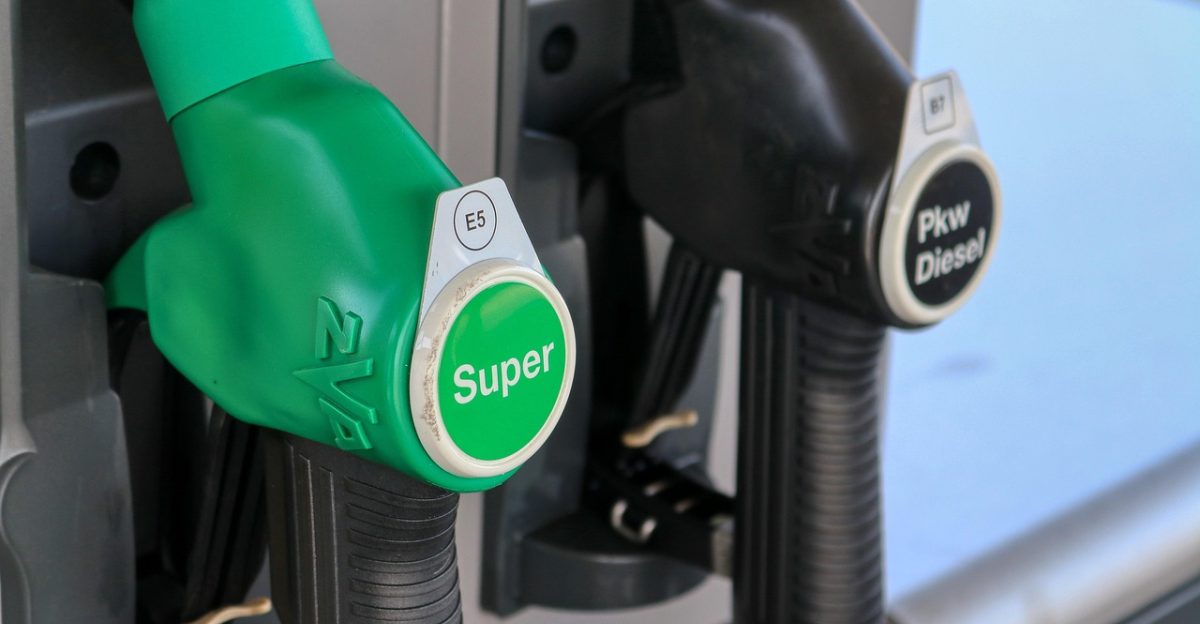
This is the fifth consecutive summer waiver since 2022. When an emergency repeats on a calendar, it stops being an emergency and starts being a system. The exemption petitions renew. The waivers renew. The station count stays frozen. Congress stalemates on permanent E15 legislation while the small-refinery exemption system persists.
The boutique fuel elimination EPA announced is one of the largest deregulatory fuel actions since RVP standards began in 1989. And it changed the station count by zero. Once you see that pattern, the annual waiver looks less like relief and more like a pressure valve protecting the cartel.
Who Loses Next
Independent stations face a binary choice: spend six figures on underground tank retrofits for access to 3% of the market, or surrender E15 entirely to major chains that already invested. Rural stations outside Midwest distribution zones get priced out first.
If the Iran war extends through the third quarter, that 28-cent E15 advantage covers roughly 4% of the projected price increase to $7 a gallon. The ethanol lobby is expected to push for permanent legislation. The oil industry may counter with misfueling liability concerns.
The Real Gatekeeper
The government removed every federal barrier it could. E15 penetration did not move. That single fact reframes the entire fuel price debate. The gatekeepers are not bureaucrats in Washington. They are underground storage tanks that cost more to certify than the fuel saves, and exemption petitions from refiners who profit from scarcity.
Next time someone says deregulation will fix gas prices, remember: EPA deregulated, and 97% of pumps still could not sell the cheaper fuel. The barrier was never the rule. It was always the pipe.
Sources:
U.S. Environmental Protection Agency — “EPA Fortifies Domestic Fuel Supply, Provides Americans with Relief at the Pump by Approving Nationwide Summer Fuel Waiver” — March 25, 2026
CBS News — “How High Could Oil and Gas Prices Go if the Strait of Hormuz Remains Closed?” — April 1, 2026
Federal Reserve Bank of Dallas — “What the Closure of the Strait of Hormuz Means for the Global Economy” — March 20, 2026
American Coalition for Ethanol — “ACE Grateful for 2026 Emergency E15 Waiver, but Urges Immediate Congressional Action on Permanent Solution” — March 24, 2026
NACS — “2026 Sees Slight Decrease in C-Store Count” — January 26, 2026
Stillwater Associates — “The Hidden Cost of Higher Ethanol: E15’s Fuel Economy Trade-off” — March 31, 2025