$15.7B EV Bet Destroys Honda’s 69-Year Profit Streak—Ohio Factory Sits Empty
The press release landed with confetti language. Record hybrid numbers. Best quarter in four years for Acura. CR-V posting its strongest month since April 2025. Honda’s VP of Auto Sales, Lance Woelfer, stood behind the data and called March performance “very strong.”
Across the Pacific, Honda’s corporate board had already signed documents admitting the opposite. Three EV models canceled. Executive pay slashed. A profit streak older than the space program, shattered. The showroom numbers told one story. The balance sheet told another, and the balance sheet wasn’t smiling.
The Numbers That Looked Normal
American Honda posted 130,074 units in March 2026, down 12% year-over-year. That decline had a built-in excuse: March 2025 delivered a 17.9-million SAAR, a four-year high fueled by consumers panic-buying ahead of tariffs. The comparison was always going to look ugly.
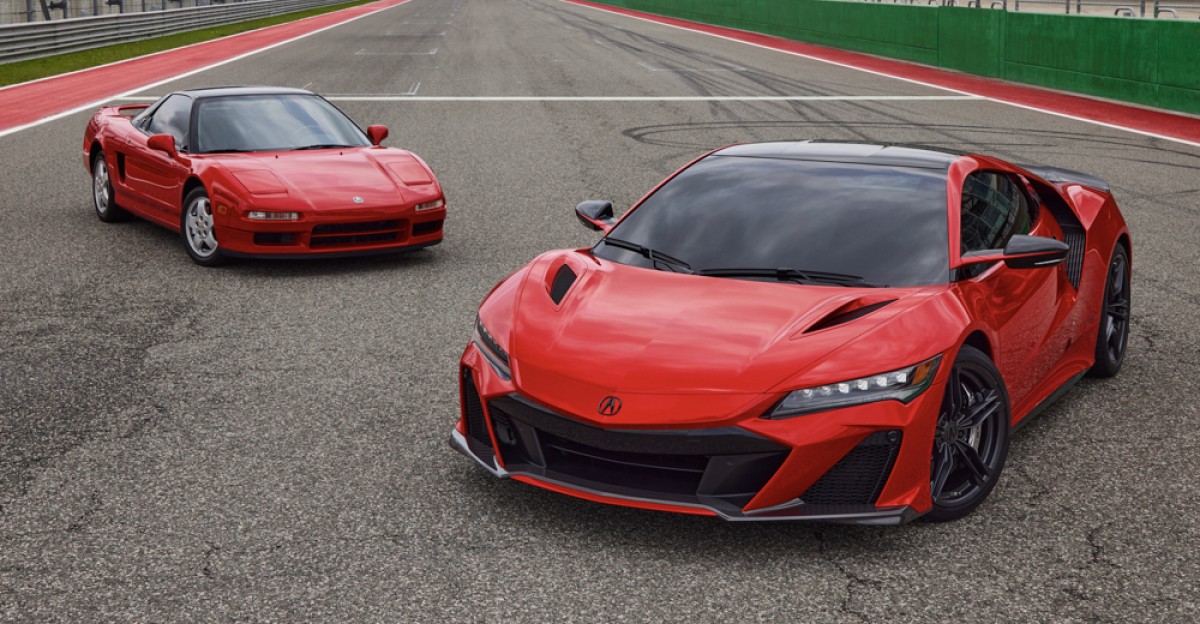
Underneath, Q1 totaled 336,830 units. Honda brand contributed 304,478. Acura added 32,352, its best first quarter in four years. Hybrid sales hit an all-time Q1 record of 95,882 units. Every surface metric screamed stability. But $700 million in retooled Ohio factory equipment had already lost its reason to exist.
The Myth of Volume as Health
For decades, the assumption held: if Honda keeps selling cars, Honda is fine. Japanese automakers survive everything. Oil shocks, financial crashes, tsunamis. The unit count is the vital sign. Except Honda’s Prologue EV dropped roughly 65% from Q1 2025 to about 3,319 units in Q1 2026.
Electrified vehicles totaled 39,632 in March, but the pure-EV slice was vanishing. The company was selling record hybrids while its electric future collapsed underneath. Volume kept the patient looking alive. The margin monitor was already flatlining.
March 12 Changed Everything
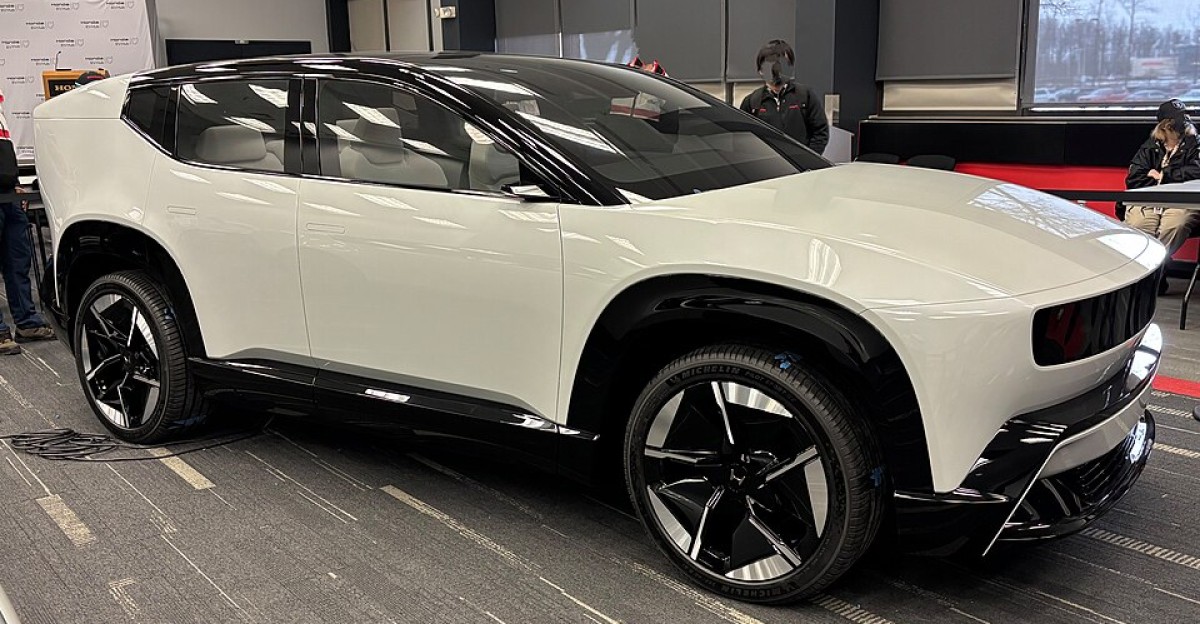
Three weeks before the “very strong” sales release, Honda canceled the Honda 0 SUV, Honda 0 Saloon, and Acura RSX. Gone. Years of development, a proprietary platform, a retooled Marysville plant. Then the number: up to ¥2.5 trillion in expected losses. That’s $15.7 billion.
Operating profit forecast of $3.5 billion swung to a potential $3.6 billion operating loss. A $7 billion reversal in a single fiscal year. First annual net loss since Honda went public in 1957. Sixty-nine years of profit, ended in one announcement. The President and Executive Vice President forfeited bonuses and took approximately 25–30% annual pay reductions.
The Trap Nobody Saw
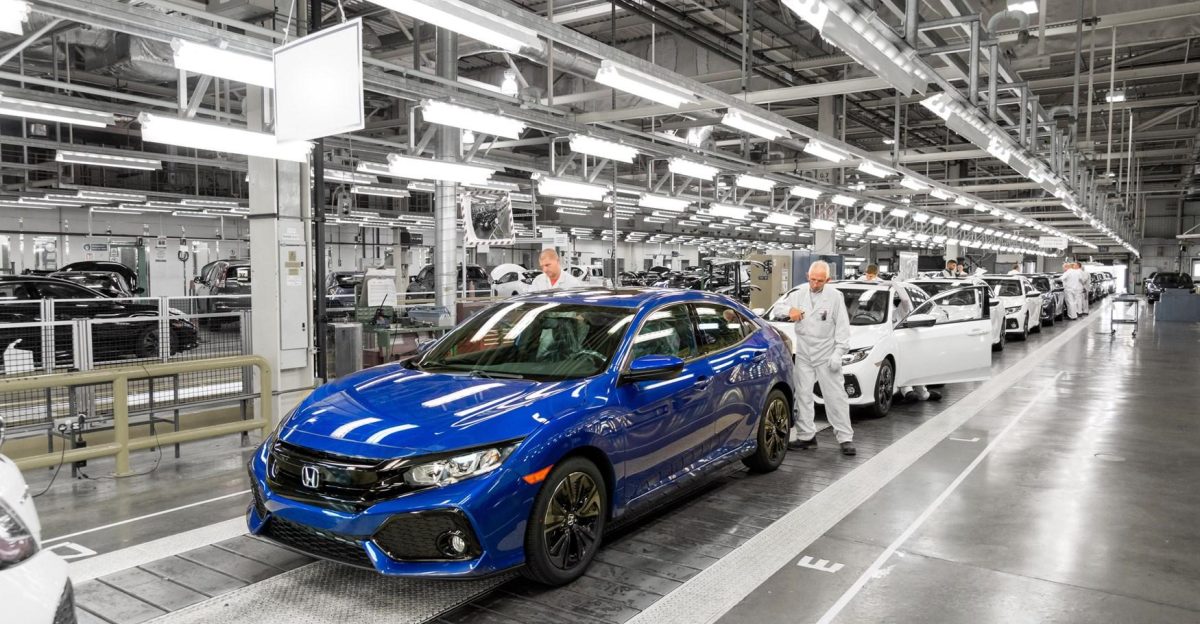
Honda’s own statement said the company was “unable to deliver products that offer value for money better than that of newer EV manufacturers.” That confession reveals the hidden mechanism. Years of EV development pulled R&D resources away from gasoline and hybrid models, the very vehicles generating revenue. Meanwhile, tariff policy crushed margins on U.S.-made cars.
Honda builds more than two-thirds of its North American vehicles domestically, absorbing much of the tariff burden. Chinese competitors, with faster software-defined development cycles, faced less exposure. Honda spent billions chasing EVs and weakened the core business that was supposed to fund the chase.
Record Sales, Vanishing Margins
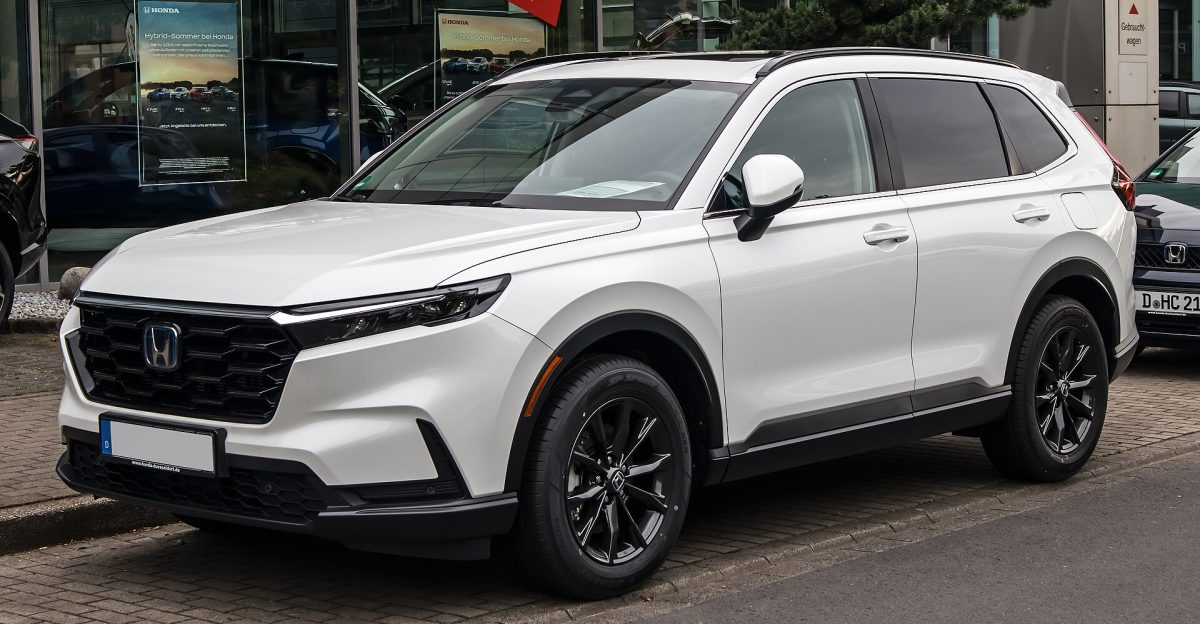
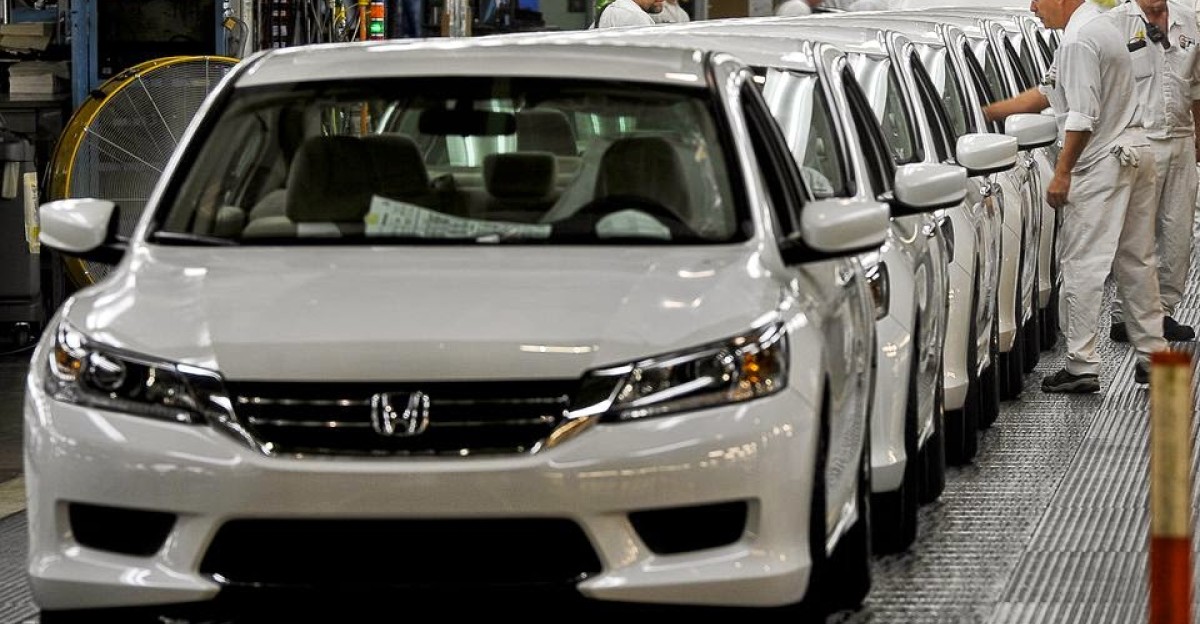
The CR-V moved 40,793 units in March, its best month since April 2025. Passport hit a new Q1 record at 4,979 units. Integra surged 42%. Acura’s gateway models topped 5,000 combined for the first time.
Every model line had a celebration buried in the data. And none of it mattered to the bottom line. Write-off and impairment losses alone ranged from $5.2 billion to $7 billion on tangible and intangible EV assets. Honda was ringing the register while the vault burned behind it.
The Ripple Hits Ohio First
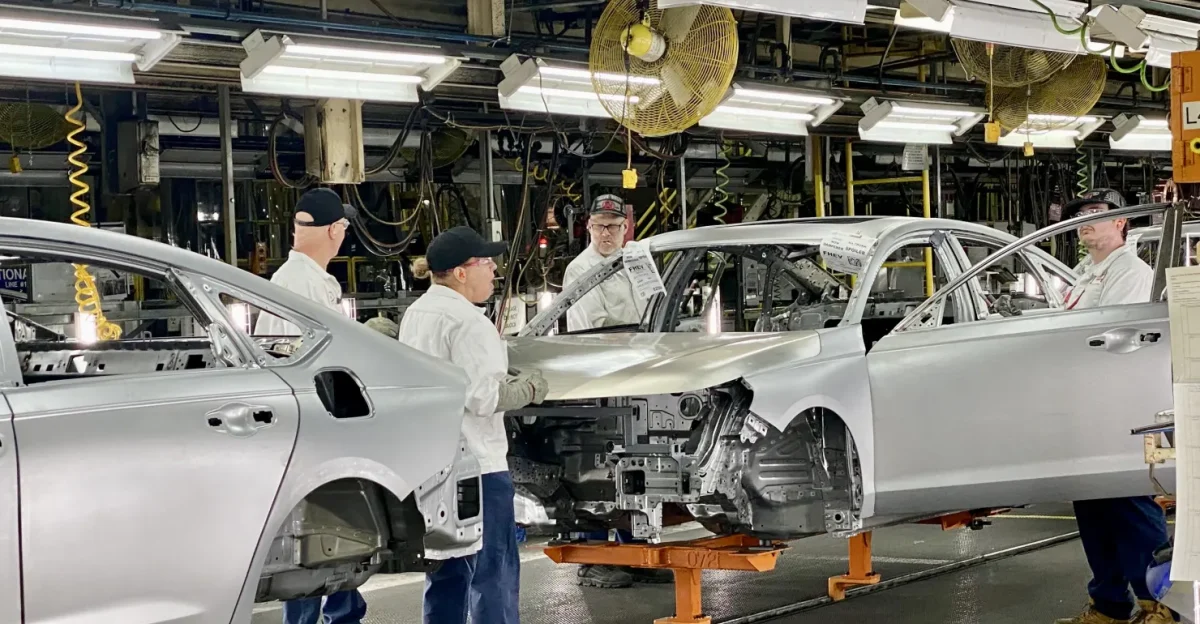
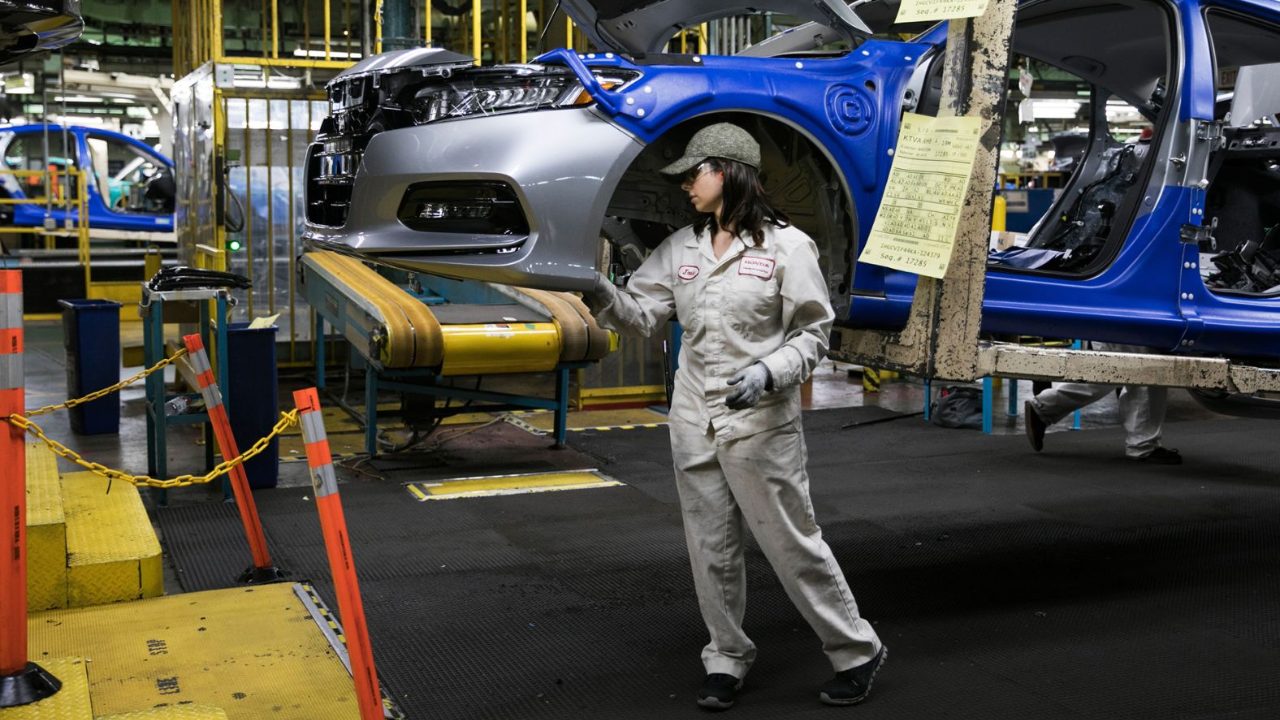
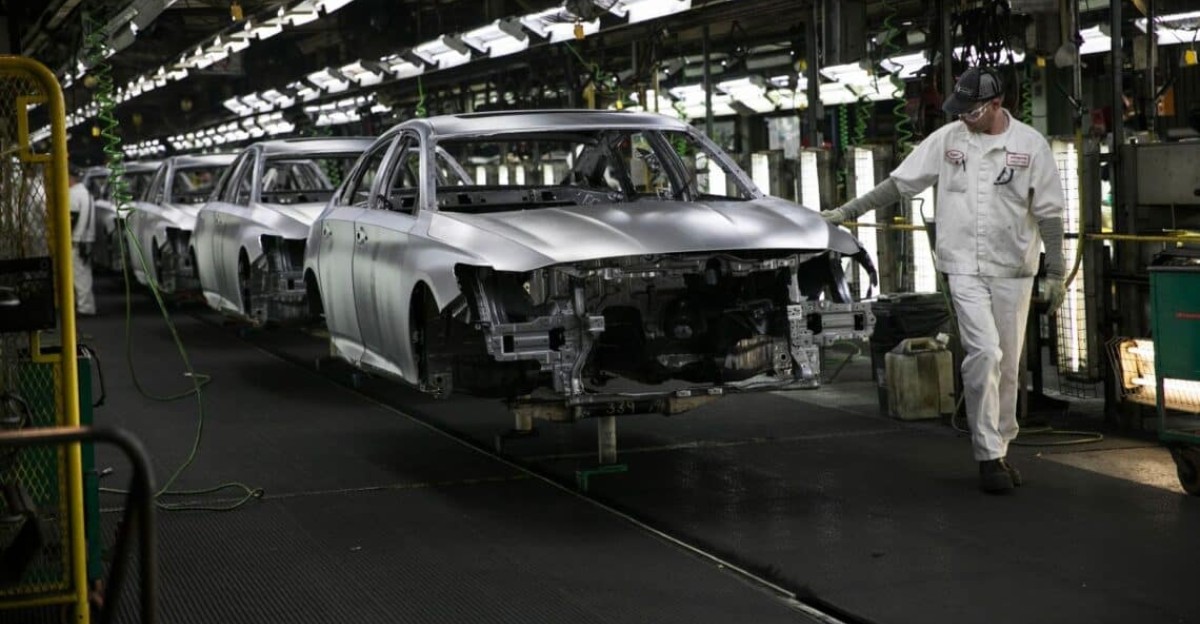
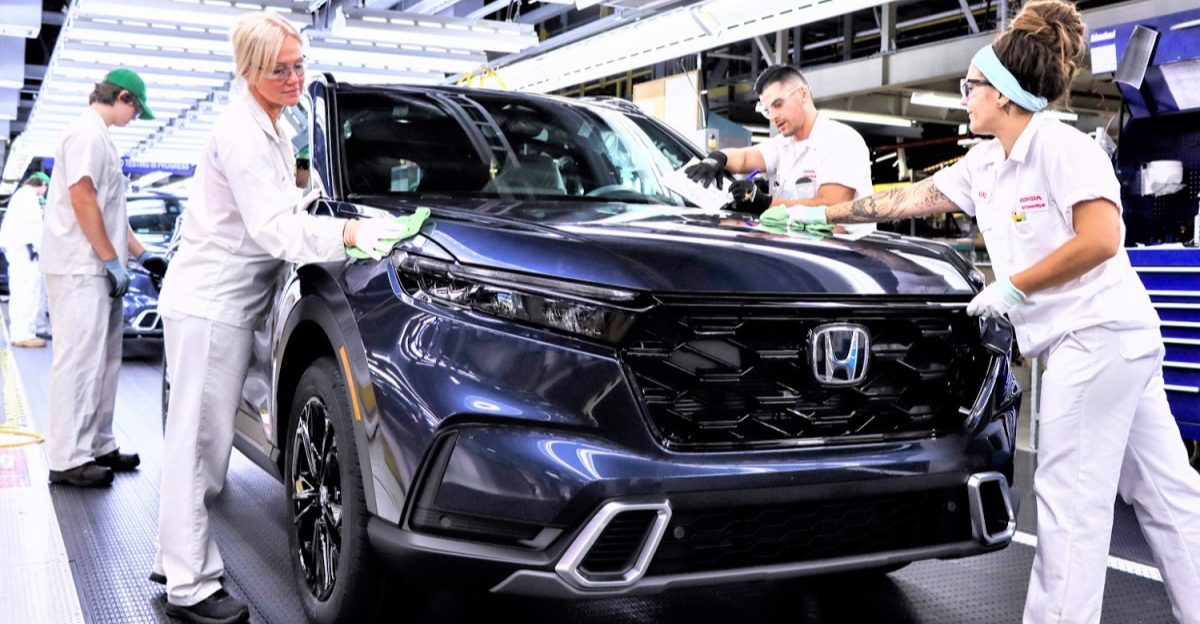
The Marysville plant, retooled with over $700 million for EV production scheduled to begin in 2026, now sits idle for its intended purpose. That production, Honda confirmed, “will not happen.” Suppliers who tooled up for Honda’s EV components face revenue collapse. Dealers will pressure the company for margin support on a hybrid-heavy lineup.
Honda’s corporate statement acknowledged that “additional expenses or losses may be incurred” in future periods. The crisis isn’t contained to one fiscal year. The supply chain, the workforce, the dealer network all absorb the shockwave of a strategy that died before launch.
The New Rule for Legacy Auto
Honda’s admission sets a precedent every legacy automaker now has to answer for. If Honda, with its reputation for discipline and adaptability, broke a 69-year streak chasing EVs, what does that mean for Ford, GM, and Stellantis? The “inevitable EV future” narrative that dominated boardrooms from 2019 to 2024 looks like consensus groupthink, not strategy.
Honda’s own words confirmed that demand for EVs “is declining significantly.” Once you see it, the pattern is everywhere. Unit volume masks margin destruction. The automaker that looks healthiest on the sales chart may be bleeding the fastest underneath.
What Comes Next Gets Wors
Honda promised a May 2026 press conference to reveal its “reestablished mid- to long-term strategy.” Translation: more restructuring, possible plant closures, potential asset sales. Shareholder lawsuits for failure to disclose the crisis earlier could follow the fiscal year-end financial statements.
The company maintained its dividend, leaning on motorcycle and financial services earnings to cover the auto division’s crater. That’s a company using side businesses to prop up its core. If hybrid margins don’t recover, a second consecutive loss year becomes plausible, and the dividend could become a target.
The Fight Nobody’s Talking About
Honda’s counter-moves are already forming: potential hybrid price increases to restore margin, possible production shifts between U.S., Mexico, and Japanese plants, and aggressive supply-chain renegotiation. Every option carries risk. Raise prices and lose buyers to Toyota. Move production and lose the “Made in America” story that Ohio workers built.
The takeaway from Honda’s collapse is that sales numbers and financial health are not the same thing. Volume sold does not equal profit earned. The company that sells the most cars in your neighborhood may be the one closest to breaking. Honda just proved it.
Sources:
Honda Global Newsroom — “Honda Announces Losses Associated with Reassessment of Electrification Strategy” — March 12, 2026
American Honda / Peak of Ohio — “Honda Posts Strong March Sales” — March 31, 2026
Reuters — “Honda Flags First Annual Loss, Hit by $15.7 Billion EV Charge” — March 12, 2026
Electrek — “Honda Cuts Prologue EV Prices by $7,500 While It’s Still Available” — April 1, 2026
Cox Automotive — “Honda at 50: Looking Back to Move Forward” — February 26, 2026