Cadillac Erases Its Entire Badge System After 6 Years—Nobody Ever Understood It
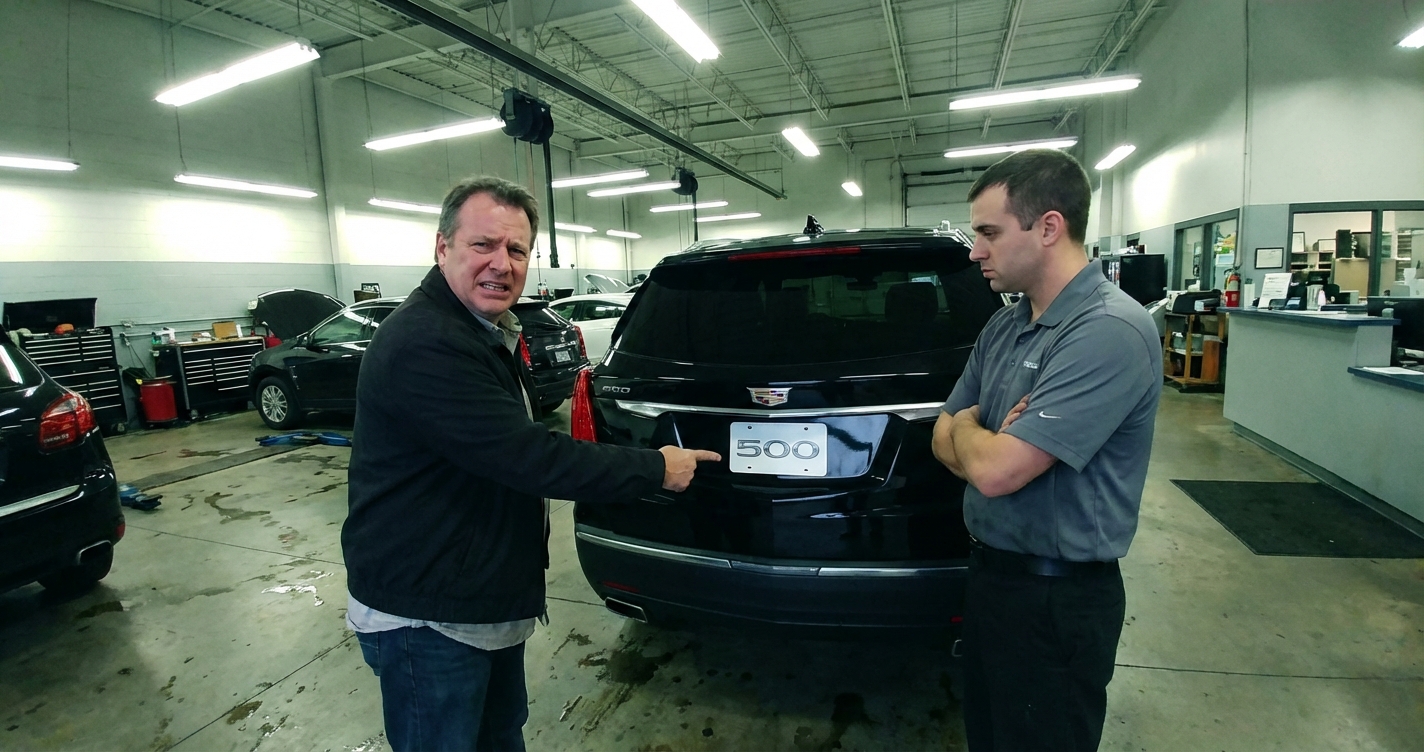
In a quiet corner of a Cadillac design studio, someone carefully peels a “500” badge off an Optiq prototype and tosses it aside. No press conference. No dramatic statement. The faint sound of a badge being scraped off marks the end of six years of branding strategy.
Numerical torque badges appeared on models from the CT5 to the Escalade IQ, but Cadillac is removing them across the entire lineup starting with the 2027 model year. Cadillac says the move is to “streamline the appearance on the rear of our vehicles.” The decision comes with a more awkward background.
A Bold Promise From the Top
In 2019, former Cadillac president Steve Carlisle announced: “When we have EVs, we won’t be talking engine displacement anymore. We’ll be focused on torque and output.” Cadillac signaled a break from tradition. Instead of displacement numbers popularized by German luxury brands, the company introduced torque ratings, placing them on the trunk.
The badges appeared on 2020 model-year vehicles, ranging from 350 for entry-level four-cylinders to 1000 for the Escalade IQ’s electric powertrain. Carlisle linked his reputation to a measurement system unfamiliar to most Americans.
The Language Nobody Speaks
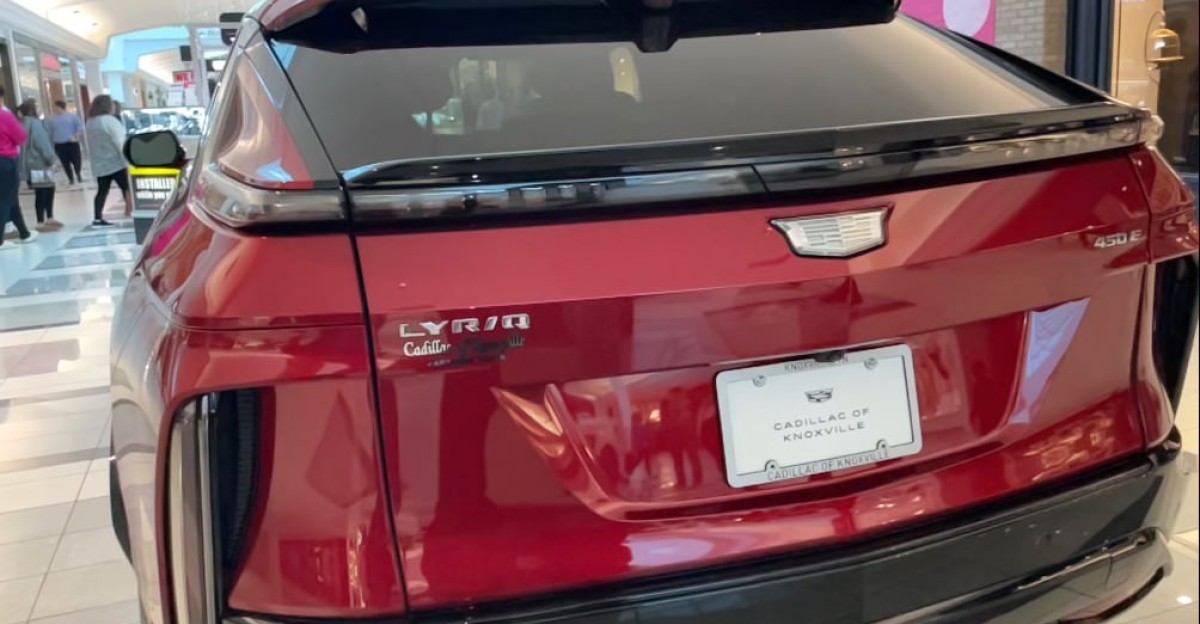
The badges showed torque in Newton-meters, while Americans use pound-feet. This mismatch set the system up for failure before the first badge even appeared on a car. One Newton-meter is about 0.74 pound-feet, a conversion rarely performed at dealerships. Cadillac introduced a specification using a unit unfamiliar to most buyers in the largest car market in the world. Reviews quickly followed.
Automotive outlets called the badges “confusing,” “arbitrary,” and said they “never made sense.” The assumption that innovation leads to comprehension proved false.
The Badge That Lied
Cadillac increased confusion by rounding badge numbers to the nearest 50 Newton-meters. For years, few noticed. The 2025 Optiq wore a “500” badge, but its actual torque was 480 Nm. Twenty Newton-meters existed only on paper.
The Vistiq’s “900” badge represents 881 Nm. Badges intended to clarify instead misled. Few buyers paid attention to the numbers. Cadillac created a system so obscure that even errors went unnoticed by those purchasing the cars.
The Hidden Architecture
MotorTrend identified one benefit for Cadillac: flexibility. By rounding torque numbers to 50 Nm increments, Cadillac could adjust a vehicle’s output without making new badges or retraining dealers. When the motor changed, the badge remained the same.
The system’s core purpose rested in operational convenience rather than consumer clarity. With the numbers removed, Cadillac retains this flexibility. No numerical badge means no direct check by consumers. The badge system served as a supply-chain shortcut more than an innovation.
Six Years by the Numbers
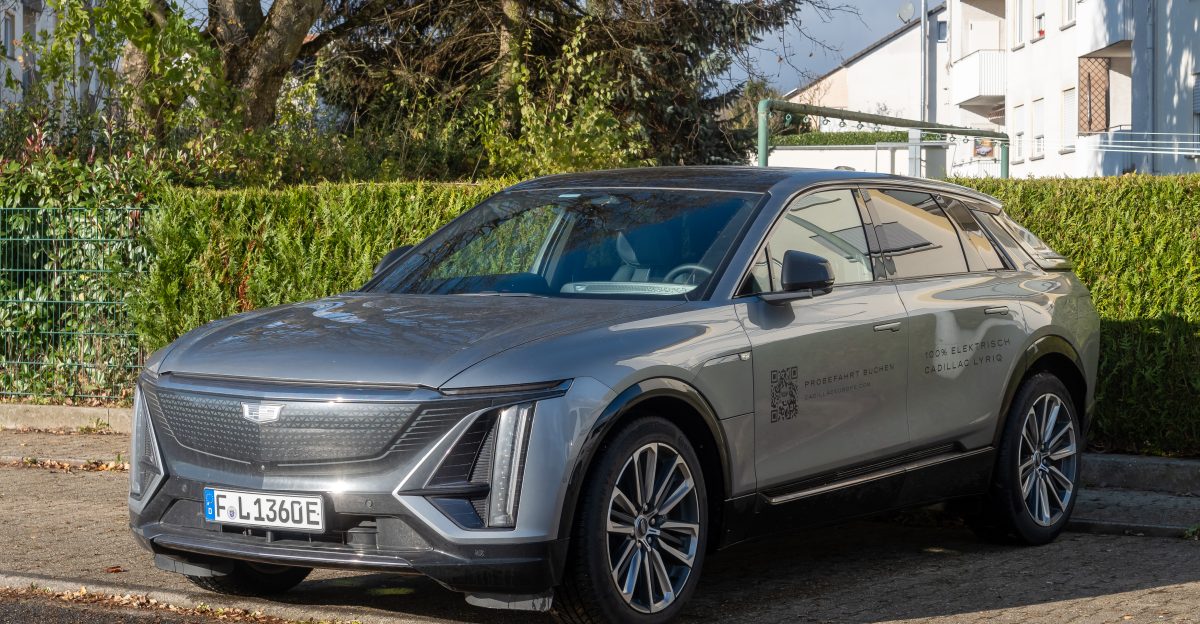
Between 2020 and 2026, every Cadillac displayed a torque badge. The CT5 had 350T and 550T. The Escalade wore 600. The Escalade IQ carried 1000. The intention was to help buyers distinguish between models quickly. The result was a badge system that required technical knowledge to interpret. Starting with the 2027 Vistiq, all numbers are removed.
Only letter badges remain: “T” for turbocharged, “D” for diesel, and “E4” for electric all-wheel drive. Six years of numerical branding now reduced to a few letters.
Owners Left Holding the Badge
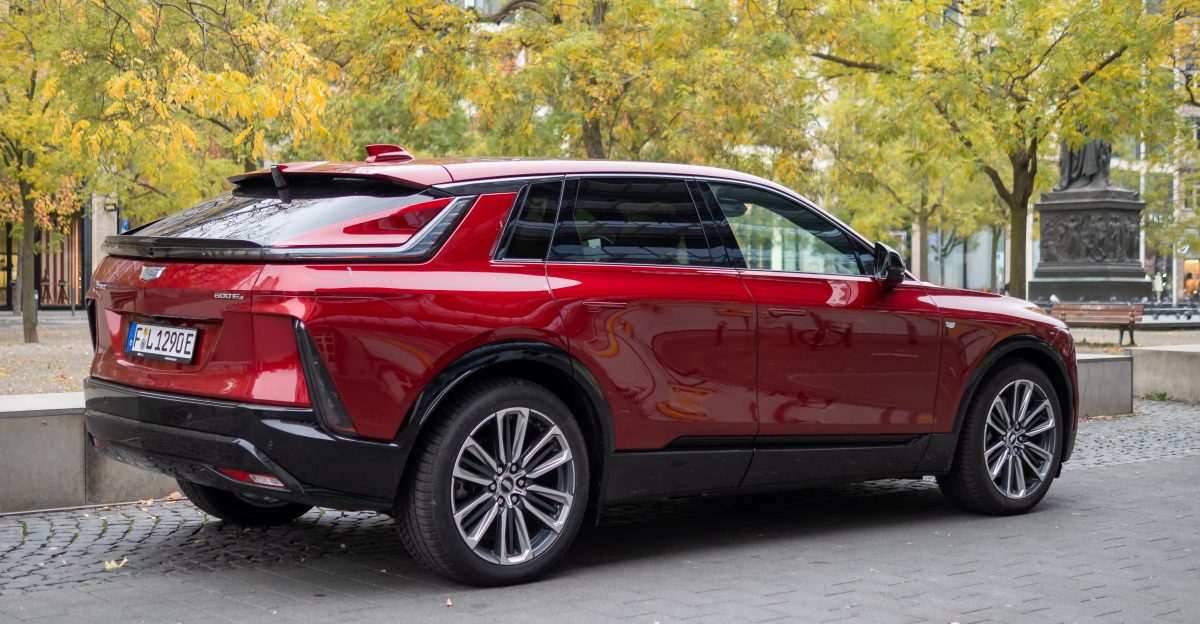
Every current Cadillac owner now drives a car with a badge the company has abandoned. The “500” on a 2026 Optiq becomes outdated as soon as 2027 models arrive at dealerships. Dealers with 2026 inventory must explain badges that Cadillac no longer supports. The effect on brand credibility is difficult to quantify, but the reversal is clear. Cadillac previously described this badge system as the future of automotive naming.
Now the system is gone with little acknowledgment. Other luxury automakers may reconsider metric badges for the American market.
GM Has Done This Before
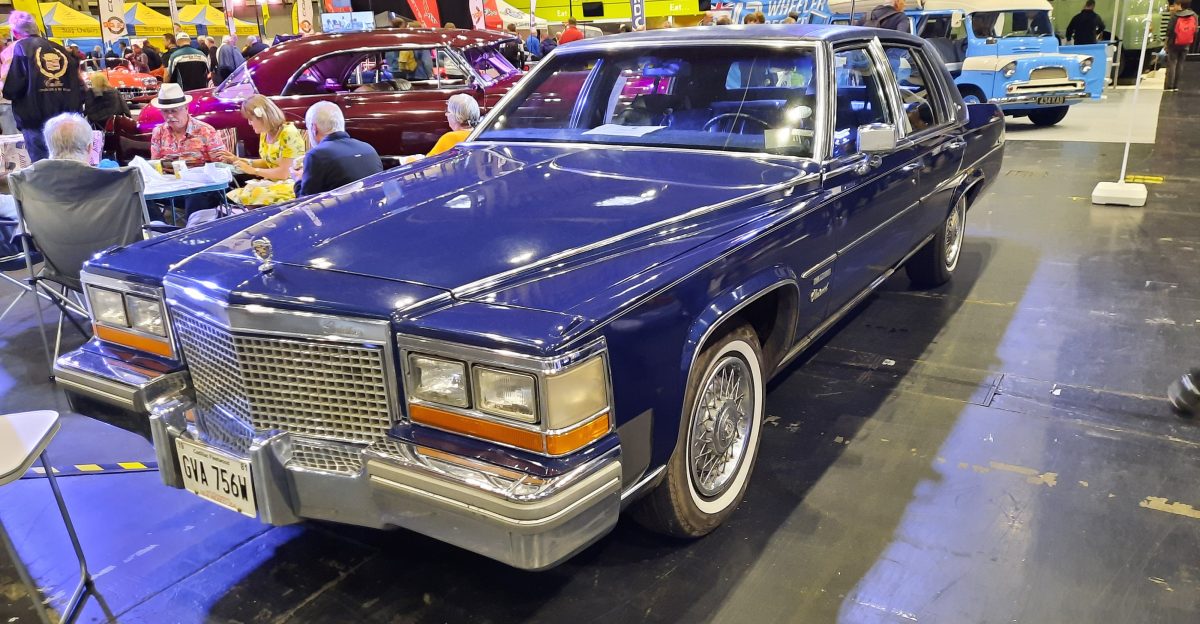
Cadillac has faced a similar situation before. In 1981, the company introduced the V8-6-4, a “modulated displacement” engine promoted as a breakthrough in American engineering. The engine performed poorly, and GM discontinued it after one year, facing class-action lawsuits. This event combined overhyped technology with untested assumptions.
The torque-badge collapse repeated the pattern: ambitious internal goals without sufficient consumer validation, followed by a quiet retreat. Nearly 45 years passed between these incidents, yet the lesson was not absorbed. Future Cadillac announcements about innovation may prompt scrutiny of their underlying motivations.
The Retreat That Keeps Retreating
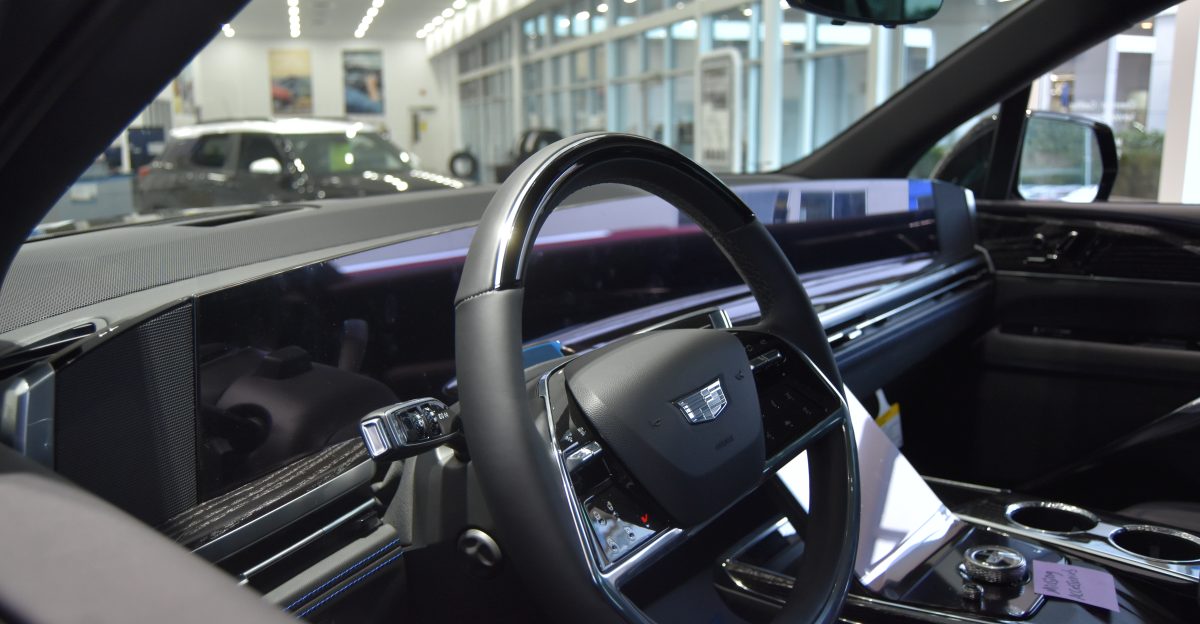
Cadillac’s electric lineup is expanding. The Optiq, Lyriq, Escalade IQ, and Vistiq represent the brand’s electric offerings. Each vehicle launched with torque badges, which are now being removed before the lineup has established itself. Cadillac must retool supply chains, update marketing materials, and retrain dealer staff, all within about a year.
Meanwhile, competitors such as BMW and Mercedes are observing the outcome for their own metric-badging plans. The experience shows that specification badges are effective only when customers understand the information displayed.
What Cadillac Won’t Say Out Loud
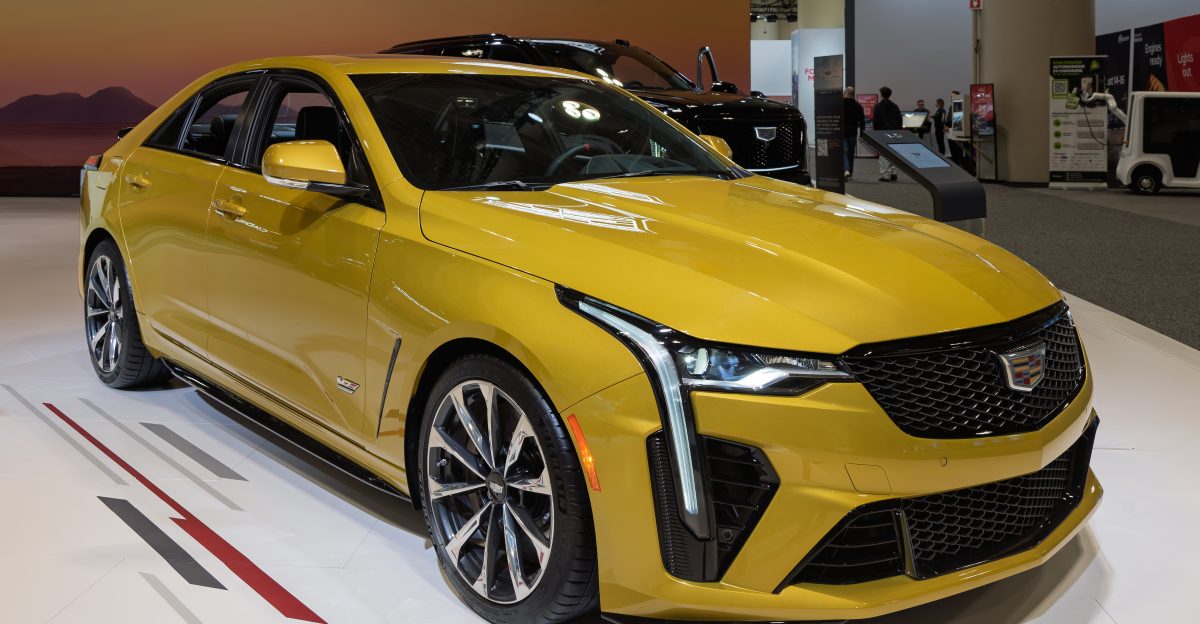
Carlisle promised that torque-focused naming would position Cadillac at the forefront of the EV transition. Six years later, every torque number has disappeared from Cadillac’s lineup. The company claims the change is about “aesthetics.” The evidence indicates a different motivation.
The badge system relied on a measurement unfamiliar to most Americans, used rounding that obscured actual specifications, and appeared supported by corporate language until its removal. Cadillac maintained supply-chain flexibility but lost the consumer trust those badges were meant to establish. Future claims about naming revolutions warrant close attention to the units and motivations behind them.
Sources:
MotorTrend — “Cadillac’s Naming Convention Is Changing Again” — March 12, 2026
Car and Driver — “2027 Cadillacs Ditch Confusing Badges and Weird Design Features” — March 29, 2026
CNET Roadshow — “Cadillac to Launch New Torque-Based Powertrain Naming Scheme” — March 12, 2019
Cadillac Society — “New 2026 Cadillac Optiq Powertrains Means New Output Badges” — October 7, 2025
Curbside Classic — “1981 Cadillac V8-6-4: The Real Reason Cadillac Dropped Its Modulated Displacement Engine” — October 19, 2025
UPI Archives — “GM Hit With Lawsuit Over ’81 Cadillacs” — August 24, 1982