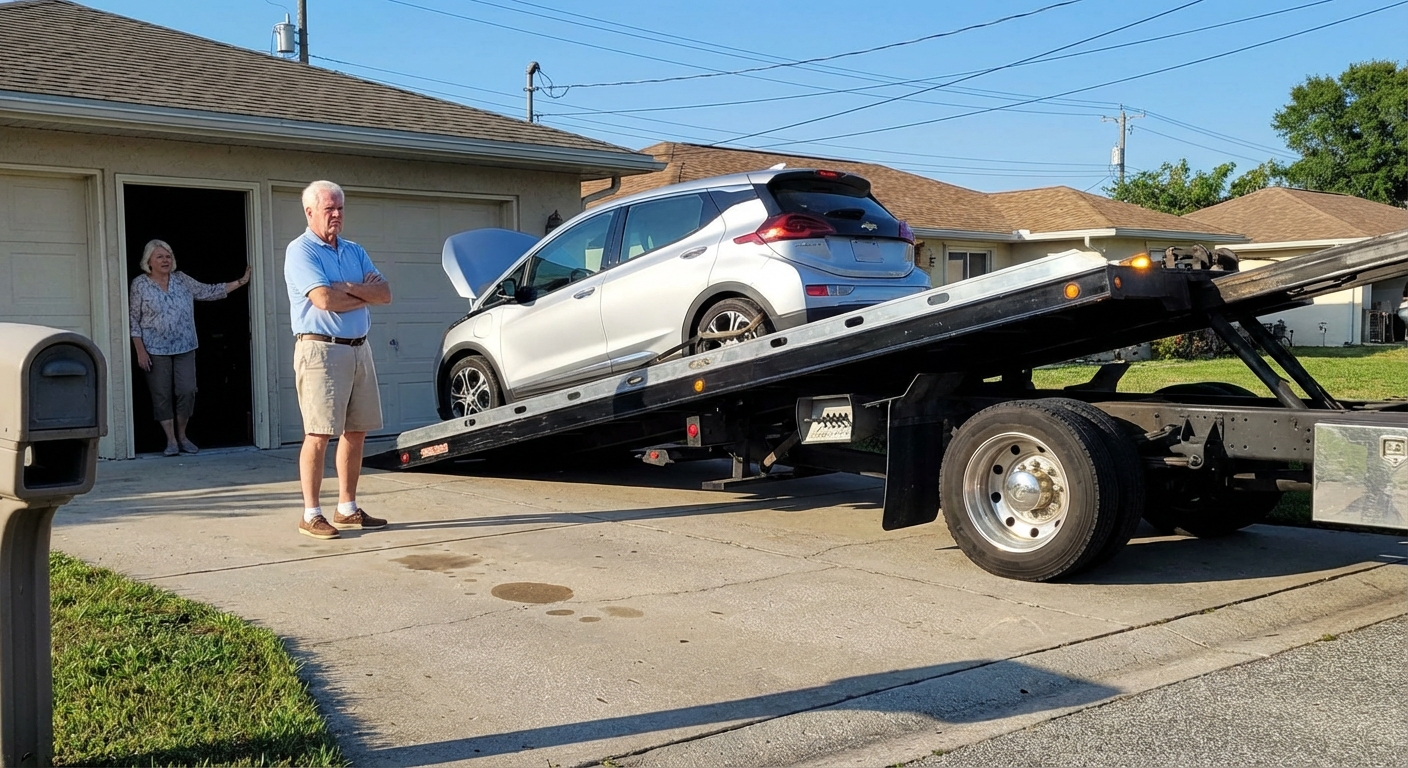
8 EVs That Drain Retirees’ Savings At $66,850 Over 10 Years—The Models Nobody Wants
Rising EV ownership costs are hitting retirees where it matters most: long-term savings. New data from AutoInsurance.com shows the average electric vehicle can cost $66,850 over 10 years, with insurance alone reaching $36,130 and battery replacement adding up to $10,000. That financial strain is becoming more visible as certain models struggle with weak demand and steep depreciation. For retirees relying on fixed income, these hidden costs can quickly add up. A closer look at today’s EV market reveals which models carry the highest financial risk and why they stand out.
Why Some EVs Lose Value Faster
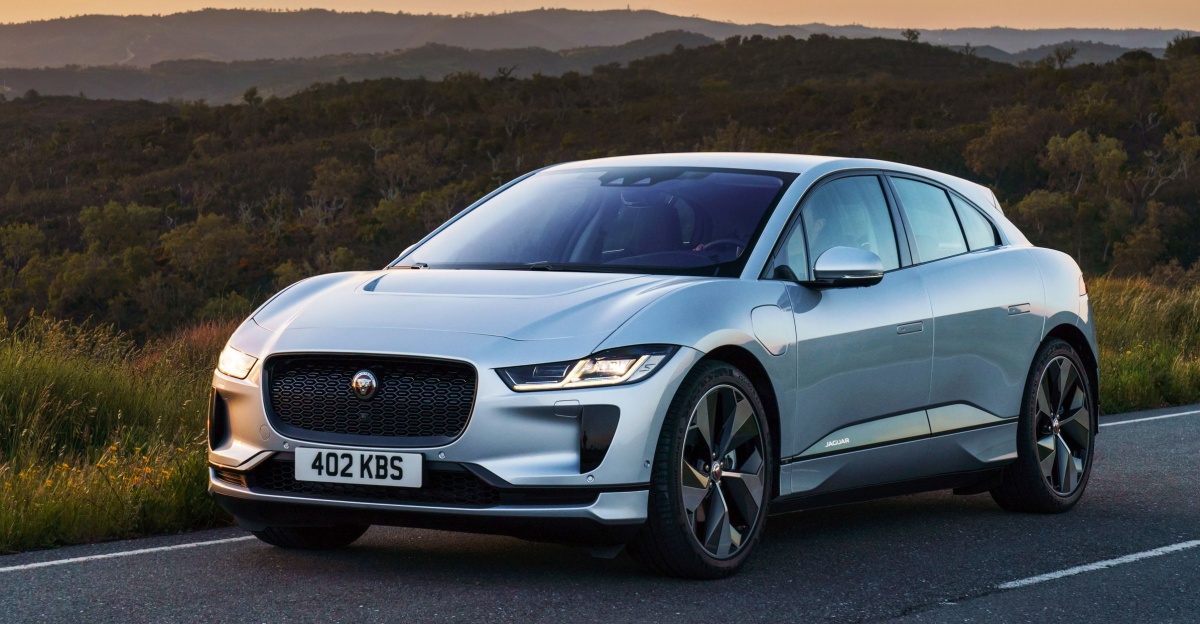
Not every EV is a bad bet, but the market has become sharply split. In CarEdge inventory data, several luxury and niche EVs were sitting with 96 to 194 days of supply, a sign that shoppers were hesitating even as dealers kept stock on lots. At the same time, CarBuzz found some EVs lose more than 64% to 72% of their value in 5 years, turning a flashy purchase into a retirement-budget headache. Those trends point directly to which models deserve scrutiny first.
1 – Jaguar I-Pace
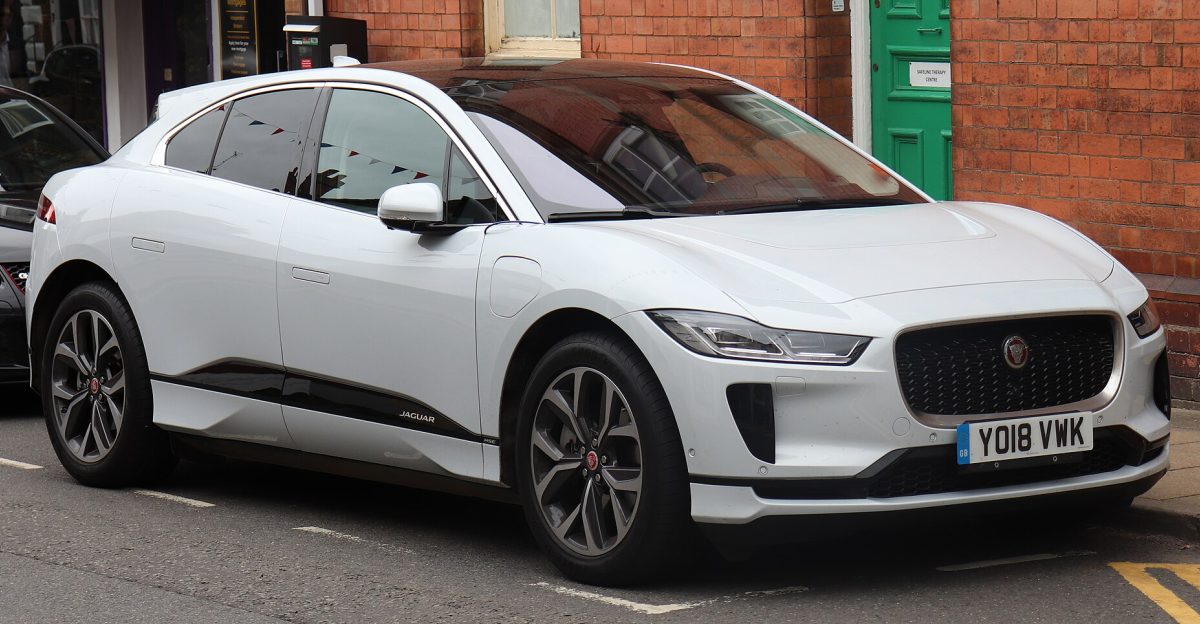
The Jaguar I-Pace stands as a clear warning about long-term EV ownership risks. CarBuzz reports it loses about 72.2% of its value in 5 years, dropping from an MSRP of $69,850 to an average resale value near $22,045. That kind of depreciation can erase savings quickly for retirees expecting a luxury badge to hold steady. Newer rivals now offer stronger range, faster charging, and better software, leaving this early premium EV struggling in resale markets, which makes the next example even more concerning.
2 – Volkswagen ID.4
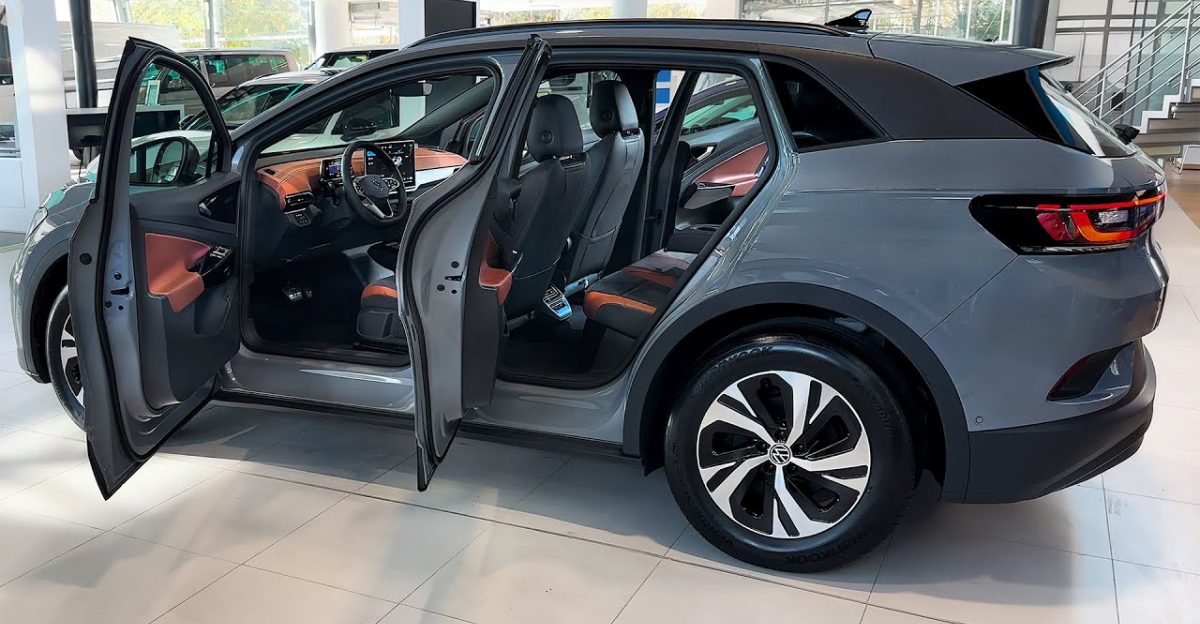
The Volkswagen ID.4 highlights how weak demand can shape long-term costs. USA Today, citing CarEdge market data, reported that the ID.4 was the slowest-selling vehicle of 2025 with a 471-day supply, showing buyers were staying away in large numbers. For retirees, slow sales often lead to discounting and weaker resale values later. Even if the purchase price appears reasonable, ownership costs can rise when demand fades, raising an obvious question about higher-priced EVs facing similar pressure.
3 – Cadillac Escalade IQ
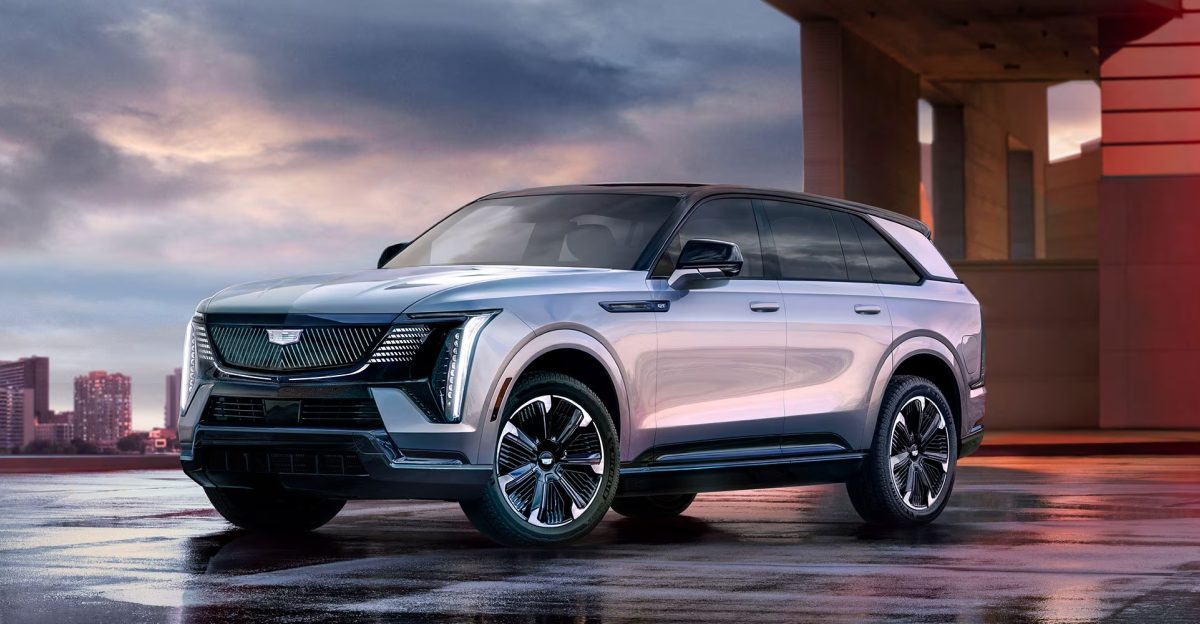
The Cadillac Escalade IQ pushes beyond typical EV concerns into extreme territory. CarEdge inventory data showed 194 days of supply and an average selling price of about $142,724, making it the slowest-selling EV in the U.S. at that point. For retirees, tying that much money to a niche luxury EV creates immediate exposure to steep depreciation. The purchase price alone exceeds the $66,850 10-year ownership benchmark by a wide margin, hinting at how quickly costs can spiral upward in the next category.
4 – Volvo EX90
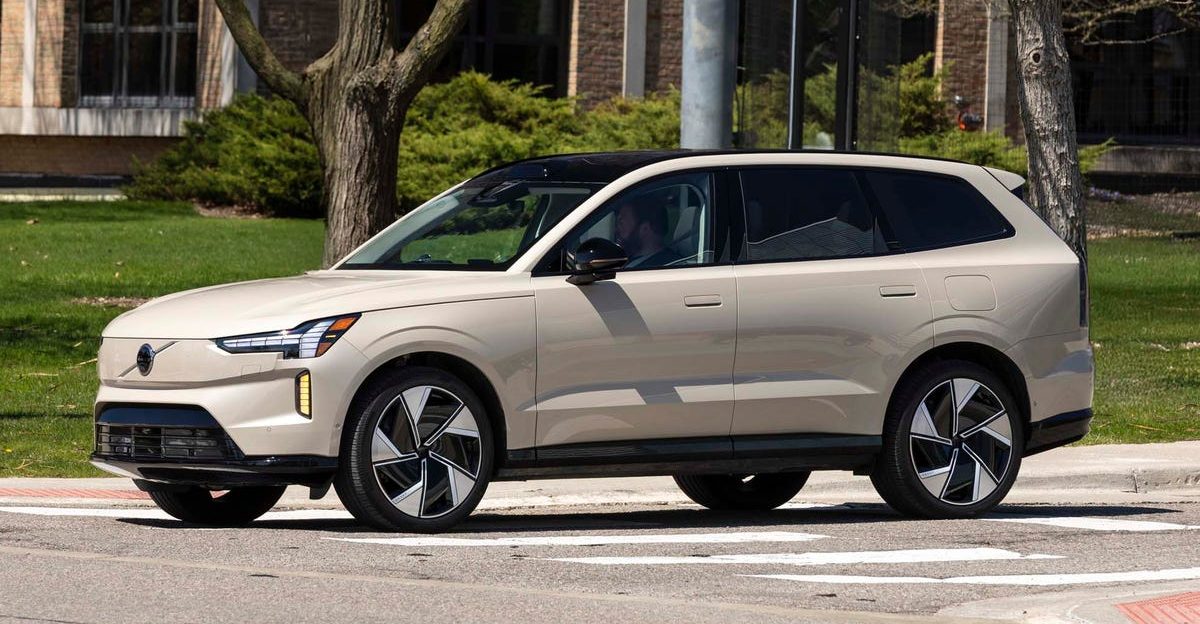
The Volvo EX90 appears practical and refined, yet market data suggests hesitation among buyers. CarEdge reported 124 days of supply and an average selling price near $88,031, placing it among slower-moving EVs. For retirees, a higher-priced vehicle with soft demand can lose value quickly as newer competitors enter the market. Add insurance, charging, and long-term maintenance, and the financial pressure grows. That combination starts to mirror another EV sitting much closer to the ownership cost benchmark.
5 – Cadillac Lyriq
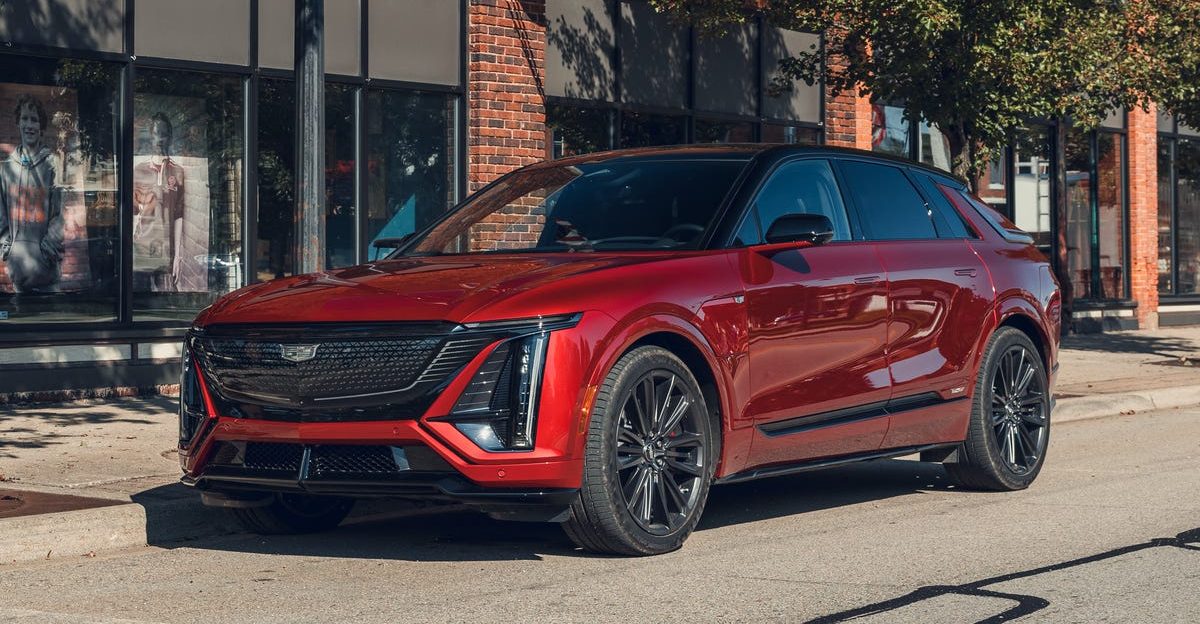
The Cadillac Lyriq sits uncomfortably close to the $66,850 ownership benchmark, which makes its risks easier to understand. CarEdge data shows an average selling price of about $66,145 and roughly 97 days of supply, indicating moderate demand at best. For retirees, that means paying near the full 10-year cost upfront, with potential incentives and resale softness reducing value later. Strong styling may attract buyers, but it cannot guarantee financial stability, setting up a sharper contrast with even pricier electric trucks.
6 – GMC Hummer EV
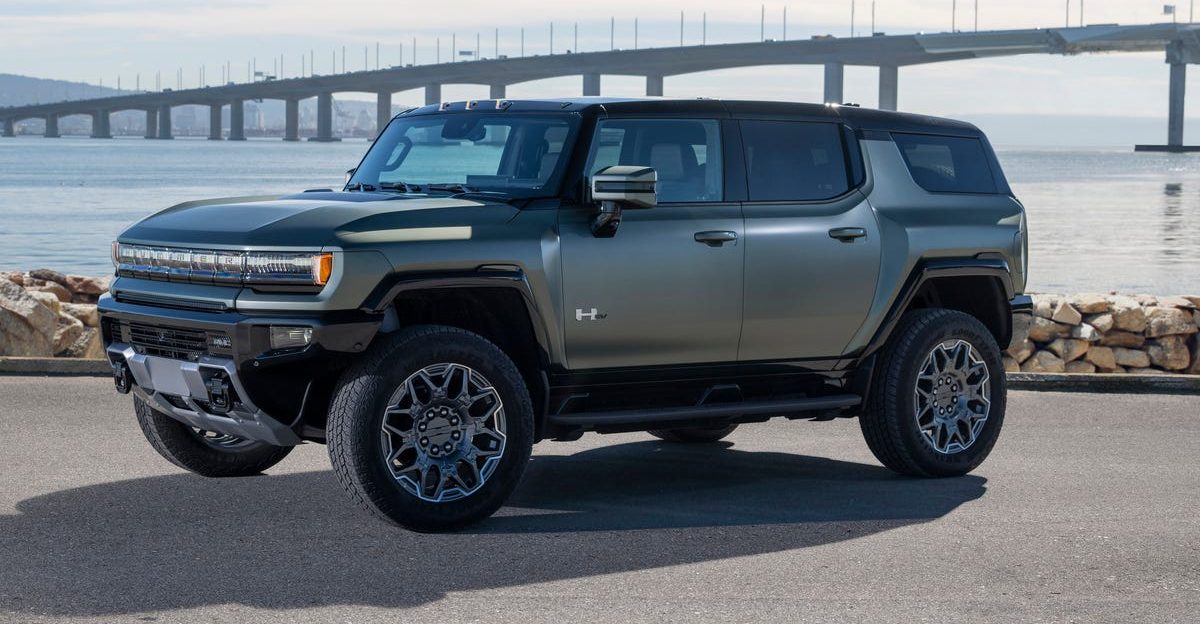
The GMC Hummer EV blends bold design with serious financial risk. CarEdge data shows about 96 days of supply and an average selling price near $98,791, placing it firmly in high-cost, slow-moving territory. For retirees, the large upfront investment combines with potential depreciation, insurance, electricity, and maintenance costs to create uncertainty. Predictability matters in retirement, yet this model introduces volatility. That raises a broader concern about premium EVs that appear refined but hide long-term value erosion.
7 – BMW iX
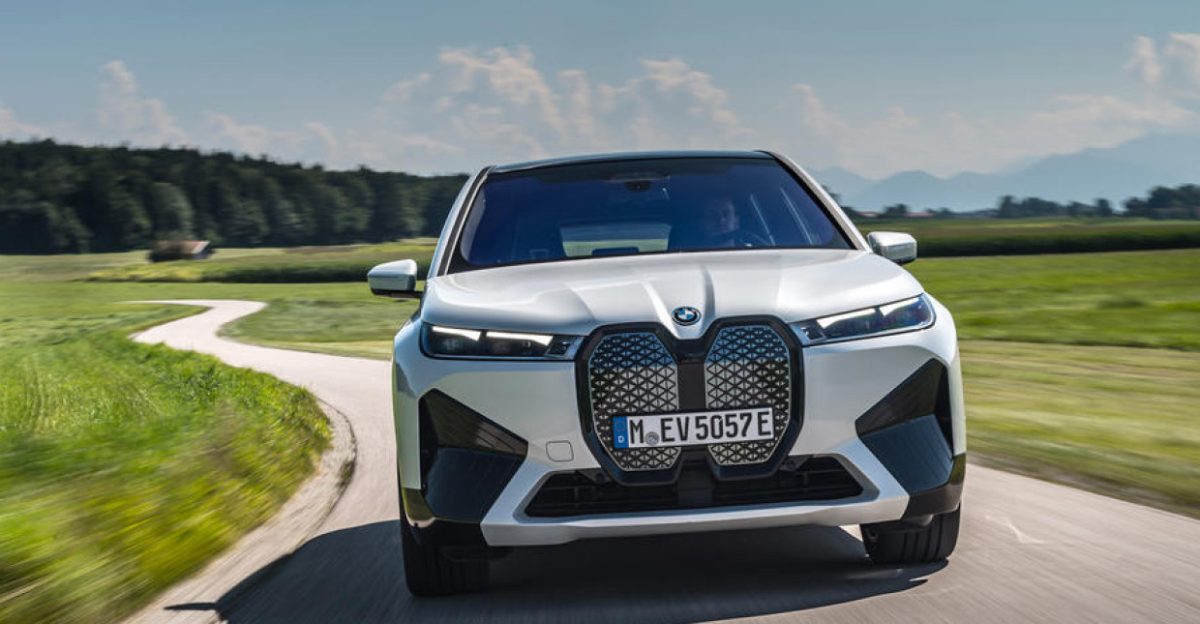
The BMW iX shows how premium EVs can quietly lose value over time. EV Powered reported annual depreciation above 17%, placing it among the worst performers for value retention in its class. For retirees, that pace can steadily erode savings after paying a premium purchase price. A vehicle that feels advanced today may quickly lose appeal as technology evolves. That steady decline becomes harder to absorb, especially when compared with lower-priced EVs that seem safer but still carry hidden risks.
8 – Nissan Leaf
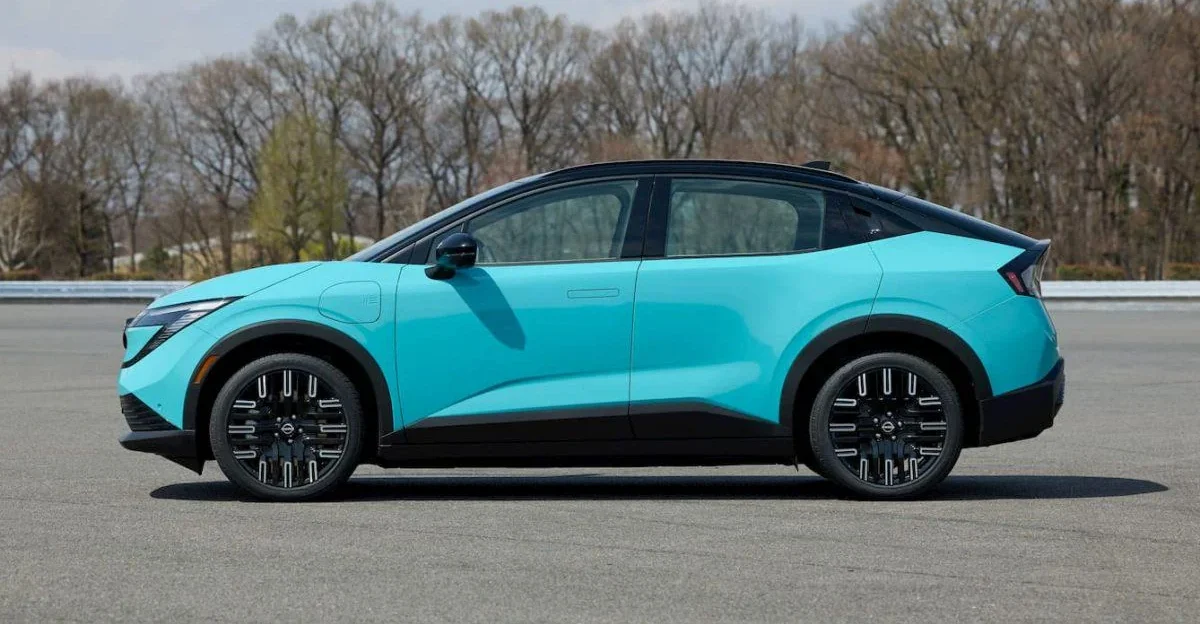
The Nissan Leaf proves that a lower price does not guarantee long-term savings. CarBuzz found it loses about 64.1% of its value in 5 years, dropping from $31,600 to an average resale value near $10,097. For retirees seeking an affordable EV, that level of depreciation can still drain cash reserves. Older technology, limited range in earlier versions, and growing competition all contribute to weaker resale. Together, these examples reveal how ownership costs can climb far beyond initial expectations.
Sources:
True Cost to Own an EV Over 5–10 Years. AutoInsurance.com, March 30, 2026.
The Fastest and Slowest-Selling EVs in October 2025. CarEdge, September 11, 2025.
EVs Ranked By How Much They Depreciate Over 5 Years. CarBuzz, April 2, 2025.
The Worst-Selling Vehicles in 2025, According to Market Data. USA Today, January 12, 2026.
Revealed: The Best and Worst EV Depreciation, From BMW to Tesla. EV Powered, August 31, 2025.