California Spends $242M And Arrests 29,060 Cargo Thieves—Recovers Just 0.6% Of What America Loses
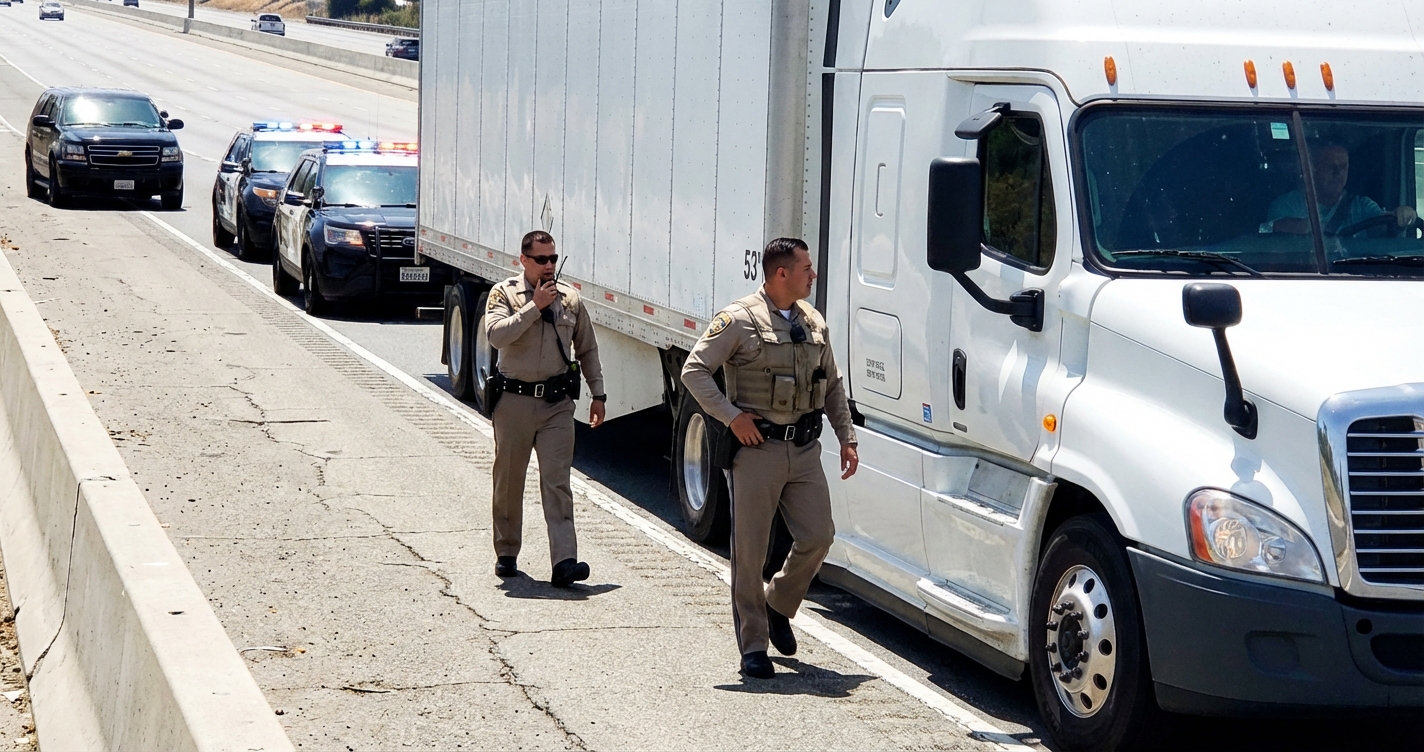
California just ran one of the largest state‑level crackdowns on organized theft in American history. Over two years, law enforcement arrested 29,060 suspects and recovered $226 million in stolen goods, fueled by a record $242 million enforcement investment. Among the biggest busts: organized cargo and retail theft rings in LA County, a six‑figure warehouse heist, and multimillion‑dollar recoveries of stolen rail and freight goods. Sounds like a win. Then you compare that $226 million to the roughly $35 billion America loses to cargo and organized retail theft annually. That recovery covers about 0.6%. The other 99.4% vanished, and the number is growing.
Why the Crime Is Exploding

Organized cargo theft has surged dramatically since 2021. Not a typo. That’s one of the sharpest escalations in modern transportation crime history. The engine behind it: criminal networks have largely abandoned parking‑lot hijackings and moved into more sophisticated, paperwork‑driven fraud. Synthetic identities, forged bills of lading, insider recruitment, encrypted communications. They steal loads on paper before a single GPS ping fires. Real‑time tracking crushed much of the old playbook, so organized crews built a new one around the paperwork layer where law enforcement remains functionally blind. The technology worked. The criminals just moved upstream.
Your Grocery Bill Already Absorbed It
Consumers increasingly pay higher prices because supply‑chain theft costs get passed through. Surveys show a significant share of Americans recognize that when cargo or retail theft occurs, they ultimately bear the cost in what they pay at the register. Many businesses either lack specialized cargo‑loss coverage or still absorb substantial losses even with insurance, so they pass the hit forward. That means tens of millions of households are indirectly funding a multibillion‑dollar criminal industry through inflated prices on everything from electronics to groceries. The theft doesn’t end at the loading dock. It ends at the register. And the carriers scrambling to adapt are facing their own crisis.
Carriers Are Bleeding Out
For many companies, loss of customer trust and reputational damage are now nearly as painful as the theft losses themselves. That’s a second financial penalty on top of the stolen cargo. Smaller carriers that can’t afford layered security platforms are losing contracts and, in some cases, exiting the market. The industry is consolidating around large players like Werner Enterprises, which deploys AI‑powered carrier‑vetting and visibility tools to detect routing anomalies and fraudulent identities. Circle Logistics, for instance, reports blocking the vast majority of identified fraud attempts after implementing the Highway vetting platform. But consolidation creates its own fragility, and the next ripple hits an industry nobody expected.
The Surprise Market Nobody Saw Coming

Stolen cargo doesn’t vanish. It enters secondary markets: e‑commerce platforms, dark‑web storefronts, organized retail‑redistribution networks. The same criminal infrastructure behind tens of billions in organized retail crime handles stolen freight. Boosters steal, fencers redistribute, money launderers clean proceeds through shell companies. Once goods enter that pipeline, recovery becomes nearly impossible. Think about that for a second: the cargo leaves a California warehouse, gets “picked up” by a synthetic identity, and surfaces three states away on a resale platform. Same mechanism as credit‑card fraud, just with pallets instead of card numbers.
The Three‑Layer System Behind Everything
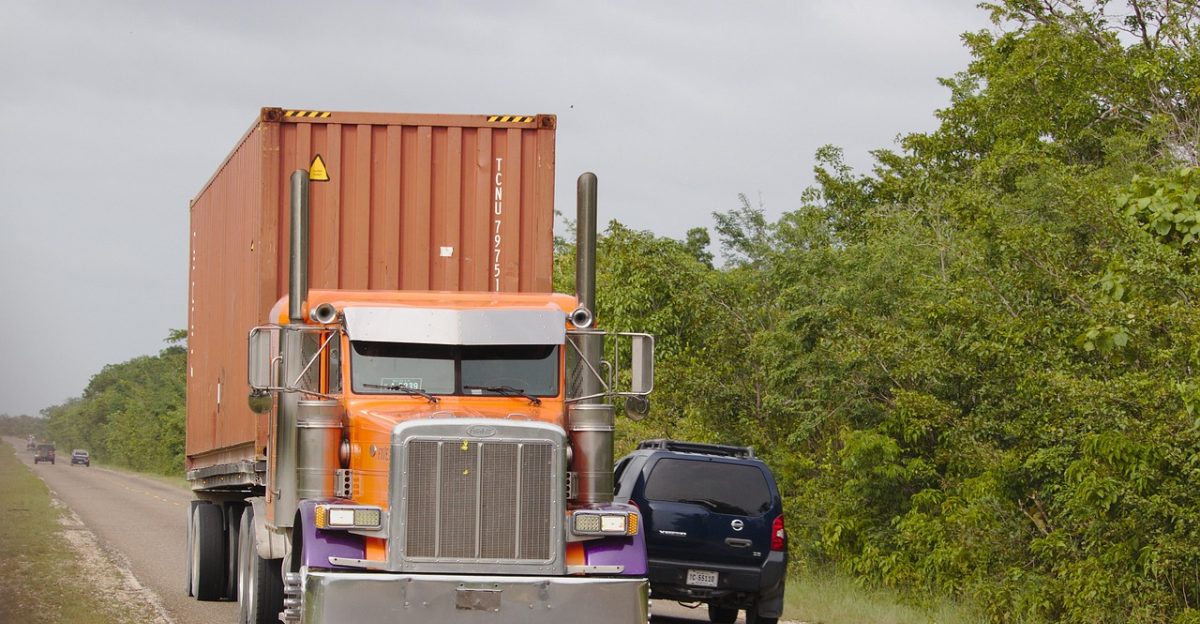
Cargo and organized retail theft operate across three layers. Layer 1: identity fraud, forged credentials, insider collusion. Layer 2: the physical movement of goods. Layer 3: redistribution through secondary markets. Real‑time tracking, geofencing, and AI cameras policing trucks and trailers mainly address Layer 2. Organized networks figured this out. They shifted most of their effort to Layers 1 and 3, where enforcement remains far thinner. California’s $242 million push heavily targeted Layer 2. The most sophisticated criminals increasingly operate in Layer 1. That’s how you can spend a quarter billion dollars, post impressive arrest and recovery numbers, and still claw back well under 1% of what’s stolen nationwide each year.
The Voice From Inside the System
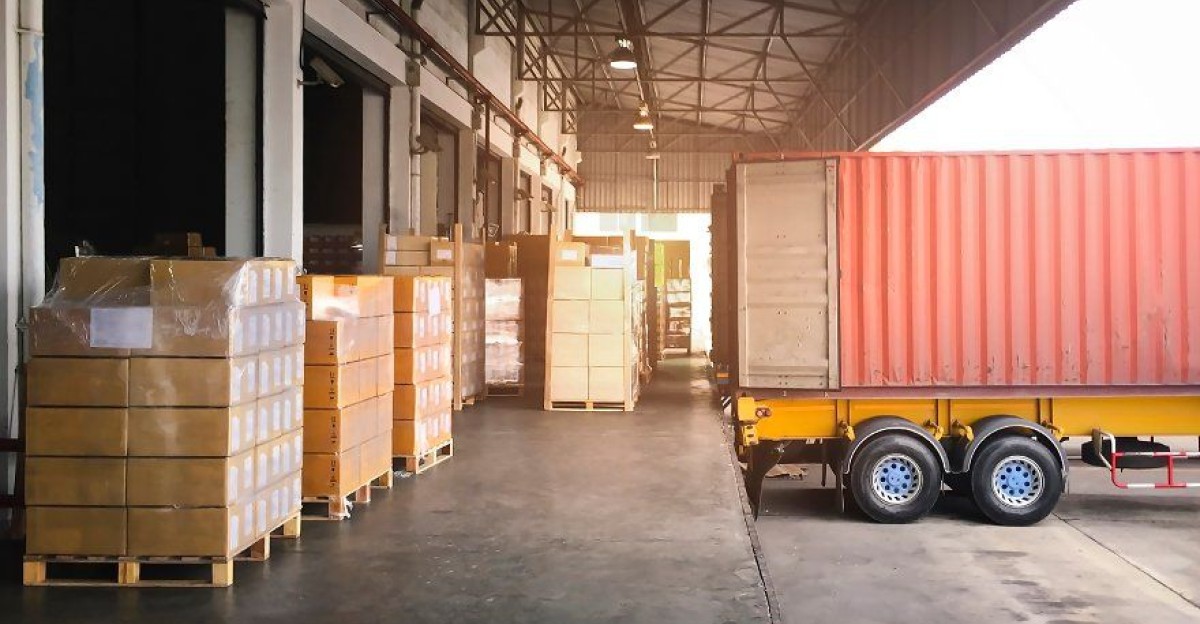
Werner Enterprises’ Derek Strawn told investors during a Q2 2024 earnings call that the company has been able to use real‑time visibility to help authorities intercept trucks while they’re in motion, because they can see where loads are actually going. That capability is real. Real‑time visibility platforms can flag route deviations within minutes of a theft or hijack attempt. But cargo‑theft losses still surged in 2025, with industry data showing a roughly 60% jump in reported losses and total identified losses approaching $725 million. Werner and others can stop moving trucks. Organized networks increasingly steal loads before trucks move. The technology works perfectly against yesterday’s crime.
The Rules Are Changing

Federal authorities now openly acknowledge that cargo and organized retail theft help fund other serious crimes, including narcotics trafficking, counterfeiting, and human smuggling. This stopped being a supply‑chain nuisance and became a significant organized‑crime funding mechanism. States like California and Texas account for a disproportionate share of U.S. cargo‑theft incidents in recent datasets. Yet law‑enforcement coordination remains fragmented across jurisdictions, limiting pattern detection and cross‑border investigations. On the private side, companies like Overhaul have launched tools such as SecureBOL, using tamper‑evident QR codes on bills of lading to verify authenticity and thwart fictitious pickups. The precedent forming is clear: if real‑time tracking alone can’t stop theft despite billions invested, federal‑level coordination and standards become more likely. The freight industry is edging toward being regulated more like banking or payments.
Who Wins, Who Loses, What to Watch

Winners: large carriers with resources for layered security and compliance. Tech vendors selling vetting, identity, and visibility platforms. Criminal networks that adapted faster than enforcement. Losers: small carriers priced out of the security and compliance arms race. Consumers absorbing higher prices as theft costs ripple through supply chains. Workers facing wage pressure as businesses redirect capital to security instead of payroll. And the downstream victims of narcotics and human trafficking funded in part by theft profits. Most freight companies now identify full truckload operations as among the most fraud‑prone modes, yet truckload remains the backbone of American commerce. The people who understand the three‑layer system see what’s coming next.
The Cascade Is Accelerating
Organized networks are already investing in counter‑surveillance: spoofing tracking devices, probing law‑enforcement and logistics systems, and targeting private surveillance infrastructure. International criminal partnerships are expanding across borders to outrun single‑jurisdiction enforcement. Incident counts and average loss values have risen markedly in recent years, with industry analysts expecting continued double‑digit growth if current trends persist. The crime is effectively exponential. The response is still largely linear. Within the next few years, supply chains will likely face heavier federal regulation, higher entry barriers, and further consolidation around a smaller group of security‑cleared carriers and brokerages. The cascade from that single California press release reaches every loading dock, every checkout line, every kitchen table in America.
Sources:
California Governor’s Office, “California’s Historic Investments to Curb Retail Theft Result in 29,060 Arrests, $226 Million in Recovered Stolen Goods,” news release, Feb. 12, 2026.
Fox 11 Los Angeles, “Newsom Announces 29,000 Arrests in Sweeping Crackdown on Organized Retail Theft,” Feb. 13, 2026.
National Today, “California Cracks Down on Organized Retail Theft with $226M in Recovered Goods,” Feb. 17, 2026.
CargoNet/Verisk, “Cargo Theft Losses Surge to Estimated $725 Million in 2025,” industry report summary, Jan. 20, 2026.
Carrier Management, “Cargo Theft Surged 60% in 2025, $725M in Estimated Losses,” Jan. 21, 2026.
Geotab, “Geotab Survey: Fleet Concern Over Cargo Theft Rises,” press release, Nov. 17, 2025.