‘Liberation Day’ Tariffs Exposed as $175B Tax on Americans—89,000 Jobs Gone and Unaffordable Cars
On April 2, 2025, President Trump stood at the podium and promised “foreign nations will finally be asked to pay for the privilege of access to our market.” One year later, the bill arrived. American households paid it. Every single one absorbed roughly $1,700 in tariff costs between February 2025 and January 2026, while 89,000 manufacturing jobs vanished. The U.S. collected $264 billion in tariff revenue at the highest effective rate in 80 years. Foreign nations covered about 10% of that. The rest came from your wallet.
The Machine Behind the Price Tags
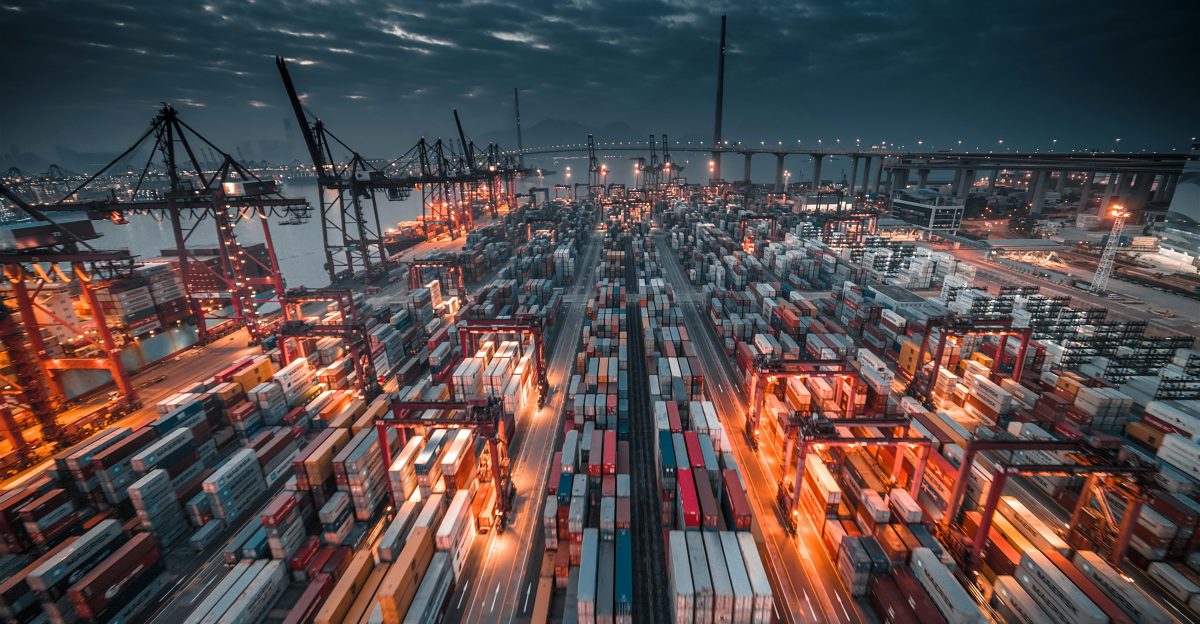
The mechanism is brutally simple. Tariffs ranging from 10% to 50% hit importers at the border. Those importers passed 90 to 95% of the cost forward, according to the New York Federal Reserve. By early 2026, 34% of companies reported passing more than half their tariff burden directly to customers, up from just 13% in May 2025. The system created a conveyor belt of cost, moving from port to warehouse to shelf to checkout line. Small businesses sat at the bottom, absorbing what they couldn’t pass along. That conveyor belt reached further than groceries.
Your Grocery Bill Felt It First

More than 65% of Americans reported that tariffs made everyday goods less affordable. That tracks. The Federal Reserve documented an 8.5% price increase on Chinese-origin goods by December 2025. Meanwhile, 81.5% of small businesses raised prices to survive, according to the Main Street Alliance. Another 31.5% anticipated layoffs. Another 41.7% delayed expansion entirely. Economist Jonathan Ernest at Case Western Reserve put it plainly: the tariff cost landed on consumers. The kitchen table absorbed the hit before anyone in Washington acknowledged it existed.
Corporate America Found a Way Out
Large corporations diversified supply chains, negotiated exemptions, and absorbed costs through margin compression in 2025. Small businesses had none of those options. The average small-business importer paid $306,000 annually in tariff costs. That works out to roughly $25,000 a month in forced payments with no escape hatch and no legal team to fight back. Small business bankruptcy filings surged 14.8% in 2025, the highest rate in five years. Same tariff policy. Completely different outcomes depending on the size of your company. The car dealership down the road felt it too.
The Parking Lot Got More Expensive

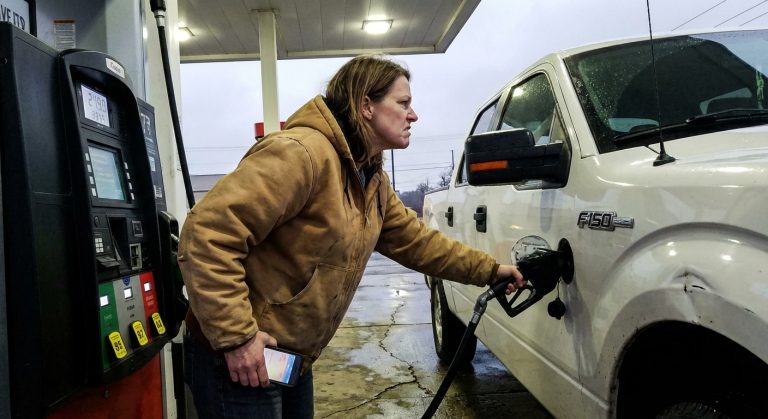
Average new-vehicle prices rose $2,600 per vehicle within six months of tariff implementation, climbing from $47,462 to $50,080. For a family earning $65,000 a year, that price jump consumed a third of their annual vehicle budget. Used-car demand rose 1.6% as buyers shifted downmarket, a pattern that emerges when affordability thresholds break. Consumer surveys confirmed it: 65% of Americans reported tariffs made vehicles less affordable. Tariffs on cars. Tariffs on parts. Tariffs on the trucks that deliver them. All landing on the same buyer. And that buyer was also paying more to ship everything else.
The Trucking Industry’s Double Hit
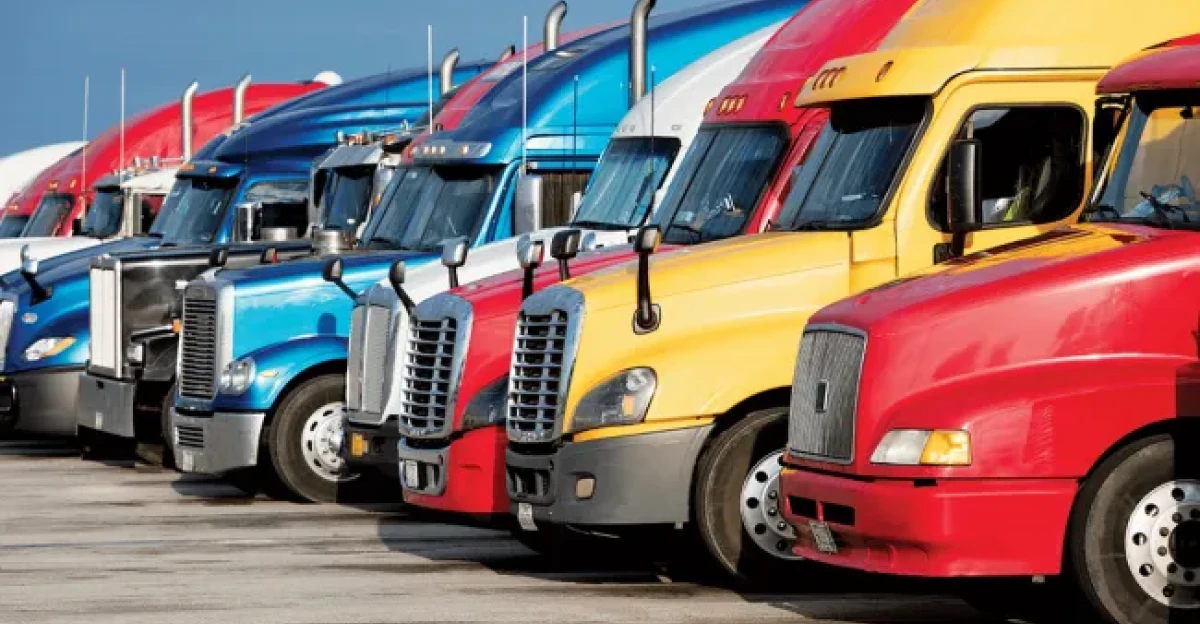
More than 40% of Class 8 trucks sold in America come from Canada and Mexico, directly exposed to the tariff regime. Then diesel surged to $5.37 per gallon by mid-March 2026. Spot freight rates hit $2.41 per mile for dry van. Small carriers started exiting the market. Transportation and warehousing lost 123,700 jobs in the ten months after Liberation Day. One policy. Two simultaneous shocks. The trucks that move every product in America became more expensive to buy, fuel, and operate, all at once. Same mechanism. Different industry. Identical result.
A Promise Exposed Under Oath
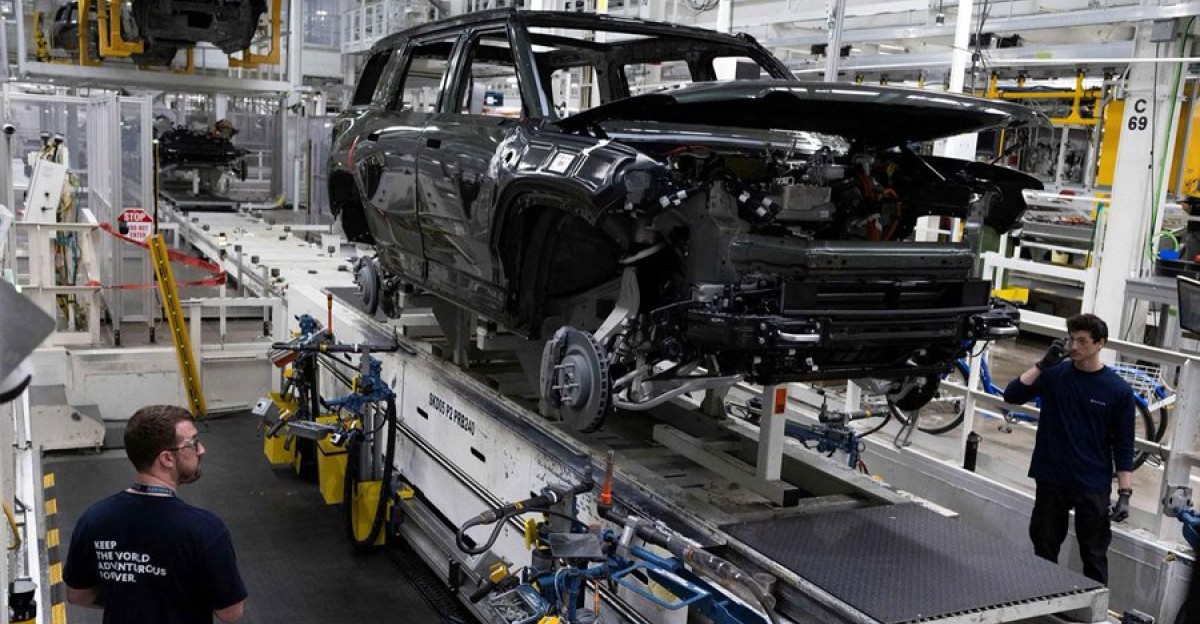
Ernest, the Case Western economist, said it clearly: “90 to 95% of the tariff actual cost is essentially being passed on to consumers.” He added: “We still saw in 2025, a decline of about 100,000 manufacturing jobs in the U.S. rather than a sudden boom and increase.” The trade deficit hit a record high despite tariffs designed to shrink it. Manufacturing construction fell 14% from December 2024 to December 2025. Every stated objective of the tariff regime produced the opposite outcome. And the people absorbing that failure earned under $90,000 a year.
The Supreme Court Ruled. Then Nothing Changed.

On February 20, 2026, the Supreme Court ruled 6-3 that IEEPA does not authorize presidential tariffs. The first time in history a court struck down emergency tariff authority. Four days later, the administration imposed a replacement 10% tariff under different legal authority. Over 300,000 companies had paid approximately $166 billion in IEEPA duties on more than 53 million entries. The refund system? As of March 19, 2026, CBP reported components between 45 and 80% completed. The Smoot-Hawley tariffs of the 1930s deepened the Great Depression. These tariffs matched that era’s rates.
Who Won and Who’s Still Losing
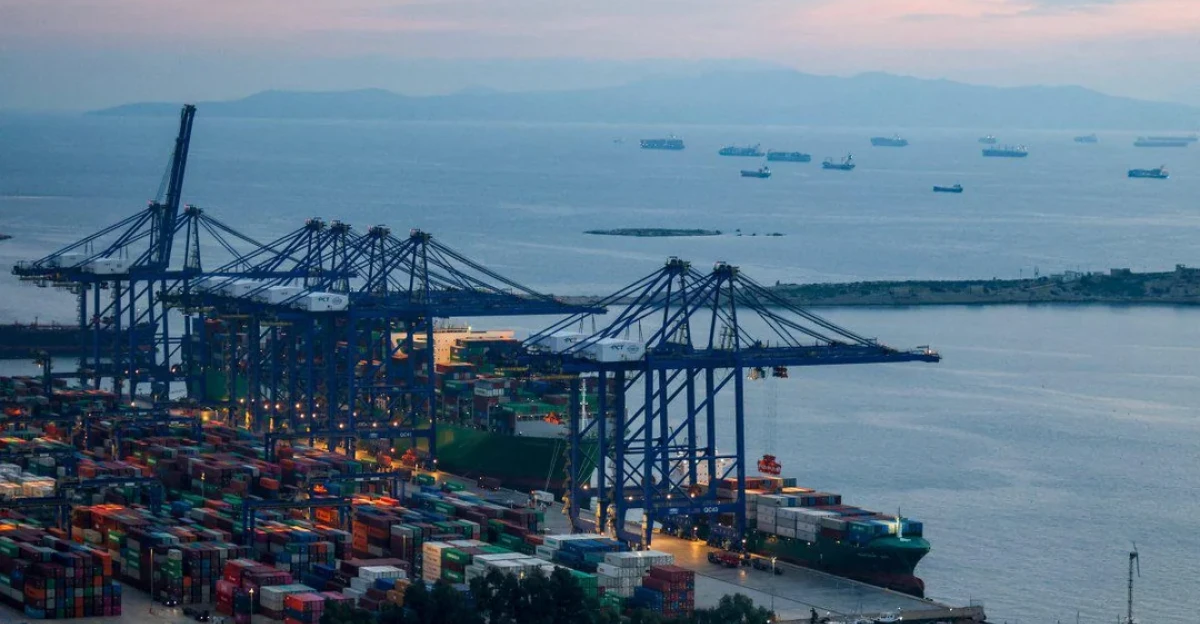
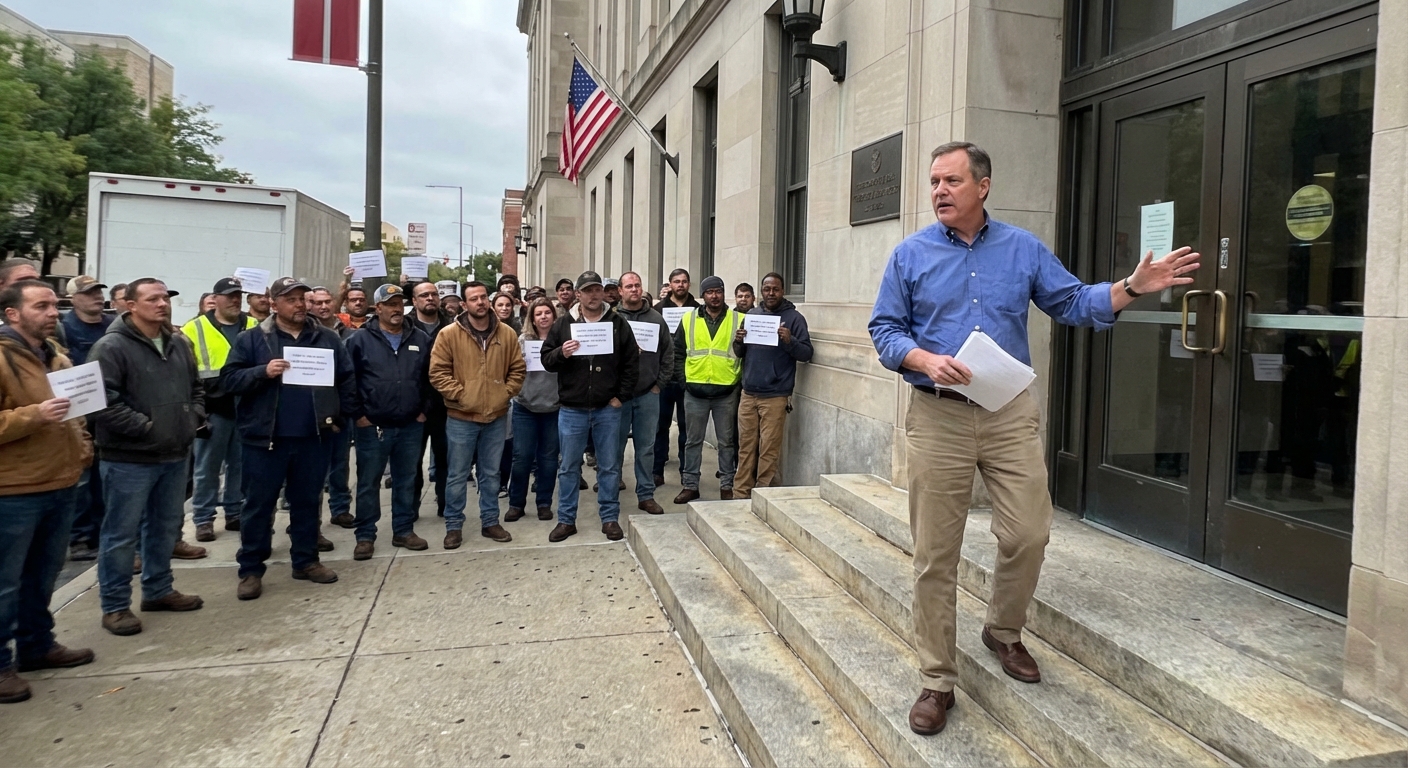
The federal government collected $264 billion in tariff revenue in 2025, exceeding the prior three-year average by $194.8 billion. The largest peacetime tariff revenue spike in modern history. Large corporations with diversified supply chains weathered the storm. Small businesses absorbed $306,000 annually with no negotiating power. Blue-collar workers shed 189,600 jobs across manufacturing, construction, mining, logging, and transportation. The tariff regime extracted wealth from Main Street and funneled it to the federal treasury while appearing to punish foreign competitors. The refund money businesses need to rehire still sits in government accounts.
The Cascade Keeps Breaking

The replacement 10% tariff remains in effect. Refunds for $140 to $175 billion in illegal tariffs remain unprocessed. Congress introduced the Tariff Refund Act, but legislation moves slowly when $175 billion in revenue is at stake. Meanwhile, the fuel crisis accelerates trucking exits, supply chain reliability degrades, and retail inventory gaps widen. The U.S. Senate Finance Committee confirmed the scope: $175 billion collected from American businesses under unconstitutional authority. The cascade started with one announcement on April 2, 2025. Fourteen months later, the ripples are still expanding, and the refund check hasn’t arrived.
Sources:
Federal Reserve Bank of New York, “The Cost of Trade Conflict: Evidence from U.S. Tariffs,” Liberty Street Economics, February 2026
U.S. Supreme Court, Learning Resources Inc. v. Trump, No. 24-1287, decided Feb. 20, 2026
Yale Budget Lab, “State of U.S. Tariffs,” multiple updates through January 2026
Center for American Progress, “One Year After ‘Liberation Day,’ American Workers Are Feeling the Negative Effects of the Trump Tariff Regime,” March 2026
U.S. Senate Finance Committee, hearing record on IEEPA tariff collections and refund obligations, 2026
Main Street Alliance, national small business tariff impact survey, 2025