America Burns Through 172 Million Barrels Of Emergency Oil As BlackRock CEO Warns Of $150 Crude
The number at the pump read $5.38. Not in California. Not at some highway robbery tourist station. It was the national diesel average, reported by the Energy Information Administration. Prices rose 30 cents in just one week. Truckers, farmers, and small freight operators watched the price boards change and did the mental math, feeling their budgets unravel in real time.
Diesel has crossed $5 per gallon only twice in recorded history. The first time was in mid-2022, after Russia invaded Ukraine. Now, two catastrophes have struck at once. The emergency playbook America usually turns to may already be empty.
Two Shocks, One Week
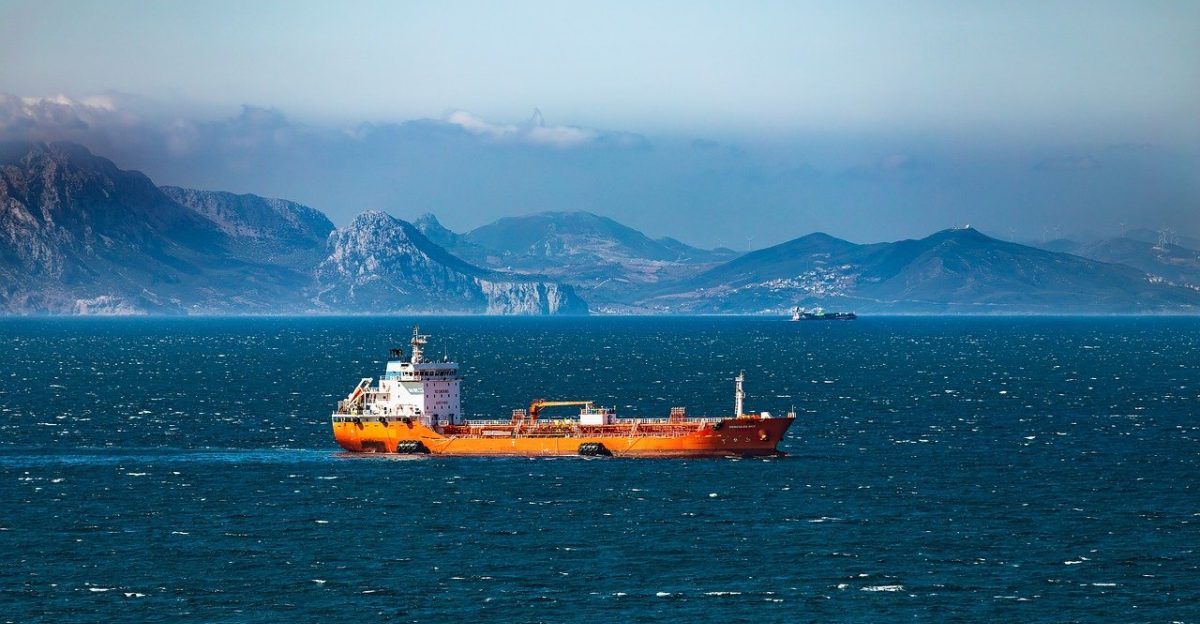
The Iran war began with military strikes on February 28, 2026, sealing the Strait of Hormuz. That stretch of water moves 20% of the world’s oil supply, with about 80% headed for Asia. UBS estimated that 10 million barrels of crude disappeared from the market overnight. Then, on March 23, Valero Energy’s Port Arthur refinery in Texas exploded.
A diesel-processing unit went up, forcing one of the largest U.S. refineries offline. The plant normally handles 380,000 barrels of crude each day. Wholesale diesel prices spiked 16 cents per gallon from the blast alone. Both events strained the system while supplies were already tight.
The Cushion Everyone Believed In
For years, the expectation was that OPEC could respond if something went wrong. Saudi Arabia and the UAE would open the taps and calm the markets.
That confidence shaped corporate budgets, government forecasts, and pre-war predictions that Brent crude would average $60 a barrel in 2026. Actual spare capacity is only 3 to 4 million barrels a day. The Strait closure took out 10 million. The safety net covers only about a third of the gap. Brent crude soared to $104.86 by April 1, up 50% since the fighting began. The fallback plan failed instantly.
The Promise Versus the Data

Energy Secretary Chris Wright went on NBC’s “Meet the Press” and told Americans there was a “very good chance” gas prices would drop below $3 a gallon by summer. His own agency released its updated forecast the same week: the EIA now predicts gas will average $3.34 in 2026 and $3.18 in 2027. No month is projected below $3 through the end of 2027.
Before the war, the same agency expected $2.91. The promise and the department’s data did not match. The gap between political messaging and published numbers reveals more about the crisis timeline than official briefings.
Where the Money Disappears
The Dallas Federal Reserve projected that the Strait closure could reduce global GDP growth by nearly 3 percentage points in just one quarter. If the Strait stays closed for two quarters, oil (WTI) could reach $115 a barrel. Three quarters would push it to $132. Longer disruptions cause greater damage, with duration having a larger impact than price alone.
BlackRock’s CEO Larry Fink warned oil could reach $150 if tensions persist. Goldman Sachs expects the oil shock to slow payroll growth by about 10,000 jobs a month through the end of the year, with unemployment rising to 4.6% by summer. Leisure and hospitality workers are expected to be affected the most.
The Numbers Nobody Wants to Read

Gasoline averaged $3.84 across the country, rising 31% in a month. Jet fuel prices doubled worldwide, reaching $195.19 per barrel. In the U.S., this meant $4.60 a gallon, up from about $2.50 before the conflict.
United Airlines cut 5% of its planned flights. SAS canceled at least 1,000 flights in April. Air New Zealand scaled back by 5%. Fuel accounts for 25 to 35% of airline operating costs. Urea, a key ingredient in fertilizer, rose 40% since late February. Higher fertilizer costs will influence planting decisions, crop prices, and eventually grocery bills.
The World Starts Rationing
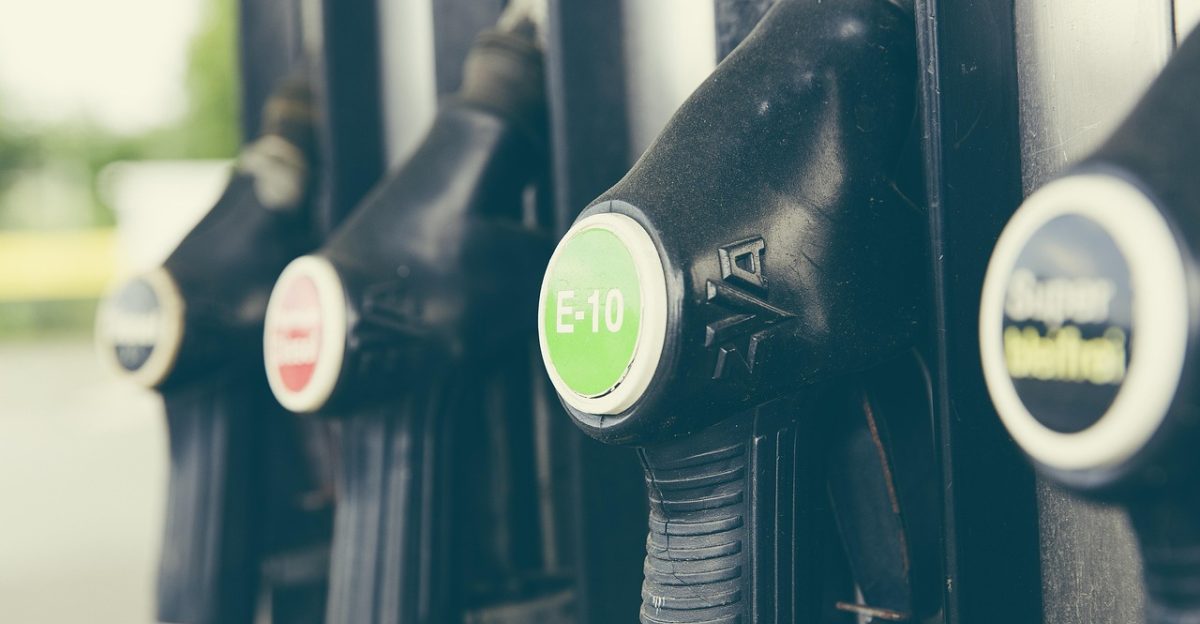
Indonesia capped fuel at 50 liters per vehicle per day. Thailand stopped fuel exports completely and instructed government workers to take the stairs instead of the elevator. The Philippines, Pakistan, and Sri Lanka all switched to four-day government work weeks.
Australia cut its fuel tax in half for three months, but has only 39 days of petrol reserves. This is much less than the International Energy Agency’s 90-day recommendation. Hapag-Lloyd, a major shipping company, reported $40 to $50 million in extra weekly costs because of the conflict. Ship crossings through the Strait dropped from 70 to 80 per day to just a handful.
The 90-Day Clock
Three clocks are ticking, all set to run out around the 90-day mark. Australia’s fuel reserves will be gone. The Port Arthur refinery will be working to bring its 14 production units back online. Government four-day work weeks, meant to be temporary, will be nearing the end of public patience.
After that, the Dallas Fed projects that the damage to GDP becomes permanent. The European Central Bank has already cut its 2026 growth outlook to 0.9%. History shows that when diesel prices climb above $5.25, the chance of recession jumps to over 40%. The oil crises of 1973, 1979, and 2008 all crossed similar lines before the economy shrank.
The Reserve Is Burning
The Trump administration authorized a drawdown of 172 million barrels from the Strategic Petroleum Reserve. This was the fastest emergency release ever. The scale of the move is large on paper, but the shortfall remains much greater. The Strait closure removed 10 million barrels of crude a day, plus another 4 to 5 million in refined fuels. Spare capacity covers only a small portion of that loss.
The SPR is being depleted rapidly. War-risk insurance has disappeared for the Strait, making it too expensive for most commercial ships to cross. The emergency response continues, prices remain high, and the tool designed to stabilize the market is being consumed without delivering stabilization.
No Soft Landing Available
Companies plan to invest $650 billion over three years to bring supply chains back home and avoid risky chokepoints like Hormuz. This is not a short-term fix. Corporate America now treats this fragility as the new normal. Even before the war, the labor market showed 92,000 unexplained job losses in February, before a single missile was launched.
Goldman Sachs puts the odds of recession at 30% and rising. If the Strait reopens and supply recovers, the risk of contraction drops. If it stays closed, demand destruction could push the economy into contraction. The administration projects weeks. The data indicate otherwise.
Sources:
U.S. Department of Energy, “United States to Release 172 Million Barrels of Oil From the Strategic Petroleum Reserve,” March 10, 2026
Federal Reserve Bank of Dallas, “What the Closure of the Strait of Hormuz Means for the Global Economy,” March 20, 2026
U.S. Energy Information Administration, “Short-Term Energy Outlook,” March 2026
NBC News, “Energy Secretary Says Americans Could Feel Relief on Gas Prices ‘in a Few More Weeks,'” March 15, 2026
Business Insider, “US Could Lose 10,000 Jobs a Month As Oil Shock Hits the Economy,” March 25, 2026
Quartz, “BlackRock CEO Warns Oil at $150 Could Trigger a Global Recession,” March 26, 2026