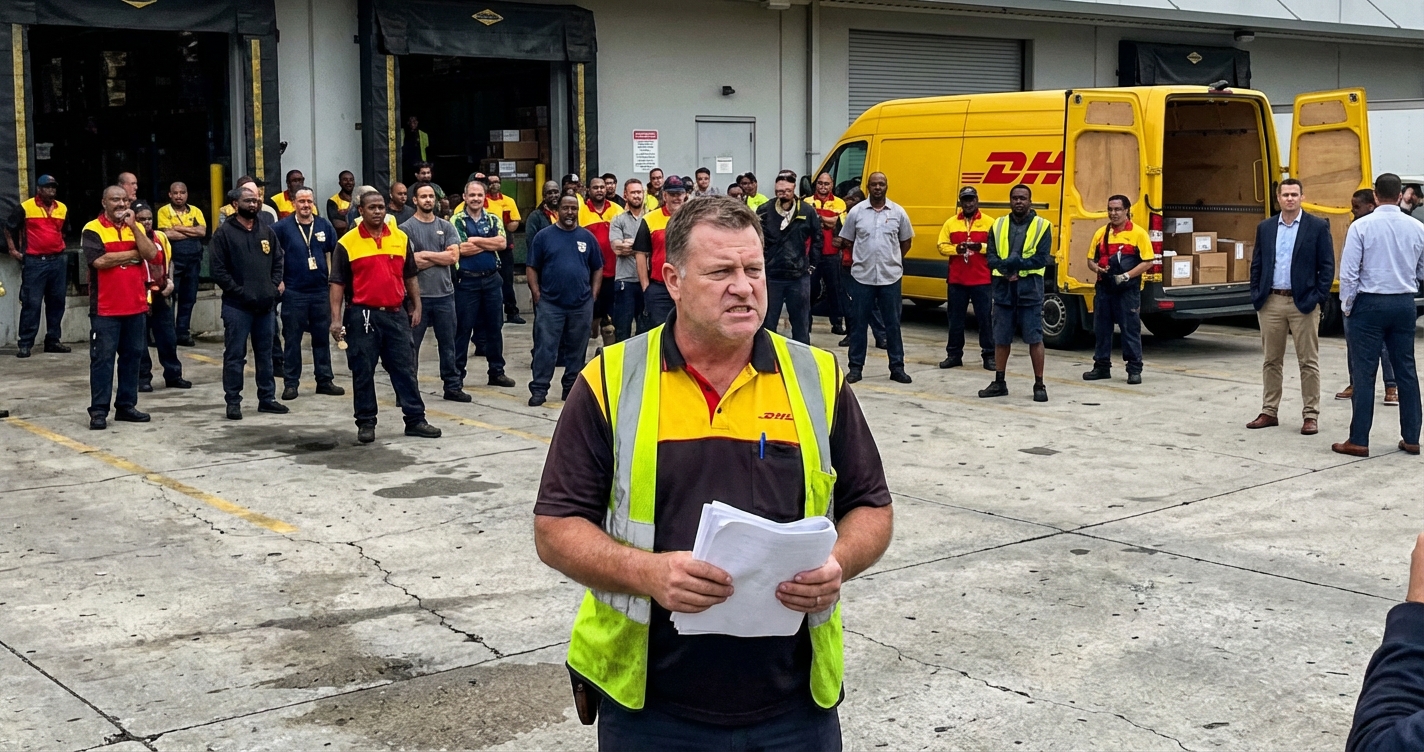
DHL Bans AI And Autonomous Vehicles From U.S. Operations After 6000 Workers Threaten To Walk
A nationwide strike threat forced one of the world’s largest logistics companies to reverse course in just 48 hours. On March 29, 2026, about 6000 DHL Express workers across 16 U.S. states, backed by a 96% strike vote, pushed the company into a deal that includes a 20% pay increase and rare limits on AI and autonomous vehicles. The agreement followed years of stalled contracts despite €82.9 billion in annual revenue. Faced with a shutdown risk, DHL conceded. The result could reshape how labor, technology, and power collide across the logistics industry.
Twenty-Six Years Of Frustration Builds
For Eric Camarena, a dockworker and Teamsters Local 986 shop steward, this moment followed 26 years of watching negotiations fall short. Contract after contract arrived with little change, despite DHL generating €82.9 billion in revenue last year. Workers believed improvements were always financially possible, yet rarely offered. Over time, acceptance replaced resistance, until conditions shifted. When thousands of workers aligned behind a credible strike threat, long-standing patience gave way to leverage. That shift in mindset set the stage for what the overwhelming vote would signal next.
A 96% Vote Changes Everything
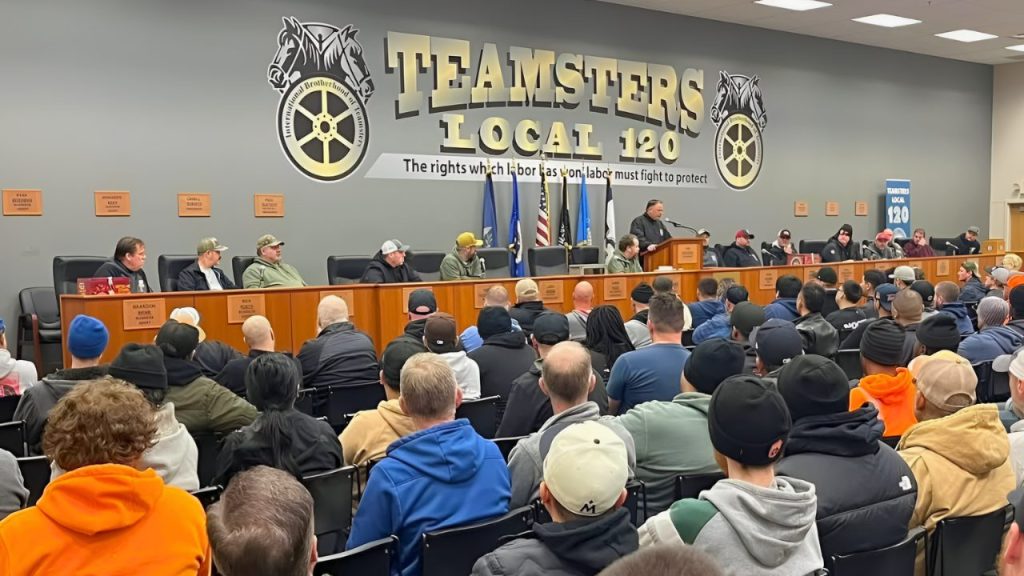
In early March, Teamsters organized a strike authorization vote that delivered a decisive result: 96% in favor. That number carried weight far beyond symbolism. A prior DHL strike in 2023 involved about 1100 workers at a single hub. This time, roughly six times that number stood unified across 26 local unions in 16 states. Coordination at this scale made disruption unavoidable if triggered. Expectations that automation would gradually weaken labor resistance no longer held. The vote itself became the turning point that forced DHL to reconsider its strategy.
The Contract That Rewrote Expectations
The tentative four-year agreement introduced changes rarely seen in logistics contracts. Workers secured a 20% wage increase, along with improved health and welfare contributions. More striking were the provisions targeting automation. DHL agreed to restrict autonomous vehicles where they threaten union jobs and added safeguards on AI-driven routing systems tied to seniority protections. Eric Camarena stated, “I’ve worked at DHL for 26 years, and this is by far the best contract we’ve ever negotiated.” His words reflected a shift that extended beyond wages alone.
The Real Pressure Behind The Deal
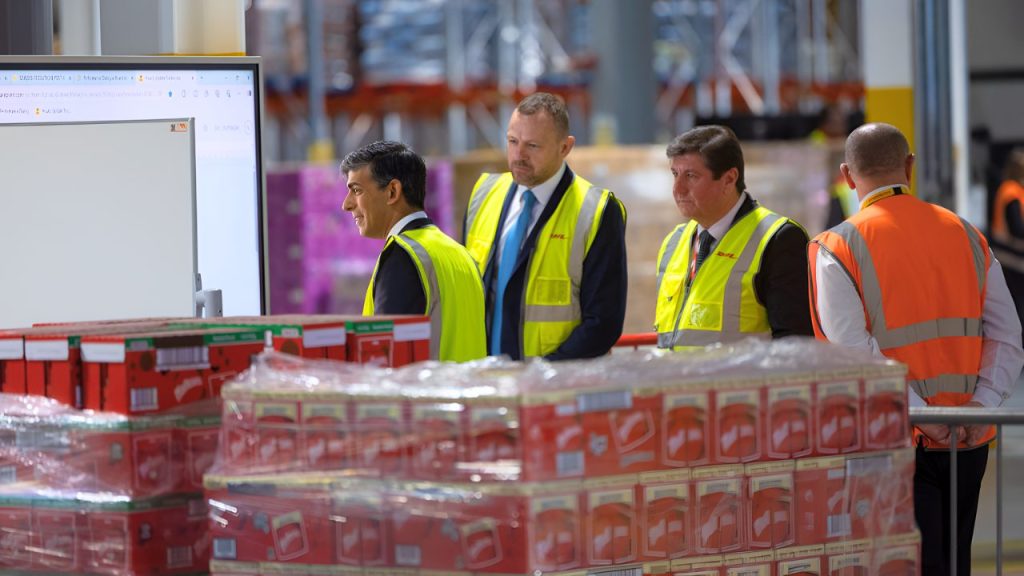
The 20% raise did not emerge from market trends alone. DHL faced the potential cost of a nationwide shutdown that could disrupt operations across multiple states. A structured approach defined the negotiation: authorize a strike, compress timelines, refuse extensions, and force a cost comparison between disruption and concessions. DHL chose predictability. Canadian DHL workers had recently secured a 15.75% raise after a three-week strike. In contrast, U.S. workers achieved a higher increase without walking out. That contrast revealed how timing and coordination influenced outcomes.
The Cost Equation Just Got Tighter
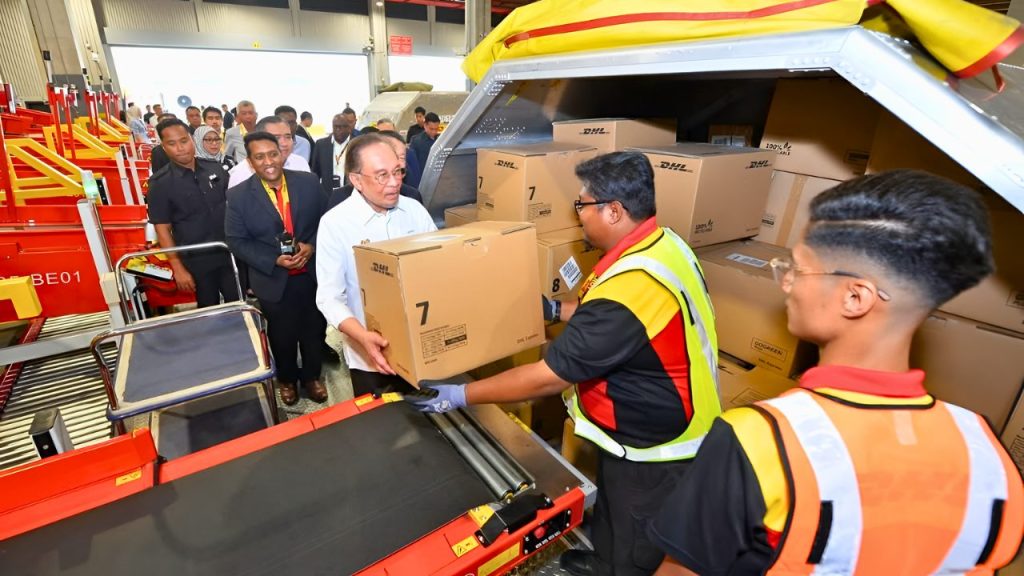
A 20% wage increase for about 6000 workers introduces long-term financial pressure. Over four years, rising labor costs compound, especially without offsetting efficiencies. DHL also accepted restrictions on technologies typically used to reduce expenses. AI-driven routing systems now face contractual limits tied to seniority, and autonomous vehicle deployment is constrained where jobs are affected. This combination narrows operational flexibility. The remaining options center on margin compression or passing costs to customers. That financial tension sets up broader consequences across the industry.
A Ripple Effect Across Logistics
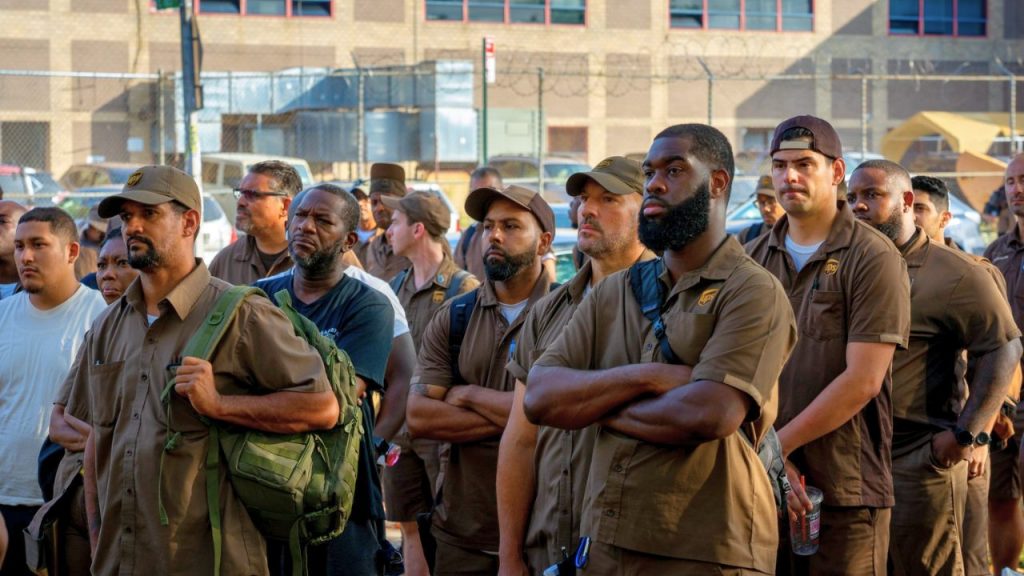
The implications extend far beyond DHL’s workforce. UPS Teamsters are expected to reference this agreement in future negotiations, while other logistics unions may follow similar strategies. DHL Group employs around 600,000 people globally, and workers outside the U.S. have now observed what coordinated action achieved. At the same time, 26 local supplemental agreements still require negotiation, leaving room for additional demands. The national framework provides a baseline, but its full impact depends on how those local agreements unfold across different regions.
When Technology Became Negotiable

This agreement stands among the most visible U.S. logistics contracts to formally address AI and autonomous vehicles. Alongside the 2023 UPS deal and ongoing labor campaigns, a pattern has emerged. Strike authorization is becoming a standard bargaining tool. Technology decisions are no longer reserved solely for management. Teamsters General President Sean M. O’Brien stated members “held management’s feet to the fire.” That framing signals a broader shift, where automation policies are now part of labor negotiations. What happens when that approach spreads further?
Four Years Of Certainty And Risk
The contract is set to expire around 2030, creating a defined window of stability. During that period, DHL is likely to pursue efficiency gains outside restricted areas and explore operations in regions without similar agreements. Outsourcing strategies may also be tested against contract boundaries. If labor costs rise significantly, shipping prices could increase, potentially pushing customers toward competitors. Investors may monitor how these pressures affect margins. Workers secured protections for now, but long-term outcomes depend on how these adjustments unfold.
The Playbook That Changed The Industry
Final ratification remains pending across 26 local unions, and any deviation could affect implementation. Yet the broader precedent is already established. A 20% wage increase and restrictions on automation were secured through coordinated action backed by a 96% strike vote. Expectations that automation would reduce labor influence have been challenged by contract-based limits on its use. This negotiation has redefined how leverage is applied in logistics. The next major contract in the industry will not begin from scratch. It will begin from here.
Sources:
DHL Teamsters Reach Tentative Agreement on Strong New Contract. Teamsters.org, March 29, 2026
DHL Express Teamsters Authorize Strike. PRNewswire, March 3, 2026
DHL, Teamsters Reach Tentative Agreement on 4-Year Deal. Transport Topics, March 29, 2026
DHL Group Exceeds Earnings Guidance and Increases Dividend. DHL Group Press Release, March 5, 2026
New Contract for 190 Philly-Area DHL Teamsters Includes Self-Driving Vehicle Ban. The Philadelphia Inquirer, March 30, 2026
DHL Express Canada Strike, Lockout to End After Workers Ratify New Agreement. CBC News, June 27, 2025
Teamsters Block DHL Strike with Tentative Agreement One Day Before Expiration. WSWS, April 2, 2026