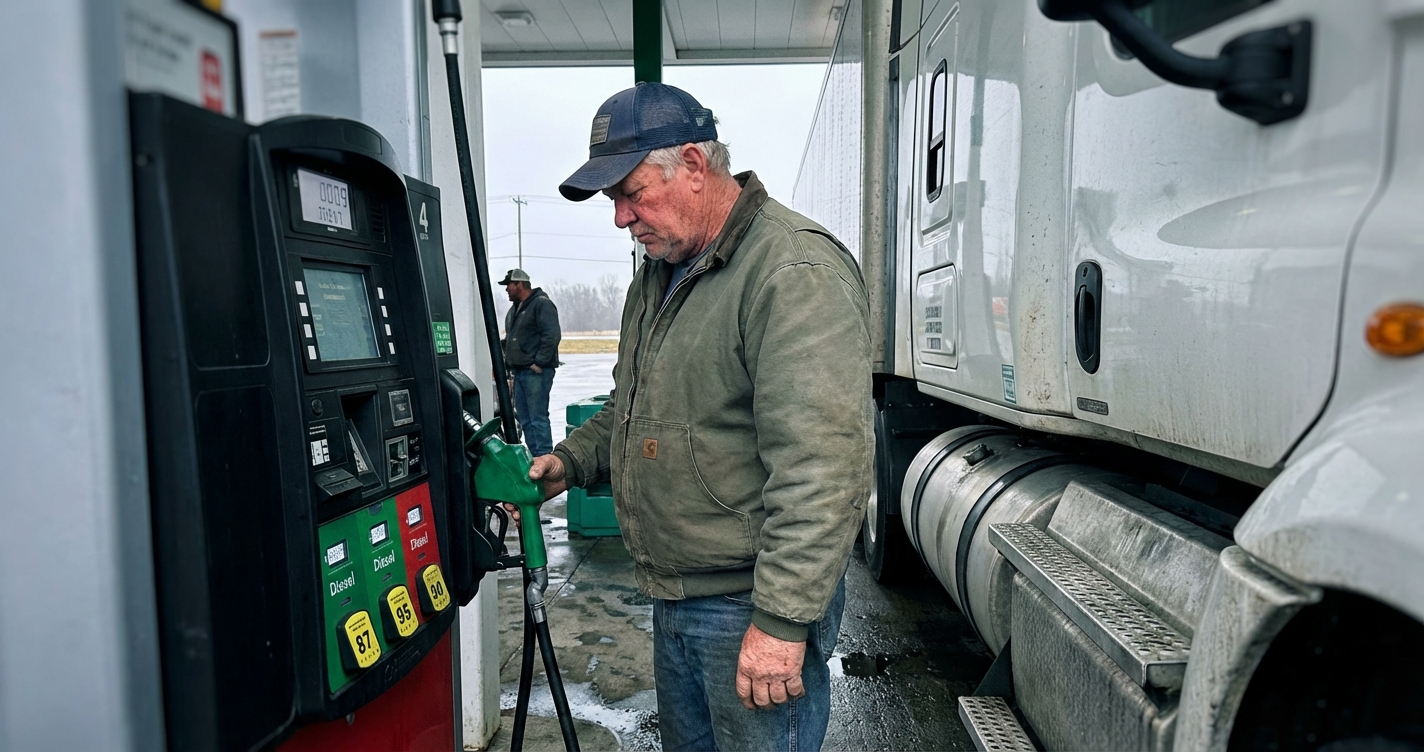
‘Doesn’t Add Up’—Diesel Surged 45% And Crushed 900,000 American Truckers
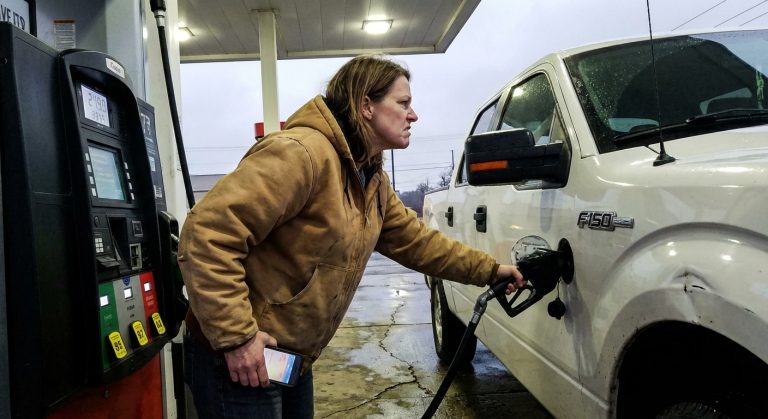
National diesel hit $5.40 a gallon on March 31, 2026. That’s a spike of more than 40% in roughly 30 days, since the Iran war began on February 28 and threatened to choke the Strait of Hormuz. The Strait moves 20% of the world’s oil. Losing it triggered the steepest monthly crude surge since the 1990 Gulf War. Gasoline crossed $4 nationally for the first time since 2022. But pump prices are the part everyone can see. The part they can’t see is destroying an entire class of American workers.
Why the Strait Changes Everything
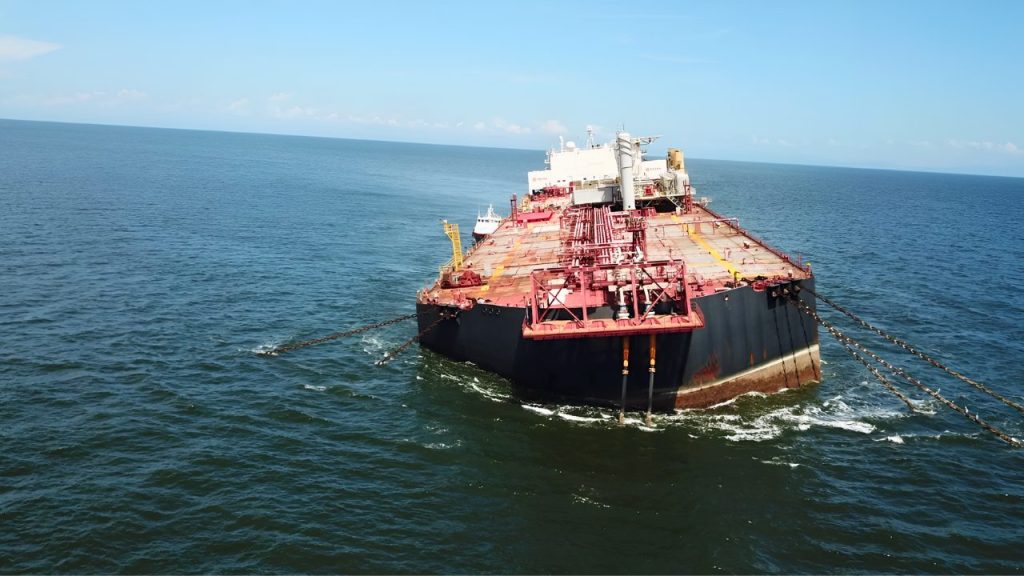
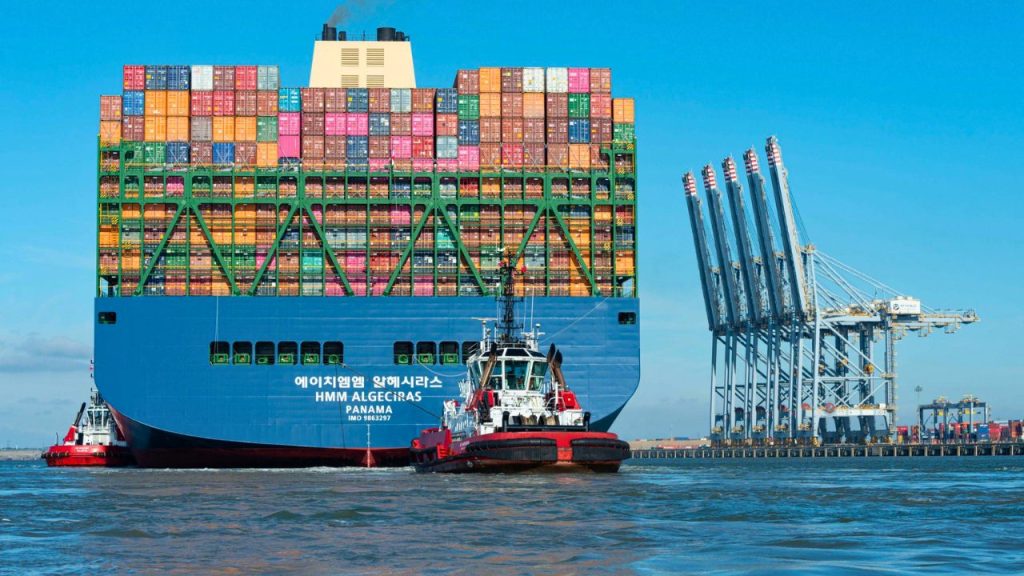
The Dallas Federal Reserve called this disruption 3 to 5 times larger than the 1973 oil embargo, which removed just 6% of global supply. The current crisis threatens 20%. Diesel fuel jumped from $3.89 to $5.37 between March 2 and March 16 alone. Wholesale prices spiked 30% in a single week. Cargo rerouted around the Cape of Good Hope now takes 25 to 30 extra days and costs 15 to 25% more. That rerouting cost lands on one group first: the people driving trucks.
The Grocery Bill Nobody Announced
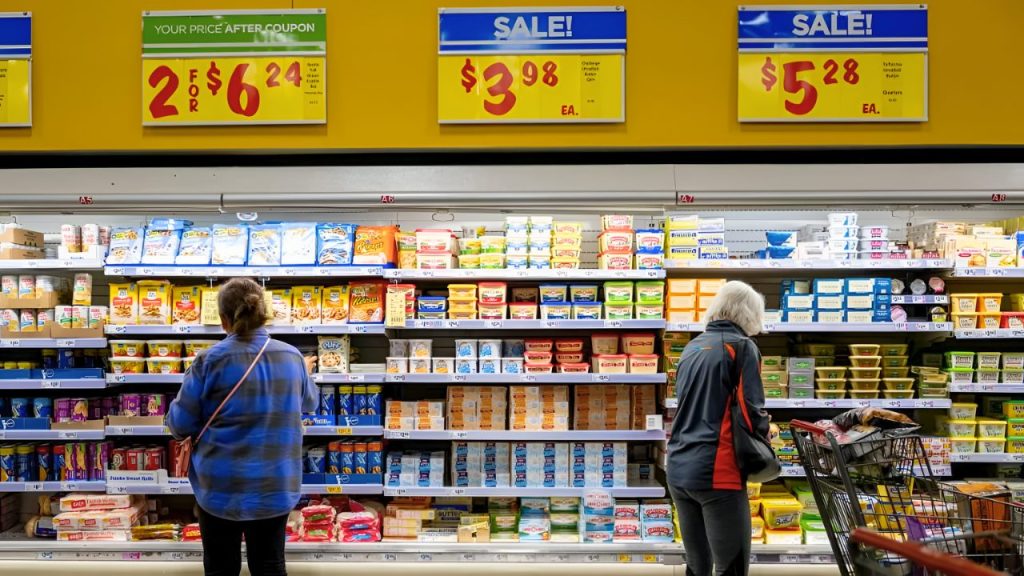
In Maine, 85% of freight moves by truck. Diesel there hit $5.70 a gallon, up 30% in one month. The fuel surcharge on a single trailerload of groceries tripled from $230 to $600 per week. Vermont heating fuel jumped $2 a gallon, forcing the state to activate emergency assistance programs. A 10% diesel rise pushes consumer prices up 0.1%. The current 45% rise implies nearly half a percentage point of inflation from diesel alone. Retailers initially refused to raise shelf prices. They absorbed the hit silently, compressing margins into nothing.
Two Tiers, One Industry
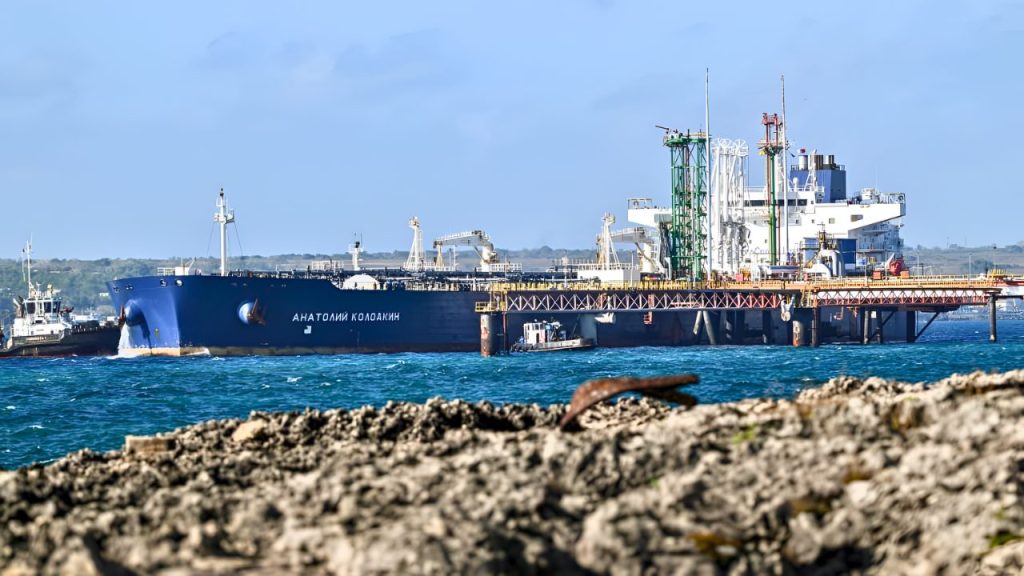
Large carriers negotiated contracts with fuel hedges and price floors before the war. They weathered March. Independent owner-operators had none of that. Brokers kept offering $1.50 to $1.60 per mile for loads that now cost $2.80 or more per mile just in fuel. FMCSA data shows between 587,000 and 922,854 owner-operators in the U.S. The protected tier has been adjusted. The exposed tier bled. Class 8 truck orders had surged 159% year-over-year in February, a recovery signal. By March, those new trucks rolled into a margin trap.
The Cascade Crosses Borders
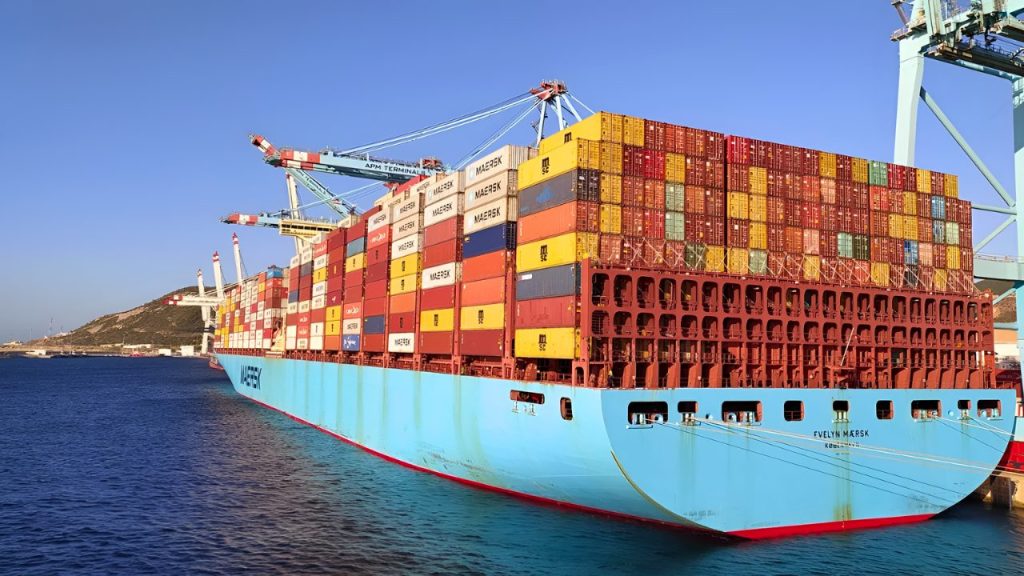
Canadian diesel blew past $2.39 per liter in Toronto, the highest since the 2022 Ukraine shock. China banned exports of refined products entirely. Refined diesel traded at $200-per-barrel equivalent, a scarcity price. The World Food Program reported 70,000 metric tons of food stranded globally. Lebanon’s local transport costs jumped 45%. Afghanistan’s rerouting tripled shipping expenses. One war. One chokepoint. And suddenly, the price of moving anything, anywhere, broke loose from every forecast that existed 30 days earlier.
The Broken Machine Behind the Price
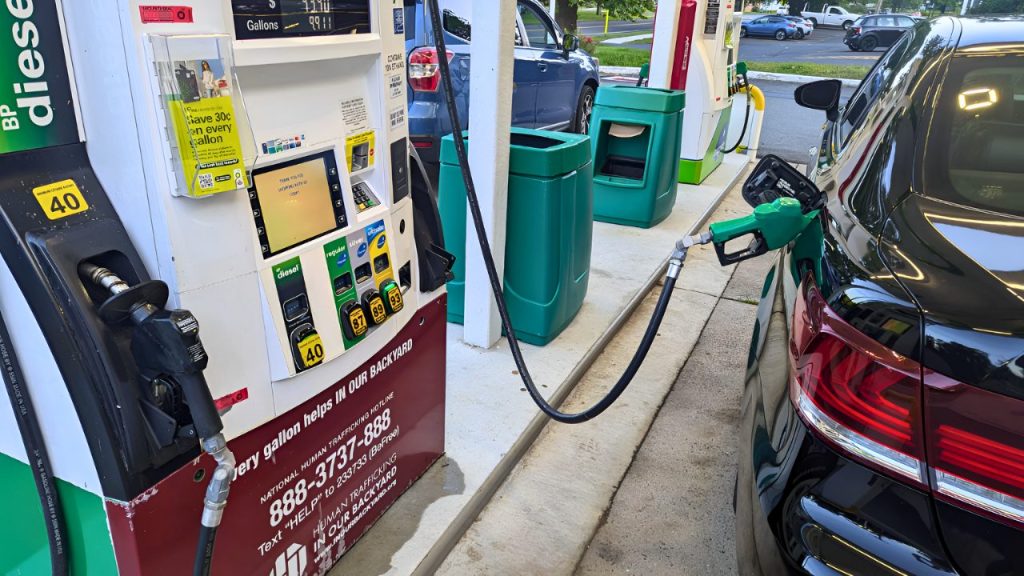
Fuel surcharge models are designed with 7-to-10-day lags. The Strait crisis moved faster than the models could update. Broker platforms capped surcharges and compressed linehaul rates instead of adjusting them. Retailers absorbed surcharges to protect shelf prices. Operators absorbed the rest. Diesel surged in days. Surcharges adjusted in weeks. Broker rates were never adjusted at all. That asymmetry is the hidden machine. It protects the top of the supply chain and bankrupts the bottom. Every ripple above traces back to this single structural failure.
‘It’s Not Adding Up’
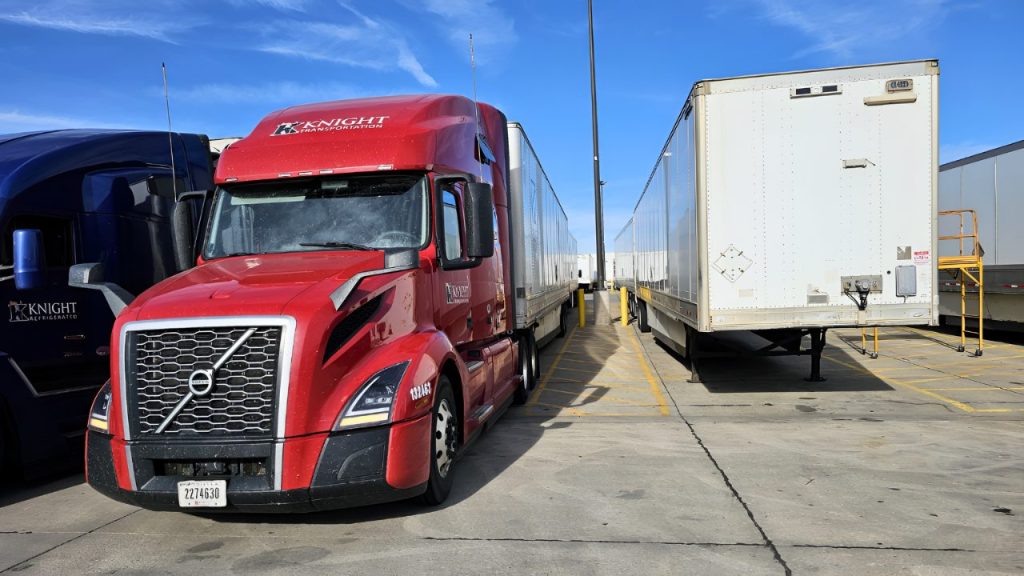
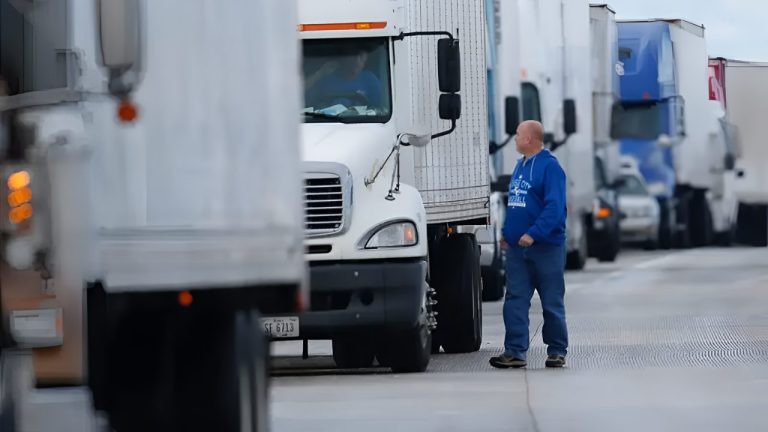
Rocky Davis has driven trucks for more than five decades. He told NBC Right Now: “It’s a struggle right now. I’ve seen [diesel prices] rise at different times. But this doesn’t make no sense here at all. It’s not adding up.” One owner-operator, based in Calgary, reported losing $2,000 to $4,000 every week—potentially $104,000 to $208,000 annually from a single cost input. Dana Doran of the Professional Logging Contractors of the Northeast put it plainly: “Contractors are taking it on the chin right now.”
New Rules for a Broken Market

The Trump administration issued a 60-day Jones Act waiver to ease fuel transport. USPS filed an 8% rate increase for transportation costs. Vermont and Maine considered temporary fuel excise cuts. Historically, diesel rises fast and falls slowly, establishing a new, permanently higher baseline. Even if the Strait reopens tomorrow, analysts project prices settling 20 to 30% above pre-war levels. The 85 to 90% failure rate among owner-operators within their first two years suddenly looks structural, not anomalous. The crisis revealed the rule: exposed operators don’t recover. They exit.
Who Wins, Who Loses, What to Watch
Large carriers with hedges and contracts gain market share as independents park rigs. Brokers maintain margins by refusing rate adjustments. Retailers blame “supplier surcharges” while protecting volume. The losers: owner-operators bleeding cash, rural communities dependent on diesel-powered agriculture, low-income households choosing between heating fuel and groceries. Vermont and Maine residents pay 33% more per gallon than neighboring New Hampshire, purely because of state fuel excise taxes set before anyone imagined a 45% diesel shock. Policy choices made in peacetime become traps in crisis.
The Cascade Isn’t Finished
If the Strait stays closed past mid-2026, diesel holds above $5. Owner-operator bankruptcies peak by Q3. Regional trucking consolidates into fewer, larger carriers. Small-shipper costs climb another 20 to 30%. Grocery prices rise 2 to 4% within weeks as margin compression becomes unsustainable. The counter-moves, fuel tax waivers, bridge financing, and temporary subsidies lag the crisis by six to eight weeks and slow the wave without stopping it. The pump price you see is the surface. The two-tier pricing collapse underneath is the system. And that system just broke wide open.
Sources:
“How High Could Gas Prices Go? What to Know About the Iran War’s Economic Cost.” Time, 31 Mar. 2026.
“What the Closure of the Strait of Hormuz Means for the Global Economy.” Federal Reserve Bank of Dallas, 20 Mar. 2026.
“Surging Diesel Prices Squeeze Maine Truckers and Loggers, as Iran War Drags On.” Vermont Public, 30 Mar. 2026.
“Independent Truckers Struggle as Diesel Prices Surge to Record Highs, Freight Rates Stagnate.” NBC Right Now, 29 Mar. 2026.