9 Accessories Destroying Your Car—$15 Air Freshener Eats Your Dashboard Alive
Every car leaves the factory as a precisely engineered machine. All safety systems, sensors, and surfaces are designed to work together seamlessly.
Adding personal accessories, such as a roof rack, seat covers, or even a gel air freshener, can quietly undermine that factory engineering. Chemical damage and compromised safety features are common side effects. Here are some popular add-ons that may cause more harm than expected.
1. Gel Air Fresheners
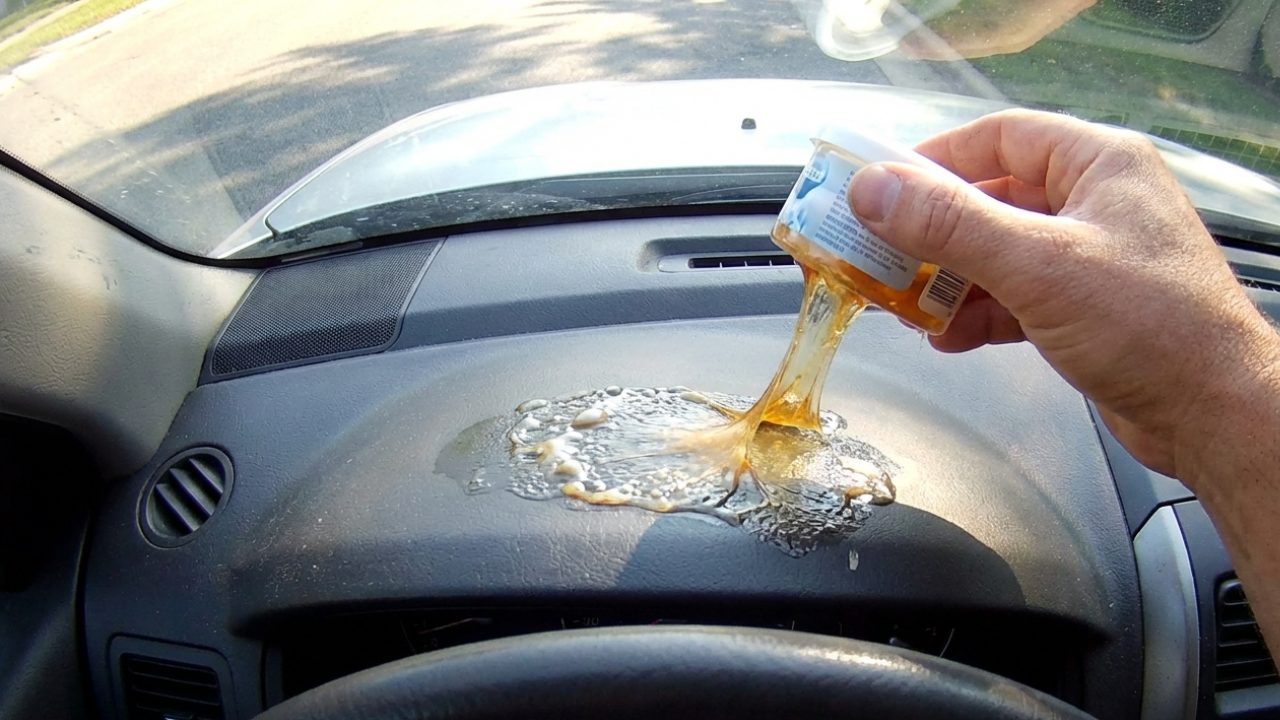
A $15 gel air freshener can cause more harm than it appears. When gel or liquid fresheners leak, their chemicals can react with car plastics and vinyl, similar to how superglue affects surfaces.
One Toyota Camry owner found their dashboard plastic dissolved, paint peeled, and vinyl interior warped due to a leaking freshener. Repairs often cost between $200 and $600. Damage is frequently invisible until it cannot be reversed, making gel fresheners one of the most deceptively destructive accessories available.
2. Aftermarket Seat Covers
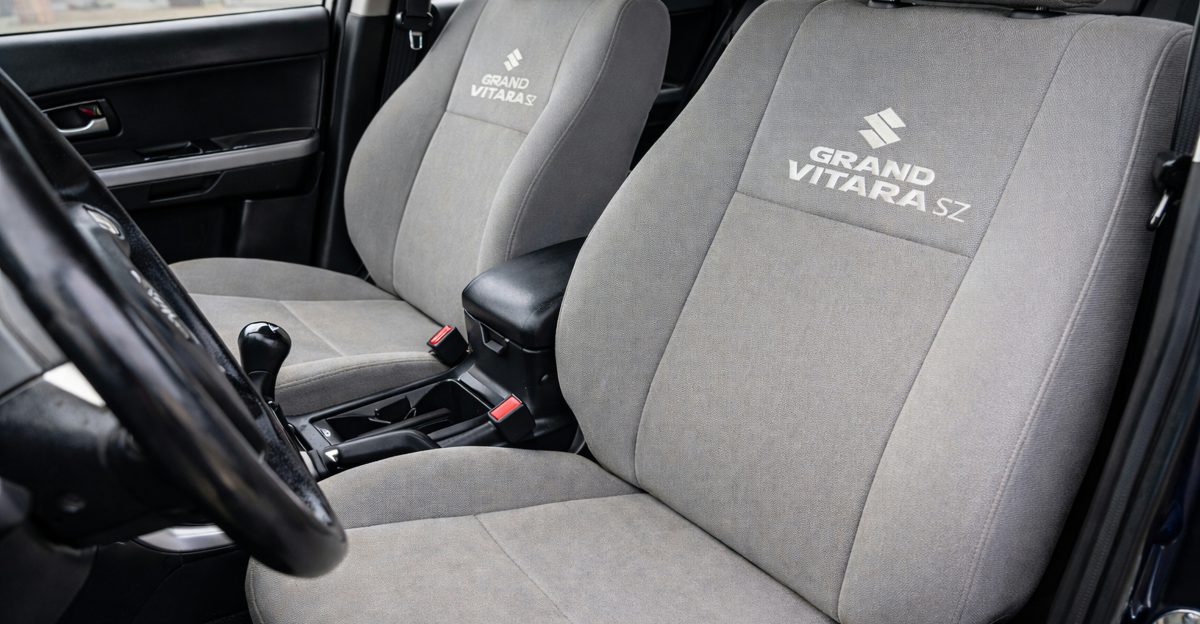
Plush seat covers may interfere with airbag function. Side and center airbags use predefined tear seams built into factory seats.
Many aftermarket covers lack these seams and can block airbag deployment in an accident. The accessory intended to protect the interior may put safety at risk. Always verify airbag compatibility before purchasing any seat cover.
3. Non-OEM Floor Mats
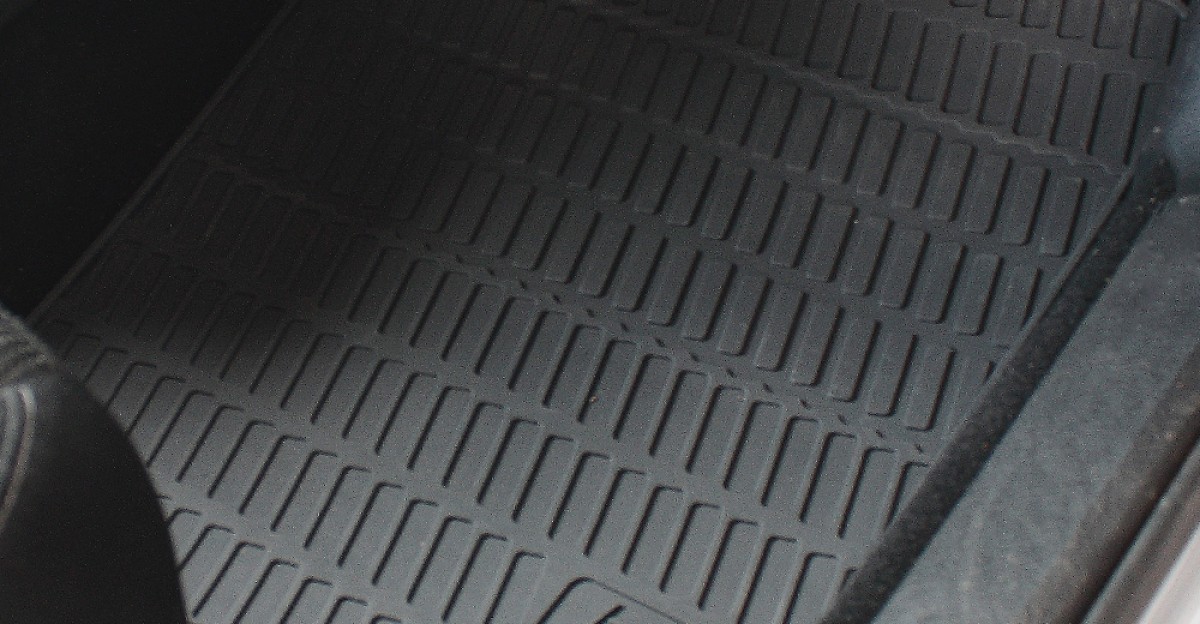
The National Highway Traffic Safety Administration has documented crashes caused by floor mats sliding under the brake pedal. Floor mats not designed for the vehicle or lacking proper anchors can move, pin the accelerator, or block the brake.
In an emergency, the mat intended to protect the carpet can become a hazard and interfere with vehicle control. Factory mats with anti-slip backing and retention clips remain the safest option.
4. Aftermarket LED Headlights
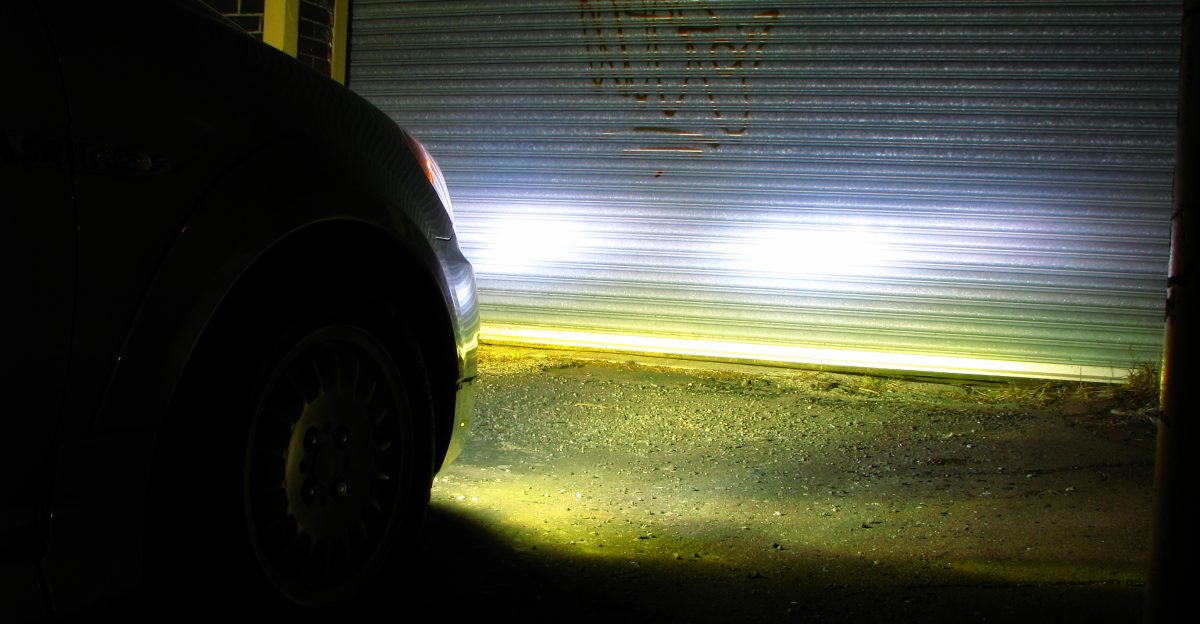
Bright aftermarket LED bulbs are often not engineered for factory headlight housings. This results in glare that can blind oncoming drivers and provides little improvement to visibility.
Replacing a modern LED headlight assembly can cost between $600 and $2,800 per unit, according to Kelley Blue Book. Non-OEM headlights frequently fail to meet DOT compliance, creating both legal and safety risks.
5. Steering Wheel Decals
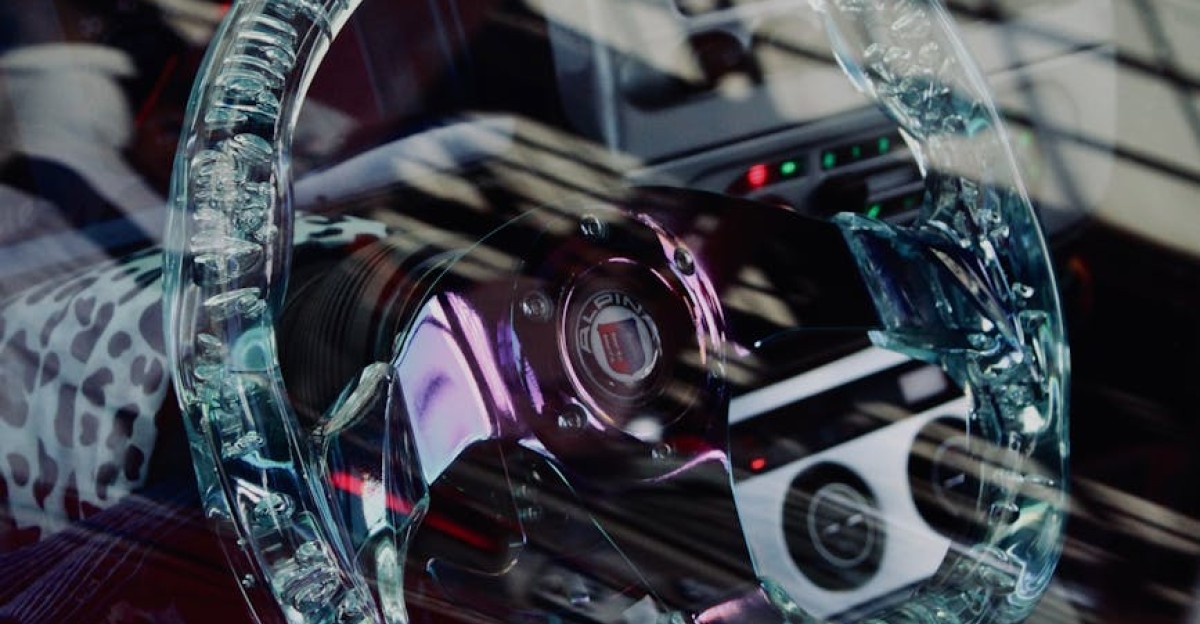
A decorative steering wheel emblem with rhinestones may cost $20 and appear harmless. Airbags deploy at nearly 200 mph. According to SlashGear, at least one driver permanently lost vision in one eye after rhinestones became projectiles during deployment.
The airbag prevented further injury, but the accessory caused permanent damage. Any object attached to or near the airbag cover can become a high-speed hazard when the safety system activates.
6. Roof Racks
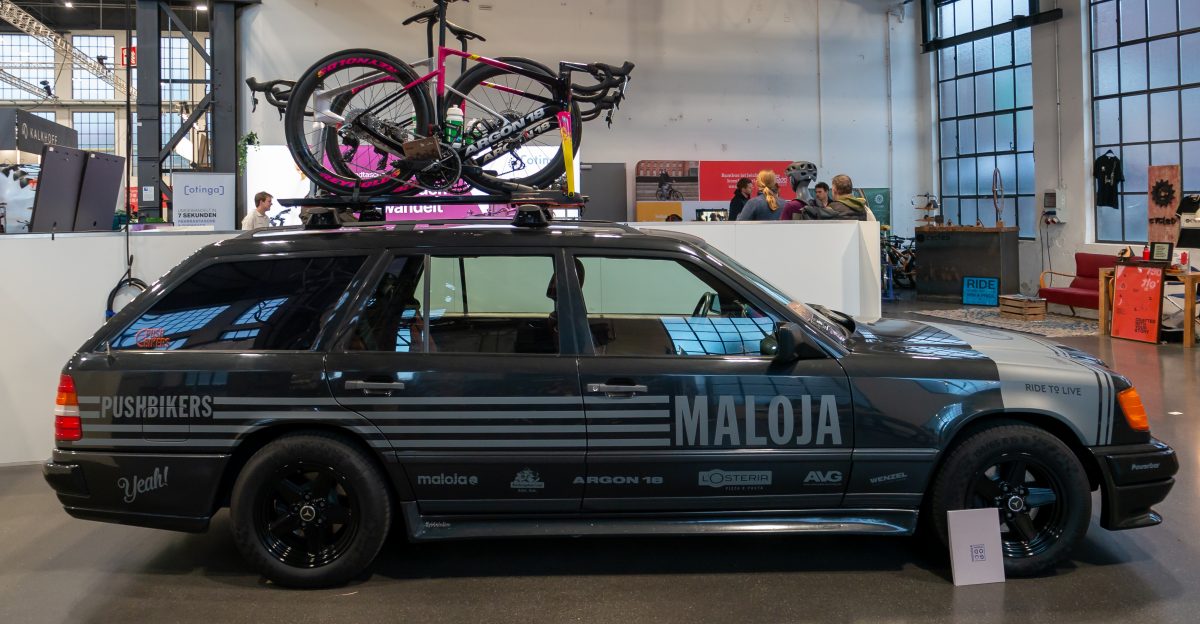
An empty roof rack reduces fuel efficiency by 5 to 15 percent due to aerodynamic drag, according to research from ExtraIL Auto. A loaded rack can reduce miles per gallon by up to 25 percent, dropping a 30 MPG vehicle to approximately 22 MPG.
Added weight from cargo also increases wear on suspension, brakes, and shocks, and may cause paint damage or roof dents at mounting points.
7. Wheel Spacers
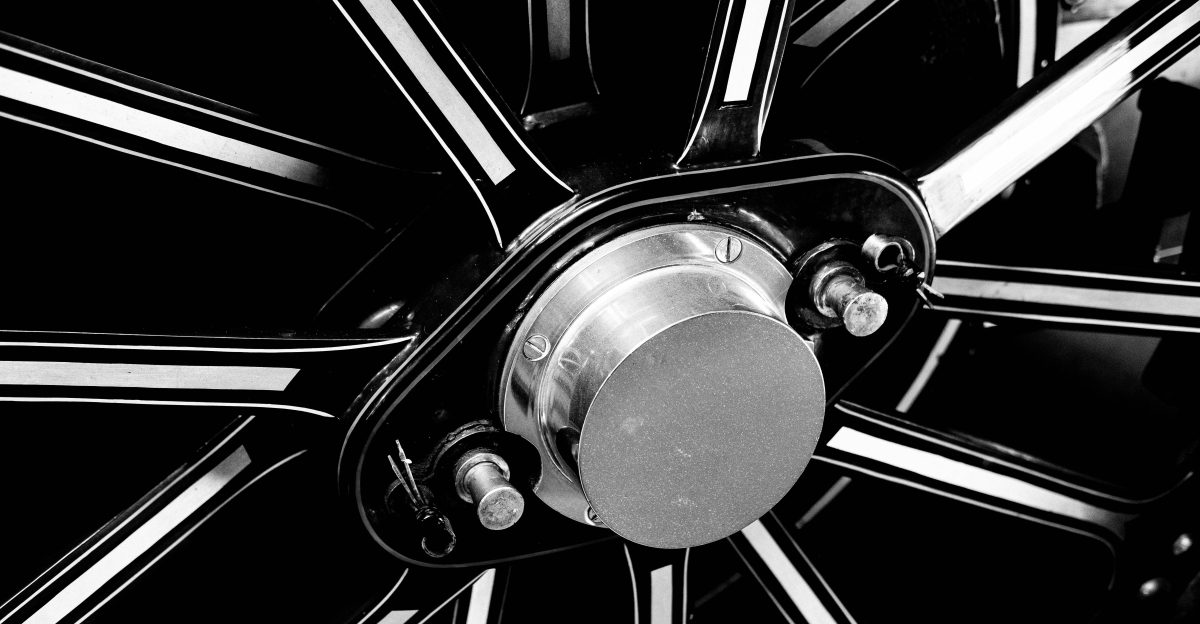
Wheel spacers extend the wheels outward to create a wider stance. According to Jalopnik, this increases mechanical leverage on wheel bearings.
The farther the wheel sits from the hub, the faster the bearings degrade. Premature bearing failure may cause catastrophic wheel separation at highway speeds, leading to expensive repairs or severe safety risks.
8. Underglow Lighting
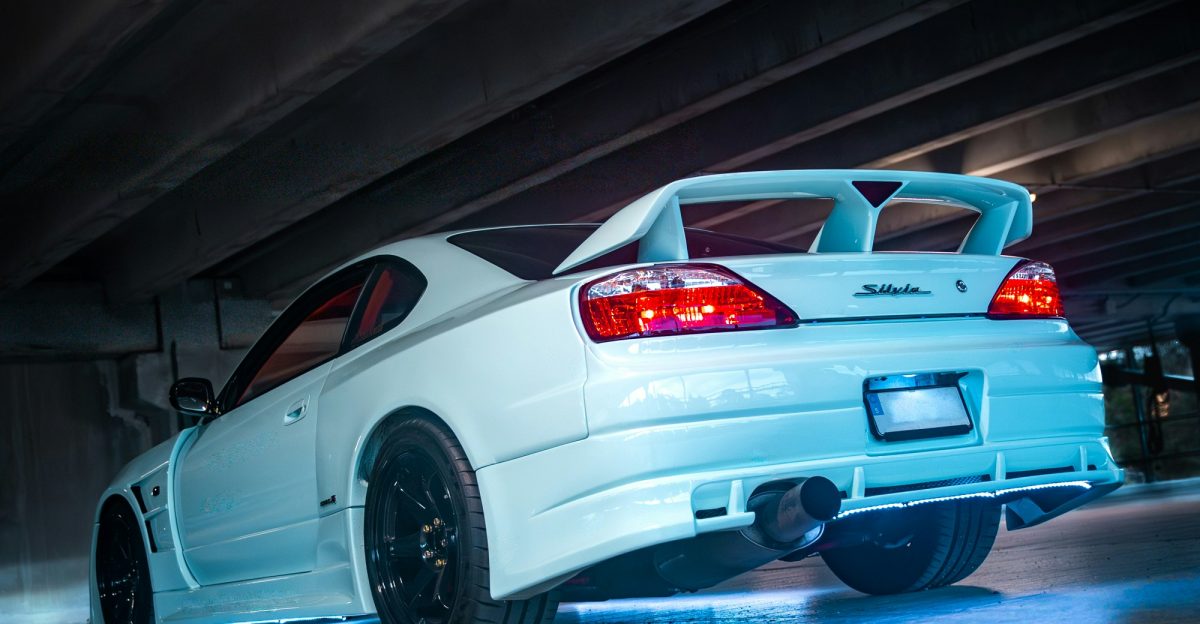
Neon underglow lighting is illegal on public roads in nine states, including Connecticut, Illinois, Michigan, Pennsylvania, and Virginia. Consumer Shield reports that violations carry fines ranging from $100 to $500, with repeat offenses resulting in higher penalties.
Additional states restrict specific colors and flashing patterns. An accessory installed legally in one state may result in a traffic citation in another jurisdiction.
9. Cheap Window Tint
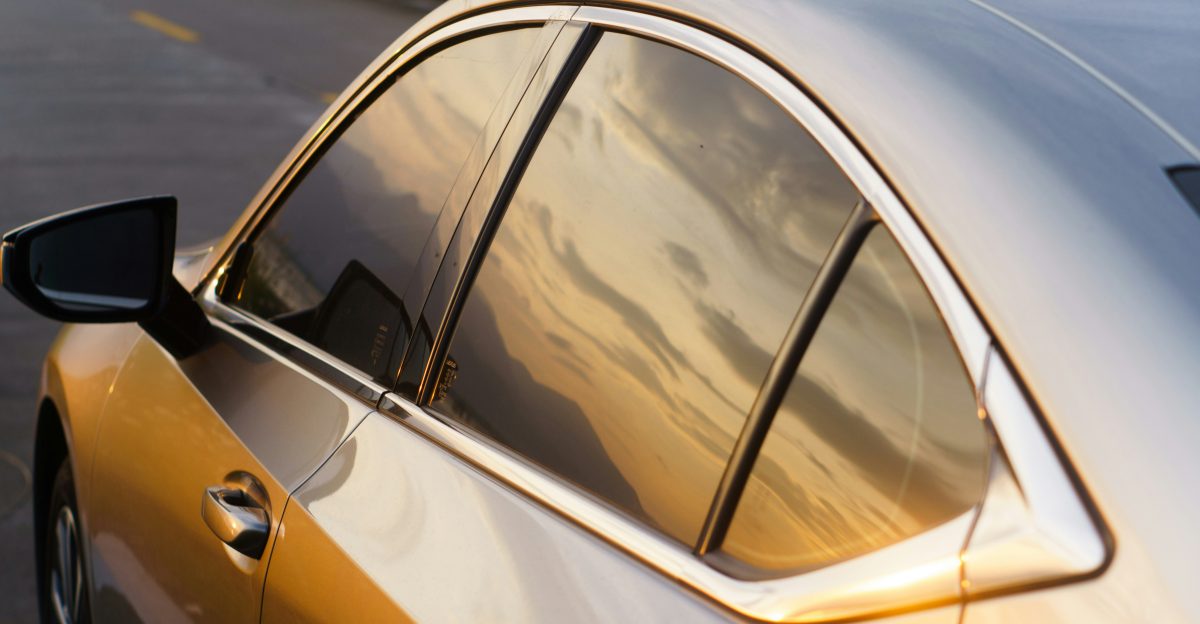
Quality window tint blocks up to 99 percent of UV rays and adds structural integrity to glass. Bargain tint often deteriorates quickly by bubbling, peeling, and losing its UV protection. Superior Auto Shine warns that degraded tint impairs visibility and may violate state Visible Light Transmission regulations, resulting in fines.
Professional-grade ceramic film installed by a certified technician is the best option for lasting protection and legal compliance.
Sources:
Torque News — “My Air Freshener Leaked Oil On My Toyota Camry’s Dash And Peeled Paint” — April 27, 2025
Walser GmbH — “Seat Covers Must Be Compatible with Airbags” — April 16, 2025
Kelley Blue Book — “Headlights Burned Out: What’s the Cost to Replace?” — September 28, 2025
CNN — “Steering Wheel Rhinestones Can Become Dangerous Projectiles in a Crash, Government Warns” — November 6, 2023
Consumer Shield — “Is Underglow Illegal? Neon Lighting Laws By State (2026)” — January 14, 2026
Jalopnik — “Can Wheel Spacers Actually Cause Bearing Failure?” — September 15, 2025