Ford Kills F-150 Lightning And Transfers Every EV Worker To Gas Trucks
Ford just paused F-150 Lightning production indefinitely and transferred every hourly EV worker at the Rouge Electric Vehicle Center to the gas truck assembly line next door. The same announcement added 1,000 new jobs to build 50,000 additional F-Series trucks in 2026. Four plants canceled. CEO Jim Farley called this “a customer-driven shift to create a stronger, more resilient and more profitable Ford.” They will cancel their summer shutdowns entirely. The F-Series sold 828,832 units in 2025, outselling its nearest competitor by 250,000 trucks. That dominance now comes with a price tag nobody expected. The aluminum fire that started this cascade could cost Ford between $1.5 billion and $2 billion.
Two Fires That Broke the Strategy

Novelis’ aluminum plant in Oswego, New York, caught fire on September 16, 2025. Then again, on November 20. That single facility supplied the aluminum for Ford’s highest-margin business: F-Series trucks. The hot mill went offline. Ford lost 90,000 to 100,000 trucks in Q4 2025 production alone. The estimated profit hit landed between $1.5 billion and $2 billion. One supplier. One plant. Two fires. And Ford’s entire manufacturing strategy had to be rebuilt from the math up. The U.S. imports 80% of its aluminum.
Your F-150 Just Got Harder to Find
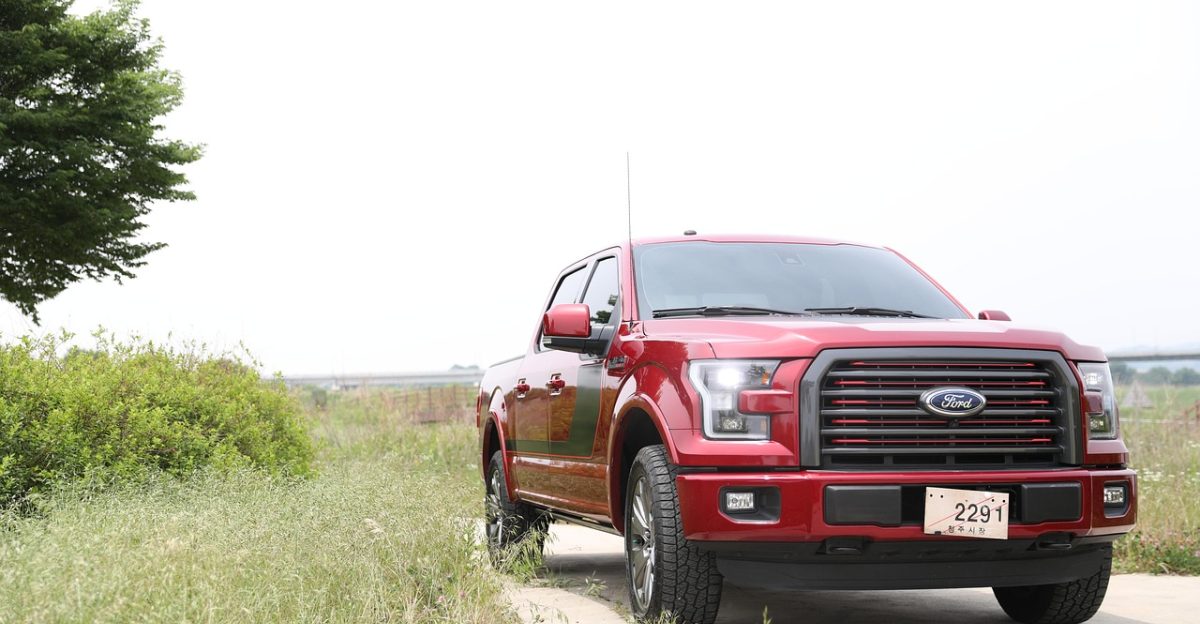
By February 2026, F-150 inventory sat 34% below normal levels. Dealerships prioritized high-trim models because the margins were better on fewer trucks. Buyers shopping for a work-spec F-150 found empty lots. Ford responded by adding a third crew of 1,200 employees at Dearborn Truck Plant to produce more than 45,000 additional gas and hybrid F-150s. Kentucky Truck Plant got $60 million for training and line-speed improvements to push out 5,000 more Super Dutys annually. The shortage created urgency. The urgency created a hiring spree.
The Used Truck Market Feels It Next
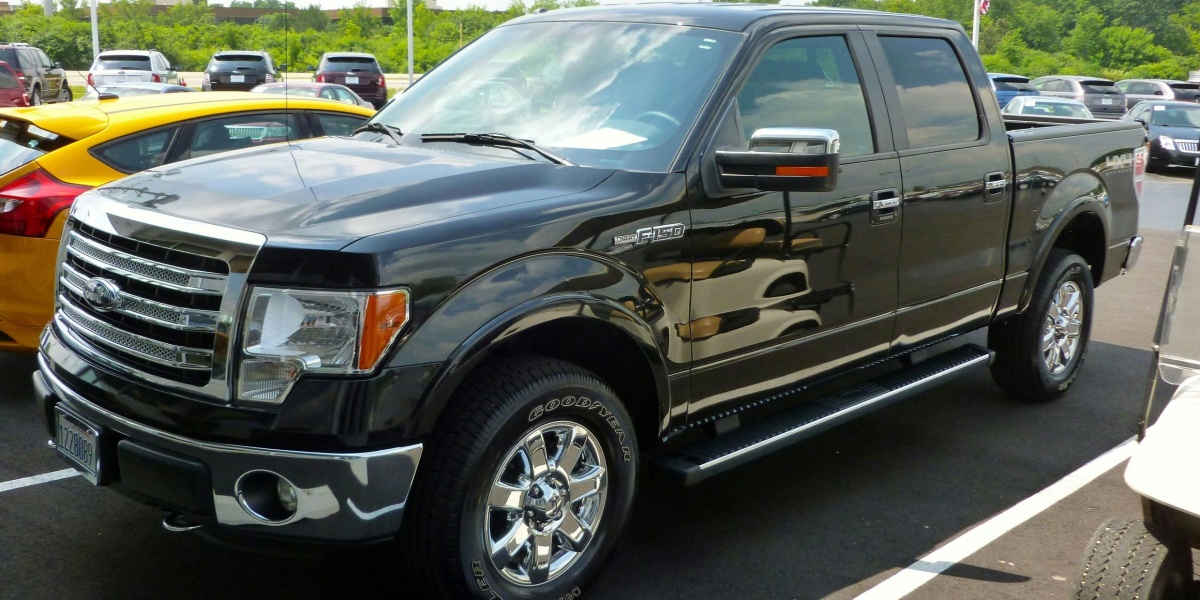
When the new F-150 supply drops 34%, used truck prices firm up. Buyers who can’t wait for a new build turn to the secondary market, and sellers know it. Ford’s production gap created artificial scarcity across the entire truck segment. Meanwhile, Ford Pro’s commercial division guided $6.5 to $7.5 billion in EBIT for 2026, meaning fleet buyers were competing with retail customers for the same constrained inventory. One aluminum fire rippled from factory floors to dealership lots to the guy selling his 2019 F-150 on Craigslist.
The EV Supply Chain Loses Its Biggest Customer
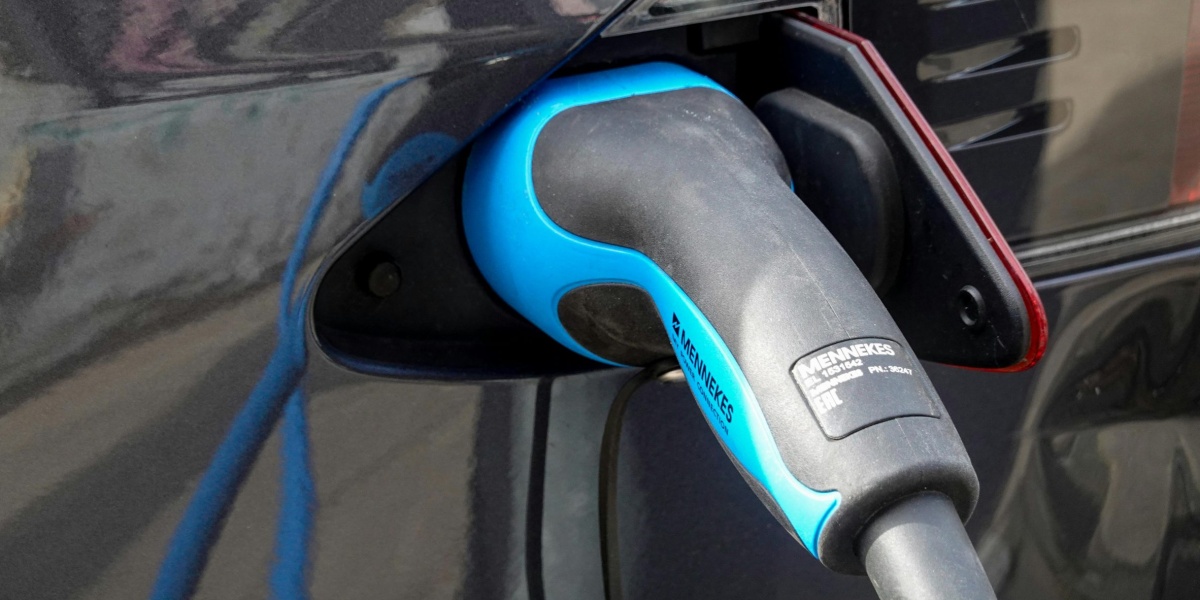
Battery suppliers, inverter manufacturers, and electric motor producers built their forecasts around Ford’s Lightning volume. That volume just went to zero with no restart date. Tier-2 EV suppliers may face contract uncertainty and revenue downgrades. In the same week Ford announced its gas truck surge, General Motors laid off 1,300 workers at an EV plant. Two of Detroit’s Big Three are retreating from electrification in the same news cycle. The companies that tooled up to supply America’s EV transition face growing uncertainty about their order books.
The Three Shocks Nobody Connected
September 2025: federal EV tax credits eliminated, removing $7,500 per buyer. Same month: Novelis fire destroys Ford’s aluminum supply. Consumer surveys by February 2026 showed 50% of buyers preferred gas vehicles, 33% hybrids, and just 16% EVs. Three shocks hit simultaneously. Policy killed the incentive. Fire killed the supply. Consumer preference confirmed the math. Ford’s $19.5 billion EV commitment was built on subsidies and margin averaging. Strip those away, and gas trucks become the only profitable path. That realization didn’t take years. It took six months.
The Workers Who Built the Future Got Reassigned
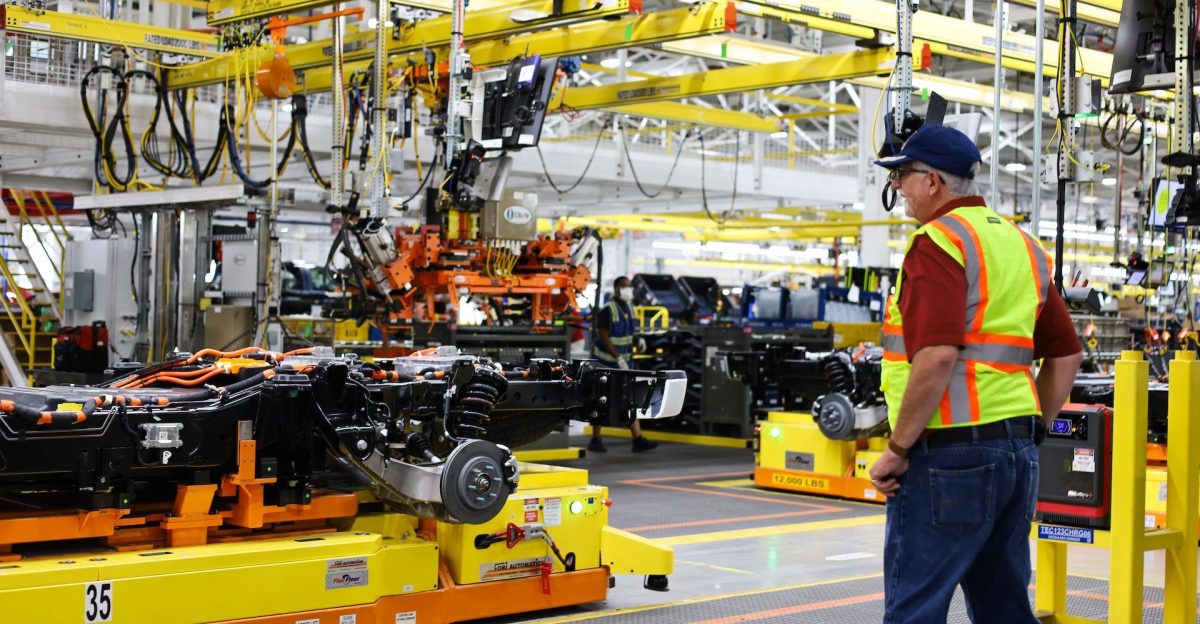
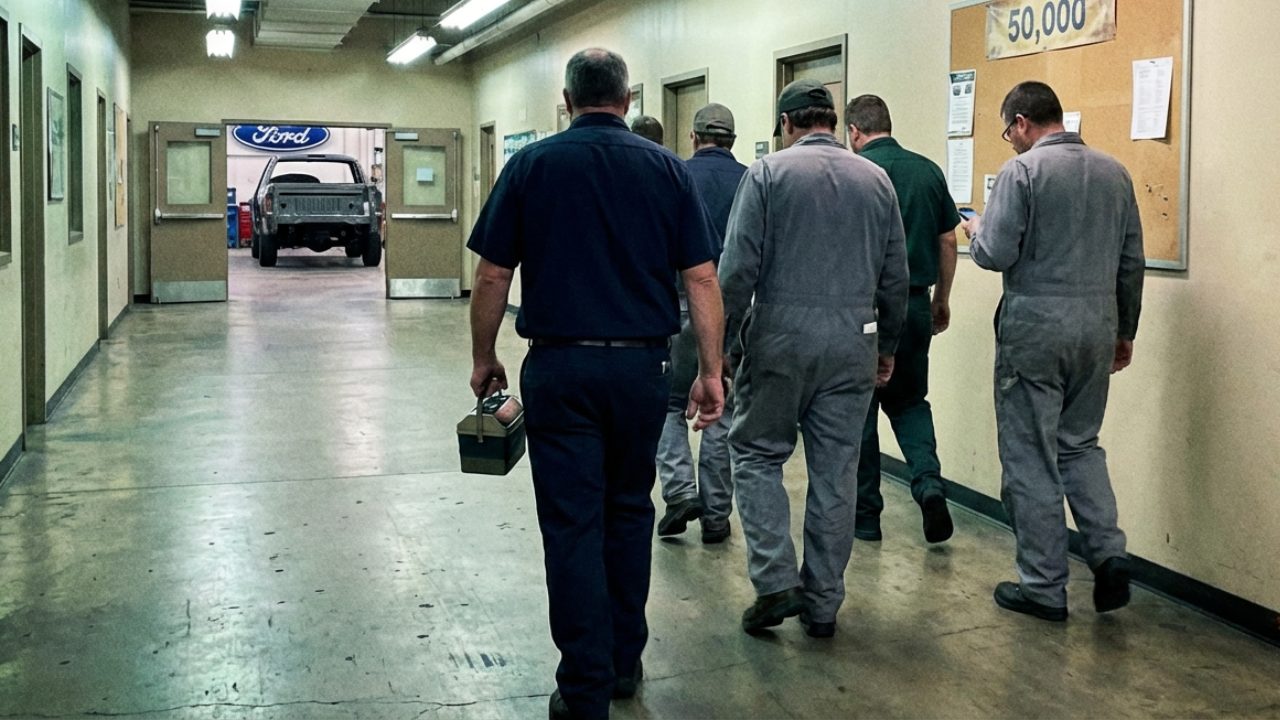
COO Kumar Galhotra framed it cleanly: “The people who keep our country running depend on America’s most popular vehicle.” What he didn’t say is that every hourly worker at the Rouge Electric Vehicle Center got transferred to Dearborn Truck Plant to build gas F-150s. Workers hired to build America’s electric future now tighten bolts on V8s. Meanwhile, a UAW Local 862 audit at Kentucky Truck Plant revealed the local president’s salary nearly doubled from $58,200 to $114,000 between 2021 and November 2025. Leadership got richer. Workers got reassigned.
A New Rule for the Entire Industry
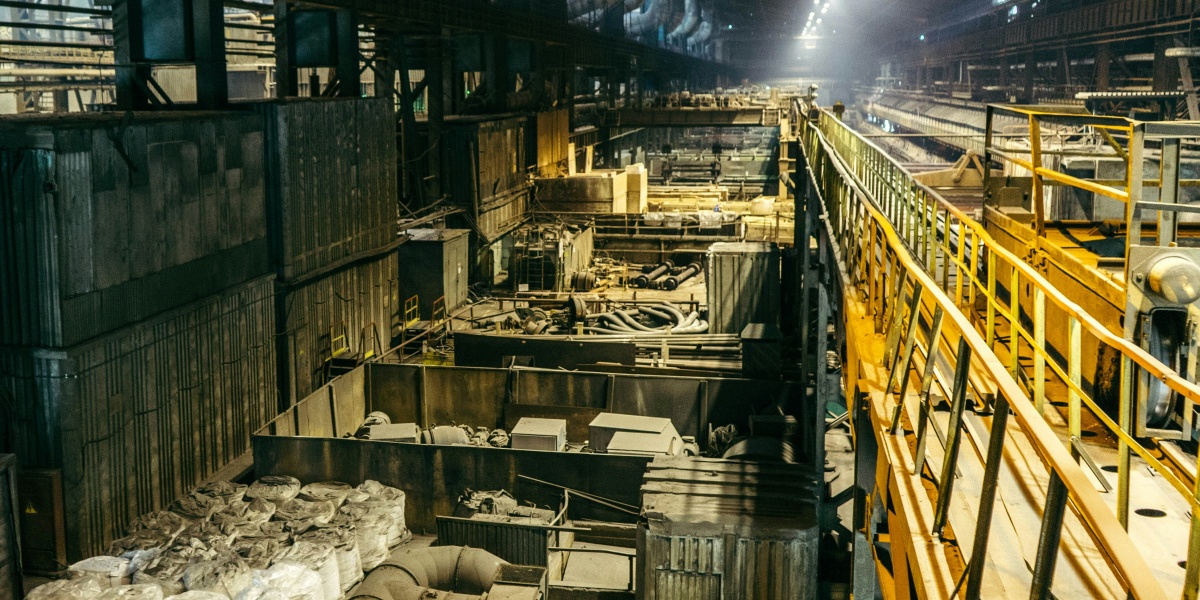
This was the first major single-supplier aluminum disruption at this scale in modern North American auto production. Novelis controlled the supply for Ford’s largest profit center. That concentration risk now rivals geopolitical exposure. Twenty percent of U.S. aluminum imports come from the Gulf region, where Middle East tensions could trigger a second supply shock. Automakers across the industry are reassessing single-supplier dependencies. The Novelis fire established a new precedent: supply chain resilience is no longer a logistics concern. It is a strategic survival question with billion-dollar consequences.
Who Wins and Who Pays
Ford wins if gas truck demand holds. The F-Series has been America’s best-selling truck for 49 consecutive years. That bet has history behind it. Michigan and Kentucky gain 1,000 manufacturing jobs. Novelis rebuilds with an estimated $255 million facility investment. But Lightning customers face indefinite limbo. EV suppliers lose their biggest domestic order book. And Chinese automakers producing affordable EVs at scale now face zero competition from Ford until at least 2027, when its universal EV platform launches from Louisville. Ford surrendered the timing advantage willingly.
The Cascade Keeps Moving
Ford described the move as “a customer-driven shift to create a stronger, more resilient and more profitable Ford.” Stronger and more profitable, sure. Customer-driven is doing heavy lifting when the real drivers were a plant fire, a killed subsidy, and margin math that never worked for EVs. The aluminum shortage persists through at least mid-2026. Competitors are splitting into two incompatible bets: Ford on gas, GM on electric. One of them is wrong. The industry that promised a unified electric future now can’t agree on what to build next.
Sources:
“Ford to Boost F-150, Super Duty Production, Add Up to 1,000 Jobs.” Ford Motor Company — The Road, 22 Oct. 2025.
“Ford Faces Up to $2B Quarterly Hit from Novelis Plant Fire.” WardsAuto, 22 Oct. 2025.
“Ford Sales Rose 6% in 2025 on Torrid Truck, Hybrid Demand.” Ford Motor Company — The Road, 6 Jan. 2026.
“Ford F-Series Assembly Plants Will Skip Summer Shutdown.” Ford Authority, 30 Mar. 2026.