$111 Oil Forces EPA To Dilute America’s Gas Supply—98% Of Gas Stations Can’t Even Sell It
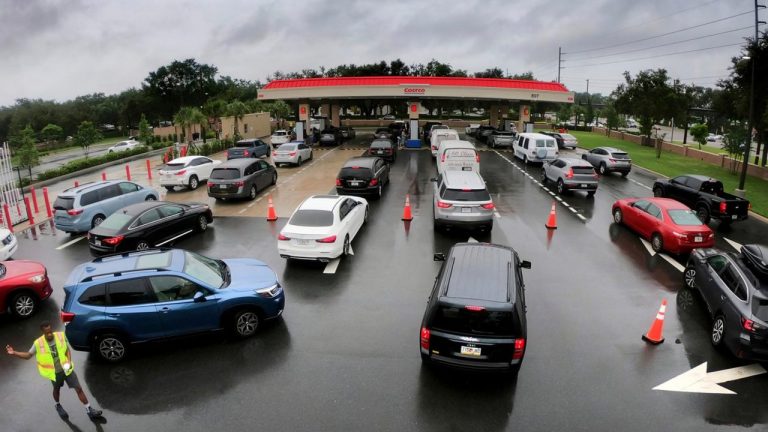
Crude oil soared to $111.10 a barrel on March 30, 2026. In just a month, gas prices climbed by a dollar per gallon, reaching a national average of $3.98 by March 26. The Iran conflict and closure of the Strait of Hormuz cut off about 20% of the world’s oil supply. Washington scrambled for answers.
At CERAWeek in Houston on March 25, EPA Administrator Lee Zeldin stepped up to the podium with an emergency fuel waiver announcement. The fix sounded simple. The numbers painted a much more complicated picture beneath the surface.
A Dollar a Gallon in Thirty Days
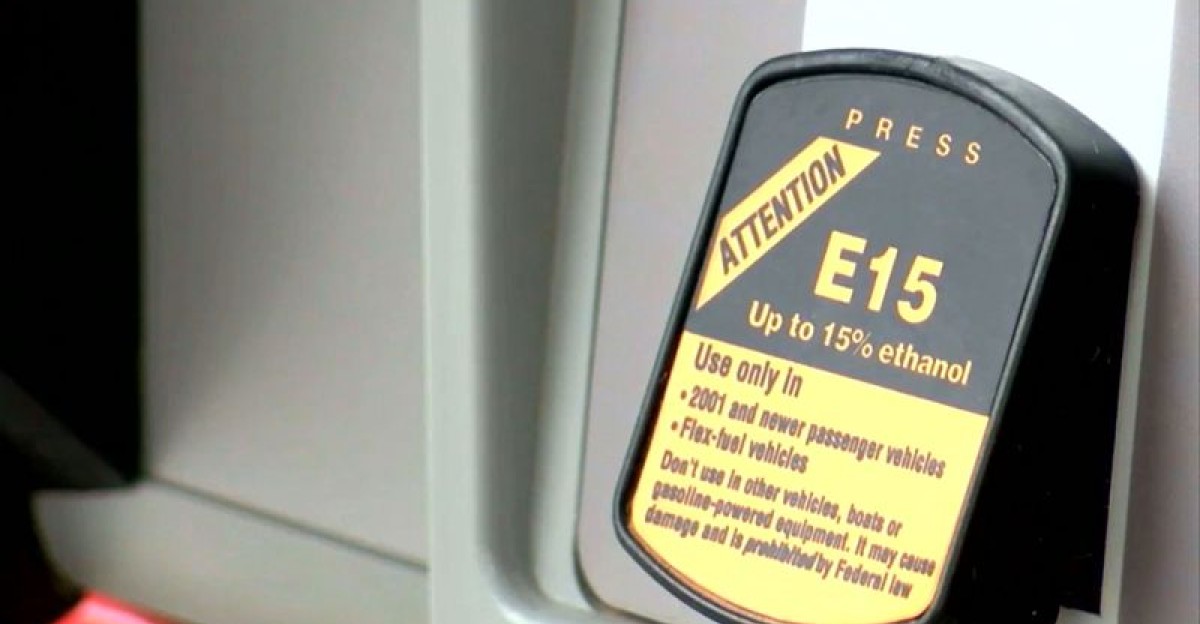
The price spike arrived quickly. The Dallas Federal Reserve’s Q1 2026 executive survey showed WTI forecasts among respondents as high as $135 per barrel by year-end, though the average expectation was $74. The $3.98 national average marked the sharpest one-month jump in gas prices since 2022. Zeldin’s waiver allowed gas stations across the country to sell E15, which is gasoline mixed with 15% ethanol instead of the usual 10%.
The window for this emergency measure was just twenty days, from May 1 through May 20, which is the maximum period allowed by the Clean Air Act. The intended benefit was to reduce prices by 10 to 30 cents per gallon. Many drivers searched for relief at the pump.
The Fuel That’s Been Approved for 16 Years

Many assume that if something is “approved,” it is also widely available. E15 received EPA approval by 2011. Vehicles from model year 2001 or later, which make up about 95% of those on the road, can use it safely. Drivers have logged more than 205 billion miles on E15 in approved vehicles, with no documented safety issues.
Sixteen years after approval, E15 still requires special permission every summer, treated as a risky experiment. Congress granted E10 a permanent vapor pressure waiver in 1990. E15 has not received the same treatment. That gap shapes the current situation.
Three Thousand Stations Out of 150,000
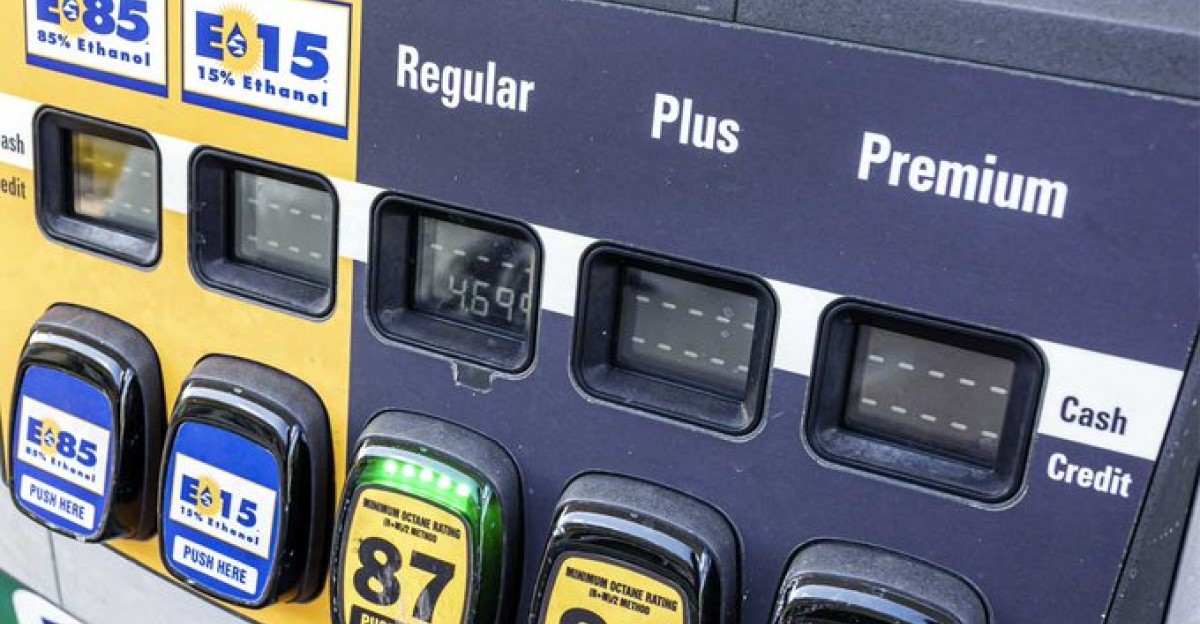
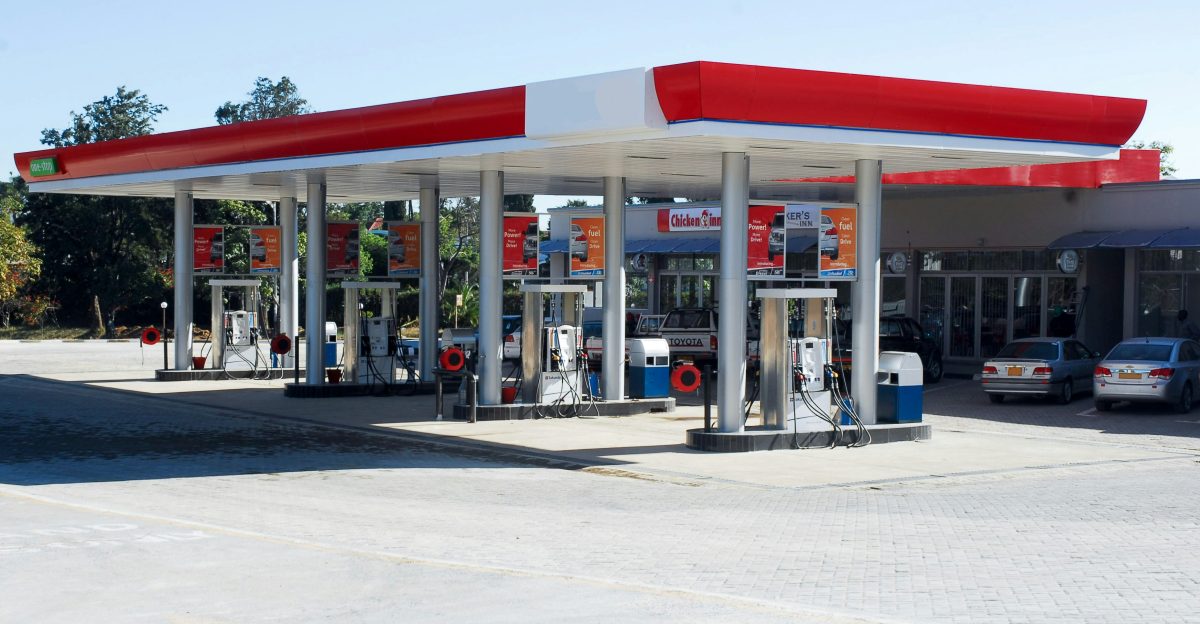
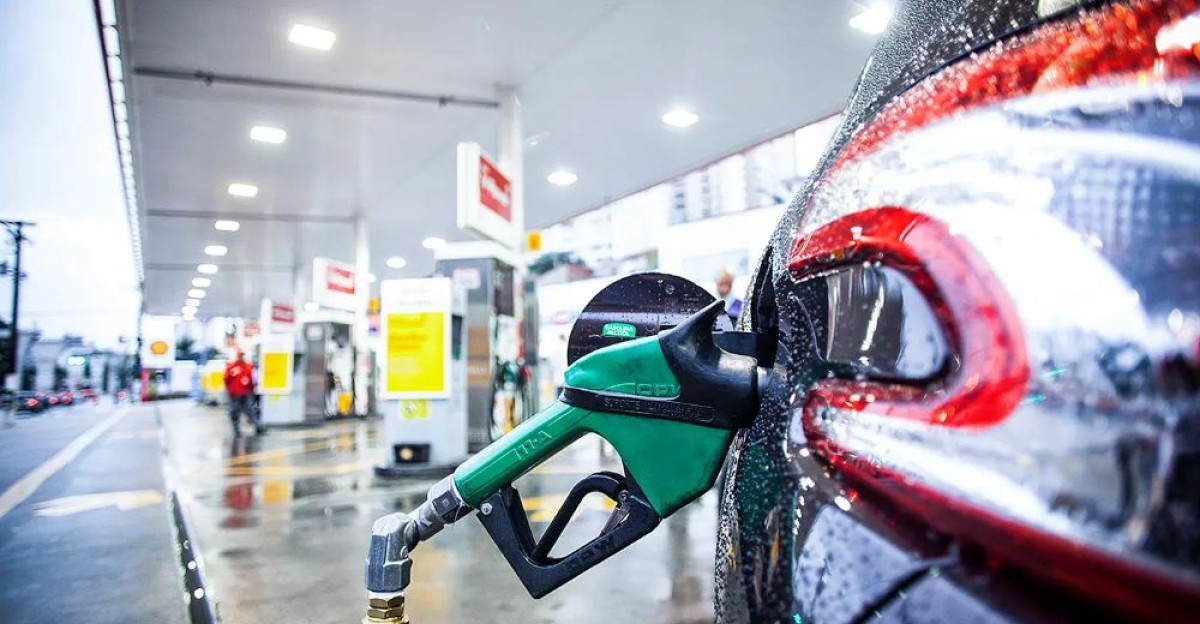
Zeldin called the waiver “relief at the pump.” Only about 3,000 gas stations nationwide are equipped to sell E15, out of roughly 150,000 stations. This represents just 2% of the market. The other 98% lack the necessary blender pumps and compatible underground tanks.
A modest upgrade costs more than $100,000 per station, while full replacement can exceed $1 million. The waiver provides permission but does not fund infrastructure changes. For nearly all American drivers, this 20-day emergency measure has no practical effect at the gas station.
The Savings That Evaporate Per Mil
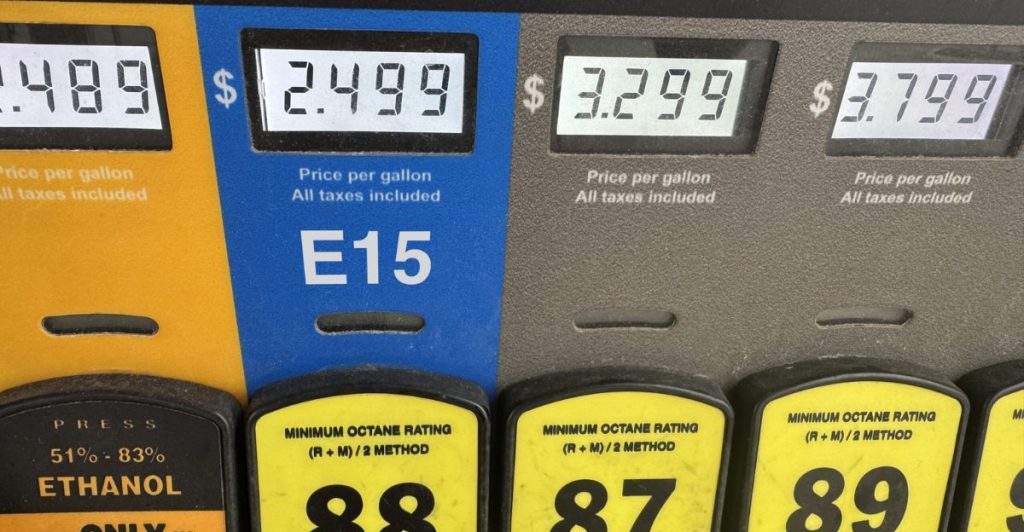
E15 costs less per gallon because it contains more ethanol. Ethanol has about 33% less energy than gasoline. As a result, fuel economy drops by 1.5 to 2%, according to EPA data. Drivers may save 20 cents per gallon at the pump, but will use more fuel to travel the same distance.
As University of Minnesota professor Jason Hill put it: “I think it’s difficult to see when the ledger’s settled, how this is a benefit for U.S. consumers.” The price per gallon does not reflect the true cost per mile.
The Corn Demand Nobody Mentions

If E15 were adopted nationwide, America would require 2.4 billion more bushels of corn each year. This places additional demand on the same supply that feeds livestock and stocks grocery shelves. Independent economists warn that this extra strain could drive up feed costs, which can result in higher grocery prices for families with limited budgets.
Ethanol producers and corn farmers benefit, while livestock operations face compressed margins. The waiver shifts costs from one group to another, and the overall economic balance remains unresolved.
Five Summers of Emergency Waivers
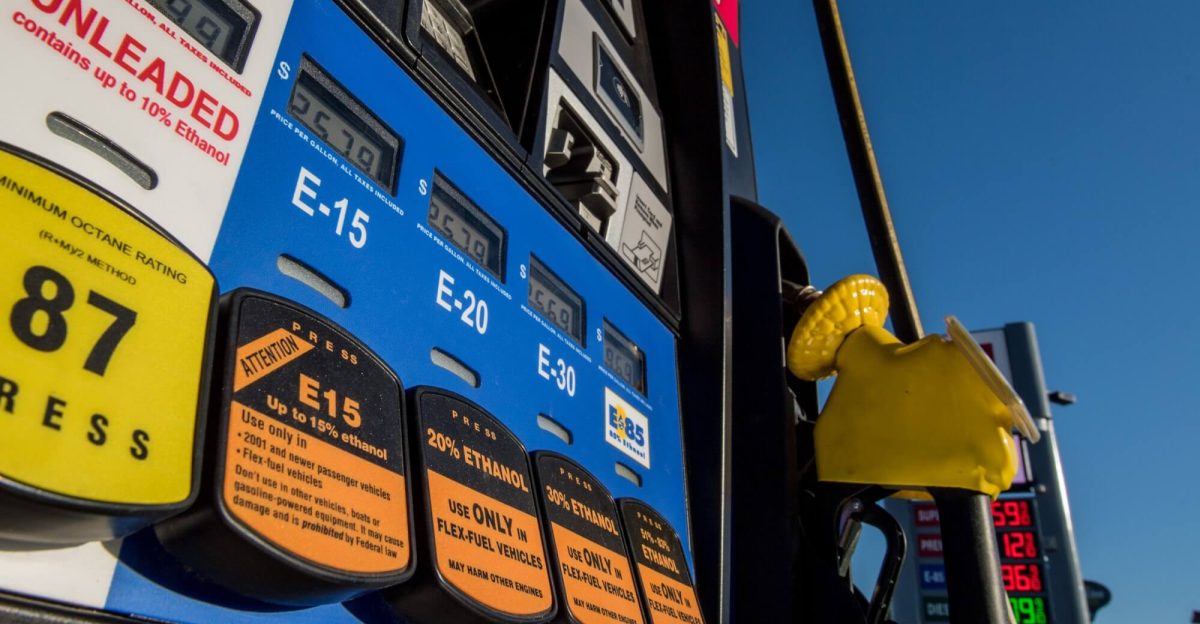
This marks the fifth consecutive year that the EPA has issued an emergency E15 waiver, with one for every summer since 2022. Five summers, five crises, five temporary fixes. In 2019, the EPA attempted to grant E15 the same permanent vapor pressure waiver as E10, but in 2021, courts ruled that only Congress had that authority. Congress has not acted.
Each summer, the agency responds to supply disruptions by declaring an emergency and extending the waiver for another 20 days. This approach resembles patching up a car with temporary repairs instead of addressing the underlying problem.
The Permanent Emergency
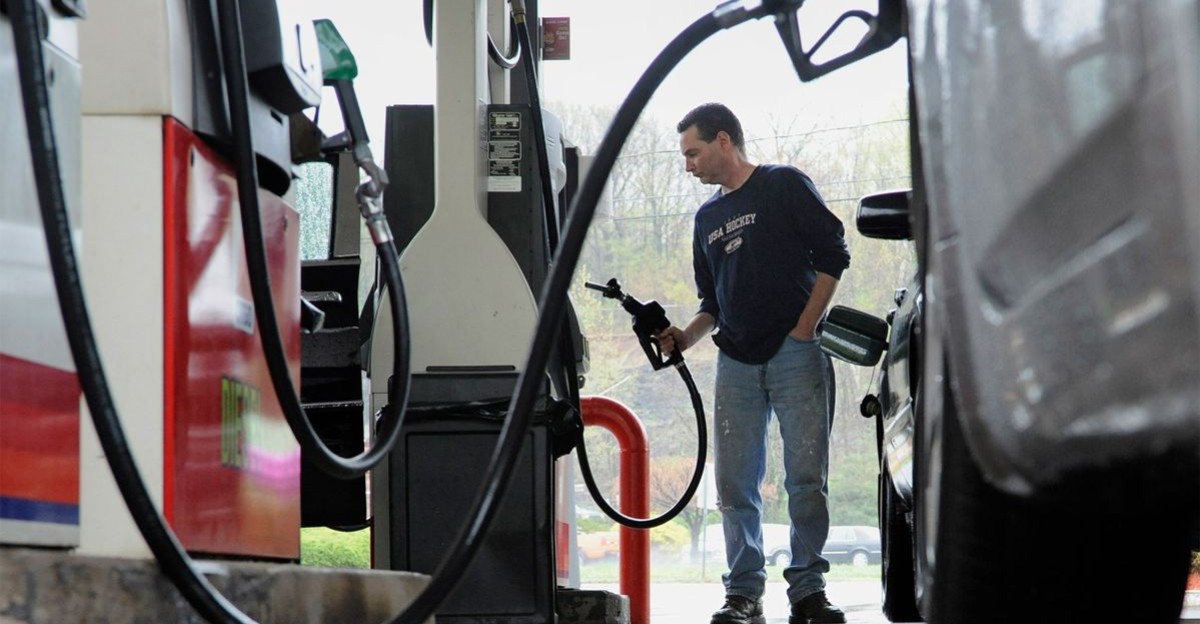
The current regulatory structure creates a persistent pattern. The EPA and Congress share authority over fuel regulations, but neither can resolve this issue independently. The EPA can approve fuel, but cannot authorize summer sales. Congress could provide a permanent solution by voting, but has not acted.
As a result, sixteen years of gridlock have left emergency waivers as the only route for E15 access during major events such as wars or hurricanes. Each occurrence produces the same temporary fix. The emergency waiver has effectively become the system.
May 21 and the Cliff Ahead
The waiver expires May 20. If the Iran conflict continues, the EPA may issue additional 20-day extensions. Such repetition normalizes the emergency process and reduces pressure for permanent legislation. Refiners must manage two sets of fuel, which complicates supply chains each time the rules change. Environmental groups might challenge the waiver, arguing it violates the Clean Air Act.
Meanwhile, the EPA has suspended its own summer smog rules to address an overseas crisis. This precedent, in which an environmental agency pauses environmental protections for geopolitical reasons, could have consequences far beyond ethanol.
What Most People Will Never Figure Out
The E15 waiver does not function as a fuel policy. It represents a snapshot of a broken regulatory system. E15 has been approved for 16 years and proven safe over 205 billion miles of driving, yet it is available at only about 2% of gas stations. The per-gallon price is lower, but actual costs per mile can be higher, and reliance on corn may raise grocery prices. The EPA suspended environmental rules to enable the waiver.
Congress could provide a permanent solution, and there is bipartisan support, but no vote has been scheduled. The system remains in a cycle of crisis response and temporary waivers, with no permanent change to national fuel supply policy.
Sources:
U.S. Environmental Protection Agency Newsroom — EPA Fortifies Domestic Fuel Supply, Provides Americans with Relief at the Pump by Approving Nationwide E15 Use — March 25, 2026
AAA Gas Prices — National Gas Average Jumps One Dollar in One Month — March 26, 2026
Fortune — Current Price of Oil as of March 30, 2026 — March 30, 2026
U.S. Energy Information Administration — Amid Regional Conflict, the Strait of Hormuz Remains a Critical Oil Chokepoint — March 30, 2026
Federal Reserve Bank of Dallas — Oil and Gas Activity Rises Amid Elevated Uncertainty (Q1 2026 Energy Survey) — March 25, 2026
DTN Progressive Farmer — EPA Gives 5th Straight E15 Fuel Waiver — March 25, 2026