Iran Conflict Guts U.S. Fishing Industry From The Inside—Drivers and Boat Captains Squeezed
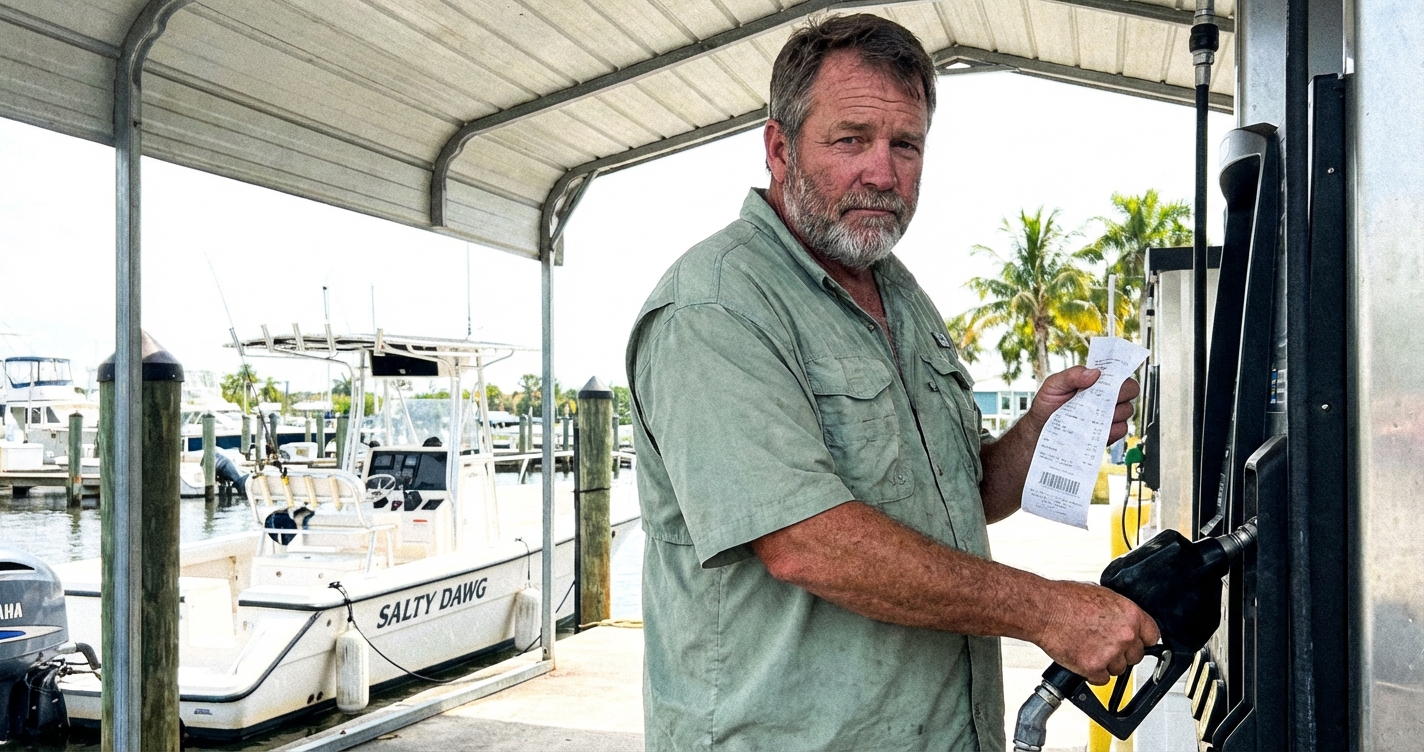
The Strait of Hormuz was effectively closed starting March 2, 2026, after the Feb. 28, 2026, Iran conflict began, and 20% of the world’s daily crude supply vanished overnight. Brent crude surged to as high as $120 per barrel. By March 30, oil sat at $111.10, up $37.69 year-over-year. Charter fishing captains in Florida, Virginia, and across the Gulf Coast absorbed the hit first. Rob Jones of Pelican Bay Charters watched his three-boat operation burn through $500 to $600 in fuel on a single day. That number used to be manageable.
Why Boat Captains Can’t Fight Back

Marine fuel jumped $1 to $1.50 per gallon above the typical $3 to $5 range. Charter operators run on 20% to 40% profit margins in a good season. The math collapses fast: a 20% to 43% fuel cost spike lands directly on margins because fish prices are commodity-set. Captains cannot raise what they charge for the catch. They can only raise trip prices, and customers shop by destination, not loyalty. That pricing lock is the structural trap. The fuel shock exposed it. The insurance market made it worse.
Your Summer Fishing Trip Just Got Expensive
Jones’s largest boat burns roughly 20 gallons on a 90-minute tour. At current prices, that single run costs $80 to $120 in fuel alone, up from $60 to $100 before the conflict. Multiply that across three boats running daily, and the fuel cost increase is significant across the fleet. Tourists booking summer charters may face significant rate hikes or outright trip cancellations. Fish market operators are already receiving $20-per-delivery fuel surcharges from fishing companies. The squeeze reached the consumer in weeks, not months.
The Industry Scrambles to Survive
Freedom Electric Marine, a North Carolina watercraft maker, filed Chapter 11 bankruptcy in November 2025 with liabilities of $500,000 to $1 million and assets of just $50,000 to $100,000. That was before the Hormuz closure. Now the pressure is industry-wide. Older, smaller vessels face decommissioning first. Larger consolidated operators absorb distressed assets while independents bleed cash. The global yacht charter market, valued at $9 to $10 billion, faces growth deceleration as operating costs spike. This stopped being a local Florida problem the moment oil crossed $100.
Ireland’s Fleet Shows America’s Future
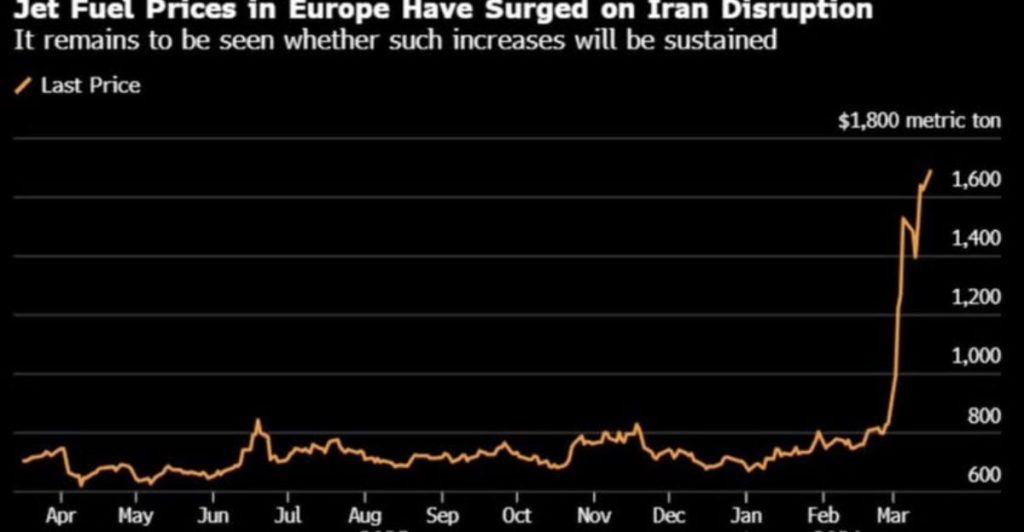
One-third of Ireland’s 180-vessel offshore fleet faces forced shutdown within two to three weeks without fuel subsidies. That collapse threatens 3,650 fish processing jobs onshore. EU fuel prices surged 70% within days, peaking at €1.3 per liter. Nova Scotia diesel climbed 24.6% in three and a half months. Skipjack tuna fleets worldwide are buckling under the same marine fuel pressure. One conflict. Three continents of fishing operations are in crisis. And the connection between all of them traces back to the same structural failure nobody wants to name.
The Hidden Dependency That Connects Everything
Fifty-four percent of high-seas fishing fleets are unprofitable without government fuel subsidies. Thirty-five billion dollars flows annually to keep the global fishing industry afloat. The Iran conflict didn’t sink vessels. It exposed an industry built on government support pretending to be an independent enterprise. Fuel spikes beyond subsidy thresholds, and the math breaks everywhere at once. Florida charter docks. Irish processing plants. Pacific tuna fleets. Same mechanism. Same collapse. The subsidy architecture was never designed for $111-per-barrel oil, and now every operator discovers that competence cannot overcome structure.
‘We May Have to Make Some Price Adjustments’
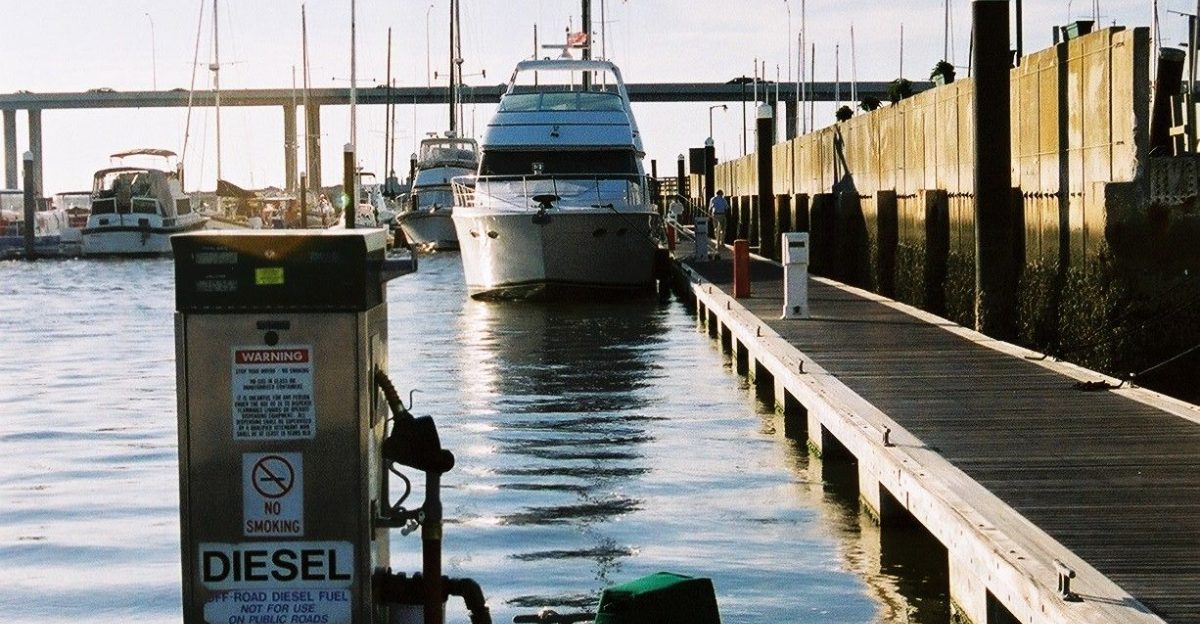
“When we get into the summer months where we’re just kind of steady, you know, we may have, if the prices stay the same, we’ll have to make some price adjustments for sure,” Jones said. Spring tourism keeps boats full. Summer volume drops 40% to 50%. Fixed fuel costs stay. Revenue halves. Rate increases drive away the remaining bookings. A fish market operator put it more bluntly: “Our real fear is that these fishermen are just going to stay at the dock.”
Insurance Vanished Overnight
Hull war insurance for Gulf-bound vessels surged dramatically, with premiums jumping from 0.25% to 1% of ship value—a fourfold increase. After the fighting broke out, all 12 members of the International Group of P&I Clubs served 72-hour cancellation notices for war risk policies to reassess and reinstate cover at adjusted terms, according to the International Union of Marine Insurance. David Smith, head of marine at McGill, warned that for a vessel seeking to transit the Strait of Hormuz, “I think there is a possibility that you would struggle to find… underwriters looking to write that,” and that currently “no one is buying” Hormuz-related policies. The highest marine conflict risk premium since the 2021 Suez Canal disruption. The bottleneck stopped being fuel cost. It became market access. Vessels that can afford diesel still cannot get insured to operate.
Winners, Losers, and the Subsidy Fight Ahead
Large consolidated operators win. They acquire distressed fleets at pennies on the dollar while independents fold. Coastal tourism towns lose: hotels, restaurants, and marinas dependent on charter fishing as an anchor attraction face revenue decline. Seafood consumers lose: grocery fish prices climb as supply tightens from fleet shutdowns. The political fight over fishing fuel subsidies becomes unavoidable once 54% industry subsidy dependence enters public debate. Ireland already demanded emergency government intervention. John Lynch of the Irish South and East Fish Producers Organization warned: “The industry urgently needs help or it is just going to have to stop fishing.”
The Cascade Isn’t Finished
If the Iran conflict remains unresolved, oil stays above $100. Fleet retirements accelerate. A 25% capacity reduction tightens fish supply globally and spikes retail seafood prices 20% to 30%. State governments in Florida, Virginia, and the Carolinas face pressure to announce fuel assistance packages. The insurance market develops geopolitical risk pools, or maritime operations in chokepoint waters become permanently uninsurable. Rob Jones is profitable today. Summer is six to eight weeks away. The largest oil supply disruption since the 1973 OPEC embargo just rewrote the rules for every boat captain in America, and the rewrite isn’t done.
Sources:
“‘Day by Day’: Florida Charter Boat Company Warns of Price Hikes Due to Rising Fuel Costs.” CBS12 / WINK News, 14 Mar. 2026.
“Current Price of Oil as of March 30, 2026.” Fortune, 30 Mar. 2026.
“Marine War Insurance for Hormuz Dries Up as Middle East War Intensifies.” S&P Global Market Intelligence, 2 Mar. 2026.
“NIFA Warns Inshore Fisheries Face Collapse Amid Fuel Crisis.” The Fishing Daily, 31 Mar. 2026.