Tesla’s ‘No Fallback’ Cybercab Uses System That Crashes 4X Worse Than Humans—NHTSA Now Probing 3.2 Million Vehicles
In Austin, a Model Y, its wheel untouched by human hands, slowly rolled into a city bus. The car was not moving. The bus was clearly visible. The autonomous system was engaged. This crash was not an isolated fluke. It joined 13 other incidents logged by Tesla’s Robotaxi fleet over about 800,000 miles since June 2025.
That is one crash for every 57,000 miles. For human drivers, insurers expect only one every 229,000 miles. Tesla’s track record is four times worse. The company plans to take away the steering wheel entirely.
The Fleet Nobody Talks About
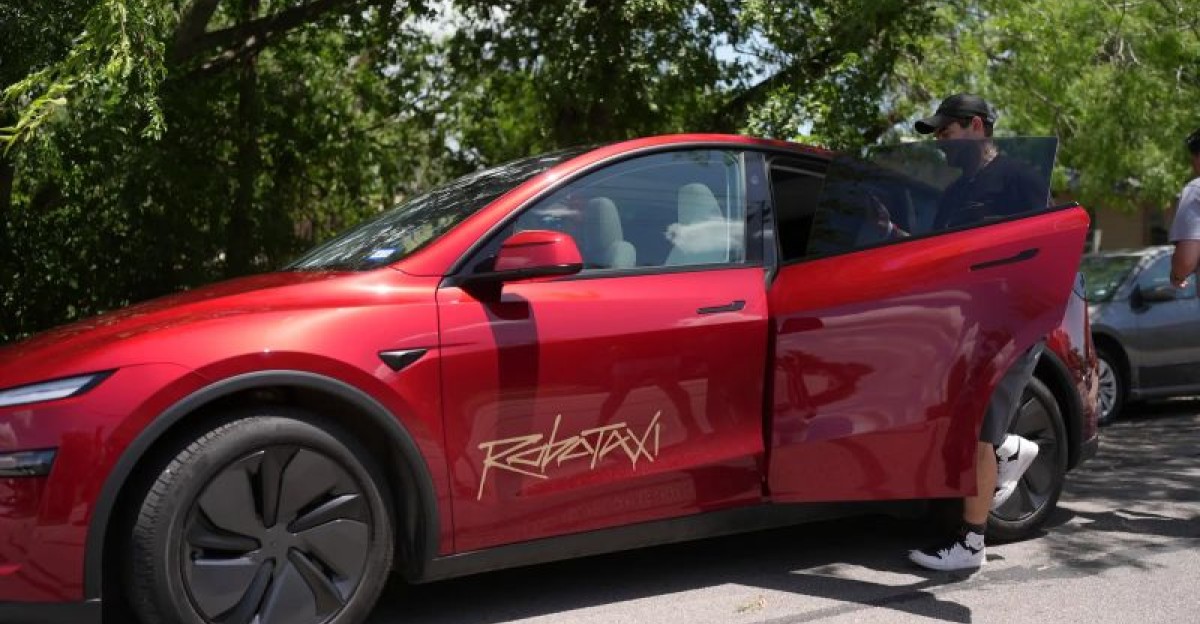
Tesla’s Austin Robotaxi fleet operates about 42 cars. On any given day, fewer than one in five are out on the road. In ten months of commercial service, the fleet filed five new crash reports in January 2026, covering mishaps from December and January.
These are slow-speed crashes: hitting stationary objects at 17 mph, backing into things at very low speeds. These are parking lot failures, not highway-speed incidents. The system is marketed as the future of transportation. Federal safety regulators have started to take notice.
The Injury Tesla Hid for Five Months
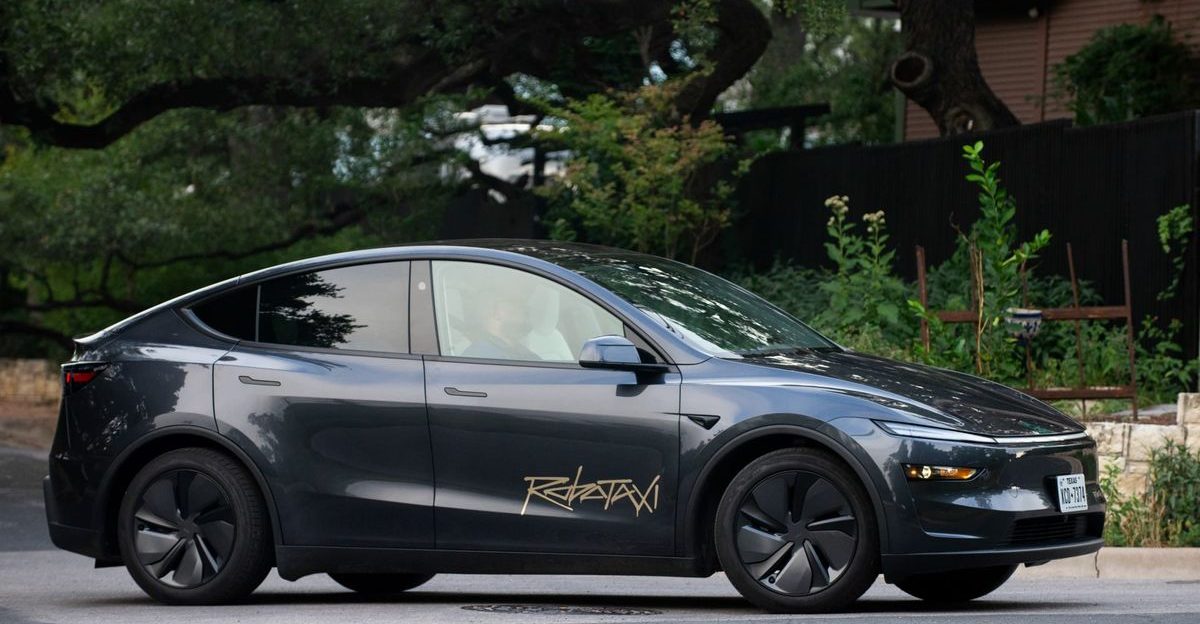
A crash in July 2025 was initially classified by Tesla as “property damage.” Five months later, in December, records changed to include hospitalization. Tesla kept that detail undisclosed. Every Robotaxi crash report sent to regulators is redacted as “confidential business information.” No other autonomous vehicle company follows this approach to the same extent.
This pattern reflects legal maneuvering designed to manage liability through red tape. During this period, Tesla announced the Cybercab.
Musk’s Own Words Spring the Trap
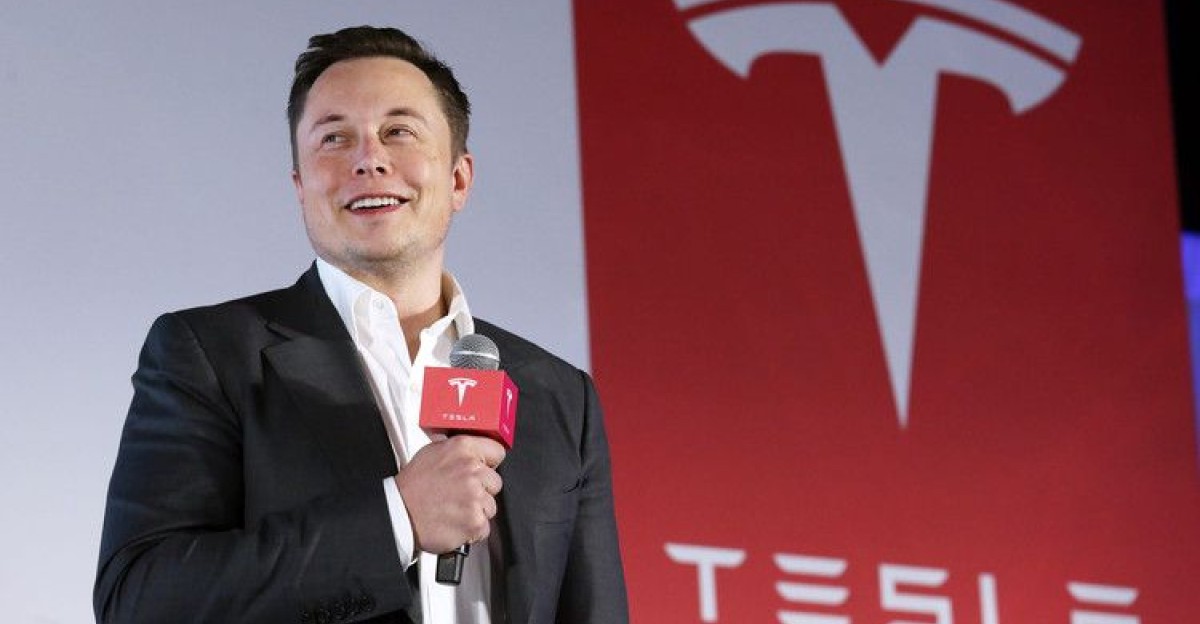
Elon Musk described the Cybercab: “There’s no fallback mechanism. This car either drives itself, or it does not drive.” The vehicle has no steering wheel, no pedals, and no manual override. In paperwork to California regulators, Tesla confirms the current Robotaxi service requires a trained human driver in every car and support from remote operators.
The present system, operating at Level 2, depends on human involvement. The vehicle launching in April 2026 eliminates this role. This represents a major disconnect in recent automotive history.
The Hidden System Behind the Launch
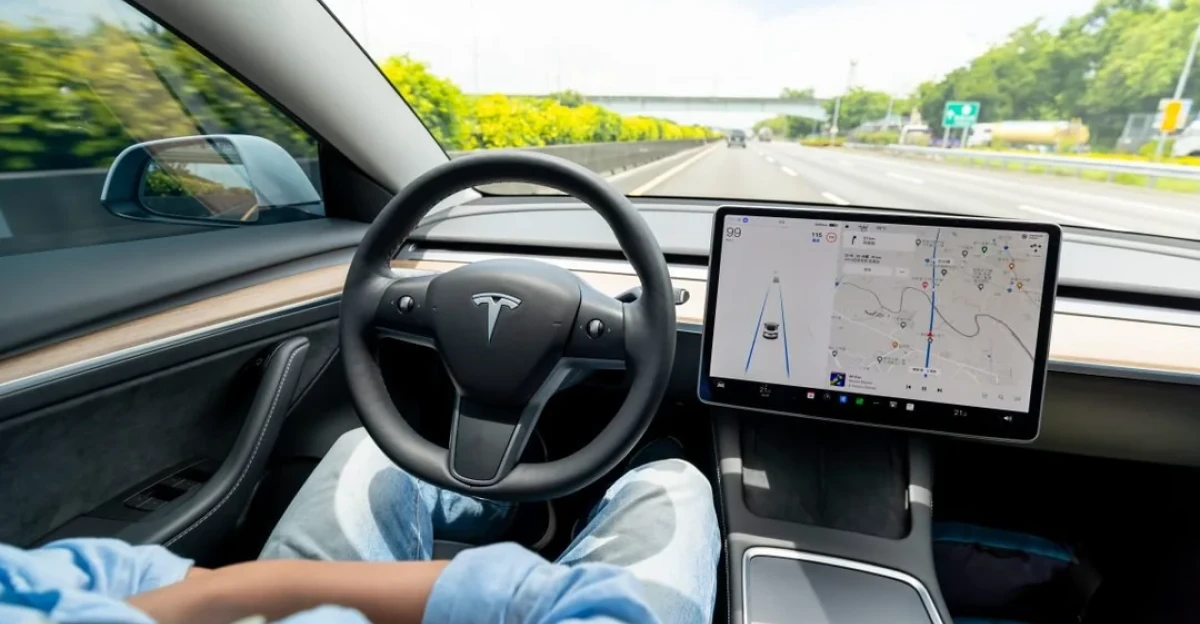
Tesla has logged over 8 billion miles with its supervised Full Self-Driving system, more than any competitor. Despite this mileage, the crash rate remains four times higher than that of human drivers. The challenge is not a lack of data.
The system displays brittleness in ordinary conditions: sudden phantom braking, hesitation at red lights, driving over curbs, or speeding through 30 mph zones at 37. The technology falls short on everyday tasks. Cybercab uses this same system as its foundation.
The Numbers That Killed the Myth
After nine crashes where Tesla’s Full Self-Driving system failed to warn drivers in poor visibility, including fog, sun glare, and dust, NHTSA expanded its investigation. The case moved to an engineering analysis, one step from a potential recall of 3.2 million Tesla vehicles.
In August 2025, a Miami jury awarded more than $240 million to crash victims in the first successful jury verdict against Tesla in a fatal Autopilot case. This was not a settlement. A jury reviewed the evidence and assigned responsibility to Tesla. Tesla announced plans to appeal.
Who Gets Hurt Next
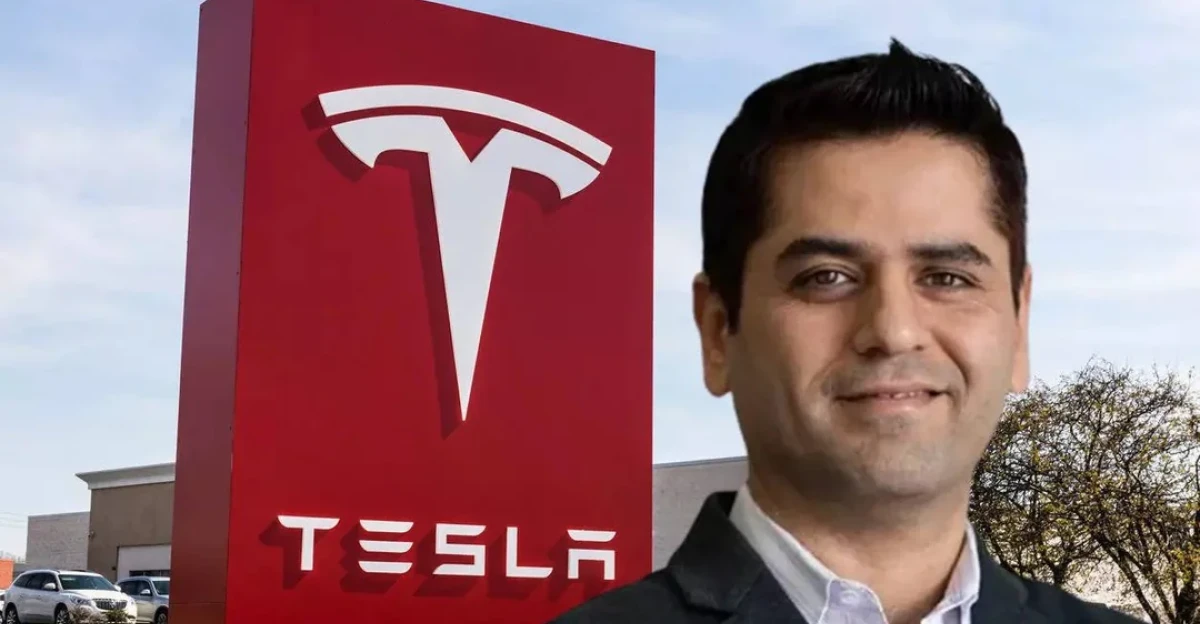
Shareholders filed suit alleging Elon Musk and Tesla CFO Vaibhav Taneja made “materially false and misleading statements” about robotaxi readiness, overstating autonomous driving effectiveness and downplaying operational risks. The current crash rate has prompted some insurance companies to consider restricting Cybercab coverage, potentially forcing Tesla to self-insure. If NHTSA issues a formal recall notice before quarterly earnings, the impact on valuation could be large.
The $240 million Miami verdict opened the door to further legal exposure, which had previously been limited by confidential settlements.
The Precedent Nobody Saw Coming
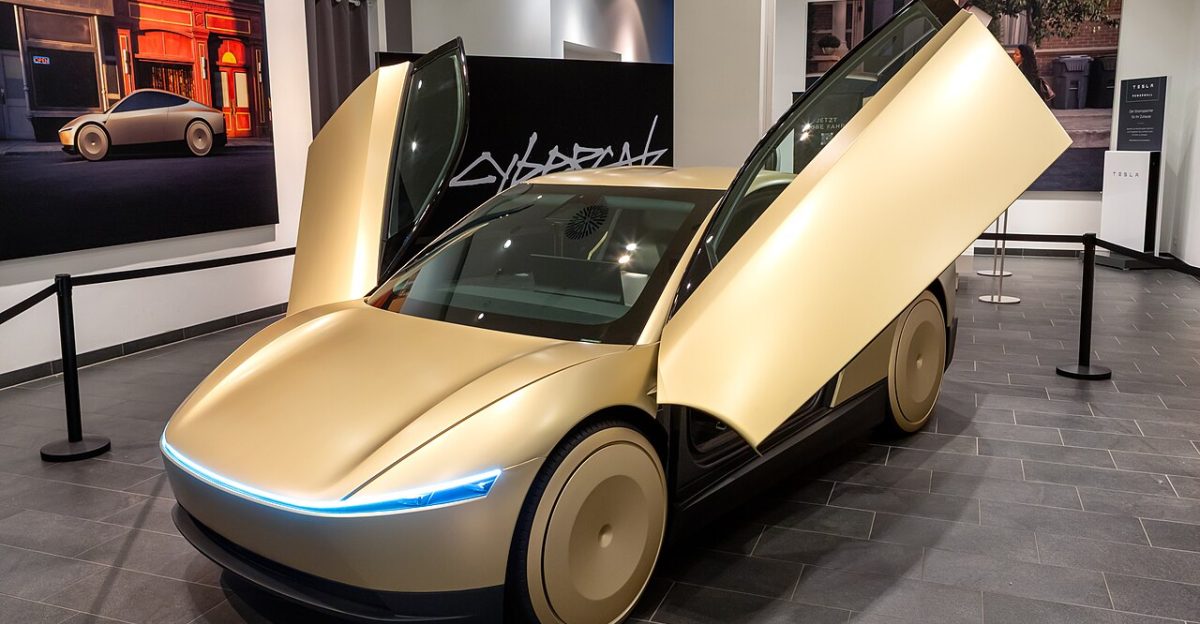
If Tesla launches Cybercab while NHTSA continues to investigate the Full Self-Driving software, a new regulatory precedent emerges. Companies could deploy higher-liability, driverless vehicles without manual controls, even as core technology faces active review. Tesla built its first production Cybercab unit in February 2026, six weeks ahead of the April target. Manufacturing is advancing ahead of legal validation.
Tesla is betting that regulatory approval will arrive before safety liability becomes a barrier. This is regulatory arbitrage, not an engineering breakthrough.
The Dominoes Still Falling
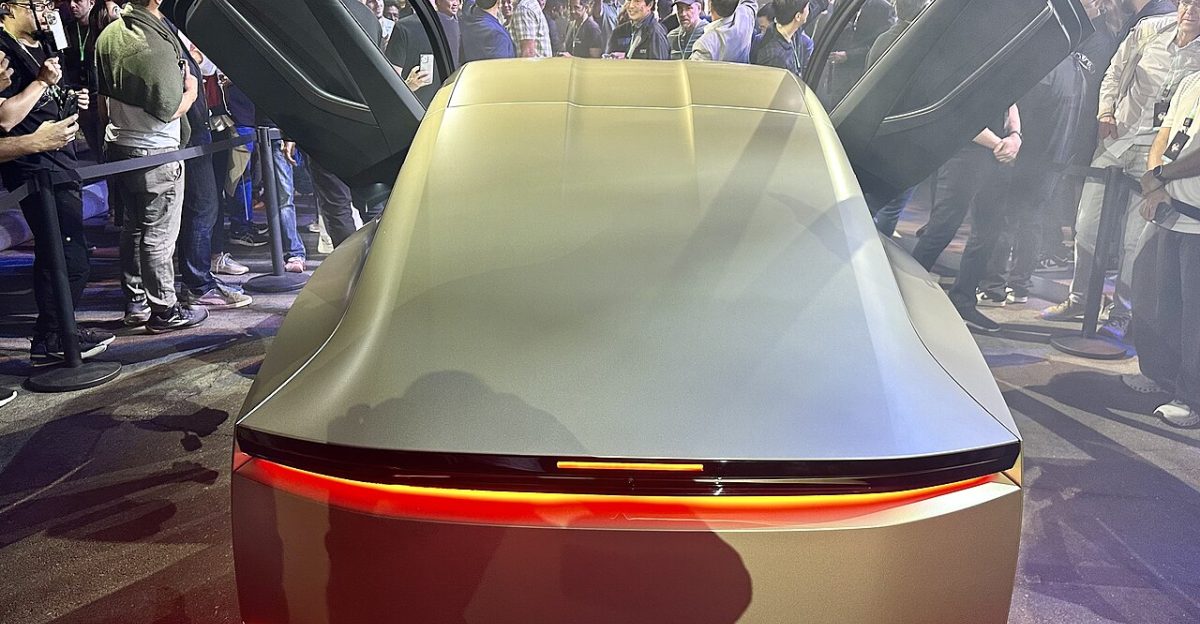
NHTSA’s engineering analysis could conclude by end of Q2 2026, during the Cybercab production ramp. State regulators in California, Texas, and New York could impose stricter conditions than any federal exemption. Shareholder lawsuit discovery could surface internal emails revealing gaps between public autonomy promises and engineering assessments.
Each new Autopilot verdict following Miami’s more than $240 million precedent signals plaintiff attorneys that juries will hold Tesla liable. The legal exposure compounds with every mile driven and every crash redacted.
The Bet That Cannot Be Unwound
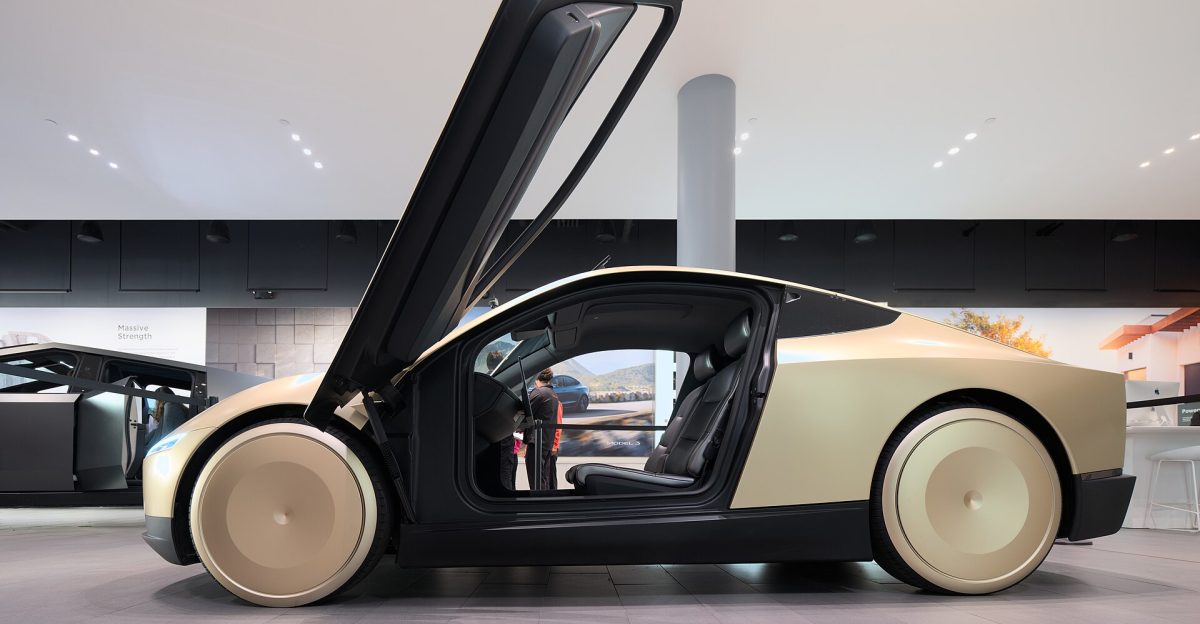
Tesla has not applied for the NHTSA exemption required to sell a vehicle without steering wheel or pedals. The Cybercab trademark remains contested. A French beverage company, UNIBEV, has until late April 2026 to respond to Tesla’s opposition filing. Tesla may not legally own the name when mass production begins.
The “driverless” Robotaxi still requires human drivers. The car without a steering wheel operates on a system that continues to underperform compared to a human behind the wheel.
Sources:
Electrek | Tesla ‘Robotaxi’ adds 5 more crashes in Austin in a month, revealing crash rate 4x worse than humans | February 17, 2026
Electrek | Tesla admits it still needs drivers and remote operators, argues it’s better than Waymo | February 19, 2026
CNBC | Tesla must pay $329 million in damages in fatal Autopilot case | August 1, 2025
Insurance Journal | NHTSA Upgrades Probe into 3.2M Teslas Over Self-Driving Crashes | March 19, 2026
Reuters | Tesla, Elon Musk sued by shareholders over Robotaxi claims | August 5, 2025
Teslarati | First Tesla Cybercab rolls off Giga Texas production line | February 17, 2026