Gas Jumps 34% In 30 Days and US Workers Take a Hit—Your ‘Pay Cut’ Commute Costs $15 a Day
The number on the pump climbed like it had somewhere to be. Between late February and the last day of March 2026, the national average for a gallon of regular gasoline surged from $2.98 to around $3.98 to $4.02. That’s roughly a 34% spike in about 30 days. Anybody who drives to work, drives for work, or drives a truck full of someone else’s junk felt it before the headlines caught up. The Strait of Hormuz had closed, disrupting 20% of the world’s seaborne oil trade.
The Rate That Was Already Old
Three months before the crisis, the IRS had announced the 2026 standard mileage rate: 72.5 cents per mile, effective January 1. A 2.5-cent bump from the prior year. At the time, it looked like a modest, responsible adjustment. Gas sat below three dollars. Employers who reimbursed at the federal rate figured they were covered. Chris Willatt, who runs Alpine Maids in Denver, paid his cleaners exactly 72.5 cents per mile. “But with gas prices spiking, that money is not going as far,” he said. The federal number was already a relic.
A War Rewrites the Math
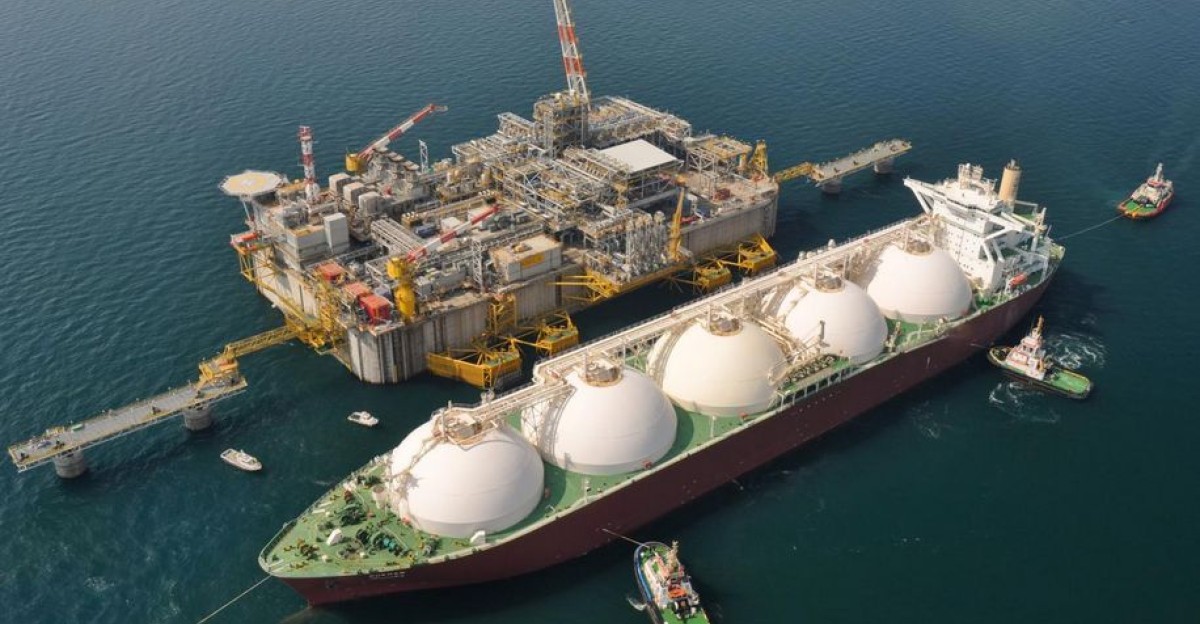
On February 28, 2026, military action against Iran shut down the Strait of Hormuz. Iraq, Kuwait, and other Gulf producers curtailed output. Brent crude surged past $110 a barrel, reaching approximately $117 per barrel by late March. Oil prices surged more than 50% from pre-conflict levels. The IEA responded with the largest emergency reserve release in its history: 400 million barrels, including 172 million from the U.S. Strategic Petroleum Reserve. It barely dented the trajectory. Most Americans assumed some federal mechanism would cushion the blow. That assumption was about to shatter.
Ninety Days From Fix to Failure
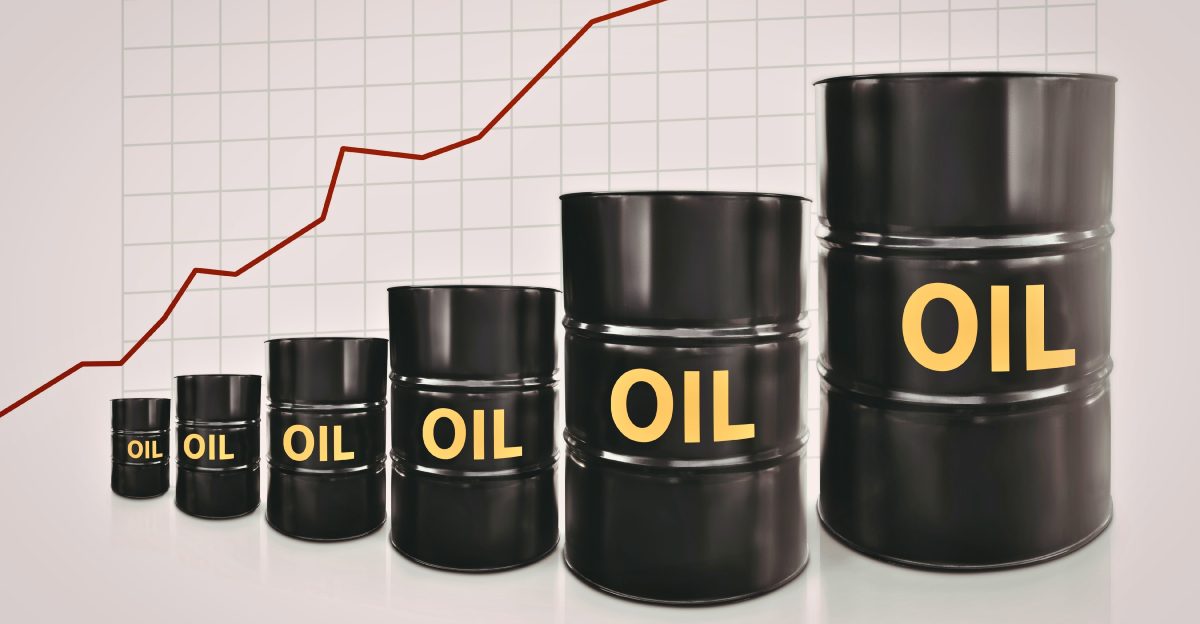
The IRS mileage rate allocates roughly 21% of its value to fuel. At 72.5 cents per mile, that’s about 15 cents earmarked for gas. But at $4 a gallon, a vehicle getting 13 miles per gallon burns roughly 31 cents in fuel per mile. The rate undercompensates by about 16 cents on fuel alone. Ninety days. That’s how long the federal “fix” lasted before a geopolitical shock made it obsolete. The rate reflects last year’s costs. It cannot respond to this year’s war.
The Hidden System Workers Never Signed Up For
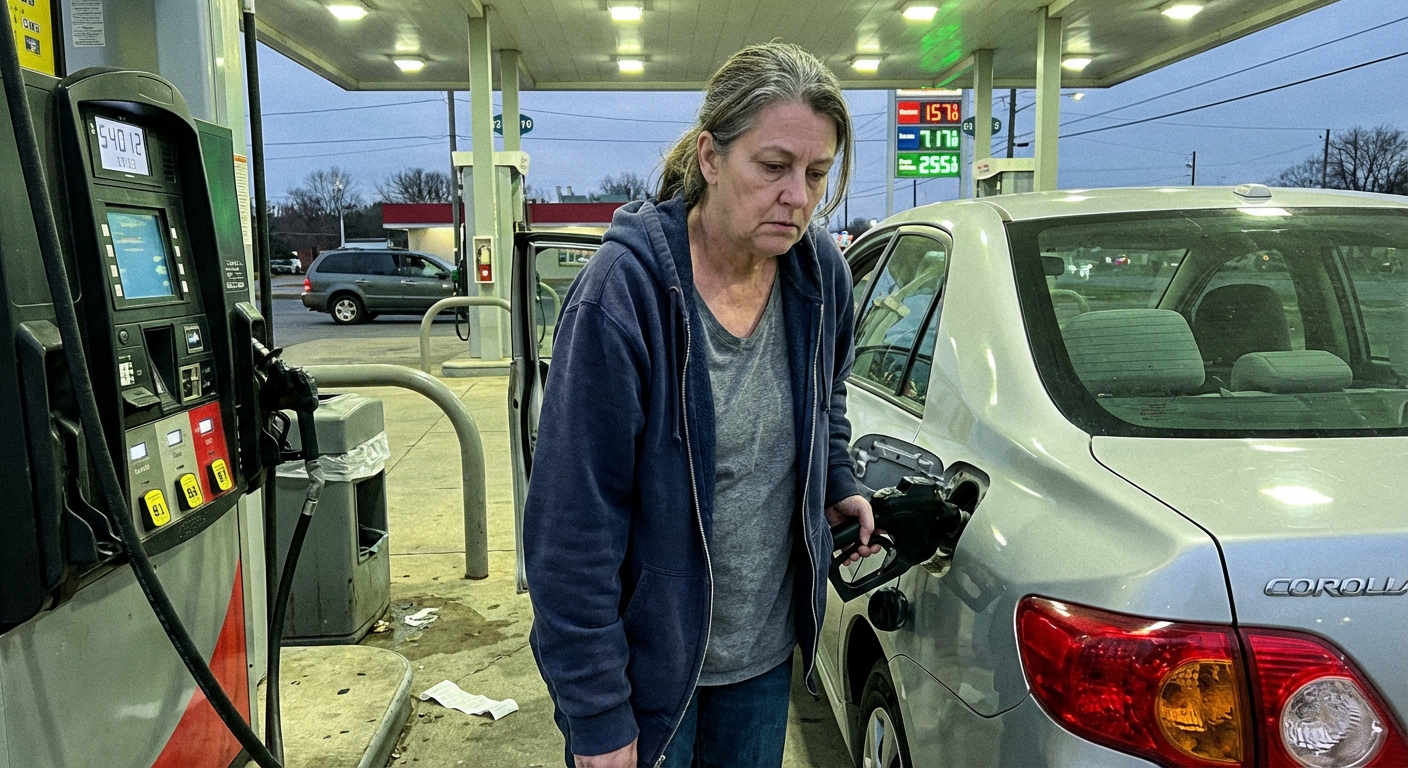
The IRS rate is a tax deduction guideline. Not a mandate. No federal law requires employers to reimburse mileage at all. Only California, Illinois, and Massachusetts require any reimbursement. Forty-seven states offer zero protection. Gig workers, classified as independent contractors, get nothing by law. Uber driver Leslie Sherman-Shafer put it plainly: “We don’t get reimbursed for gas. We rely on the generosity of the tip.” Her fill-ups jumped from $25 to $40 on a Toyota Corolla. Passengers tipped less, not more, despite the crisis.
The $9.4 Billion Monthly Drain
ITEP estimated Americans face an extra $9.4 billion per month in gasoline costs. The South absorbs $4.2 billion of that total, nearly 45%. Alabama residents carry the heaviest per-capita burden: $52 per driving-age person per month. Mississippi follows at $51, Wyoming at $49, and Kentucky at $47. Diesel users got hit even harder. Rachel Hunter, who runs Cactus Crew Junk Removal in Phoenix, watched diesel climb from $3.62 to $6.09 a gallon. That’s a roughly 68% increase on a truck that bleeds fuel by design.
Band-Aids With Expiration Dates
All four major gig platforms rolled out temporary fuel relief programs during March 2026. DoorDash offered $5 to $15 weekly plus 10% cashback, saving up to $1.90 per gallon. Uber offered up to $1 cashback per gallon. Lyft topped out at $0.98. Instacart added $5 weekly mileage payments. Every single program expires between late April and late May 2026. The Dallas Federal Reserve projects the crisis lasting through Q4 2026. Temporary incentives for a months-long crisis. DoorDash driver Sarah Noell already refuses any order under $1 per mile, cutting her accepted deliveries significantly.
The Flaw That Outlasts the Crisis

This is not a gas crisis. It is a compensation crisis wearing a gas crisis as a mask. The 34% spike exposed a permanent structural flaw: millions of Americans bear commodity price risk on personal vehicles with no contractual protection, no automatic escalation clause, and no federal emergency response. Countries including the U.K., the Philippines, and Vietnam adopted or recommended work-from-home measures. The U.S. offered no comparable federal response. Even if oil falls back to $3 a gallon tomorrow, the vulnerability remains. The next shock, geopolitical or otherwise, exploits the identical gap.
A Job Market Already Bleeding
Before the first barrel of oil got expensive, American employers had already cut 92,000 jobs in February 2026. Courier and messenger services shed 17,000 positions. Administrative support lost 19,000. The fuel shock landed on a labor market that was already softening. Consumer discretionary spending will pull back as households prioritize fuel. Delivery coverage in low-density areas will thin as gig workers refuse unprofitable routes. Small operators like Doggy Lama Pet Care, which raised reimbursement to 80 cents per mile, face margin compression that larger platforms can absorb.
Your Commute Is the Cost Nobody Negotiates

Full-time in-office and hybrid workers average a 62-minute daily round-trip commute, spending $15 a day on gas and $9 on parking. WorkWhile COO Jarah Euston framed it clearly: “When gas prices spike, commuting effectively becomes a pay cut.” That cost is invisible in every salary negotiation, every return-to-office mandate, every performance review. Employers treat it as the worker’s private problem. Now multiply it across a workforce absorbing $9.4 billion in monthly fuel costs with no raise in sight. That’s the number your boss never mentions.
Sources:
“Americans Are Now Paying $4 a Gallon for Gas. See the Map.” Business Insider, 31 Mar. 2026.
“IRS Sets 2026 Business Standard Mileage Rate at 72.5 Cents per Mile, Up 2.5 Cents.” Internal Revenue Service Newsroom, 29 Dec. 2025.
“These States Are Most Impacted by the Spike in Gas Prices.” Institute on Taxation and Economic Policy (ITEP), 22 Mar. 2026.
“Uber, Lyft, DoorDash Offer Incentives as Gas Prices Squeeze Drivers.” Business Insider, 26 Mar. 2026.