
Dodge Kills Its Italian-Built ‘Excitement’ SUV After 56% Value Collapse—Just 1,539 Sold Last Quarter
Dodge Pulls the Plug on Its Italian-Built ‘Excitement’ SUV After a 56% Value Collapse. Only 1,539 Sold Last Quarter.
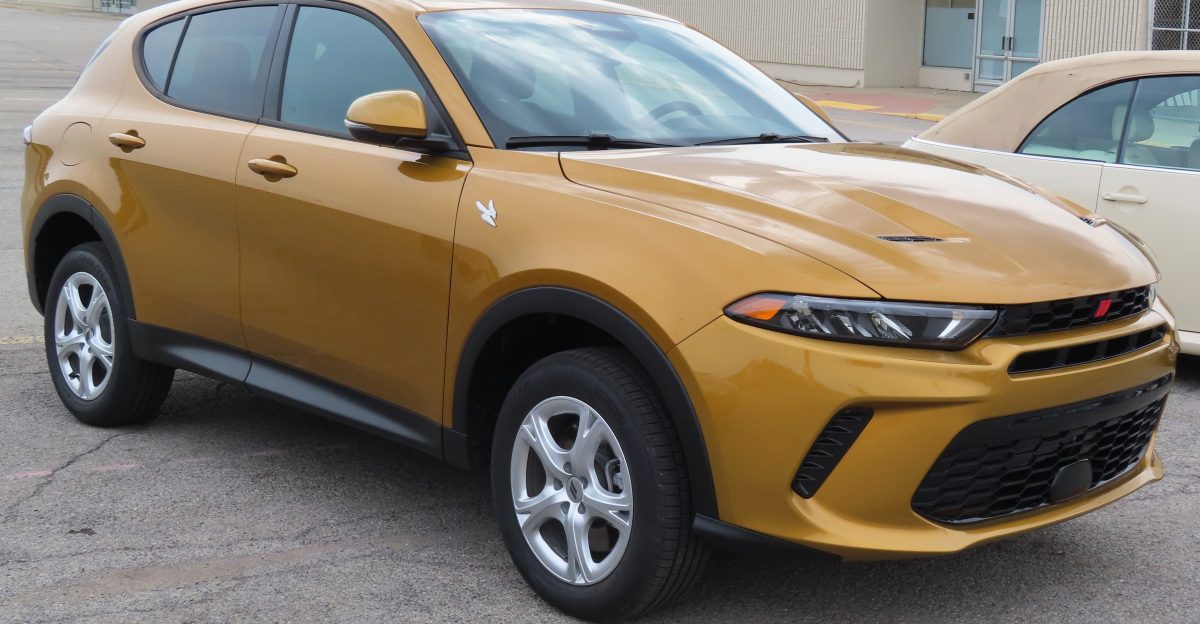
In southern Italy, a factory produced two almost-twin SUVs. That changed recently. One just got the axe. The Dodge Hornet shared its assembly line, underpinnings, and Italian-tuned character with the Alfa Romeo Tonale.
Dodge set the Hornet at $29,995, while Alfa Romeo asked $44,590 for the Tonale PHEV. On paper, this was the same car, same factory, and a $14,595 difference that appeared to be a deal for American buyers. That deal proved unsustainable.
The Promise That Launched a Compact SUV
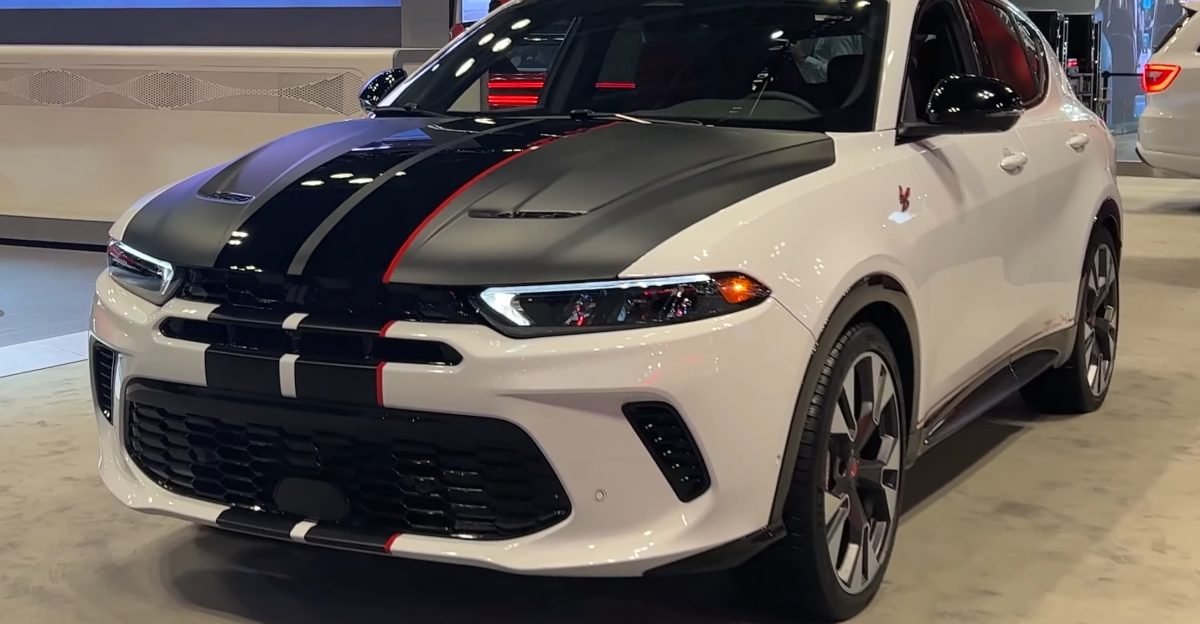
Dodge rolled out the Hornet in 2023 with a marketing pitch designed to get attention. The specs were impressive on paper. The GT trim delivered 268 horsepower and reached 60 mph in 6.5 seconds.
The R/T plug-in hybrid increased output to 288 horsepower, and the PowerShot boost cut the 0-60 time to 5.6 seconds. Buyers received a complimentary performance driving course and learned to appreciate a car Dodge would soon walk away from.
When the Numbers Started Whispering

On paper, the Hornet delivered good driving dynamics at a budget-friendly price. The used car market, however, signaled problems before Stellantis made any announcements. A 2024 Hornet R/T, originally priced at $42,995, was selling for around $18,800 in private sales less than two years later.
That represents 56% depreciation, which exceeded losses among budget competitors. For comparison, a Toyota RAV4 drops just 25-30% in the same period. Buyers appeared to anticipate that this car was already nearing its end.
The Quarter That Sealed It
By the second quarter of 2025, Dodge sold only 1,539 Hornets. This represented a 64% drop from 4,299 the year before. Production stopped in mid-2025, and the official end was announced in January 2026. Stellantis put out a statement: “Production of the Dodge Hornet is postponed for the 2026 model year as we continue to assess the effects of U.S. tariff policies.”
The Hornet was finished. The 25% import tariff on Italian-built vehicles made production unworkable. The real damage had already occurred by that point.
The System Behind the Shutdown
Stellantis did not publicize that the Hornet was eating into the Tonale’s sales. With the same factory, same platform, and a nearly 49% price difference, every Hornet sold was a Tonale PHEV that was not. Stellantis protected its luxury brand by sacrificing the more affordable model.
The tariff served as a convenient reason to support this decision. Sales collapsed before the tariff announcement. Buyers had already made their decision. Stellantis provided a suitable explanation.
The Depreciation Trap
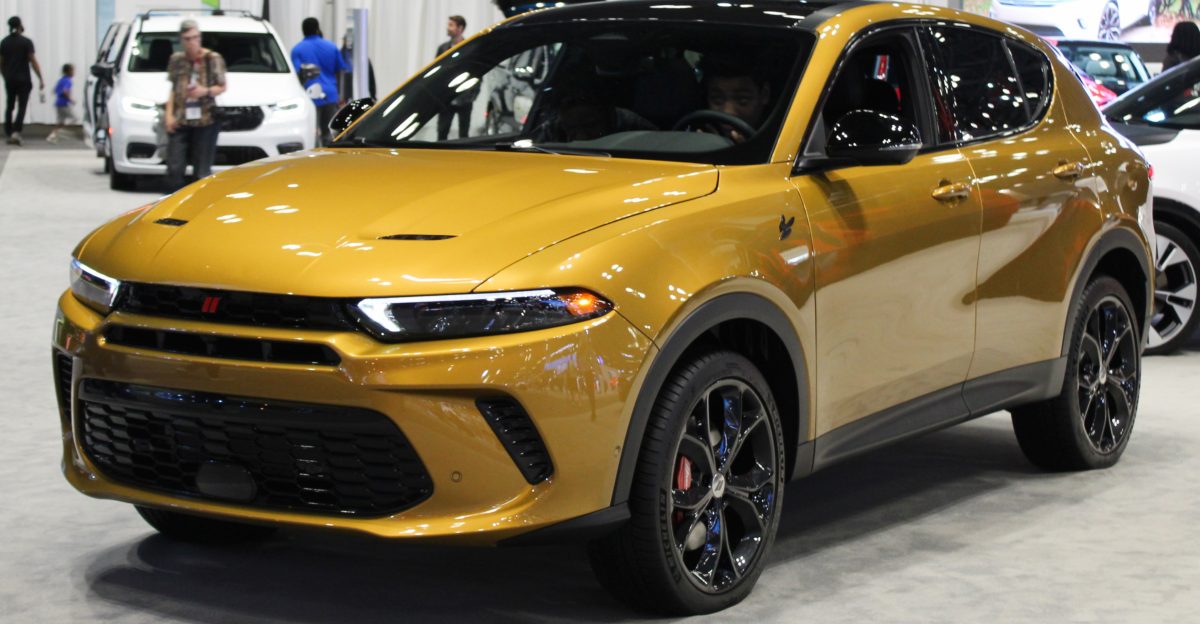
A 2024 Hornet R/T Plus that once sold for $48,340 is now trading for about $24,800. Nearly $23,500 in value disappeared in just two years.
Owners who believed they obtained Alfa Romeo engineering at Dodge prices watched their investment evaporate rapidly. As one automotive outlet summarized: “The Hornet aimed for enthusiasts but never caught on. High price limited the Hornet’s appeal.” The Hornet was too expensive for mainstream buyers and not premium enough for luxury buyers. It was left stranded in the middle without a clear identity.
Who Wins When the Hornet Dies
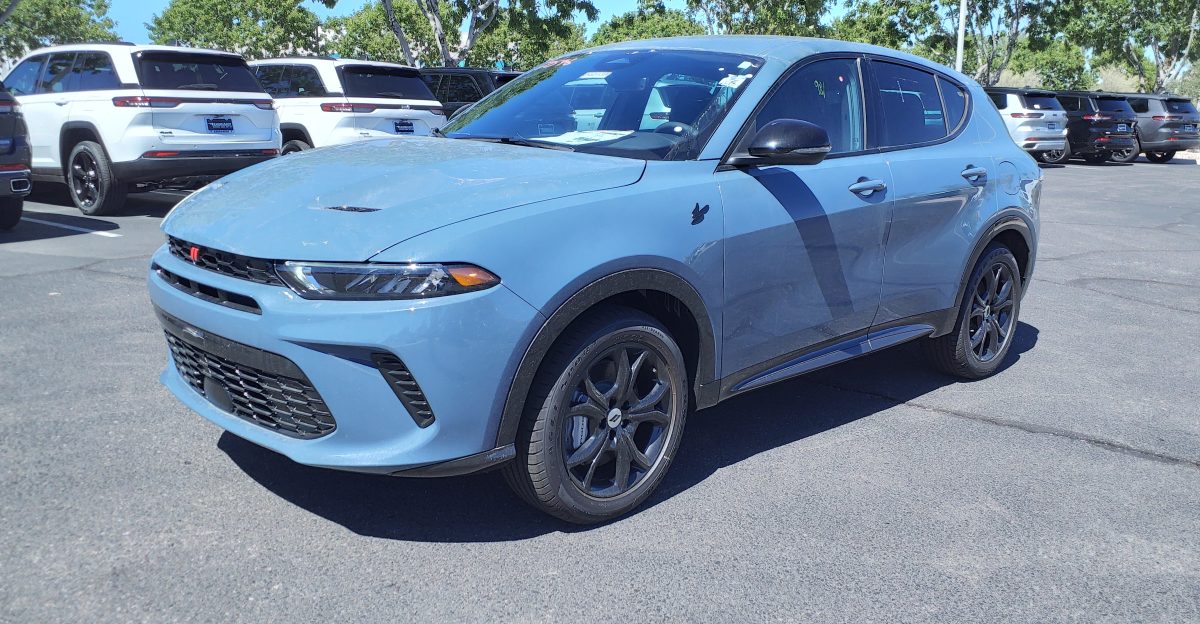
Toyota RAV4, Honda CR-V, Mazda CX-5, and Chevrolet Equinox are all built in North America and unaffected by the 25% Italian import tariff. These models are now absorbing the customers the Hornet left behind in the $25,000-$40,000 compact SUV market.
Stellantis saw the Durango post strong results in 2025, reaching 81,168 units and a 37% year-over-year increase. Dodge buyers indicated a preference for muscle or large, practical SUVs instead of Italian-tuned compact crossovers. The Hornet did not align with most Dodge shopper preferences.
A New Rule for Every Automaker
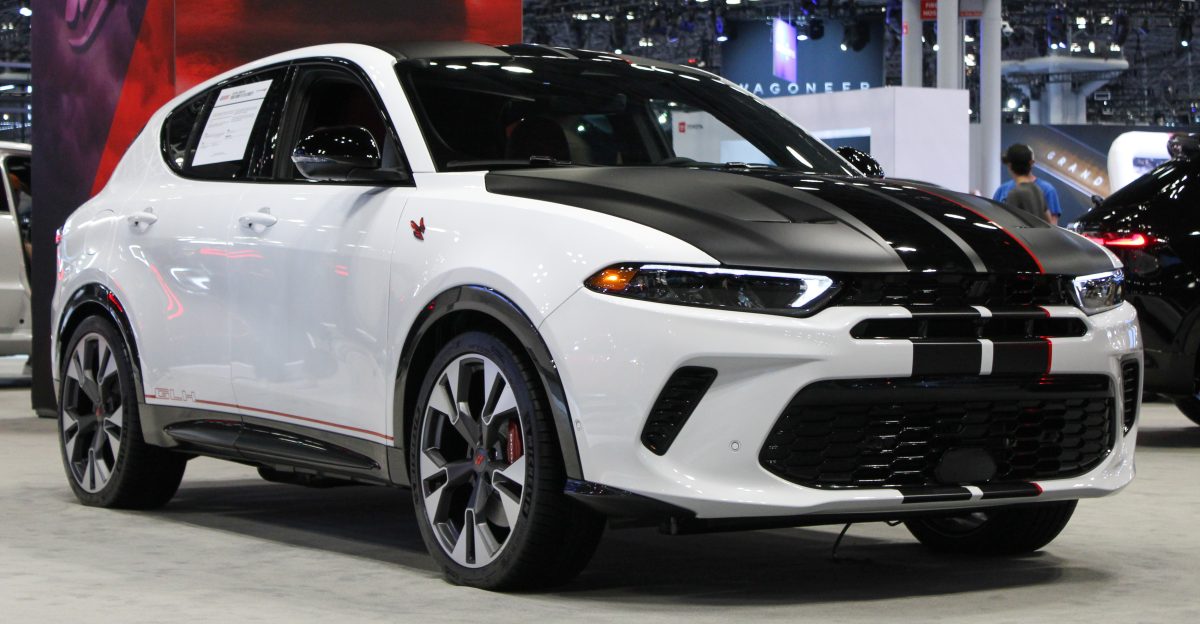
The Hornet serves as a warning for the industry. Any mass-market vehicle built overseas now faces the risk of tariffs eliminating profit margins. Luxury brands can absorb the 25% hit, but affordable models such as the Hornet cannot.
The Tonale continues at $44,590, while the Hornet could not remain viable at $29,995. From this point forward, automakers such as Stellantis, Volkswagen, and BMW must reconsider overseas assembly. The Hornet demonstrated that policy can end a car’s run faster than the market can.
The Dominos Still Falling
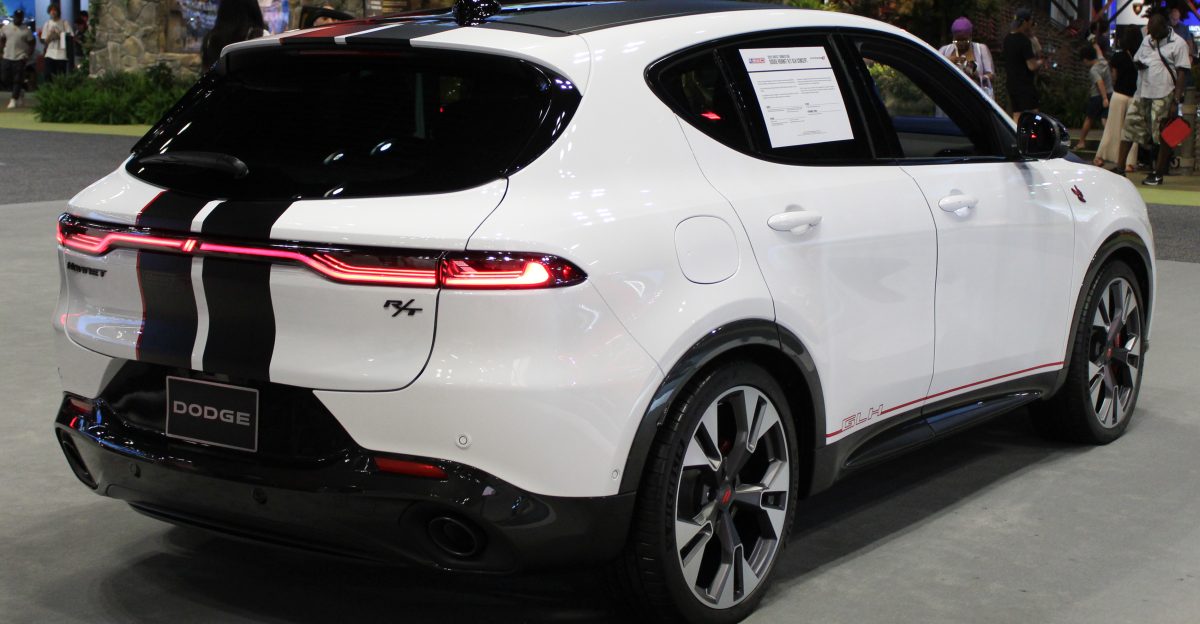
If the 25% tariff continues through 2027, European automakers must either move assembly to North America or exit these segments. Other Italian-built Stellantis models face similar risks. The Alfa Romeo Tonale remains available for now, but its future is uncertain if sales decline.
Stellantis announced it will phase out plug-in hybrid models in the U.S. beginning in 2026. For the Hornet R/T, its hybrid powertrain, once considered a selling point, quickly became a liability.
What Most People Still Get Wrong

Many attribute the Hornet’s end to tariffs. However, the Hornet was already struggling, and tariffs gave Stellantis an exit strategy. Sales for all of 2025 totaled 9,365 units, a 54% drop and the lowest volume for Dodge in this segment since the Nitro’s final year.
Current owners now face parts uncertainty as dealerships de-stock. Stellantis could seek a tariff exemption or move production to North America, but that process would take years, and the Hornet’s production has already concluded. In the compact SUV market, “excitement” rarely justifies a higher price for most buyers.
Sources:
PR Newswire (Stellantis), FCA US Reports Second-Quarter 2025 US Sales Results, July 1, 2025
CarsCoops, Dodge Sales Crashed In 2025, Yet Its Failed Charger EV Outsold Its Hornet, January 7, 2026
Autoblog, Dodge Durango Defies Age With Best Annual Sales In 20 Years, January 5, 2026
Car and Driver, Stellantis Axes Its Traditional Plug-In Hybrid Models for 2026, January 8, 2026
Motorious, Dodge Ends Hornet Production Despite Strong Sales Ranking in 2025, January 15, 2026
Kelley Blue Book, 2024 Dodge Hornet Depreciation Value, 2025