F1 Ignored Drivers’ Warnings For 104 Days—Then a 50G Crash At 191 MPH Proved Them Right
It happened at Spoon Curve, lap 20, Suzuka. Oliver Bearman was traveling at 308 kph. In a split second, the car ahead disappeared from where it should have been. Franco Colapinto’s Alpine lost nearly 50 kph. This did not happen because Colapinto lifted off or got stuck in traffic. A battery algorithm triggered energy harvesting at that exact moment.
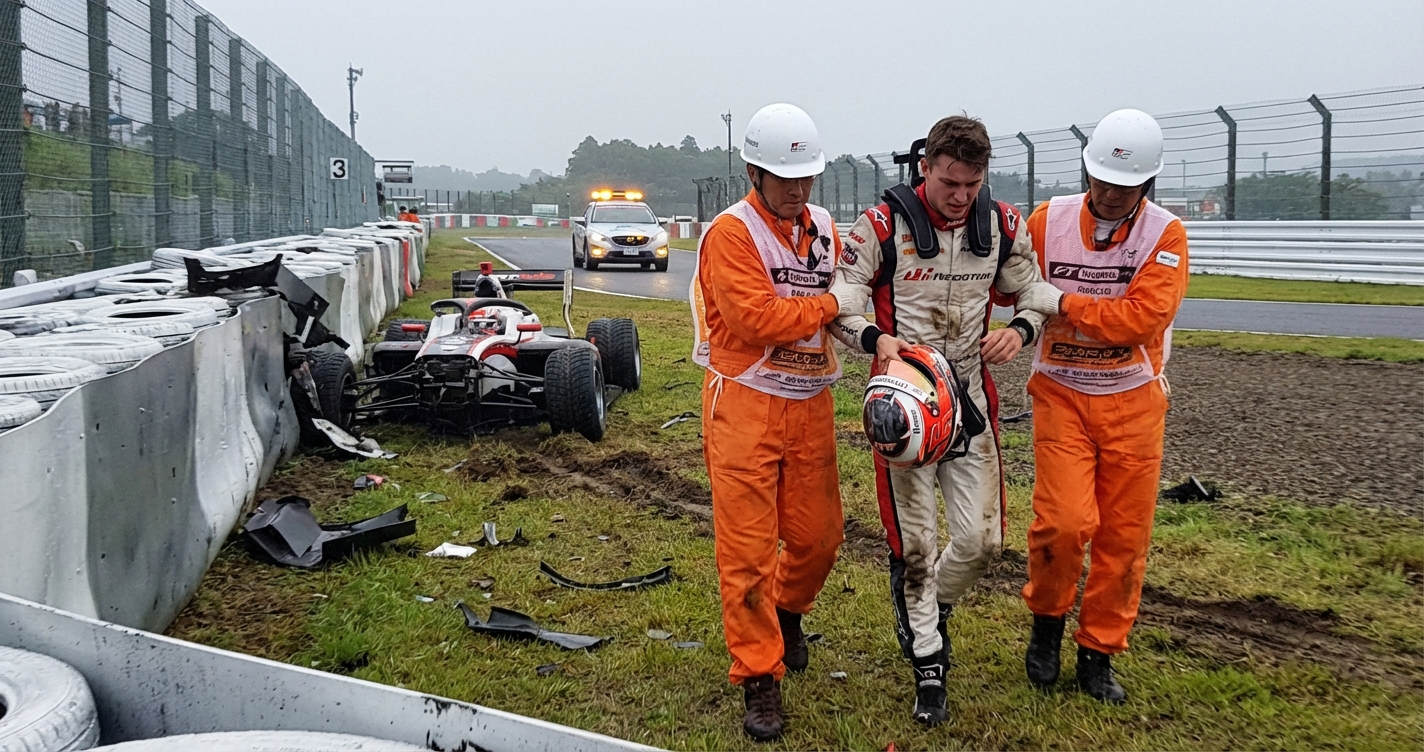
Bearman had nowhere to go. He swerved into the grass, spun backwards, slammed the barriers, and took a 50G hit. Limping, he climbed out, helped by marshals. The regulations that led to his crash did not change.
A System Nobody Controls
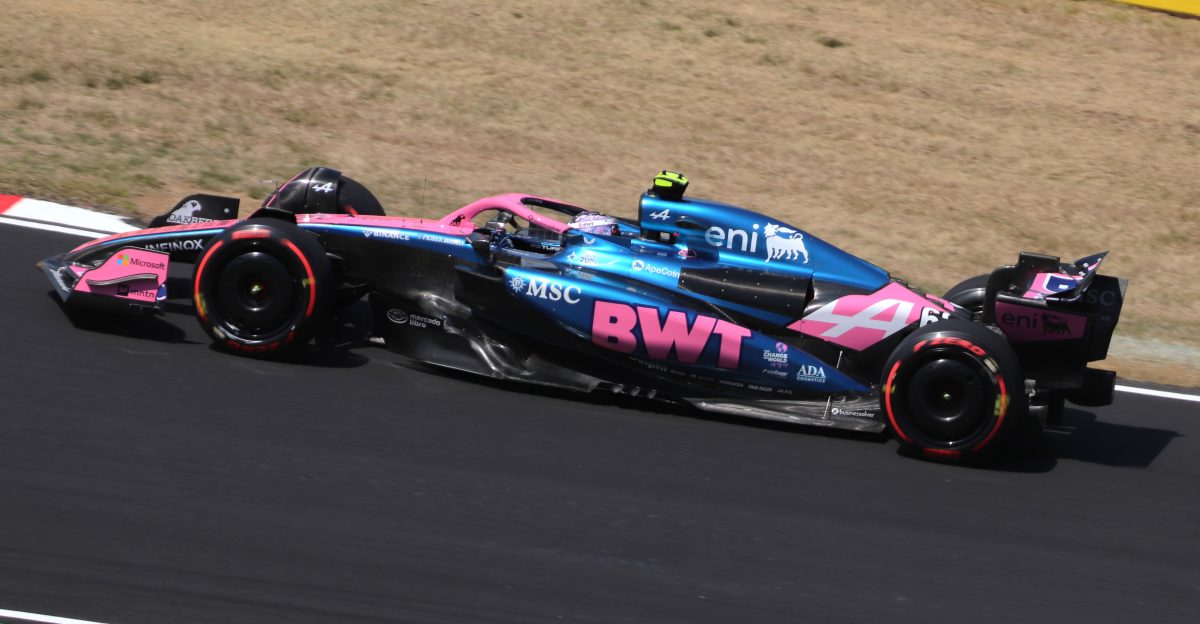
The 2026 power units are a 50-50 partnership: half combustion engine, half a 350kW electric motor. That motor now harvests 8-9 MJ of energy per lap, which is four times what the old system managed. When the battery harvests, the car slows down. When it deploys, the car suddenly surges forward. Drivers do not get to decide when this happens.
Colapinto’s car was harvesting at around 260 kph. Bearman’s was deploying at 308 kph. This occurred at the same corner, on the same lap. Software created a 50 kph speed gap. Haas engineers had already spotted these dangerous differences in speed earlier in the race. The problem was getting worse.
The Warnings They Filed Away
Drivers identified this risk well in advance. In pre-season testing at Barcelona and Bahrain, they raised the alarm. McLaren’s Andrea Stella warned back in February that the battery cycles could create “a race situation like we have seen before a few times” with Webber in Valencia and Patrese in Portugal—scenarios, he said, “that definitely we don’t want to see anymore in Formula 1.” Carlos Sainz, director of the GPDA, said drivers told the FIA about this repeatedly.
Before Suzuka, the FIA responded with a last-minute tweak: they trimmed the qualifying energy harvesting limit from 9.0 MJ to 8.0 MJ just three days before the race. Actual race conditions stayed the same. Confidence in the officials’ ability to stress-test these rules had begun to erode.
The Crash They Were Told Would Happen
Bearman’s 50G crash ranks among the hardest hits in modern F1. The stewards cleared Colapinto. No one blamed the drivers. The rulebook set up the accident. Sainz warned that teams watching on TV might think this was just exciting racing. From inside the cockpit, a 50 kph speed difference is not competition. It is danger.
The FIA put out a statement a few hours later, promising that safety “will always remain a core element of the FIA’s mission.” The pattern was clear: weeks of warnings, one crash everyone saw coming, and then business as usual. That 50G value became a wake-up call.
Adaptive Cruise Control at 191 MPH
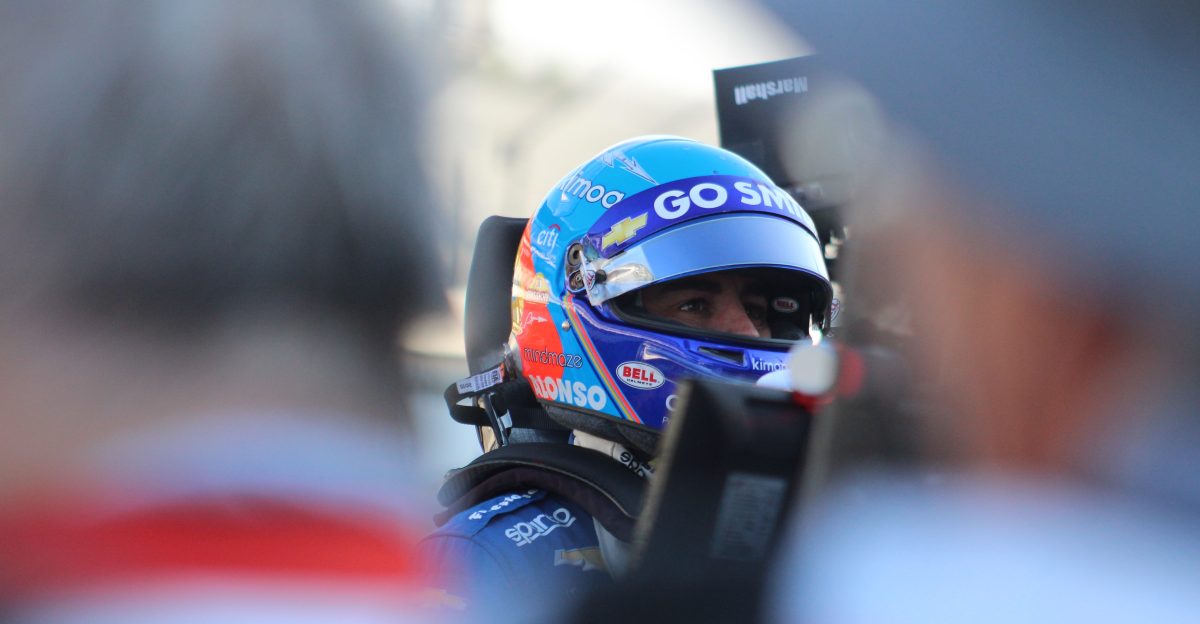
Fernando Alonso put it bluntly: the 2026 rules risk turning drivers into robots. Energy management determines who can pass and when, not skill. This is like using adaptive cruise control that randomly shuts off at highway speeds, closing the gap to the car in front before a driver can react. The “highway” in this case is 191 mph. The system works in a simulator where every variable is under control.
On a real track, invisible battery transitions become unpredictable hazards. Drivers must guess how fast they are closing on rivals, and sometimes those guesses are wrong.
The Numbers That Rewrite the Story
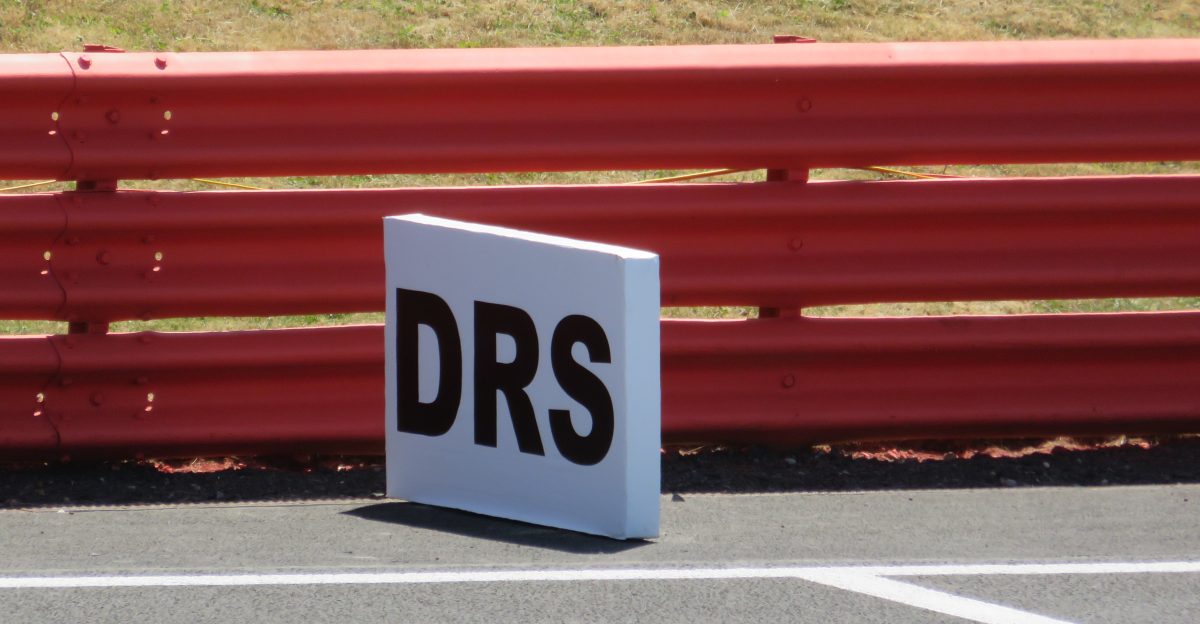
A 50 kph closing speed is the largest unintended speed gap F1 has seen in recent years. In the past, DRS and a special zone were required to create that kind of difference. Both drivers would know it was coming. Now, it can happen anywhere, at any time, because of a battery charge. The MGU-K’s power has nearly tripled, and harvesting is four times higher than before.
The FIA admits the rules have “adjustable parameters,” acknowledging the original design was not sufficient. In the first three races under these rules, there has already been one major incident. This established a pattern.
Grass Saved Him. Baku Has Walls.
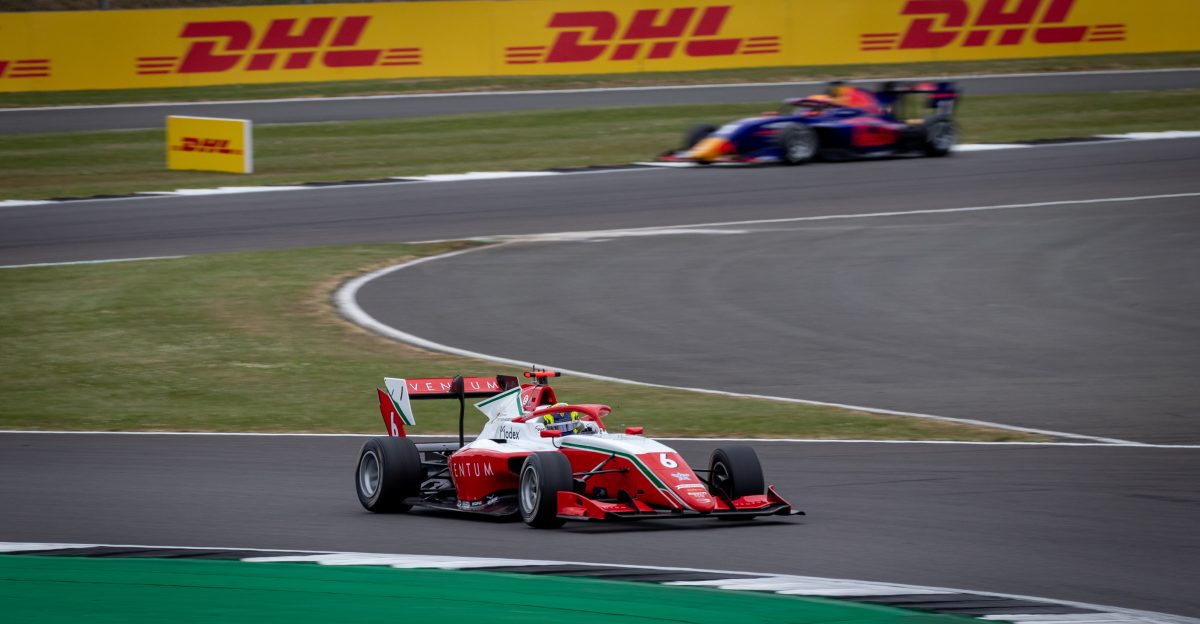
Bearman escaped with a bruised knee only because Suzuka’s Spoon Curve has a patch of grass to absorb the impact. Sainz spelled out the real risk: “Imagine this happening in Baku. Or Singapore. Or Las Vegas.” All three tracks appear later on the 2026 calendar and have only concrete walls, with no grass and no runoff.
The FIA called emergency meetings for April, using a rare five-week break after Bahrain and Saudi Arabia were canceled. The drivers, united through the GPDA, demanded changes before Miami on May 3. The urgency increased, and the next circuits will have concrete barriers.
The Precedent Nobody Wanted
At Suzuka, FIA single-seater director Nicolas Tombazis promised drivers that changes would come before Miami. The existing rules, designed to attract manufacturers, created a system that put the sport’s top drivers at risk. Max Verstappen, for example, has an exit clause in his Red Bull contract. If he drops out of the top championship positions by summer, he could leave.
He has already called the 2026 rules “anti-racing” and “like Mario Kart.” This pattern is not unique. It now appears to be the new normal.
Verstappen’s $70 Million Question
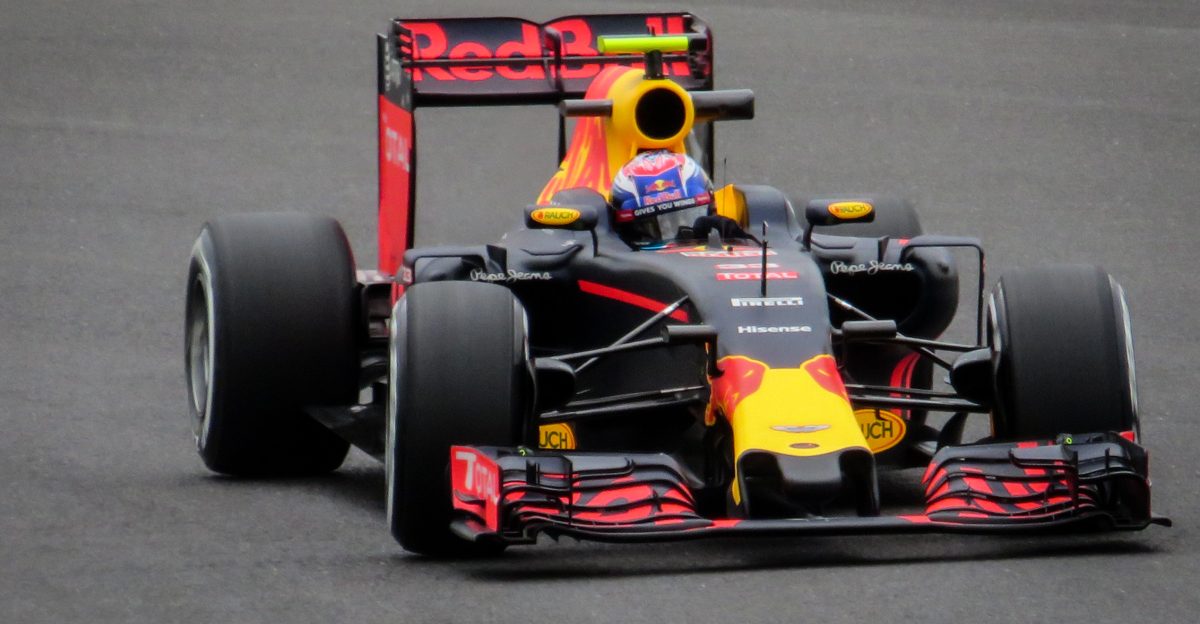
Verstappen earns about $70 million a year. His contract allows him to leave if he is not competitive. “Privately I’m very happy. You also wait for 24 races—this time it’s 22—and then you just think about it: is it worth it? Or do I enjoy being more at home with my family? Seeing my friends more when you’re not enjoying your sport?” he told the BBC after Japan.
If the FIA’s April meetings only produce small tweaks and another crash happens at a street circuit, the GPDA could call for formal safety protests. For smaller teams that depend on FIA stability, a mid-season rule rewrite would be a major threat.
The Next Wall Is Already on the Calendar
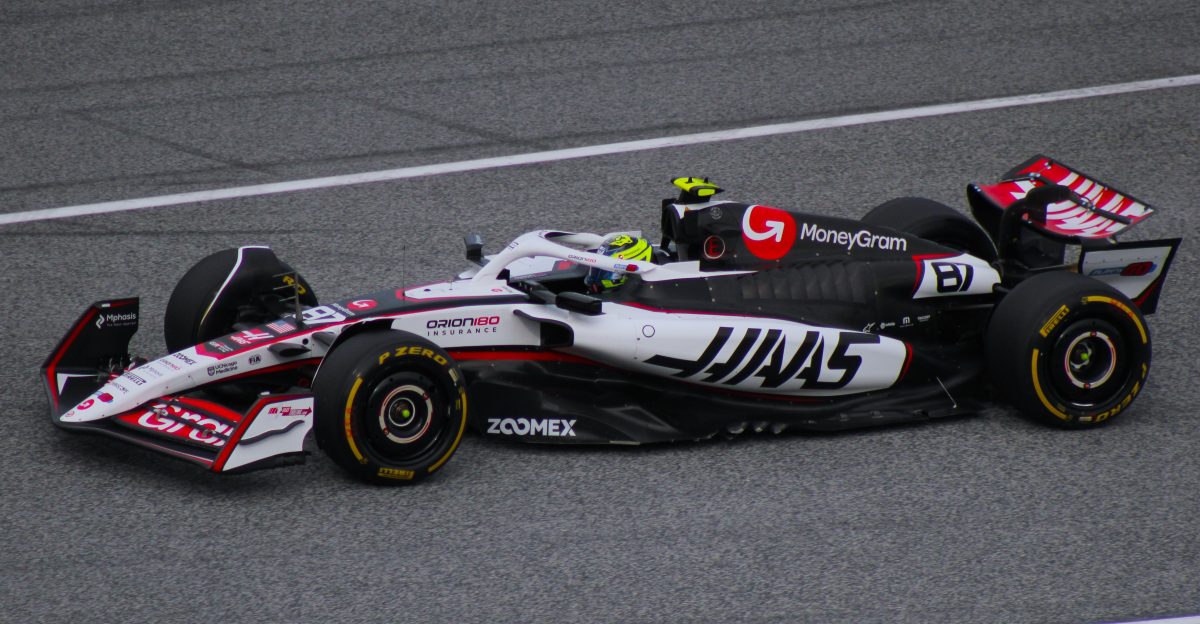
Bearman told everyone he was “absolutely fine,” even as he limped away with a marshal’s help. The FIA will likely use phrases like “acceptable risk” and point to Bearman’s survival as proof the system works. Drivers will bring up Sainz’s warning about street circuits, where there is no safety net.
Manufacturers who have invested heavily in these new engines will resist major changes. The battery system is not just changing how F1 cars race. It is determining where the next crash will happen. The next track has walls instead of grass.
Sources:
Formula1.com — Bearman Reacts to 50G Crash During Japanese Grand Prix — March 29, 2026
The Race — McLaren Calls for 2026 F1 Rules Safety Changes Before Season Opener — February 12, 2026
RacingNews365 — Carlos Sainz Implores FIA to Act Over Major F1 Teams’ Problem — March 29, 2026
Paddock Intel — FIA Cuts Qualifying Energy Limit at Suzuka: What It Really Costs — March 25, 2026
GPBlog — Verstappen Clarifies Retirement Stance Amid Frustration With Current F1 Cars — March 29, 2026
Sky Sports — FIA to Assess F1 2026 Regulations After Oliver Bearman Crash at Suzuka — March 28, 2026