$70M Verstappen Threatens To Walk Away From F1 After ‘Scary’ 50G Crash Exposes ‘Algorithm Racing’
Lap 22. Spoon Curve. Bearman’s Haas is in full power, closing fast on the Alpine ahead. He sees the gap. It’s there. He goes. What he can’t see — what nothing in the cockpit tells him — is that Colapinto’s car has cut its electrical output entirely, harvesting battery charge while Bearman is in full deployment. At the entry to Spoon, the Haas snaps sideways. Bearman fights it across the track, hits the barrier, and takes 50G through his body. He climbs out limping. Twenty years old. He didn’t make a mistake. The system did. “It was a massive overspeed,” Bearman told the media at Suzuka. “Fifty kph, which is a real part of these new regulations.”
What 50G Feels Like
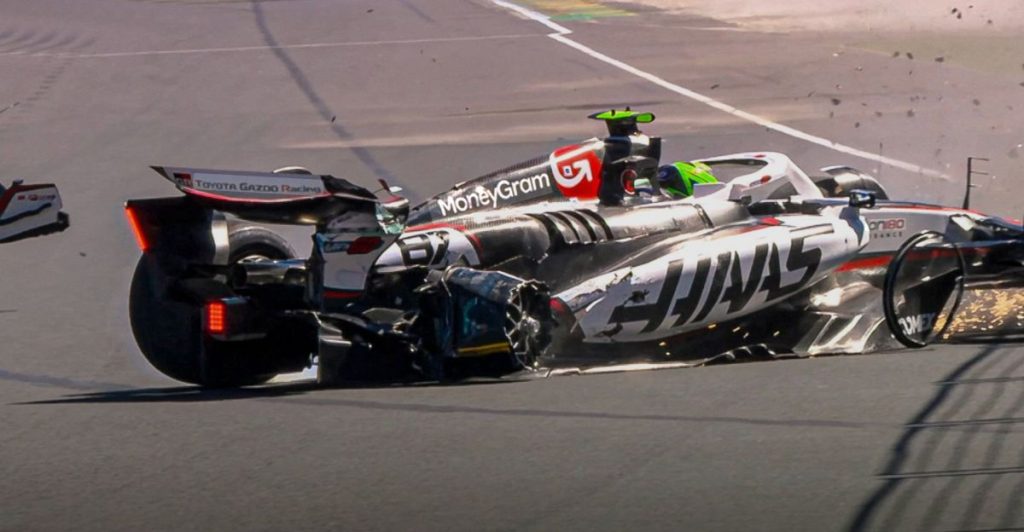
Fighter pilots black out at 9G. Bearman walked away with a bruised knee, the best possible outcome from what the crash data showed. He revealed afterward that drivers had already raised the exact scenario with the FIA at Friday’s driver briefing. “I think we as a group warned the FIA what can happen,” he said. GPDA director Carlos Sainz had been among those pushing hardest for change. “These kinds of accidents were always going to happen, and I’m not very happy with what we’ve had up until now,” he said after the race. “Hopefully, we come up with a better solution.” The FIA issued a statement within hours confirming April meetings to review energy management rules. The crash at Spoon gave them the evidence nobody wanted.
The Speed Trap Nobody Could See
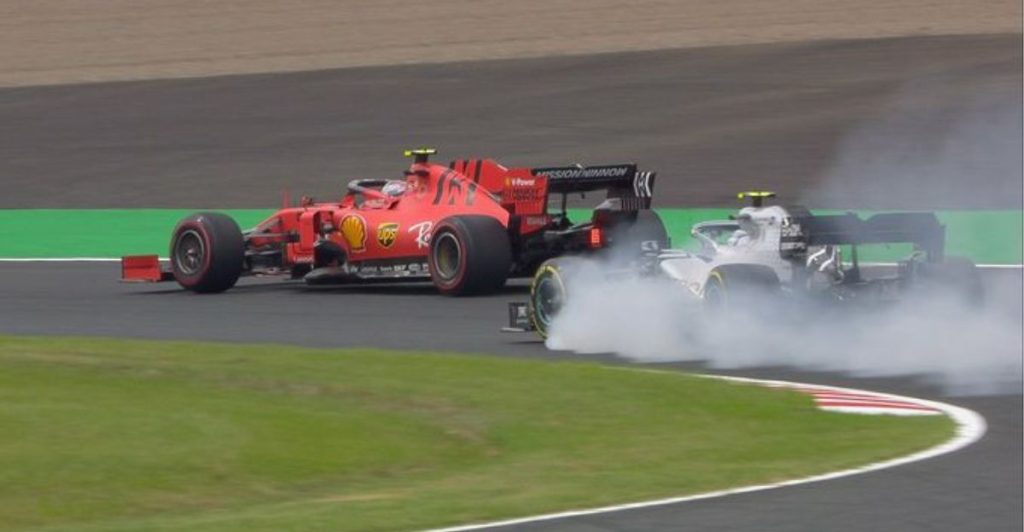
Two cars. Same lap. Same corner entry. The 2026 regulations split engine power 50-50 between combustion and electrical output. The Motor Generator Unit-Kinetic was tripled in power this season, from 120 to 350 kilowatts. Each car gets a fixed allocation of electrical energy per lap. When the battery deploys, the car rockets. When it harvests, it coasts. Spoon Curve is a harvest zone for several cars — meaning a driver can be cutting electrical output entirely through a flat-out corner while the car behind charges full speed toward the same piece of track. Colapinto had slowed to harvest. Bearman had not. Franco Colapinto said afterward that the closing speeds in 2026 could become “really dangerous.” It took until Lap 22 at Suzuka for dangerous to become real.
One Clause. A Contract. A Trap Door
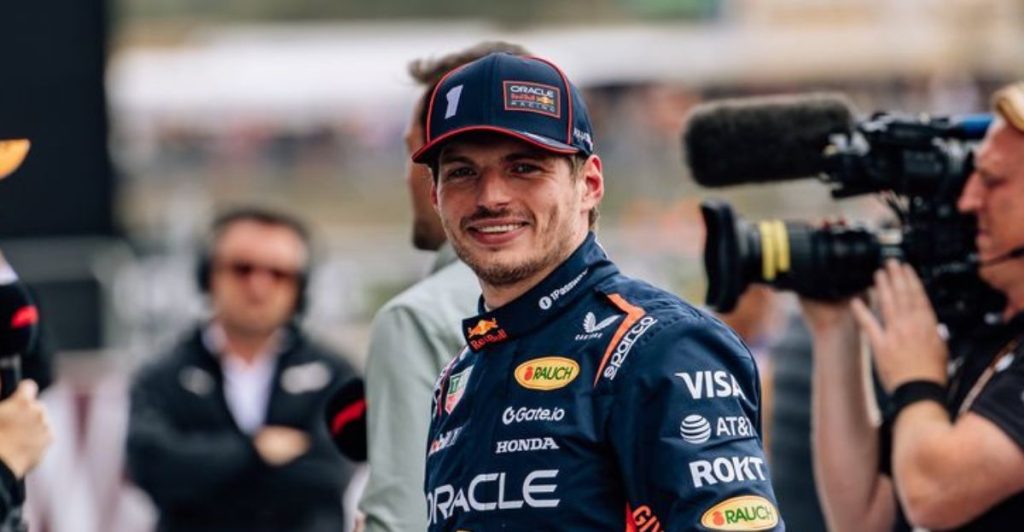
Buried in Max Verstappen’s Red Bull contract, which runs through 2028 at approximately $70 million per year, is a single performance clause that has been widely discussed since at least 2024. The terms, as reported by The Race: if Verstappen is not inside the top two of the championship standings by the summer break, he can walk. It was written specifically to give him an assessment window under the 2026 regulations. Verstappen had already told anyone who’d listen that he didn’t trust what the 2026 rules would produce. So his team built a trap door. Three races into the 2026 season, he sits ninth with 12 points — 60 behind the leader. The door is standing open.
Three Words at the End of the World
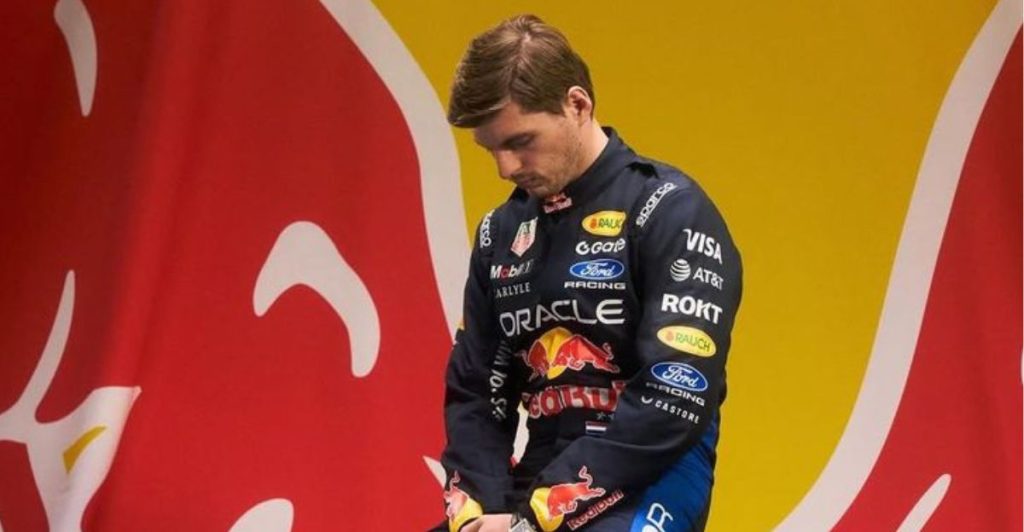
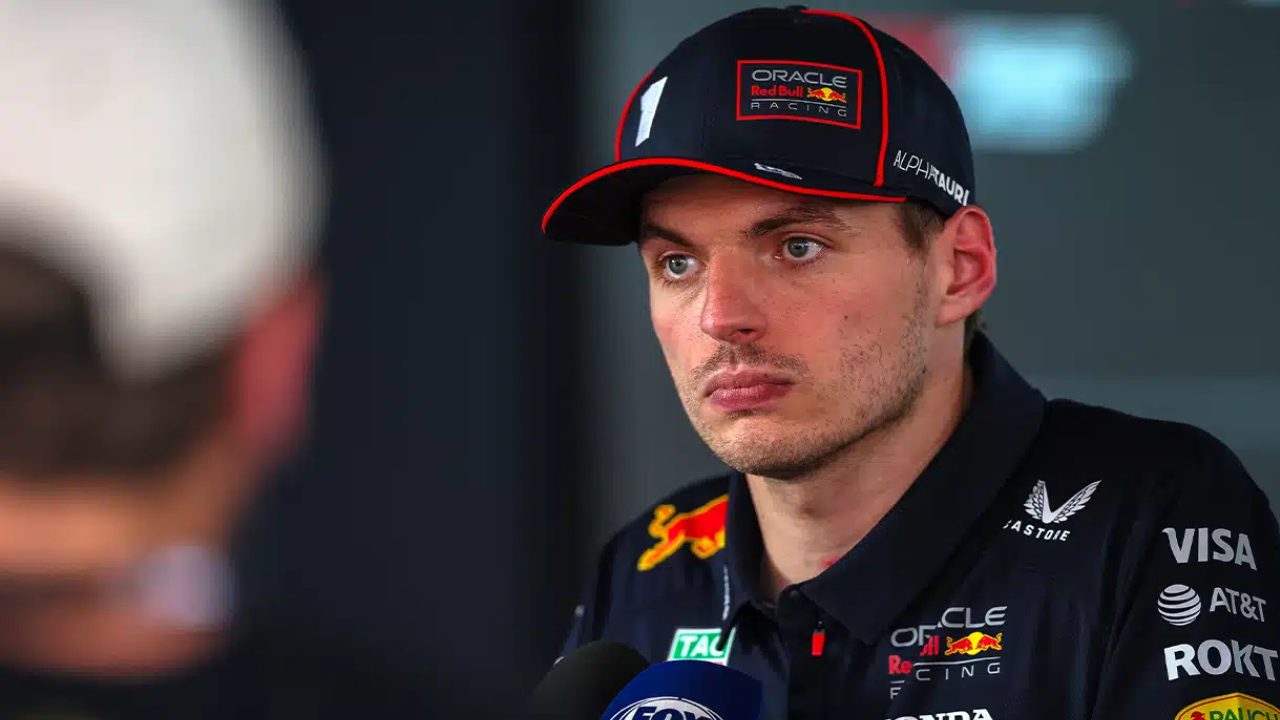
The press conference room at Suzuka. Verstappen in the chair, helmet gone, race suit still on. A BBC Radio 5 Live reporter asks the question everyone is circling: will you still be here next year? He doesn’t deflect. He says, “Privately, I feel quite content. You typically wait for 24 races; this time it’s 22. You start to wonder if it’s worth it — or if I would prefer spending more time at home with my family and friends when I’m not enjoying my sport.” The room goes quiet the way rooms go quiet when someone says a true thing out loud. This is the four-time world champion. Seventy million dollars a year. And the question on his lips is whether any of it is worth showing up for. Not because Red Bull is struggling — he said that explicitly. Because of the regulations themselves. Because of what he called, back in February, “Formula E on steroids.”
The Wave That Cost $140 Million
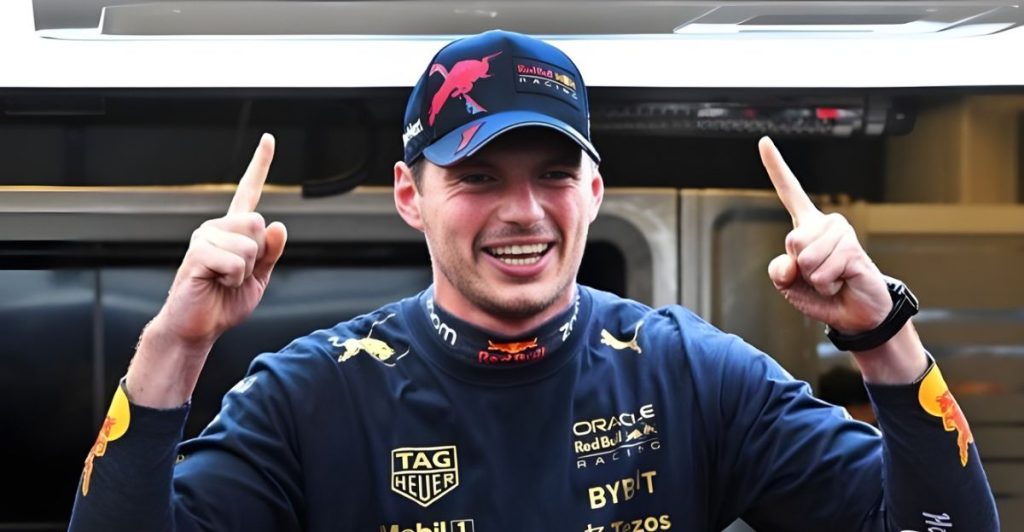
Ask Verstappen about his contract, and he waves his hand. That wave, unhurried, already decided, is the most expensive gesture in Formula 1 right now. Two years remaining at $70 million per year. A hundred and forty million dollars on the table, and he treats the subject like a question about the weather. The critics call it a negotiating tactic. But Verstappen raised identical concerns about these regulations while Red Bull was untouchable and he was winning by margins that made the rest of the grid look recreational. He said then, on record, that he would be voicing all of this even while winning. He was winning. He said it anyway. That wave isn’t posturing. It’s a man who has already made his decision and is waiting for someone to give him a reason to unmake it.
Hamilton Said It Before the Lights Went Out
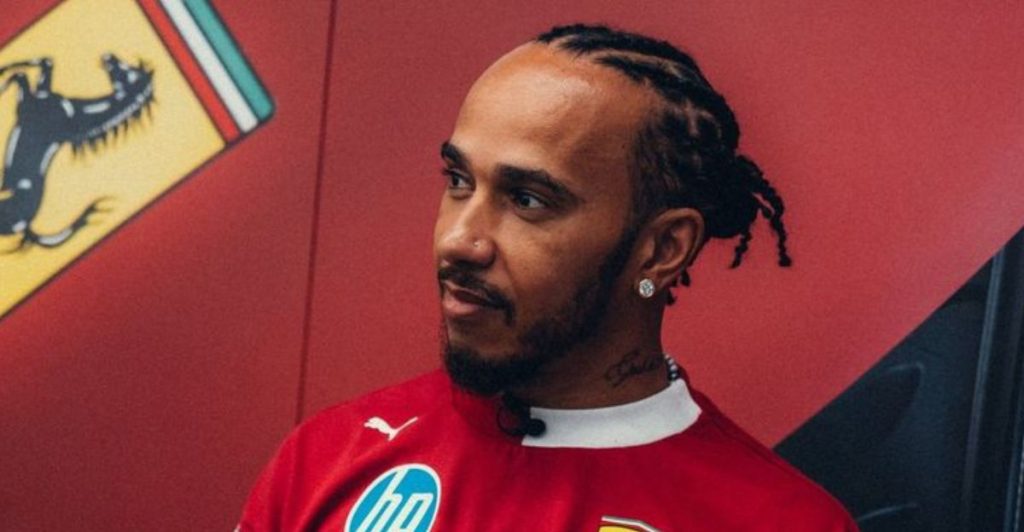
Earlier in the season, Lewis Hamilton praised the 2026 cars and the racing they produced — calling their high-speed following ability among the best he’d experienced. Then Suzuka happened. He ran as high as third mid-race before dropping back to sixth, called his Sunday “pretty terrible,” and told Sky Sports F1 the weekend had not gone the way he needed. The contrast with Verstappen isn’t Hamilton smiling while Max fumes in the same paddock; it’s more uncomfortable than that. Hamilton has found real things to like about these cars. He’s also had a miserable race under the same system. Verstappen has had three miserable races and has stopped looking for things to like. One man is still trying. The other has already decided.
Five Weeks. One Set of Meetings. No Margin for Vague
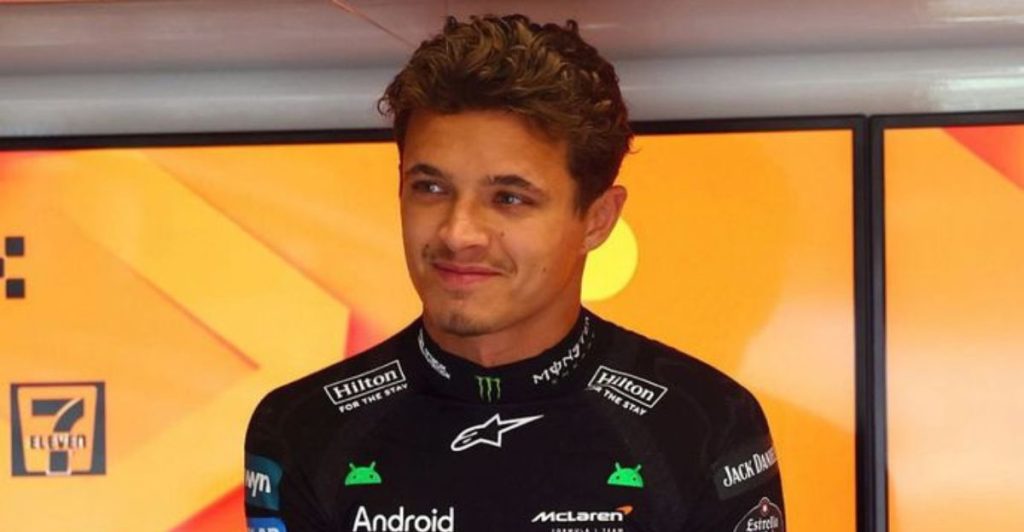
The Bahrain and Saudi Arabian rounds were canceled due to the ongoing Middle East conflict — the accidental result is five weeks between Suzuka and Miami. Verstappen said he’d use the break to “figure some stuff out.” The FIA’s April meetings are the only variable that matters now: the governing body confirmed after Suzuka that the 2026 regulations contain adjustable parameters around energy management and that a structured review was always planned. But Norris, speaking to Viaplay after the race, had already delivered his verdict on what drivers expect from that process. “There’s no point in saying it, honestly. It doesn’t matter what we say. As long as the fans enjoy it, that’s all that matters.” He laughed as he walked away. Verstappen was less resigned. Three words: “They know what to do.”
The 19-Year-Old Holding the Trophy
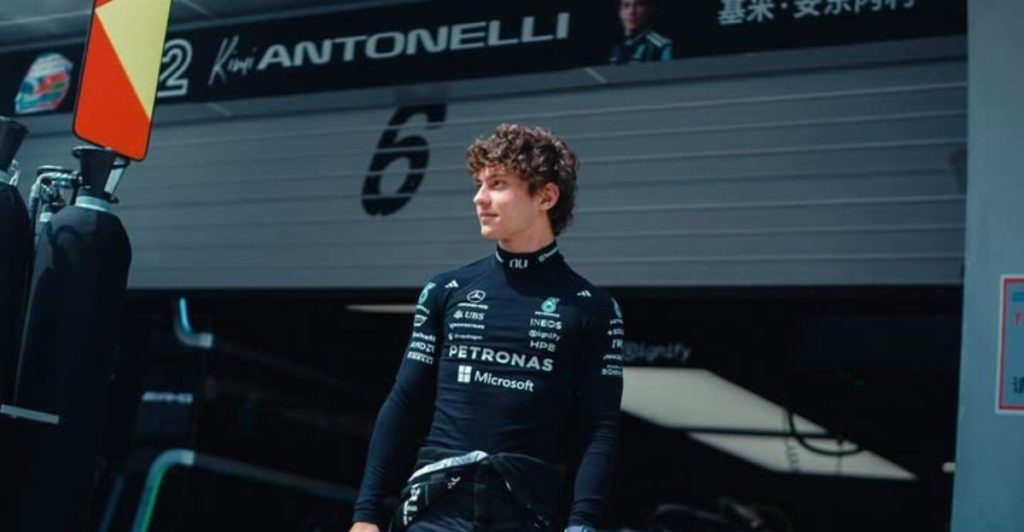
While Bearman was limping from the gravel and Verstappen was parking eighth, Kimi Antonelli crossed the line first. Nineteen years, seven months, and four days old — the youngest driver in Formula 1 history to lead the Drivers’ Championship. He controlled the race after an early safety car and pulled nearly 14 seconds on Oscar Piastri by the flag. He stood on the top step at Suzuka the way 19-year-olds stand when they’ve just beaten the world and haven’t yet learned to pretend it’s normal. He earned it cleanly, under the same regulations Verstappen calls “anti-racing.” The sport doesn’t pause to consider the irony. It just keeps moving. The question is whether its greatest active driver moves with it.
Miami. End of July. The Door
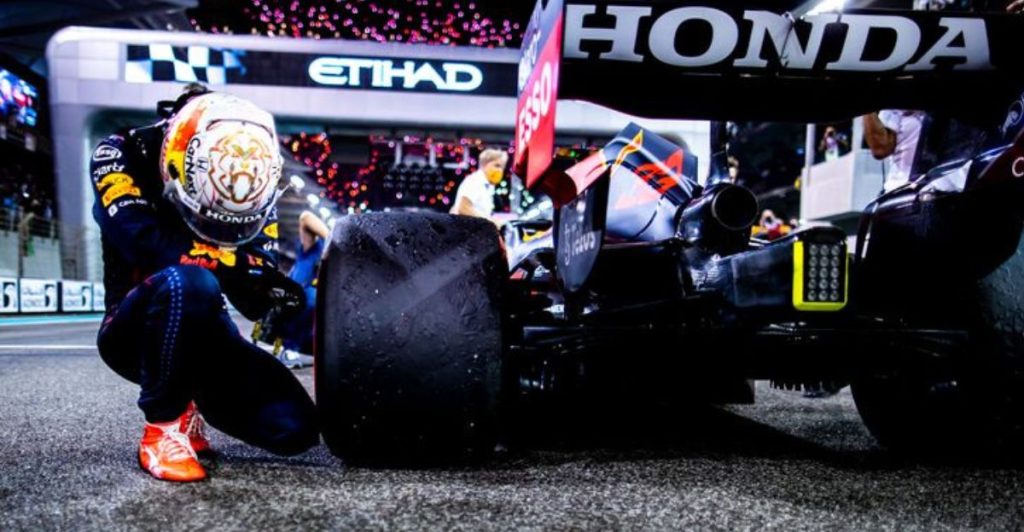
The clause triggers if Verstappen is not inside the top two by the summer break. He must notify Red Bull by October at the latest. Three races in, he’s ninth, 60 points back. Team principal Laurent Mekies put it plainly after Suzuka: “McLaren is at that same level. So, we are a distant fourth. That’s the reality.” If Verstappen goes, Mercedes is waiting, George Russell’s future at the team dissolves, and Red Bull rebuilds without the driver who delivered four consecutive Drivers’ Championships. The FIA has five weeks and a set of April meetings to show him something real — any signal that the sport he fell in love with is still capable of being that thing. He won’t beg. He won’t negotiate in public. He already said everything he needed to say in that press conference chair at Suzuka, helmet off, race suit on, the room gone quiet. Is it worth it? The race is on May 3. The door is open. Nobody has given him a reason to close it yet.
Sources
ESPN — Why new rules have Verstappen on the brink of walking away from F1
The Race — How Verstappen can escape his Red Bull contract
PlanetF1 — Oliver Bearman crash: FIA warned of ‘huge speed delta’ risk
Sky Sports F1 — FIA to assess F1 2026 regulations after Oliver Bearman crash at Suzuka
The Mirror — Max Verstappen has specific window to trigger significant Red Bull exit clause
GB News — Red Bull chief responds to seismic Max Verstappen retirement comments