
GM Shuts Down America’s Flagship EV Factory And Sends 1,300 Workers Home
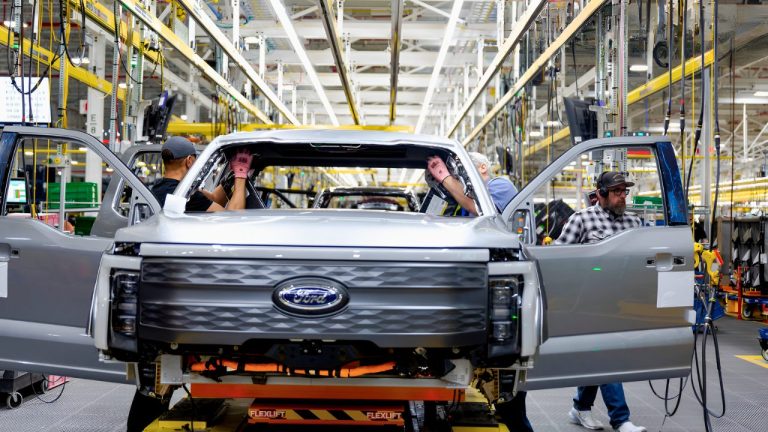
The assembly line at Factory ZERO went quiet on March 16, 2026. No Silverado EVs rolling off. No Hummer EVs humming through final inspection. Just silence inside a $2.2 billion facility that GM built to produce one electric vehicle every eight minutes. The plant that was supposed to represent the future of American manufacturing sat dark, its 1,300 workers told to go home until at least April 13. Everybody assumed the EV revolution was a freight train. Turns out it had a brake pedal nobody expected GM to use.
A Factory Built on a Promise
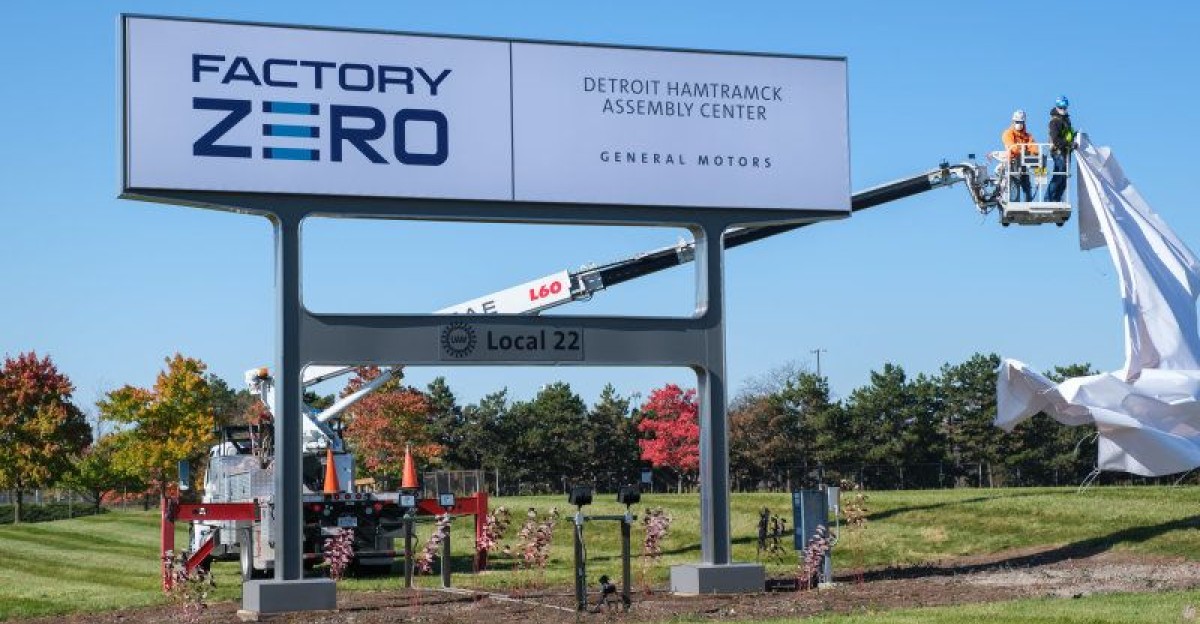
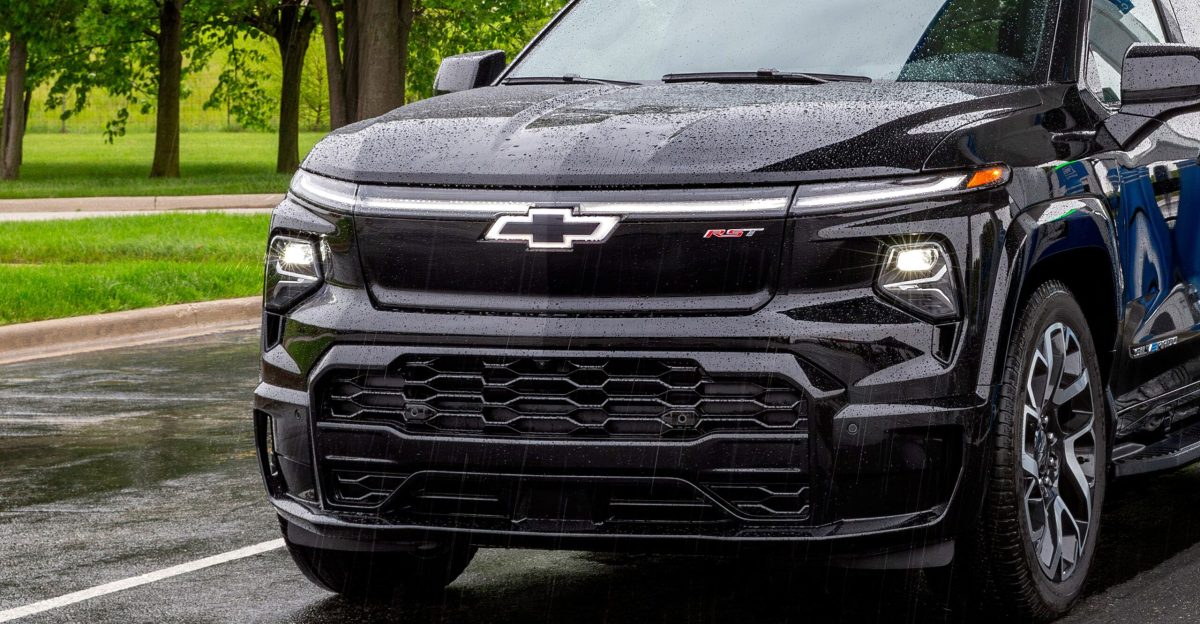
Factory ZERO had its grand opening in November 2021 as GM’s first fully dedicated electric vehicle assembly plant, a Detroit flagship designed to produce the Chevrolet Silverado EV, GMC Hummer EV, Cadillac Escalade IQ, and GMC Sierra EV. Four thousand workers staffed the lines. The message to shareholders was unmistakable: EVs would be the profit engine of the 2020s. GM staked billions and its corporate identity on that bet. But the entire business case rested on one assumption that nobody stress-tested hard enough: that a $7,500 federal tax credit would keep customers walking through the door.
Three Shutdowns in Twelve Months
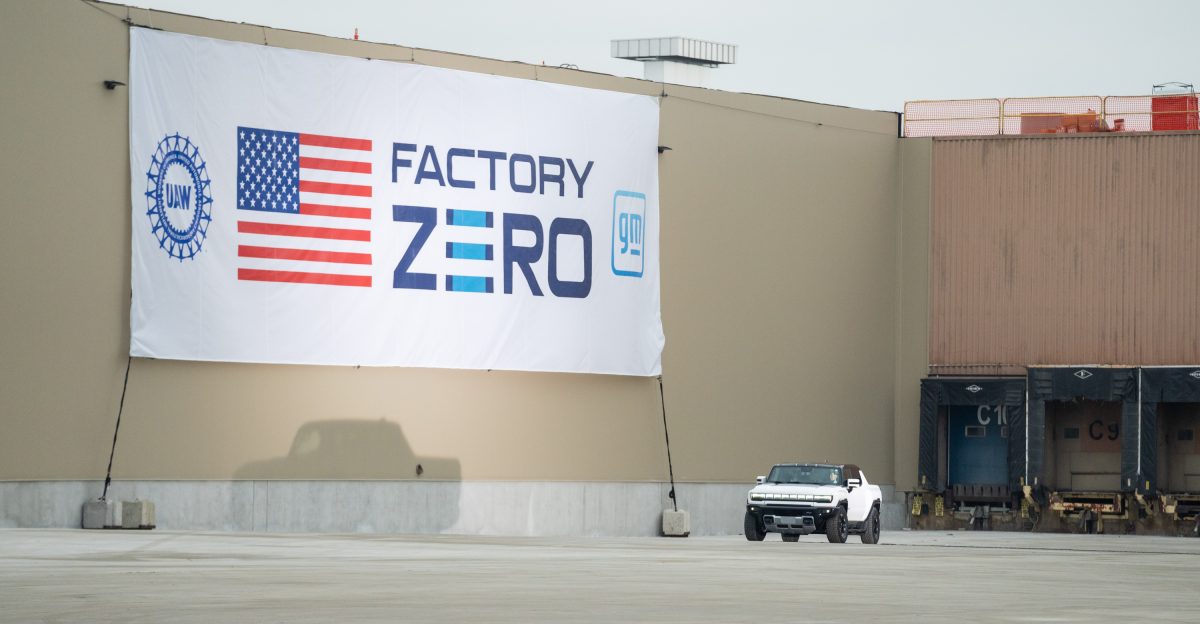
This was not a one-time adjustment. Factory ZERO idled one shift from September 2 to October 6, 2025, affecting 360 workers. In late 2025, GM slashed production by roughly 50% by converting to a single shift. Now a full shutdown through April 13. Three major pauses in under a year. That pattern tells a story no corporate press release will: demand did not soften. It collapsed. The federal EV tax credit expired September 30, 2025, and within months, EV market share dropped from roughly 8% to under 6%. The market contracted sharply with one policy change.
The $7,500 Cliff
New U.S. EV sales dropped 28% in Q1 2026 compared to Q1 2025. That is among the steepest quarterly EV sales declines on record, compounded by a broader 2026 vehicle market that also declined. GM’s own Q4 2025 EV sales fell 43% to just 25,219 units. The subsidy disappeared. The buyers disappeared with it. A $2.2 billion factory designed for peak throughput now produces nothing. GM took $7.6 billion in cumulative EV write-downs through 2025, the largest electrification loss in the company’s history. That number is an admission receipt.
The Hidden Profit Hierarchy
Here is what the press releases never explain. Gas trucks generate roughly $12,000 to $15,000 in profit margin per vehicle. Hybrids deliver $4,000 to $6,000. EVs hover around $2,000 to $3,000, sometimes negative. Capital follows profit, not policy. So while Factory ZERO sits idle, GM is converting Orion Assembly back to gas-powered Escalade, Silverado, and Sierra LD production starting 2027. The same company publicly calling EVs its “north star” is quietly pouring $4 billion into gas-truck facilities. That contradiction is the entire story in one sentence.
The Numbers Nobody Wants to Say Out Loud
Global automakers have collectively written off roughly $59 billion in EV-related losses. Stellantis leads at $26.2 billion. Ford took $19.5 billion and ended production of the battery-electric F-150 Lightning. Volkswagen absorbed $6 billion. GM’s $7.6 billion adds to the carnage. That roughly $59 billion figure represents the largest industry correction in electrification history. Meanwhile, hybrid market share surged to 19.7% in Q4 2025, nearly doubling from 11–12% the prior year. Consumers spoke with their wallets: they wanted efficiency without the cost and limitations of full EVs. The industry just spent roughly $59 billion learning that lesson.
The Ripple Hits Detroit
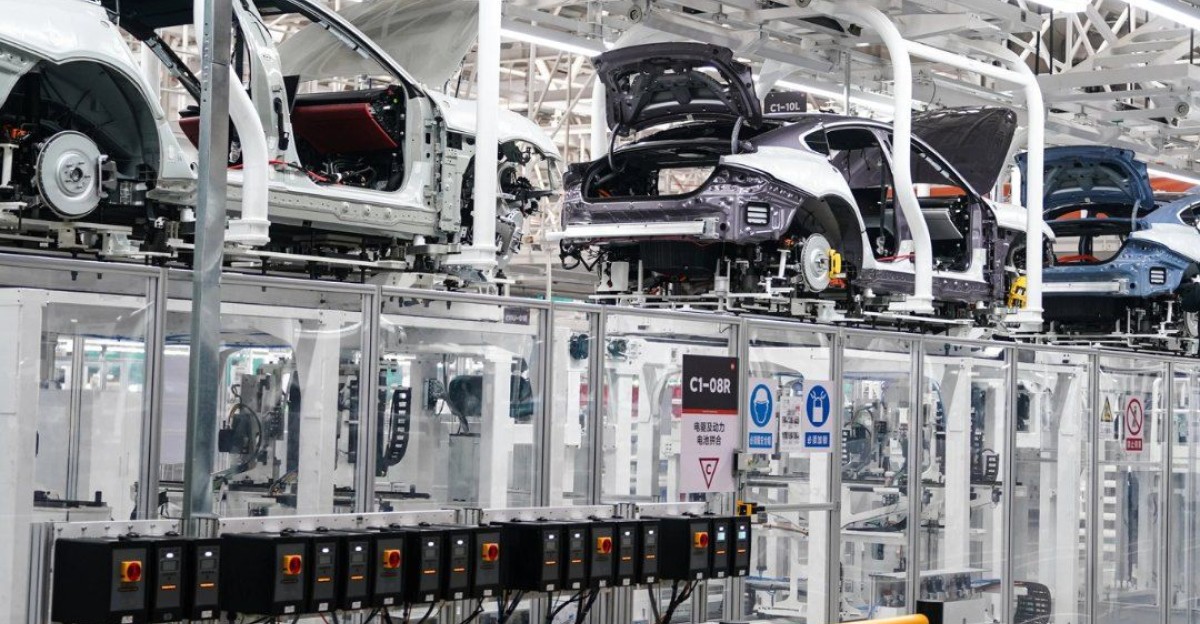
GM calls this layoff “temporary.” Internal UAW documents from November 2025 tell a different story: “In 2026, the plant will run one shift, with approximately 1,200 of our members on ILO [indefinite layoff].” That document predates the March announcement by four months. The company knew. Tier-1 suppliers specializing in EV powertrains and battery integration now face contract cancellations. Tariff costs already hit GM with $3.1 billion in 2025, with another $3 to $4 billion projected for 2026. Every dollar flowing to tariff exposure is a dollar not flowing to EV recovery.
Not a Pause. A New Rule.
Ford ended production of the battery-electric F-150 Lightning. Stellantis canceled the battery-electric Ram 1500 REV. GM idled its flagship plant. This is not three companies making independent adjustments. This is an entire industry retreating from a decade-long bet simultaneously. The precedent being set is brutal: EV plants are disposable when demand fails. Only 169,887 of GM’s 2.85 million vehicles sold in 2025 were electric, roughly 5.9% of the fleet. Once you see that number, the “inevitable transition” narrative collapses under its own weight. The EV future was always optional.
The Dominoes Still Falling

Battery suppliers like LG and Samsung face reduced contracts. Charging network operators see funding dry up as production shrinks. The Trump administration proposed rolling back CAFE standards from 50.4 mpg to 34.5 mpg by 2031, a move that would eliminate the regulatory pressure that justified EV capital spending in the first place. If indefinite layoffs at Factory ZERO expand beyond 1,200 to half the workforce, the UAW will escalate grievances to national bargaining. Used EVs are flooding dealer lots from lease returns, creating price competition that makes new EV production even less viable.
The Quiet Retreat

Mary Barra said it plainly: “It will take longer without the incentives, but I still think we’ll get there over time.” Read that again. The CEO of America’s largest automaker just admitted that EVs depend on government money to survive. That is the framework most people are missing. EV demand was never organic. It was engineered by a $7,500 check from Washington. When the check stopped, the market told the truth. GM will likely lobby for reinstated credits while quietly shifting billions toward gas trucks and hybrids. The retreat is real. The rhetoric is cover.
Sources:
“GM idles Detroit EV plant, temporarily laying off 1,300 workers.” Reuters, 30 Mar 2026.
“GM idles Factory Zero EV plant, temporarily laying off 1,300 workers.” Detroit Free Press, 30 Mar 2026.
“New EV sales drop 28% in Q1 2026, but used EVs surge 12% to near-record levels.” Electrek, 26 Mar 2026.
“GM just wrote down $7.6 billion on its EV business—and grew its market cap by the same amount.” Fortune, 26 Jan 2026.