F1’s Own Rules Forced a 191 MPH Crash—FIA Knew It Was Coming and Did Nothing
On March 29, 2026, a 191 mph crash at Suzuka forced Formula 1 to confront warnings it had already heard. Oliver Bearman’s 50G impact did more than shake the race weekend. It exposed how the 2026 regulations were reshaping speed, control, and risk across the grid. Drivers had flagged dangerous closing-speed swings days earlier, linking hybrid power changes and active aero to unstable behavior at high speed. The FIA had the data, the feedback, and the timeline. Yet the sport arrived at Suzuka without changes. What followed turned a technical debate into a visible safety crisis for the entire championship.
“A Big Crash Was Coming”
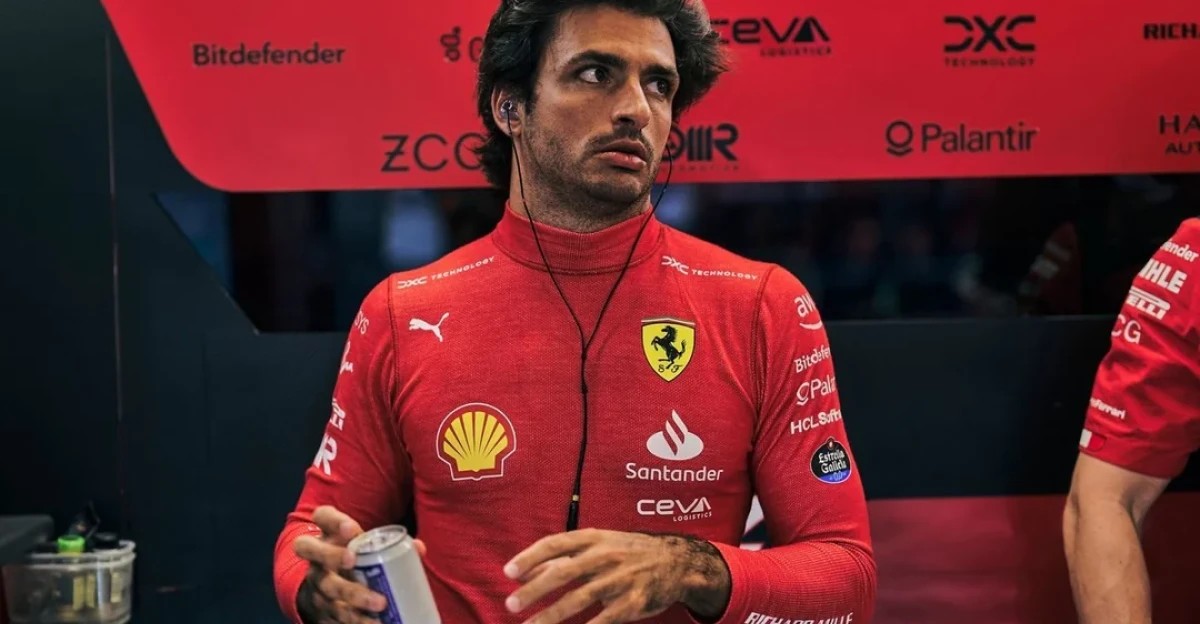
Carlos Sainz delivered the clearest warning after the Chinese Grand Prix weekend. In a March 23, 2026 report, he said the current setup could lead to “a big crash at very high speeds in tracks like Australia with little kinks.” He also highlighted the danger of “racing with your wings open on the straights at 340 km/h.” Those comments pointed directly to instability in how cars behaved at maximum speed. At the time, they sounded like caution. Within days, they began to resemble prediction rather than concern.
A Rule Change With Massive Consequences
The foundation of the issue lies in the 2026 power unit overhaul announced on January 13, 2026. Formula 1 shifted the electrical contribution from about 20% to nearly 50% of total power. The MGU-K output increased from 120 kW to 350 kW, while overall power stayed close to 1,000 hp. The MGU-H was removed entirely. These changes forced teams to rethink energy deployment, braking, and acceleration. Cars no longer behaved consistently across a lap, creating new dynamics that drivers had to manage in real time.
Where Speed Becomes Unpredictable
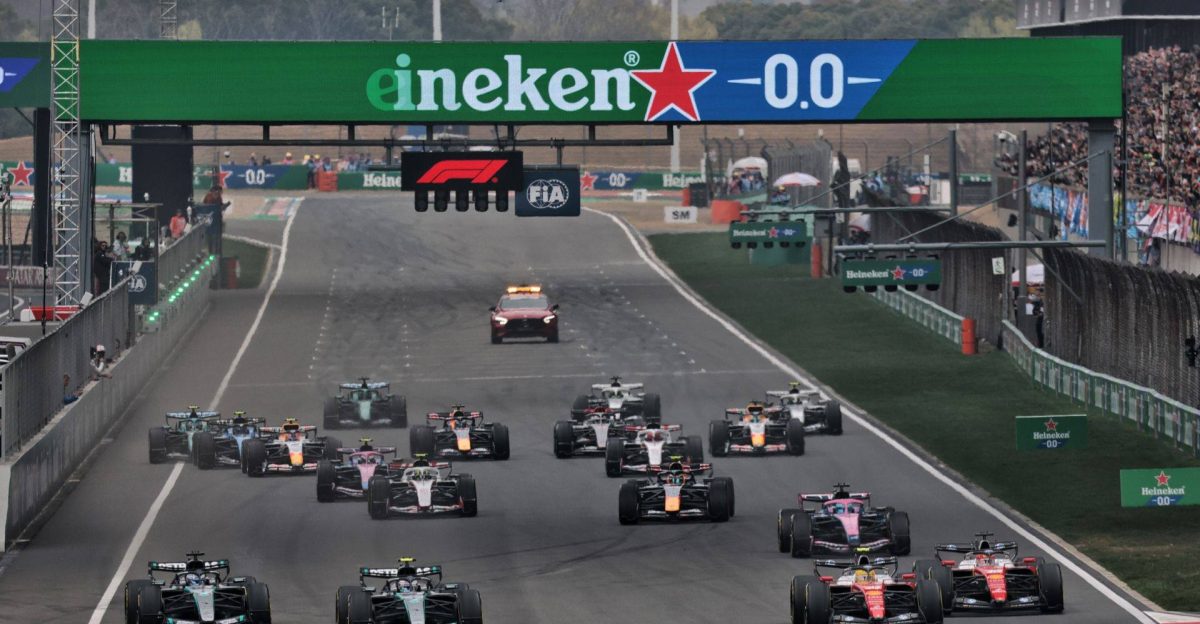
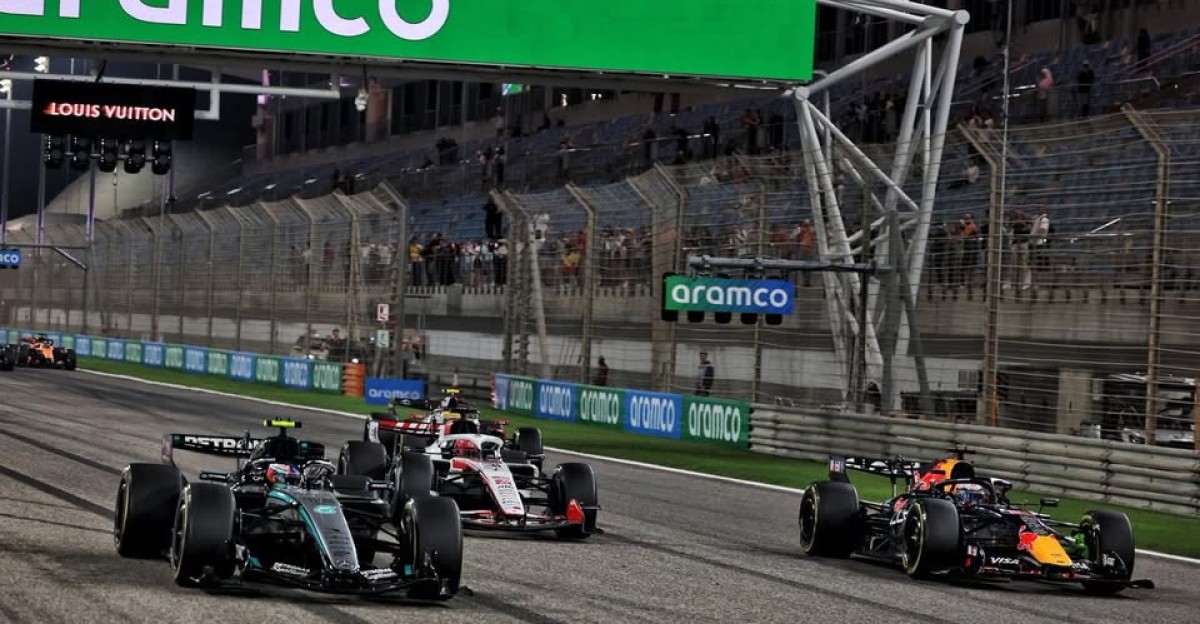
The new system introduced uneven performance within the same straight. Cars can deploy up to 4 MJ bursts of energy, then lose assistance as speed climbs past about 290 km/h. By 340 to 345 km/h, hybrid support becomes nearly zero. That creates phases where one car accelerates strongly while another fades. The result is a sudden change in closing speed that drivers cannot always anticipate. On fast circuits, that difference can shrink reaction windows to fractions of a second. That is where the risk begins to feel unavoidable.
“Not Good Enough For F1”
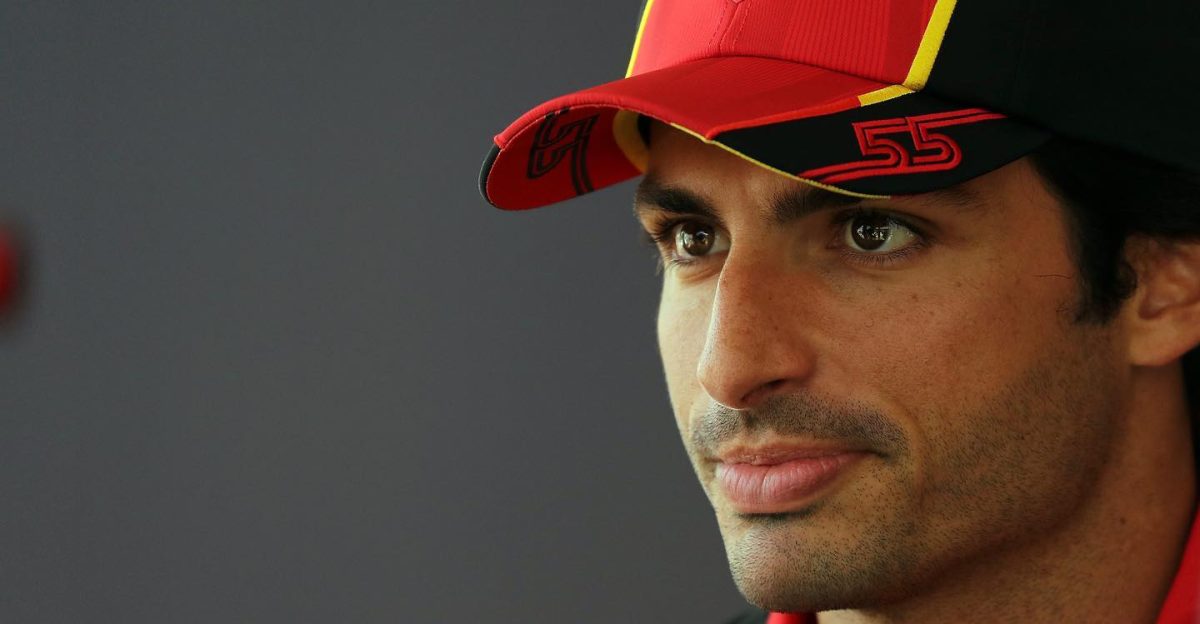
Sainz also criticized the attempted solution. He described Straight Mode as “a plaster on top of a plaster,” arguing it masked deeper flaws in the system. On March 28, 2026, he added that the situation was “not good enough for F1.” The concern was not just speed, but inconsistency. Drivers could gain time in corners and lose it unpredictably on straights. That created laps that felt unnatural and difficult to read. As Suzuka approached, those complaints carried more weight than before.
Why Suzuka Exposed Everything
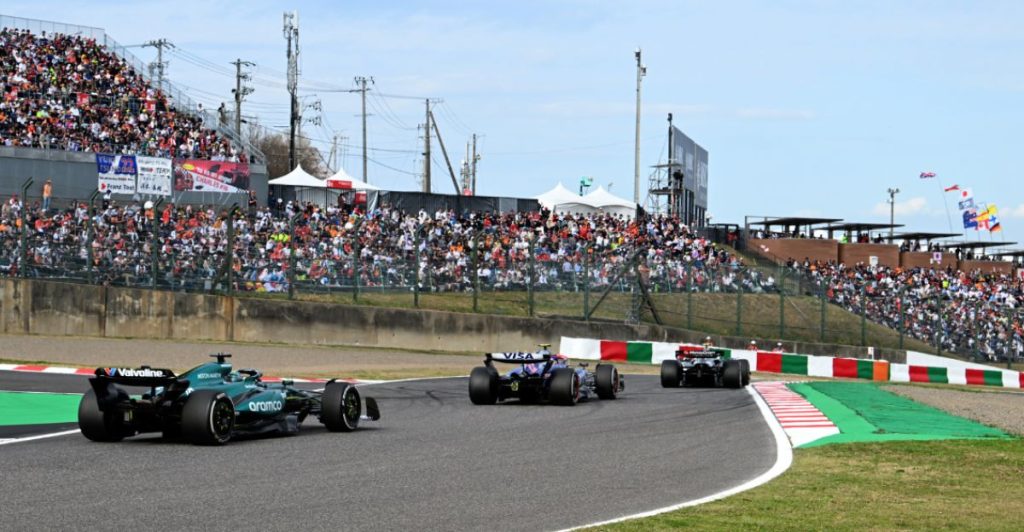
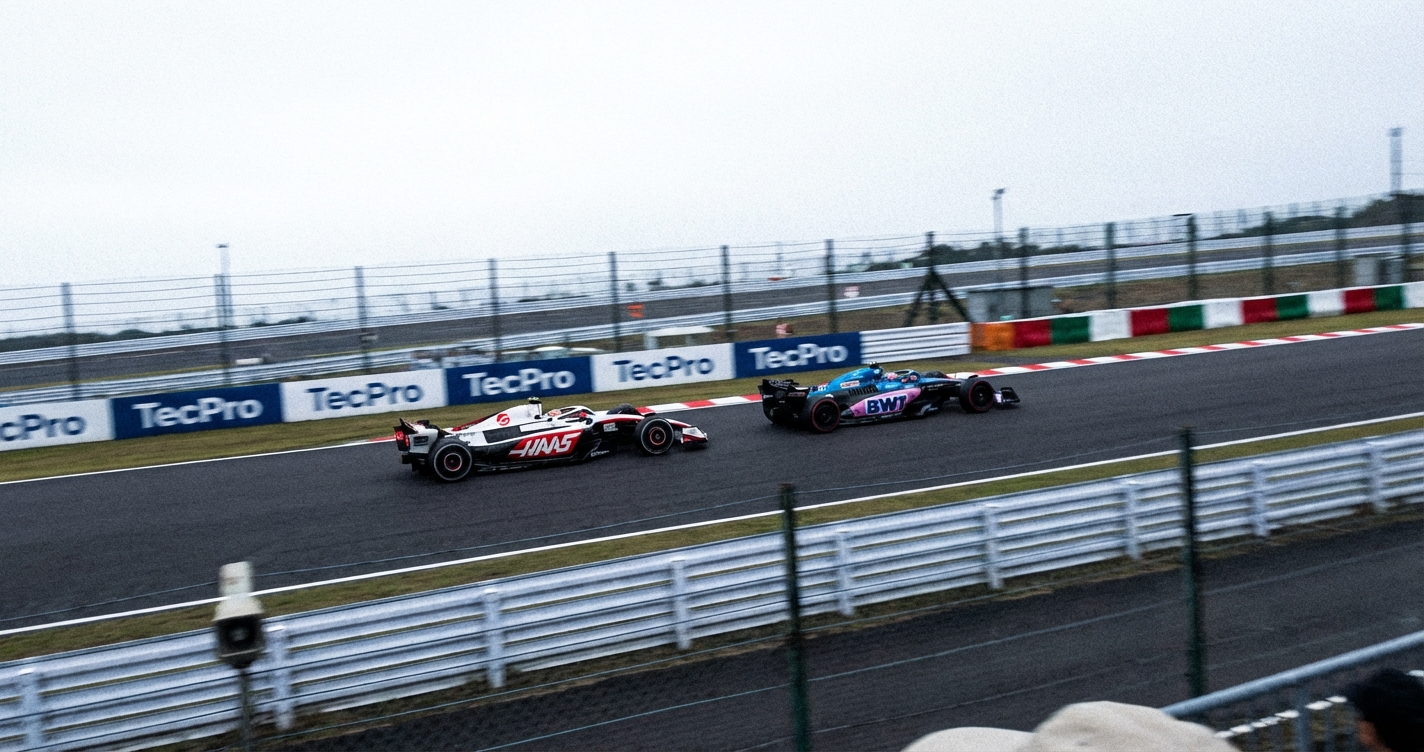
Suzuka has always rewarded rhythm and precision at high speed. Its flowing layout amplifies even small differences in performance. When Bearman crashed there on March 29, 2026, it aligned with the exact conditions drivers had been warning about. Reports linked the incident to a closing-speed difference as he approached a slower car. That does not prove a single rule caused the crash. It does explain why the circuit turned theory into reality so quickly, raising a deeper question about track suitability.
The FIA Could Not Miss The Signs
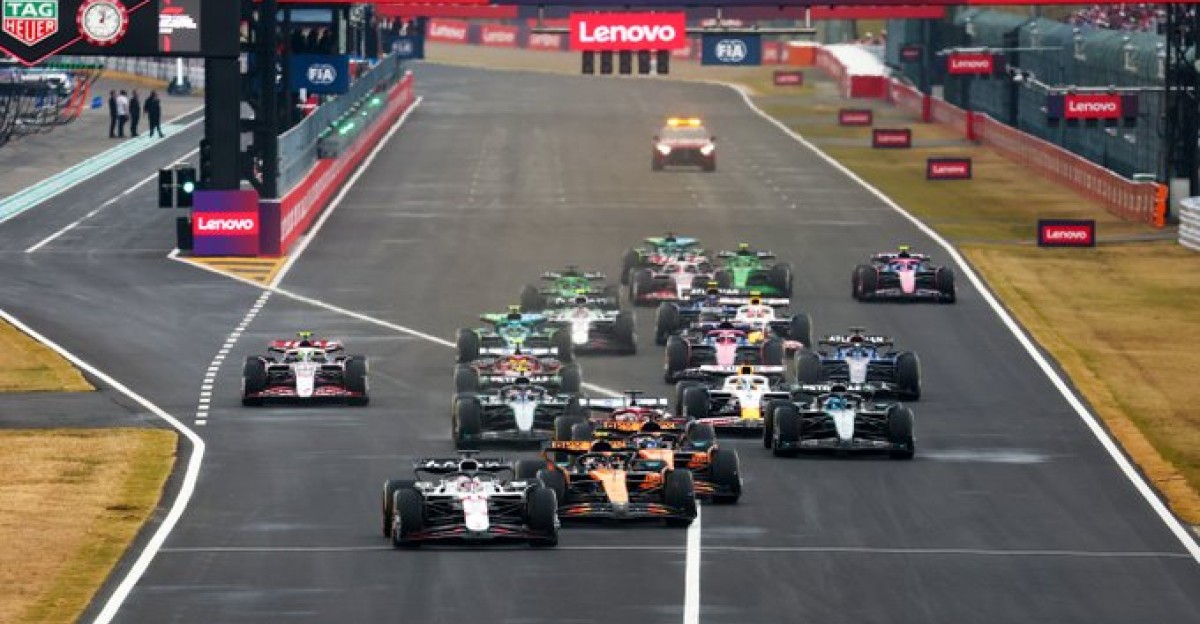
The governing body had multiple signals before Suzuka. The technical framework was public by January 13, 2026. Driver concerns intensified throughout March. After the crash, the FIA confirmed a review of the 2026 rules would begin in April. That response acknowledged the issue, but also highlighted frustration. The warnings had been clear and repeated. The crash forced action that had not come earlier. That sequence left many questioning whether earlier intervention could have prevented the incident from happening at all.
The Financial Stakes Behind The Rules
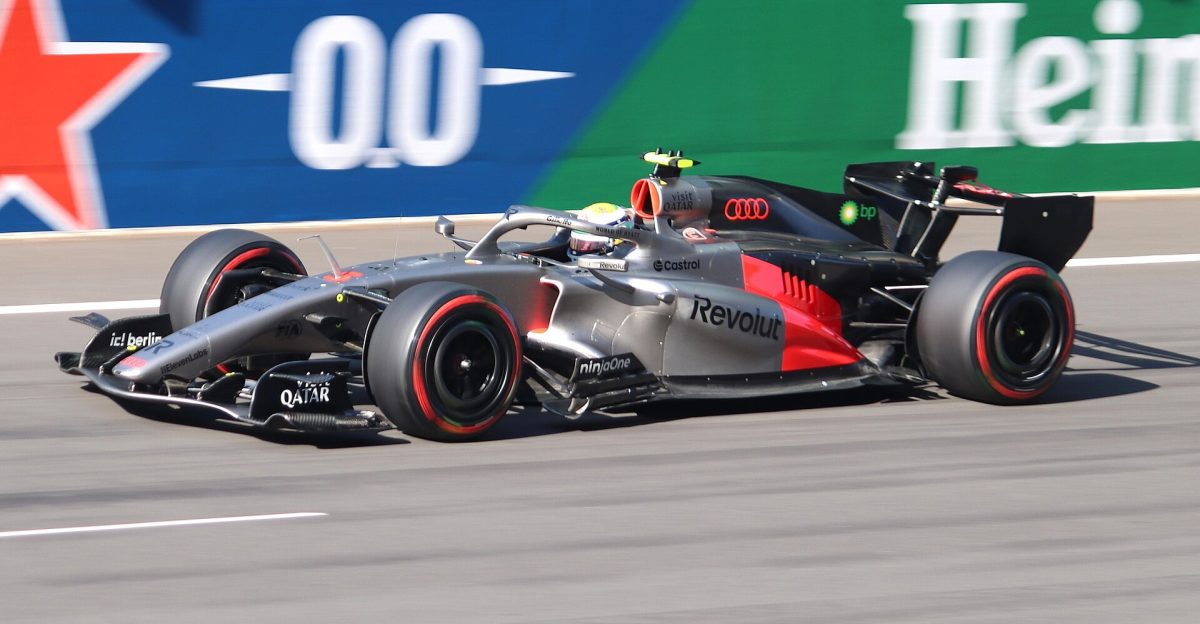
The 2026 regulations were designed to attract manufacturers and modernize the sport. Goals included 100% sustainable fuel and stronger relevance to road technology. Audi’s planned entry reflected that direction. Removing the MGU-H simplified engines, but increasing MGU-K output to 350 kW added complexity in batteries and cooling. Teams invested heavily in simulation and energy management systems. These financial commitments make rapid changes difficult. At the same time, safety concerns can reshape priorities faster than any business plan expects.
What Can Be Fixed Now
Several adjustments are already under discussion. The FIA can modify how long power remains limited, smooth deployment curves, and reduce how sharply assistance drops at high speeds. It can also refine how active aerodynamics interact with hybrid output. These changes could reduce sudden closing-speed differences without rewriting the entire rulebook. The challenge lies in whether incremental fixes can solve a structural issue. If similar patterns appear at other high-speed circuits, the pressure for deeper changes will grow quickly.
A Warning That Still Echoes
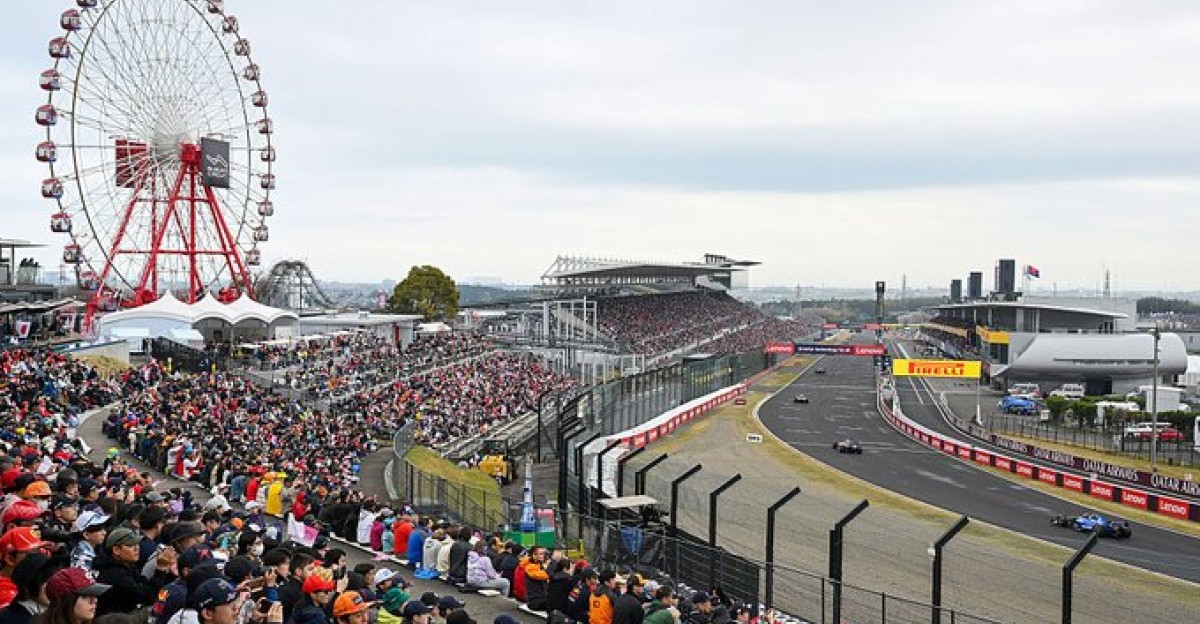
Suzuka provided a clear turning point for the 2026 season. By the end of March 2026, Formula 1 had a 191 mph crash, a 50G impact, direct driver criticism, and a confirmed FIA review. The sequence answered one question. The risks were identified before the crash, not after it. What remains unresolved is how seriously that warning will be treated. The next races will reveal whether the sport adapts in time, or whether this moment becomes the first signal of something even harder to ignore.
Sources:
2026 F1 Tech Regulations in focus – the Power Unit: 50+50=1000. Motorsport.tech, January, 31 2026
2026 REGULATIONS EXPLAINED: All you need to know about F1’s new power units. Formula 1, January, 13 2026
F1 2026’s new engine rules explained. The Race, January, 21 2026
Carlos Sainz reveals fears of ‘big crash’ under new F1 rules. Motorsport Week, March, 22 2026
Sainz issues stark warning as ‘big crash’ fear grows over 2026 regulations. GPBlog, March, 23 2026
Carlos Sainz blasts 2026 rules as ‘not good enough for F1’. PlanetF1, March, 28 2026