Hyundai Kills Electric Car After 41% Sales Collapse—One Of 10 From America’s Worst-Range EV List
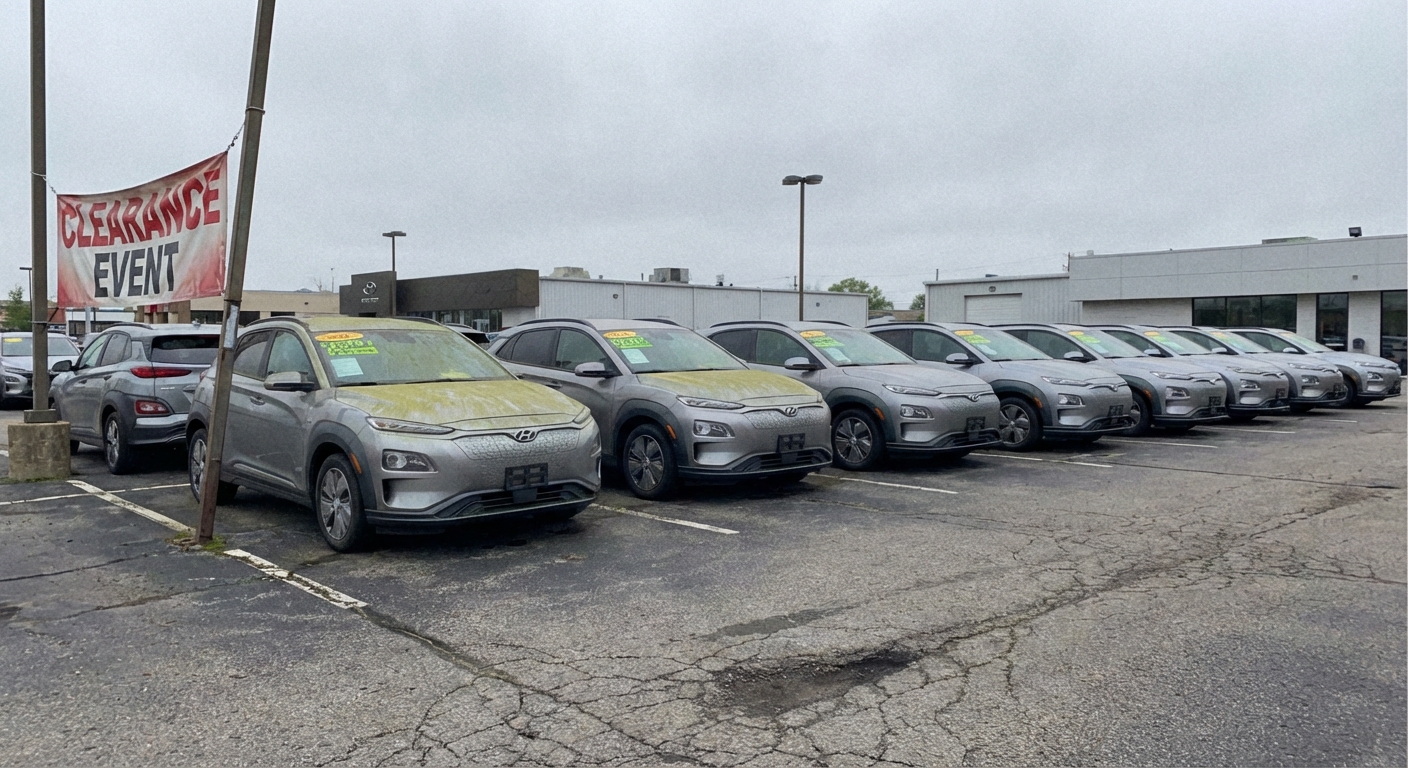
Hyundai just paused the Kona Electric for the 2026 model year in the U.S. due to weak sales, while several other 2026 EVs continue to offer relatively short driving ranges for their price and segment.
Hyundai just paused the Kona Electric for 2026. There will be no 2026 model in the U.S. The automaker confirmed a production halt for U.S.-spec versions, with a 2027 version scheduled to restart production later in the year. Cox Automotive estimates Hyundai sold just 3,011 Kona Electrics in 2025, a 40.5% plunge from the year prior. Despite Hyundai claiming “adequate stock,” the company says there are enough 2025 units to manage current demand. The Kona’s biggest weakness was range. It is far from alone. These are nine more vehicles from America’s worst-range EV list for 2026.
9: 2026 Hyundai Ioniq 5 SE Standard Range – 245 Miles
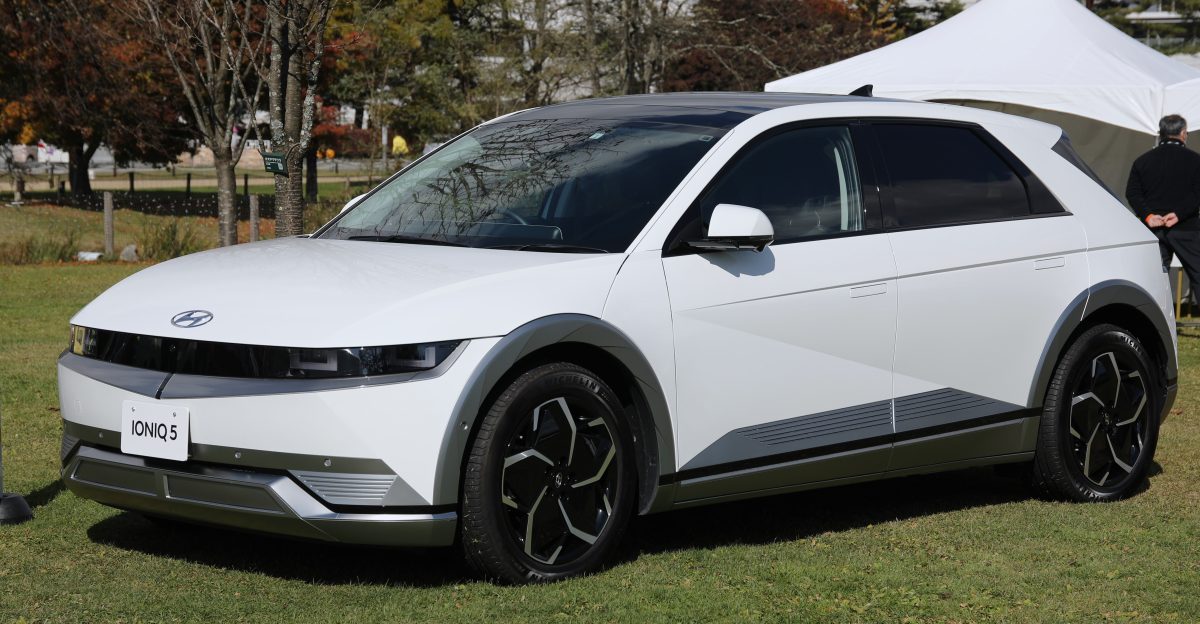
The Ioniq 5 is one of the highest-rated EVs on the market. Car and Driver and Edmunds both give it top-tier scores, with Edmunds rating it around 8.3 out of 10.
The base SE Standard Range trim swaps the larger battery used in every other model for a roughly 63 kWh pack, capping range at 245 miles. The base starts at $35,000; the next tier, the SE RWD, costs $37,500 and unlocks an EPA-estimated 318 miles. For $2,500, buyers gain 73 extra miles. The Standard trim often proves a value trap for shoppers.
8: 2026 Dodge Charger Daytona EV – 241 Miles
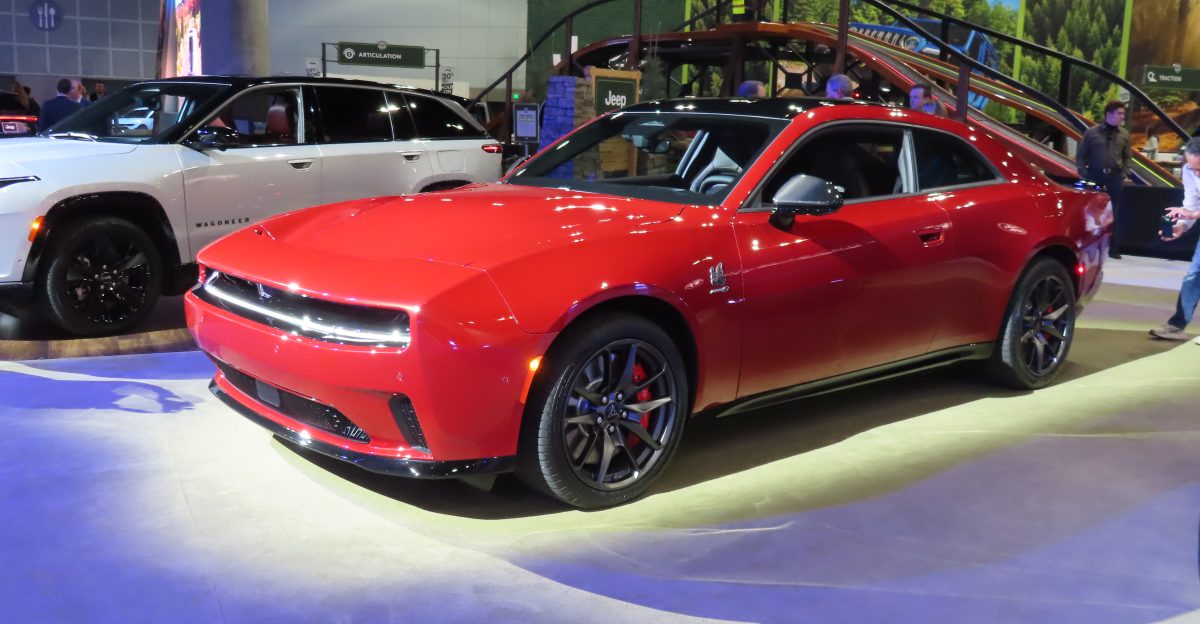
Dodge built an electric muscle car that accelerates to 60 mph in 3.3 seconds. The 2026 Charger Daytona Scat Pack starts at about $60,000 and delivers an EPA-estimated 241 miles of range. For context, the Chevrolet Equinox EV is expected to start around $34,995 and manage up to about 319 miles, depending on trim.
That’s roughly $25,000 more for 78 fewer miles in the Dodge when you compare these trims. At this price and range, the Daytona has one of the worst range-to-dollar ratios on the market. Acceleration is impressive, but range falls short for the price.
7: 2026 Mercedes-Benz G-Class EV – 239 Miles
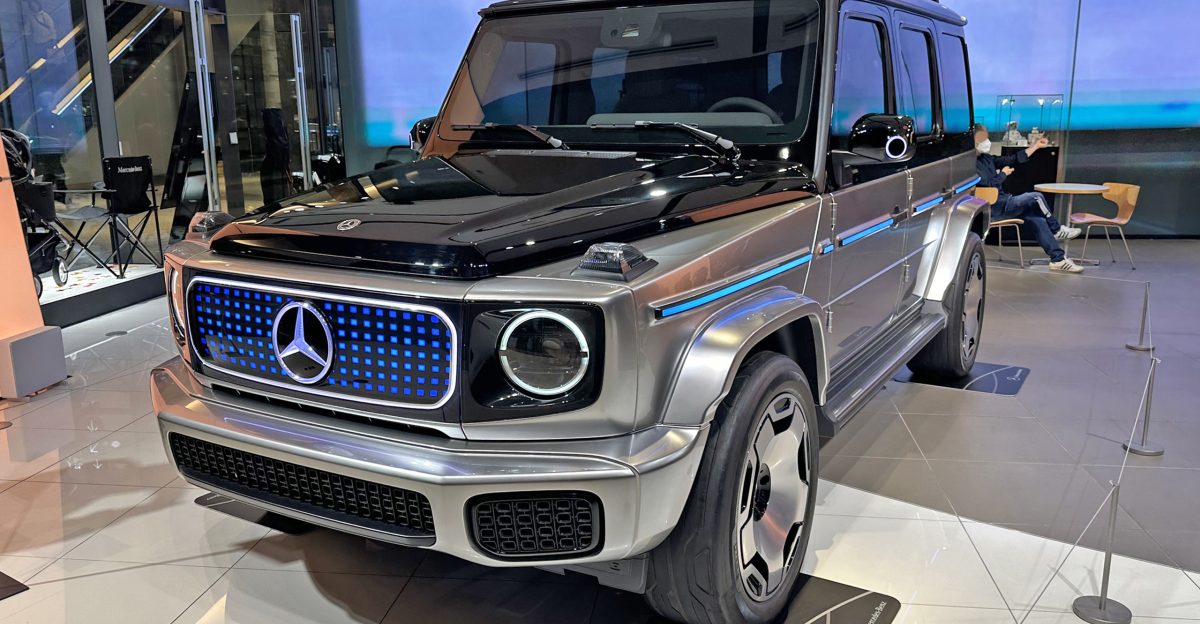
Mercedes packed one of the largest batteries in the segment, a 116 kWh unit, into the electric G-Wagon and paired it with four motors producing about 579 horsepower. The result is an EPA-estimated 239 miles of range.
At around $150,000, the G-Class EV is one of the most expensive vehicles in this segment, yet its quad-motor architecture burns through battery faster than dual-motor rivals running smaller packs. More power demanded more energy, and more energy did not increase distance. The G-Wagon demonstrates that raw power reduces range efficiency.
6: 2026 Toyota bZ XLE – 236 Miles
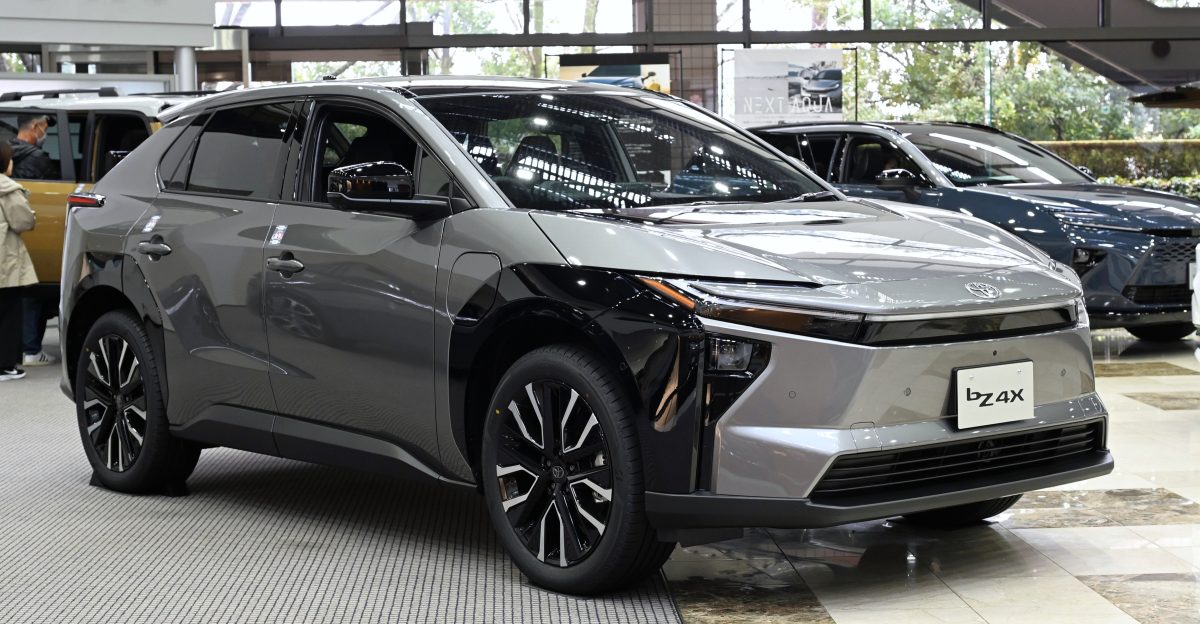
Toyota dropped the bZ4X name and gave its compact SUV upgraded motors, a sharper design, and access to Tesla’s Supercharger network for 2026. Car and Driver and Edmunds rate the updated model noticeably higher than the outgoing bZ4X. The base XLE trim packs about a 57.7 kWh battery, capping range at 236 miles.
The XLE Plus is expected to start around the high-$30,000s and stretch to about 314 miles, a roughly 78-mile gain for a few thousand dollars more. Toyota expects most buyers will pay to upgrade.
5: 2026 Mercedes-AMG EQE SUV – 230 Miles
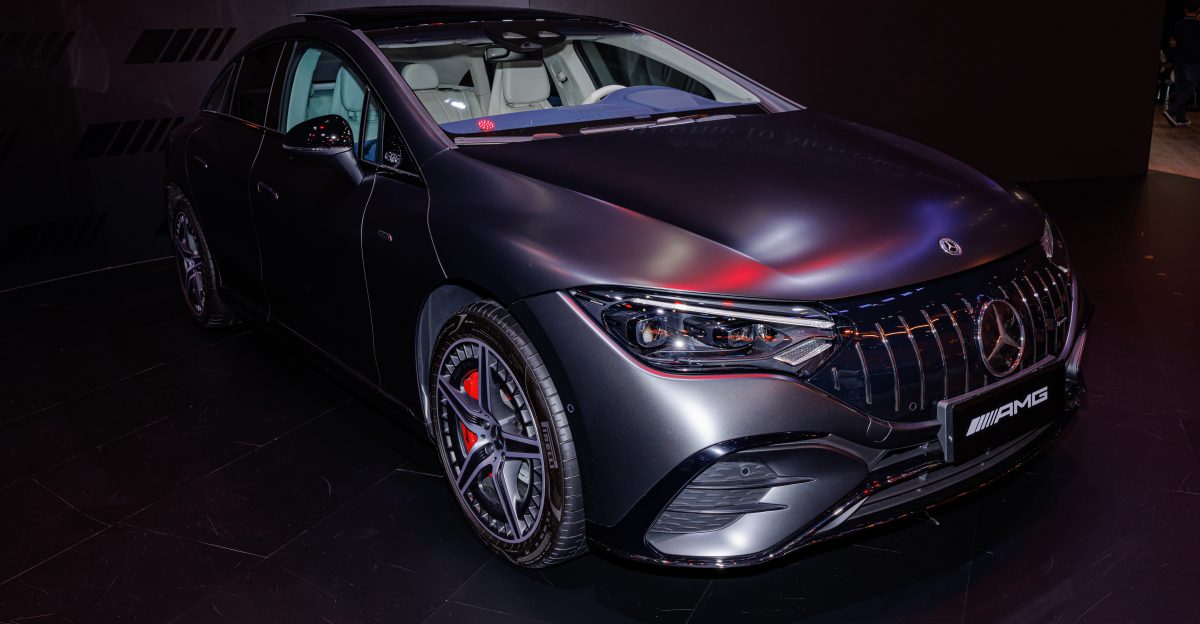
The EQE SUV accelerates to 60 mph in about 3.1 seconds and features one of the finest luxury cabins in the segment. Car and Driver and Edmunds both give it strong scores in the luxury EV category.
The base AMG model tops out at about 230 miles of EPA range, which is low for a luxury SUV at this price point. Mercedes says DC fast charging can add about 100 miles in around 15 minutes under ideal conditions. For buyers who expect luxury to mean convenience, frequent charging stops may disappoint.
4: 2026 Lexus RZ F Sport – 229 Miles
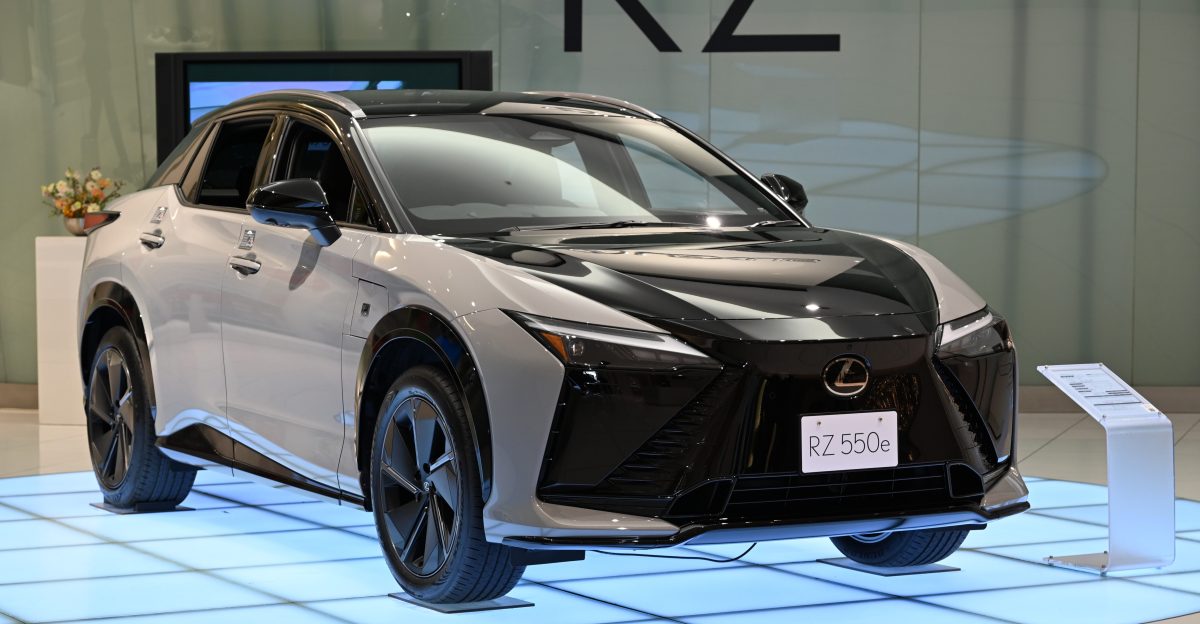
Lexus updated the standard RZ for 2026. A larger battery around 74–77 kWh and improved motors push the base model to roughly 300 miles of range, depending on configuration. The F Sport performance variant packs about 400-plus horsepower, aggressive suspension tuning, 20-inch wheels, and a sport spoiler, which drain the same battery to an EPA-estimated 229 miles.
The base RZ now qualifies as a luxury EV. The F Sport version has higher performance but comes at the expense of range.
3: 2026 Volvo EX30 Cross Country – 227 Miles
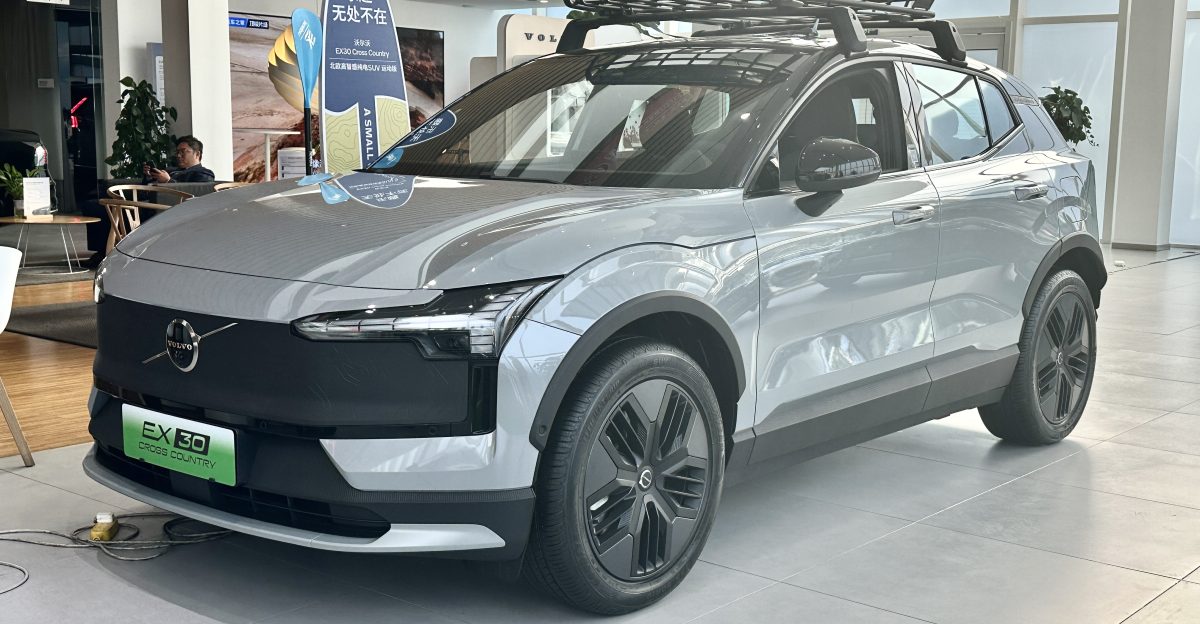
The EX30 earned strong reviews from Car and Driver for its Twin Motor drivetrain, which reaches 60 mph in just over 3 seconds, and a starting price in the mid-$40,000s for higher-performance variants. The Cross Country variant, built for off-road capability, drops EPA-estimated range to 227 miles. Opting for 18-inch wheels reduces that figure to just 203 miles.
Some reviewers, including Edmunds and Consumer Reports, have raised concerns about cramped rear seats, limited cargo, and short range for an off-road-oriented EV. Those trade-offs make this a tough recommendation for many shoppers.
2: 2026 Mini Countryman Electric – 212 Miles
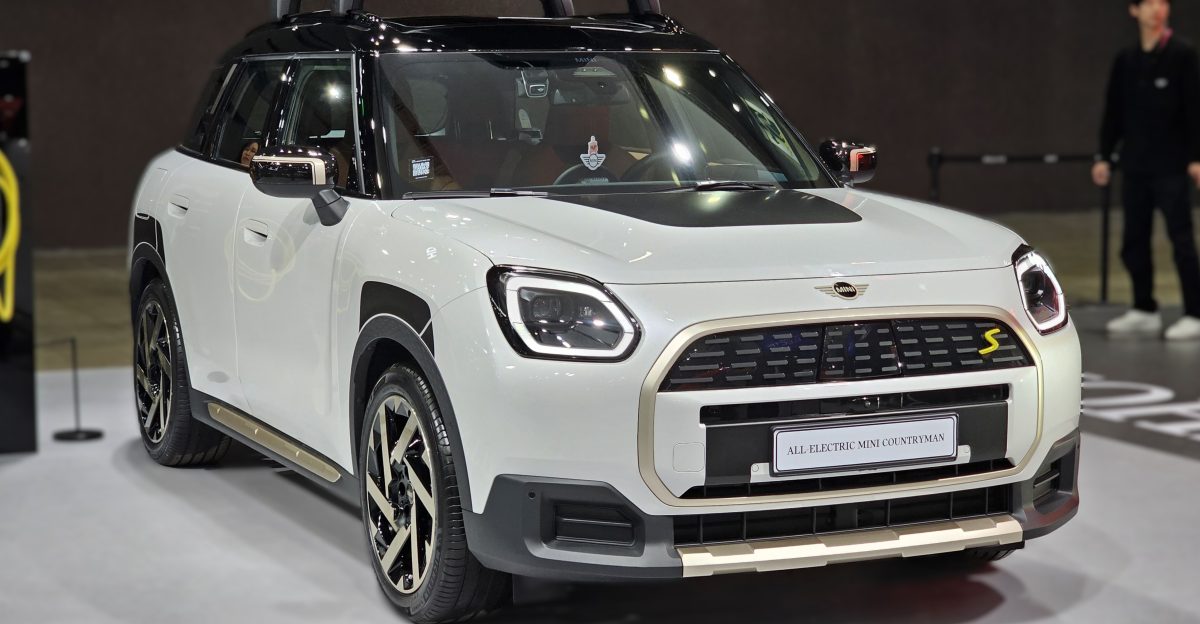
Mini built a compact electric SUV that early reviews score solidly in performance and design. The infotainment setup includes a central touchscreen with support for Apple CarPlay and Android Auto, and the cabin is reasonably spacious for a subcompact SUV. The EPA-estimated range is up to 212 miles with 18-inch wheels, depending on configuration.
At about $45,200 for the least-expensive 2026 Countryman Electric in the U.S., buyers pay roughly $213 per mile of range, which is among the weaker ratios in the segment. The Countryman lacks a frunk and has a 0-to-60 time in the mid-4-second range, which may not be enough to attract hardcore performance shoppers. Its range remains a limiting factor.
1: 2026 Fiat 500e – 149 Miles
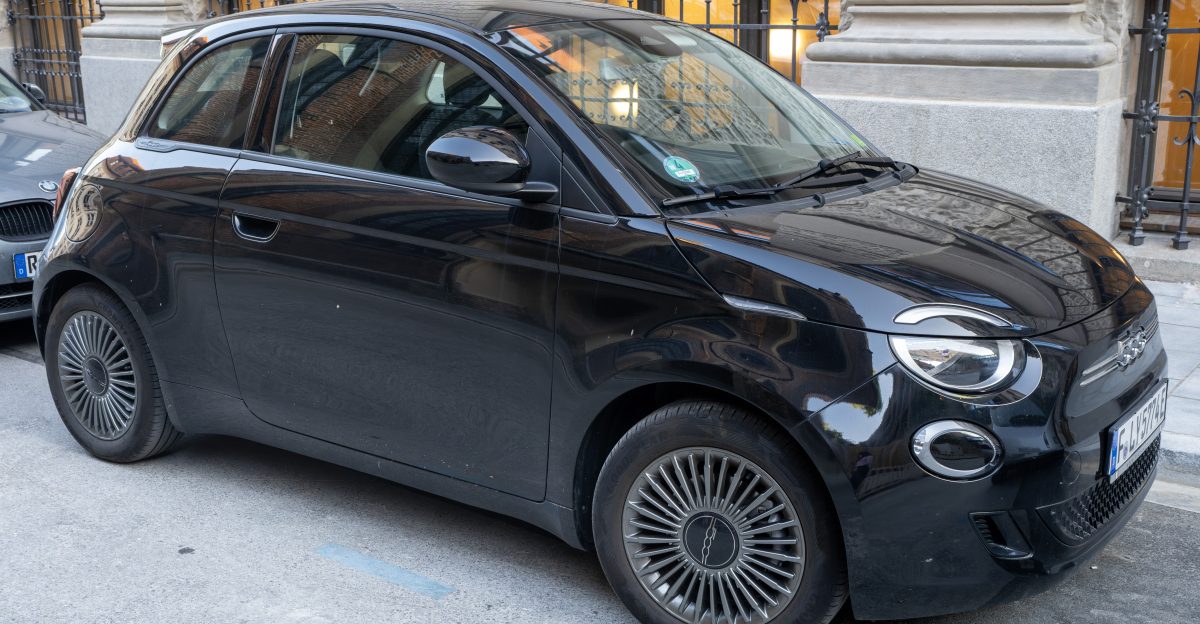
The Fiat 500e delivers up to 149 miles of EPA-estimated range, putting it among the lowest-range mass-market EVs sold in America in 2026. At around the mid-$30,000s to high-$30,000s depending on trim and destination, it can cost more than the Nissan Leaf and Chevrolet Equinox EV, both of which offer substantially more range at similar or lower prices.
Car and Driver scored it in the mid-6s out of 10, and other reviewers have been critical of its limited practicality. DC fast charging takes roughly 35 minutes to reach about 80% under ideal conditions. At an EPA range of 149 miles, its short legs make it best suited for city and close-in suburban driving rather than long trips.
Sources:
Cars.com | Hyundai Pauses Kona Electric for 2026, Kia Discontinues Niro PHEV | February 4, 2026
CarsDirect | Hyundai Kona EV Skipping 2026 Model Year | February 8, 2026
BGR | 10 Electric Vehicles With The Worst Range In 2026 | February 27, 2026
National Today / Los Angeles | 8 Electric Vehicles With Shockingly Poor Range in 2026 | March 4, 2026
Business Insider | The EV Graveyard: the Electric Cars That Automakers Have Axed in 2026 | March 12, 2026