Stellantis Kept Funding A ‘Serious And Intentional’ Fraud For 16 Months—76 Workers Paid The Price
A 16 month fraud involving 81 vehicles, $1.4 million in missing proceeds, and two major lenders unfolded quietly inside two small Iowa dealerships before collapsing. Sky Auto Mall and Sky Chevrolet pledged the same inventory to Stellantis Financial Services and Ford Credit at the same time, with neither side aware. Stellantis continued funding the operation despite warning signs, allowing the scheme to expand. The fallout triggered $18.9 million in lawsuits and cost 76 employees their jobs within days. What looked like routine financing exposed a deeper breakdown in oversight across the auto lending system.
Two Dealerships Running One Playbook
Sky Auto Mall in Center Point and Sky Chevrolet in Newhall operated as separate locations but functioned as one coordinated system. Owned by Alex, Igor, and Yelena Tovstanovsky of Illinois, the dealerships carried six major brands including Chevrolet, Ford, Chrysler, Jeep, Dodge, and Ram. In November 2023, Stellantis financed inventory at Center Point. Soon after, Ford Credit financed the same vehicles at Newhall. Each lender believed it held exclusive rights. The locations sat only miles apart, yet their financial records told entirely different stories that aligned behind the scenes.
Oversight That Never Connected

Floorplan lending depends on oversight, audits, and reporting, yet those systems failed to intersect here. Stellantis Financial manages more than $4 billion in receivables, while Ford Credit ranks among the largest captive lenders in the United States. Still, vehicles moved between locations without notification. Parallel accounting systems concealed the duplication. No monthly reconciliation exposed the overlap. No audit flagged the inconsistencies. Stellantis even identified financial distress at the dealership but continued issuing funds. The safeguards existed independently, but none communicated, leaving a gap large enough for the scheme to expand unnoticed.
The Fraud That Kept Growing
As warning signs accumulated, financing continued. Stellantis advanced funds month after month despite deteriorating financial signals tied to the dealership. During this period, the operation built up 81 simultaneous liens across two lenders. Sales proceeds totaling $1.4 million were withheld instead of repaid. When questioned, the owners admitted to double flooring and concealment. They acknowledged misleading Stellantis Financial “including with regard to the financial reporting for Sky.” Sixteen months allowed a limited issue to scale into a multi million dollar exposure that neither lender fully understood at the time.
A System With No Cross Check
The fraud exploited a structural weakness rather than a single lapse. Stellantis Financial and Ford Credit operate independently without a shared database to verify vehicle identification numbers in real time. No system flags when one VIN carries liens from multiple lenders. The dealership used this gap with precision, transferring vehicles strategically and maintaining synchronized records across both locations. The situation resembled pledging one property to two banks, except this occurred across 81 vehicles. That absence of coordination held until February 2026, when both lenders finally became aware of overlapping claims.
Lawsuits Land Within Seventy Two Hours

Legal action followed quickly once the scheme surfaced. On March 2, 2026, Stellantis filed a $12.3 million lawsuit in Linn County District Court. Ford Credit followed on March 5, 2026, seeking $6.6 million. Ford also alleged the dealership exceeded its credit limit by $1.2 million. Stellantis requested authority to seize assets potentially exceeding $20 million. Both lenders targeted the same inventory pool. Auction recoveries typically fall 30% to 40% below retail value, meaning losses were almost guaranteed. With two creditors pursuing identical collateral, who would recover first became the central conflict.
Workers Left Without Warning
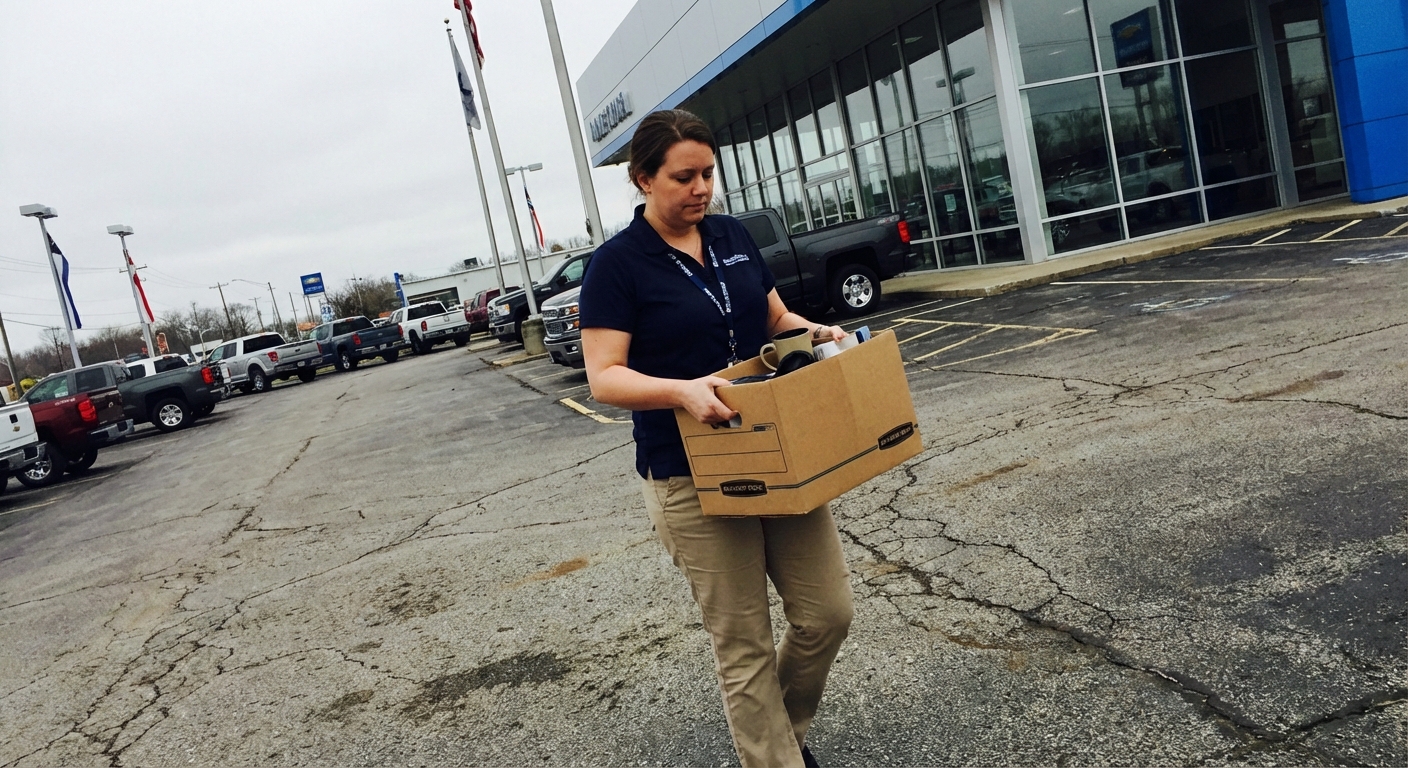
The fallout reached employees almost immediately after the lawsuits. WARN notices were issued within days, affecting 46 workers in Center Point and 30 in Newhall. These 76 employees had continued working under the assumption of a stable business. Instead, they found themselves tied to a collapsed operation built on duplicated collateral. Their wage and commission claims now compete with secured creditors in court proceedings. Customers who purchased vehicles during the fraud period may also face title disputes. The financial decisions made in Illinois left direct consequences for workers and buyers in Iowa.
A Pattern Seen Before Elsewhere
Similar fraud structures have appeared in recent years, suggesting a broader vulnerability. In 2025, Tricolor Holdings collapsed after pledging identical loan portfolios to JPMorgan Chase and Barclays, triggering a federal investigation. In September 2025, Colorado’s Off Road Automotive was seized over title fraud involving 48 of 52 vehicles. Sky Auto Mall followed a comparable structure but applied it at the dealership level with coordinated systems and multiple owners. This showed how the same weakness could be adapted across different tiers of the automotive finance system, raising concerns about how often it might go unnoticed.
A Court Date With High Stakes
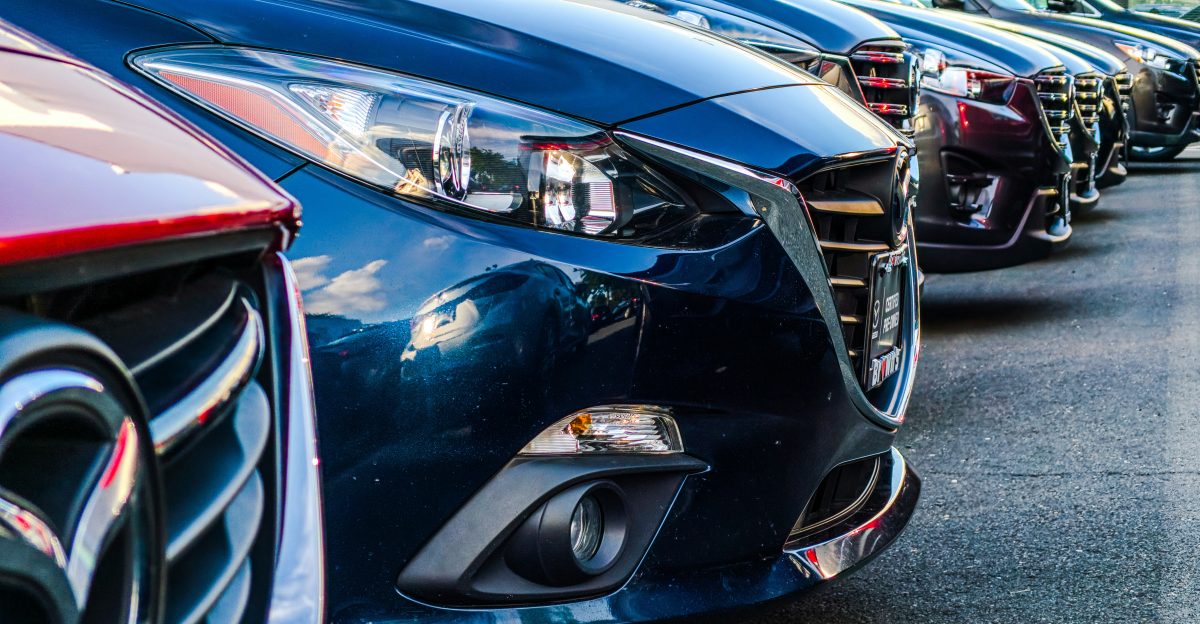
A hearing on March 20, 2026, in Linn County District Court will shape the outcome. The court will decide whether Stellantis can seize assets exceeding $20 million. If approved, liquidation could begin within weeks. If the Tovstanovsky owners file for bankruptcy, proceedings could pause recovery and reduce payouts. Stellantis also reported €22.2 billion in corporate charges in February 2026, adding pressure to recover losses. With both lenders pursuing the same assets and legal options narrowing, the decision may determine how much each party ultimately absorbs.
The Phone Call That Ended It
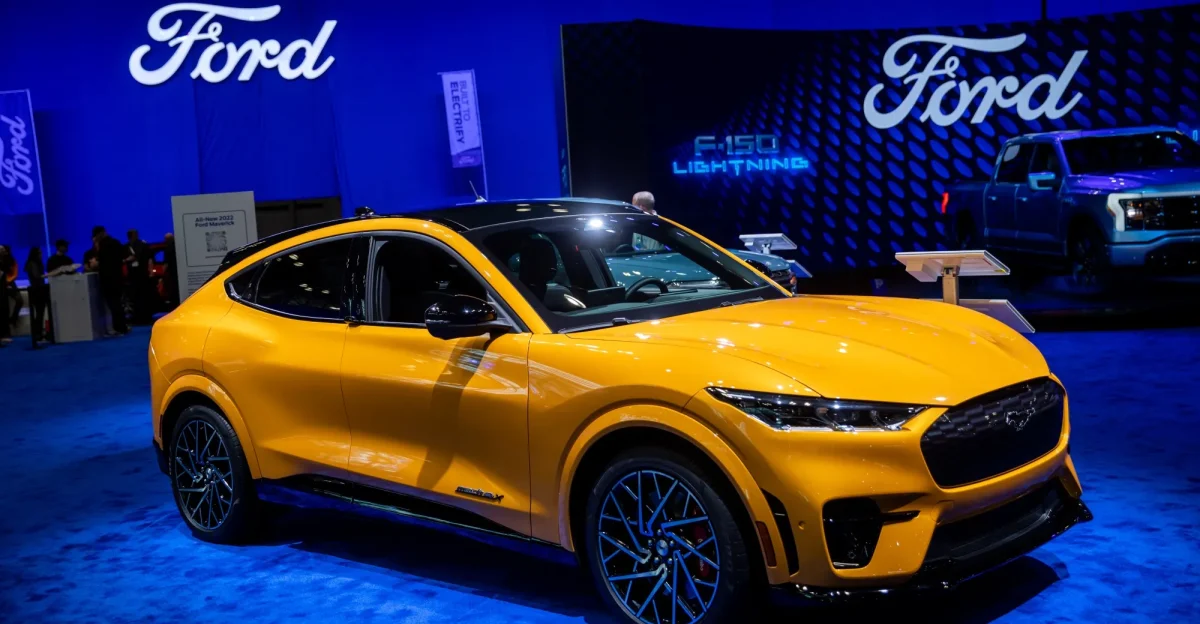
The scheme ended not through audits or inspections, but through direct communication. In February 2026, Stellantis alerted Ford Credit to the overlapping financing. That single action exposed the duplication across 81 vehicles. Iowa regulators had still listed the dealership as active into March 2026. Without that alert, both lenders might have continued funding the same inventory. The collapse showed how a system without shared visibility depends on individual decisions to surface problems. The exposure raised a larger question about how many similar risks remain undiscovered across the industry today.
Sources:
Stellantis Accuses Iowa Dealer Of Taking Multiple Loans On The Same Cars. Carscoops, March 8, 2026
Ford and Stellantis Hit Iowa Dealership With Massive Lawsuits Over Double-Financing Scheme. Yahoo Finance/Business Record syndication, March 30, 2026
Stellantis Tipped Off Ford About A Dealer, And Both Companies Discovered That 81 Vehicles Were Financed Twice. Topgir (via ClubAlfa.it–style regional outlet), March 28, 2026
Ford To Get Dealer’s Cars Amid Ongoing Floorplan Fraud Lawsuit. Ford Authority, March 2026
Stellantis Says Iowa Dealership Ran a $12 Million Loan Scheme. Autoblog/AOL, March 9, 2026
Executives at Subprime Auto Lender Are Charged With Fraud. The New York Times, December 17, 2025
CEO, CFO, COO Charged In Connection With Billion-Dollar Collapse Of Tricolor Auto. U.S. Department of Justice press release, December 15, 2025