World’s ‘Most Reliable’ Car Brand Hid a Blind Spot in 144,200 SUVs for 11 Months
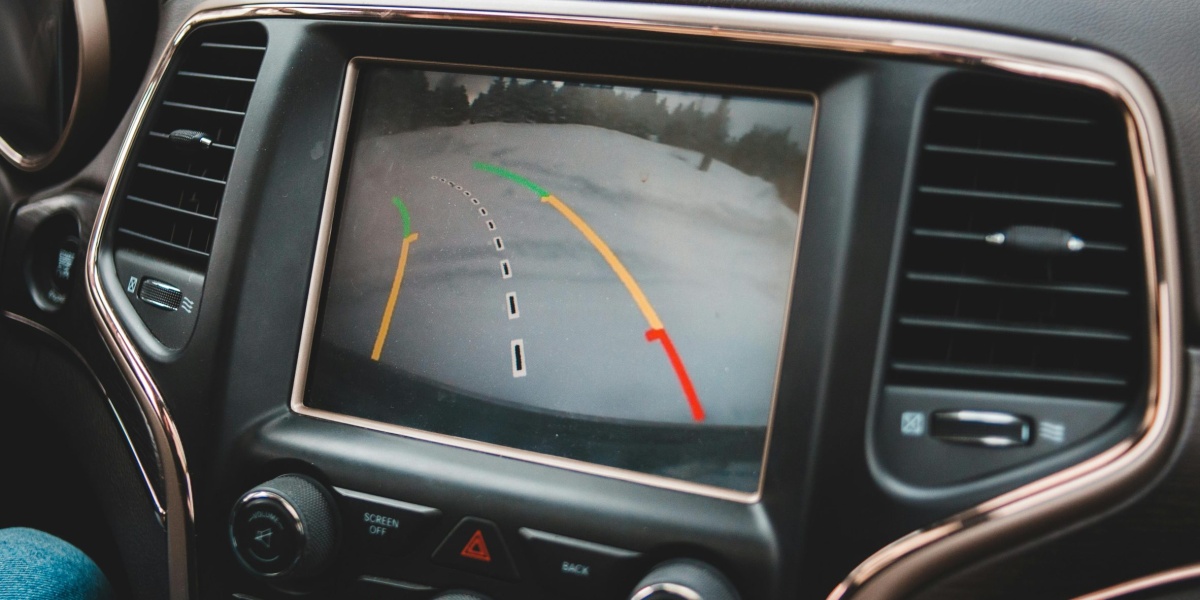
You shift your car into reverse, and then the screen goes black. There is no warning light, no error message, and no chime. Just a dead display where a backup camera image should be, and whatever’s behind the vehicle disappearing into a void the driver can’t see. For owners of certain Lexus SUVs, that blank screen wasn’t a glitch. It was engineered into the vehicle at the factory, baked into 144,200 units across three model lines, and it sat there unannounced while families backed out of driveways for months. The brand on the hood made it worse.
The Brand That Promised Perfection
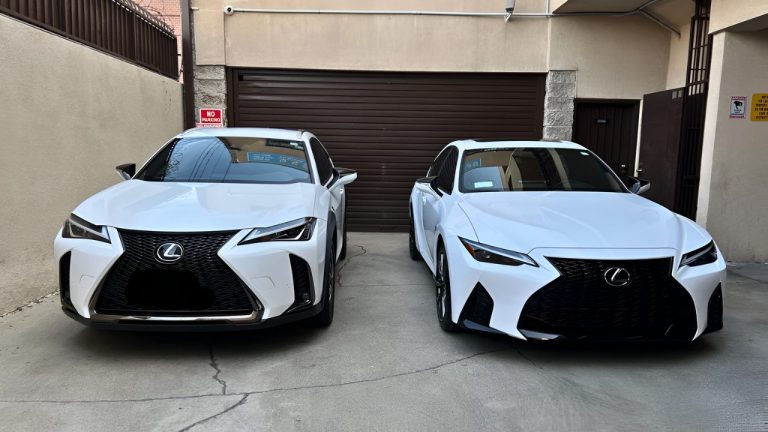
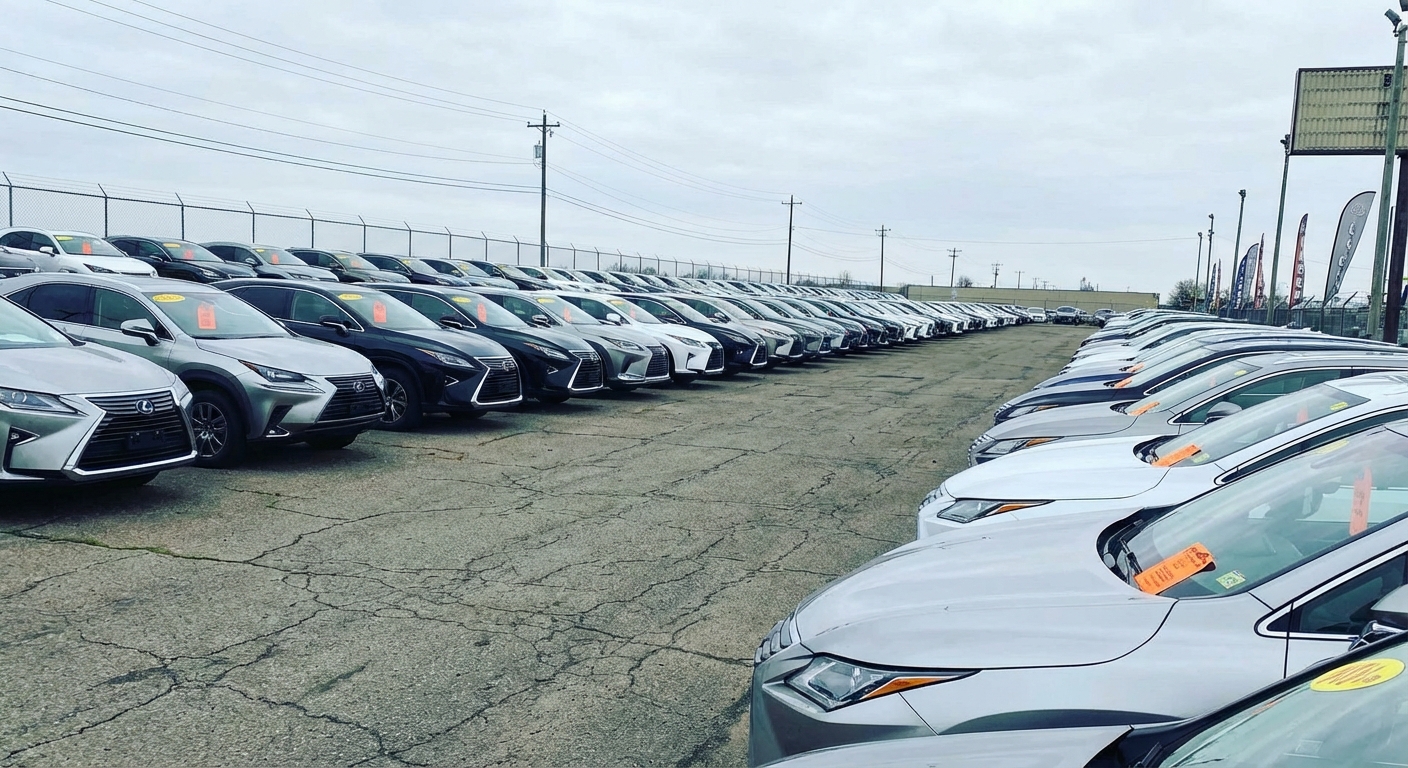
JD Power’s 2026 Vehicle Dependability Study ranked Lexus the most dependable brand overall for the fourth consecutive year, scoring 151 problems per 100 vehicles. Owners paid $45,000 to $80,000 for RX350s, NX250s, NX350s, and TX350s, specifically because that reputation mattered. Federal law, since May 2018, requires every new vehicle to have a functioning backup camera. FMVSS 111 exists because rear blind spots kill people. Lexus sold 144,200 gas-powered SUVs that violated that standard straight off the assembly line.
A Fifty-Cent Part Nobody Checked
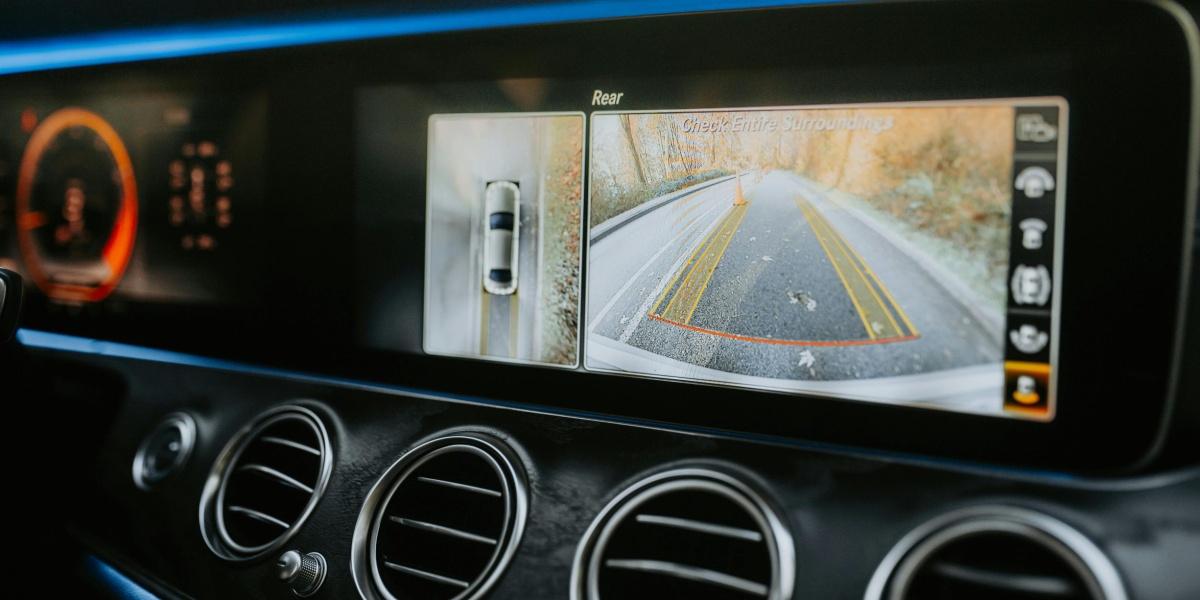
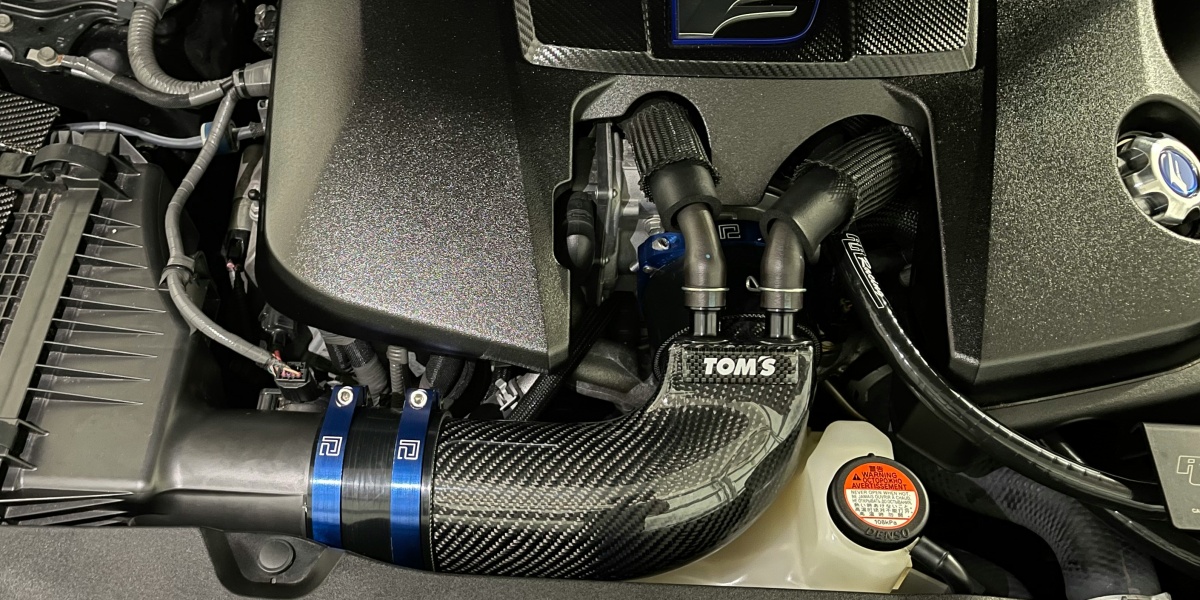
The defect traces to the in-cabin USB charger. It lacks a single capacitor, a component worth pennies, that stabilizes voltage when the engine cycles from off to on within eight seconds. Without it, the power dip kills the backup camera’s boot sequence. The screen stays dark. Every affected vehicle rolled off the line with the same missing part. Not a bad batch. Not a supplier error on Tuesday. One hundred percent of 144,200 units carried the identical flaw, spanning production across model lines from March 2022 through early 2026. Lexus’s own filing admits the charger “does not have a capacitor.”
The Company’s Own Words Convict It
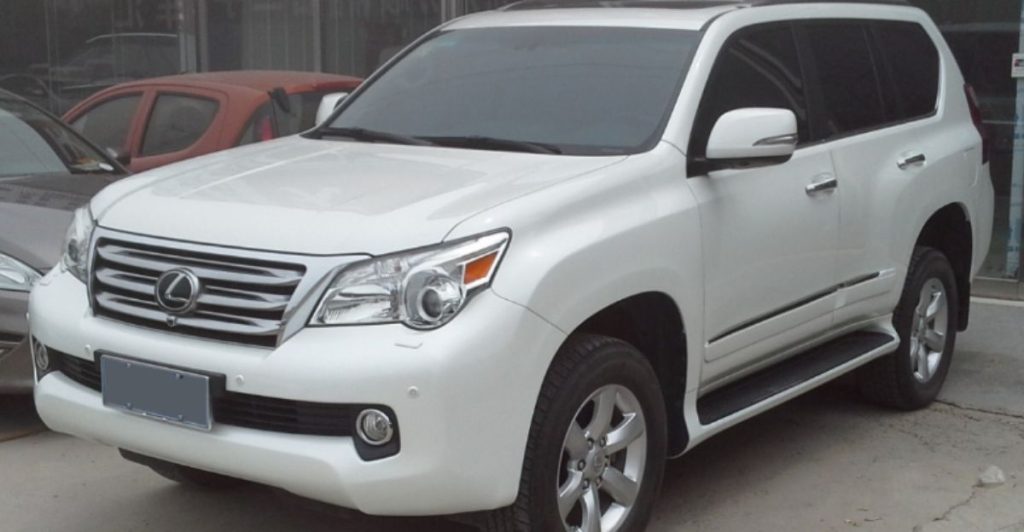
The NHTSA Part 573 filing indicates the vehicle does not comply with federal safety standards when the backup camera fails to display. The same filing acknowledges the USB charger “does not have a capacitor which can mitigate the effects of a voltage drop.” Read those together. Lexus filed a federal document declaring backup cameras non-negotiable for safety, then admitted it shipped the hardware that guarantees camera failure. A 36-year veteran automotive engineer put it plainly: “Unlike other components designed to stabilize power, this charger lacks a capacitor capable of mitigating sudden voltage drops.” That contradiction sat in production for two years.
Three Teams, Zero Communication

The hidden mechanism is design siloing. Toyota’s multimedia team built the USB charger. The powertrain team managed engine voltage behavior. The camera team set boot-sequence power requirements. None of them verified their systems against each other. Other Toyota and Lexus vehicles with the same multimedia system but different USB chargers work fine, proving the defect lives in one specific charger design. Think of it as building a house with a circuit breaker panel but no grounding rods. Everything looks complete until the surge hits, and then the one missing piece takes the whole system down.
The Numbers Behind the Blank Screen
If owners had to pay for repairs themselves, the bill would land around an estimated $344 million, based on average backup camera replacement costs of $2,386 to $2,460 per vehicle. Lexus covers the cost, but the dealership labor exposure alone runs an estimated $27 to $32 million across roughly 432,600 service hours. Here’s the number that stings most: hybrid versions of the same RX350 and NX350 are completely exempt. Same platform, same camera hardware. The hybrid powertrain transitions to EV mode before cranking, preventing the voltage drop entirely. Gas buyers paid the same premium and got the defect.
144,200 Afternoons Nobody Asked For
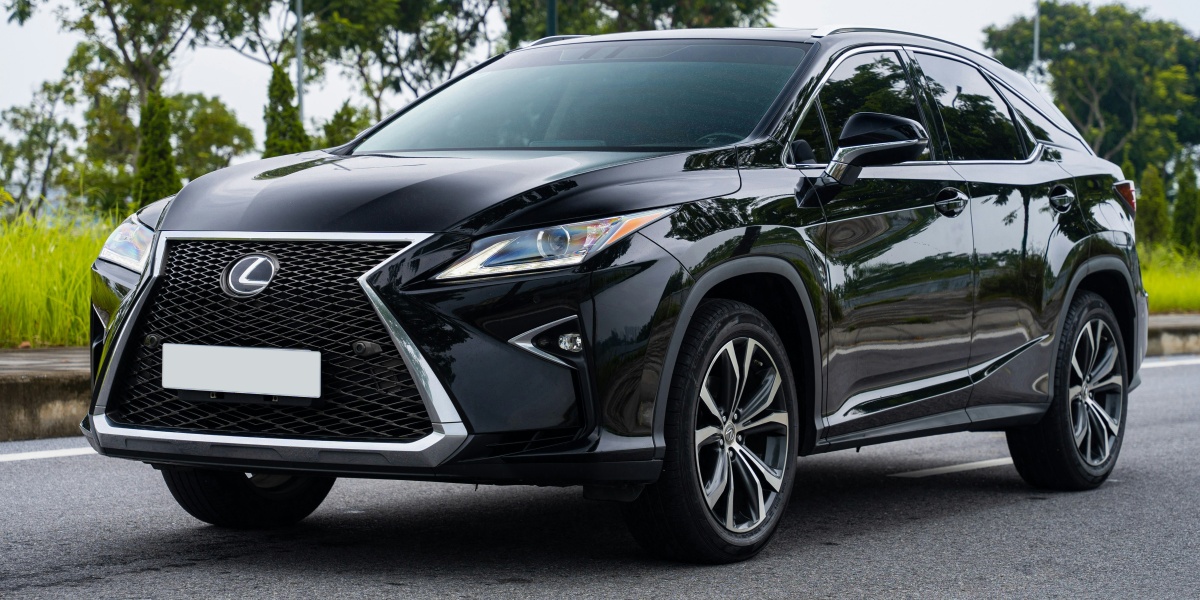
Owner notification letters go out by May 17, 2026. Every one of those 144,200 owners must schedule a dealership appointment for a software update or, if needed, full hardware replacement. Dealership service departments will absorb that surge in weeks, likely creating four-to-eight-week appointment backlogs heading into summer driving season. Toyota’s 2026 warranty reserves now carry hidden recall liability that quarterly earnings haven’t reflected. Used Lexus RX, NX, and TX models from 2022 through 2025 may see repriced valuations as buyers learn the defect history, even on VINs not directly affected.
A Pattern, Not an Exception
This is the second major Lexus backup camera defect in six months. An October 2025 recall covered over one million Toyota, Lexus, and Subaru vehicles for a software-only glitch. Now, a separate hardware defect hits 144,200 Lexus SUVs. Frozen door handles triggered a separate service campaign. Transmission class-action lawsuits remain ongoing. Once you see the pattern, the “most reliable” ranking stops looking like engineering excellence and starts looking like a measurement that misses what matters. Industry observers suggest this recall could prompt NHTSA to consider expanding test-cycle requirements to include warm-restart scenarios and multi-system electrical verification.
Twelve Months of Silence
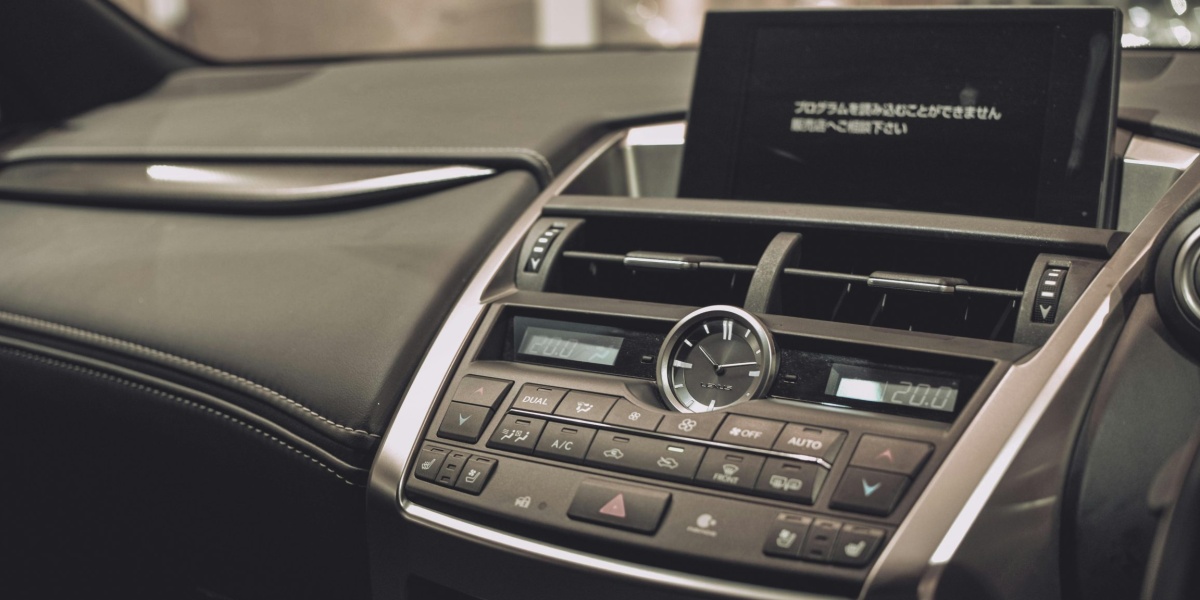
Lexus received field reports of inoperative backup cameras in March 2025. Bench testing confirmed the voltage drop in August 2025. The root cause was identified in March 2026. The recall was filed the same month. Customers won’t receive letters until May 2026. That’s a full year of internal investigation while 144,200 owners unknowingly drove vehicles violating federal safety law. Other manufacturers have disclosed defects while still investigating the root cause. Lexus chose investigation first, disclosure later. If defect-related accidents surface before those May letters arrive, product-liability attorneys will have a timeline that practically writes the complaint itself.
What Lexus Owners Know Now
A fifty-cent capacitor separated “most reliable” from “technically unsafe.” Hybrid buyers dodged the bullet by accident, not by design. The defect wasn’t a fluke. It was a 100%-population engineering sign-off that cleared quality gates for two years because nobody tested what happens when three systems share a power rail and one of them skips the cheapest protection available. Toyota may push over-the-air software patches to reduce dealership strain, but the deeper question follows every Lexus owner to the next purchase: if they missed this, what else passed inspection that shouldn’t have?
Sources:
“Part 573 Safety Recall Report 26V162.” National Highway Traffic Safety Administration, 18 Mar. 2026.
“Toyota Recalls Certain Lexus NX, RX and TX Vehicles.” Toyota Pressroom, 17 Mar. 2026.
“Lexus and Buick Lead the Pack in JD Power’s 2026 Dependability Rankings.” Autoweek, 12 Feb. 2026.