NASCAR’s 35-Year Apparel Partner Hid Chapter 7 Filing For 30 Days—Then Fired 100 In 30 Minutes
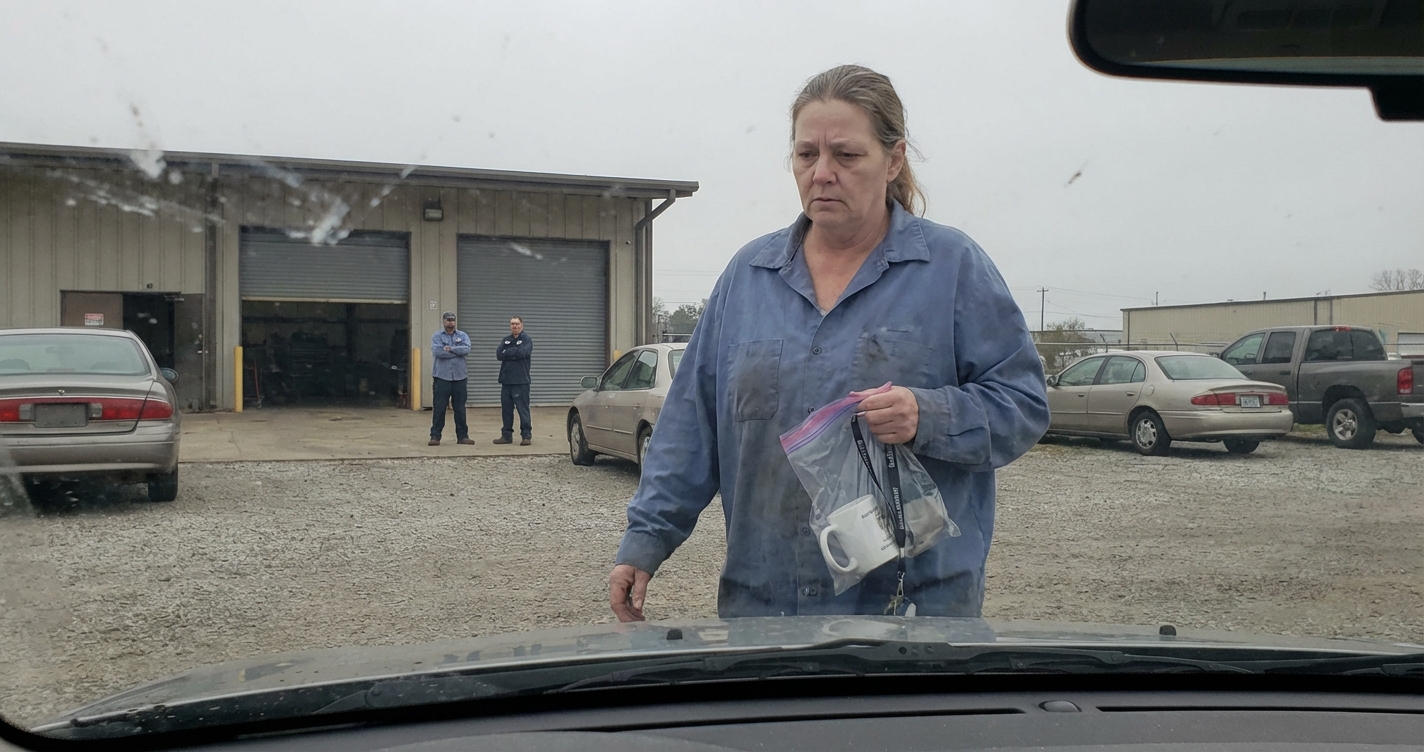
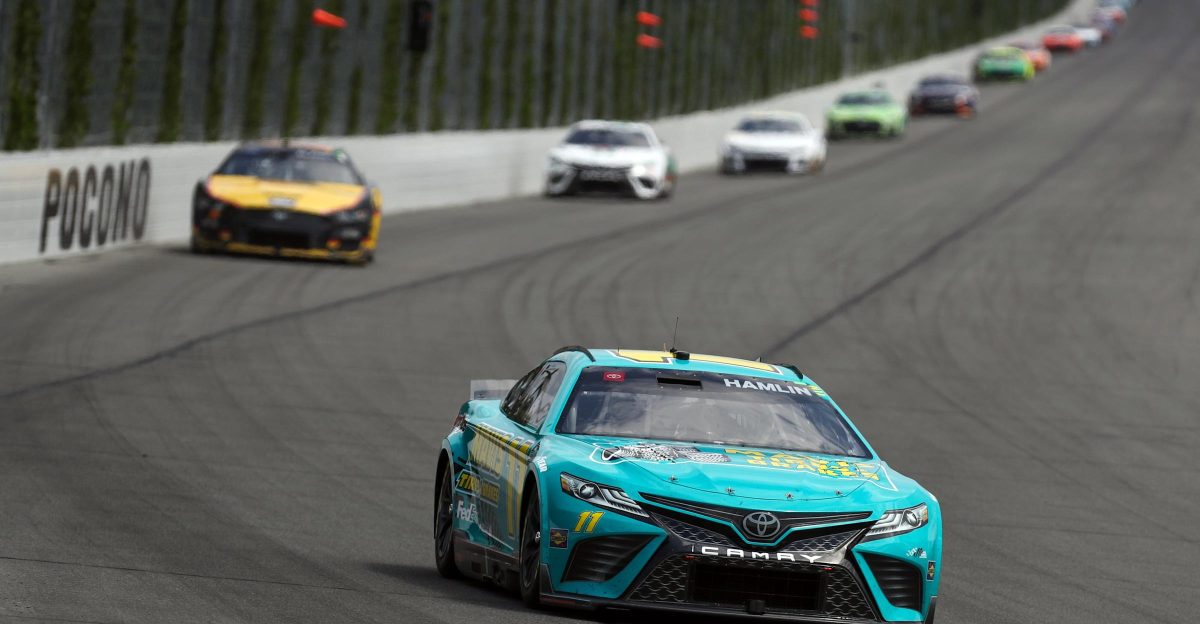
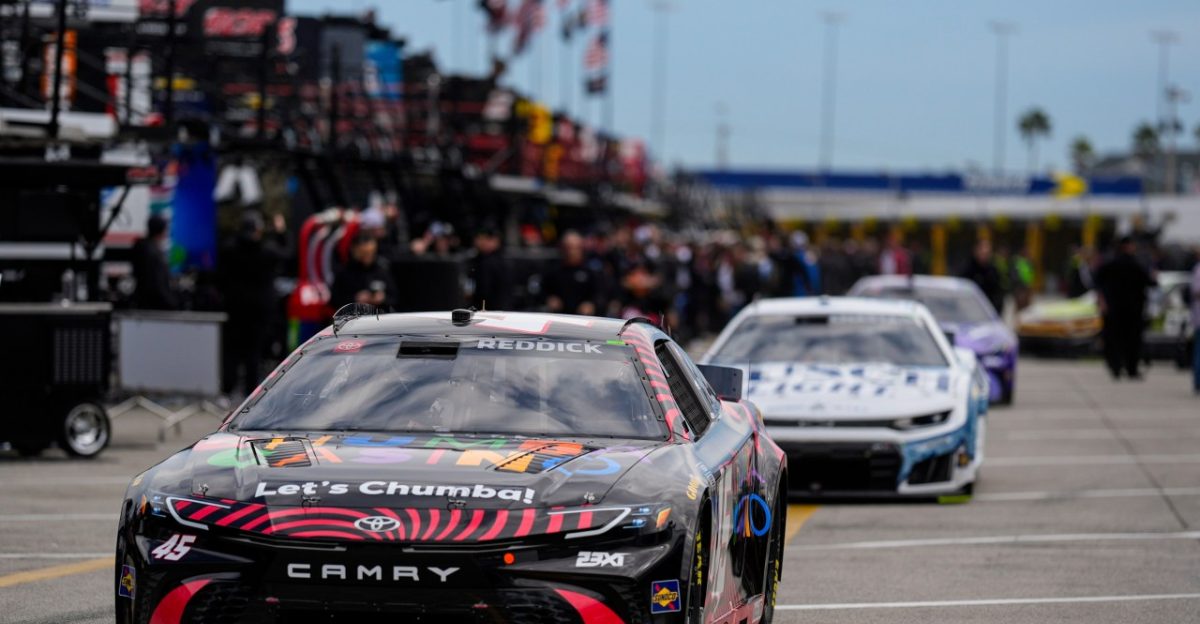
It was a Friday afternoon in Martinsville, Virginia. The Hollie Drive facility felt familiar to the people inside. Screen printers buzzed, filling orders for Dale Earnhardt Jr. merchandise, Hooters gear, and CoorsLight Racing apparel. For 35 years, the building sounded just like this. More than 100 workers grabbed lunch, chatted with coworkers, and returned to their stations to finish the day. Nobody thought to check federal bankruptcy filings that morning. There was no reason to. SouthPrint Inc. had weathered every downturn since 1991.
That afternoon, a sudden announcement shattered the routine. In minutes, what felt like just another shift became, in the words of stunned employees, “chaotic and heartbreaking.” The company they trusted had already been legally dead for a month.
A Fixture Vanishes Overnight
On February 20, 2026, SouthPrint quietly filed for Chapter 7 bankruptcy in the U.S. Bankruptcy Court for the Western District of Virginia (case 6:26-bk-60199, assigned to Judge Paul M. Black). Chapter 7 means liquidation, not restructuring and not a second chance.
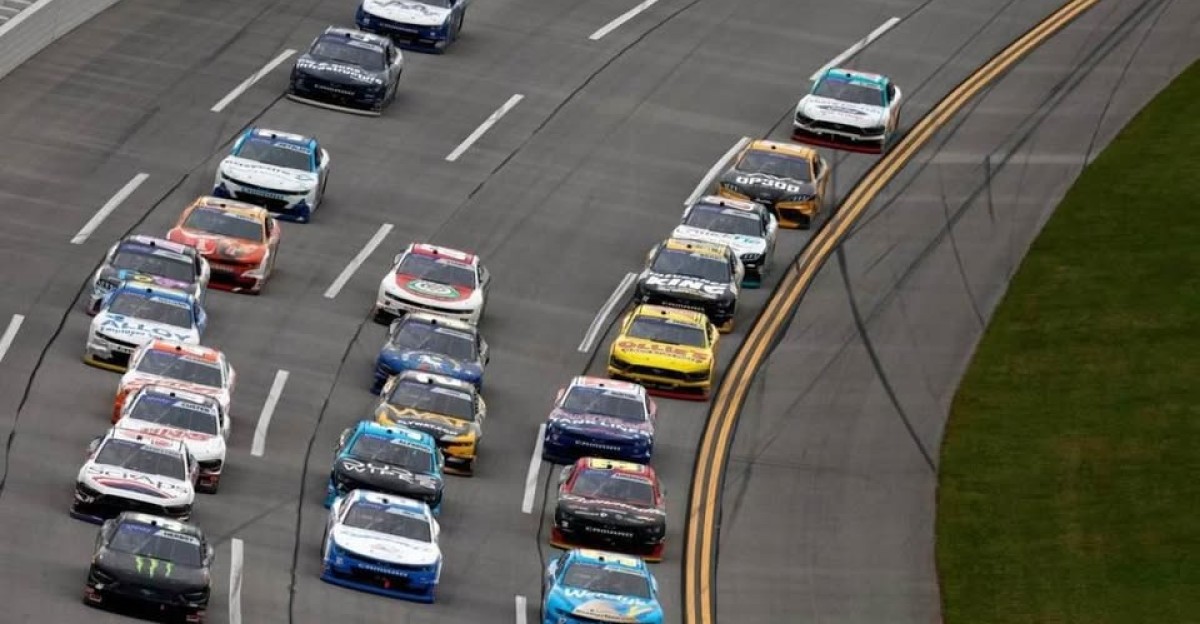
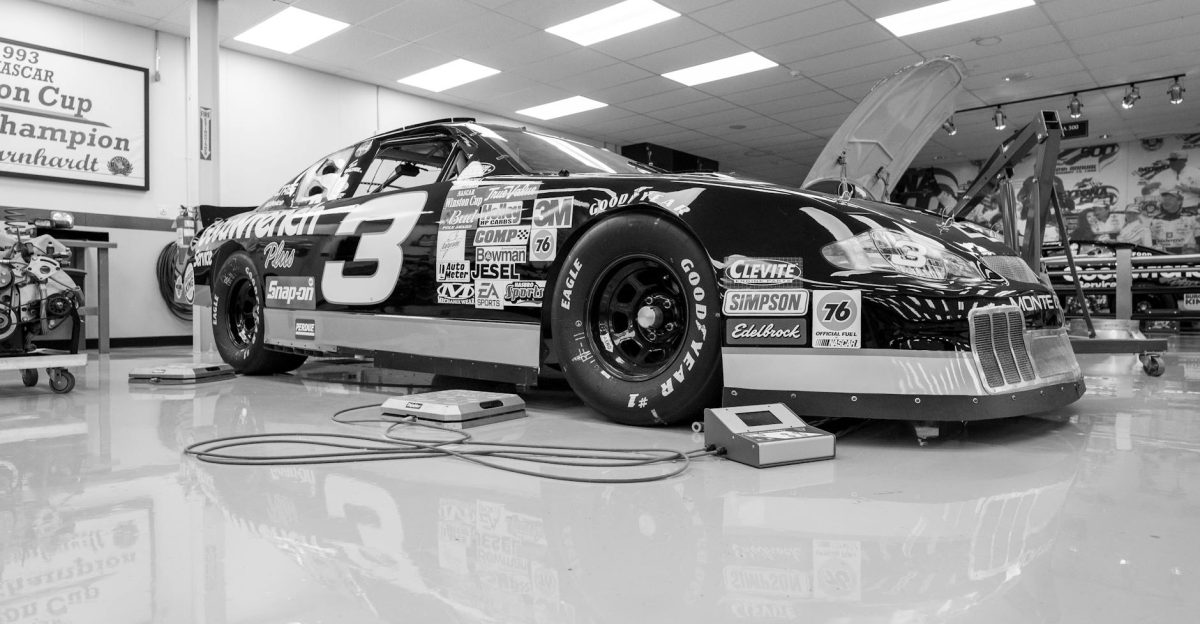
The company held 19 manufacturing licenses, printing products for Jeff Gordon, Chase Elliott, Joey Logano, Jim Beam Racing, Busch Beer, Ford, Geico, Kroger, and Clorox. For decades, SouthPrint was woven into the fabric of Henry County’s business community. It chose the most final form of bankruptcy, thirty days before anyone on the shop floor knew.
The Myth of Stability
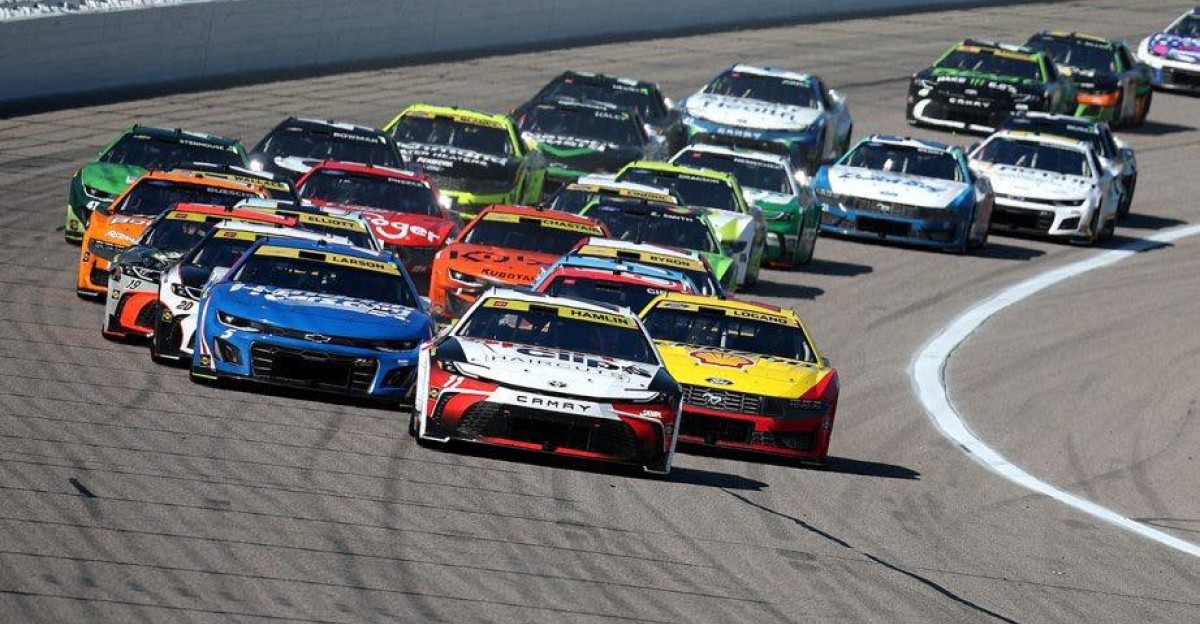
For 35 years, SouthPrint stood as a steady presence. The company built brand partnerships and expanded after acquiring Checkered Flag Sports in 1994 to bolster its NASCAR merchandise business. There were no public warning signs: no hints of financial trouble, no rumors. Many assumed a company so deeply rooted in the NASCAR supply chain, making gear for racing heroes, was safe. That assumption offered no protection.
The bankruptcy petition showed assets of $1 million to $10 million, nearly matched by liabilities. The balance sheet was already gutted before anyone outside the company knew.
Thirty Days of Silence
This is how the bankruptcy system works. SouthPrint filed on February 20. The Section 341 Meeting of Creditors was set for the next month. The closure announcement came in late March. For about 30 days, the company operated under Chapter 7 protection while workers showed up every day, filled orders, and trusted they still had jobs. The bankruptcy filing was public, buried in court records. The law does not require employers to notify workers.
Management, creditors, and the court understood what was coming. The employees did not. When the truth came out, workers had about 30 minutes to process the end of their jobs. Weeks of decisions, compressed into half an hour of shock.
Three Forces, One Kill Shot
SouthPrint’s collapse had more than one cause. In 2025, a wave of tariffs hit major apparel brands hard. Victoria’s Secret, for instance, saw an $85 million net tariff impact. Tapestry projected $160 million in tariff costs for the following year.
To recover, those large brands cut wholesale prices paid to suppliers, which left companies like SouthPrint with even thinner margins. Advances in screen-print technology required heavy investment in automation and new workflows. SouthPrint lacked the capital for that. Labor costs rose, squeezing the company from all sides. Those 19 NASCAR licenses looked like a sign of strength on paper, but when margins disappeared, they provided no safety net.
The Numbers Behind the Collapse
The bankruptcy documents listed between 100 and 199 creditors. SouthPrint was classified as a “no asset” case. After legal costs and priority claims, little remained to split up. Most creditors will likely recover nothing. Nearly 90 percent of U.S. apparel is imported, and tariffs have cut already thin margins for domestic suppliers.
NASCAR viewership dropped 14 percent in 2025, even with a new $7.7 billion media deal. Merchandise sales fell while production costs climbed. That math ends companies like SouthPrint.
Martinsville Feels the Aftershock
More than 100 workers in already struggling Henry County suddenly lost their paychecks, with no sign that severance would be offered. Local suppliers and utility companies braced for missed payments as SouthPrint entered liquidation.
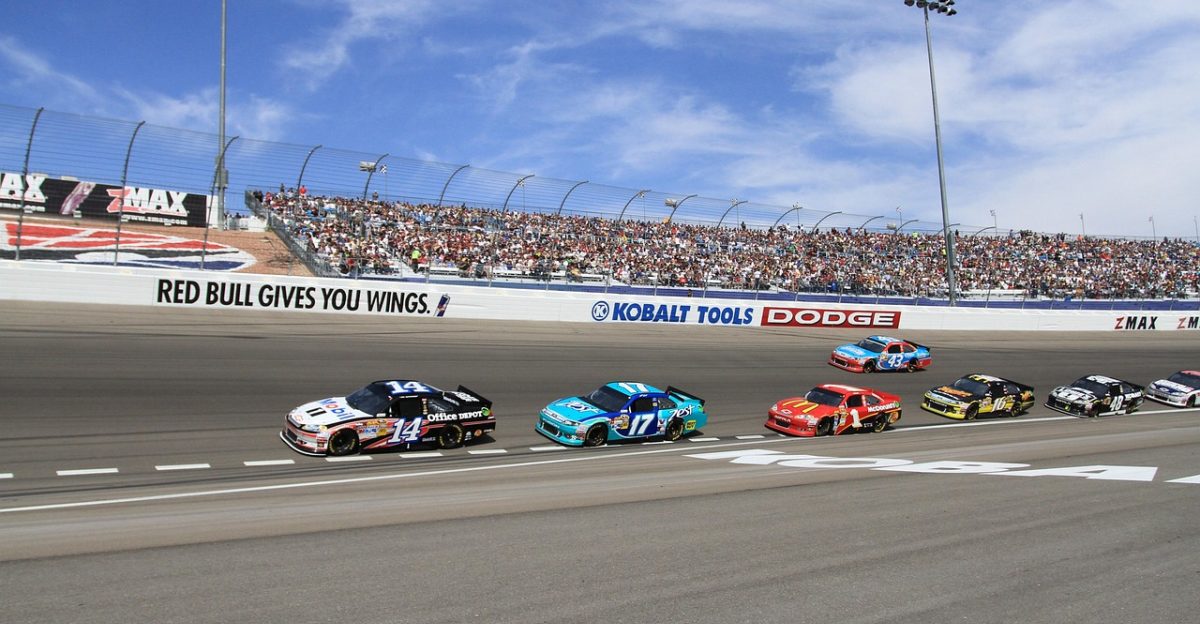
NASCAR brand partners scrambled to reassign merchandise production to other companies in the middle of the season, trying to fill the gap left by a partner of 35 years. The 19 licenses, once valuable, would likely be sold off in pieces at bargain prices. One closure on Hollie Drive sent shockwaves through every retailer, team shop, and sponsor that depended on SouthPrint to deliver, year after year.
A New Rule, Not an Exception
SouthPrint’s story is not unique. Saks Global filed for Chapter 11 in January 2026. LYCRA Company followed in March. Retail store closures surged in 2025. Coresight Research projected about 15,000, compared to just over 7,000 the year before.
The trend is clear: established companies across the apparel supply chain are buckling under pressures too strong to withstand. Any specialized supplier living on thin margins, relying on licensed partnerships, and unable to afford automation upgrades is at risk. Years of brand recognition and even the most iconic logos cannot protect against the combined pressure of tariffs, new technology, and rising labor costs.
The Fuse Is Still Burning
If tariffs stay in place through 2026, more big brands will squeeze suppliers, and a wave of bankruptcies will sweep through regional manufacturers. Small, local screen-print shops without the cash to automate will be next. Regional apparel suppliers who depend on tough wholesale price negotiations will follow. Lenders are already pulling back after seeing the vulnerability exposed by SouthPrint.
For the workers who lose their jobs next, the pattern will be heartbreakingly familiar: a regular morning, a sudden announcement in the afternoon, and just half an hour to process the end of a career. The system works exactly as designed.
The Friday Afternoon Playbook
Brands will protect themselves by working with more suppliers, aiming to avoid single points of failure. The companies that survive will invest in automation, increasing their market share and crowding out smaller competitors.
Lawmakers may debate tariff policy as the cracks in the system become clear. For more than 100 workers in Martinsville who showed up that day believing they were secure, those debates and investments provide no comfort. Anyone who understands how Chapter 7 allows a company to wind down quietly, or how tariff pressure moves from billion-dollar brands down to a small-town print shop, sees what most people do not. Somewhere, the next SouthPrint is already gone.
Sources:
Martinsville Bulletin — “SouthPrint files for Chapter 7 bankruptcy, signaling likely closure” — March 25, 2026
Yahoo Finance — “35-year-old NASCAR clothing partner files Chapter 7 bankruptcy” — March 26, 2026
Sports Illustrated — “NASCAR Ends 2025 Season Down 14% In Viewership of Cup Series Races” — November 5, 2025
GlobeNewsWire (Victoria’s Secret & Co.) — “Victoria’s Secret & Co. Reports 2025 Fourth Quarter and Full-Year Results” — March 4, 2026
Quartz — “Coach parent Tapestry expects $160 million in tariff losses” — August 14, 2025
BusinessWire (Coresight Research) — “Coresight Research Predicts 2025 Store Opening, Closure Numbers” — January 22, 2025