‘We Will Not Survive’—World’s Largest Automaker Abandons Quality Standard To Absorb $9.5B Tariff Hit
Executives from 484 supplier companies sat in one room. The CEO of the world’s largest automaker stood at the podium and told them the company might not make it. Not a division. Not a product line. The whole operation. Koji Sato chose the word “survive,” and he meant it the way a doctor means it. Toyota sold over 2.5 million vehicles in the U.S. in 2025, an 8% jump. Business was booming. And the man running it looked terrified. The numbers explained why.
The Math That Broke Toyota
Toyota’s net profit is forecast to fall approximately 25% to roughly $23.8 billion. Operating profit is forecast to drop approximately 20.8% to around $25.3 billion for the full fiscal year. Those are among the worst numbers in years. U.S. tariffs, initially set at 27.5% and later reduced to 15% following a bilateral deal, are projected to cost Toyota approximately $9.5 billion for the fiscal year. Sales grew. Profits collapsed. Every additional car Toyota sold made the company less money than the one before it.
The Myth of the Quality Moat
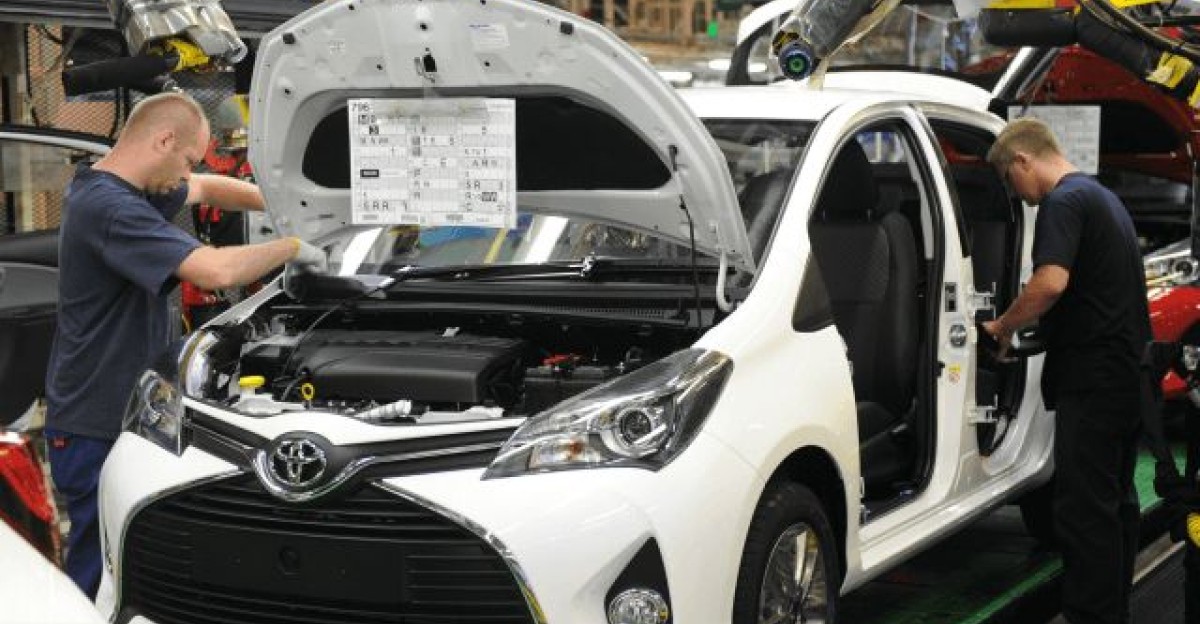
For 70 years, Toyota built its empire on one principle: zero defects. Suppliers scrapped thousands of wire harness units every month because the plastic showed minor discoloration. The parts worked perfectly. Toyota rejected them anyway. That obsession became the brand’s armor, the reason millions of Americans trusted a Camry over everything else on the lot. The assumption was simple: a company this disciplined, this massive, could absorb any economic shock without flinching. Tariffs just proved that assumption dead wrong.
The Seven Words That Changed Everything
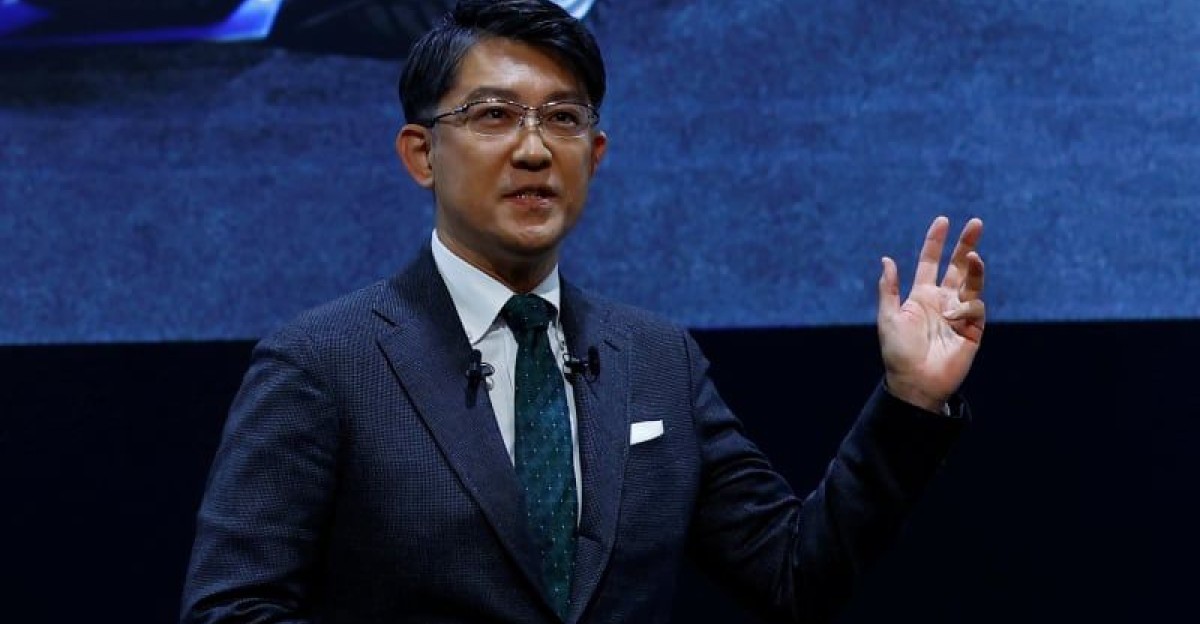
“Unless things change, we will not survive. I want everyone to acknowledge this sense of crisis.” Sato said that to executives from 484 supplier companies. His warning addressed primarily the competitive threat from Chinese automakers and the urgent need to close productivity and technology gaps — with tariff pressure adding to the burden. Volume up. Profit cratered. That paradox is the whole story. Tariffs tax the manufacturer, not the customer directly. Toyota is absorbing most of the cost rather than passing it directly to buyers, though that approach has limits the company has acknowledged publicly. Toyota bleeds instead. Scale used to be protection. Now scale magnifies the wound. More cars, more tariff exposure, less profit per unit. The trap snapped shut.
Smart Standard Activity
Toyota’s response carries a sterile name: Smart Standard Activity. The reality is blunt. Toyota is now accelerating a program, in development since 2017, that officially permits cosmetic defects in non-visible components of production vehicles. Those wire harness units scrapped for discoloration? They ship now. The parts function correctly. Customers will never see them. But the philosophy that rejected them — the philosophy that built the most trusted automotive brand on earth — is being overridden by cost pressure. Toyota has moved to implement price increases averaging around $270 per vehicle in the U.S. market, while working to limit how much of the tariff burden reaches consumers. So the company relaxed cosmetic quality tolerances as well.
The Numbers Behind the Knife
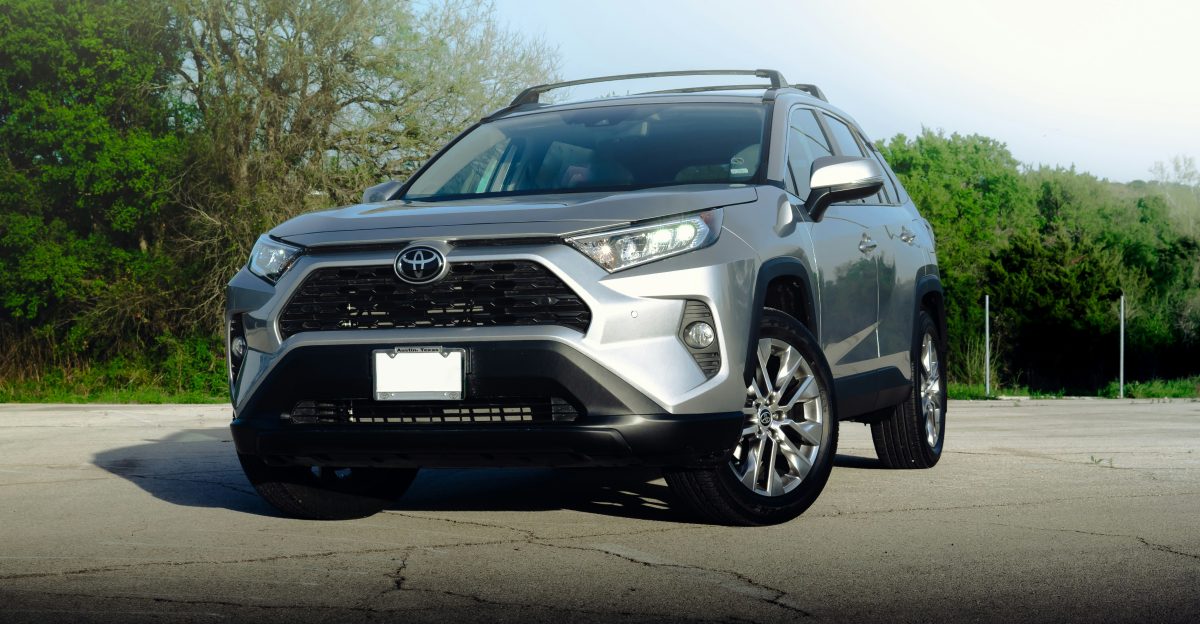
Analysts project tariffs will cost the auto industry tens of billions by year three, adding thousands of dollars to every vehicle sold. Manufacturers pass only a portion of that to buyers. Toyota eats the rest. Meanwhile, RAV4 inventory has tightened significantly. The 2026 RAV4 averages just under $43,000, selling above MSRP with minimal days on the lot. Toyota is charging more, delivering less inventory, and still losing margin. That is a business model running on fumes, not fuel.
The Ripple Hits Everyone
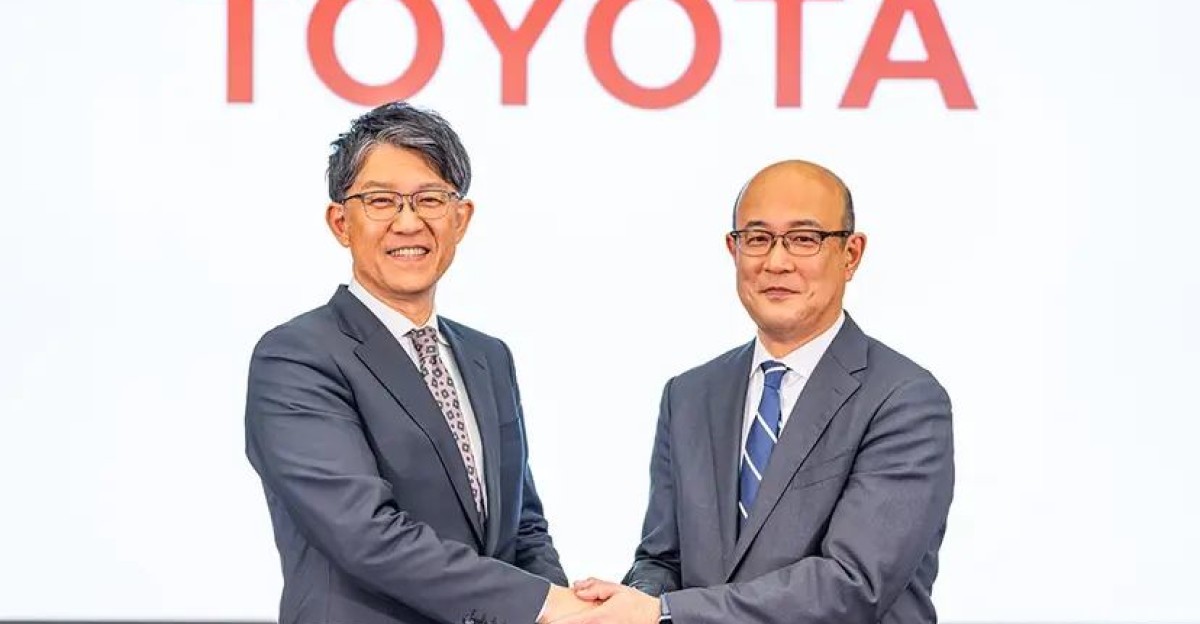
Incoming CEO Kenta Kon takes over April 1 with a mandate to slash costs across the board. Smaller suppliers dependent on Toyota contracts face consolidation or bankruptcy. New vehicle sales industry-wide are forecast to decline as tariff pass-through and inflation destroy consumer demand. At least one class action lawsuit alleges Toyota’s UA80 eight-speed transmission suffers from premature failure, with costly repairs out of warranty. Quality relaxation and legal exposure are now running on parallel tracks toward the same customers.
The Precedent Nobody Can Undo
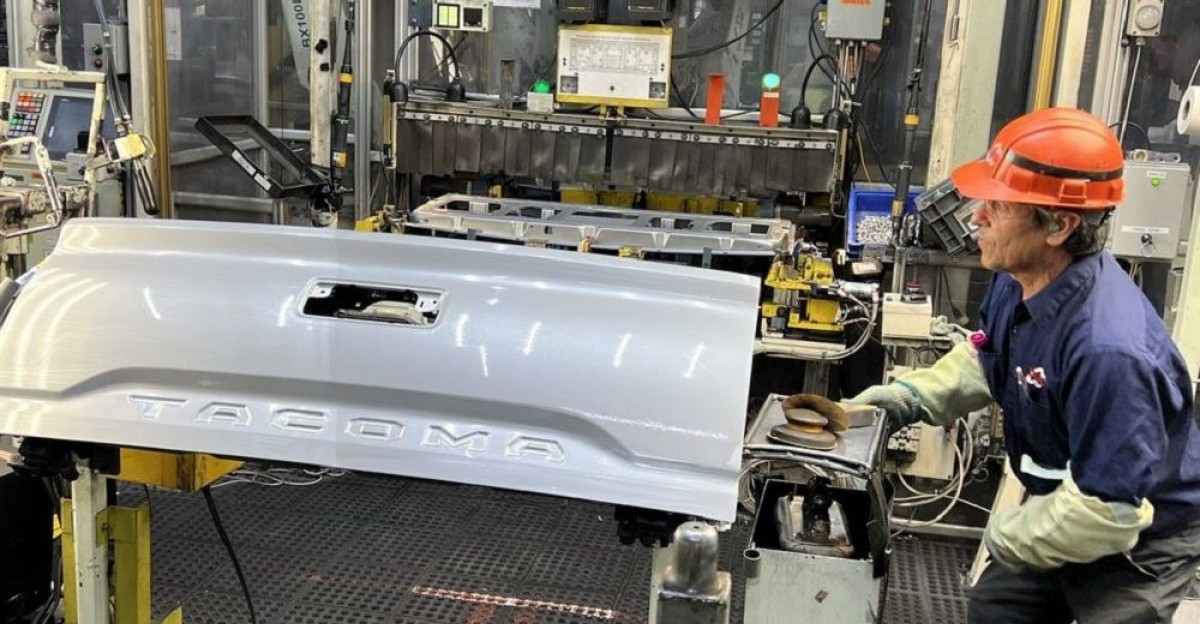
Once Toyota relaxes zero-defect standards, quality stops being a competitive differentiator for the entire industry. Every legacy automaker watching this crisis will follow. Ford, GM, Stellantis, Volkswagen: all face the same tariff math. The CEO transition tells the deeper story. Sato, an engineer, replaced by Kon, a finance executive — a transition described as among the shortest tenures in Toyota’s history. The company that pioneered manufacturing perfection now prioritizes margin defense over product innovation. This is not an exception. It is a new rule for every automaker on earth.
The Dominoes Still Falling
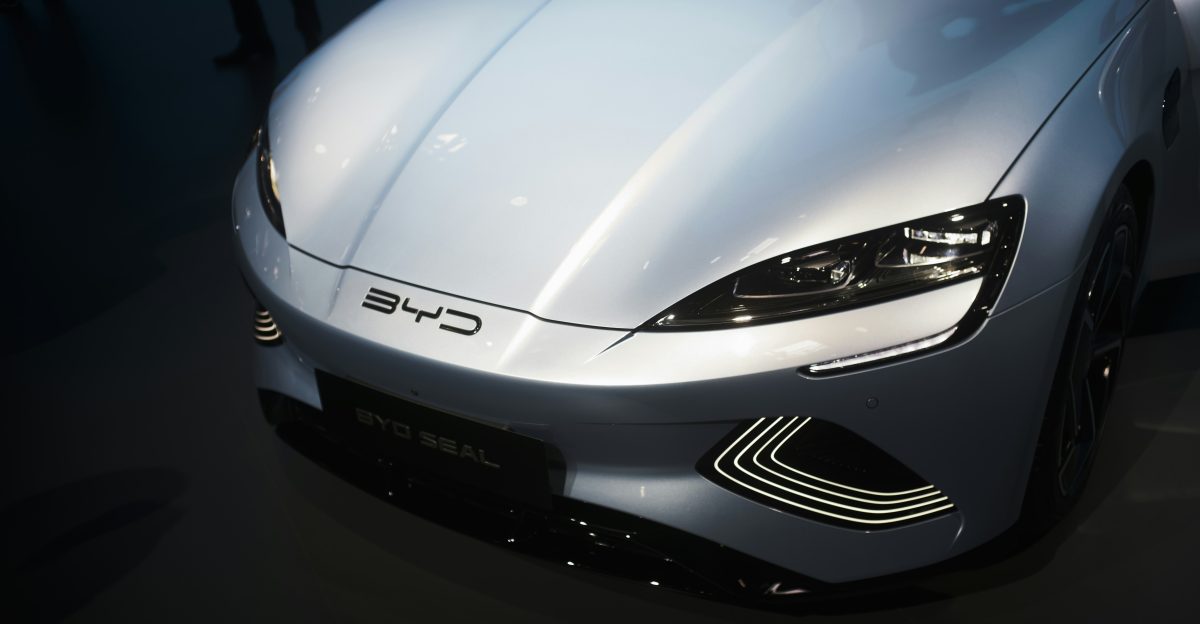
Toyota is accelerating EV development and targeting all-solid-state battery production through an Idemitsu Kosan partnership for 2027–28. But Chinese competitors already dominate critical battery supply chains, controlling 60% or more of global lithium, cobalt, and rare earth refining. BYD also faces margin compression despite outselling Tesla in pure electric vehicles in 2025, proving the profit squeeze is global, not just Toyota’s problem. Some U.S.-bound vehicles may be diverted to other markets entirely. North American production already accounts for a significant majority of vehicles sold domestically, up substantially from a decade ago. Reshoring costs money tariffs keep taking.
What Your Toyota Is Worth Now
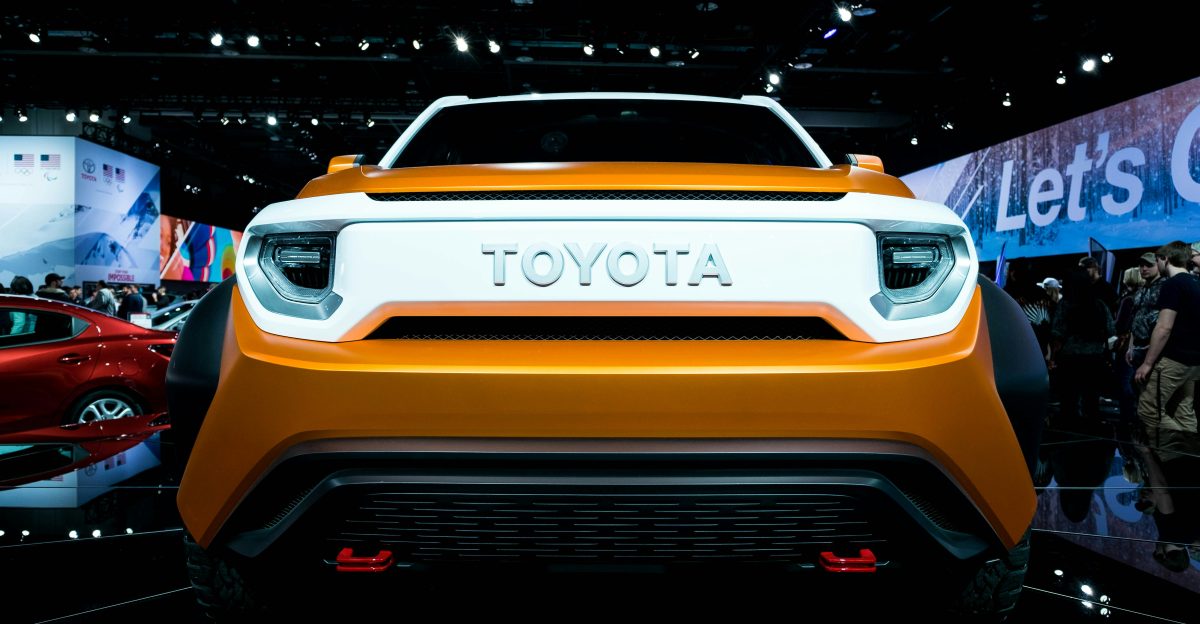
Here is what most people will miss: the 2026 and 2027 model years built under relaxed standards hit the used market by 2028. Durability questions will follow. Resale values that made Toyotas the smartest buy in America could compress as the brand’s reliability narrative erodes. Chinese EV makers are already positioning as the aggressive-quality alternative to legacy manufacturers cutting corners. The tariff regime did not just hurt Toyota’s quarterly earnings. It inverted the entire logic of automotive manufacturing: the better you built things, the more it cost you to survive.
Sources:
“Toyota Slashes 2025 Profit Guidance, Warns of $9.5B Tariff Hit.” Reuters via Investing.com, 20 Jun 2025.
“Toyota CEO Koji Sato Warns 484 Top Suppliers They Must Boost Productivity to Survive.” Automotive News, 25 Mar 2026.
“Activities with Suppliers (Smart Standard Activity: Quality Performance Optimization Activity).” Toyota Motor Corporation, 2017–2024.
“Toyota to Raise US Auto Prices by Average $270 from July.” Reuters, 21 Jun 2025.