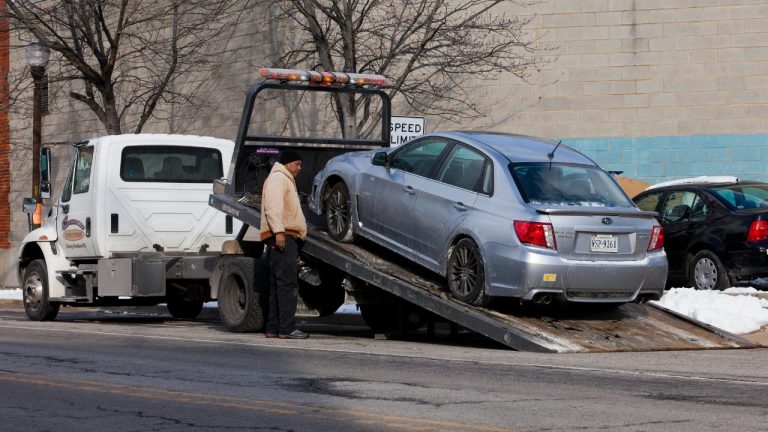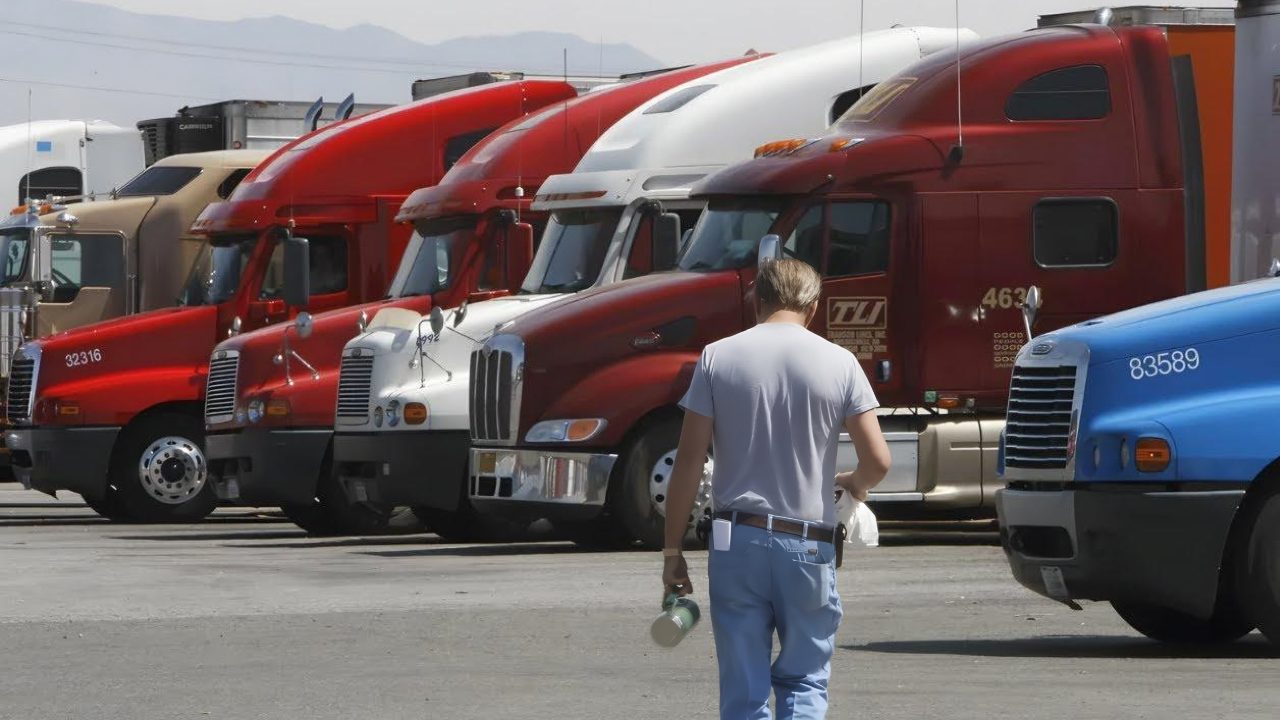
$5.38 Diesel Crushes America’s Truckers And Small Grocers—Worst Supply Shock Since The 1970s
Diesel prices surged to $5.38 per gallon across the United States, climbing 41% in a single month as supply disruptions tied to the February 28, 2026 Strait of Hormuz conflict tightened global fuel flows. According to FreightWaves analysis, weekly diesel spending jumped from $4.5 billion to an estimated $6.1 billion, forcing trucking, farming, and food supply chains into immediate strain. Small operators now face collapsing margins while costs quietly build across the economy. The impact reaches beyond fuel pumps, shaping prices, business survival, and recession risk in ways that are only beginning to surface.
The Strait Closure That Changed Everything
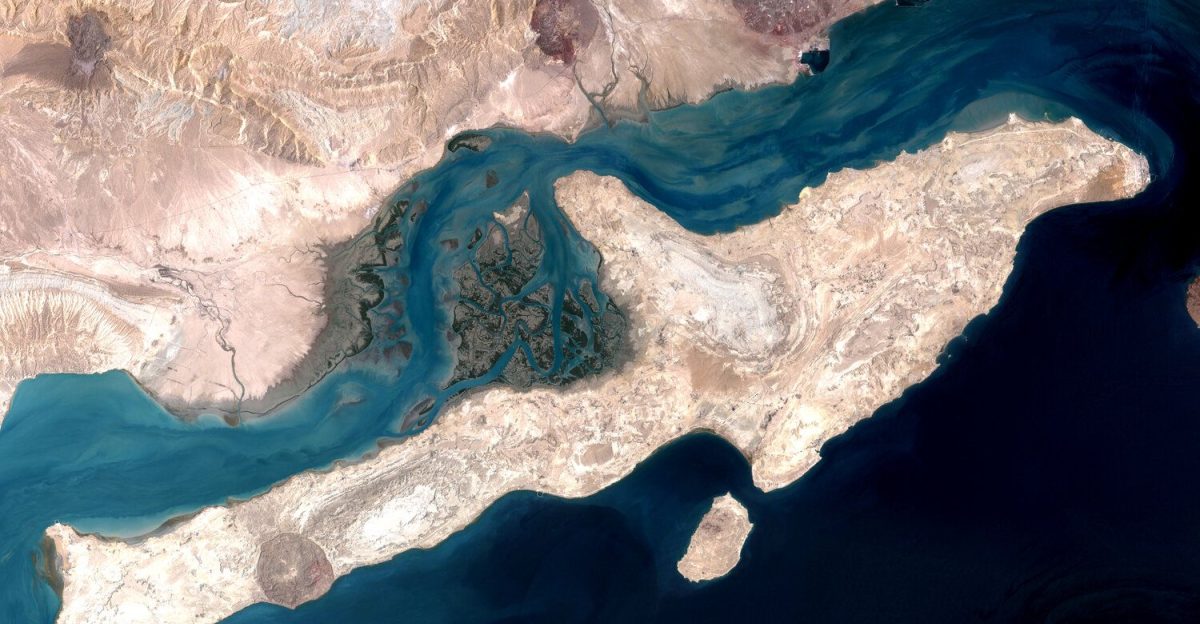
The Strait of Hormuz carries about 20% of global oil supply, making it one of the most critical chokepoints in energy markets. Military conflict with Iran disrupted flows starting February 28, 2026, triggering a shock far larger than the 1973 embargo, which cut roughly 7%. Analysts estimate a 9 to 11 million barrel daily shortfall in refined fuels. Petroleum analyst Richard Masson said, “The finished fuel that used to flow through the Strait cannot be rerouted or replaced from alternative sources.” That limitation reshapes everything downstream.
Hidden Costs Rising Inside Grocery Stores
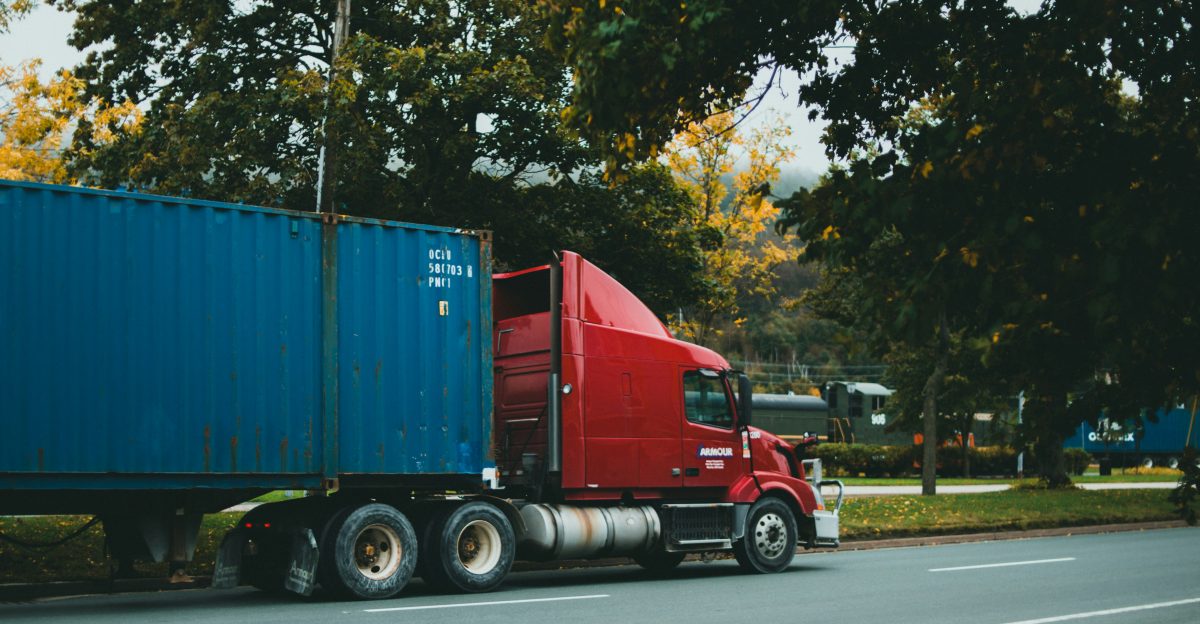
In rural Pennsylvania, grocer Bill Naser saw his fuel surcharge per truckload rise from $230 to $600 in one week, a 160% increase. He chose not to raise prices immediately, but small grocery margins sit around 2% to 3%, leaving little room to absorb shocks. Transportation typically accounts for 5% to 8% of grocery costs. When freight costs rise 35%, retail prices can climb nearly 3% within two months. The delay masks the impact, but the pressure builds steadily beneath the surface.
Truckers Face A Financial Breaking Point
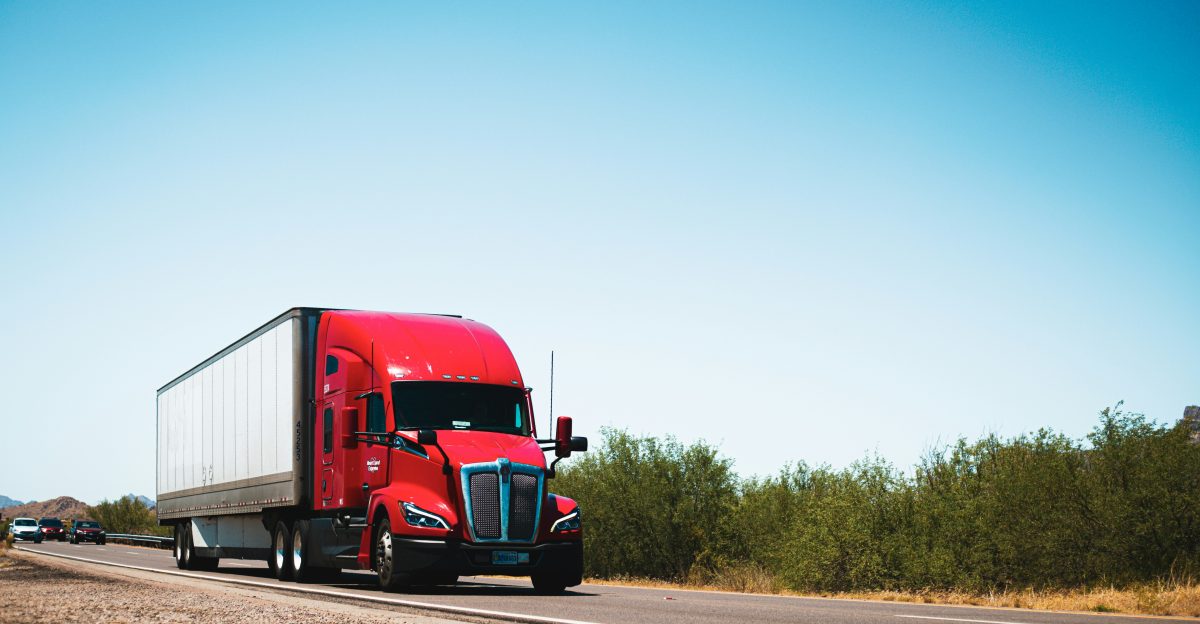
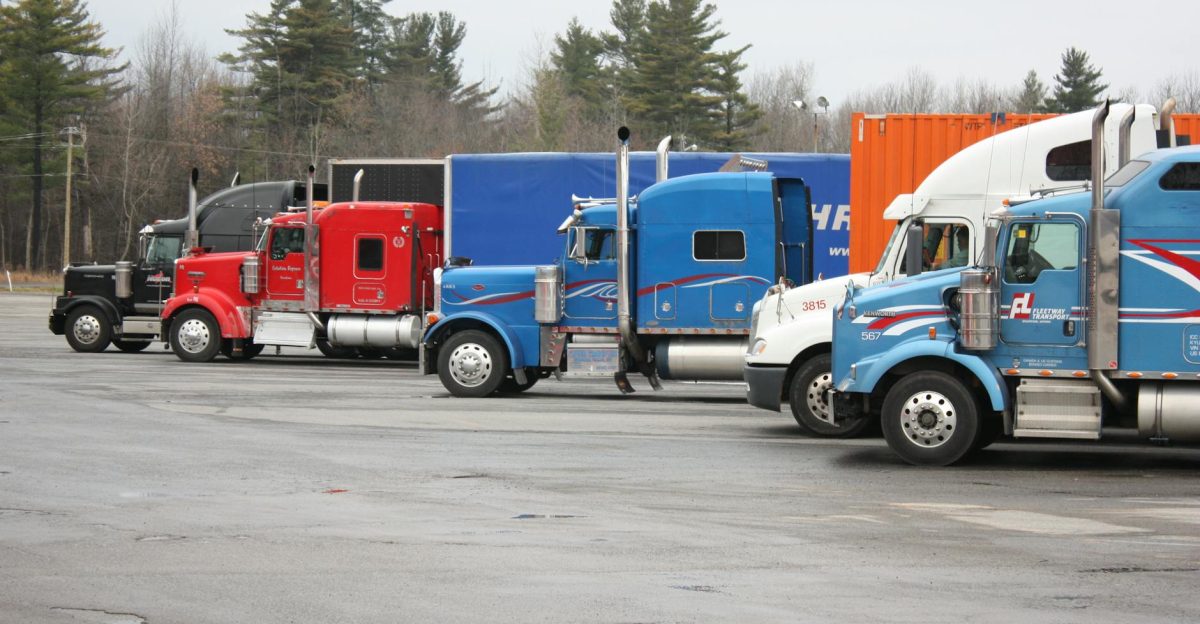
The trucking industry entered this crisis with average operating margins at negative 2.3%. Independent drivers recover only a fraction of rising fuel costs through spot rates, leaving them exposed. An Inbound Logistics survey found 44% of shippers now rank freight rate increases as their top concern. Large fleets use contracts and hedging to stabilize costs, but owner-operators often rely on credit. Many face break-even or bankruptcy within 4 to 6 weeks, creating ripple effects that reshape the entire freight landscape.
Farming Season Collides With Diesel Spike
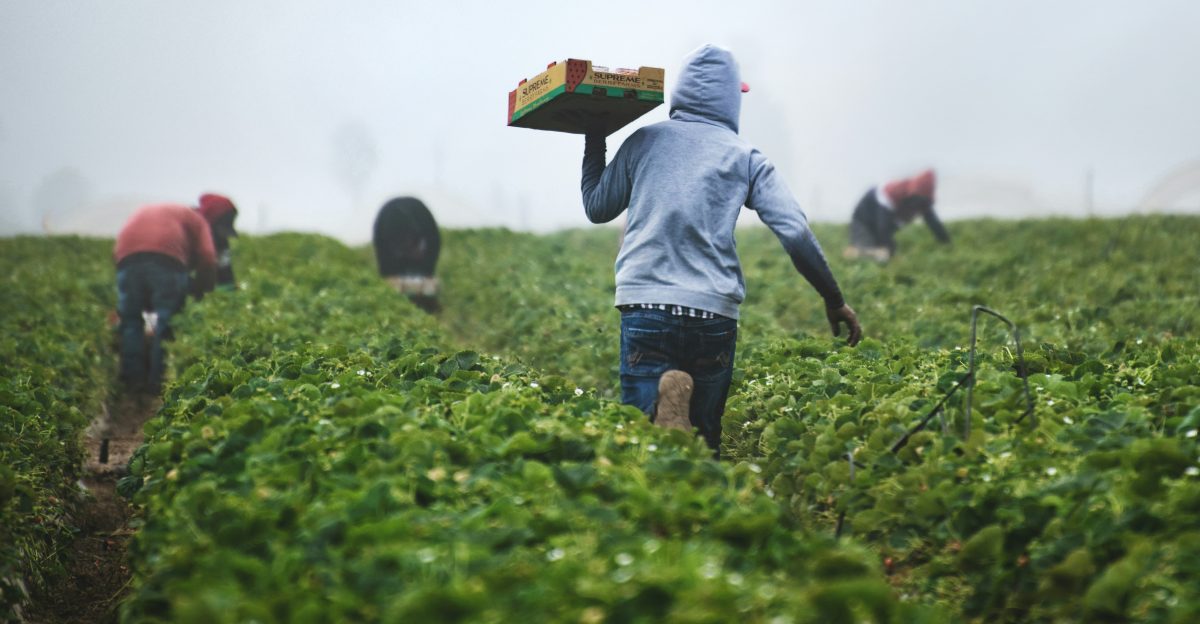
Farmers depend on diesel for tractors, irrigation, and transport, making fuel costs central to production. At the same time, fertilizer prices increased due to energy-intensive manufacturing and transport constraints. These spikes hit during the critical spring planting window in 2026. Delayed fertilizer purchases risk lower crop yields in the fall, tightening food supply later in the year. Construction materials also reached near four-year highs, adding pressure across industries. The timing creates a chain reaction that extends well beyond agriculture.
The Delay That Triggers Wider Damage
Fuel surcharges vary by carrier and lack regulation, creating uneven pricing models across the industry. Small carriers pay higher diesel costs immediately, while rate adjustments take 4 to 8 weeks to reflect in revenue. Cash flow strain becomes immediate. Data shows 82% of small business failures tie back to cash flow issues. Truckers absorb losses first, followed by grocers, then consumers. Prices remain stable briefly before rising sharply across sectors at once, revealing the full impact of earlier cost shocks.
‘It Keeps You Awake at Night’
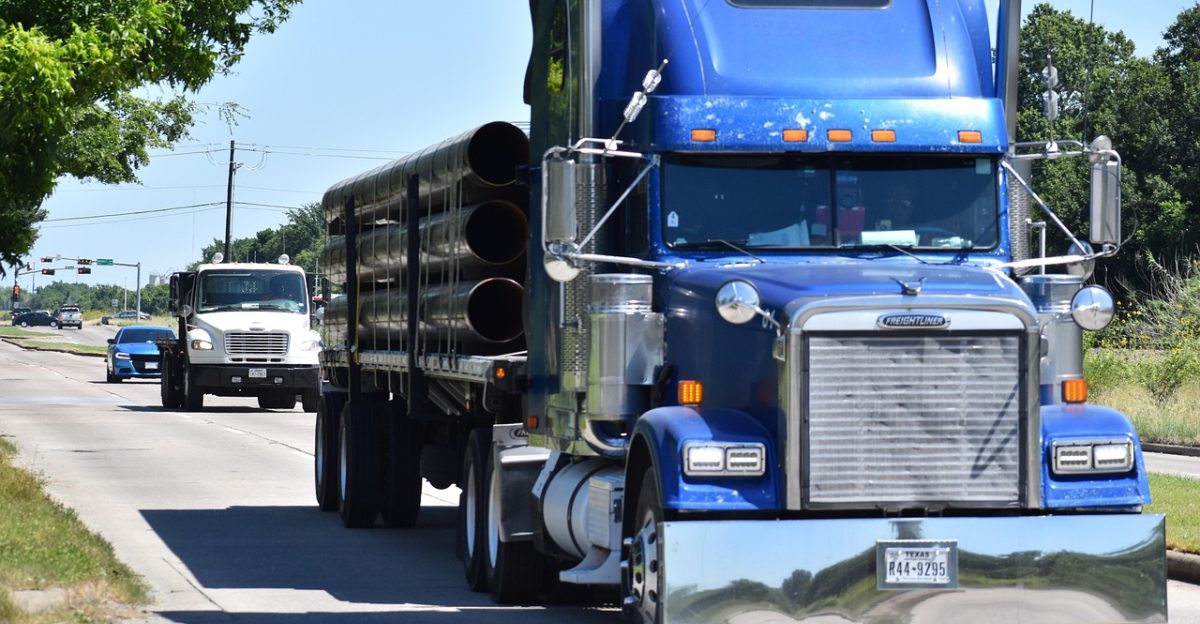
Linda Stivason, co-owner of M&A Transport, described the strain clearly: “It keeps you awake at night.” Greg Selinger from Weleski Transfer added, “The margins are getting slimmer and slimmer. It gets harder and harder.” These pressures extend beyond companies to households. The Federal Reserve noted that lower-income families spend a larger share of income on essentials, making them more vulnerable to rising costs. Fuel increases quickly translate into higher expenses for food, rent, and daily needs.
Rising Recession Risks And Limited Solutions

Goldman Sachs raised U.S. recession odds to 30% as of March 2026, citing energy-driven economic risks. The firm expects inflation to reach 3.1% by December 2026, with GDP growth slowing to 2.1%. Dallas Fed models show every $1 diesel increase adds 0.3% to core goods inflation within 90 days. The International Energy Agency released 400 million barrels from reserves, yet prices showed little response. Erica Owen said, “It’s not going to bounce back right away. Its effect will persist and diffuse throughout the economy.” What happens if costs stay elevated longer?
Big Players Gain As Small Operators Struggle

Large trucking companies often acquire struggling competitors during downturns, consolidating market share. Big-box retailers with hedging strategies maintain stable pricing while smaller grocers absorb losses. Financial firms benefit from fuel hedging instruments that many small businesses cannot access. Consumer behavior shifts toward discount chains as budgets tighten. Analysts note diesel prices above $5.25 have historically aligned with higher recession risk levels. The current national average sits above that threshold, signaling a broader shift already underway.
Why The Impact Will Not Fade Quickly
Even if the Strait of Hormuz reopens soon, the damage will not reverse immediately. Businesses that closed will not reopen overnight. Missed fertilizer applications already affect upcoming harvests. Loan defaults remain in place, limiting recovery options. Analysts compare current conditions to stagflation patterns last seen more than 45 years ago, now combined with existing trade pressures. Governments may consider subsidies or price controls, but each option introduces new complications. The chain reaction has already begun, and its full reach continues to unfold.
Sources:
Diesel prices surge even higher due to Iran war, surpassing $5.38. Yahoo Finance, March 24, 2026
Spiking US diesel prices keep trucking industry stuck in years-long slump. Reuters, March 27, 2026
Goldman raises recession odds to 30% on higher inflation, lower GDP outlook as oil prices surge. Fortune, March 25, 2026
IEA says members to release 400 mn barrels from oil reserves. eNCA, March 10, 2026
How does the current global oil crisis compare with the 1973 oil embargo. Al Jazeera, March 24, 2026
New ATRI report indicates fleet profit margins fall amid rising costs. TLI Magazine, July 13, 2025
Oil Math of Releasing 400 Million Barrels: Three Things to Know. BloombergNEF, March 12, 2026