12 States Where Gas Finally Dropped—After Surging $1 During Largest Oil Disruption In History
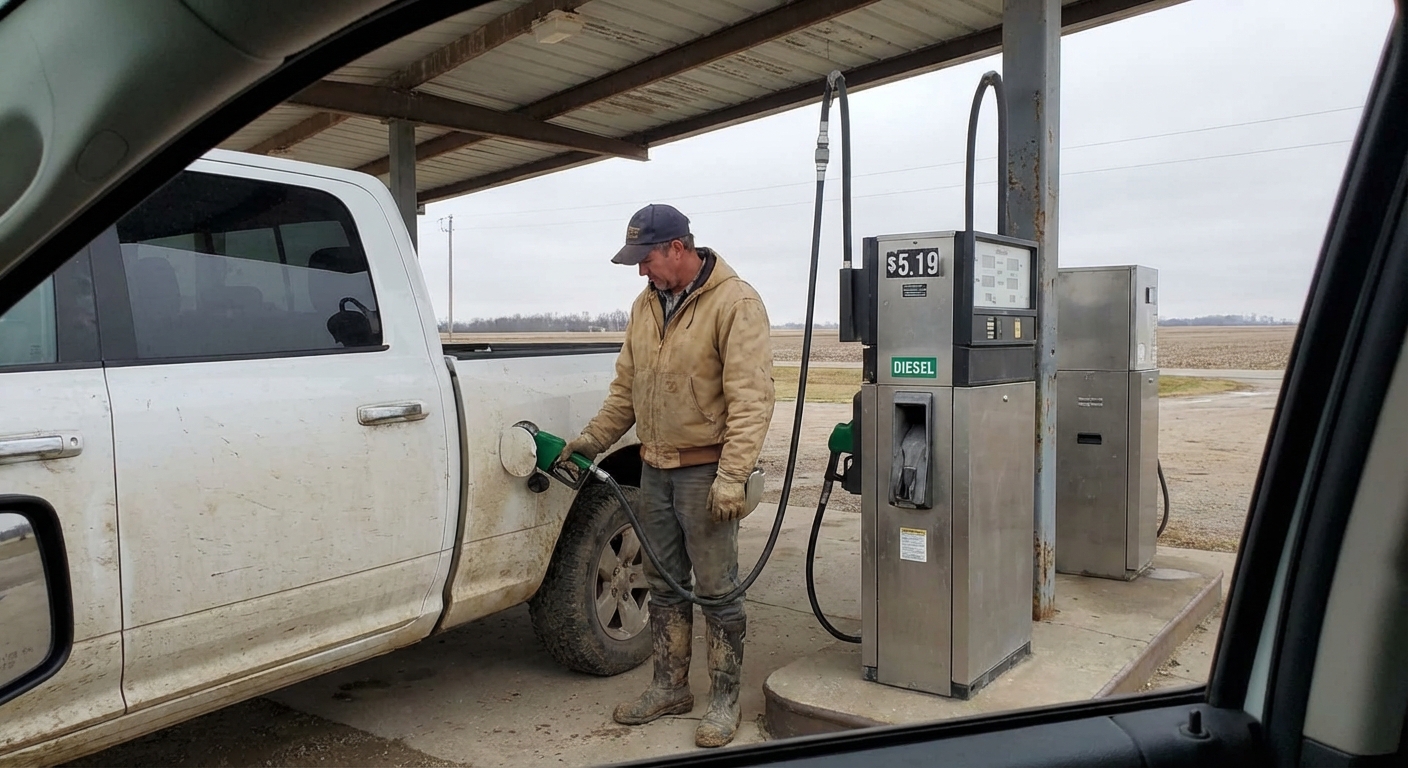
Filling up a Ford F-150 SuperCrew with the 36-gallon tank used to cost $108. At $3.98 per gallon, the national average as of March 26, up exactly $1 from February 26, that same fill-up now runs $143. That’s $35 gone, every single stop. For Ram 1500 owners getting 12 to 14 miles per gallon in the real world out of the revived 5.7-liter Hemi V8, the math is uglier still. The Boston Globe found Ram, GMC, and Dodge owners are now spending roughly $770 to $800 more per year on fuel than before the conflict started.
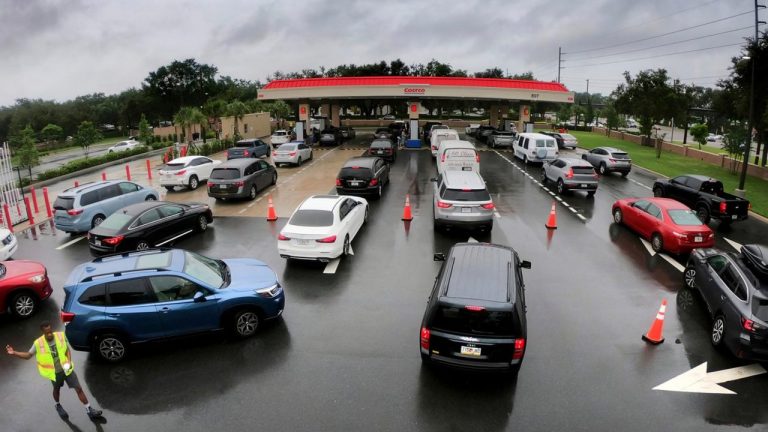
The cause is one word: Hormuz. On February 28, the Iran conflict erupted, and the Strait of Hormuz, through which 20% of the world’s daily oil moves, was shut down. The International Energy Agency called it “the largest supply disruption in the history of the global oil market”. But inside all that pain, 12 states saw pump prices tick down this week. Here’s the breakdown—state by state.
What’s Happening Under the Hood of This Crisis
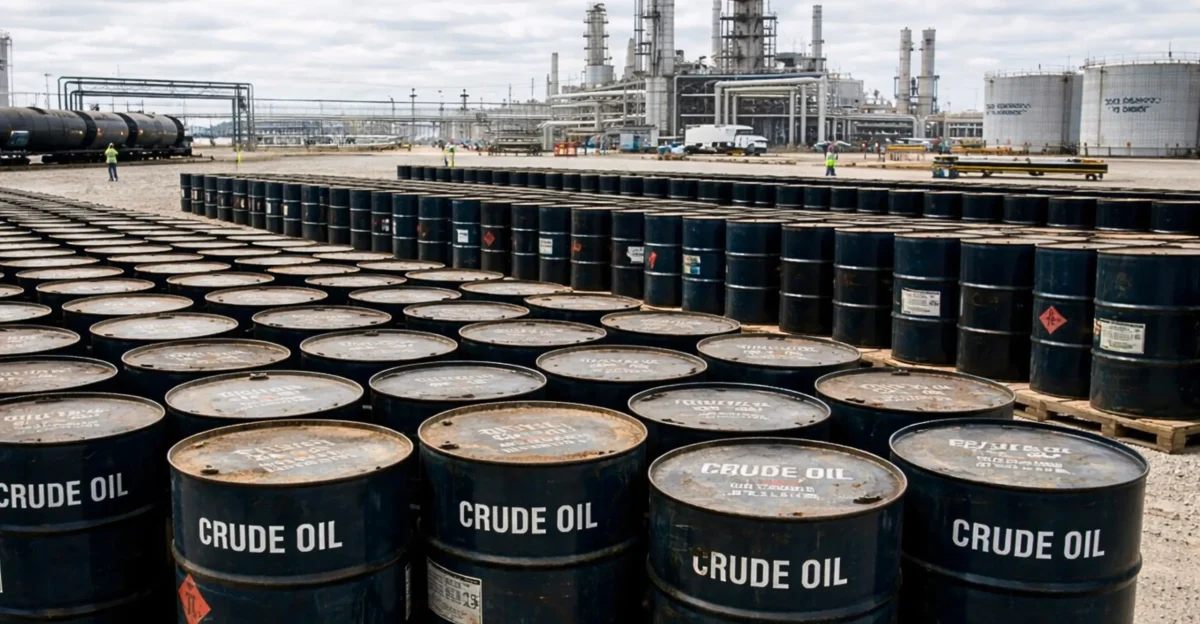
Brent crude was around $70 a barrel before the conflict—Fortune confirmed it at $107.81 on March 27, a $34 gain in less than a month. West Texas Intermediate closed at $99.64 on March 27, its highest settle of the crisis period. That $30-plus barrel spike translates to roughly 75 cents at the pump, which is almost precisely what Americans have absorbed since February ended. The IEA responded with the largest emergency reserve release in its 50-year history: 400 million barrels across 32 nations, with the U.S. committing 172 million barrels from the Strategic Petroleum Reserve.
Bloomberg NEF’s math: it covers roughly four days of global demand. IEA chief Fatih Birol confirmed an 11 million barrel-per-day deficit remains even after pipelines, reserve releases, and rerouting are factored in. The reserve bought time. It did not fix the problem.
1. Georgia: The Nation’s Biggest Drop—Still Up 88 Cents on the Month
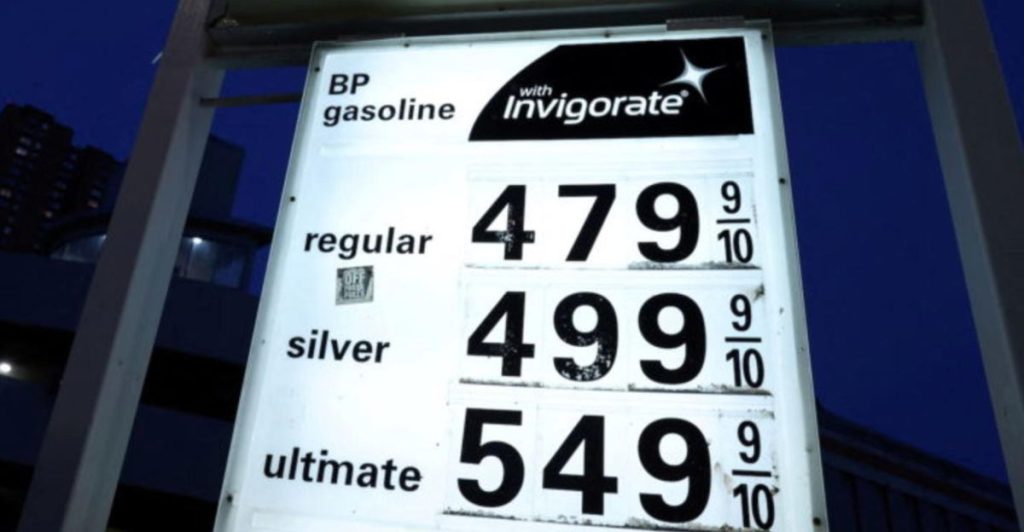
Georgia leads all 50 states this week with a decline of more than 10 cents per gallon, pushing the statewide average to $3.589, down from $3.695 the prior Sunday. Gov. Brian Kemp signed a 60-day suspension of the motor fuel tax on March 19, and motorists in Atlanta, Savannah, and Augusta began feeling it within days. The relief is real and earned.
AAA puts Georgia’s average at $2.71 a month ago, meaning the 10-cent dip falls within an 88-cent monthly surge. Truck owners filling 36-gallon tanks in Atlanta are still paying more than $30 extra per fill-up. The tax holiday got the headline. The calendar tells the harder story.
2. Nebraska: Mid-Continent Pipeline Country, Still 79 Cents Above Last Month
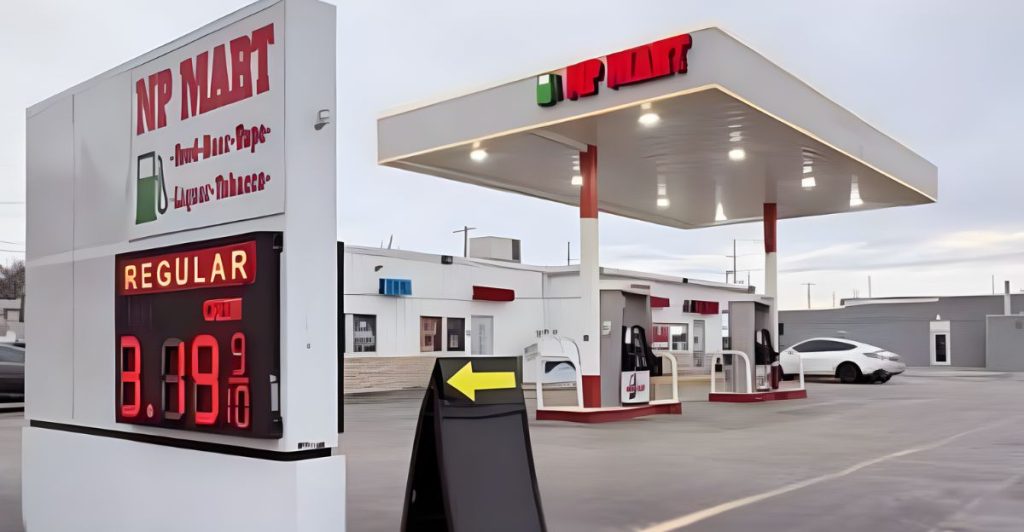
Nebraska shed about 3 cents this week and, at roughly $3.38 per gallon, ranks among the most affordable markets in the country. Its geographic advantage, sitting directly in the mid-continent pipeline corridor connecting Gulf refineries to Cushing, Oklahoma, insulates it from the shocks hammering coastal and mountain states harder.
Nebraska’s February average was $2.59 per AAA. Three cents back is welcome. It’s also a 79-cent monthly increase for every Silverado and Ram 1500 on the road between Omaha and Scottsbluff.
3. Iowa: Gas Dips, But Corn Country Runs on Diesel

Iowa matched Nebraska’s 3-cent decline and holds one of the five cheapest statewide averages at about $3.31 per gallon. Iowa’s February average was $2.45 per AAA, an 86-cent monthly surge despite this week’s relief. But Iowa’s truck and farm economy runs on diesel, which climbed 84 cents to $4.60 per gallon in the conflict’s first week alone, outpacing regular gas by 6 percentage points, according to CNN.
An Iowa farmer running a John Deere 8R with a 400-gallon diesel tank headed into spring fieldwork is doing a completely different calculation than a Des Moines commuter in a RAV4. Three cents on regular doesn’t move the needle for either of them.
4. Wisconsin: Down 3 Cents, Diesel Still the Real Story
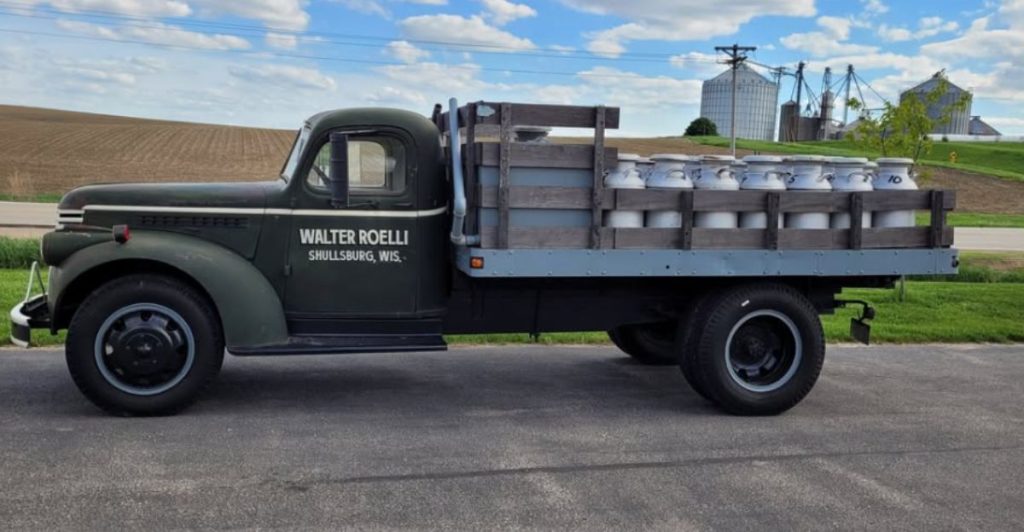
Wisconsin rounds out the 3-cent weekly decline trio, with the statewide regular average near $3.37, comfortably below the national average. But diesel has been outrunning regular gas in this crisis from the start. For Green Bay pickup owners towing trailers or Wisconsin dairy farmers running milk haulers, what matters is not where regular ended this week—it’s where diesel is heading.
The 3-cent dip on regular is a footnote against the diesel math tightening every farm and freight operation in the state.
5. Kentucky: 2 Cents Down, But the Trucking Corridor Is Bleeding

Kentucky posted a 2-cent decline, but the state’s regular average is still roughly $3.74, up from a February average of $2.59 per AAA. Diesel is where Kentucky’s economy is really getting squeezed. Indiana’s statewide diesel hit $5.210 per gallon as of March 26, per AAA; Michigan’s reached $5.025 per the same period.
Every heavy-duty Ram 2500 or F-250 running the Cummins or Power Stroke diesel up and down I-65, I-64, and I-75 is absorbing spikes that didn’t exist six weeks ago. Two cents back on regular means very little when the diesel line at the Flying J outside Louisville hasn’t looked this ugly in years.
6. Minnesota: 2 Cents of Relief as the $4 Threshold Looms
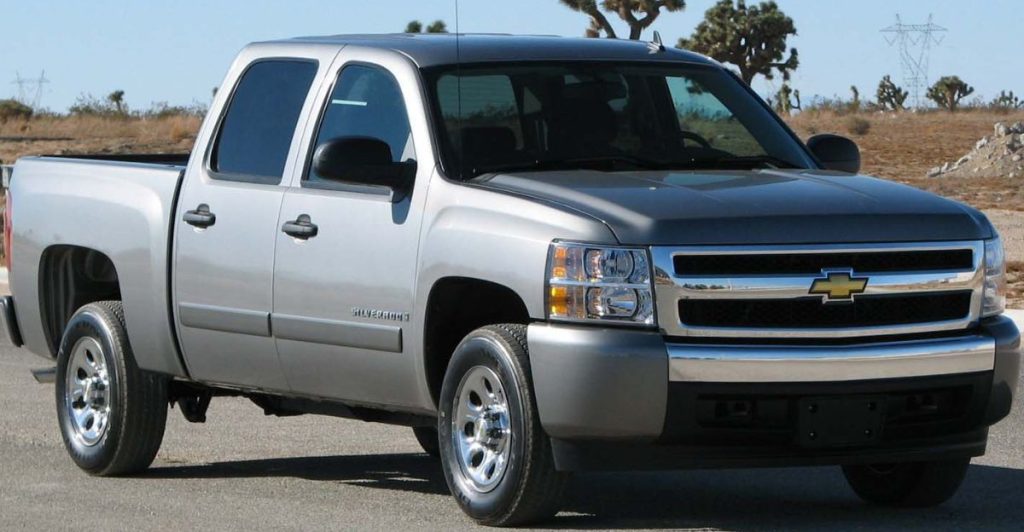
Minnesota’s regular average dipped about 2 cents to around $3.44 this week. That keeps it below the $4 threshold, but just barely, and that number matters. CarGurus and BloombergNEF both identify $4 per gallon as the level at which EV total ownership costs become genuinely competitive with a gas vehicle and significant buyer behavior shifts begin.
In the Twin Cities metro, F-150s and Silverados are among the top-selling vehicles on the road. A 2-cent dip is a reprieve—not a resolution. Minnesota is 56 cents of additional surge away from a very different conversation about what people buy next.
7. Texas: The Biggest Oil State in America, Still Paying More Than Ever
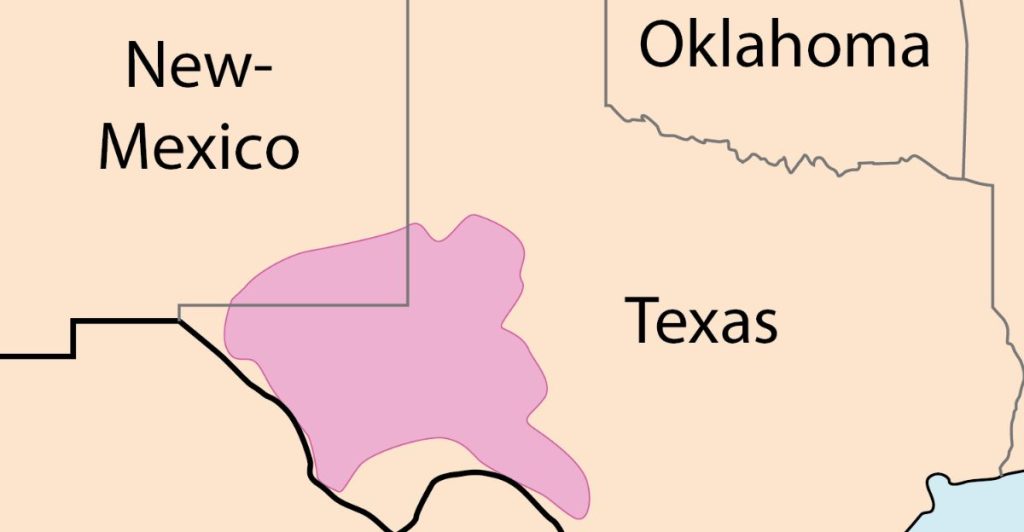
Texas—home of the Permian Basin, source of more domestic crude than any other state, dropped about 2 cents this week, with the statewide average above $3.60. The bitter irony is visible from any pump in Midland or Odessa: the oil comes out of the ground right here, but the price on that sign is set by Brent crude trading in London. The F-series is the best-selling vehicle in Texas by a wide margin. At $3.60-plus per gallon, an F-150 owner with the 36-gallon tank is still paying $25 to $36 more per fill-up than four weeks ago. Two cents doesn’t dent that.
8. Tennessee: A Penny Down on America’s Hardest-Working Freight Corridor
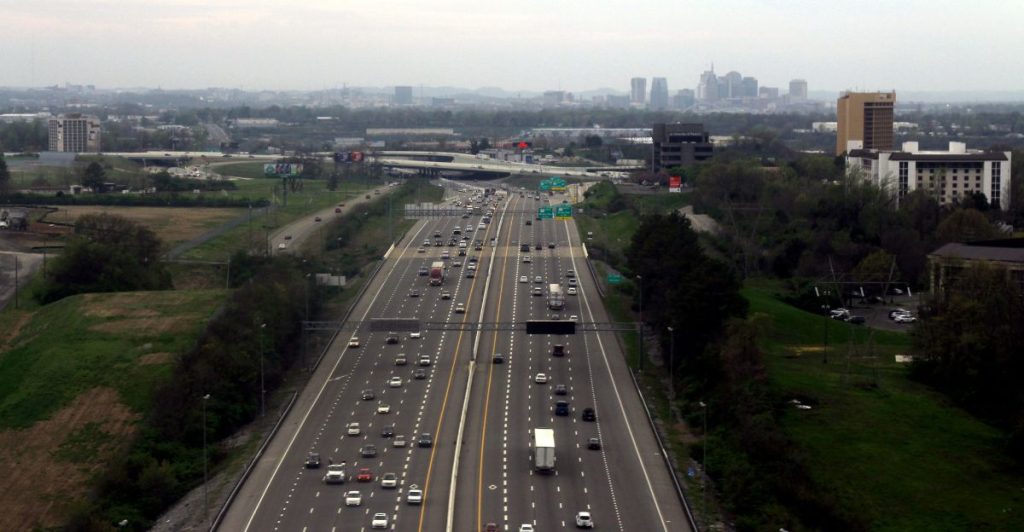
Tennessee registered about a 1-cent decline, with the statewide average in the $3.40–$3.50 range. Interstate 40 cuts straight through Nashville and Memphis, one of the highest-volume freight corridors in the nation—meaning diesel prices above $5 in neighboring Indiana echo through every trucking operation and retail shelf in this state.
Tennessee’s February average was $2.57. One cent back is the margin of error on an 85-cent monthly surge—a data point, not a turning point.
9. Missouri: Still One of the Five Cheapest States, Still Up 91 Cents

Missouri dipped about 1 cent and stays at roughly $3.43, one of the five least expensive states in the country, a position its central location in the fuel distribution network and low fuel taxes have held through the worst of this spike. Missouri’s February average was $2.52 per AAA.
For a Silverado owner in Kansas City with a 24-gallon tank, the monthly surge adds up to about $10 extra every fill-up. Missouri will recover faster than most when this eases. Eventually is doing a lot of work in that sentence right now.
10. Kansas: Cheapest Gas in the Nation, Still 80 Cents Above Pre-War
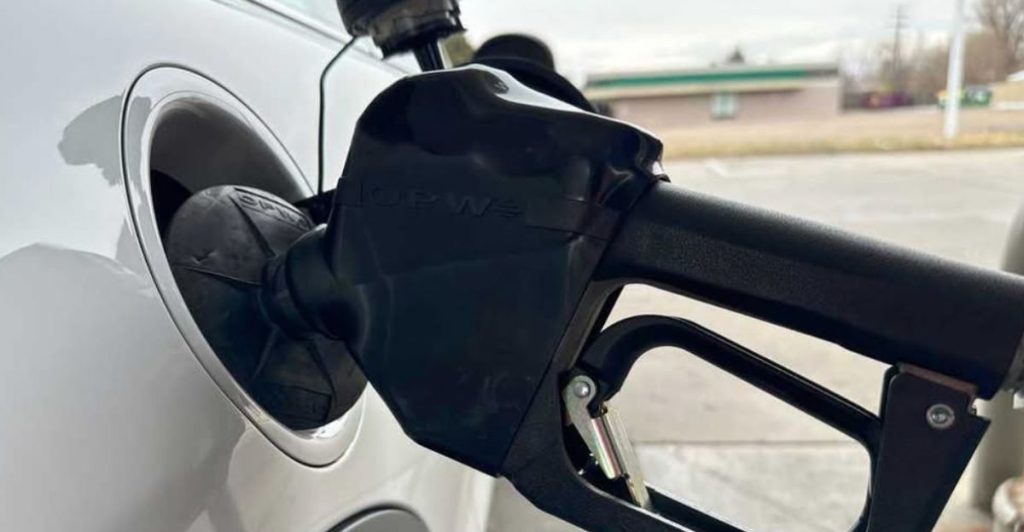
Kansas holds the lowest regular gas average in the country at roughly $3.27 per gallon, with a 1-cent weekly dip keeping it there. That distinction sits inside an 80-cent monthly surge; Kansas’s February average was $2.47 per AAA. Being the cheapest state in a $4-average America is like being the least sunburned person at the beach—it’s still a burn.
Kansas’s structural position near mid-continent crude keeps it insulated, but farmers heading into spring planting are doing brutal diesel math that has nothing to do with where regular unleaded is posted this week.
11. South Carolina: Penny Down, Deep Inside the South’s Fuel Squeeze

South Carolina posted a roughly 1-cent decline, landing in the mid-$3.60s—below the national average but still well above six weeks ago. AAA puts the February average at $2.68, meaning the state absorbed close to a dollar per gallon in one month. The South is bearing the heaviest collective fuel cost burden in the country, consistent with the region’s higher vehicle miles traveled per capita, lower fleet fuel economy, and limited transit alternatives.
For pickup owners in Charleston, Columbia, and Greenville, a 1-cent dip is a rounding error on a crisis that hit this region harder than any other.
12. Colorado: A Penny Back—One of the Worst Monthly Surges in the Country
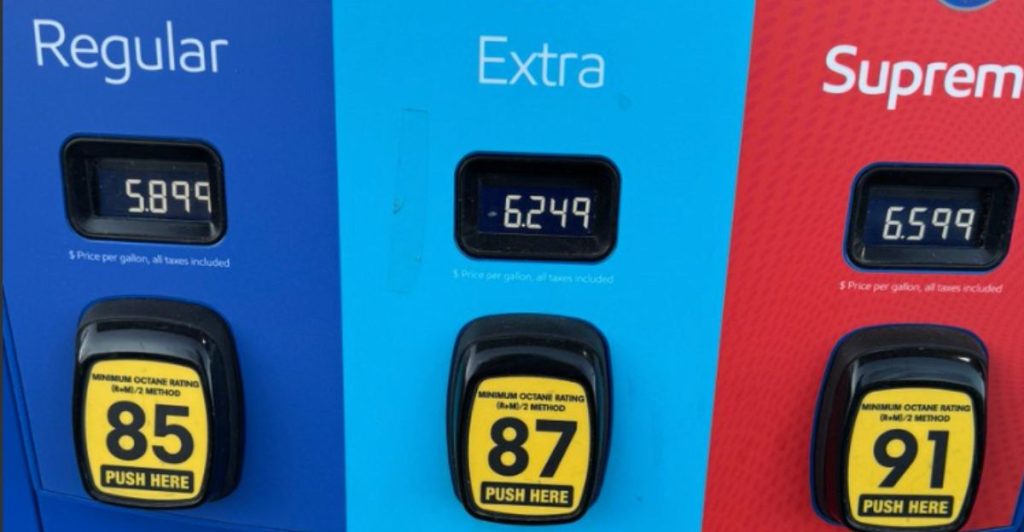
Colorado rounds out the list with a 1-cent weekly decline, sitting at $3.91 as of March 26, just below $4. Colorado’s February average was $2.76 per AAA, making for a $1.15 monthly surge.
Zac Grant, a Dodge Ram 3500 owner in Pueblo, was documented by the Boston Globe on March 21, describing paying $40 more per fill-up than before the conflict, and hunting for cheaper diesel on the AAA app while some local stations crossed $5 a gallon. That’s the Colorado story this month. One cent back on regular is not how this chapter ends.
Truck Owners Are Getting Hit Harder Than Anyone. Here’s the Real Math

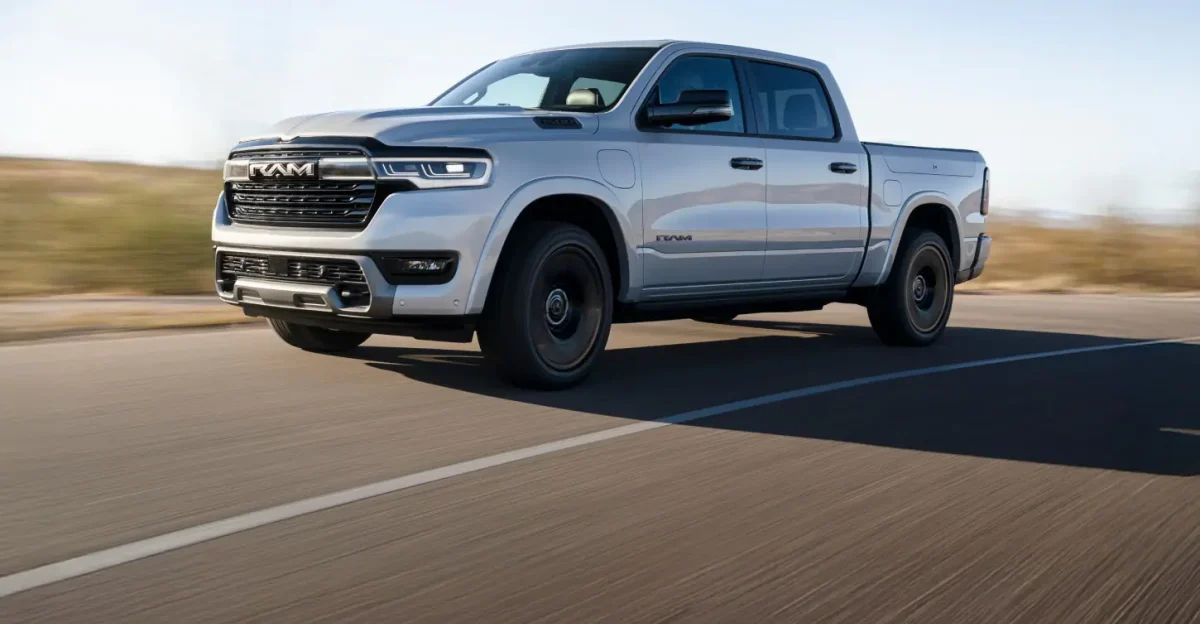
Ram, GMC, and Dodge truck owners are now spending an estimated $770 to $800 more per year on fuel than before the conflict began—Ford F-series and Chevy Silverado owners are in the same range. The 2026 Ram 1500’s revived 5.7-liter Hemi V8 returns as low as 14 mpg in real-world driving per Car and Driver. Drive 15,000 miles a year in that truck at current prices, and the monthly fuel bill has grown by $60 to $70 above pre-war norms—every month, with no end date attached.
The EIA has already revised its 2026 average forecast from $2.91 per gallon to $3.34 and sees no path below $3 through 2027. That $770 annual hit is not a short-term inconvenience. It’s the new floor.
Used EVs Are Getting a Second Look, and the Math Is Finally Moving
Nobody is trading their Ram in for a Rivian this week. But searches are telling a story worth watching. CarGurus reported EV listing views up nearly 10% since March 1, and used EV searches up nearly 15%. Edmunds found the share of shoppers researching electrified vehicles ticked from 20.7% to 22.4% in the week the conflict started. Recurrent’s Price Index puts the average used EV at $27,800, now below the average used gas car. The price gap between new EVs and new gas vehicles hit a record low of $6,532.
Recurrent projects up to 500,000 EVs coming off lease in 2026, triple last year’s volume, flooding the used market at exactly the moment gas prices are pushing buyers to look. Cox Automotive pegs the mass-switching threshold at $6 per gallon nationally, still $2 away. But the conversation has changed. Whether it changes what’s sitting in the driveway depends entirely on how long the Strait stays closed.
Sources
AAA Gas Prices Weekly State Data — AAA
Gas Prices Soar Past $4 a Gallon: How High Could They Get? — IndyStar
Soaring Gas Prices Will Hit Drivers, US Automakers Hardest — Boston Globe
Iran, the Strait of Hormuz, and an Unprecedented Energy Crunch — Council on Foreign Relations
IEA to Release Record 400 Million Barrels of Oil to Address Iran War — CNBC
12 States See Gas Prices Drop Since Last Week, Data Shows — The Hill