
The Classic Vintage Car Features You Grew Up With That Are Now Completely Illegal
The Classic Vintage Car Features You Grew Up With That Are Now Completely Illegal. Modern automotive manufacturing operates under massive regulatory frameworks designed strictly to maximize passenger survival and environmental protection. Historic vehicles possessed incredible mechanical charm and unique styling cues that contemporary designers cannot legally replicate today. Federal safety administrations systematically eradicated these beloved analog characteristics over several decades. Examining these outlawed automotive components reveals exactly how drastically engineering priorities shifted away from pure artistic styling toward absolute crash survivability completely.
Hidden Pop Up Headlights

Automotive designers previously utilized hidden headlight mechanisms to create incredibly sleek and aerodynamic front fascia profiles on legendary sports cars. Federal pedestrian safety regulations permanently outlawed these beautiful mechanical assemblies because the sharp raised housings cause severe physical trauma during low speed collisions. Modern vehicles must feature flush mounted composite lighting assemblies that easily deform upon impact to protect pedestrians. This strict government mandate completely destroyed the iconic wedge shaped exterior styling that dominated performance vehicles throughout the nineteen eighties and nineties.
Fixed Protruding Hood Ornaments

Classic luxury sedans proudly displayed massive cast metal hood ornaments directly above the front grille to signify absolute premium status. Global safety regulators aggressively banned these rigid protruding sculptures because they act like lethal spears during unfortunate pedestrian strikes. Modern luxury manufacturers must utilize heavily spring loaded emblems that instantly collapse backward upon physical impact or recess entirely into the bodywork. This critical safety evolution permanently eliminated the beautiful fixed glass and heavy chrome mascots that historically defined vintage automotive prestige completely.
Pillarless Hardtop Roof Designs
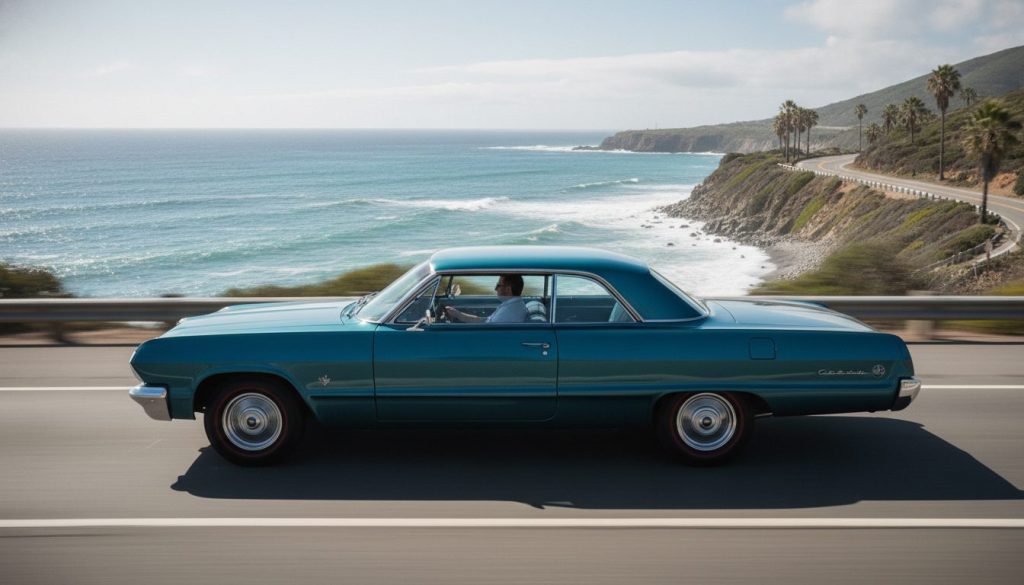
Vintage domestic coupes frequently featured stunning pillarless hardtop designs that completely eliminated the central structural roof support between the windows. Opening all the windows created a massive uninterrupted open air driving experience highly desired by classic automotive enthusiasts. The federal government implemented highly aggressive roof crush resistance standards that immediately rendered this beautiful architectural style completely illegal. Modern passenger cabins require heavy boron steel structural pillars to prevent the entire roof from collapsing violently onto occupants during severe highway rollover accidents.
Rigid Metal Dashboard Assemblies
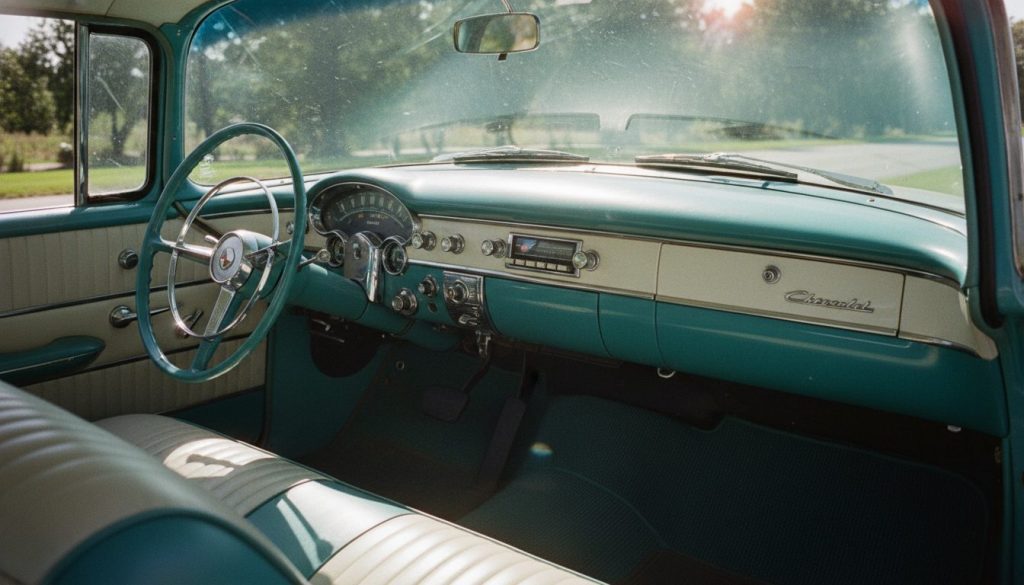
Historic passenger cabins heavily prioritized artistic styling by utilizing massive solid steel dashboard panels painted to match the exterior bodywork. Collision data quickly proved these highly rigid metallic structures caused catastrophic head and chest injuries during sudden front end impacts. Federal safety guidelines now mandate heavy impact absorbing foam and completely hidden airbag deployment zones across the entire front cabin area. Surviving a severe highway crash requires modern interior materials that dynamically crush and absorb massive kinetic energy away from the passengers.
Pure Carbureted Fuel Systems
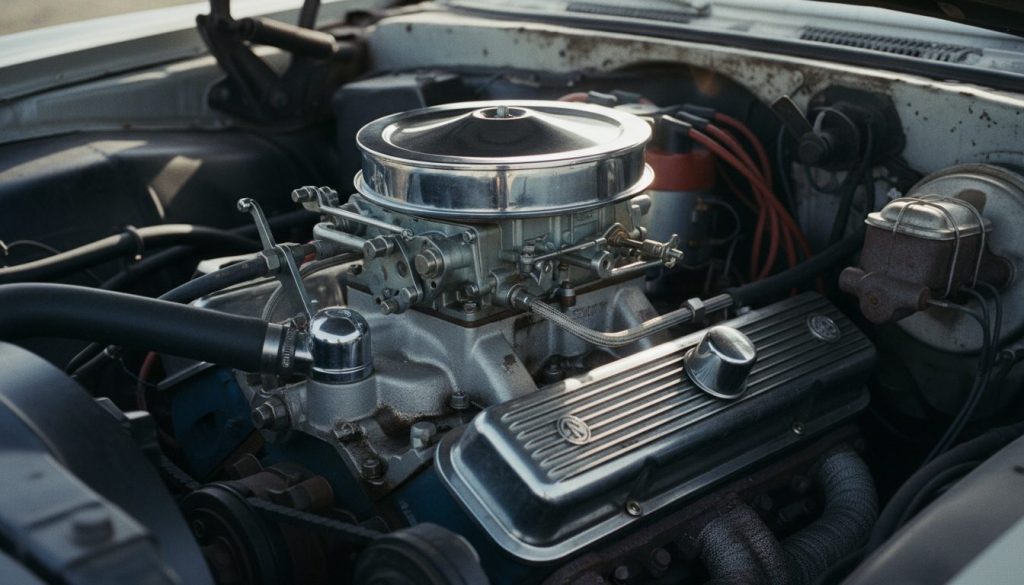
Mechanical carburetors previously managed internal combustion fuel delivery using basic atmospheric pressure and simple vacuum physics without any complex computers. The environmental protection agency essentially outlawed these analog fuel systems by implementing incredibly strict exhaust emissions standards that carburetors simply cannot mathematically achieve. Modern internal combustion engines require highly pressurized electronic fuel injection systems that constantly monitor exhaust telemetry to perfectly optimize combustion efficiency. This necessary environmental evolution completely killed the raw mechanical simplicity that backyard mechanics historically loved tuning manually.
Lap Only Front Seatbelts
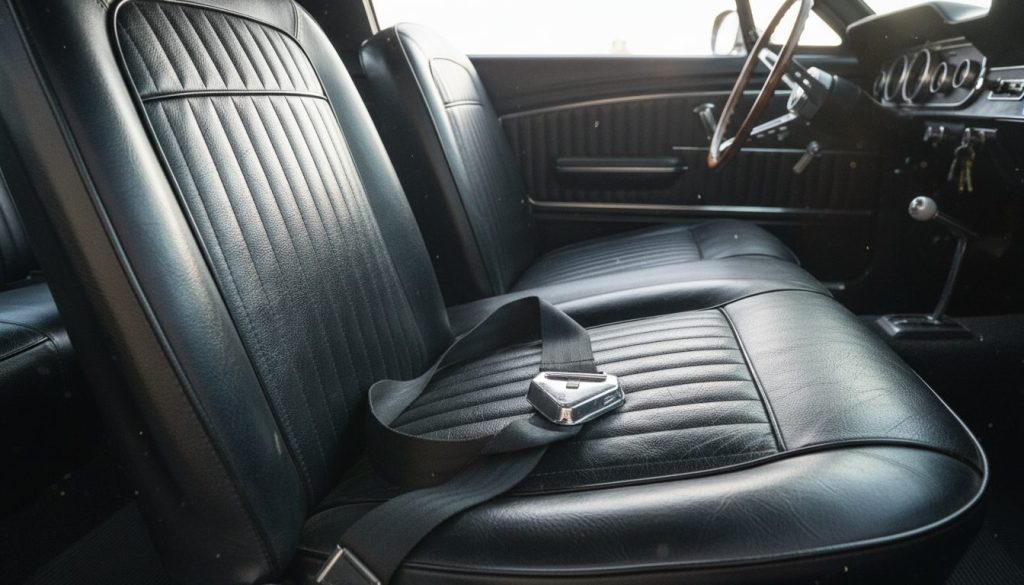
Early safety initiatives merely required basic lap belts that violently threw the passenger forward during sudden aggressive emergency braking maneuvers. Medical researchers discovered these primitive restraints frequently caused severe internal abdominal injuries and massive facial trauma against the steering column. Regulatory agencies permanently banned front lap belts by legally mandating the modern three point shoulder harness system equipped with explosive pretensioners. This critical restraint evolution drastically reduced highway fatality rates by properly distributing extreme crash forces across the strongest skeletal structures.
Asbestos Based Brake Linings
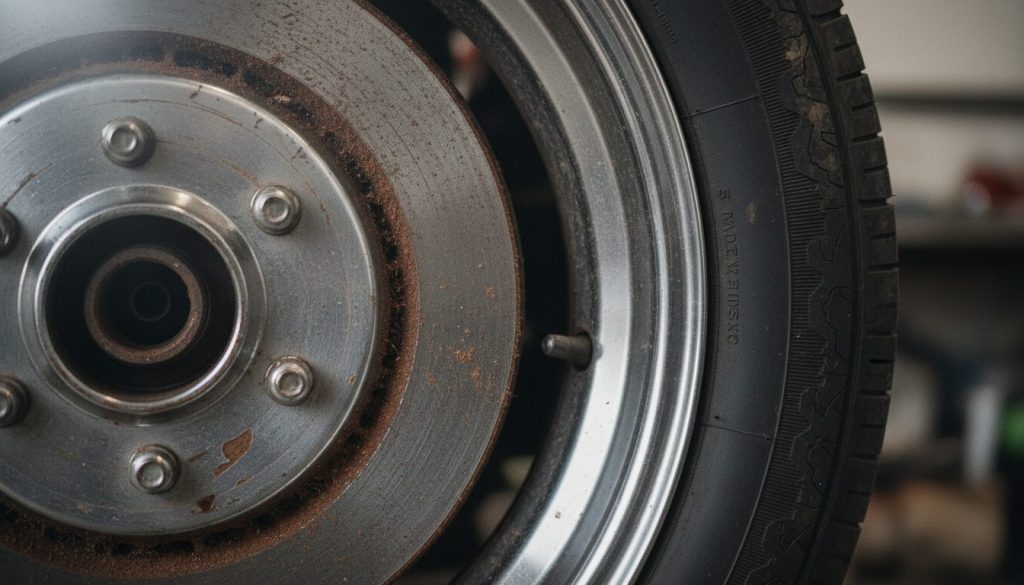
Automotive manufacturers historically utilized heavy asbestos materials to manufacture cheap brake pads because the mineral effortlessly absorbs massive thermal friction. The federal government completely banned this highly effective braking material after medical researchers linked airborne asbestos dust directly to severe respiratory diseases and fatal cancers. Modern braking components rely on highly advanced ceramic compounds and semi metallic composites to safely scrub off massive highway speeds. This critical environmental health regulation permanently eliminated a highly dangerous manufacturing standard from the global automotive industry.
Projecting Knock Off Hubcaps
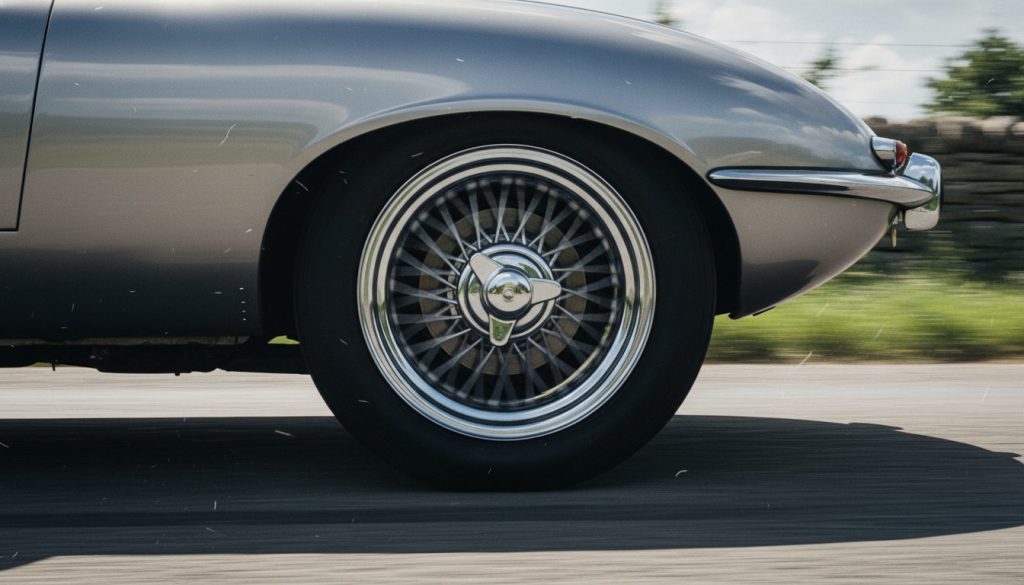
Classic European sports cars and vintage wire wheels frequently utilized massive central spinning knock off hubs to secure the rim. Highway safety administrators banned these aggressive protruding metal spikes because they easily catch the clothing of passing cyclists or severely damage adjacent vehicles during tight cornering. Modern wheel designs must remain completely flush with the exterior tire sidewall to prevent catastrophic lacerations during minor sideswipe collisions. Securing the wheel now requires recessed lug nuts that prioritize absolute public safety over vintage aesthetics.
Heavy Leaded Gasoline Engines
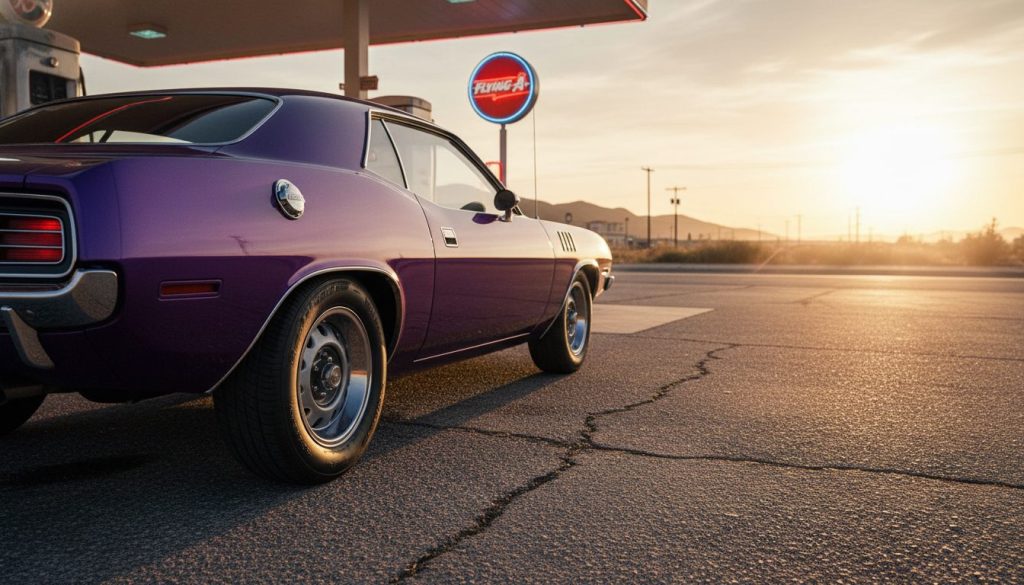
Vintage high compression engines relied exclusively on tetraethyl lead fuel additives to prevent severe internal engine knocking under heavy acceleration. Environmental regulators aggressively phased out this highly toxic chemical after discovering it caused catastrophic neurological damage and severe atmospheric pollution globally. Modern powertrain engineering requires hardened internal valve seats and complex catalytic converters that instantly clog if exposed to raw leaded gasoline. This massive chemical transition forced the entire automotive industry to fundamentally redesign internal combustion geometry for unleaded fuel compatibility entirely.