Ford’s $3.5B Michigan EV Plant Pivots to Grid Storage After $13B Loss
In Marshall, Michigan, a battery factory was supposed to help usher in a new era of electric vehicles. The site is now in the middle of a major transformation. Ford once planned to invest $3.5 billion in this factory, but that commitment has been trimmed to about $1.5 billion. The original mission was simple: produce affordable EV batteries. Now, the factory is being retooled to make energy storage batteries for homes, as well as EV batteries.
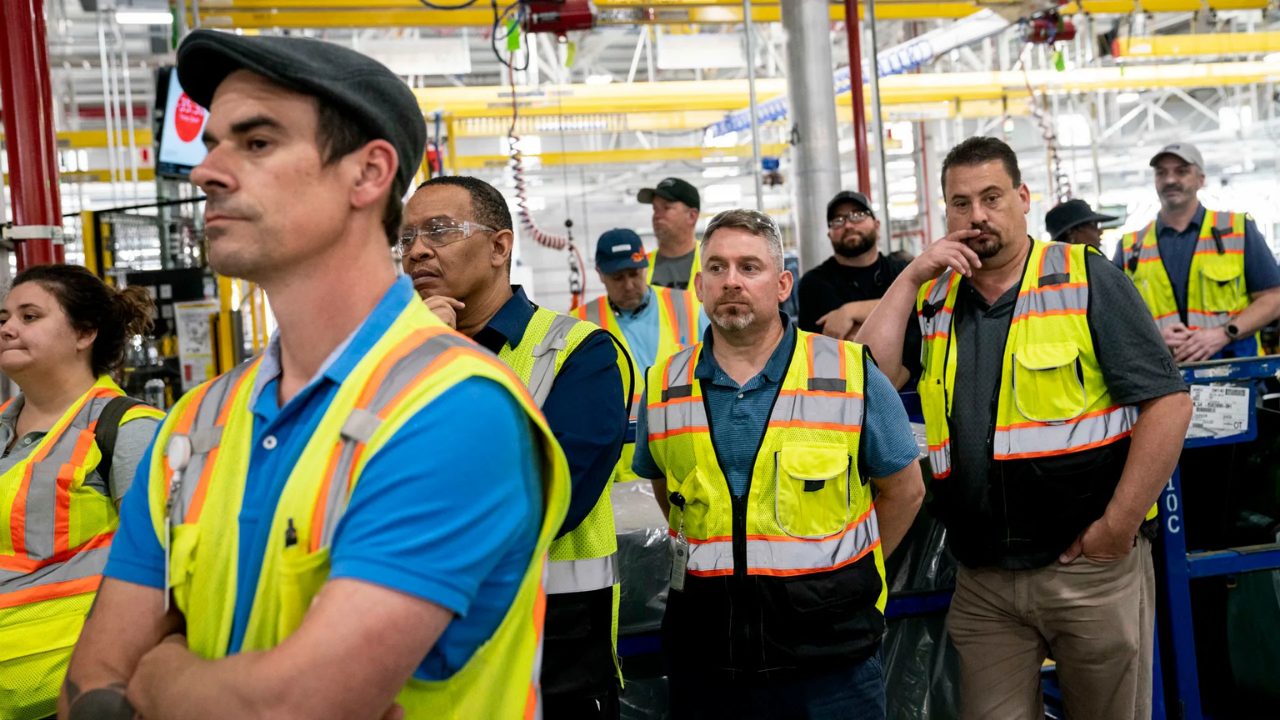
Ford’s plans for large-scale grid storage are happening elsewhere, in Kentucky. Inside the Michigan plant, employees are learning new skills in lithium iron phosphate chemistry. Most never expected that when they took the job. Ford’s $13 billion in EV losses since 2023 amounted to a costly lesson.
The Collapse Nobody Modeled
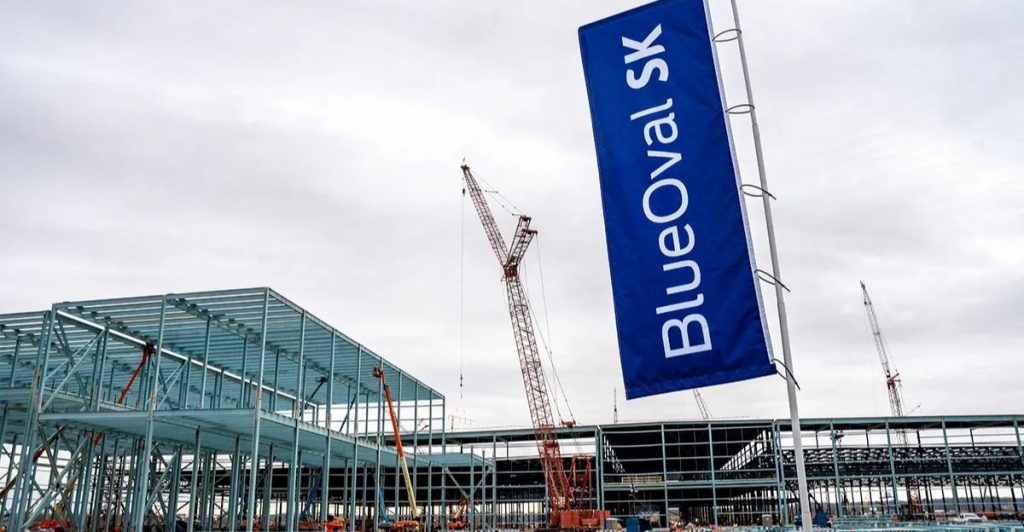
In the final months of 2025, U.S. EV sales dropped 36% compared to the year before, landing at just 234,000 units sold. Market share slipped as well, from 8.1% to 7.8%. This was the first yearly drop since 2019. Ford invested $11.4 billion into its BlueOval SK partnership, building three separate factories. GM spent more than $2 billion on its Ultium Cells plant in Tennessee. Stellantis and LG invested over $5 billion CAD in Windsor, Ontario.
Each company bet on a future in which Americans would keep buying more electric cars. When the Trump administration canceled the EV tax credit, demand collapsed. Automakers across the industry faced enormous financial losses.
The Promise Michigan Bought
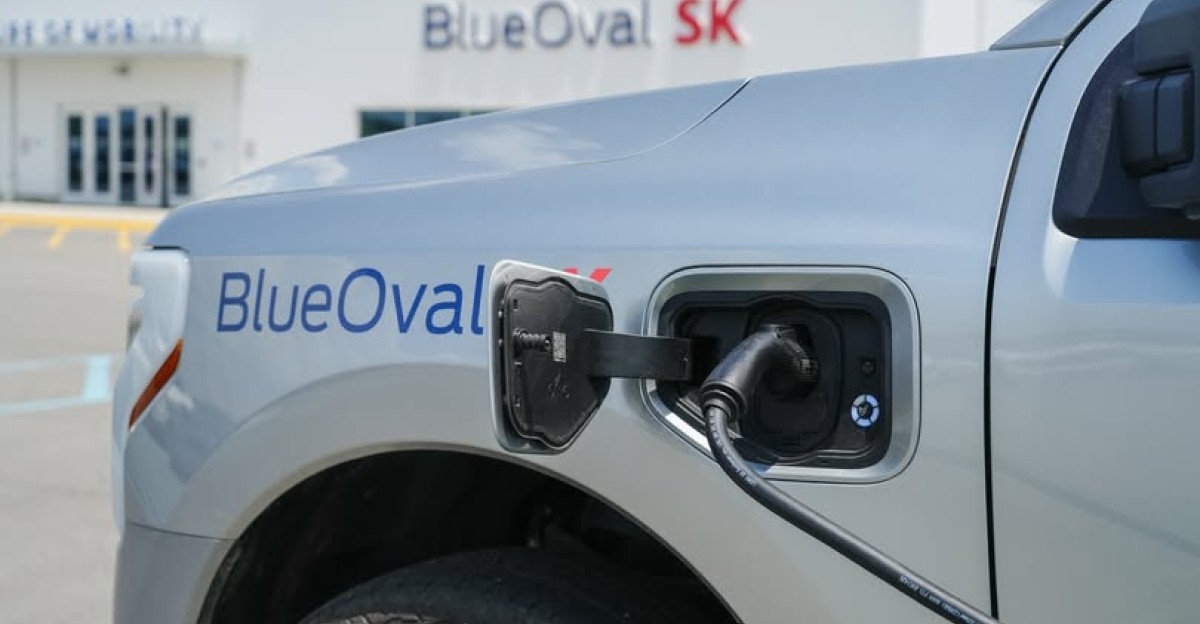
Michigan residents invested their tax dollars into these battery plants, believing the jobs would anchor their communities for generations. That was the promise. Now, Ford and SK On are dissolving their $11.4 billion BlueOval SK partnership. Stellantis has sold its nearly half-ownership in NextStar Energy to LG Energy Solution, transferring the workforce to Korean management.
As Glenn Stevens from MichAuto put it, this is a “massive strategic pivot to back away from investments that will not provide return.” The factories still stand. The products they make now are completely different from what was originally planned.
The Words That Gave It Away

Ford CEO Jim Farley announced a $19.5 billion charge in late 2025, describing it as “a customer-driven shift to create a stronger, more resilient and more profitable Ford.”
This announcement followed $13 billion in EV losses, the end of a major battery partnership, and the abandonment of a product line that had been promised for years. Ford presented the decision as a win, but it was a retreat. The company pulled back from a market it never truly understood.
Where the Real Demand Lives
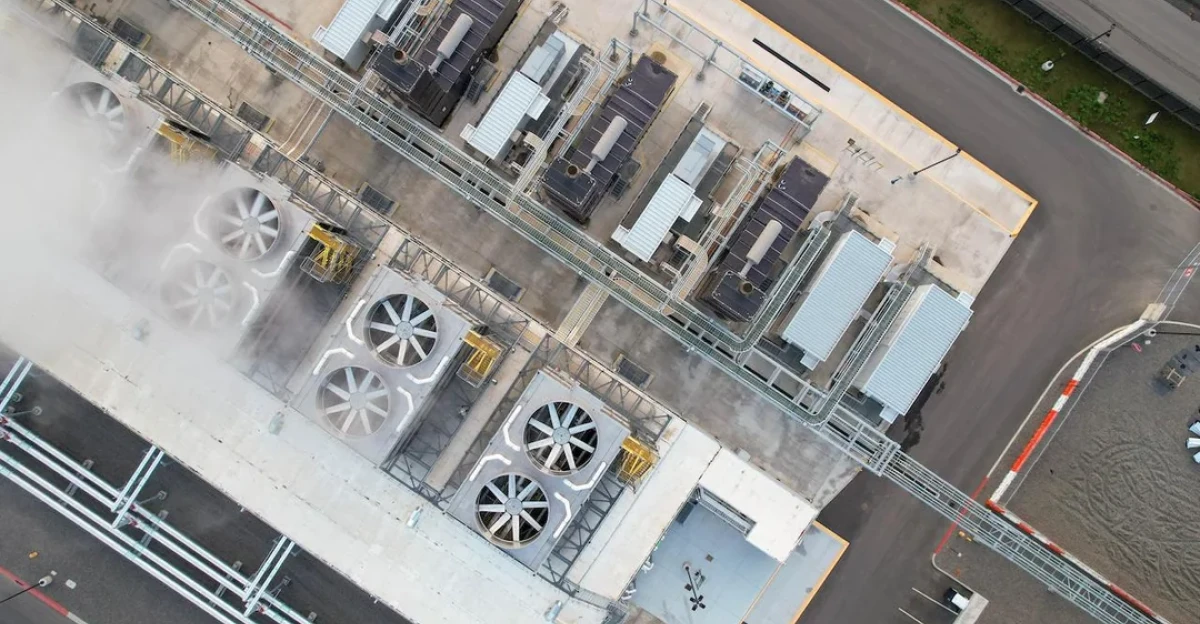
A single DTE data center contract in Michigan needs 1.4 gigawatts of power around the clock. This equals about 14% of the utility’s peak load, all for just one customer rather than thousands of car buyers. AI data centers require battery backup to support renewable energy for eight to twelve hours at a time.
The main roadblock in the energy transition is making sure the grid can keep up. Detroit invested tens of billions in the wrong problem, while the real opportunity was growing rapidly.
The Numbers That Reframe Everything
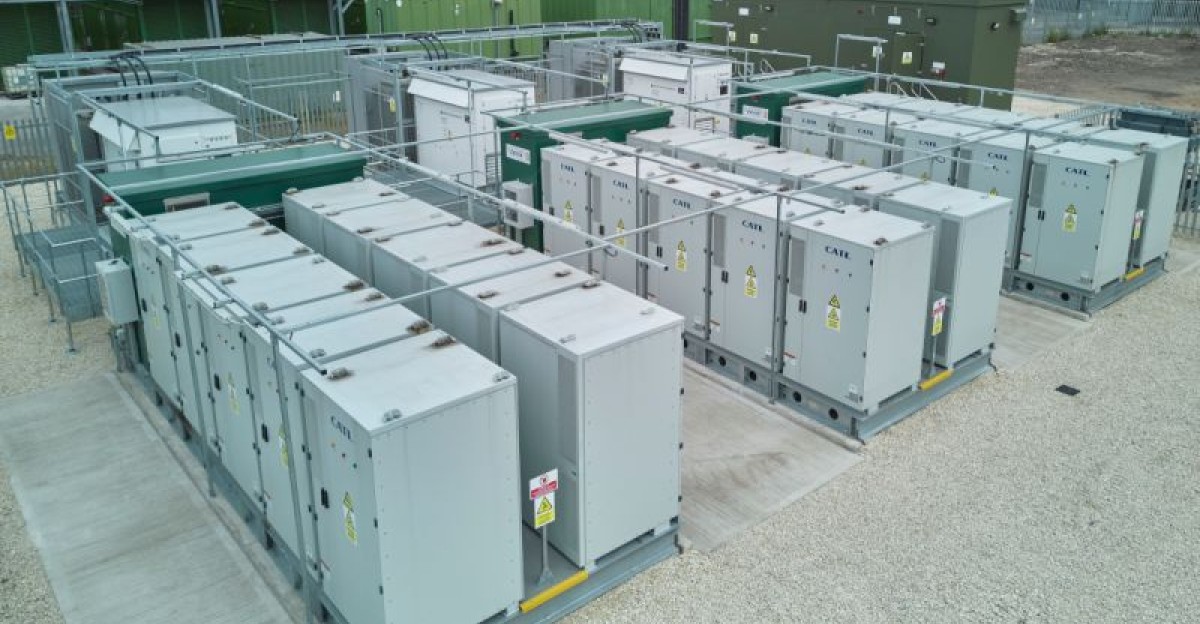
In the third quarter of 2025, battery storage installations in the U.S. reached 5.3 gigawatts. This was a 31% increase over the previous year. The rate of growth outpaced recent progress in solar and wind. Prices for LFP cells have dropped to about $36 per kilowatt-hour, and the overall cost of lithium-ion battery packs has declined by 93% since 2010.
By 2026, global energy storage is projected to reach 123 gigawatts, up from 92 gigawatts the year before. Storage is no longer a distant idea. It is quickly becoming a main engine in the global battery supply chain.
Tesla Already Won This Race
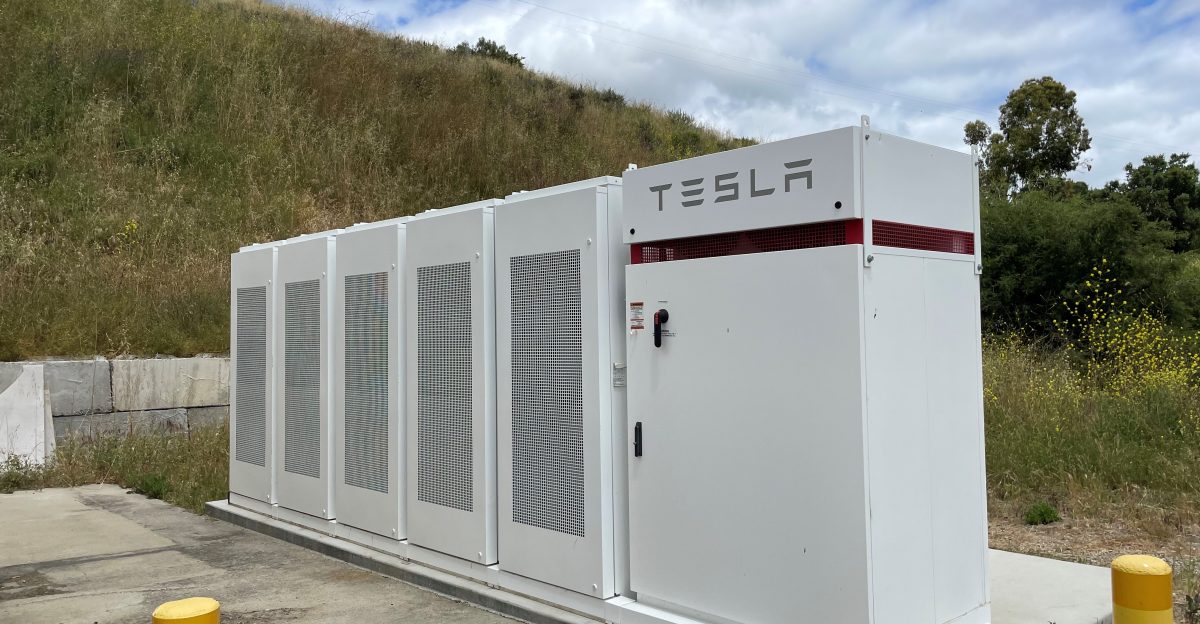
Tesla’s energy storage business generated $12.8 billion in 2025, a 27% increase from the previous year. Energy now represents 13% of Tesla’s total revenue, up from 10% in 2024. LG Energy Solution signed a $4.3 billion agreement to produce LFP cells at a new plant in Lansing, Michigan, specifically for Tesla’s Megapack systems launching in 2027. Ford and GM have no energy storage revenue.
Detroit’s established automakers are now entering a market where Tesla already has a five-year lead, established customers, and supply chain contracts in place.
The New Rule, Not the Exception
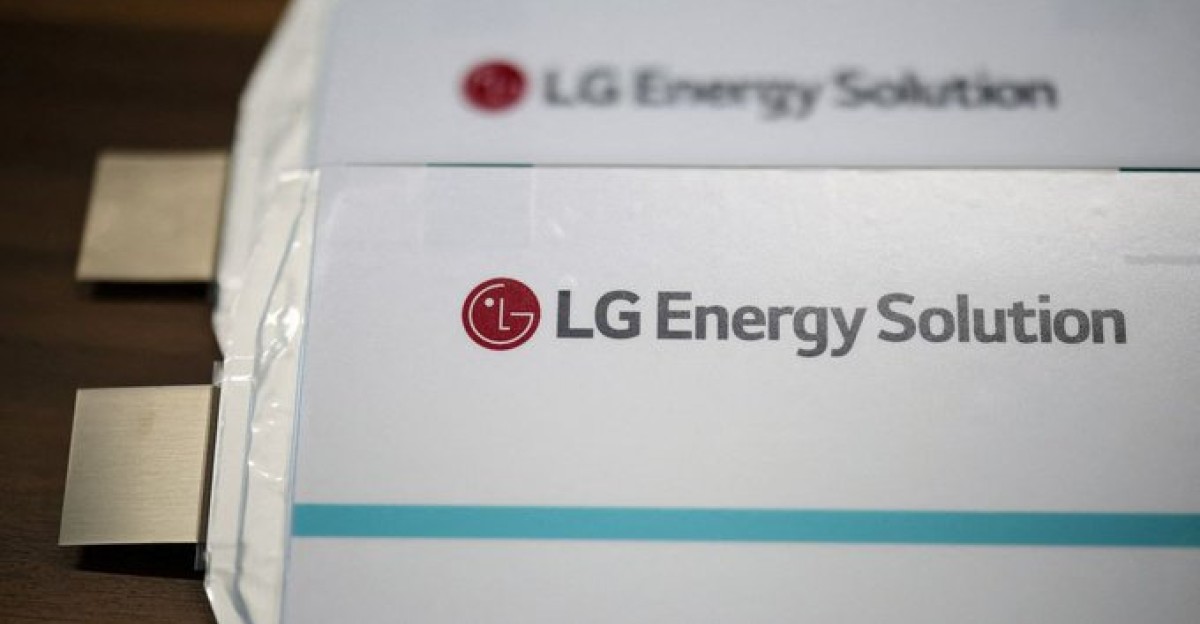
By the end of 2026, the U.S. will be able to produce far more batteries than are needed for annual storage demand. This surplus will squeeze profits for companies that lack scale or tariff protection. Samsung SDI signed a $1 billion contract and is converting its U.S. production lines from EV batteries to storage units. LG Energy Solution will have multiple storage facilities operating in North America by year’s end. The energy transition split into two paths.
China controls the personal EV market, with over 60% of global sales. The U.S. is now focused on infrastructure storage, a higher-margin business that rewards engineering expertise over cheap assembly.
The Surplus Nobody Planned For
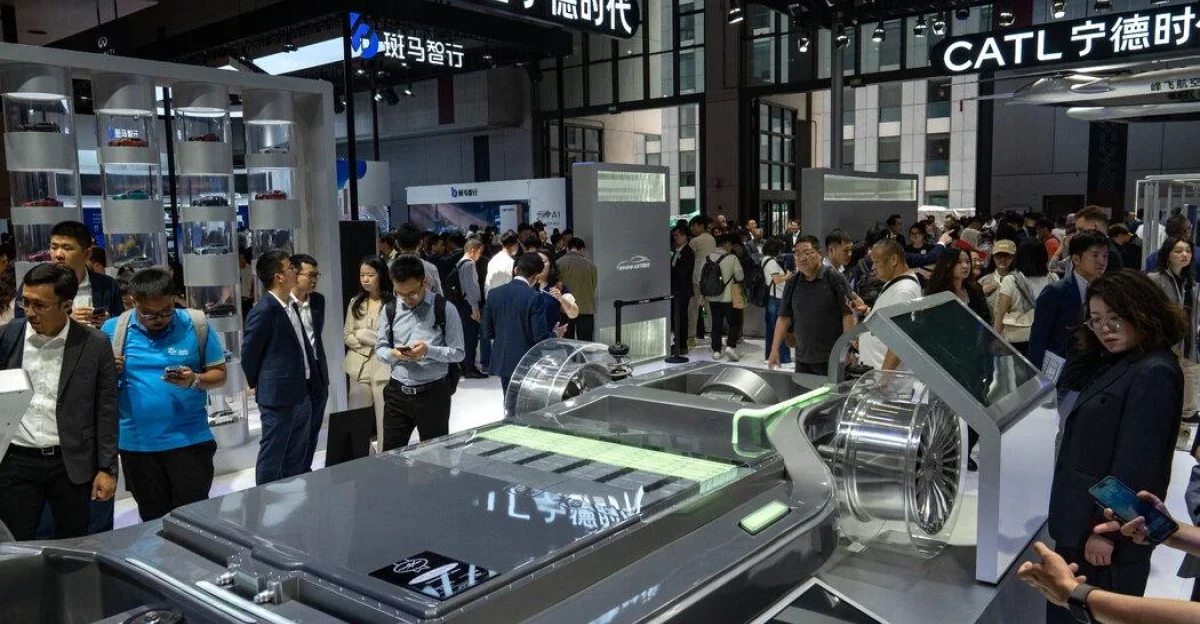
Chinese battery manufacturers control more than 80% of global battery production capacity and are producing about three times more than current demand. This level of oversupply is expected to cause a worldwide price collapse within the next year. In the U.S., new FEOC rules limit which battery cells qualify for major tax credits, which helps protect domestic manufacturers but could raise system costs.
The U.S. is prioritizing manufacturing jobs in states like Michigan and Tennessee over cost efficiency, even if storage deployment slows in price-sensitive markets such as Texas.
The Fight That Comes Next
Korean and Japanese battery companies are establishing U.S. subsidiaries to comply with FEOC rules. This has created a two-tier global supply chain: expensive American-made cells protected by tariffs and more affordable Chinese cells available elsewhere. China is expected to expand its influence in Asia, Africa, and Latin America.
The EV transition accelerated and moved ahead of Detroit’s consumer business, but left a second opportunity in infrastructure. After tens of billions spent, the open question is whether Ford, GM, and Stellantis have earned that second chance.
Sources:
Cox Automotive — “Despite Q4 Collapse, 2025 EV Sales Decline Only 2% Versus 2024” — January 12, 2026
WardsAuto — “Ford, SK On Dissolving BlueOval SK EV Battery Joint Venture” — December 11, 2025
EV Infrastructure News — “Ford to Take US$19.5 Billion Loss as It Downsizes EV Capacity, Turns to Energy Storage” — December 15, 2025
TechCrunch — “Tesla’s Energy Storage Business Is Growing Faster Than Any Other Part of the Company” — January 29, 2026
PV Magazine USA — “U.S. Q3 Energy Storage Deployment Grows 31% Year-Over-Year” — December 16, 2025
Teslarati — “Tesla Named by U.S. Gov. in $4.3B Battery Deal for American-Made Megapack Cells” — March 16, 2026