Indiana Gas Up $1.10 in a Month as April 1 Tax Hike Piles On More
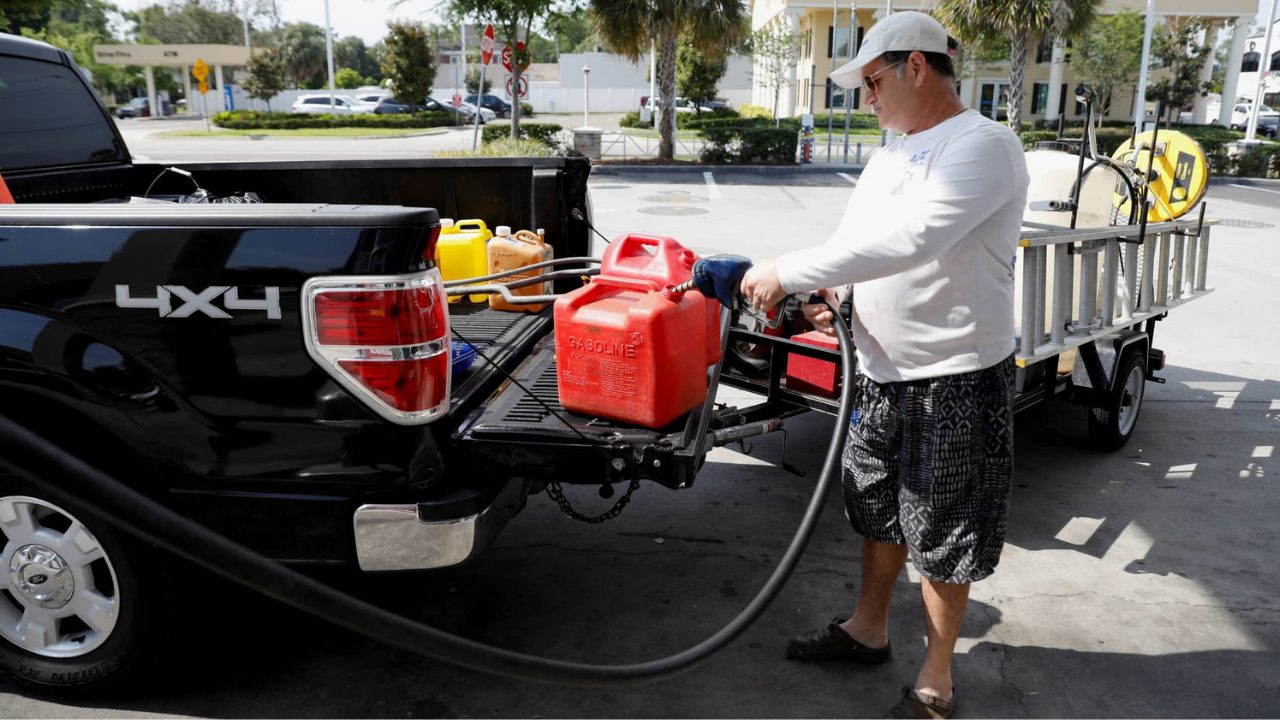
Pull into any gas station in Indiana these days and watch the numbers on the pump climb past $57, then $60, then $65. Pickup drivers know that sinking feeling as the total keeps climbing. Most Hoosiers know it, too. The price per gallon rose by more than a dollar in just one month.
There is more happening than what appears on the sign. Hidden in every gallon is a tax burden most drivers never see, and it just hit a record high.
A Dollar Gone in Thirty Days
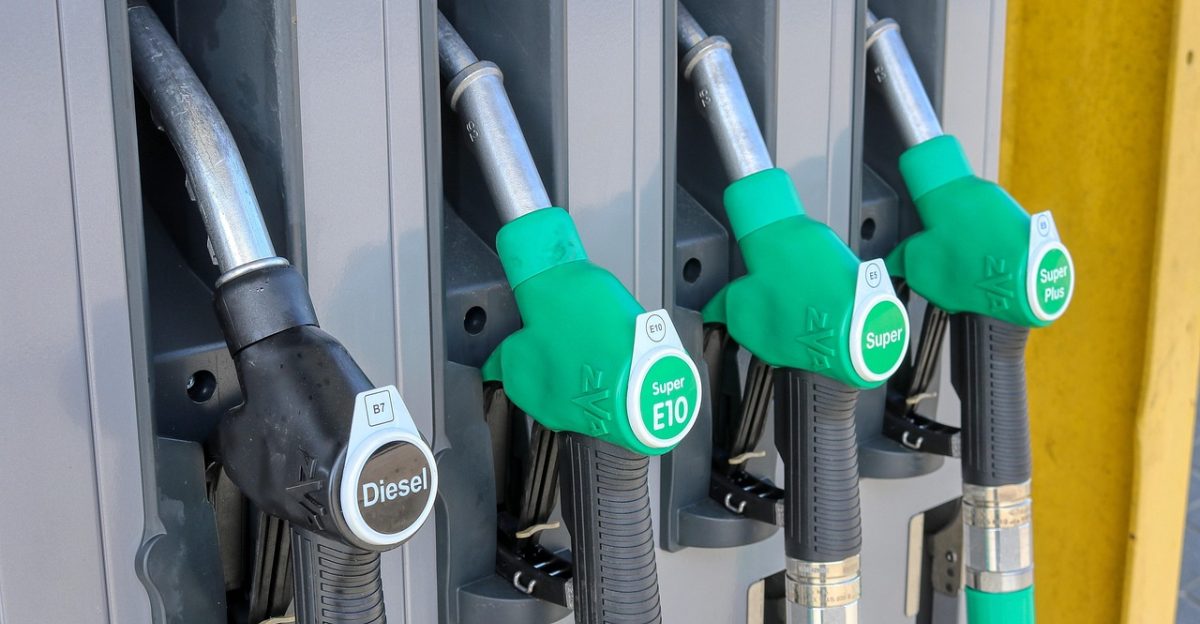
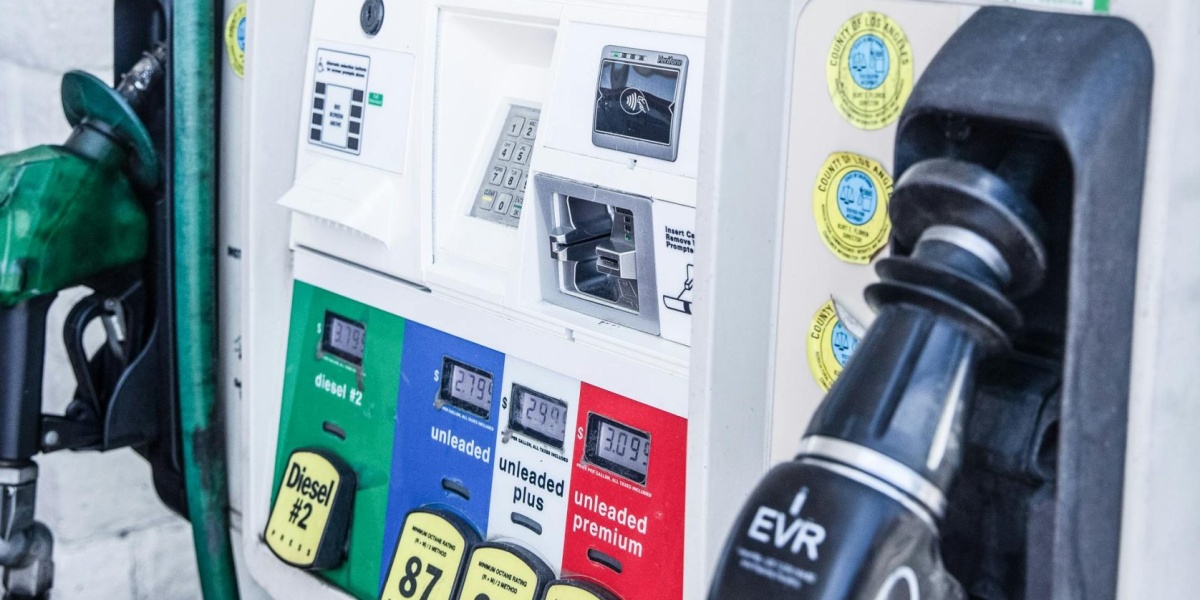
Indiana gas prices jumped from about $2.73 per gallon in February 2026 to $3.83 by late March. That $1.10 increase in thirty days put Indiana among the hardest-hit states, due to the Iran war and the Strait of Hormuz blockade squeezing oil supplies worldwide.
Across the country, Americans paid an extra $9.4 billion each month for gas. Indiana commuters felt every cent. That was before most people even checked the tax line hiding in the receipt.
The Tax Nobody Voted On
Many people believe lawmakers debate the gas tax every year. Indiana changed that in 2017, passing a law that lets the gas tax rise automatically, tied to fuel prices and a fixed schedule. There are no yearly votes or big public debates.
The excise tax can rise by a penny per gallon every year until 2027, and no one at the Statehouse has to say a word. The law was pitched as a predictable way to fund infrastructure. People expected improved roads. That promise is wearing thin.
Seventy-Three Cents You Can’t Escape
Indiana drivers pay 36 cents in state excise tax, about 17.2 cents in state sales tax, 18.4 cents in federal tax, and a penny for inspection on every gallon of gas. The total is 72.6 cents per gallon. That 36-cent excise is the highest since the automatic increases began.
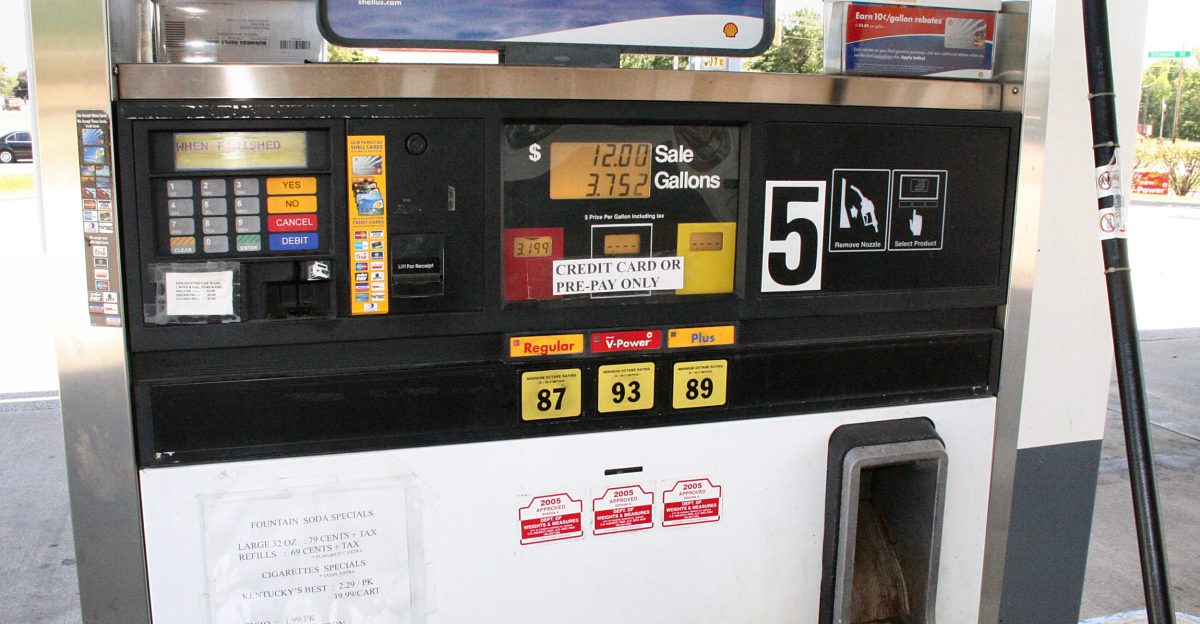
At $3.80 per gallon, nearly a fifth of the cost is tax. A typical 15-gallon fill-up means almost $11 goes to taxes alone, every time, week after week, with no way around it.
Three Taxes, Three Schedules, Zero Transparency
Indiana drivers pay three different taxes on every gallon, and each one updates on its own schedule. The excise tax changes once a year. The sales tax changes every month, based on a two-month price average. The federal tax has not changed for decades. Most of these taxes are collected behind the scenes, long before anyone reaches the pump.
Even if a governor paused the tax tomorrow, oil companies or distributors could keep the difference before it appears at the pump. The system is designed to be invisible. It works as intended.
The Numbers That Bury a Family Budget
Portage Township Trustee Jason Critchlow put it plainly: “For every single gallon of gas that you buy, you’re paying over 70 cents in taxes.”
Filling up twice a week comes to about $87 a month in gas taxes for one car, or over $1,000 a year. For families with two vehicles and a long commute, that is real money disappearing into a system few people understand, and many say has not improved their roads. Taxes make up nearly a fifth of the gas bill. With prices spiking from the war, the rest is just as tough to manage.
Trapped Between Roads and Relief

On March 23, 2026, South Bend council members wrote to Governor Braun, urging him to suspend the gas tax temporarily. In the same letter, they admitted Indiana relies on those taxes for road funding, even as they pleaded for relief. That tension defines the current situation.
The automatic increases are set through 2027, but Governor Braun has not ruled out pausing the state gas tax. At the same time, Indiana is considering adding tolls to I-70, even with the highest excise tax in state history. If record tax revenue cannot fix the roads, the funding model is broken.
The Myth That Won’t Die
Every time gas prices surge, calls come for a gas tax break. Economists respond that it does not work. Cutting the gas tax is like taking aspirin for a broken bone: the real problem remains. The Strait of Hormuz blockade removed millions of barrels from the market every day. No state tax change can touch that.
Governors remember what happened in 2022, and most will not repeat the move. As Tax Foundation senior fellow Jared Walczak told Politico, changing the gas tax will not fix the Strait of Hormuz blockade, and it will not guarantee drivers see savings. The automatic tax law cannot fix a war. Pausing it will not, either.
No Off-Ramp Until 2027
The automatic tax hikes will continue until 2027. If the Iran conflict continues, Indiana drivers will face both higher taxes and higher prices, with no relief. Residents in rural areas, who drive farther and have no public transit, feel it most. Small businesses with delivery vans cannot easily pass those costs on.
Trucking companies, already paying more than $5 a gallon for diesel, may look for cheaper routes in other states. Indiana’s competitive advantage shrinks as the tax ratchet keeps turning, year after year, regardless of what happens in the economy.
What Most People Still Don’t Know
Global events shape gas prices more than state tax policy ever could. The $1.10 jump at the pump resulted from war. The 72.6 cents in tax comes from a formula. These do not influence each other. Hoosiers are paying the highest excise tax in state history and continue to hear about possible highway tolls.
Governor Braun says prices could fall once the Strait of Hormuz reopens, and he has not ruled out suspending the tax if prices remain high. With pressure from drivers and local officials, the future of the 2017 tax law remains uncertain.
Sources:
WBIW — “Pain at the Pump: Indiana Gas Prices Surge 33 Cents in One Week” — March 23, 2026
Hoosier Ag Today — “No Joke on April 1: Indiana’s New Gas Tax Increase Comes as Iran Conflict Triggers Surge in Fuel Prices” — March 29, 2026
WSBT — “Indiana Gas Tax Set to Increase on April 1st, Driving Prices Higher” — March 25, 2026
ITEP — “Gas Price Surge Costs American Drivers $9.4 Billion a Month” — March 22, 2026
Politico — “Governors Forgo Past Response to High Gasoline Prices” — March 25, 2026
953 MNC — “South Bend Council Members Urge Governor to Suspend Gas Tax Amid Rising Prices” — March 24, 2026