$1.07 Gas Jump in 30 Days Costs Michigan Families $857 More This Year
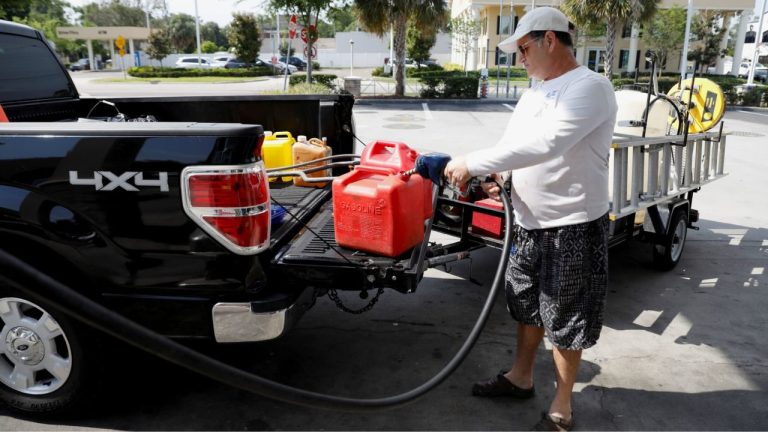
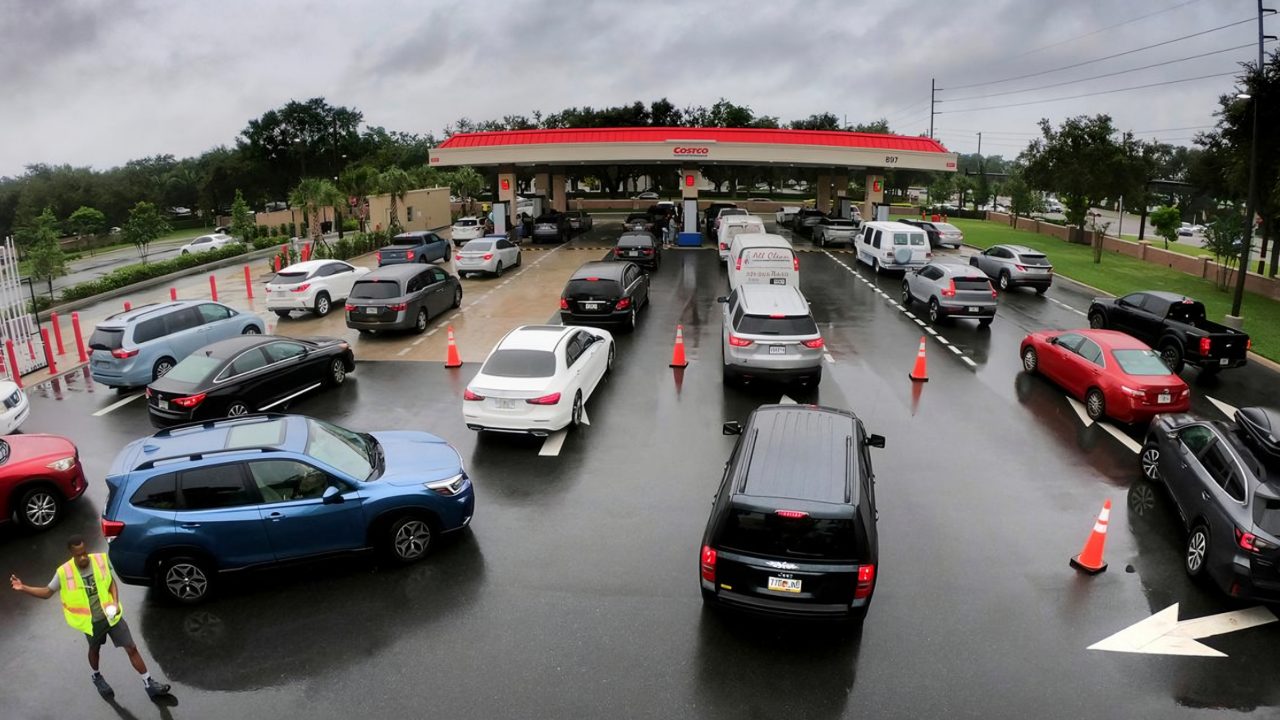
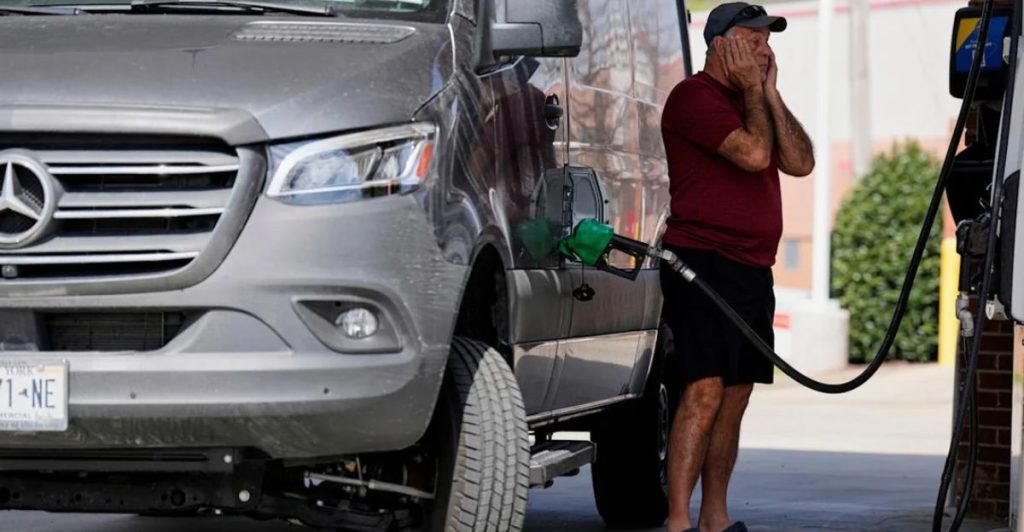
The number on the pump changed overnight. Across West Michigan, drivers did a double-take. Just a few weeks ago, filling up meant seeing $2.85 on the sign. Now, prices are over four dollars, and everyone pauses to calculate the cost before grabbing the handle. Fifteen gallons is about $60. That covers a week of lunches, gone in seven minutes at the gas station.
The Strait of Hormuz, a place most Michiganders never consider, reached into their bank accounts. The pain was just beginning.
A War 6,500 Miles Away
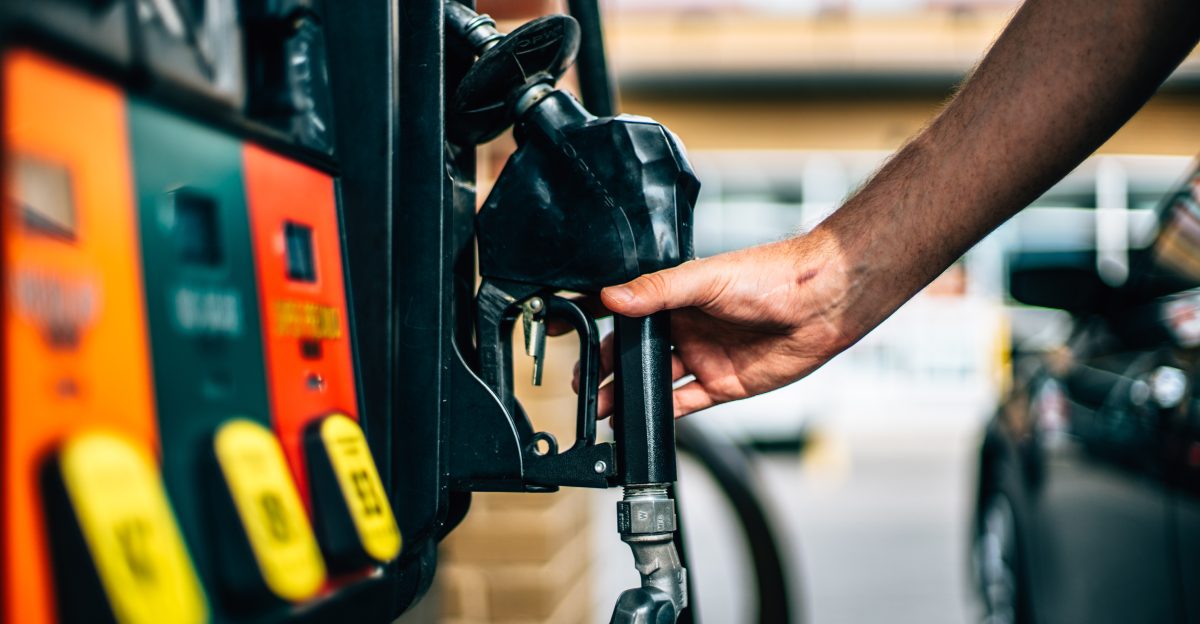
Michigan’s statewide average hit $3.92 per gallon on March 23, 2026, and by March 25, it was $4.00. In Kalamazoo County, the price hovered at $3.93. Grand Rapids drivers found signs anywhere from $3.89 to just under four dollars. The spike in prices came from half a world away.
A war between the U.S. and Iran nearly shut down the Strait of Hormuz, the narrow waterway that carries about a fifth of the world’s oil and liquefied natural gas. Hundreds of ships sat stuck, unable to move. Brent crude climbed past $106 a barrel. Spring break was just around the corner, and about one in four Michiganders, according to a AAA survey, hoped to travel.
The Tax Nobody Timed Right
In January, Michigan overhauled its gas tax. The old 6% sales tax was replaced by a higher flat rate, rising from 31 cents to 52.4 cents per gallon. This change was meant to keep state revenue steady, regardless of pump prices.
When gas was $2.91 a gallon, the math worked out almost as planned. At $4.01, the new flat tax saves drivers a few cents: about 52.4 cents per gallon instead of 55 cents under the old system. The 21-cent tax increase arrived just as prices were already climbing. Governor Whitmer resisted calls for a state gas tax holiday, arguing that Michigan could not fix everything caused by the war in Iran, and pointed to earned income tax credit refunds as relief for those struggling.
The Myth That Died at the Pump
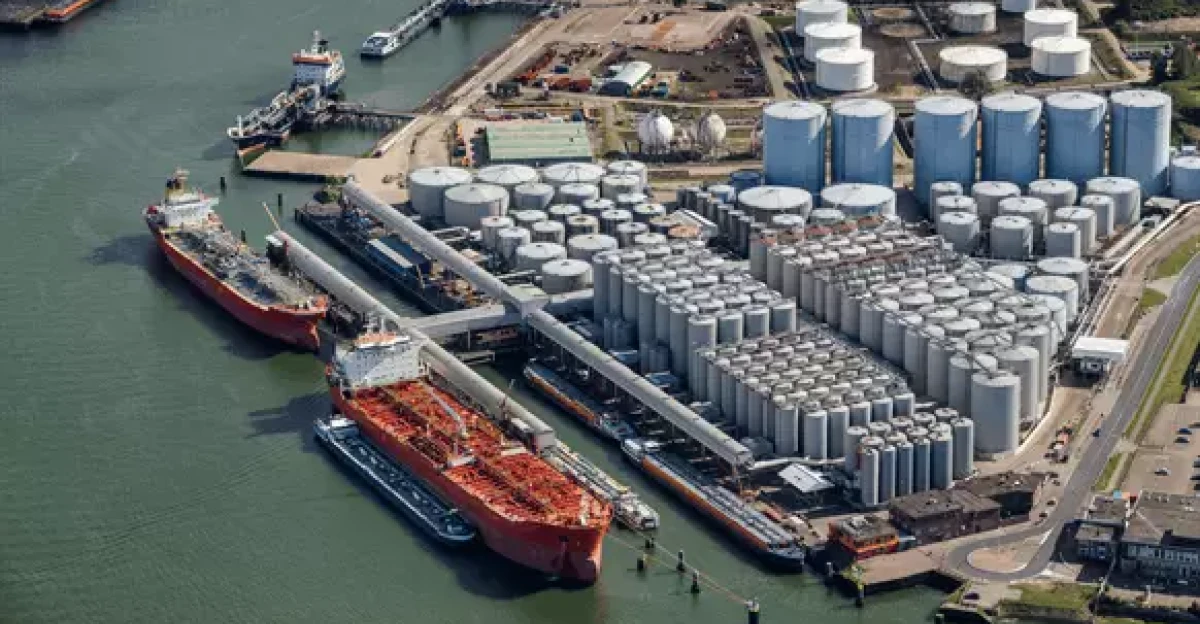
The U.S. now exports more oil than it imports. Michigan’s fuel comes from Canada, Texas, the Dakotas, and the Gulf of Mexico. This does not change the reality at the pump. Oil is a global commodity. Refineries and wholesalers set prices to match the world market.
Selling fuel too cheaply would only invite others to buy up supply and sell it for more elsewhere. A shipping route in the Persian Gulf has more influence over Michigan’s prices than local pipelines. Drivers searching for a bargain are chasing a deal designed not to exist.
Where the Real Money Hides
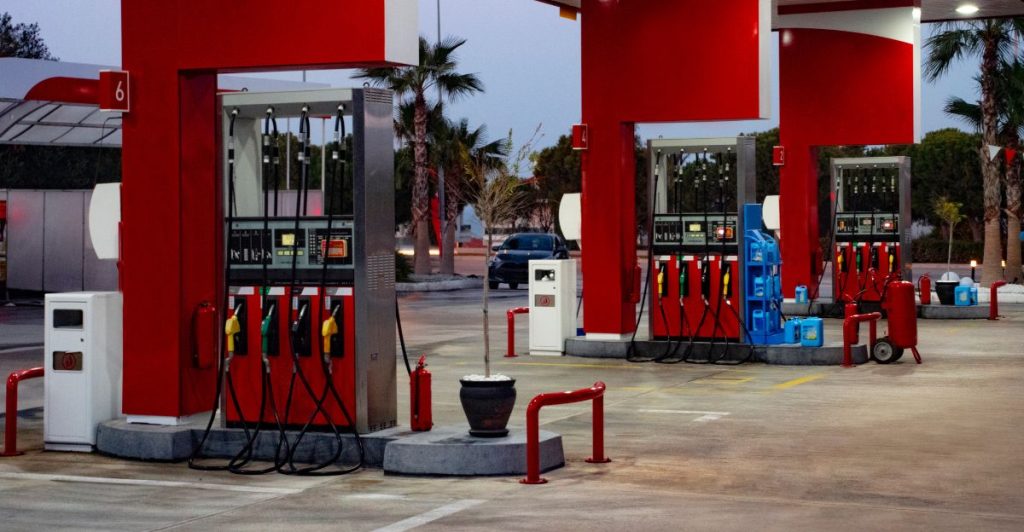
Gas stations make about two-thirds of their revenue from selling fuel, but higher profit margins come from snacks, energy drinks, and hot dogs turning under the heat lamps.
Michigan Petroleum Association President Mark Griffin says when gas prices surge, customers stop buying extras. At four dollars a gallon, money that might have gone toward other purchases goes to the pump instead. The business model weakens as fuel costs rise.
The Numbers That Bury Budgets
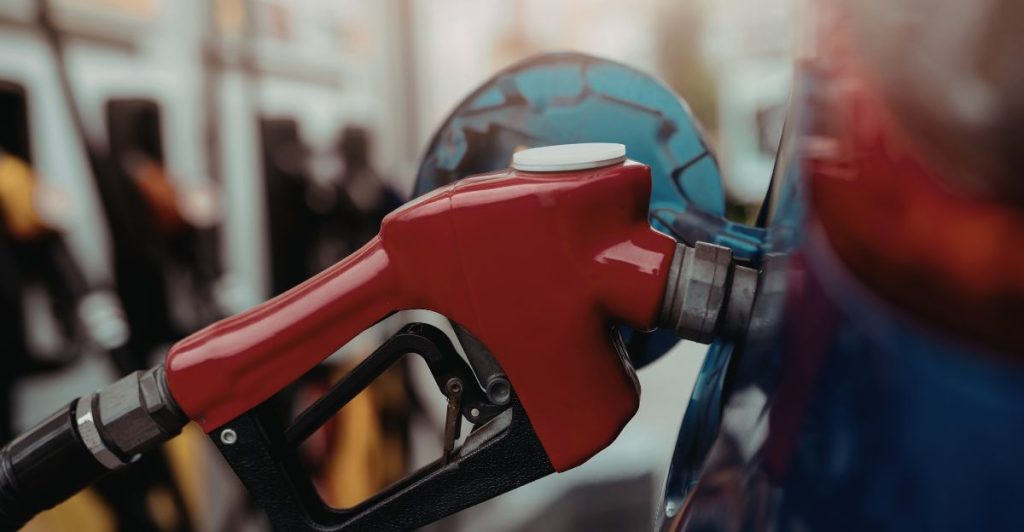
Stanford economists predict the average American household will spend about $740 more on gas for the rest of 2026. Diesel has climbed to $5.34 a gallon across the country, pushing up trucking costs.
Wolfe Research estimates that if gas prices stay this high, Americans will spend $65 billion more each year just to keep moving. For low-income families, every extra dollar at the pump means less spent on other needs and more spent just getting by.
The Dominos Nobody Sees Yet
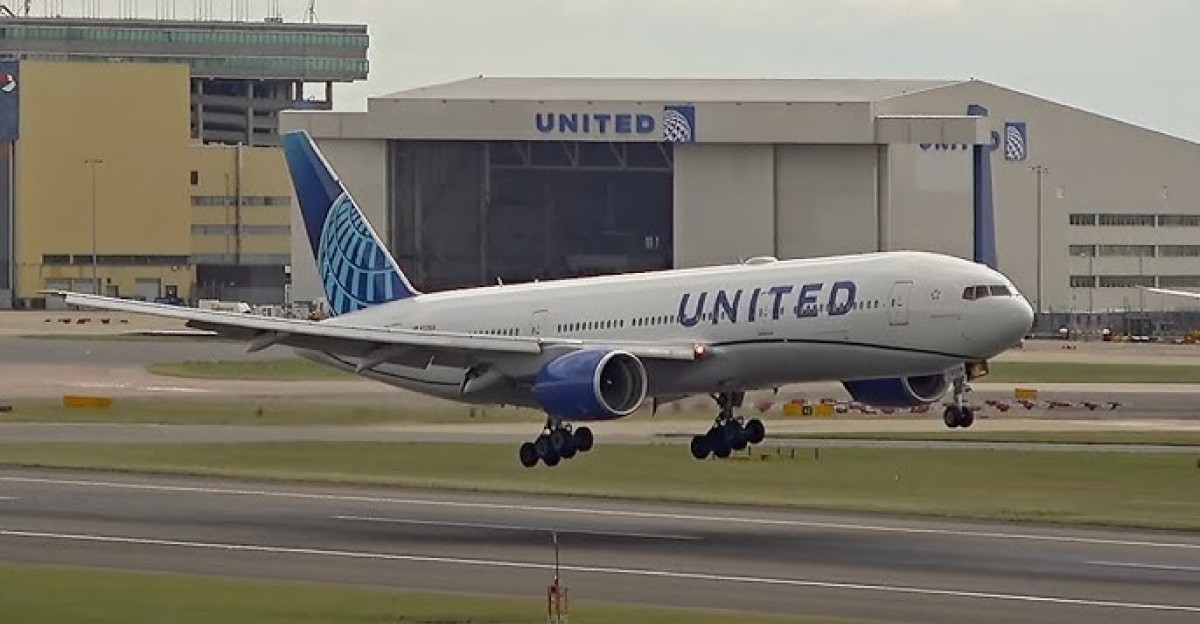
American Airlines’ CEO says the company faced about $400 million in extra fuel costs in just one quarter. United Airlines’ boss warns that, if prices stay this high, United could pay $11 billion more for jet fuel this year. Truckers, especially small fleets and owner-operators, feel the squeeze from the diesel surge. Reuters reports that the price spike has delayed an industry recovery and left many carriers in a tough spot. After fuel, grocery prices are next.
Hundreds of ships stuck near the Strait carried fertilizer and chemicals, and in three or four months, those shortages will hit store shelves. Fuel makes up 21% to 40% of logistics costs. Every extra dollar at the pump travels through the supply chain and lands on a price tag in a Michigan grocery aisle. The pump is just the first bill.
A Pattern With a Name
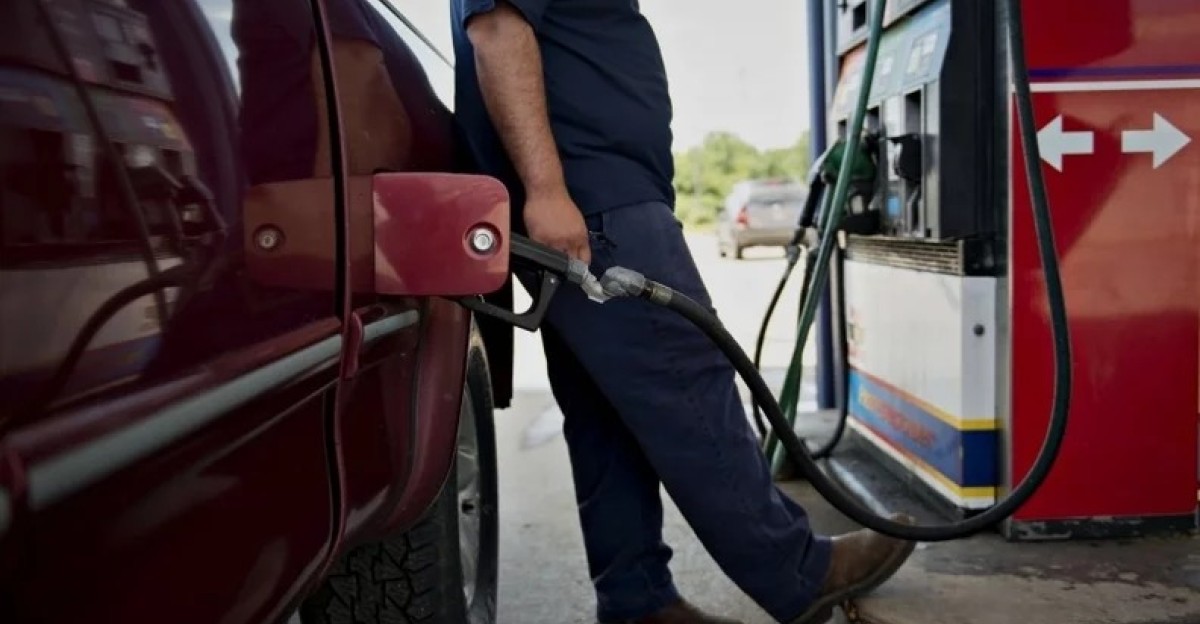
In 2022, when Russia invaded Ukraine, Michigan gas prices reached a record $5.22. A pattern repeats: global crisis, threatened shipping lane, oil prices spike, drivers pay more. Michigan’s $4.00 average is the highest since August 2023, just a dollar below the 2022 peak.
GasBuddy analyst Patrick De Haan summed it up: “No telling how high we will go. As long as this situation continues, we will continue to see prices advancing.”
Summer Is Coming
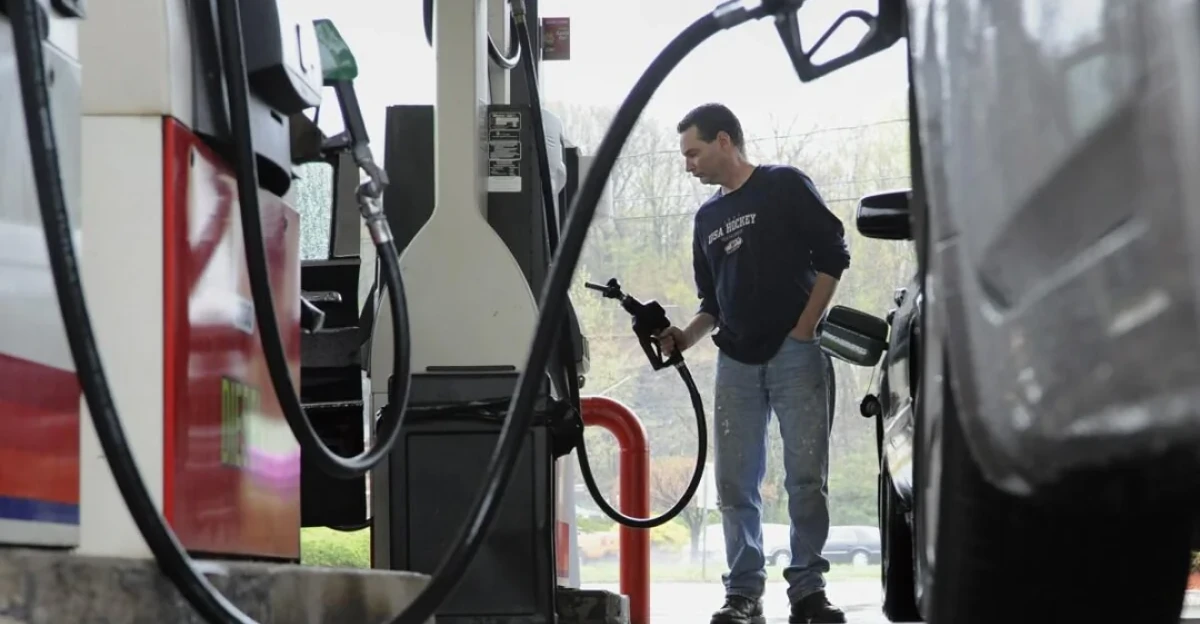
Between April and May, gas stations switch to summer-blend fuel, usually adding 20 to 30 cents per gallon. This additional pressure lands on a market already stretched past $4. If the Iran conflict continues into summer, Michigan could see $5 gas again, as in 2022.
J.P. Morgan predicted Brent crude would be $60 a barrel for 2026, but markets now trade at $106. Small trucking fleets may be the first to go under, followed by regional stores, then grocers, and finally hourly workers whose shifts get cut when customers stop coming.
The Trap With No Exit
Releasing oil from the Strategic Petroleum Reserve, suspending state gas taxes, and encouraging electric cars do not address the heart of the problem. The risk of global conflict now factors into the price of oil. Prices rise quickly in a crisis and fall slowly. Every new disruption or Middle East flare-up triggers the same cycle.
Michigan families who recognize that global markets, not local pipelines, determine what they pay at the pump have an edge. The war will end eventually. The system that lets a shipping lane half a world away set the price at a Michigan gas station remains.
Sources:
AAA Newsroom — “Michigan Gas Prices Jump to Highest Since August 2023” — March 21, 2026
Fox 17 Online (Grand Rapids) — “Governor Whitmer Resists Gas Tax Relief as Prices Near $4 Amid War With Iran” — March 17, 2026
CBS News — “Surging U.S. Gas Prices Could Erase Bigger Tax Refunds, Analysis Finds” — March 18, 2026
Business Insider — “What US Airline CEOs Are Saying About the Iran War’s Impact on Flights, Prices” — March 20, 2026
Reuters — “Spiking US Diesel Prices Keep Trucking Industry Stuck in Years-Long Slump” — March 27, 2026