Ford’s $19.5B EV Writedown Forces Kentucky Battery Plant Pivot
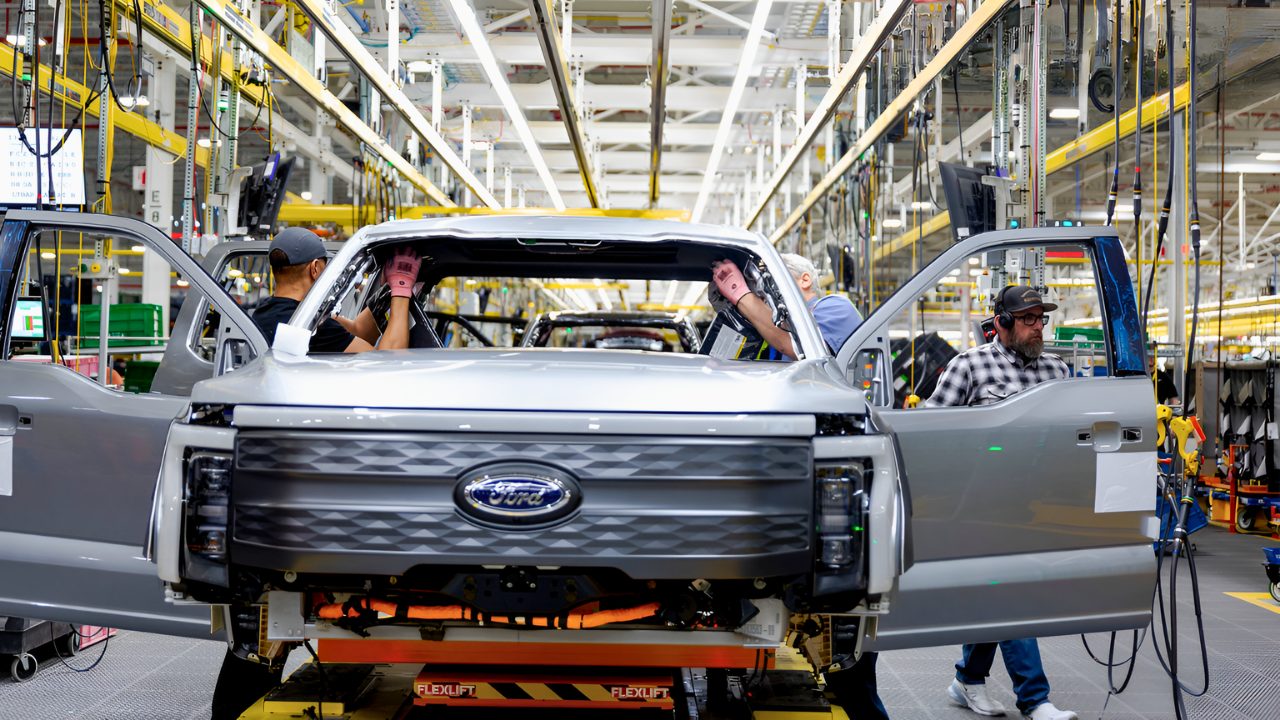
In late 2025, in the small town of Glendale, Kentucky, a massive battery plant quietly hummed along, but not as busily as anyone had hoped. This was meant to be the heart of America’s electric truck movement, where production lines produced batteries for vehicles that fewer Americans wanted each month.
The plant came from an $11.4 billion partnership between Ford and South Korea’s SK On, announced with the optimism of companies invested in their own forecasts. Those forecasts pictured tens of millions of electric vehicles sold each year. Ford’s response to the reality would reshape the industry.
The Subsidy Cliff Nobody Survived
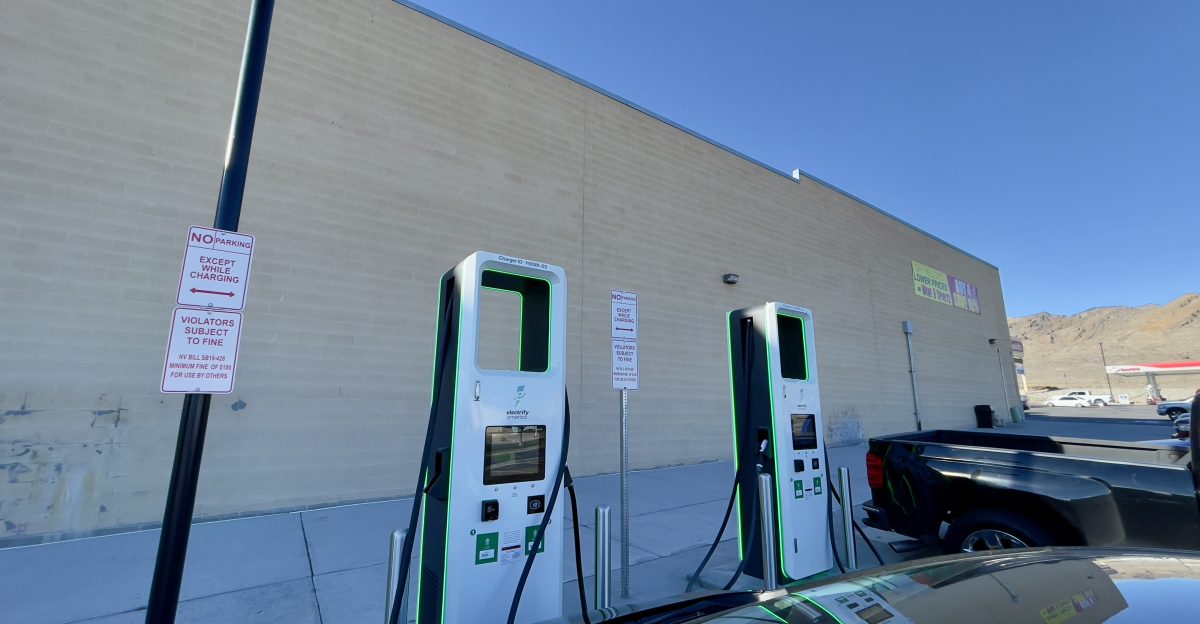
Federal EV tax credits, which were supposed to last until 2032, ended abruptly at the end of September 2025. The market responded swiftly and unforgivingly. In the final month with subsidies, EVs reached 11.7% market share as buyers rushed to claim the $7,500 credit.
By November, share fell to 5.4%, a 54% drop in just sixty days. Automakers that built their factories on optimistic projections saw demand collapse, and the financial pain mounted quickly.
A Decade of Wrong Forecasts
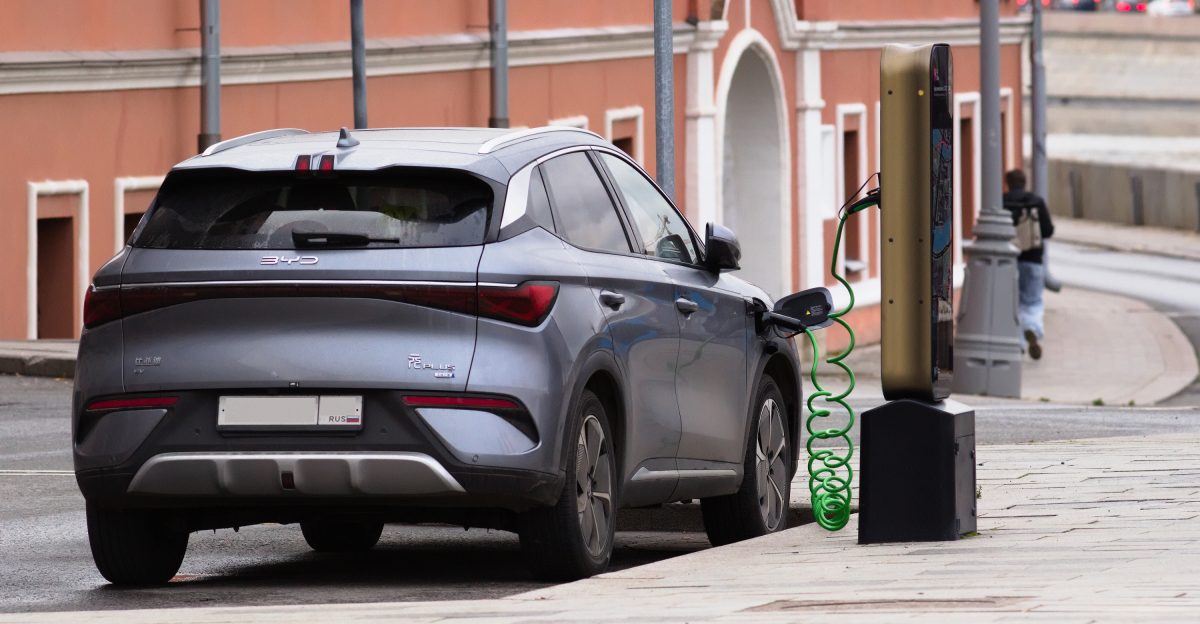
Industry analysts and automakers projected much higher global EV adoption by 2025. Actual combined sales reached about 22 million. Analysts, including those at Bloomberg NEF, noted that North American EV demand had consistently fallen short of earlier projections. During the 2021-2022 building spree, more than 20 gigafactories were announced, promising $50 billion in investment and thousands of jobs.
By March 2026, about half of those projects were cancelled or stalled. The demand never matched the expectations, especially without government support.
$55 Billion in Smoke
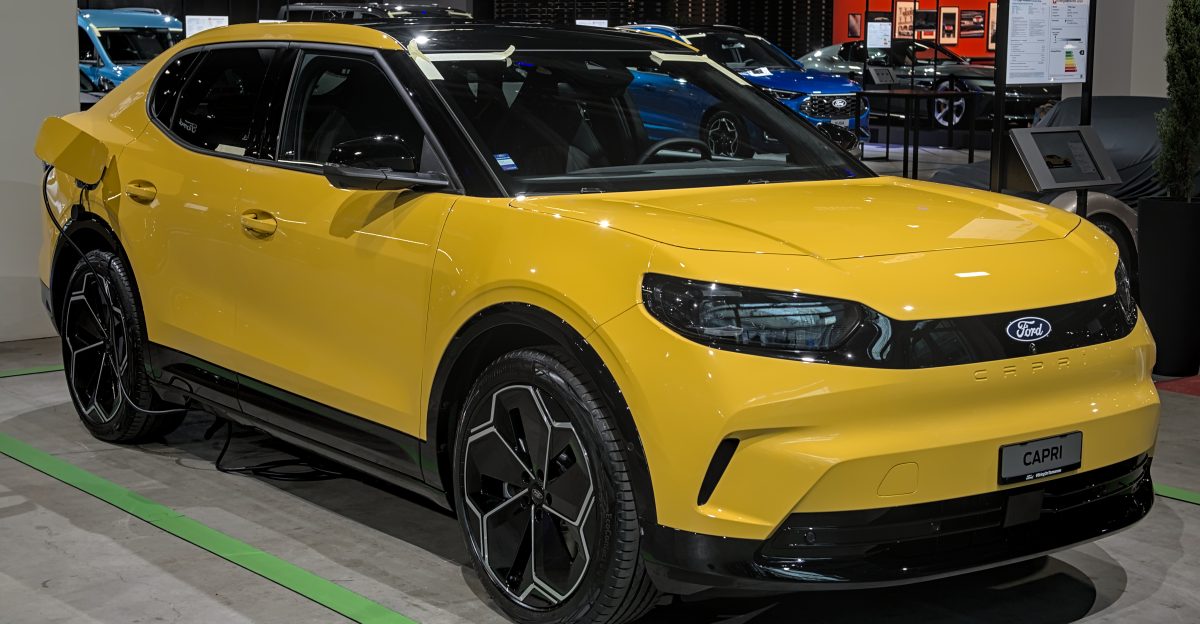
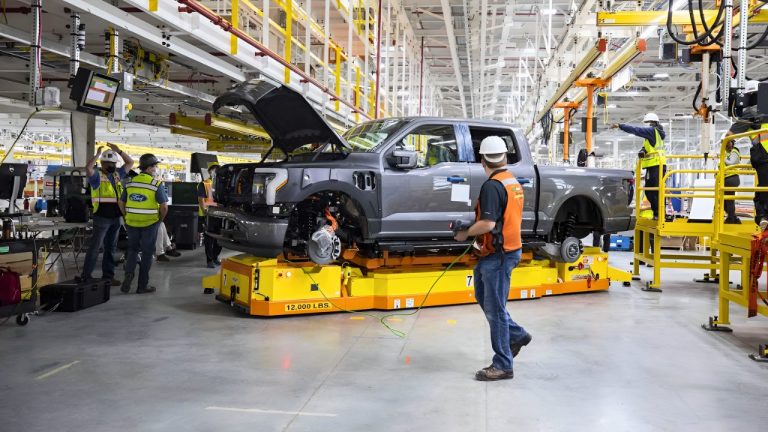
Ford took a $19.5 billion loss. Stellantis reported a €22.2 billion charge, nearly $26 billion. GM logged $7.1 billion in charges in the last quarter of 2025, with $6 billion tied to pulling back on EVs in North America. Volkswagen added another $6 billion. Altogether, major automakers wrote off around $55 billion from EV investments. Ford ended the all-electric F-150 Lightning, turning the name into an extended-range electric vehicle (EREV). Honda cancelled three planned EV models.
The BlueOval SK venture, once described as the cornerstone of Ford’s electric future, was rebranded as “excess capacity” requiring “rationalization.” Four years, same investment, but the language had shifted. The business case evaporated quickly.
The Kentucky Conversion
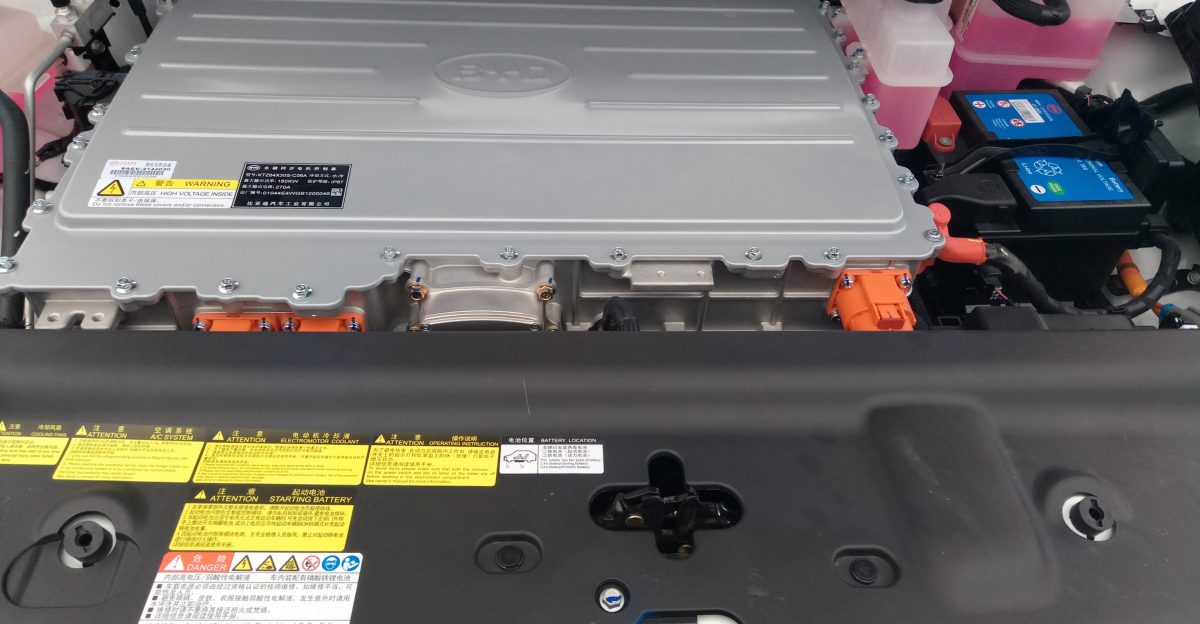
After writing off billions, Ford ended EV battery production at the Kentucky plant. The company committed significant capital over two years to convert the Glendale facility into a center for grid-scale battery energy storage systems, each capable of holding 5 megawatt-hours or more.
The company targeted substantial annual storage capacity by late 2027. Battery chemistry shifted from nickel-cobalt-manganese, designed for range, to lithium iron phosphate for longevity and cost. The factory remained, but the product and mission changed. Ford set an 18-month conversion timeline to find a viable use for its stranded investment.
The Numbers Behind the Pivot
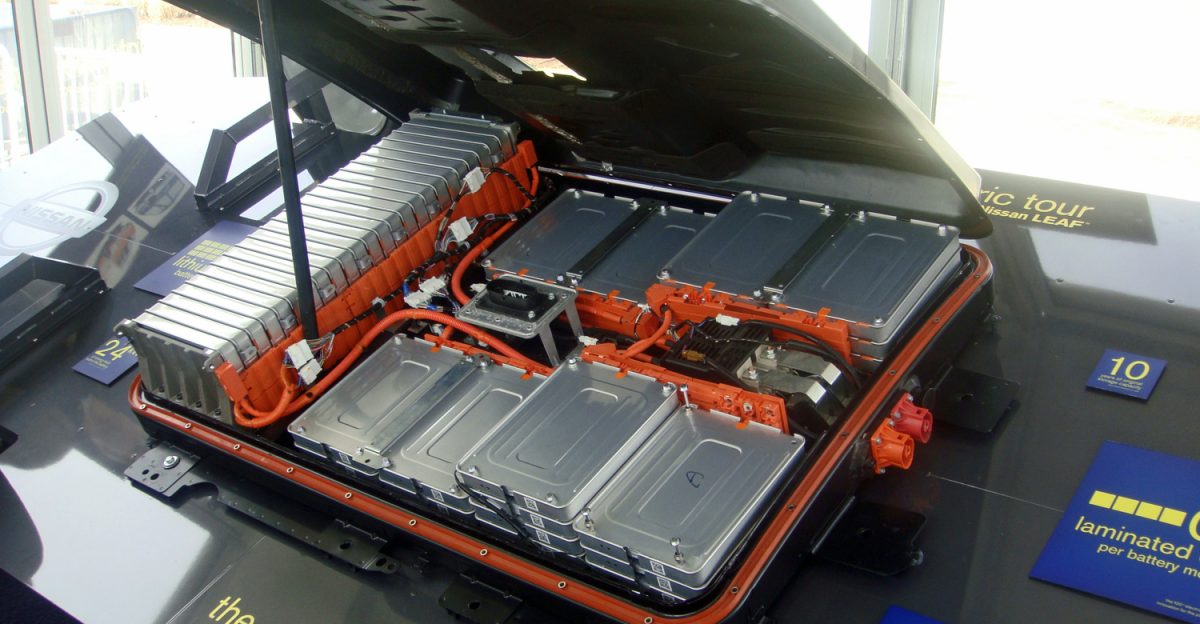
Across the United States, energy developers plan to add 24 gigawatts of battery storage to the grid in 2026, a 60% increase over the previous year. Battery production that automakers could not use for vehicles shifted to grid storage. Stellantis and Samsung’s joint venture, StarPlus Energy, moved three of its four Indiana lines from EV batteries to energy storage.
Redwood Materials reported its energy storage division became the company’s fastest-growing unit within a year of launching. In just 18 months, grid storage moved from a niche use to a core part of America’s energy system.
Workers Caught in the Wreckage
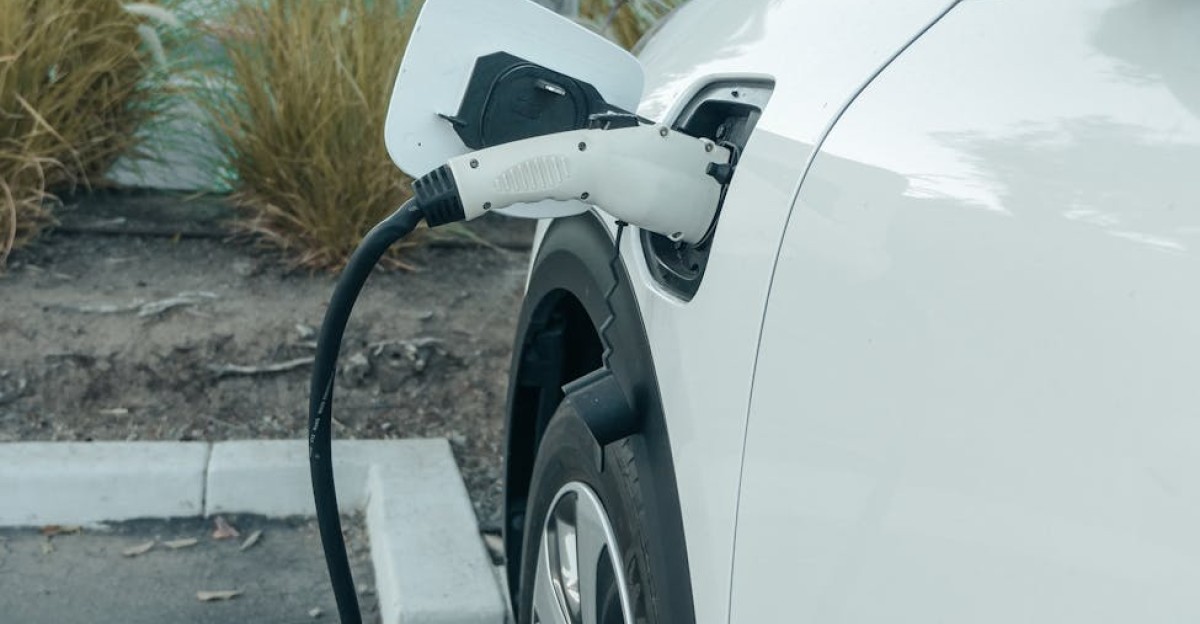
The downturn’s human cost appeared quickly. At the Commerce, Georgia plant, SK Battery America announced nearly a thousand layoffs, reducing its workforce by more than a third, from 2,566 to about 1,600 people. Samsung SDI and Stellantis entered dissolution discussions for their joint venture, StarPlus Energy. LG Energy Solution cancelled a $6.5 billion battery supply deal with Ford.
According to S&P Global Mobility’s Ali Adim, South Korean manufacturers who once led the North American battery market found their dominance had become a vulnerability.
The New Rule for Battery Capital
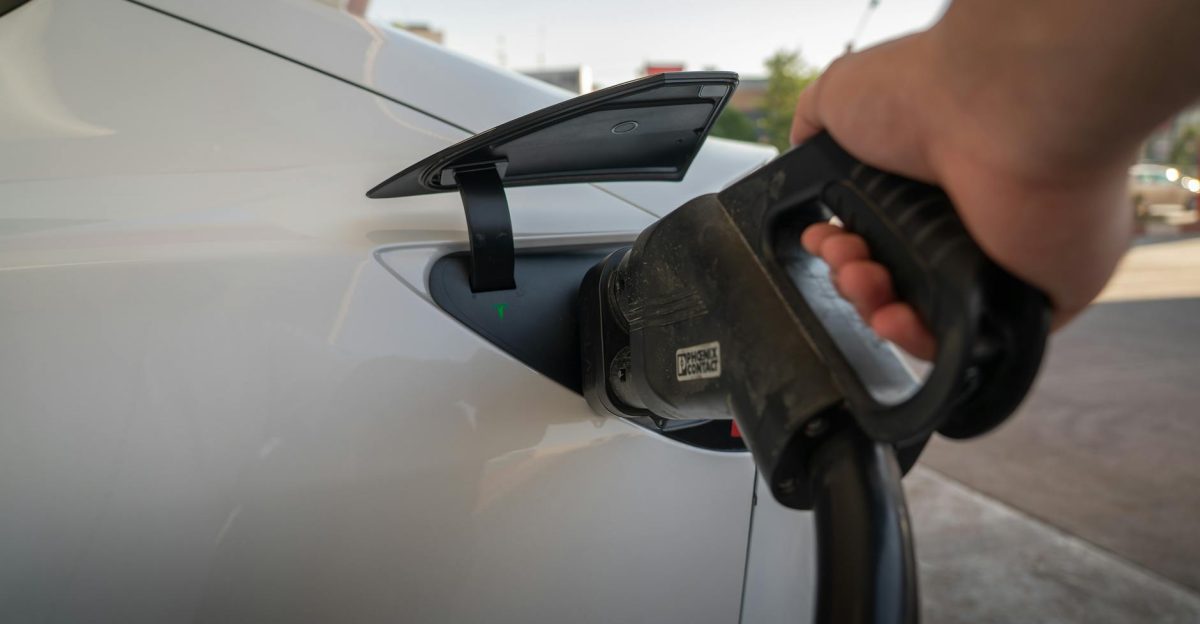
Every major automaker wrote down EV investments between late 2025 and early 2026. Three large Korean-American battery joint ventures dissolved quickly. The industry was forced to rethink its future after policy support vanished. As Detroit analyst Alan Baum put it: “It’s not dead, but it’s in suspended animation for a year or maybe two.”
Companies now require shorter commitments and built-in exit options when investing in battery projects. Trust in government-backed demand forecasts has faded.
The Race Against China
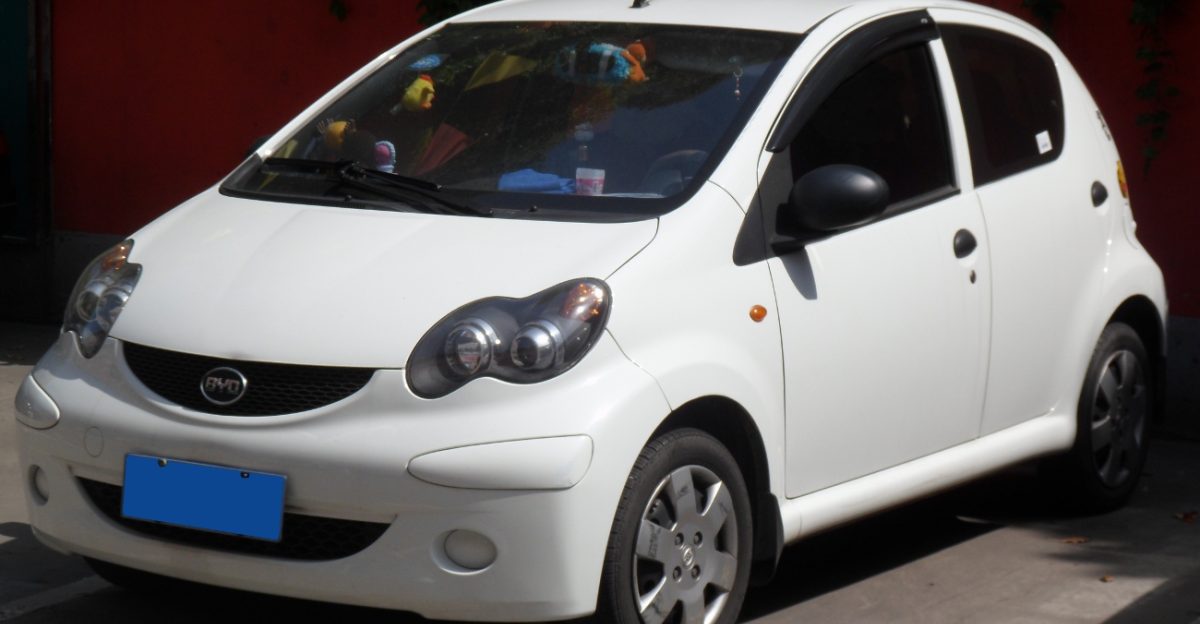
Korean battery makers focusing on grid storage currently hold an edge. Chinese companies like CATL and BYD lead in EV batteries but have not yet developed expertise in large-scale energy storage. If Chinese firms expand into grid storage, price competition will intensify.
Ford’s 18-month conversion is a race against time. Tax credits for battery storage continue through 2032 under Trump’s budget bill, giving converted plants policy support. The fully electrified future Americans were promised now sits on a ten- to fifteen-year timeline.
What the Smart Money Knows Now
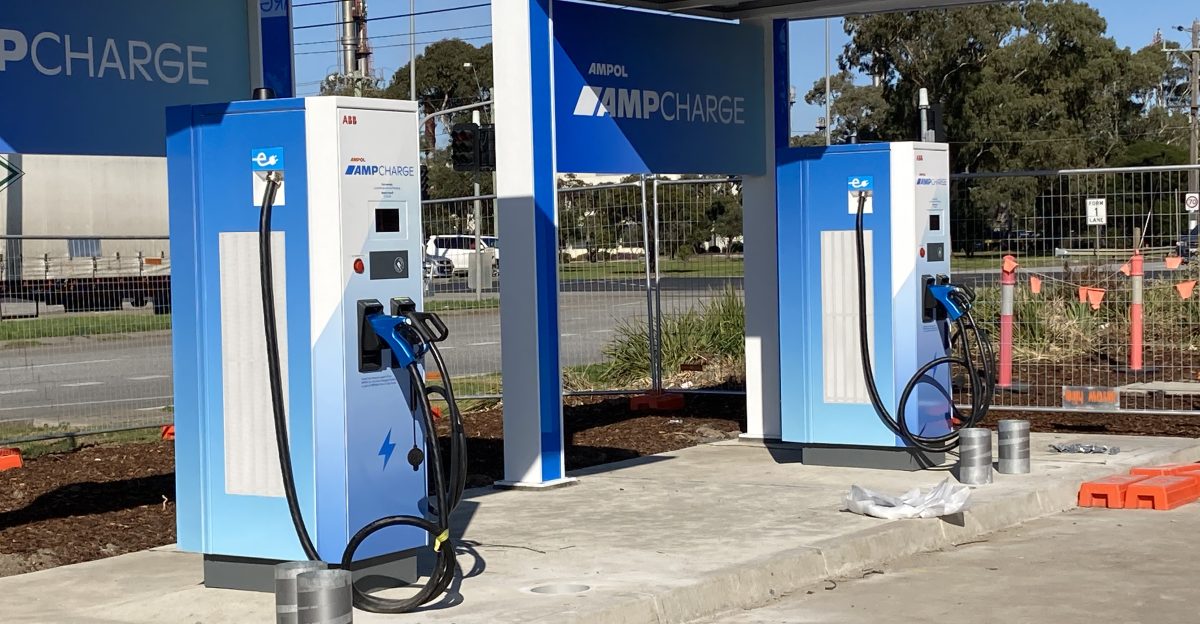
The EV market collapsed as soon as government support ended. $55 billion in write-offs revealed the scale of the failure. Grid storage and the power demands of AI data centers are now the real growth drivers.
Automakers are becoming suppliers to grid operators and technology companies, rather than focusing on individual consumers. The battery plants remain, but the vision that built them has disappeared. Investment now flows to those who can power the grid and data centers.
Sources:
Reuters — “Explainer: Global carmakers book $55 billion hit from EV rollback” — February 6, 2026
S&P Global Mobility — “EV Slowdown Drives Shift to Energy Storage Systems” — March 11, 2026
U.S. Energy Information Administration — “New U.S. electric generating capacity expected to reach a record high in 2026” — March 25, 2026
Georgia CEO / Associated Press — “SK Battery America Lays Off Nearly 1,000 Workers at Commerce Plant” — March 8, 2026
Electric Cars Report — “Honda Cancels Three EV Models for North America Amid Strategy Reset” — March 11, 2026