Why Ford Is Suddenly Running Completely Out Of New F-150 Trucks Right Now
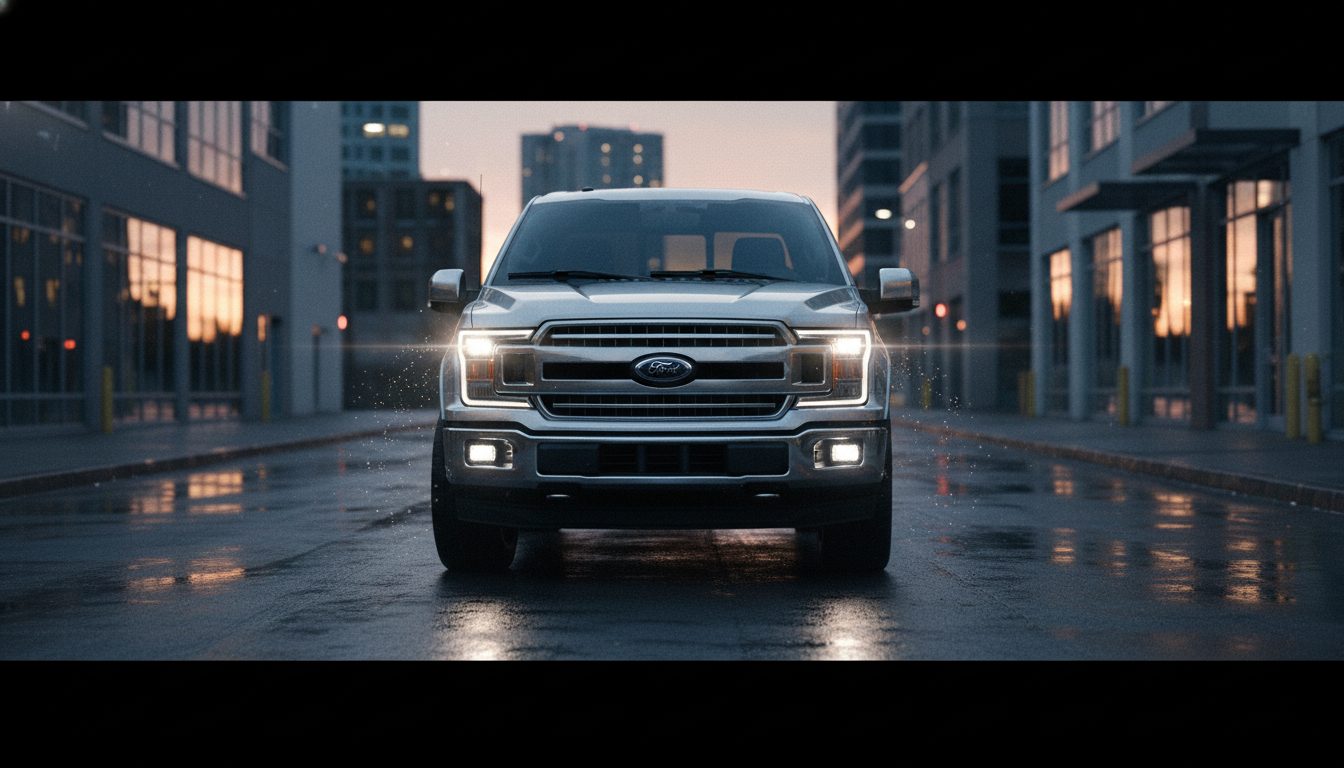
Why Ford Is Suddenly Running Completely Out Of New F-150 Trucks Right Now. America’s best selling vehicle faces an unprecedented manufacturing crisis leaving dealership lots completely empty. A massive supply chain disaster recently crippled production capabilities across major assembly plants. Buyers expecting discounts on new pickups currently face severe sticker shock and long waiting lists. Understanding the causes behind this massive inventory collapse reveals a vulnerable automotive manufacturing network heavily dependent on fragile raw material supply lines.
The Devastating Aluminum Supplier Fire
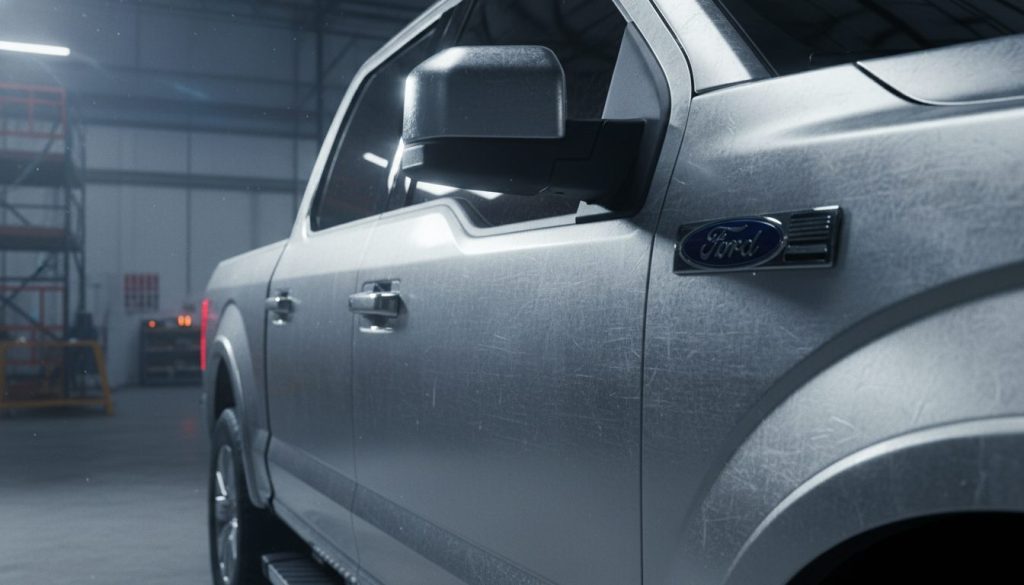
A catastrophic fire recently destroyed massive sections of a critical Novelis aluminum processing facility located in upstate New York. This specific plant supplies nearly forty percent of the specialized aluminum sheet metal required by the domestic auto industry. Ford relies incredibly heavily on this exact lightweight material to stamp out the body panels for their entire truck lineup. Losing this primary manufacturing pipeline instantly choked the Dearborn assembly lines and forced executives into immediate damage control mode.
Canceling One Hundred Thousand Orders
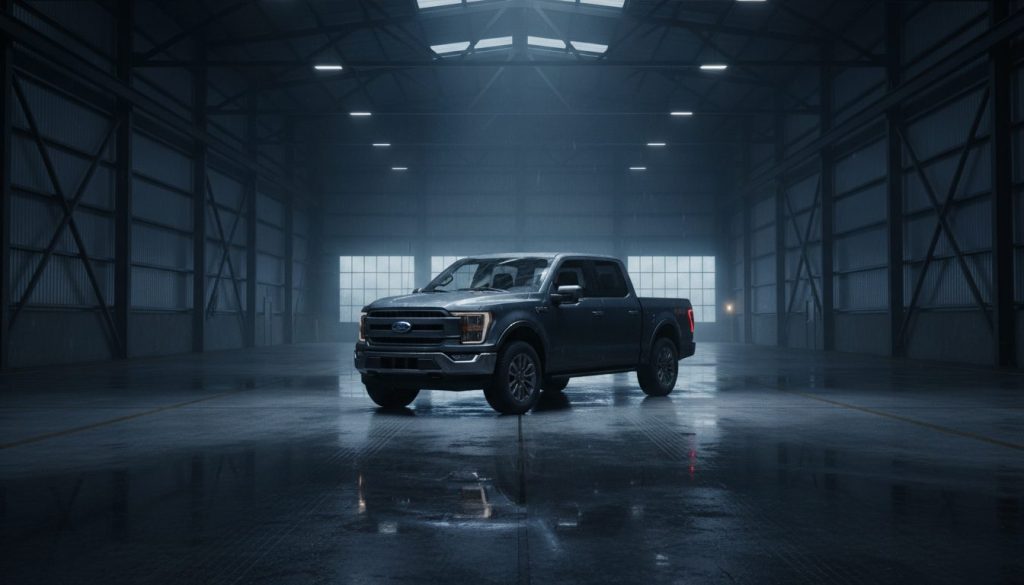
The immediate fallout from the Novelis factory fire forced Ford to make incredibly painful corporate decisions regarding customer deliveries. Internal documents revealed the automaker completely canceled roughly one hundred thousand scheduled truck orders. Production planners realized they simply lacked the raw materials required to fulfill these massive existing dealer allocations. Thousands of frustrated buyers received sudden notification that their custom built work trucks would never actually reach the assembly line during the current model year.
Pausing The Lightning Electric Production
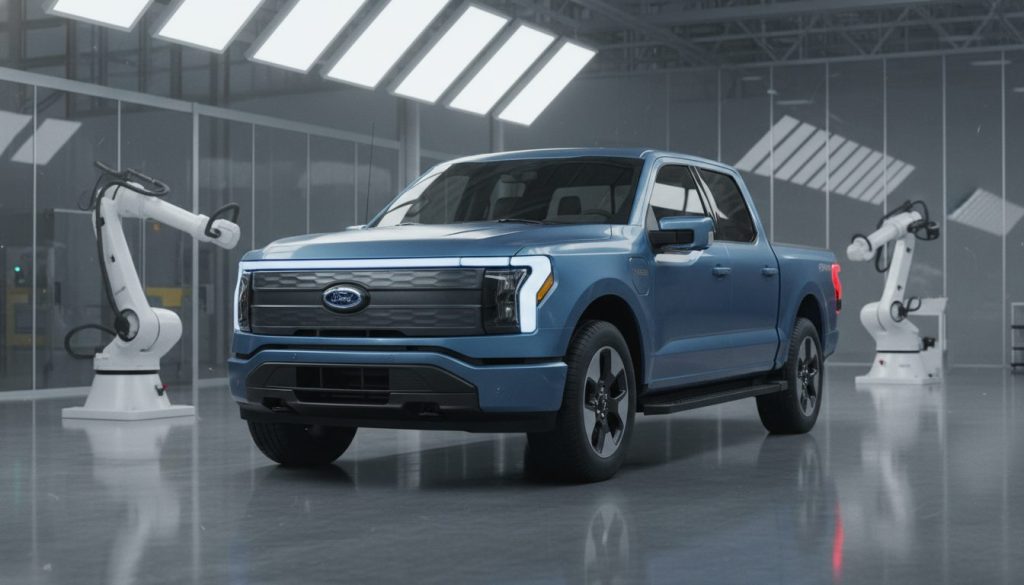
Electric vehicle manufacturing requires massive amounts of capital and highly specialized supply chains. Facing a severe metal shortage, Ford deliberately halted all production of the battery powered F-150 Lightning. Factory workers at the Rouge Electric Vehicle Center were immediately reassigned to different manufacturing stations. Corporate leadership decided that diverting the remaining aluminum supply toward highly profitable internal combustion models made better financial sense. This aggressive pivot leaves electric truck buyers completely stranded without any firm delivery timeline.
Prioritizing Highly Profitable Luxury Trims
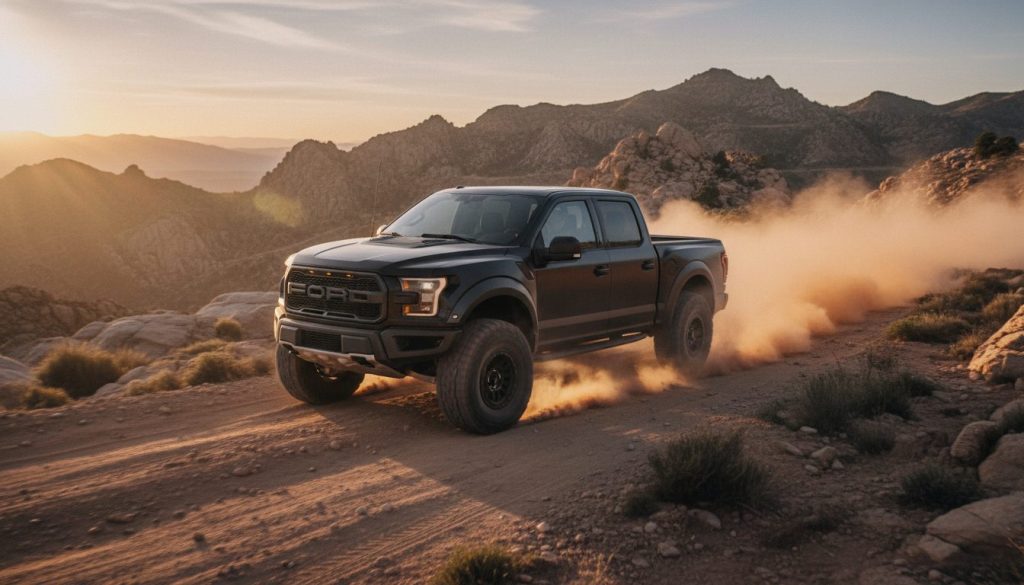
Automakers always protect their absolute highest profit margins during severe supply chain crises. Ford strategically utilizes their heavily restricted aluminum inventory to build expensive Platinum and Raptor trim levels. These premium luxury trucks generate massive revenue compared to basic work vehicles. Production of entry level XL and XLT models dropped nearly twenty percent as a direct result. Blue collar workers seeking affordable commercial fleet vehicles currently find themselves completely priced out of the shrinking available inventory.
Severe Dealership Inventory Plunges

Walking onto a local Ford dealership lot today reveals a startling lack of available physical inventory. National automotive data tracking shows available truck supplies dropped over thirty percent entering the crucial spring buying season. Sales managers cannot secure enough fresh allocations to satisfy local commercial demand. The few remaining units sitting on the asphalt rarely feature the specific color or towing packages that buyers actually want. This massive scarcity creates an incredibly frustrating daily shopping experience.
The Surging Cost Of Raw Materials
Securing alternative metal sourcing requires paying massive international shipping premiums and heavily inflated spot market prices. Automakers must constantly outbid each other globally just to keep their stamping presses running daily. These skyrocketing manufacturing expenses immediately trickle down directly to the consumer level. The basic laws of supply and demand dictate that tight inventory naturally pushes transaction prices significantly higher. Finding any manufacturer incentives or promotional financing rates remains practically impossible in this highly restricted market.
Widespread Assembly Plant Disruptions
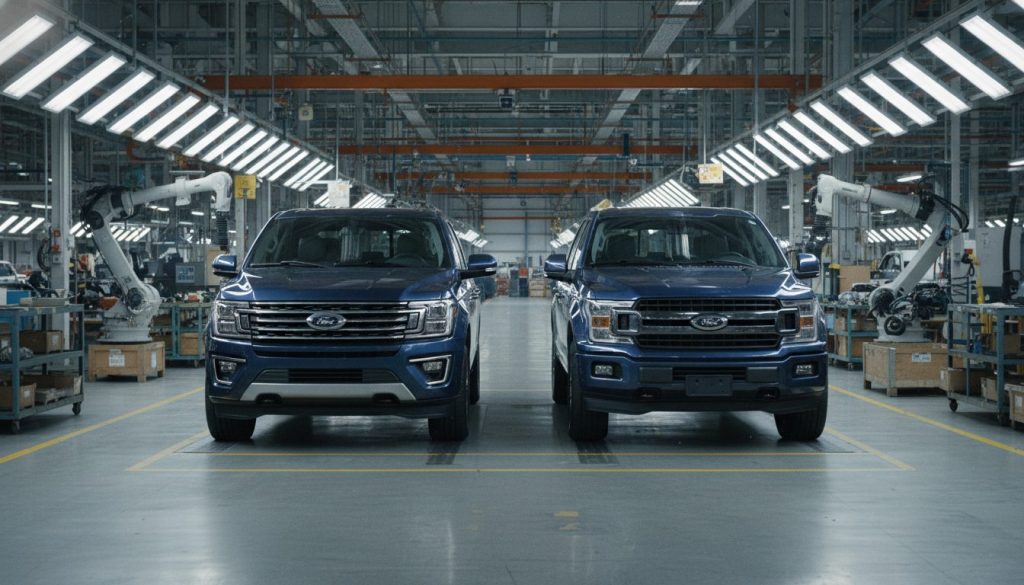
The supply chain shockwave extended far beyond the primary Dearborn manufacturing facilities. Ford idled production lines in Kentucky that build the highly profitable Expedition and Lincoln Navigator platforms. These massive sport utility vehicles share the exact same aluminum intensive architecture as the standard pickup trucks. Shutting down multiple massive factories simultaneously creates massive logistical nightmares regarding union labor contracts. Thousands of hourly assembly workers faced sudden temporary layoffs while executives scrambled to locate new metal suppliers.
Shifting Consumer Pricing And Markups
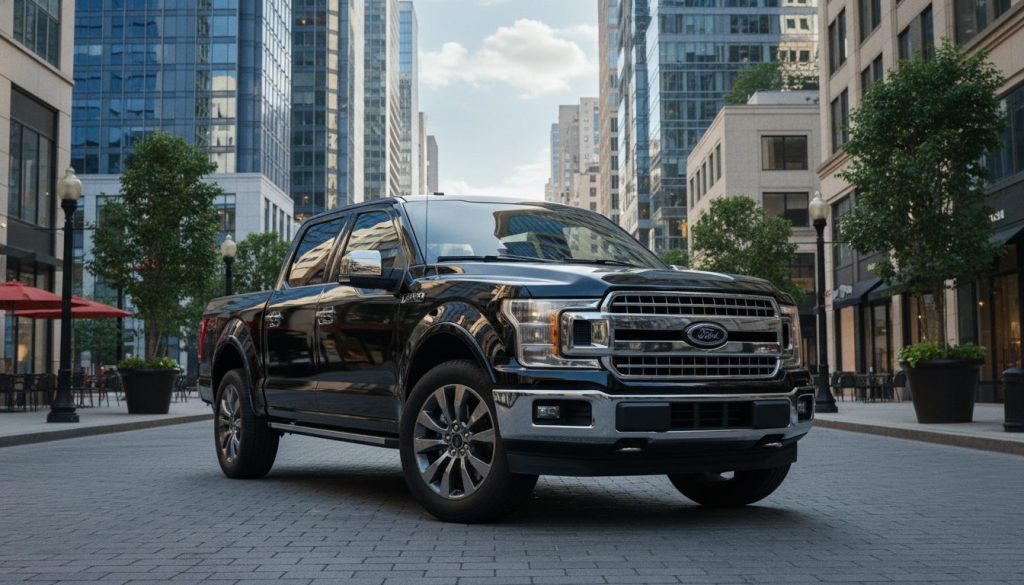
Dealerships immediately weaponized this severe vehicle shortage to maximize their localized profit margins. Salesmen actively leverage the intense media coverage surrounding the factory fires to justify massive pricing markups. They push a heavy fear narrative warning buyers that inventory will completely disappear next month. Desperate contractors needing reliable transportation for immediate job sites find themselves forced into terrible financial terms. Consumers must navigate a brutal retail environment where negotiating power belongs entirely to the selling dealership.
The Long Road To Total Recovery

Industry analysts predict the damaged aluminum facility will remain partially offline until late next year. Ford cannot magically replace that massive domestic production volume using overseas suppliers without paying heavy import tariffs. Securing reliable secondary metal sources takes many months of intense contract negotiations and rigorous quality testing. Buyers holding out for normal pricing dynamics must remain incredibly patient. The domestic truck market will likely experience severe constraints and elevated pricing throughout the entire calendar year.