Why Dealers Are Now Refusing These Popular 2024 SUVs as Trade-Ins
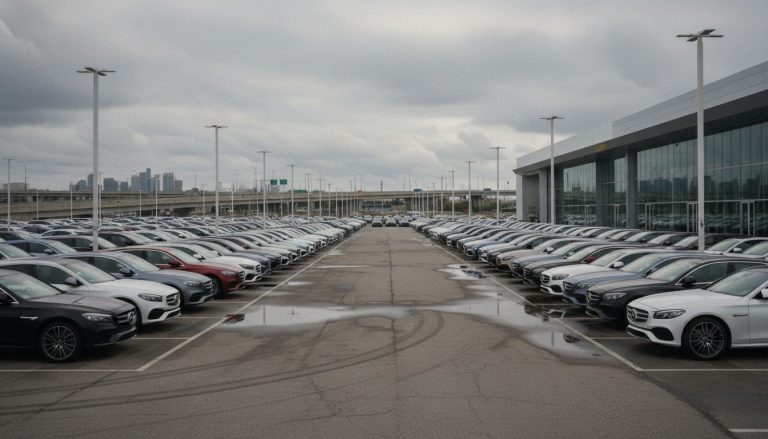
Why Dealers Are Now Refusing These Popular 2024 SUVs as Trade-Ins. Trading your current vehicle usually brings a solid down payment for the next purchase. That standard industry rule completely vanished this year. Sales managers are actively turning away specific late model utility vehicles at the appraisal desk. A brutal mix of sudden bankruptcies, catastrophic mechanical recalls, and massive lot oversupply makes certain models financially toxic. Taking these specific crossovers on trade guarantees a massive loss for the local dealership.
The Fisker Ocean Collapse
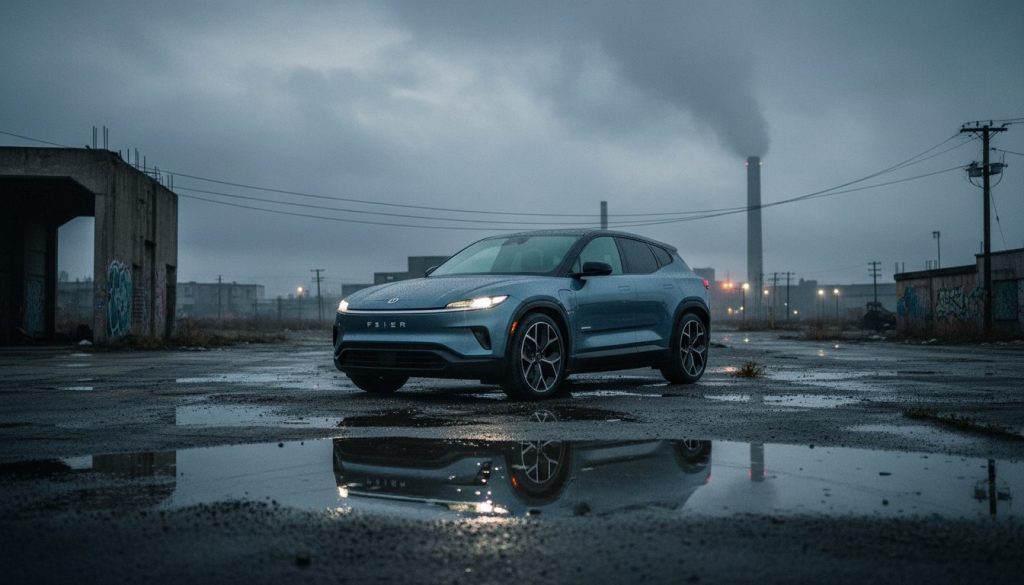
Fisker suddenly filed for bankruptcy and left thousands of owners holding the bag. Dealerships absolutely refuse to touch the Ocean crossover today. Finding basic replacement parts is practically impossible right now. Highly unstable software frequently bricks the entire vehicle overnight. Appraisers know that buying one means acquiring a heavy lawn ornament that cannot be fixed or resold. The extreme financial risk of holding an orphaned electric vehicle makes it entirely radioactive on the wholesale auction block.
Lexus LX Engine Recalls
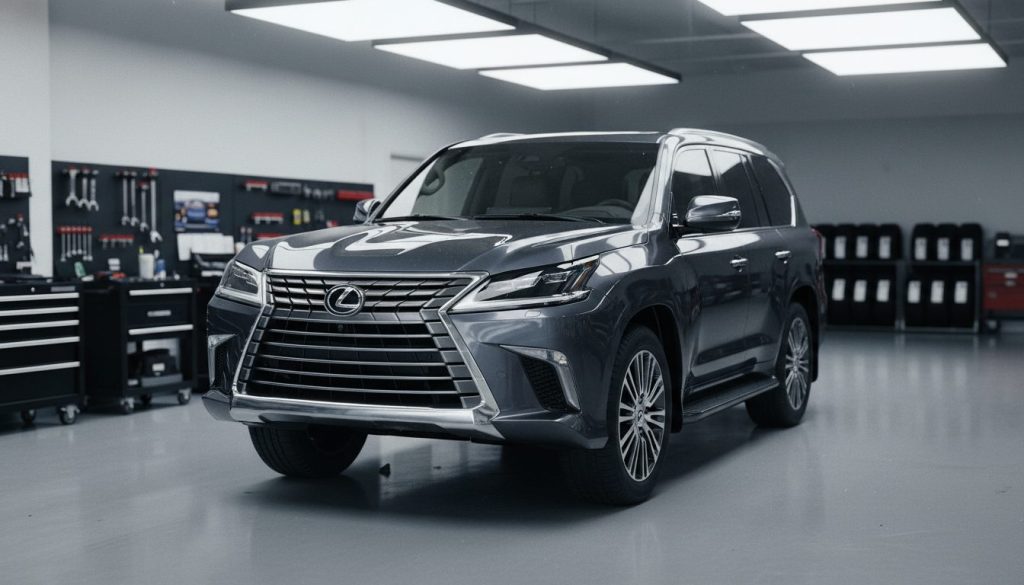
Toyota built an absolute empire on bulletproof reliability. Their newest twin turbo V6 engine completely shattered that pristine image. The flagship Lexus LX faces a massive safety recall because leftover machining debris destroys the main bearings. Dealerships cannot legally resell these affected models to retail buyers until a permanent factory fix arrives. Taking them in on trade means parking expensive inventory indefinitely. Sales managers simply reject them rather than tying up massive capital in broken metal.
Jeep Grand Cherokee Oversupply
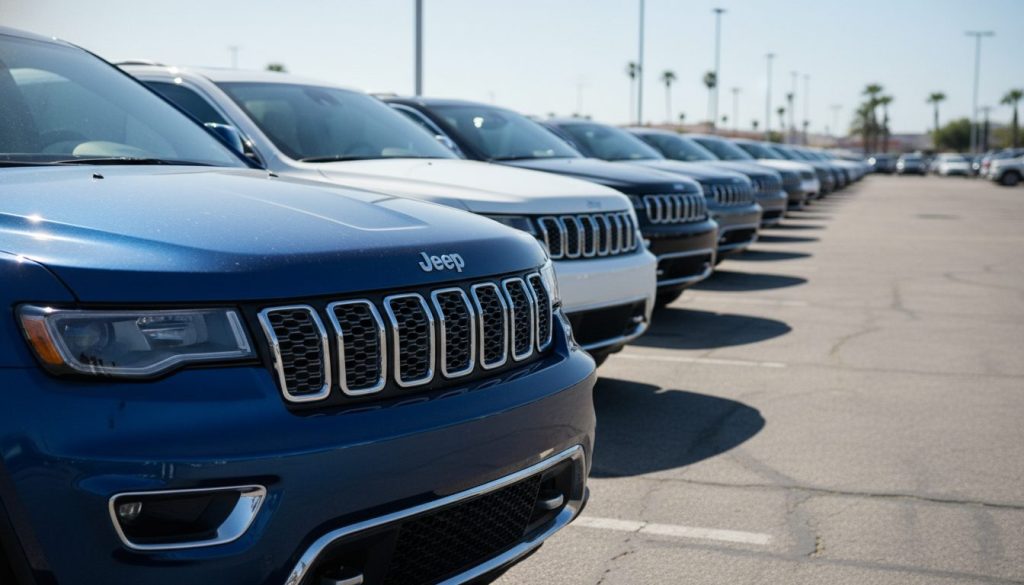
Stellantis severely misjudged the current market and overproduced their core models. Dealership lots are currently overflowing with brand new Grand Cherokee models sitting unsold for hundreds of days. Sales managers flatly refuse to take slightly used examples on trade. They already cannot sell their fresh factory allocations without massive discounts. Those heavy factory incentives completely destroy the residual values of used models. Bringing one to the appraisal desk almost always guarantees a highly insulting lowball offer.
Ford Mustang Mach E Depreciation
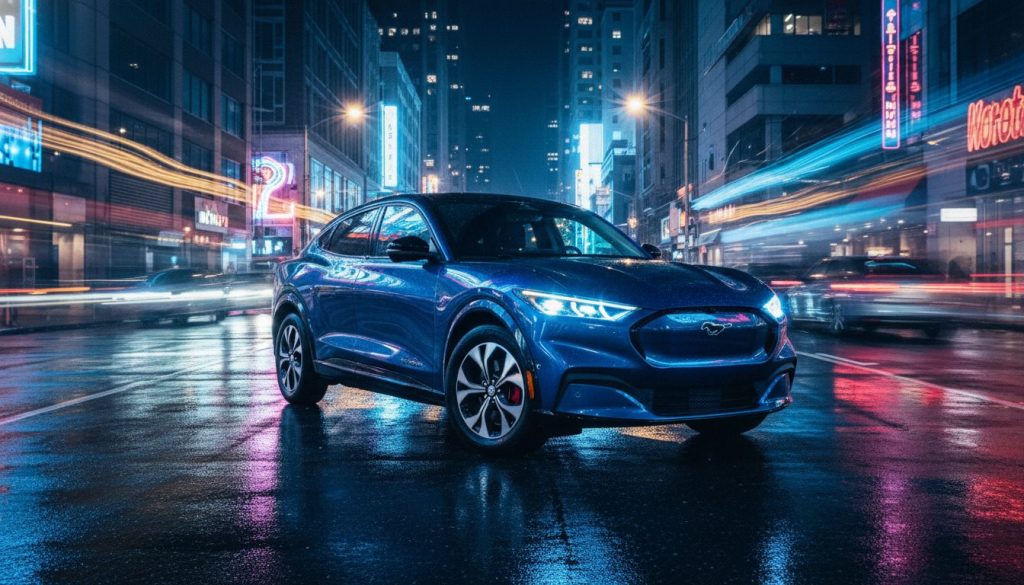
The electric vehicle sector is experiencing a brutal market correction regarding long term residual values. Ford significantly slashed the sticker price on brand new Mustang Mach E models to stimulate stagnant showroom traffic. This drastic pricing adjustment instantly wiped out the trade equity for current owners. Dealerships hesitate to acquire used electric crossovers because long term battery health remains a massive unknown liability. Traditional lots immediately send these vehicles straight to wholesale auctions to avoid financial bleeding.
Dodge Hornet Hybrid Dilemma
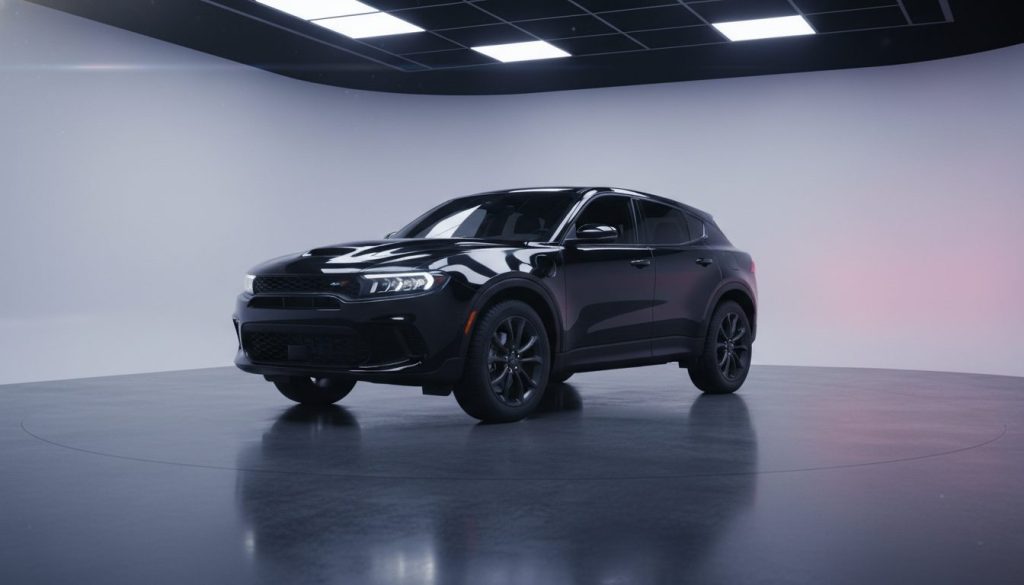
Dodge attempted to enter the compact utility segment with a performance oriented plug in hybrid. The resulting vehicle carries an exceptionally high price tag while suffering from severe software integration issues. Dealerships currently hold massive amounts of unsold new inventory. Appraisers know that finding secondary buyers for a complex Italian built hybrid requires massive price reductions. Taking this specific vehicle on trade practically guarantees a significant financial loss for the local dealership before it ever hits the retail lot.
Volkswagen ID4 Software Nightmares
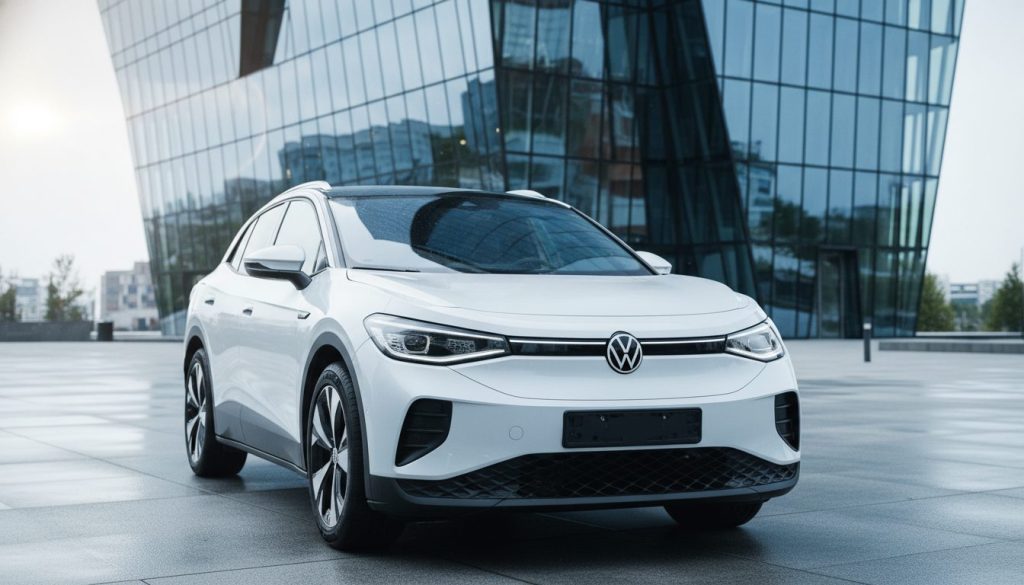
Volkswagen severely damaged its brand reputation by releasing an electric crossover plagued by catastrophic telematics failures. Dealership service departments remain completely overwhelmed by frustrated owners dealing with blank infotainment screens. Appraisers actively avoid taking these vehicles on trade because the software glitches are incredibly difficult to diagnose. The immense cost of making an ID4 completely ready for the used retail lot destroys any potential profit margin. Sales departments want inventory that turns quickly, not service bay headaches.
Rivian R1S Repair Costs
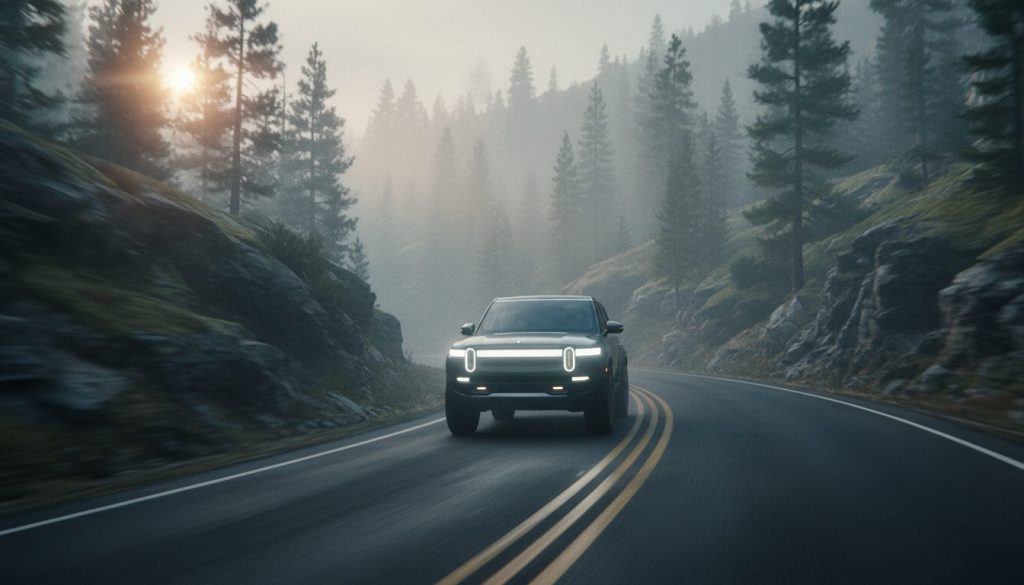
Startup electric manufacturers struggle immensely with scaling their collision repair networks. The Rivian R1S is an incredibly capable machine, but minor fender benders frequently result in absolutely staggering repair estimates. Traditional dealerships refuse to take them on trade because reconditioning these complex aluminum structures requires highly specialized labor. Sales managers fear discovering hidden structural damage that their internal technicians cannot fix. The astronomical insurance premiums associated with these vehicles make them exceptionally difficult to resell quickly.
Chevrolet Tahoe Engine Issues
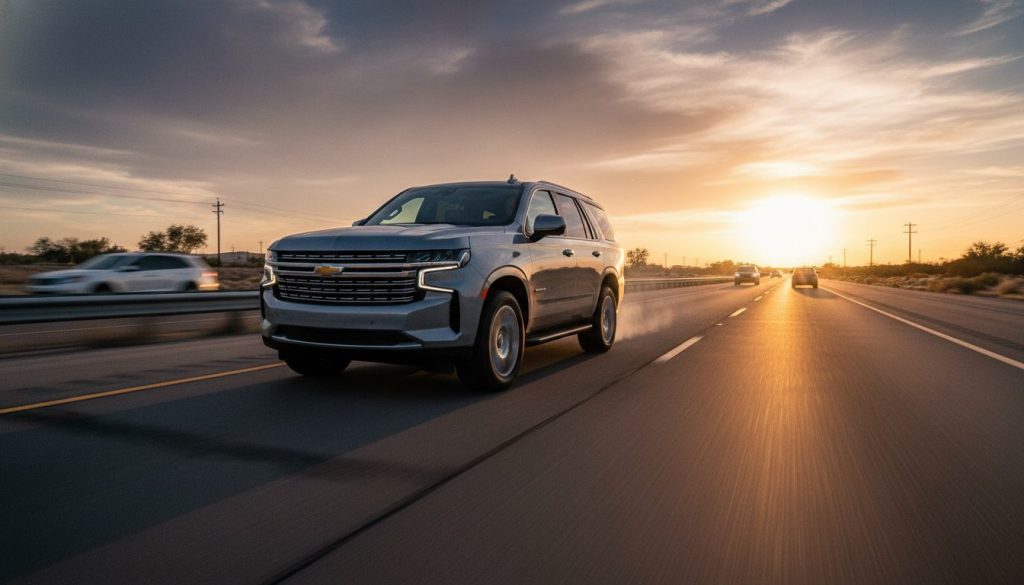
General Motors heavily relies on the highly profitable full size utility segment to generate revenue. Recent production runs featuring the massive 6.2 liter V8 engine have experienced alarming rates of catastrophic internal failure. Connecting rod bearings frequently spin, requiring complete and incredibly expensive engine replacements. Dealerships are extremely cautious when appraising these specific vehicles today. Appraisers fear that a seemingly healthy motor might violently self destruct during a test drive, leaving the business holding a massive repair bill.
Alfa Romeo Tonale Stagnation
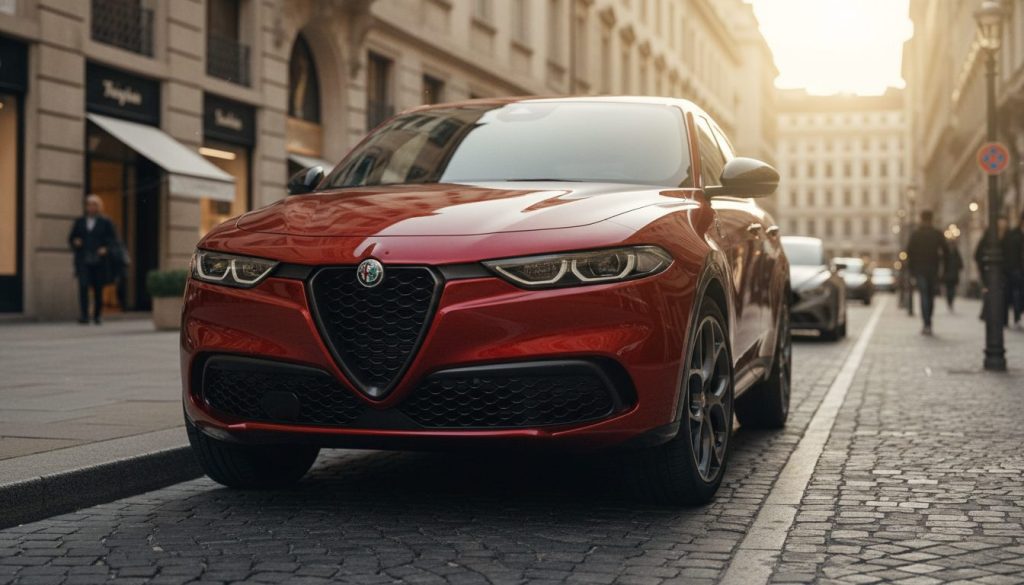
The premium compact segment is incredibly ruthless toward brands lacking a dominant market presence. The Alfa Romeo Tonale shares its mechanical underpinnings with the Dodge Hornet but carries a significantly higher sticker price. Dealerships recognize that this specific Italian crossover suffers from atrocious depreciation curves immediately after leaving the showroom. Very few used car shoppers actively seek out a complex European hybrid. Sales managers consistently reject these trades to avoid stagnant lot inventory rotting in the back corner.