Chevy Sets EV Range World Record By Driving 20 MPH For A Week Straight
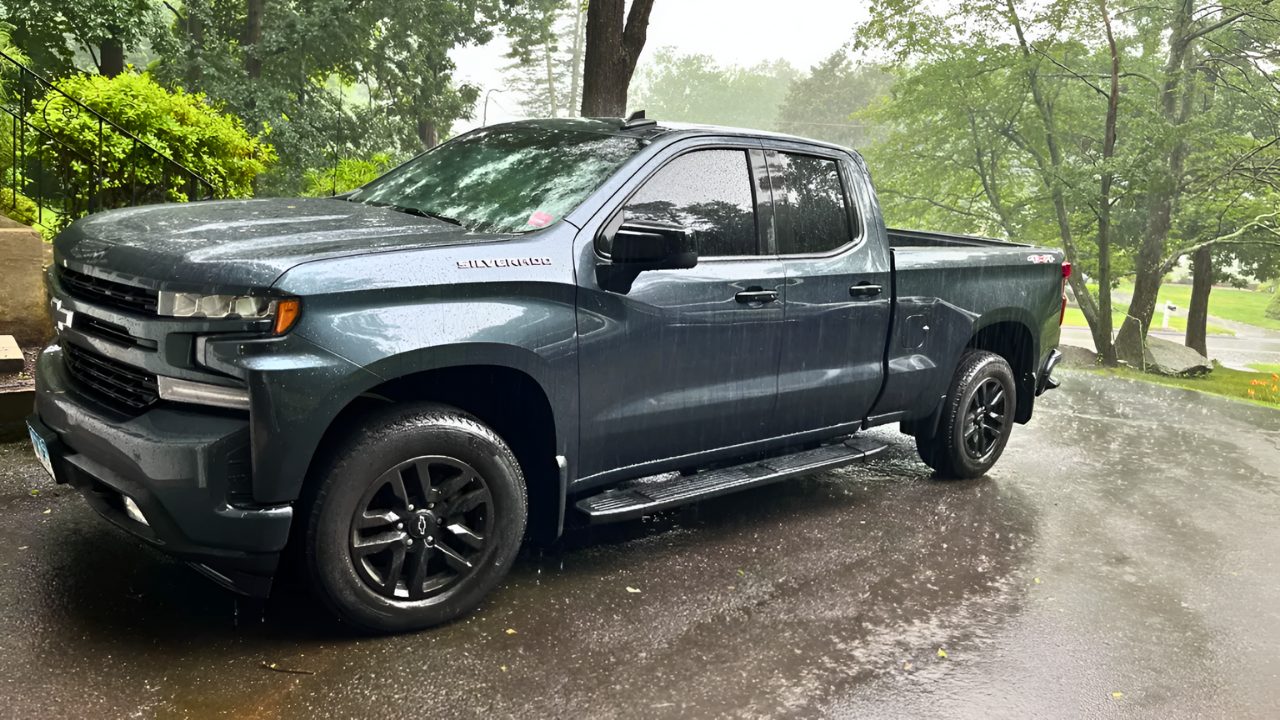
On public roads outside Detroit, a full-size Chevy Silverado EV moves at 20 to 25 miles per hour. The air conditioning is off. The spare tire is gone. Forty engineers rotate behind the wheel for seven days, testing how far the truck can go without recharging.
The odometer climbs past numbers no other production electric truck has reached. GM called this truck the “range leader for electric trucks” at 493 miles. Their engineers were about to surpass that number.
The Number Nobody Expected
When the truck stopped, the dashboard read 1,059.2 miles on a single charge. The Lucid Air Grand Touring, a luxury sedan, had set the world record at 749 miles just a month earlier. A heavy-duty work truck broke that record.
The Silverado carried the largest production EV battery available: 205 kWh. Tires were inflated to maximum workable pressure. A tonneau cover was bolted on to reduce wind resistance. Comfort was sacrificed for distance. GM’s accountants recorded a $6 billion charge in Q4 2025.
The Conditions Nobody Mentions
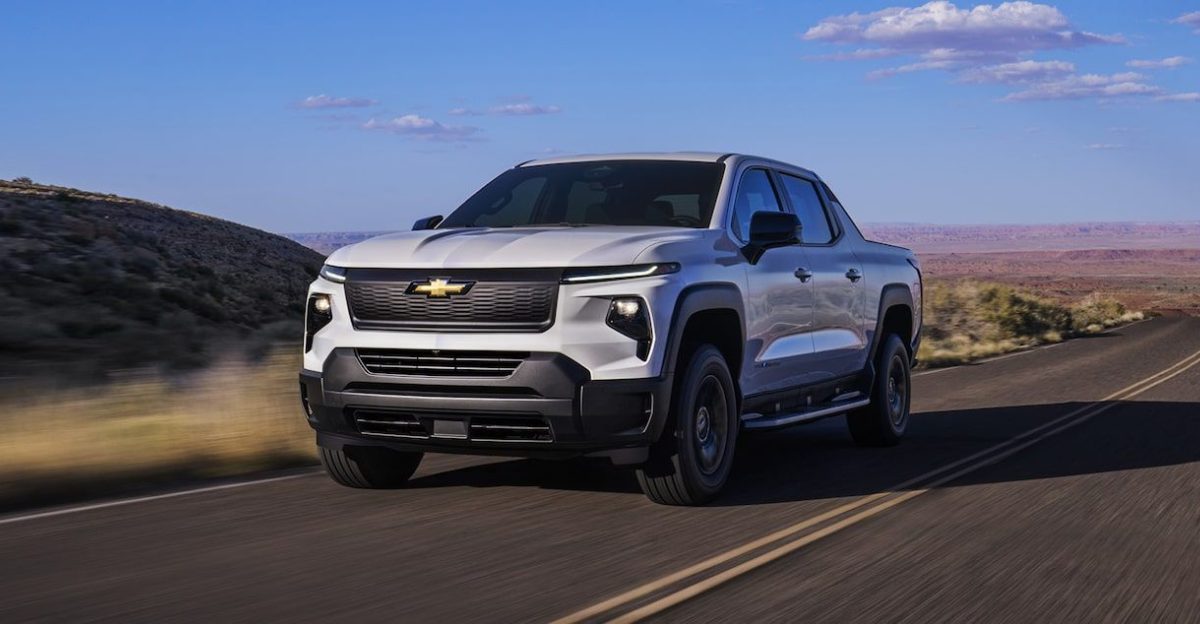
“1,059 miles” sounds like a road trip. The reality was seven summer days spent crawling at 20 to 25 mph, no air conditioning, no passengers, windshield wipers repositioned to reduce drag. This was hypermiling, not typical driving.
Achieving this number required conditions that eliminated comfort, speed, and towing, features valued by truck owners. The record demonstrated the battery’s theoretical capability, but real-world ownership is much less comfortable.
The Record That Exposed the Rating System
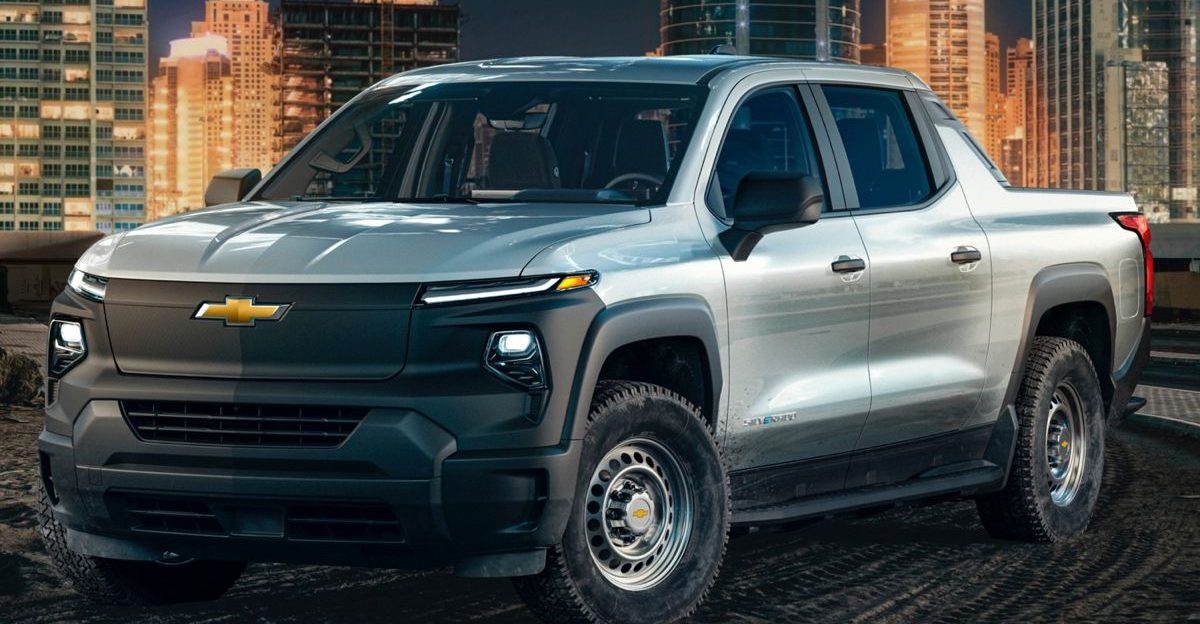
GM advertised the truck with a 493-mile range. Their engineers achieved 1,059.2 miles. The gap, 566 miles, is greater than the total range of most EVs. Edmunds tested the same truck trim under normal conditions: 60% city, 40% highway, 40 mph average. Result: 539 miles, forty-seven more than the EPA estimate. The EPA rating undersold the truck by nearly 10%.
One truck, two tests, three different numbers. The federal testing protocol designed to inform consumers has become a major source of confusion in the EV market.
The Physics Nobody Talks About
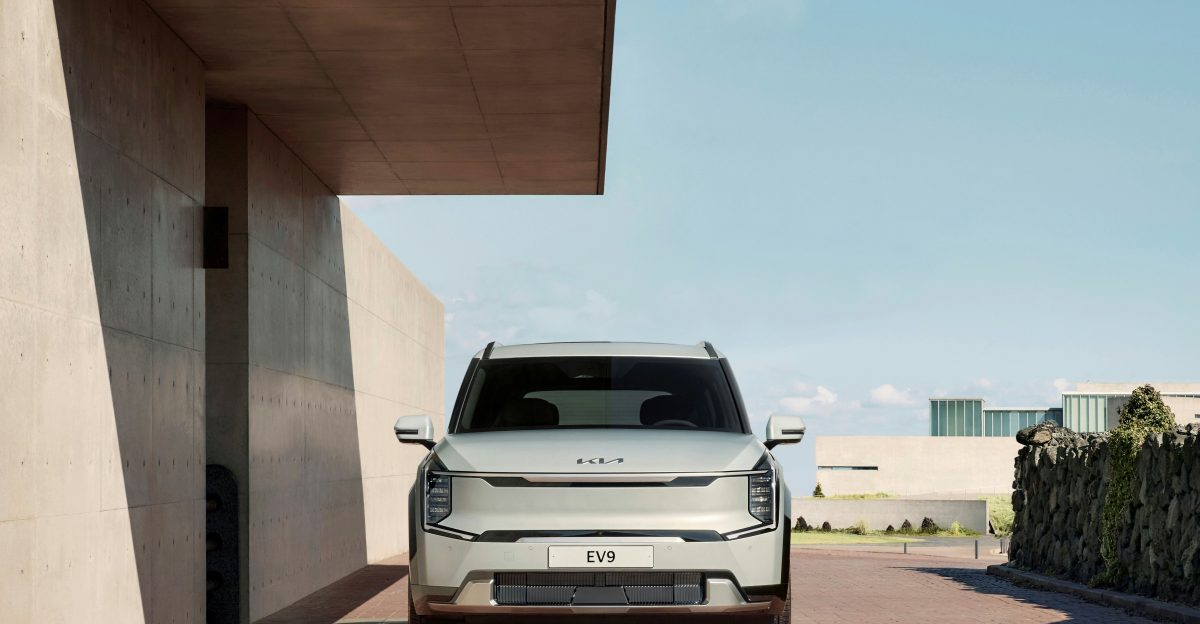
Speed reduces range. Car and Driver found that increasing from 55 to 75 mph costs the Lucid Air 88 miles of range. The Kia EV9 loses 109 miles over the same jump. Each additional mile per hour requires more energy to overcome wind resistance.
During their slow crawl, the Silverado team achieved 4.9 miles per kWh, comparable to vehicles weighing much less. At highway speeds, efficiency drops sharply. Cold weather reduces range by 15 to 30 percent. Towing drops range by 30 to 50 percent. The EPA test averages all conditions into one number, which can mislead buyers.
The $6 Billion Contradiction
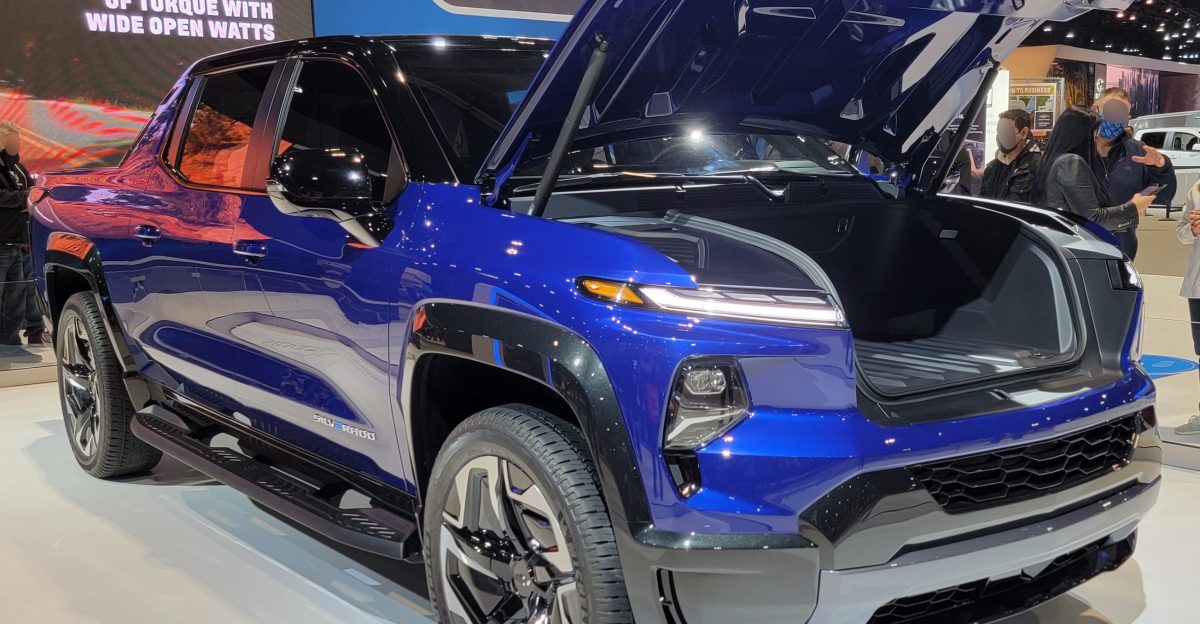
GM’s engineers celebrated a world record. At the same time, GM’s accountants recorded a $6 billion charge for reduced EV capacity. Factory Zero in Detroit shifted from two shifts to one. Around 1,200 workers faced indefinite layoffs. The most capable electric truck ever built rolled off an assembly line losing jobs.
Edmunds called the Silverado EV’s 539-mile real-world range “the best figure we’ve seen to date.” That recognition arrived as the assembly line slowed. Engineering achievement and manufacturing retreat occurred in the same building, during the same quarter.
52% Won’t Buy It Anyway
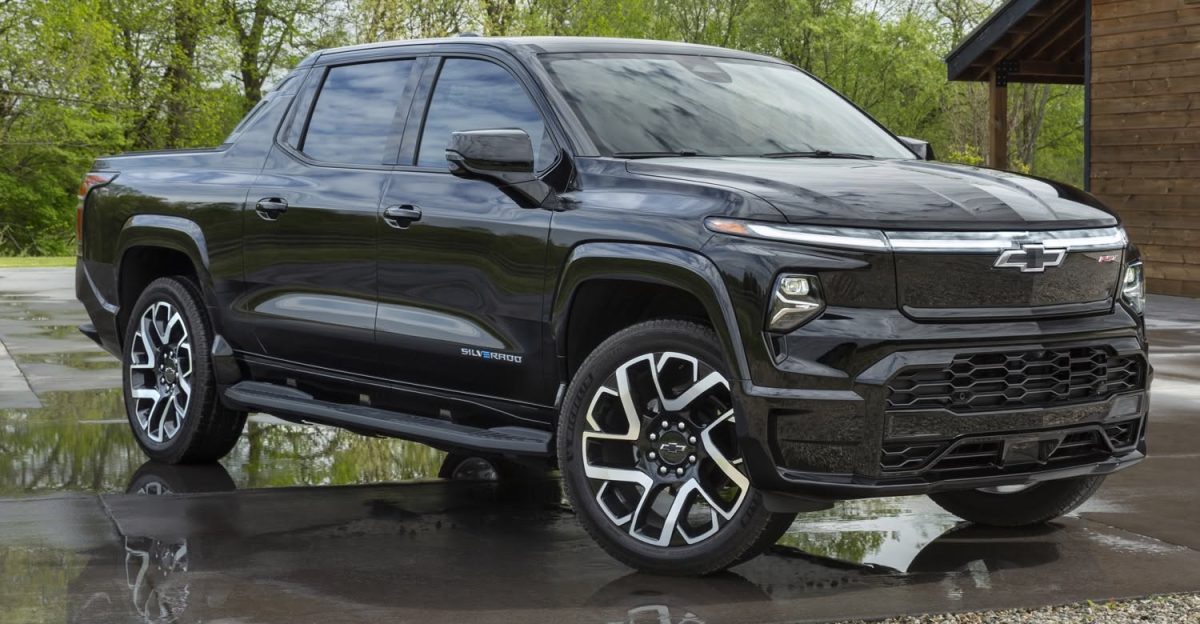
Fifty-two percent of vehicle shoppers skip EVs because charging stations are hard to find. Range is not the main concern; access is. A production truck can cross half the continent on one charge, yet most buyers remain unconvinced. The barrier has always been infrastructure.
The average American drives 37 miles per day. The Silverado EV covers that fourteen times over in normal driving. Range anxiety persists because chargers are not available at home or along common routes.
Records That Expire in 30 Days
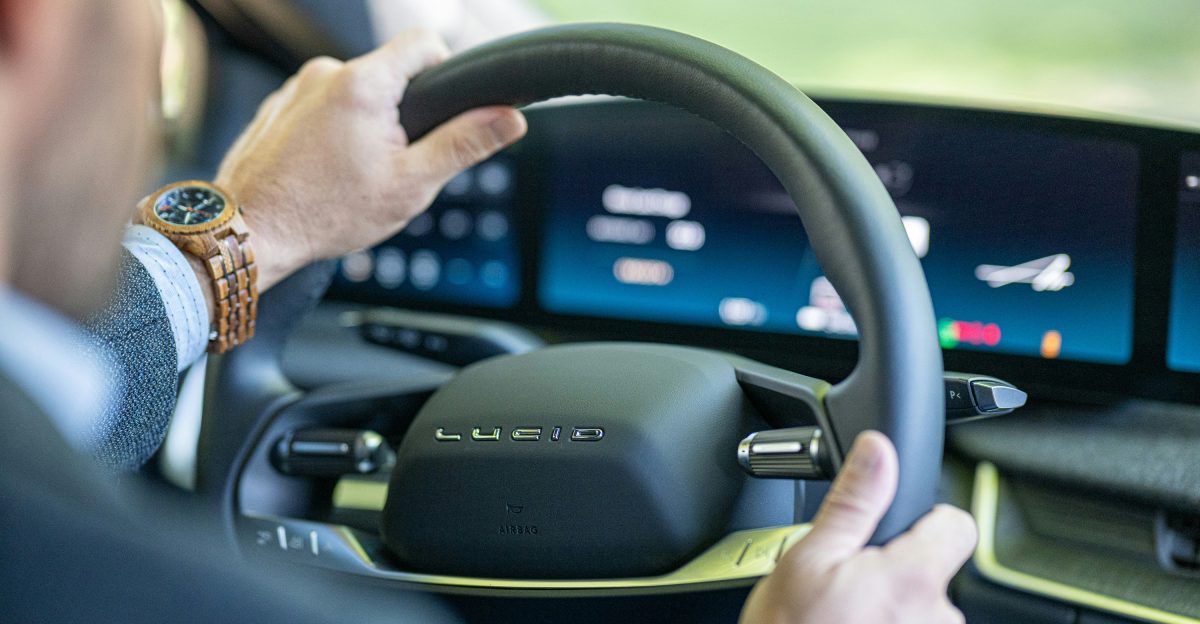
Lucid’s 749-mile record stood for less than a month before GM broke it. Range records have become marketing displays, broken and reset with optimization tactics unrelated to real driving. No production electric truck had previously exceeded 800 miles. Now the benchmark is 1,059.
Within months, a competitor will attempt to top it with another hypermiling run. These records are more press releases with odometers than genuine breakthroughs.
The Dominoes Still Falling
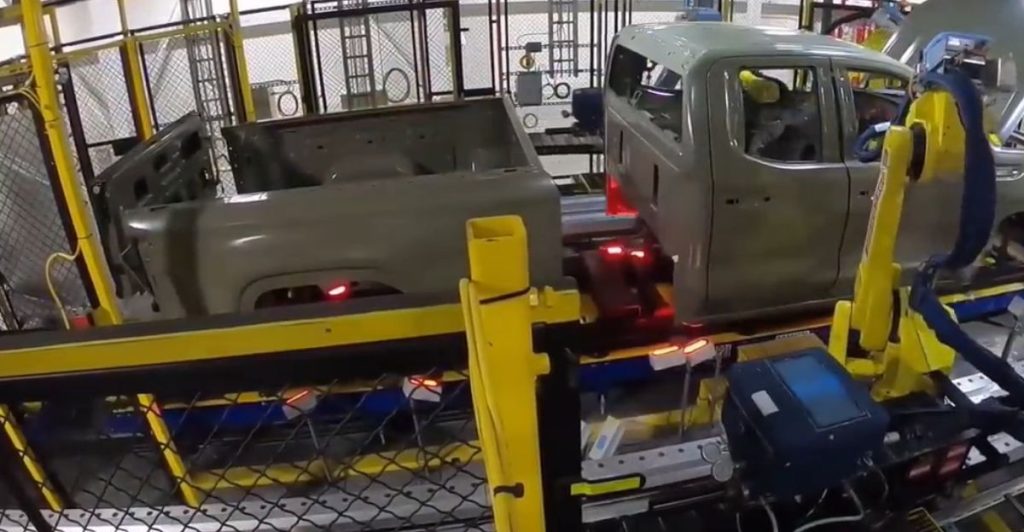
GM’s production reductions affect more than the factory floor. Battery suppliers, chip makers, and autonomous technology firms invested based on EV demand projections that are now evaporating. The 1,200 laid-off workers are the visible cost. The invisible cost sits in the supply chain, where contracts signed during the EV boom now face demand that did not materialize.
If EV sales continue to stall despite technological maturity, automakers may pivot from engineering investment to lobbying for government mandates and tax credits to support demand. The truck proved the technology works. The market showed little interest.
The Real Range Problem
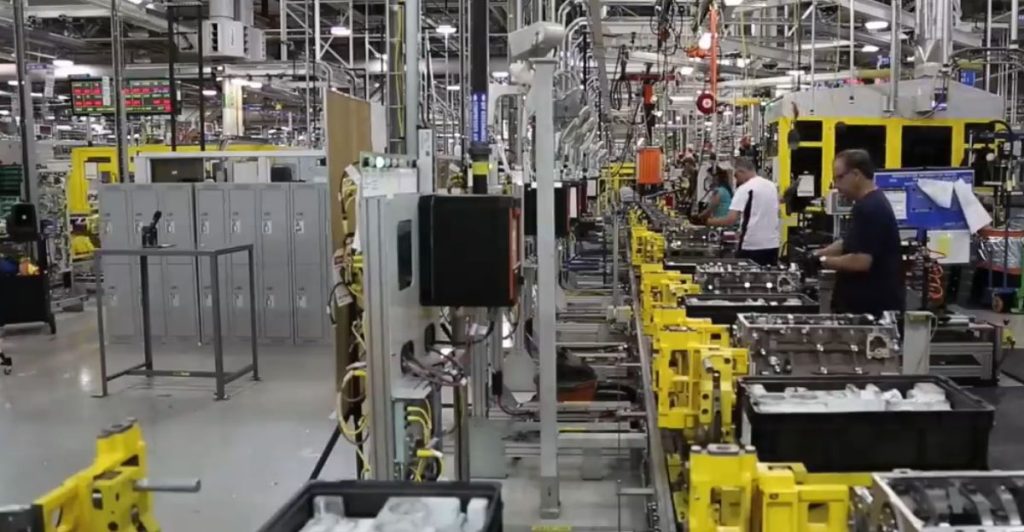
Traditional truck makers use GM’s production cuts to argue that gas trucks remain the reliable and profitable choice.
A 1,059-mile range matters little if the base price is in the high-$50,000s, climbs past $70,000 with the Max Range battery, requires much longer to recharge than a gas stop, and lacks a charger within 50 miles of most homes. The EV crisis has always centered on infrastructure, price, and the quick gas station stop that remains unmatched.
Sources:
GM News Official, How I – and 35 colleagues – drove a Chevy Silverado EV 1,059.2 miles on a single charge, September 28, 2025
MotorTrend, Chevy’s Silverado EV Just Drove a Record 1,059 Miles On One Charge, August 4, 2025
Charged EVs, Chevrolet Silverado EV achieves world-record 1059 miles on a charge, August 5, 2025
Autobody News (via Edmunds test), Chevy Silverado EV Work Truck Sets 539-Mile Range Record, May 28, 2025
Lucid Motors / GUINNESS WORLD RECORDS, Lucid Air Grand Touring Wins GUINNESS WORLD RECORDS Title with 1,205 kilometers on a Single Charge, July 8, 2025
MarketScreener (summarizing GM/Reuters filing), GM to take $6 billion writedown on EV pullback, January 8, 2026