Ford’s ‘No Risk’ Safety System Permanently Shuts Down In Heavy Traffic Triggering 340,000 More Recalls
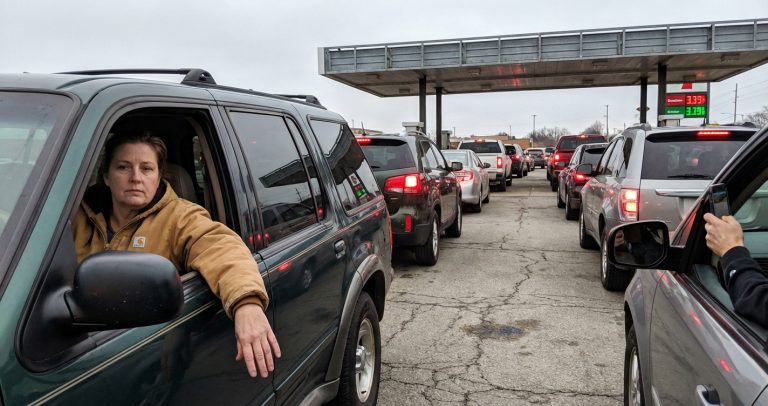
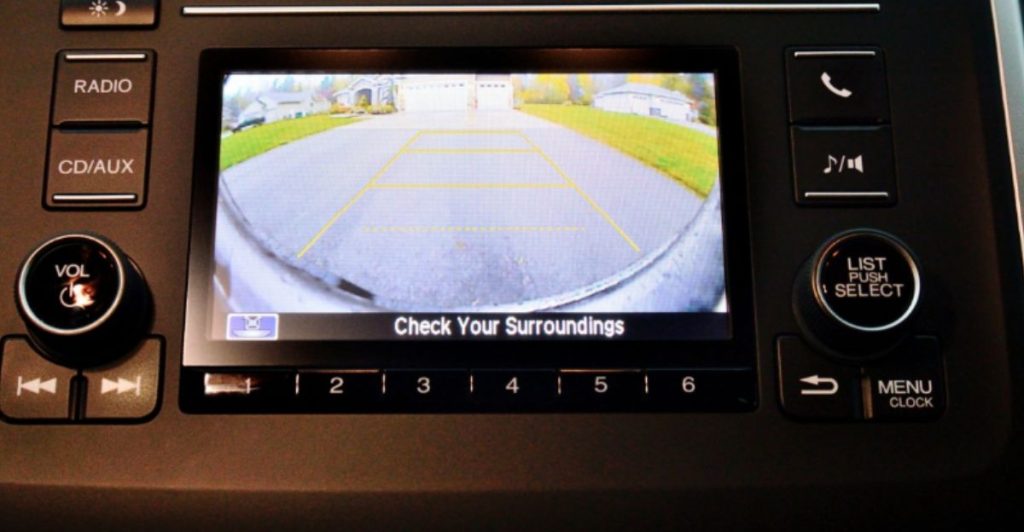
Picture rush hour. Bumper to bumper, pedestrians weaving between crosswalks, brake lights pulsing for miles. Now, picture the backup camera on your Ford Explorer going black. There is no warning or fade. It’s just gone. Along with it are pre-collision assist, lane-keeping, and blind-spot monitoring. All dead. That’s what 254,640 Ford and Lincoln SUV owners face right now, and the worst part has nothing to do with the software glitch itself. Ford knew about this defect for approximately twelve months before acting on it.
The Defect Ford Called Harmless
Ford’s engineers discovered the Image Processing Module A flaw on March 20, 2025. The module tracks moving objects around the vehicle. But in dense urban traffic, it overloads. When there are too many cars and too many pedestrians, the processor crashes like a frozen laptop. The system resets and the camera goes dark. ADAS features vanish, while dashboard warnings flash: “Front Camera Fault.” “Pre-Collision Assist Not Available.” Affected models span the 2025 Explorer, 2025 Lincoln Aviator, 2024-2025 Nautilus, and 2022-2025 Navigator. Ford’s safety committee reviewed the data and reached a conclusion that now reads like a punchline.
The April Decision That Aged Terribly
On April 3, 2025, Ford’s Critical Concerns Review Group closed the investigation. Their official finding revealed that the issue did not pose an unreasonable risk to vehicle safety due to conditions requiring multiple reboots in a drive cycle. Case closed. Low risk. Move on. But NHTSA didn’t move on. The agency convened meetings in June 2025, then November, then again in early 2026, each time pressing Ford harder on the field data. Something in the warranty claims wasn’t adding up, and Ford’s own analysis had missed it entirely.
The Hidden Pattern in the Data
Ford analyzed the entire vehicle population. Broad sample, low occurrence rate. It looked safe, but NHTSA forced a different lens: isolate vehicles with five radar sensors used in livery and chauffeur service. Uber cars. Lyft vehicles. Airport shuttles grinding through Manhattan, Chicago, LA. The warranty claims clustered there at 0.9 per 1,000 Aviators. It was the same defect and the same data, but the opposite conclusion. On March 13, 2026, Ford approved the recall it had dismissed eleven months earlier. The consumer advisory now read “Do Not Drive.”
When the Fix Becomes the Problem
The system doesn’t just glitch and recover. Repeated resets over multiple ignition cycles can cause persistent, irreversible loss of functionality. The software degrades the hardware. Think of a phone battery that dies faster after enough charge cycles, except this battery controls whether your car sees the kid behind it. The remedy is a free over-the-air software update or dealer installation. But Wards Auto reports OTA infrastructure has become cost-prohibitive and unreliable for traditional automakers. The vehicles most at risk, fleet cars running twelve-hour shifts, are the least likely to pause for updates.
The Numbers Behind the Collapse
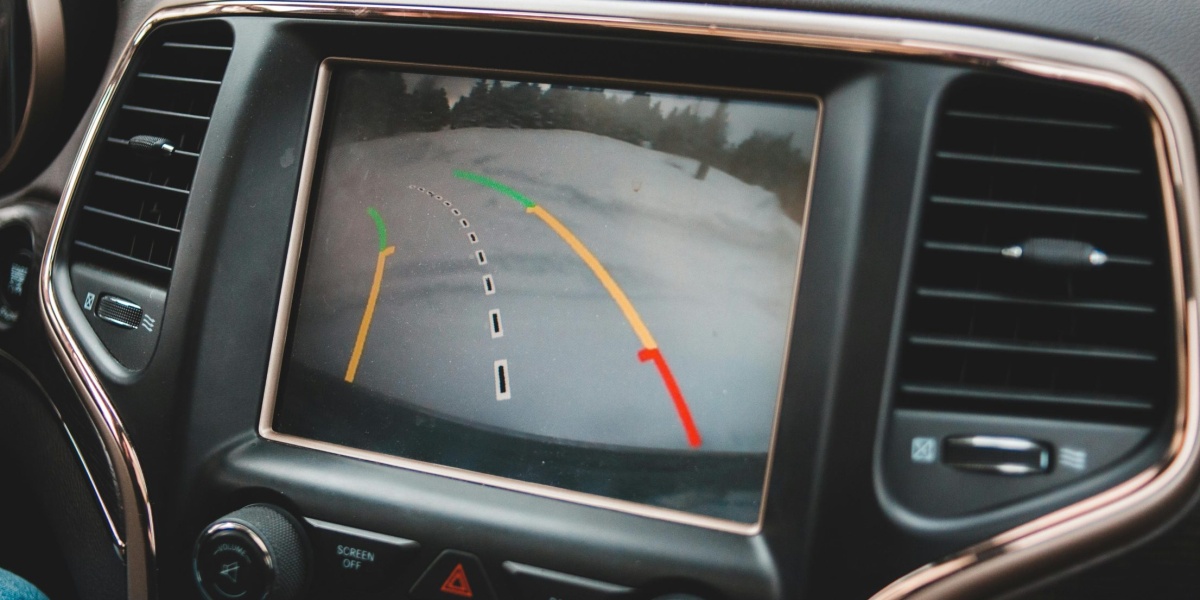
NHTSA’s consequence statement revealed that the loss of rearview camera image and certain driver assistance features can reduce a driver’s ability to detect hazards, which increases the risk of a crash. Ford claims zero crashes, injuries, or fires reported. Both statements exist simultaneously. That disconnect between identified hazard and observed harm is the gap where people get hurt before anyone counts them. Ford had already recalled 1.4 million vehicles for a rearview camera defect in October 2025. Image processing failures aren’t a one-time bug. They’re an architectural pattern.
Eighty-Eight Recalls in Six Months
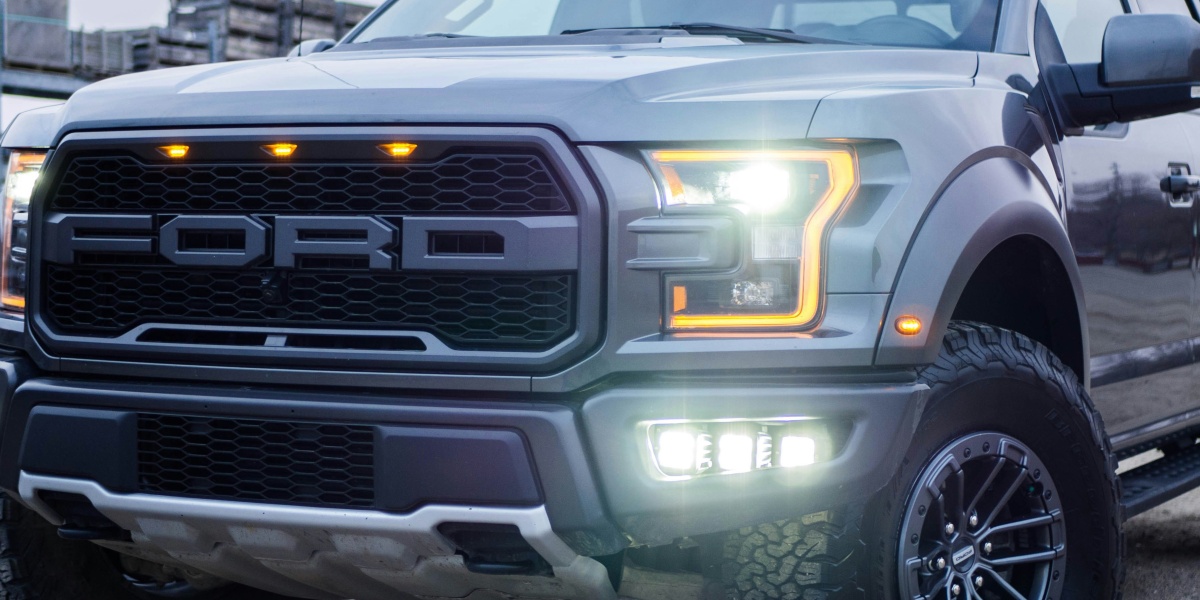
This recall doesn’t exist in isolation. Ford issued 88 safety campaigns in the first six months of 2025, shattering any full-year recall count by any manufacturer ever on record. The nearest competitor, Forest River, managed 21. Ford lapped the field four to five times over. Roughly 33 of those 88 recalls trace back to a company-wide audit of prior software-based decisions, according to federal data. Ford didn’t find new defects. Ford re-examined old conclusions and discovered they were wrong. That pattern should terrify every Ford owner still waiting on a notification letter.
The New Rule NHTSA Just Wrote
Ford didn’t lack data in April 2025. It lacked the analytical lens. The same warranty claims existed then that existed in March 2026. Cluster analysis only revealed the pattern once NHTSA forced a geographic and usage-case breakdown. That’s the precedent here. NHTSA’s eleven-month pressure campaign establishes a new regulatory playbook: if a manufacturer closes an investigation, the agency reopens it with fresh data demands. The burden of re-analysis now falls on the automaker. Every future early-closure rationale from Ford will face higher skepticism from regulators who remember this reversal.
The Dominos Still Falling
Owner notifications begin March 30, 2026. Dealer notifications started March 25. Between recall approval on March 13 and that first owner letter, drivers spent weeks behind the wheel of vehicles Ford itself labeled “Do Not Drive.” If crashes accumulate in the typical eight-to-sixteen-week lag window, NHTSA may open a formal Office of Defects Investigation into whether the software fix actually works. If the OTA update fails in the field, a secondary recall follows. Ford has stated its recall surge reflects an intensive strategy to find and fix hardware and software issues proactively.
What Ford Owners Know Now
Recalls aren’t gifts from a concerned manufacturer. They’re forced extractions. Ford sat on this defect for eleven months, closed the case, and only reversed course after a federal agency demanded they look at the data differently. The defect was always there. The pattern was always there. Ford just wasn’t looking at the right slice of the population. Eighty-eight recalls in six months means there are almost certainly more defects hiding in broader datasets right now, invisible until someone forces the next re-analysis. The only open question is who gets hurt before that happens.
Sources:
“Ford recalls more than 254,000 SUVs due to software issues.” FOX Business, 23 Mar 2026.
“Part 573 Safety Recall Report 26V165 – Loss of Rearview Camera Image and ADAS Features.” National Highway Traffic Safety Administration, 23 Mar 2026.
“Ford recalls more than 254,000 vehicles due to software issue that may disrupt rearview camera and other features.” CBS News, 23 Mar 2026.
“Ford Breaks American Recall Record Through First Half of 2025.” Ford Authority (citing The Wall Street Journal), mid Jul 2025.