Toyota Hits 144,200 Lexus Owners With Its Second US Recall in 2 Weeks
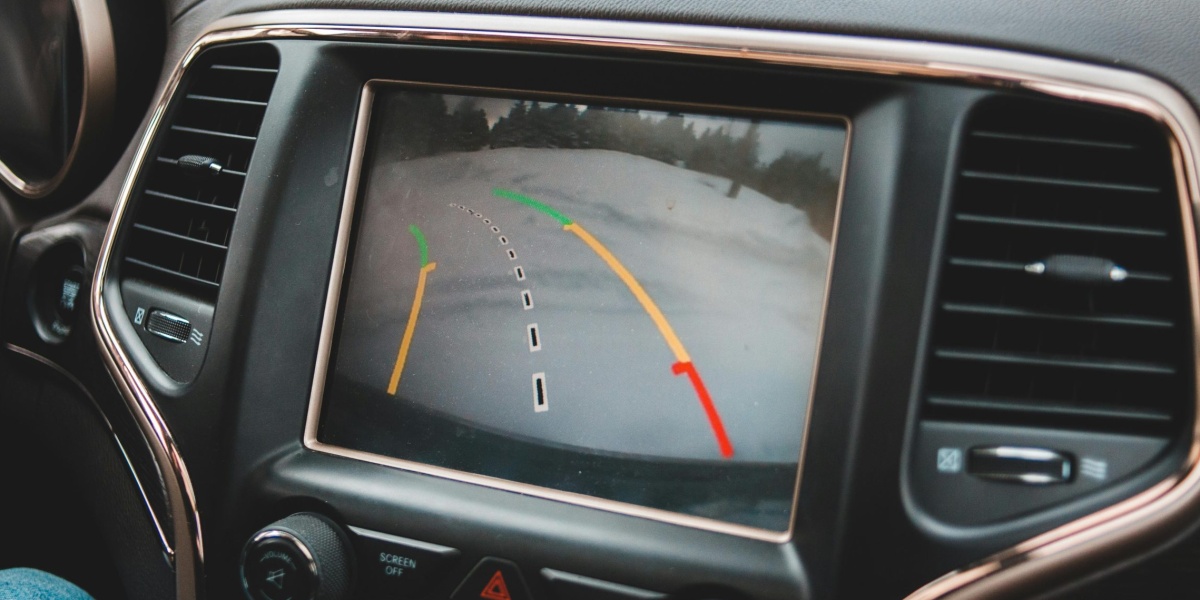
Picture backing out of your driveway, there are kids on bikes somewhere behind you, and the screen where your backup camera should be showing a clear picture goes black. Now you are staring at a blank display on a vehicle that costs north of $50,000. That scenario became real for owners of about 144,200 Lexus NX, RX, and TX SUVs after Toyota announced a nationwide safety recall in mid‑March 2026. The cause traces to a component so small that most owners have never thought about it. And Toyota knew about the design issue for weeks before formally declaring it a safety defect.
Seven Days Between Disasters
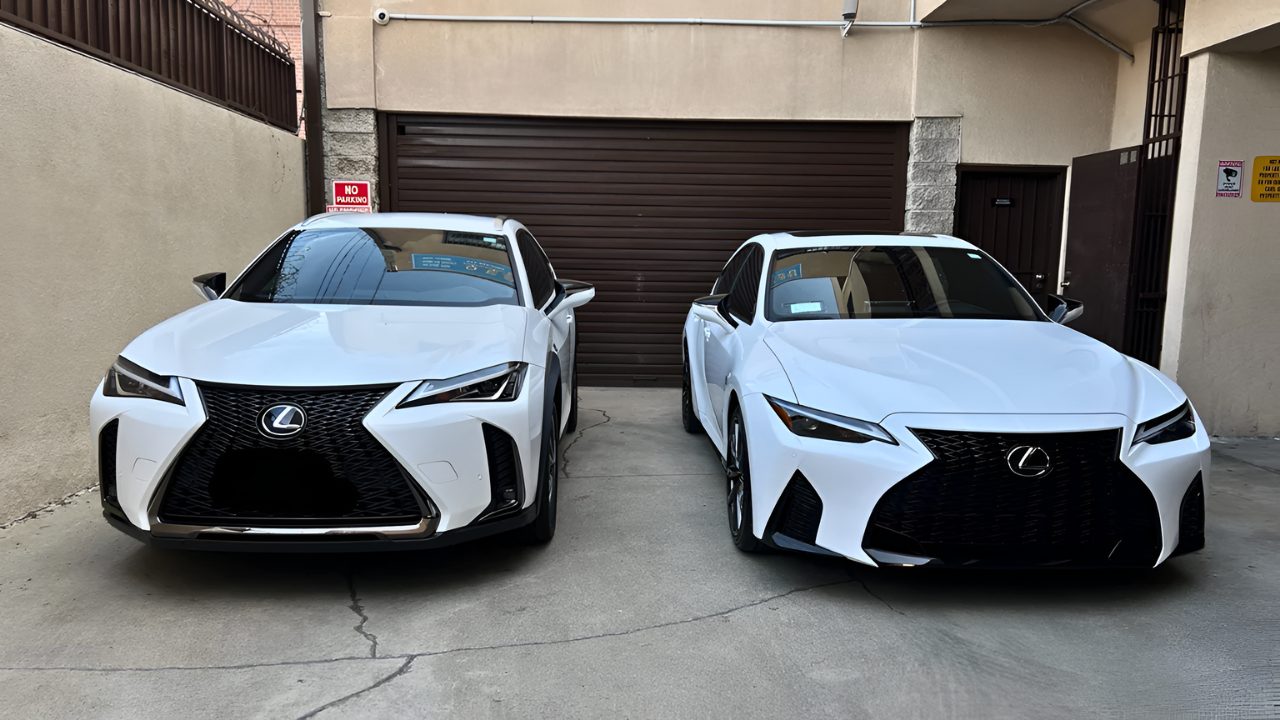
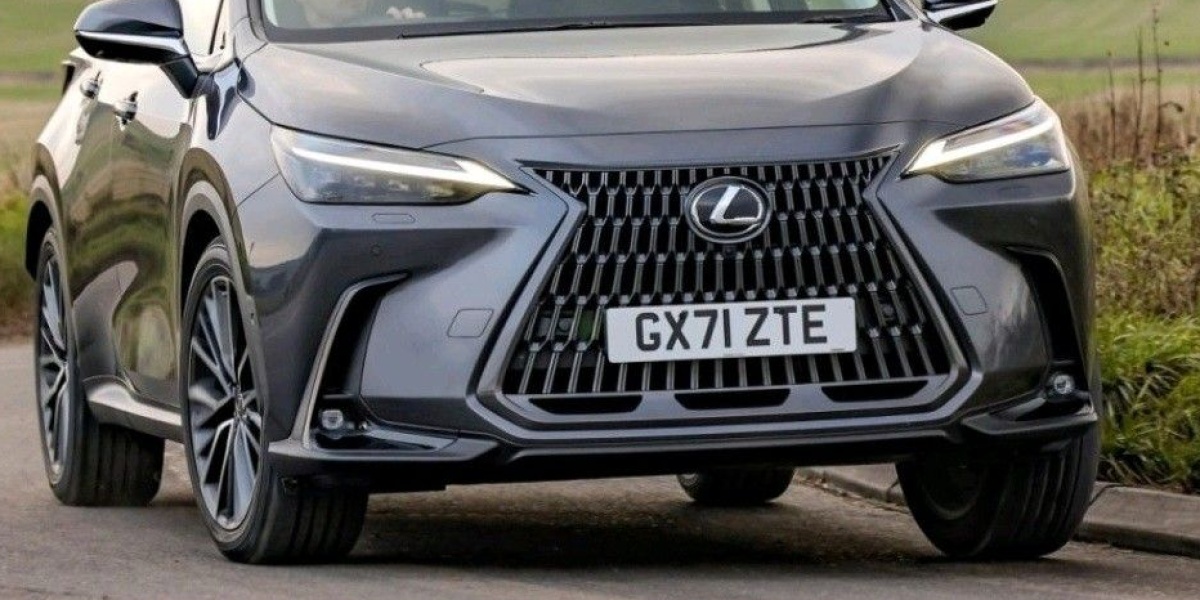
This camera recall landed roughly one week after Toyota announced a separate recall covering about 550,000 Highlanders for a seat‑back locking defect on March 11. Two major safety recalls in a single week, from the company, Consumer Reports ranked Toyota the most reliable brand in late 2025, with Lexus also in the top tier. The affected Lexus models span four model years: 2022‑2025 NX250 and NX350, 2023‑2026 RX350, and 2024‑2026 TX350. All non‑hybrid. All carrying the same hidden flaw. That “most reliable” trophy aged fast.
The Reliability Myth Cracks
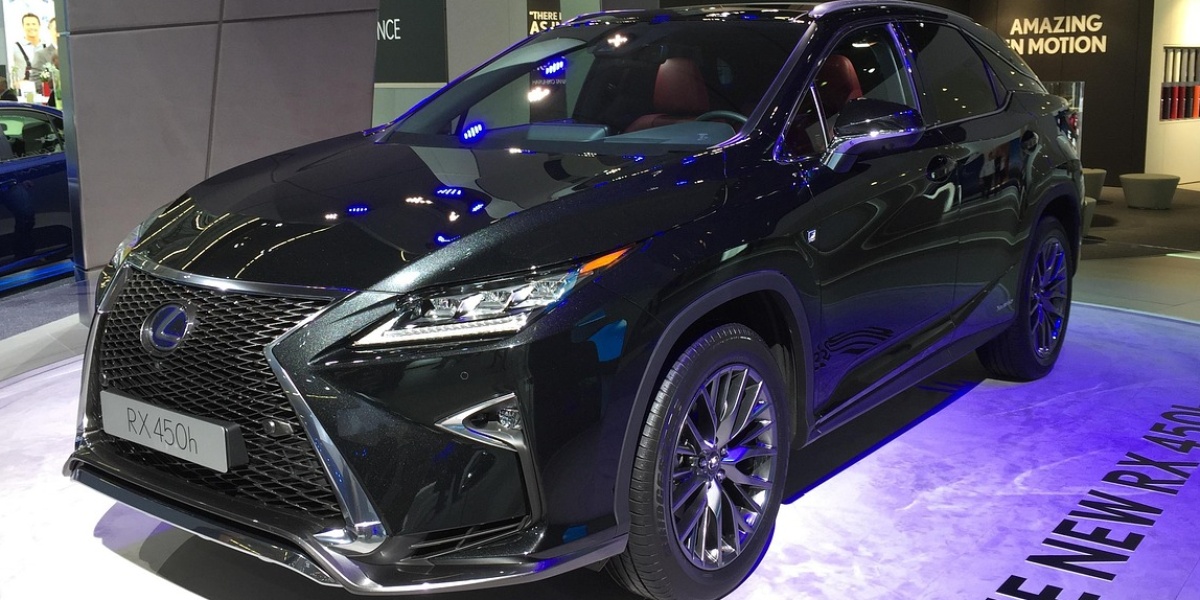
Lexus buyers pay a premium specifically because they believe they’re buying reliability. That assumption took three body blows in six weeks: a February safety recall, the March 11 Highlander recall, and now this. Those roughly 144,200 recalled SUVs represent a significant slice of Lexus’s recent U.S. sales. With several hundred thousand Lexus vehicles sold in 2025 alone, a large share of the brand’s late‑model SUVs now carry a federal safety defect classification. The brand built its reputation on decades of data. The data from 2025‑2026 tells a different story entirely.
A 50-Cent Part Killed the Camera
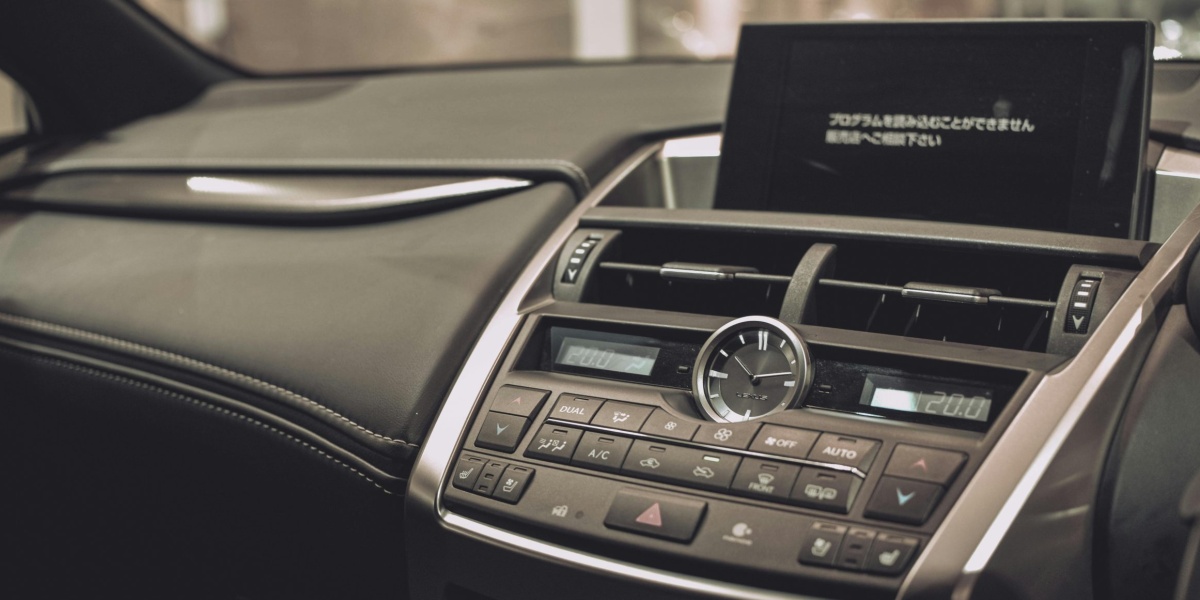
Here is what actually failed. A specific in‑cabin USB charger was designed without a capacitor. That missing component allows a brief voltage drop when the engine restarts within approximately eight seconds of being cycled off and back on. The voltage dip can kill the camera feed before it fully loads. Screen goes black. In reverse. Toyota’s own NHTSA filing states it plainly: “This USB charger does not have a capacitor which can mitigate the effects of a voltage drop.” A penny‑sized part. A $50,000 vehicle. A blind spot where your children stand.
Hybrids Dodged the Bullet
The same Lexus models built on the same platform with the same multimedia system escaped the recall entirely if they happened to be hybrids. Hybrid powertrains manage engine starts differently, which can prevent the same kind of voltage‑drop behavior from ever reaching the camera. Powertrain choice accidentally determined whether a family’s backup camera works. Other Toyota and Lexus vehicles with different USB charger designs, ones that included the capacitor, also avoided the defect. The vulnerability was engineered into a specific configuration and shipped to 144,200 buyers who had no way of knowing.
The Numbers Behind the Blind Spot
NHTSA estimates 100% of affected vehicles contain the underlying defect condition. Every single one. Backup cameras became federally mandatory in May 2018, specifically to prevent child backover deaths. Safety researchers have found that functioning cameras and related systems significantly reduce those fatalities, and this recall temporarily strips that protection from 144,200 vehicles during the remedy window. The defect violates Federal Motor Vehicle Safety Standard 111 on rear visibility. The safety device that the government required to save children’s lives now fails at the exact moment it was designed to activate.
The Dealership Bottleneck
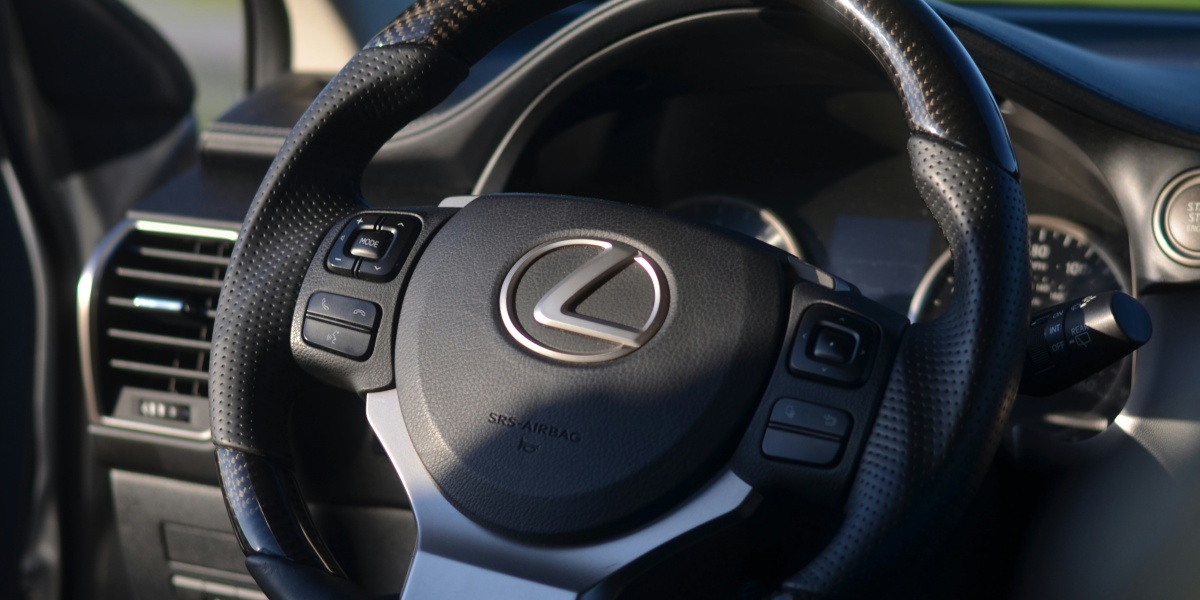
Owner notification letters are scheduled to begin mailing around May 2026, several weeks after the recall filing. Lexus operates roughly 500 dealerships nationwide. Spread about 144,200 vehicles across those dealers, factor in an estimated 1.5 hours per software update or camera replacement, and queues could easily stretch for weeks or months. That timeline dumps the repair surge into June through August, peak summer driving season, when families are hauling kids to camps and backing out of unfamiliar driveways. The March 11 Highlander recall adds roughly 550,000 more vehicles competing for Toyota service bays.
A Pattern, Not an Accident
This is Toyota’s second major backup camera recall in six months. Late 2025 saw over 393,000 Tundra and Sequoia trucks recalled for similar camera display failures caused by a software error that could leave the screen black or improperly displayed in reverse. A separate recall of about 1,025,000 Toyota, Lexus, and Subaru vehicles traced a defect to Denso‑supplied parking assist software that could freeze or blank the camera image. Different components. Different model lines. Same result: blank screens during reverse. Once you see the thread connecting these campaigns, the pattern is unmistakable. Toyota has a recurring camera‑software‑and‑systems problem, not a one‑time glitch.
Ten Weeks of Silence
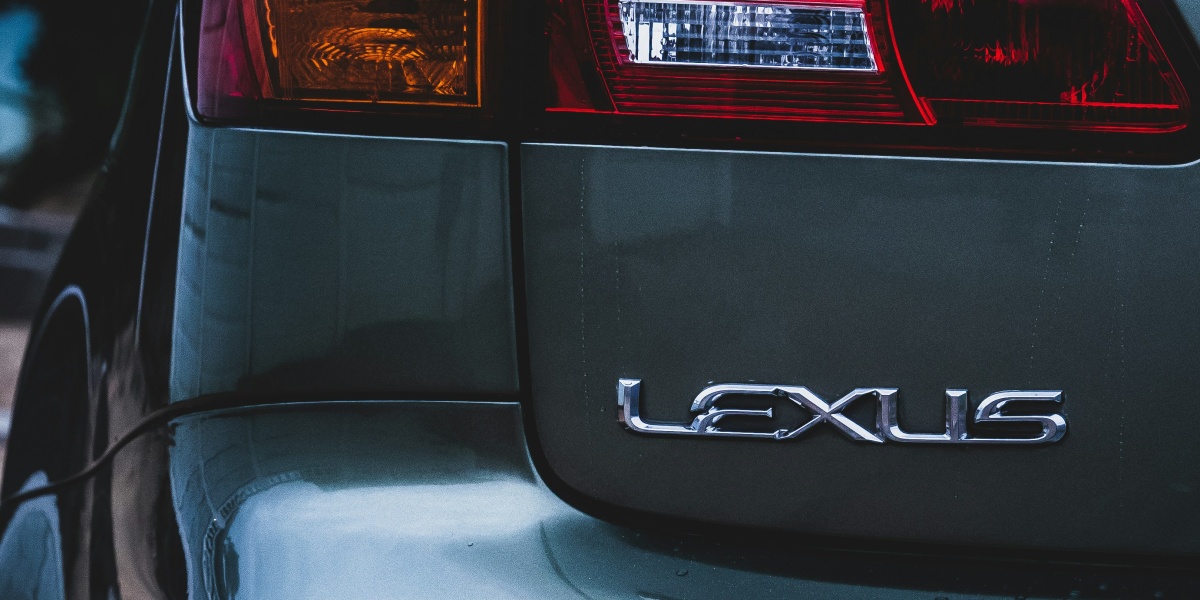
Toyota’s chronology shows that, through further vehicle testing beginning in January 2026, engineers identified that the subject vehicles have in‑cabin USB chargers designed differently from other models, and that this charger lacks a capacitor to mitigate voltage drop effects. The company didn’t formally determine that the defect posed an unreasonable safety risk until March 11. The public recall filing followed in mid‑March. That gap, roughly ten weeks from first identifying the design difference to public disclosure, is legal under current NHTSA rules. Manufacturers control when they reach “determination,” and the clock for public notification starts only after that moment. For weeks, Toyota knew which vehicles could lose their backup camera image, and 144,200 owners did not. The recall system has a transparency problem baked into its structure.
What Lexus Owners Should Know Now
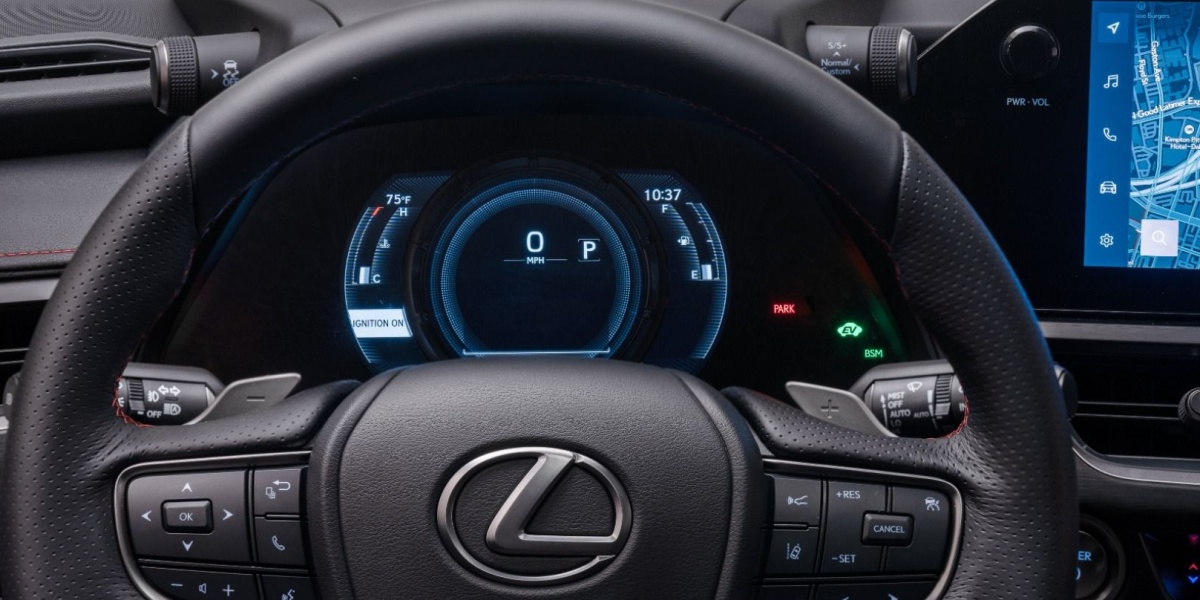
Lexus dealers will update backup camera software or replace the camera at no cost. The NHTSA recall campaign number is 26V162000. But the fix won’t reach most owners until summer at the earliest. Meanwhile, competitors are watching. BMW and Mercedes now have a marketing gift: the luxury brand that sold reliability just sent a large chunk of its late‑model SUV volume back to the shop. Toyota will almost certainly revise its designs for upcoming model years, standardizing the capacitor that could have prevented all of this. The cost of that missing component was probably under a dollar. The cost of leaving it out is still climbing.
Sources:
“Part 573 Safety Recall Report 26V162.” National Highway Traffic Safety Administration, 17 Mar 2026.
“Toyota recalls 550,000 Highlander SUVs because seat backs may fail to lock properly.” CBS News, 12 Mar 2026.
“1 Million Toyota, Lexus, and Subaru Models Being Recalled Over Camera Glitch.” MotorTrend, 5 Nov 2025.
“Toyota Recalls 400,000 Vehicles Over Rearview Camera Issue.” IndexBox (via Yahoo Finance recall reporting), 6 Oct 2025.