Hyundai Knew About Deadly Palisade Seat Defect in November Before 2-Year-Old Was Crushed
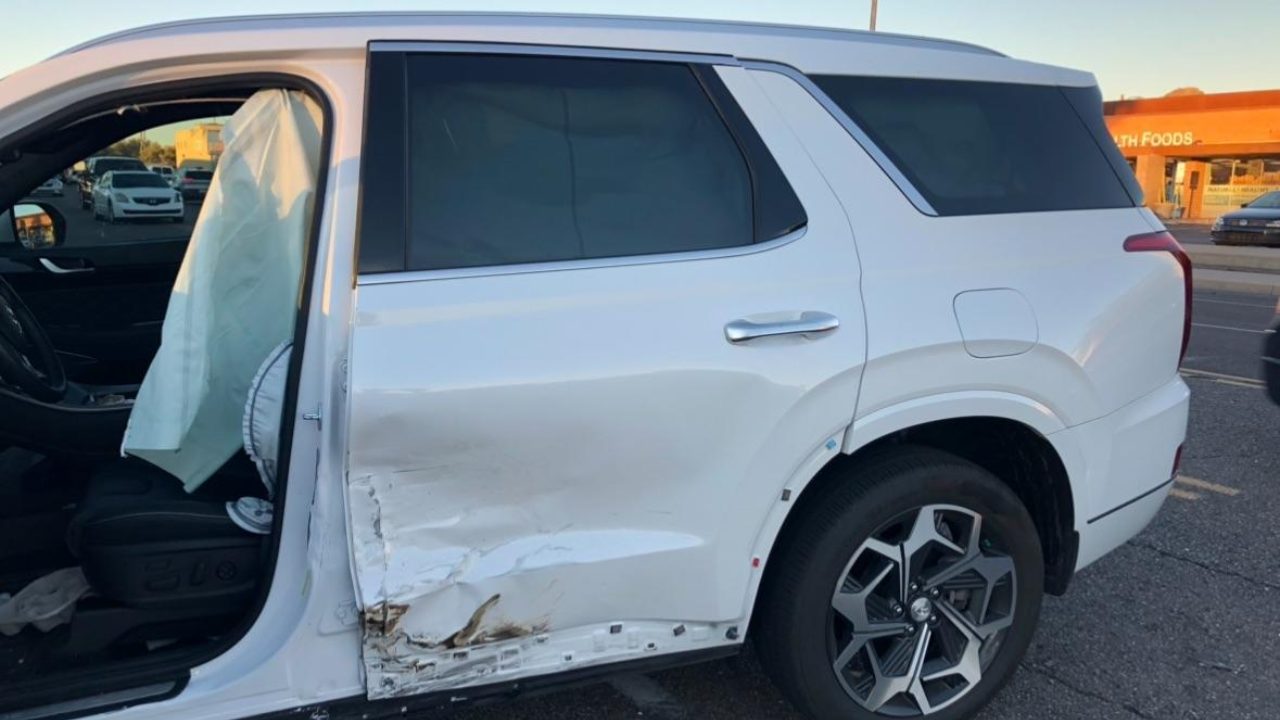
The power seat folded forward with the force of its electric motor. In the third row, a two-year-old girl sat, unaware of the danger. Bystanders rushed to help, struggling for several minutes to pry the seat back as her mother watched in horror. The mechanism was too strong. The child was rushed to Akron Children’s Hospital, where she died. March 7, 2026, became the date of a tragedy.
The 2026 Hyundai Palisade had earned safety awards and helped fuel five consecutive years of record sales. Inside that SUV in Cuyahoga Falls, Ohio, none of that mattered.
Five Years of Record Sales, One Fatal Flaw
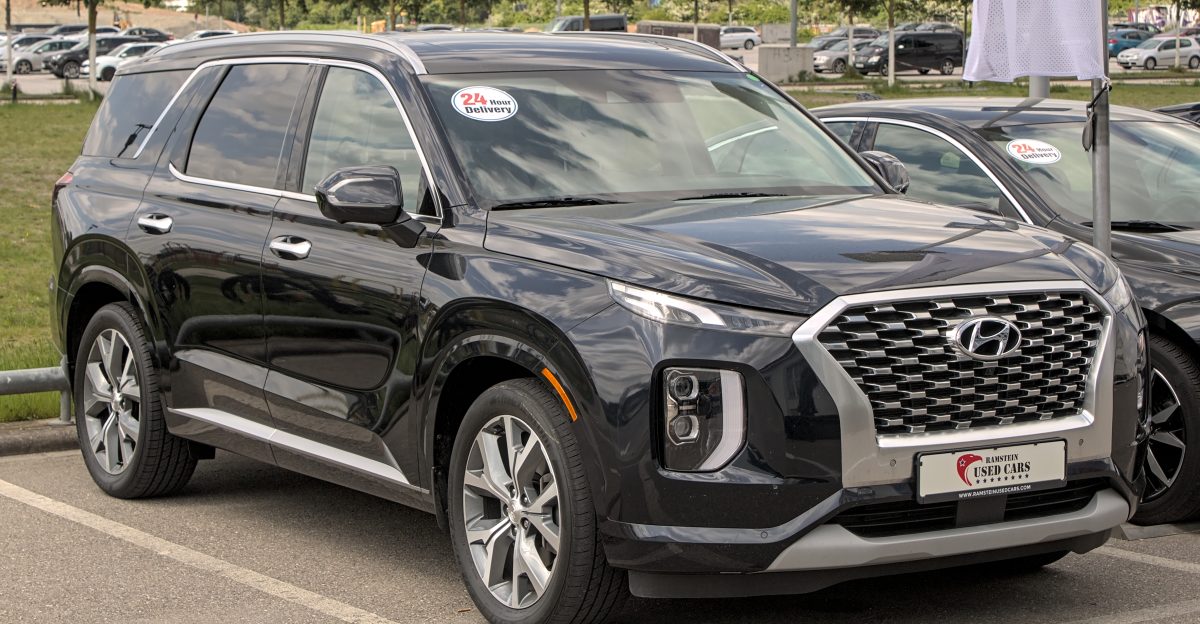
In 2025, Hyundai sold 772,712 vehicles, reaching a fifth straight year of record sales. The Palisade was the top-selling SUV in South Korea. Many families paid extra for the Calligraphy and Limited trims, attracted by power-folding seats sold as luxury features. Hyundai’s NHTSA filings described these as having “anti-pinch protection.”
Families trusted the brand because crash-test ratings recommended it. Crash tests never evaluated whether a power seat could detect a child in its path.
Three Complaints, One Assessment: “Low Risk”
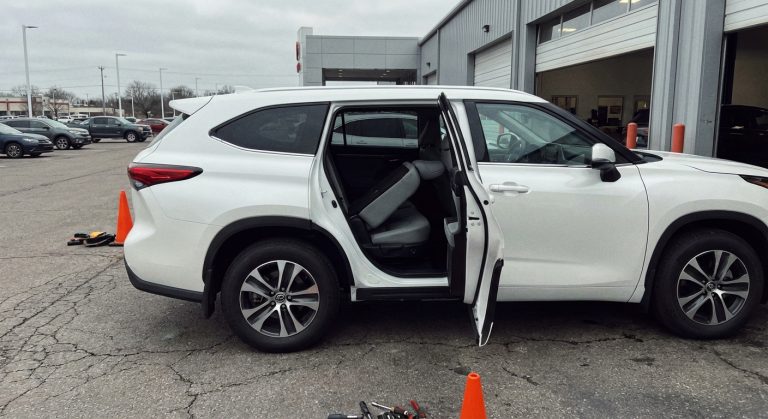
By November 4, 2025, Hyundai had received three complaints about the power seats, dating back to August. The company launched a formal investigation and labeled the defect “low risk.” In December, an adult passenger at a dealership was pinned between a second-row seat and the doorframe after someone pressed the button by accident.
A dealership technician told the customer directly: “There’s no sensor that stops the seats from folding or sliding.” Hyundai’s filings still claimed anti-pinch protection existed. Contradictory statements from the same company remained unresolved.
The Contradiction That Killed
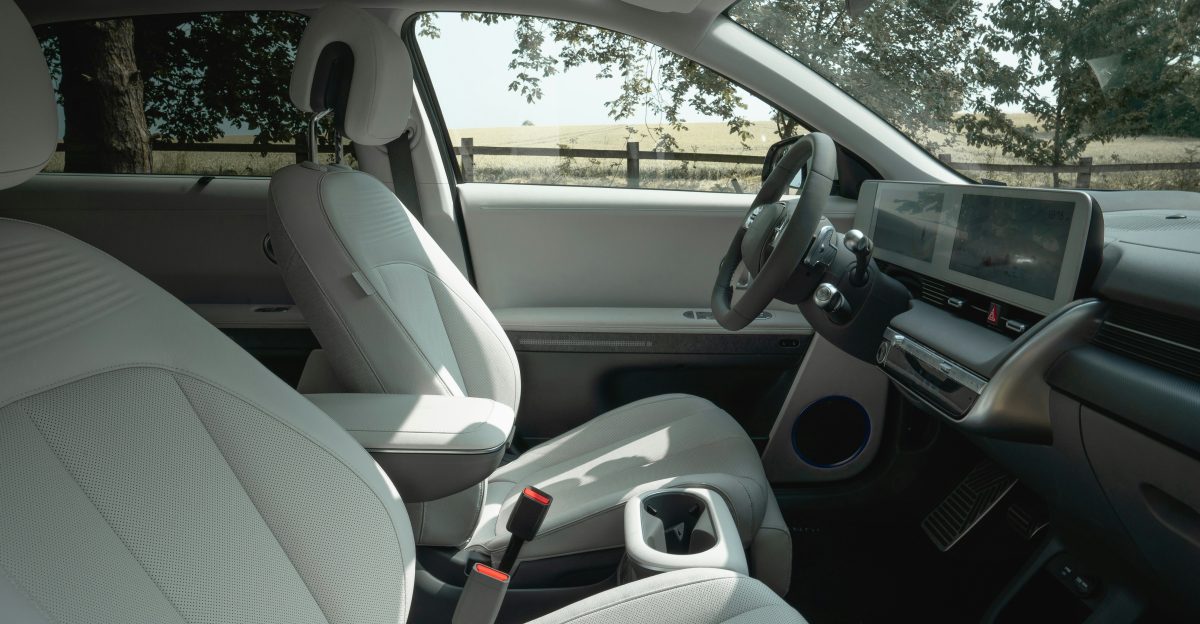
Hyundai insisted the seat had anti-pinch logic. Their own technician admitted there was no sensor. That contradiction lingered for four months. No one fixed it. No one warned families. On March 7, the unthinkable happened. The seat folded on a two-year-old girl.
The so-called anti-pinch system did not recognize her presence, and the motor kept going. As one Korean YouTuber who tested the seat put it: “Even an adult would not be able to withstand it.” Hyundai filed its recall on March 17, but only after a Cleveland TV station began asking questions.
How a Luxury Feature Became a Trap
South Korea’s transport ministry identified the root cause as inadequate software design in the seat controller. For about 25 years, power windows have required anti-pinch technology. Power seats, which generate much more force, have no such standard.
Hyundai built a one-touch folding system, controlled by a single button with no dual-channel occupant detection. One press moves the seat with enough force to trap an adult. The engineering choice prioritized automation over redundancy. This decision was a design bet against physics.
132,000 Vehicles, One Temporary Fix
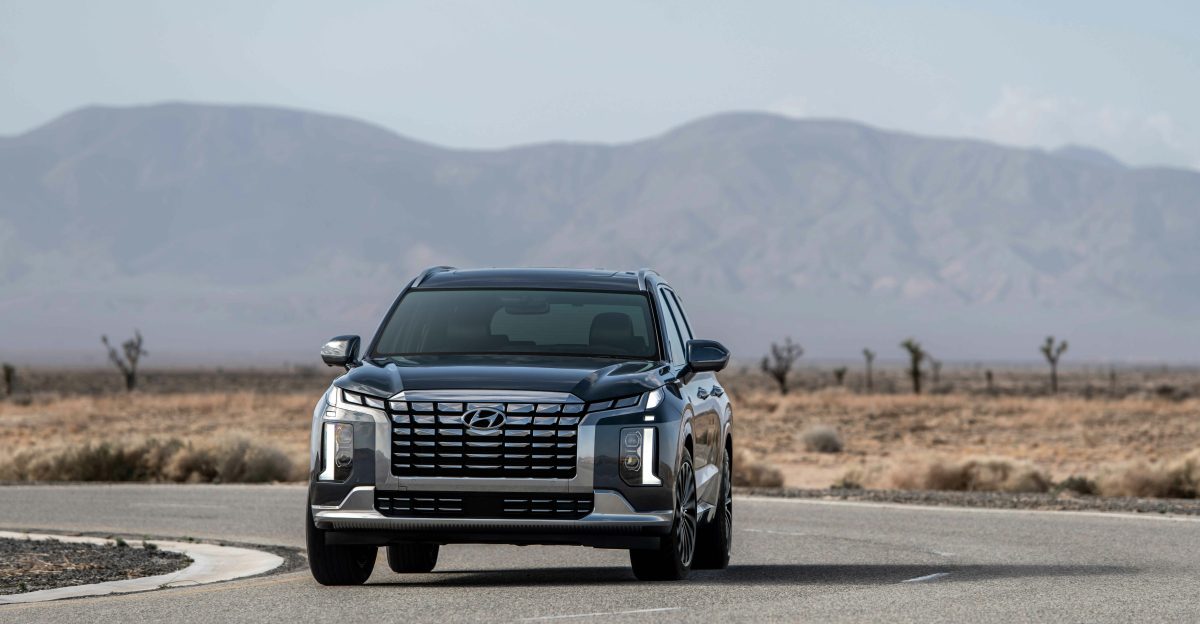
The recall covers 61,093 vehicles in the United States, about 8,000 in Canada, and 58,000 in South Korea, for a total of approximately 132,000 vehicles worldwide. Hyundai admitted to four additional minor injuries and 17 vehicles with defect claims from August 2025 through March 2026. The planned fix is an over-the-air software update by the end of March, but it is a temporary measure.
The permanent remedy is still under development with no announced completion date. Estimated hardware replacement cost is about $66 million. All 68,500 affected vehicles in North America remain in use.
The Ripple Across Platforms
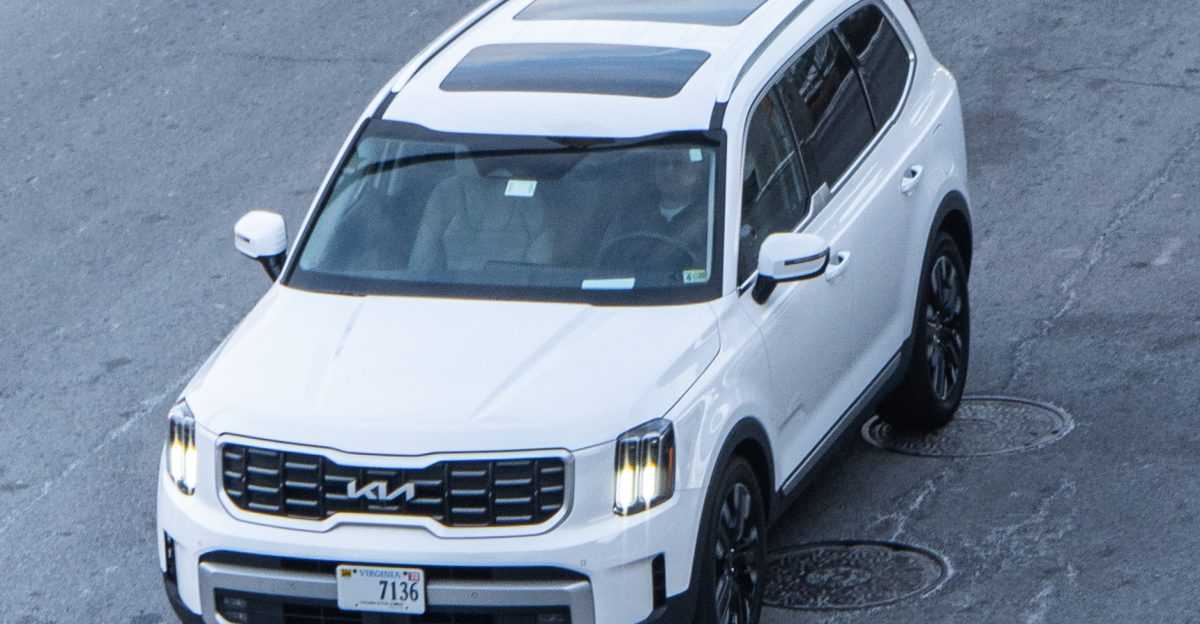
Kia issued a parallel recall of 568 Telluride hybrids with the same power second-row seat design. The number is small, but the problem stretches across Hyundai-Kia’s shared platform architecture. If the anti-pinch failure is in the software, other models with optional power seats could carry the same vulnerability.
Resale values on 2026 Palisade Limited and Calligraphy trims may drop. Insurance premiums may climb. Dealerships already flooded with safety inquiries now face a trust problem that money cannot solve.
A Pattern Hyundai Has Run Before
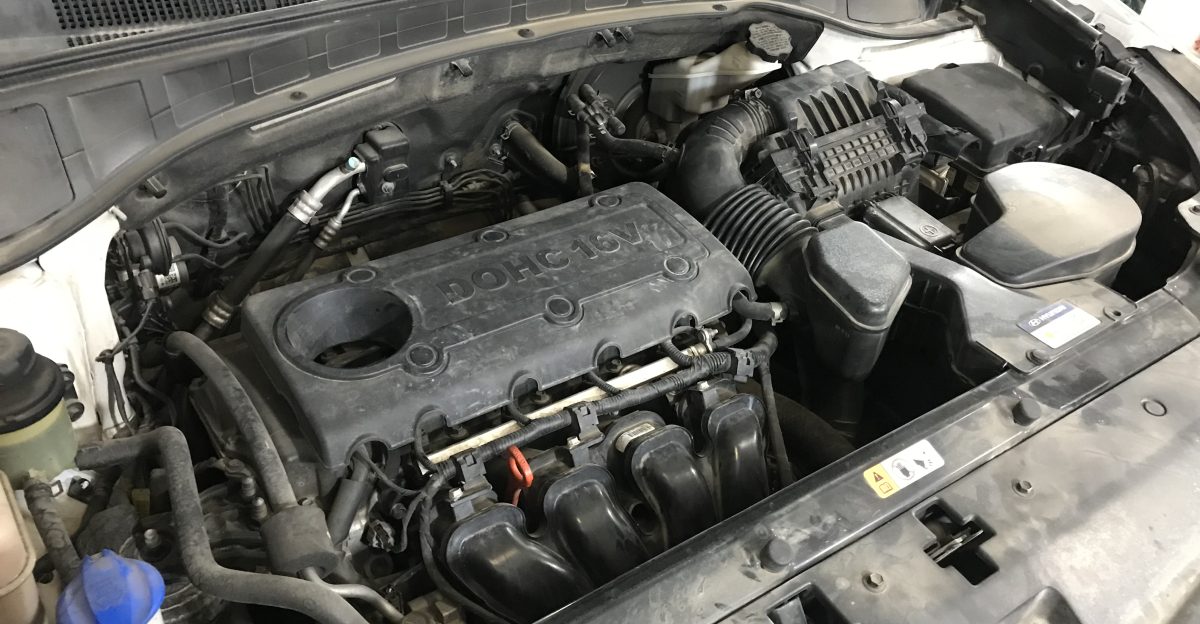
Hyundai’s Theta II engine defect lasted from 2009 to 2019, affecting over 1.6 million vehicles and costing the company more than $2 billion. The pattern repeated: early complaints, delayed escalation, internal risk assessments that underestimated severity, and disclosure forced by external pressure. The Palisade recall moved faster, with 10 days from fatality to filing.
However, a roughly seven‑month gap between the first complaints and public action reflects the same institutional reflex. Three days after admitting hidden injuries, Hyundai received six IIHS Top Safety Pick+ awards. That timing highlights the gap between testing protocols and real-world safety.
68,500 Families Waiting on a Promise
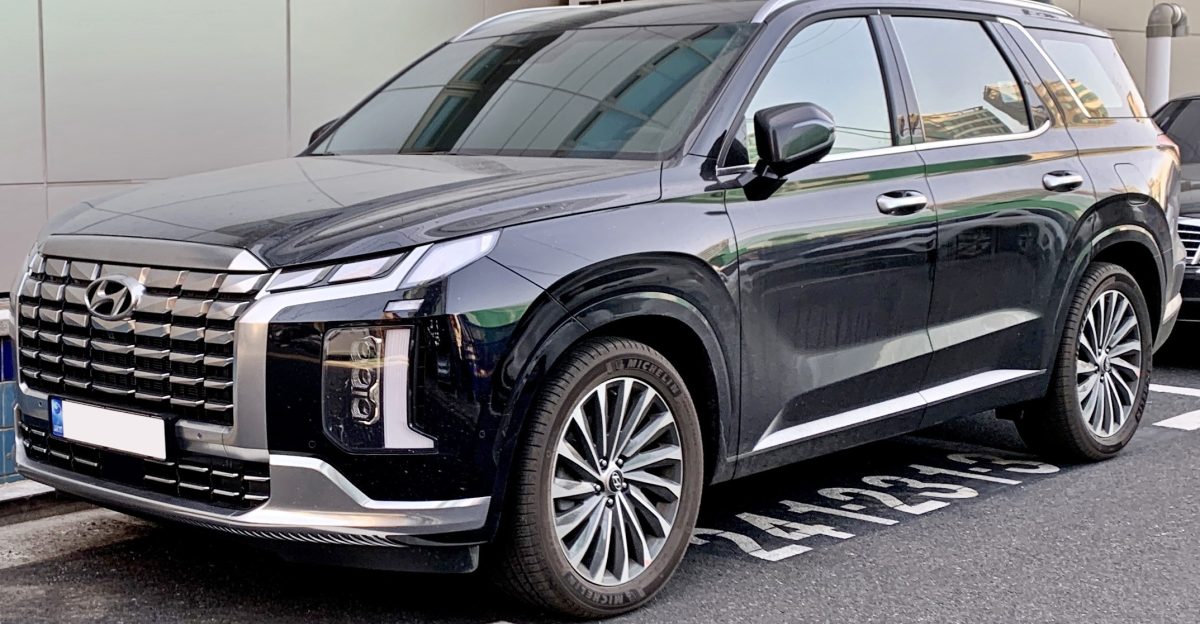
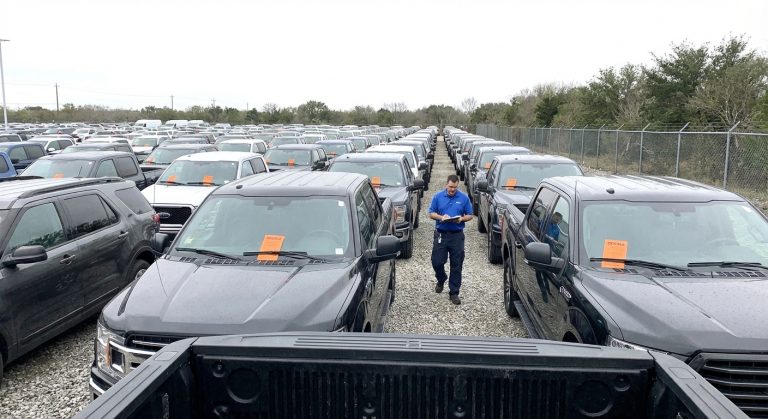
The stop-sale covers only new dealer inventory. Every Palisade already sold sits in someone’s garage tonight. Owners drove those vehicles for months without knowing the defect existed. The temporary software patch has not reached all vehicles. The permanent fix has no timeline. Class-action attorneys will cite the 4.5-month delay between first complaints and public disclosure as evidence of conscious risk.
If the OTA update is insufficient or the hardware fix creates new problems, Hyundai faces liability that could reach criminal negligence and federal civil penalties that can total more than $100 million for a series of related violations.
What Your Safety Rating Never Tested
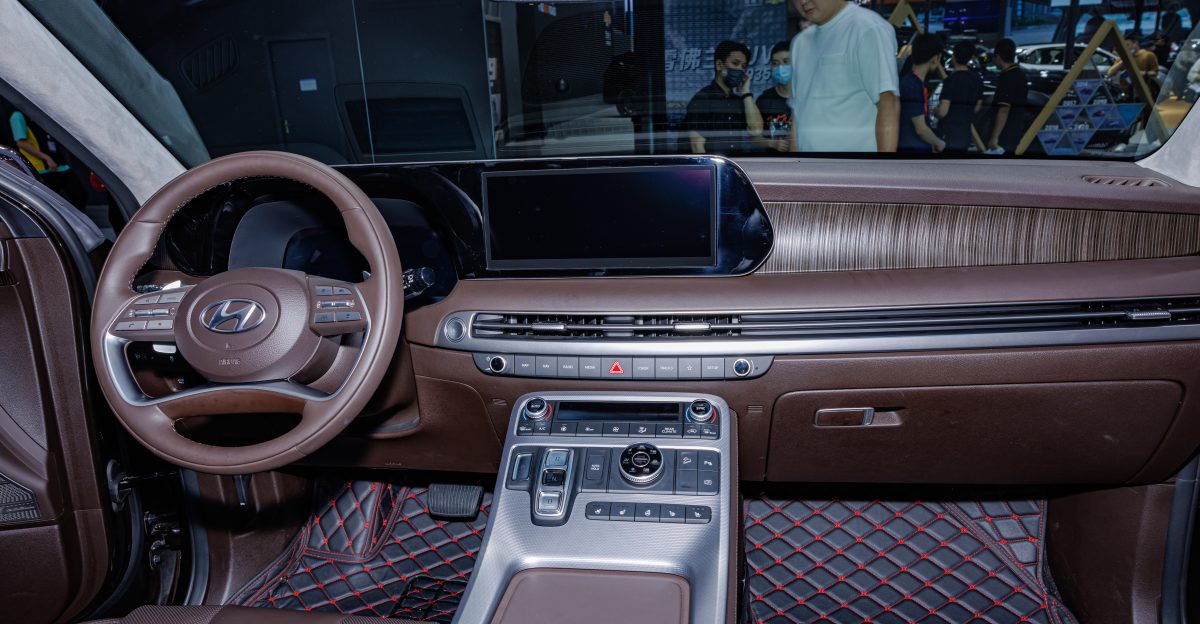
Every parent who bought a Palisade checked the crash ratings. Five stars. Top Safety Pick. The assumption was reasonable: newer means safer. IIHS tests frontal collisions, side impacts, and rollovers. No one tests whether a power seat can detect a toddler. That gap between what gets tested and what can kill was clear to Hyundai’s own dealership technician in December. The company’s marketing department did not act until March.
The next family shopping for a premium SUV faces a question no safety rating can answer yet.
Sources:
NHTSA Part 573 Safety Recall Report 26V160 — March 17, 2026
The Drive — “Hyundai Stops Sales and Recalls Over 69,000 2026 Palisades Because the Power Seats Can Crush You” — March 15, 2026
Consumer Reports — “Hyundai Recalls Palisade and Issues Stop-Sale After Child’s Death” — March 15, 2026
Hyundai Motor America via PR Newswire — “Hyundai Motor America Achieves Record December and Fifth Consecutive Year of Record Retail Sales” — January 2, 2026
Carscoops — “Kia Pulls Some Tellurides From Sale Over Defect Linked to Child Death in Hyundai Palisade” — March 23, 2026