Tesla Dodged a 2.26M Recall but 3.2M Cars Now Face the Biggest FSD Probe Yet
On March 18, 2026, federal regulators advanced the Tesla Full Self-Driving investigation to engineering analysis. This move followed nine crashes, including one fatality, and raised concerns about the safety of more than 3.2 million Tesla vehicles.
The main issue is that Tesla’s camera-only system often fails to detect drops in visibility from sun glare, fog, or dust. This engineering analysis is the final stage before the NHTSA can mandate a recall.
Detection Failure
In the cases NHTSA reviewed, Tesla’s system for spotting camera problems did not warn drivers until it was nearly too late. In some cases, warnings came right before the crash occurred.
Everyday road conditions like glare and fog confused the cameras, so the cars lost track of the vehicles ahead. Six additional incidents may be related to this same issue, where the cameras essentially went blind.
Camera-Only Vulnerability
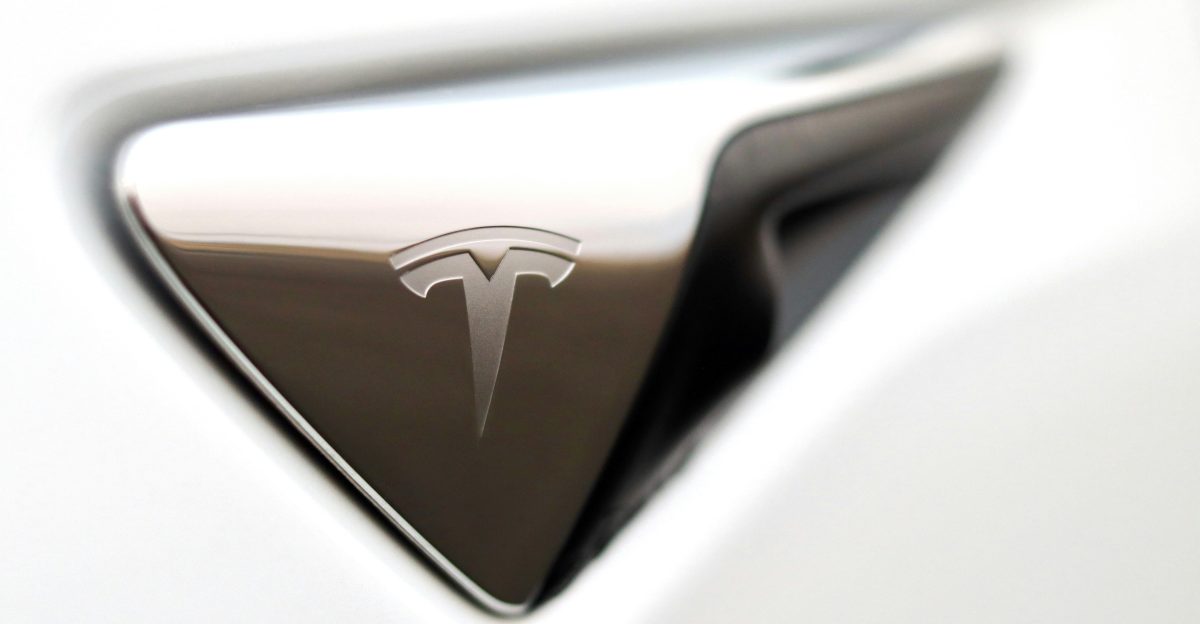
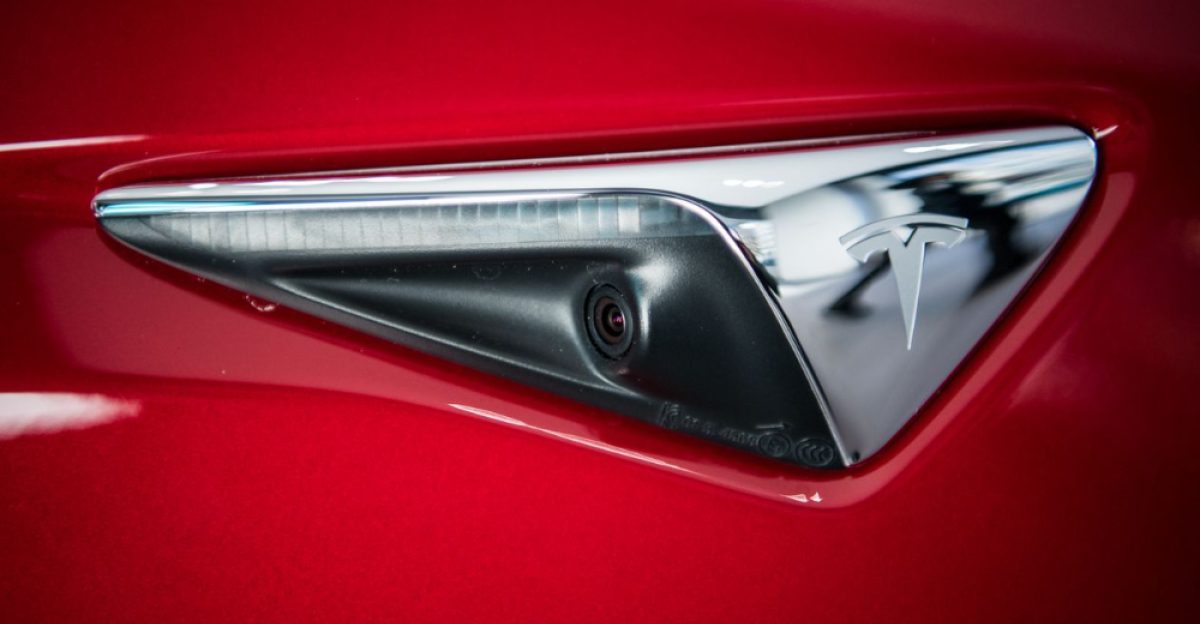
In 2021, Tesla removed radar sensors and committed to a camera-only approach for self-driving features. Other companies, such as Waymo, continue to use a mix of cameras, radar, and lidar for redundancy.
Tesla’s design creates a single point of failure. If the cameras lose visibility, there is no backup system.
Robotaxi Reality
Since June 2025, Tesla’s Robotaxi fleet in Austin has been involved in 14 crashes over about 800,000 miles. That equals one crash every 57,000 miles.
Tesla’s own data says human drivers usually go 229,000 miles between minor accidents. The Robotaxi fleet is crashing almost four times as often as the average human driver, according to Tesla’s numbers.
Cybercab Gamble
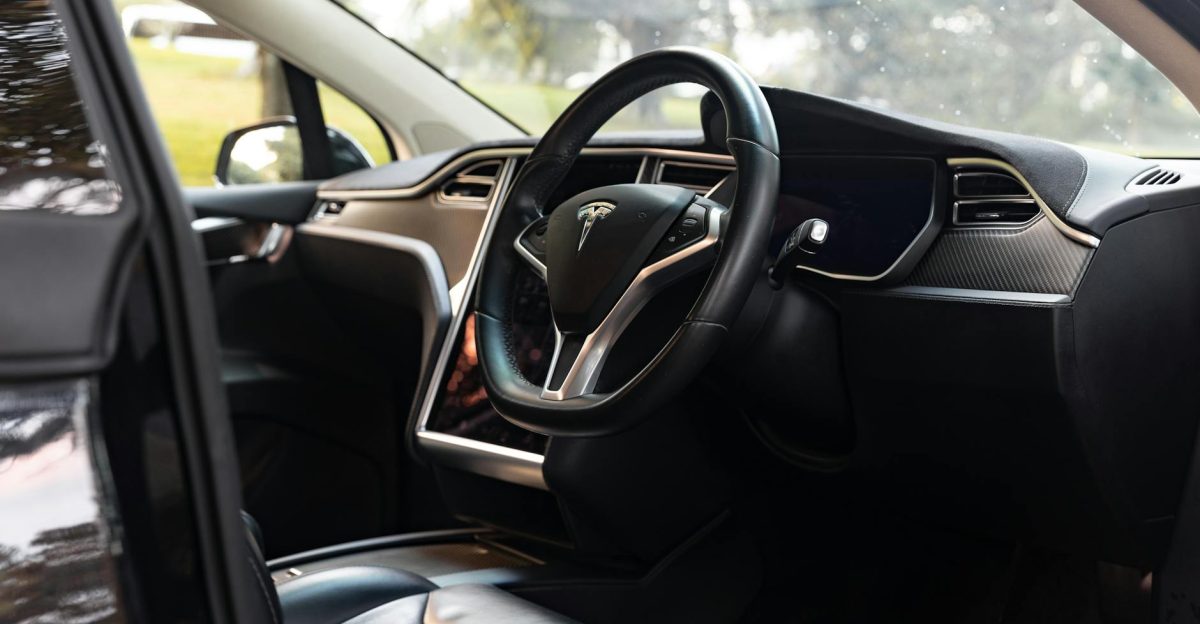
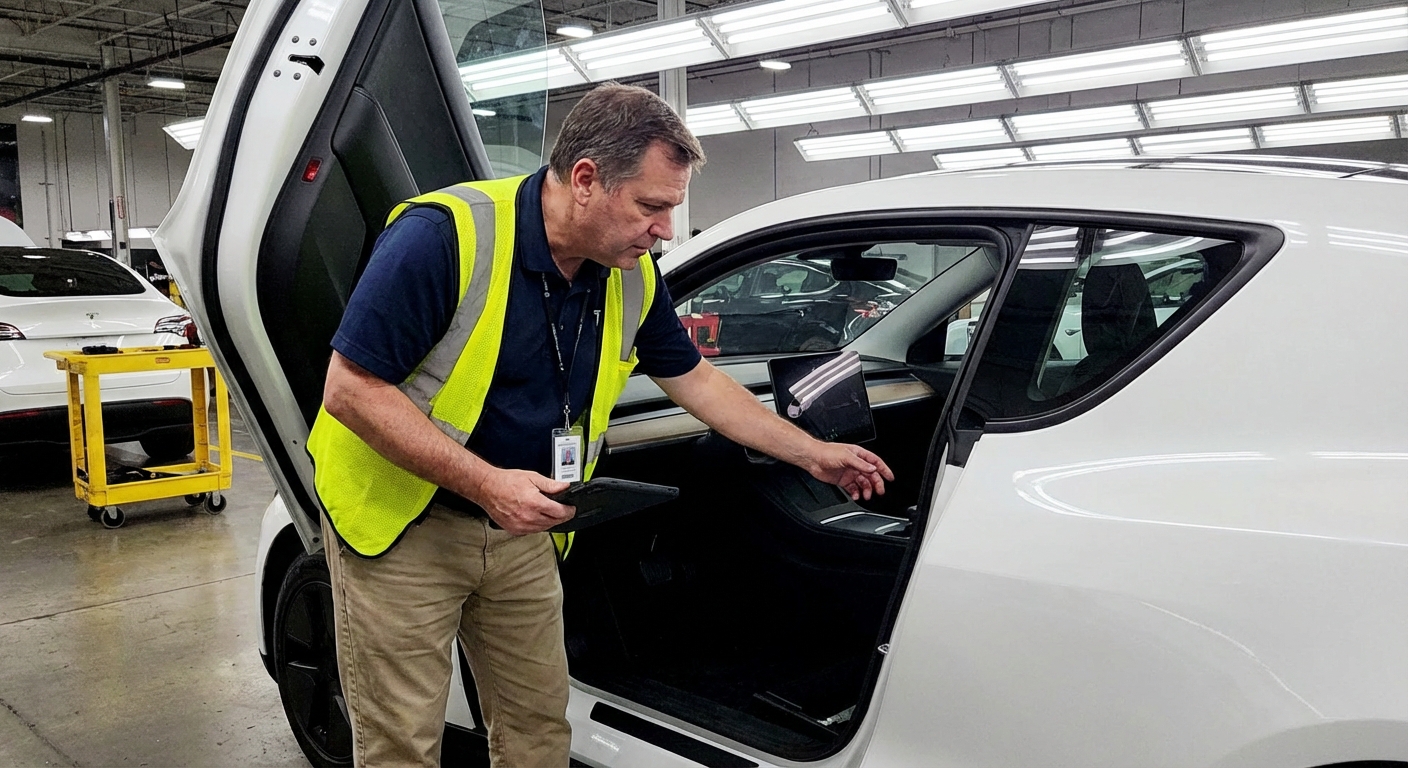
In February 2026, Tesla’s first Cybercab came off the production line. The vehicle has no steering wheel or pedals. There is no option for a human to take control if something fails. The design makes conversion back to manual controls nearly impossible.
If the NHTSA requires changes or restrictions, Tesla could be left with a vehicle that cannot be fixed remotely. Hardware problems cannot be solved with software updates.
Legal Precedent
A federal judge recently upheld a $243 million jury verdict for a 2019 crash involving Tesla’s Autopilot that killed Naibel Benavides Leon. Although the driver admitted to negligence, the jury found Tesla 33% responsible.
This ruling establishes that manufacturers can be found liable when marketing exceeds actual system capability. The decision could affect many other lawsuits Tesla faces for similar crashes.
Data Gaps
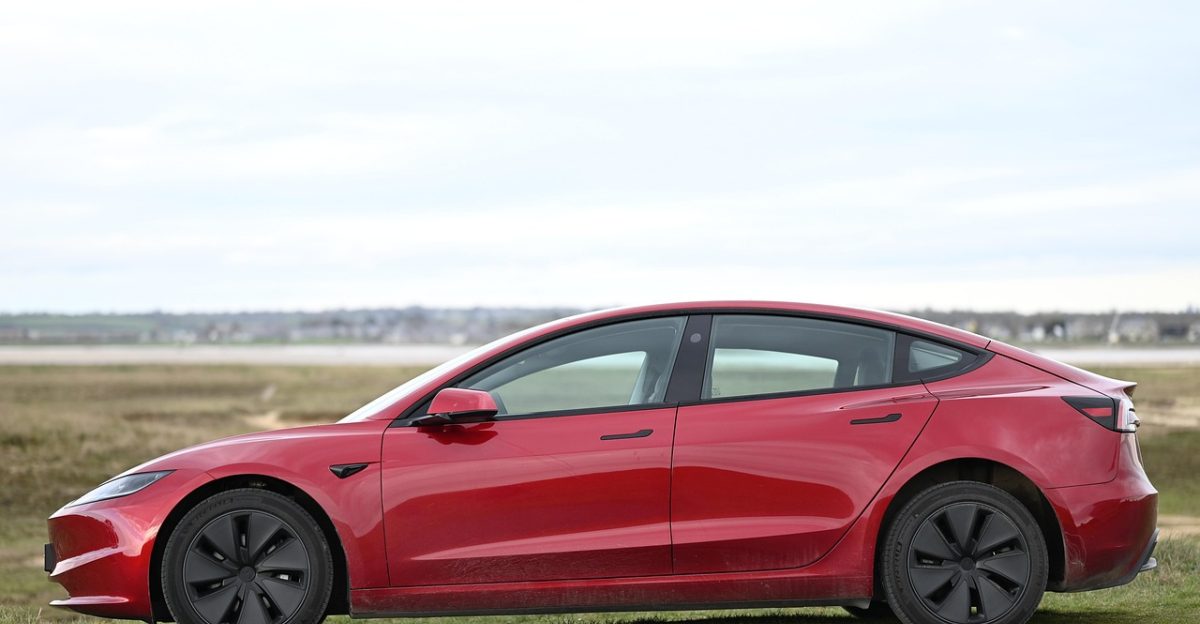
NHTSA also pointed out that Tesla’s internal data system has limitations. The way Tesla tracks and labels crashes may miss incidents where the degradation detection system was active.
Regulators believe this data gap could mean more Full Self-Driving crashes than the nine officially under investigation.
California Defeat
Tesla entered a legal dispute with California’s DMV over its use of the term “Autopilot.” After losing a false-advertising case in late 2025, Tesla avoided a month-long sales suspension by quickly removing the term from marketing.
Soon after, the company discontinued the Autopilot product and began encouraging owners to switch to a $99-per-month Full Self-Driving subscription.
Market Confidence
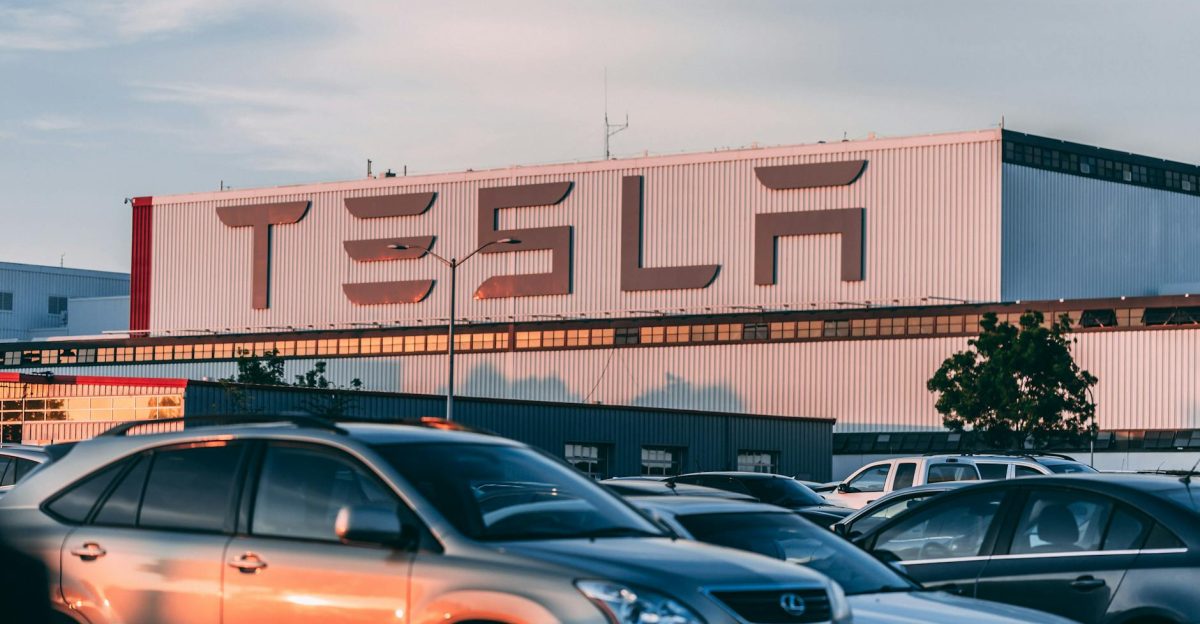
Tesla is valued at around $1.2 trillion. Robotaxi services contribute less than 1% of its revenue. In 2025, Tesla sold fewer cars than the previous year for the first time.
News of the engineering analysis contributed to a mid-March stock decrease, showing the market’s sensitivity to regulatory threats against Tesla’s autonomous driving plans.
What It Signals
More than 3.2 million Tesla owners may discover that their cars can go effectively blind in conditions as common as morning sun or evening fog, with warnings arriving only immediately before a crash. Engineering analysis usually concludes within a few months.
Tesla’s Robotaxi expansion, Cybercab prospects, and autonomous driving narrative now face a regulatory deadline the company cannot extend.
Sources:
Electrek – Tesla is one step away from having to recall FSD in NHTSA visibility investigation – 18 March 2026
NHTSA Office of Defects Investigation – EA26002: Reduced Roadway Visibility Conditions Affecting Tesla Vehicles Equipped with Full Self-Driving – 18 March 2026
Electrek – Tesla ‘Robotaxi’ adds 5 more crashes in Austin in a month, 4x worse than humans – 16 February 2026
Reuters – US judge upholds $243 million verdict against Tesla over fatal Autopilot crash – 20 February 2026
The Verge – Tesla finally kills Autopilot in a bid to boost FSD subscriptions – 23 January 2026
Capital.com – Tesla Stock Forecast | FSD Filing Before NHTSA – 17 March 2026